Sale Price:
$2.00
Original Price:
$3.00
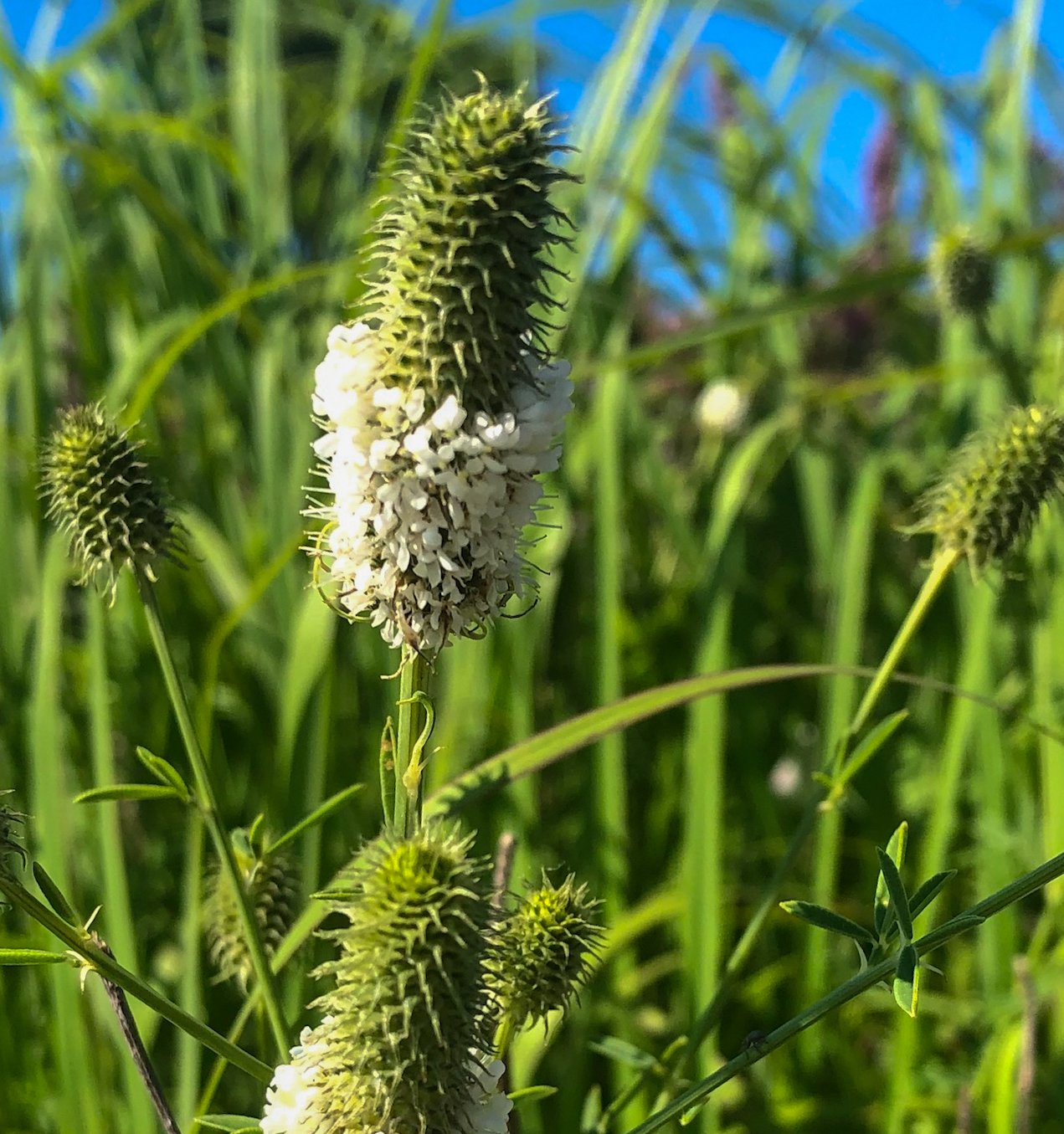
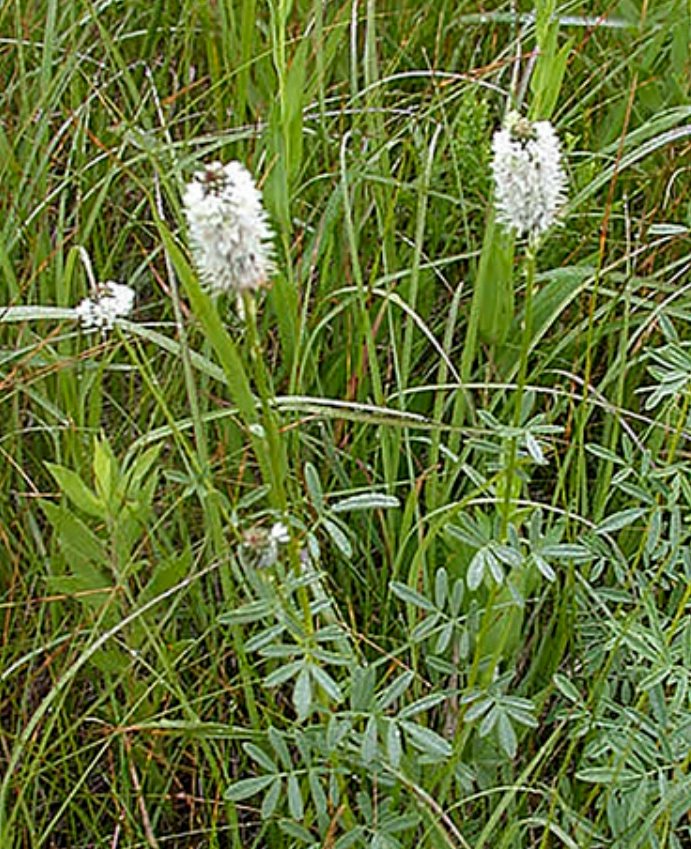
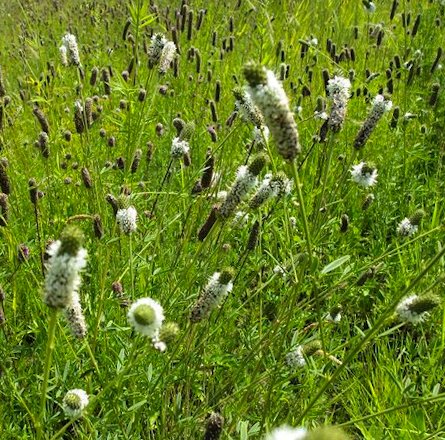
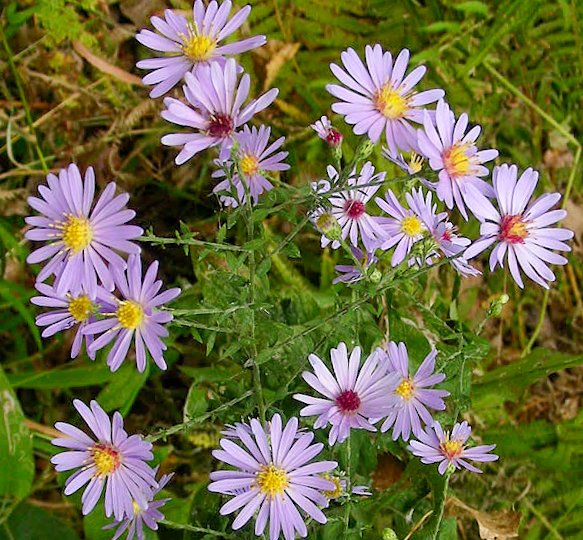
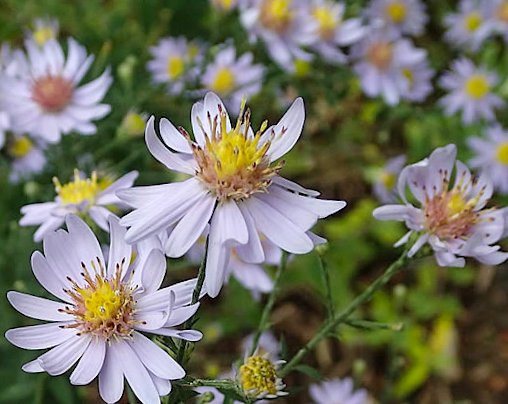
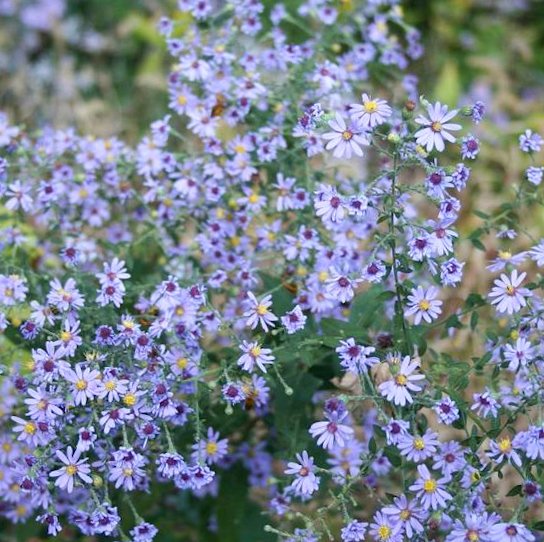
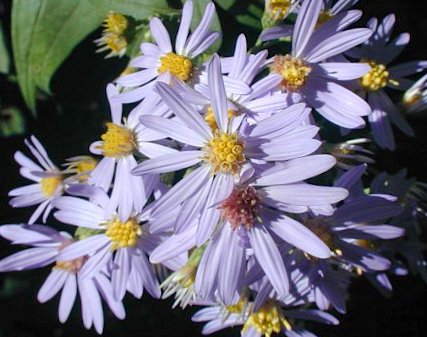
Calico Aster (Symphyotrichum lateriflorum)
Calico Aster (Symphyotrichum lateriflorum) supports biodiversity by providing late-season nectar and pollen for a wide array of pollinators, including native bees, butterflies, and hoverflies, at a time when floral resources are scarce; its profuse, small white to lavender blooms attract and sustain migrating monarchs and other lepidopterans while offering foraging habitat for beetles and wasps.
The open, branching habit and seed production of Calico Aster supplies seeds for small birds and overwintering cover for insects and spiders, contributing to shelter and microhabitat complexity. As a native, adaptable understory species, Calico Aster helps stabilize soils, enhances plant community resilience by filling niches in diverse prairie, woodland edge, and meadow restorations, and supports trophic interactions that bolster overall ecosystem function.
Plant Details
USDA Zones: 3-9
Germination Needs: No Treatment Needed
Life Cycle: Perennial
Sun Exposure: Full, Partial, Shade
Soil Moisture: Medium-Wet, Medium, Medium-Dry
Plant Spacing: 1½ - 3 feet
Height: 2 feet
Bloom time: August, September, October
Bloom Color: White, Purple
Advantages :
Pollinator Favorite: butterflies, moths, bees, wasps, beetles
Bird Favorite: seeds, insects, fruit, nectar, nesting, perchs.
Deer Resistant: No
Native to : Wisconsin, Minnesota, Iowa, Illinois, Indiana, Michigan, Ohio, Pennsylvania, New York, Vermont, New Hampshire, Maine, Massachusetts, Rhode Island, Connecticut, Delaware, Maryland, New Jersey, West Virginia, Virginia, Kentucky, Tennessee, North Carolina, South Carolina, Georgia, Florida, Alabama, Mississippi, Louisiana, Arkansas, Missouri, Texas, Oklahoma, Kansas, Nebraska, and South Dakota.
This plant is considered native but rare in several counties of South Dakota, Nebraska, and Kansas.
.
.
Packet quantities:
We pride ourselves on ethical, hands on, ecological management, using no mechanical or chemical methods whatsoever.
All of our native seed is hand reared, hand picked, and hand packed from native prairies under our exclusive management, never breaking chain of custody from the field until it is sent to you. Each packet is hand prepared for shipment by us, directly.
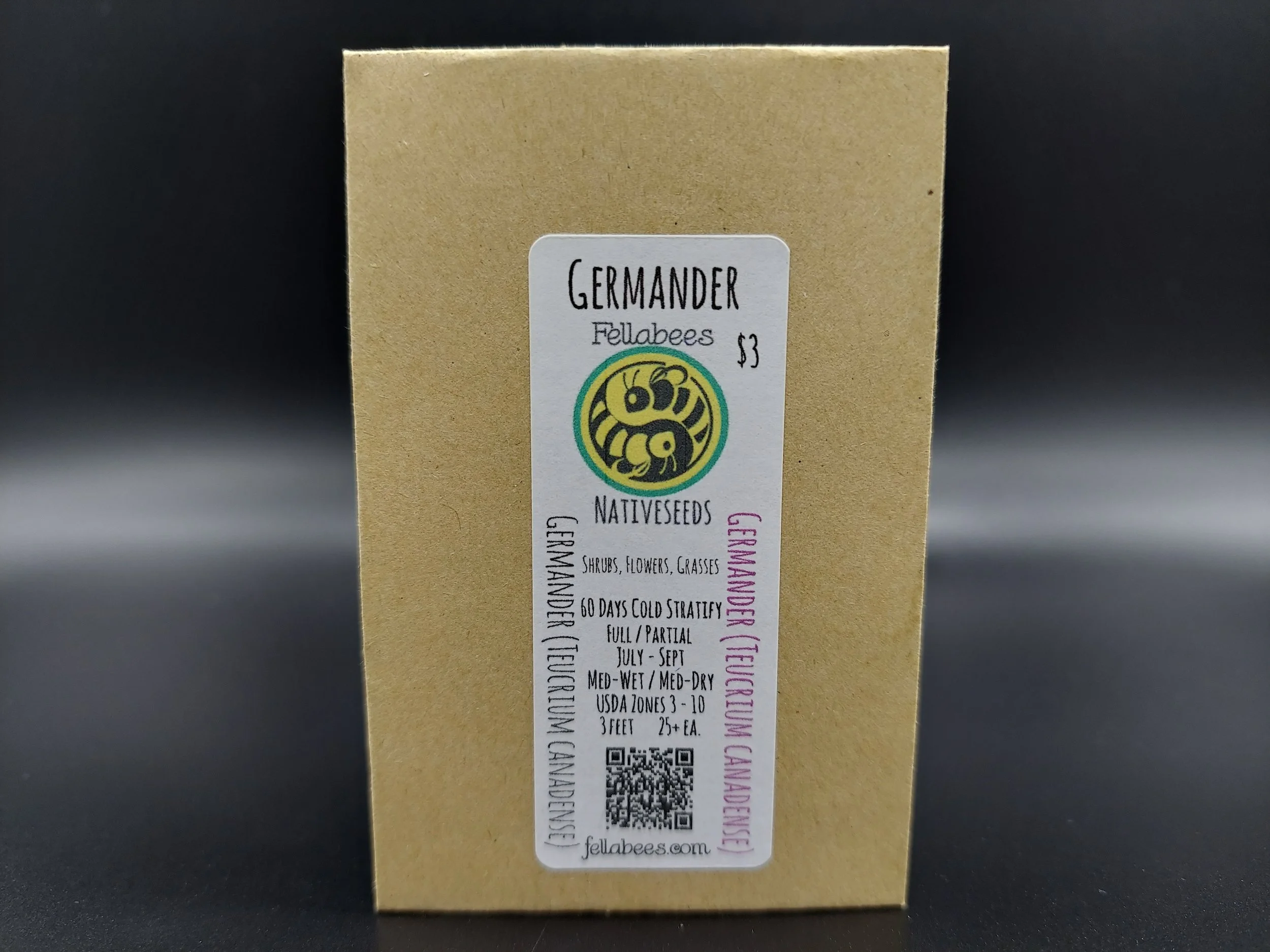
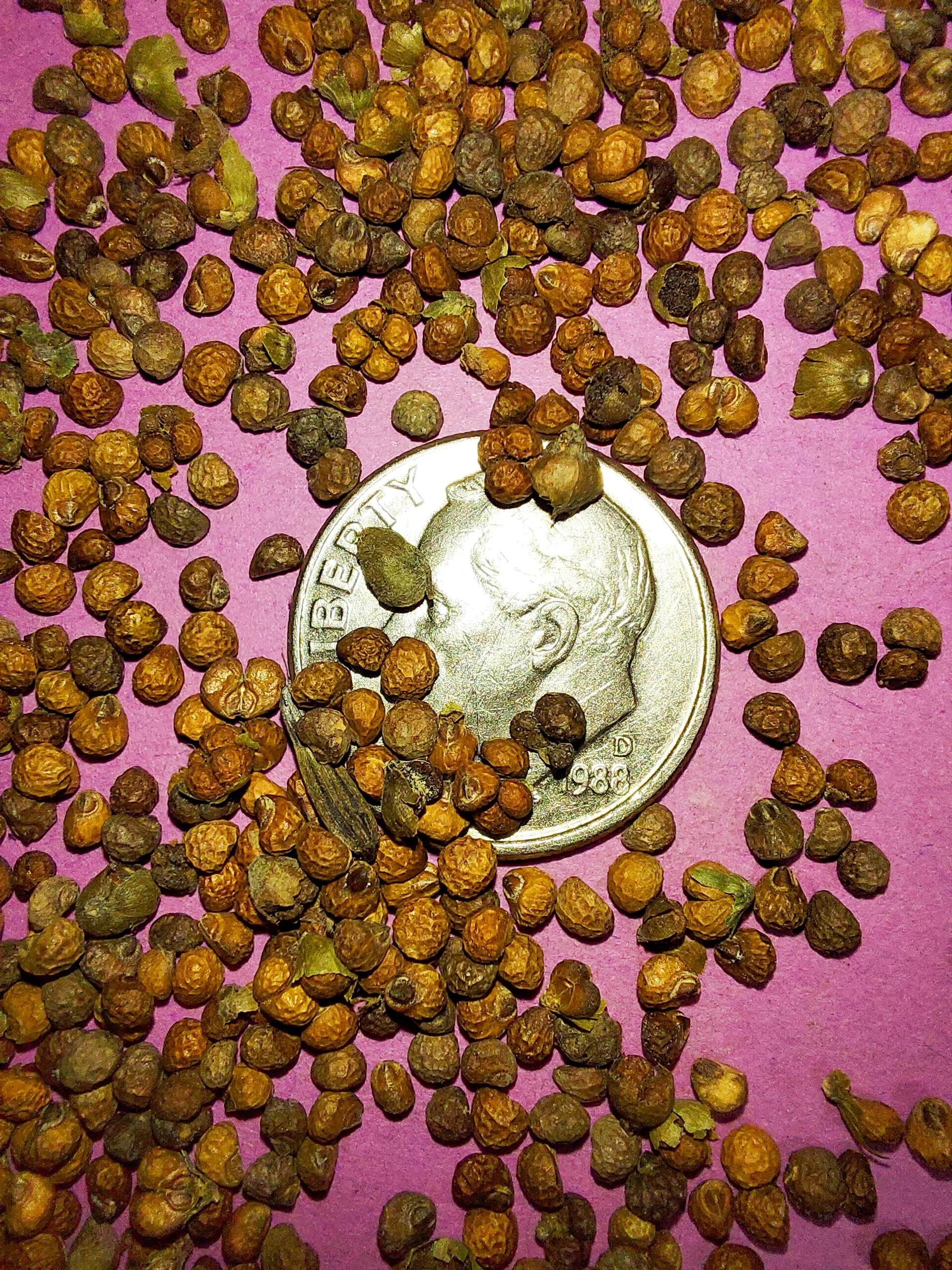
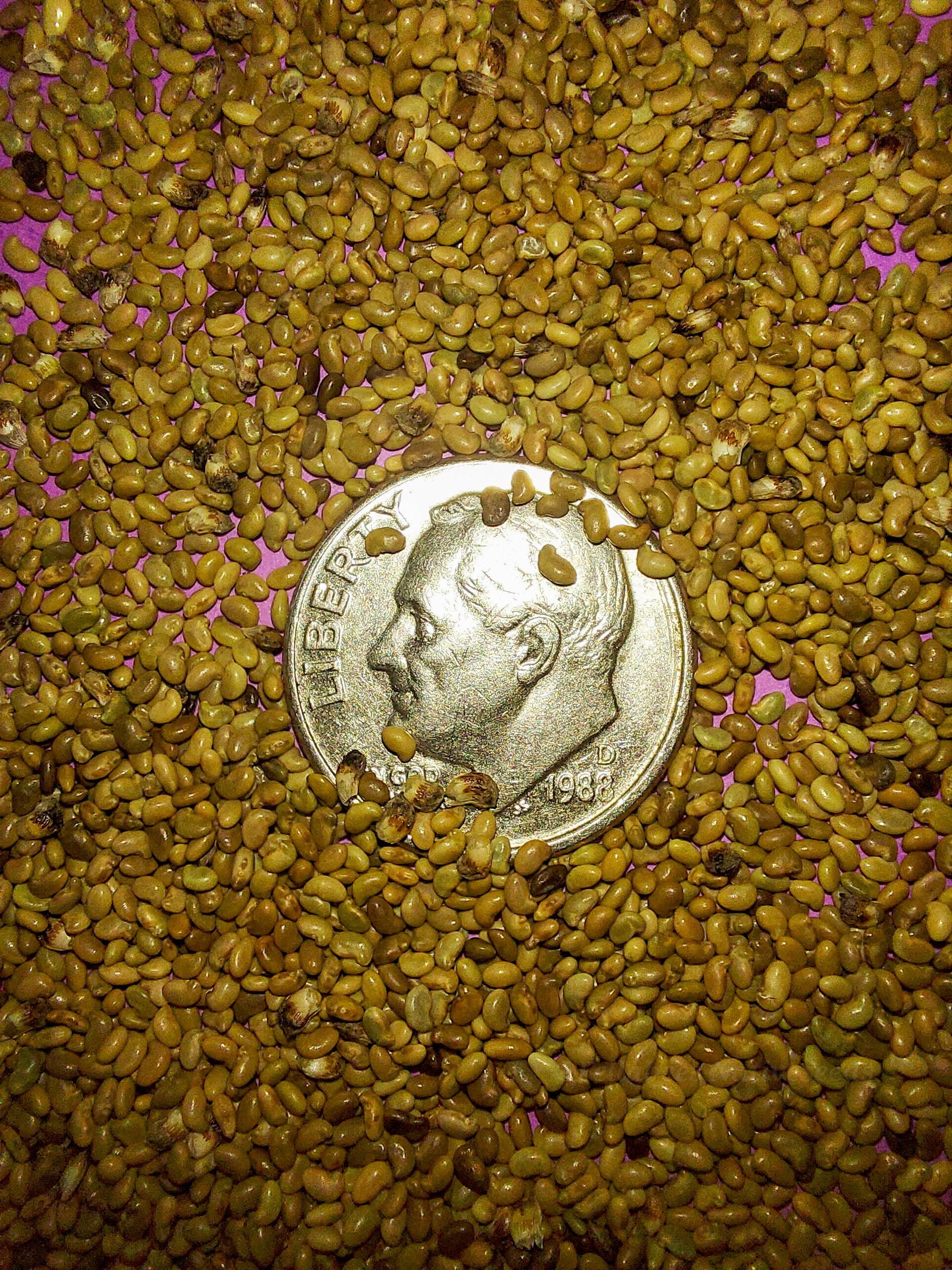
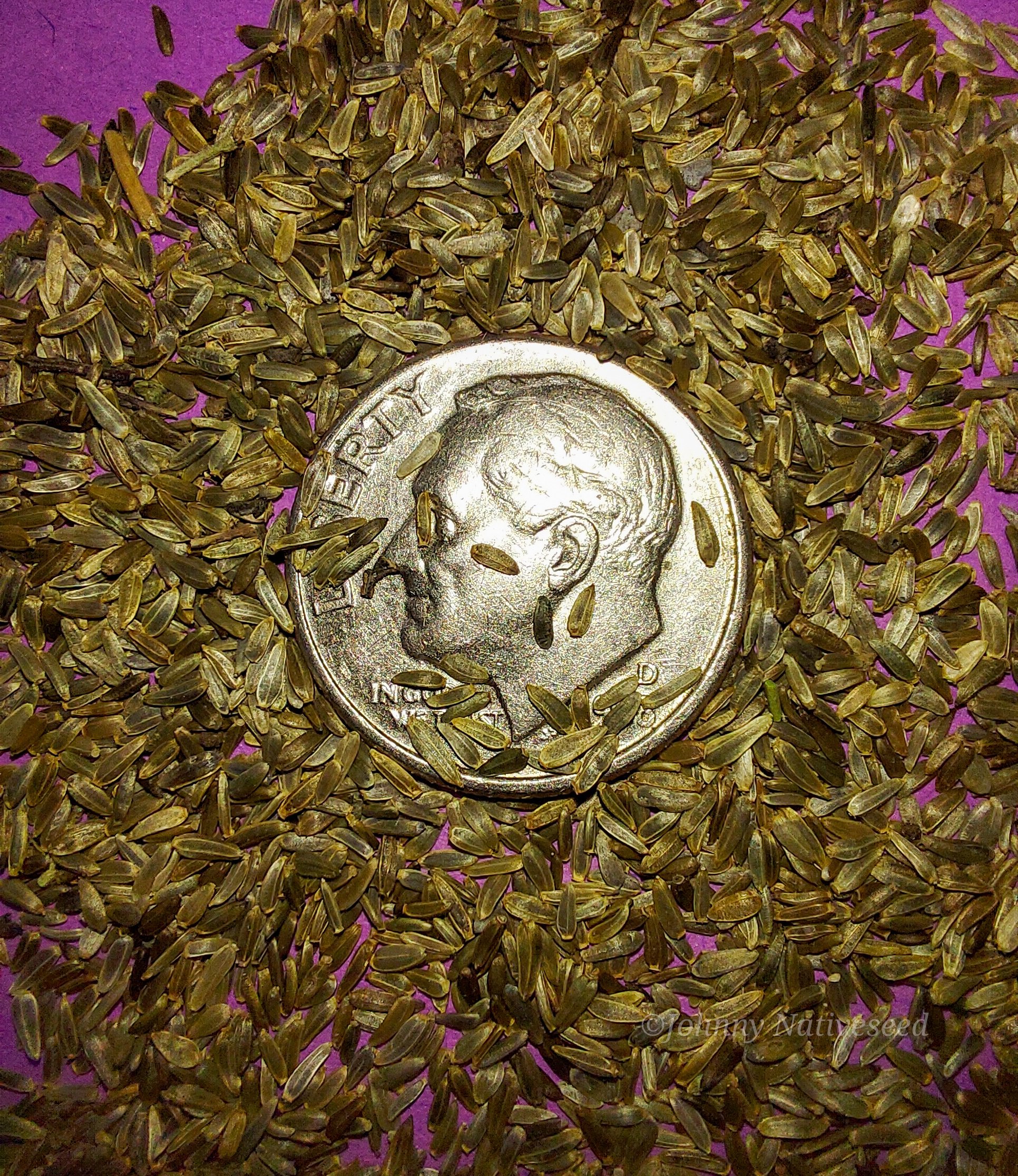
Small seed species will contain greater than 20-25 seed
Large seed species will contain greater than 10-15 seed
All packets are individually marked at the bottom of the front label with expected count, however most if not all packets will have more than the minimum count by default.
It is our mission to spread the wealth of native plant and pollinator ecological sustainability, and educate back yard gardeners as well as corporate and government entities in how to germinate, grow, and benefit from native synergies.
Thank you for your support, it is because of you, that we can grow together to do, what we do.🐛🦋🐝🐞🌾🌱🌼🧡
Calico Aster (Symphyotrichum lateriflorum)
Calico Aster (Symphyotrichum lateriflorum) supports biodiversity by providing late-season nectar and pollen for a wide array of pollinators, including native bees, butterflies, and hoverflies, at a time when floral resources are scarce; its profuse, small white to lavender blooms attract and sustain migrating monarchs and other lepidopterans while offering foraging habitat for beetles and wasps.
The open, branching habit and seed production of Calico Aster supplies seeds for small birds and overwintering cover for insects and spiders, contributing to shelter and microhabitat complexity. As a native, adaptable understory species, Calico Aster helps stabilize soils, enhances plant community resilience by filling niches in diverse prairie, woodland edge, and meadow restorations, and supports trophic interactions that bolster overall ecosystem function.
Plant Details
USDA Zones: 3-9
Germination Needs: No Treatment Needed
Life Cycle: Perennial
Sun Exposure: Full, Partial, Shade
Soil Moisture: Medium-Wet, Medium, Medium-Dry
Plant Spacing: 1½ - 3 feet
Height: 2 feet
Bloom time: August, September, October
Bloom Color: White, Purple
Advantages :
Pollinator Favorite: butterflies, moths, bees, wasps, beetles
Bird Favorite: seeds, insects, fruit, nectar, nesting, perchs.
Deer Resistant: No
Native to : Wisconsin, Minnesota, Iowa, Illinois, Indiana, Michigan, Ohio, Pennsylvania, New York, Vermont, New Hampshire, Maine, Massachusetts, Rhode Island, Connecticut, Delaware, Maryland, New Jersey, West Virginia, Virginia, Kentucky, Tennessee, North Carolina, South Carolina, Georgia, Florida, Alabama, Mississippi, Louisiana, Arkansas, Missouri, Texas, Oklahoma, Kansas, Nebraska, and South Dakota.
This plant is considered native but rare in several counties of South Dakota, Nebraska, and Kansas.
.
.
Packet quantities:
We pride ourselves on ethical, hands on, ecological management, using no mechanical or chemical methods whatsoever.
All of our native seed is hand reared, hand picked, and hand packed from native prairies under our exclusive management, never breaking chain of custody from the field until it is sent to you. Each packet is hand prepared for shipment by us, directly.
Small seed species will contain greater than 20-25 seed
Large seed species will contain greater than 10-15 seed
All packets are individually marked at the bottom of the front label with expected count, however most if not all packets will have more than the minimum count by default.
It is our mission to spread the wealth of native plant and pollinator ecological sustainability, and educate back yard gardeners as well as corporate and government entities in how to germinate, grow, and benefit from native synergies.
Thank you for your support, it is because of you, that we can grow together to do, what we do.🐛🦋🐝🐞🌾🌱🌼🧡
 Image 1 of 4
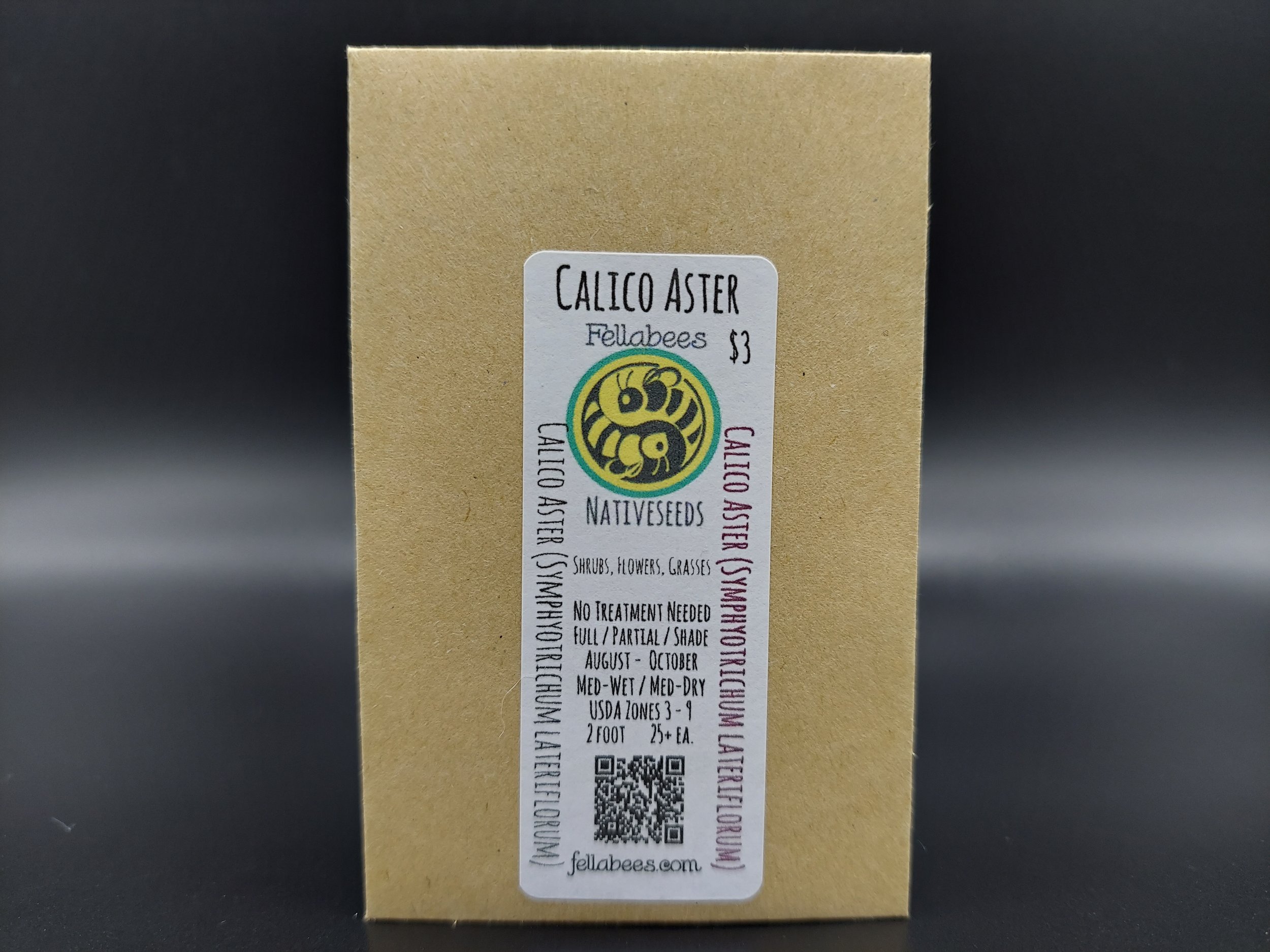 Image 2 of 4
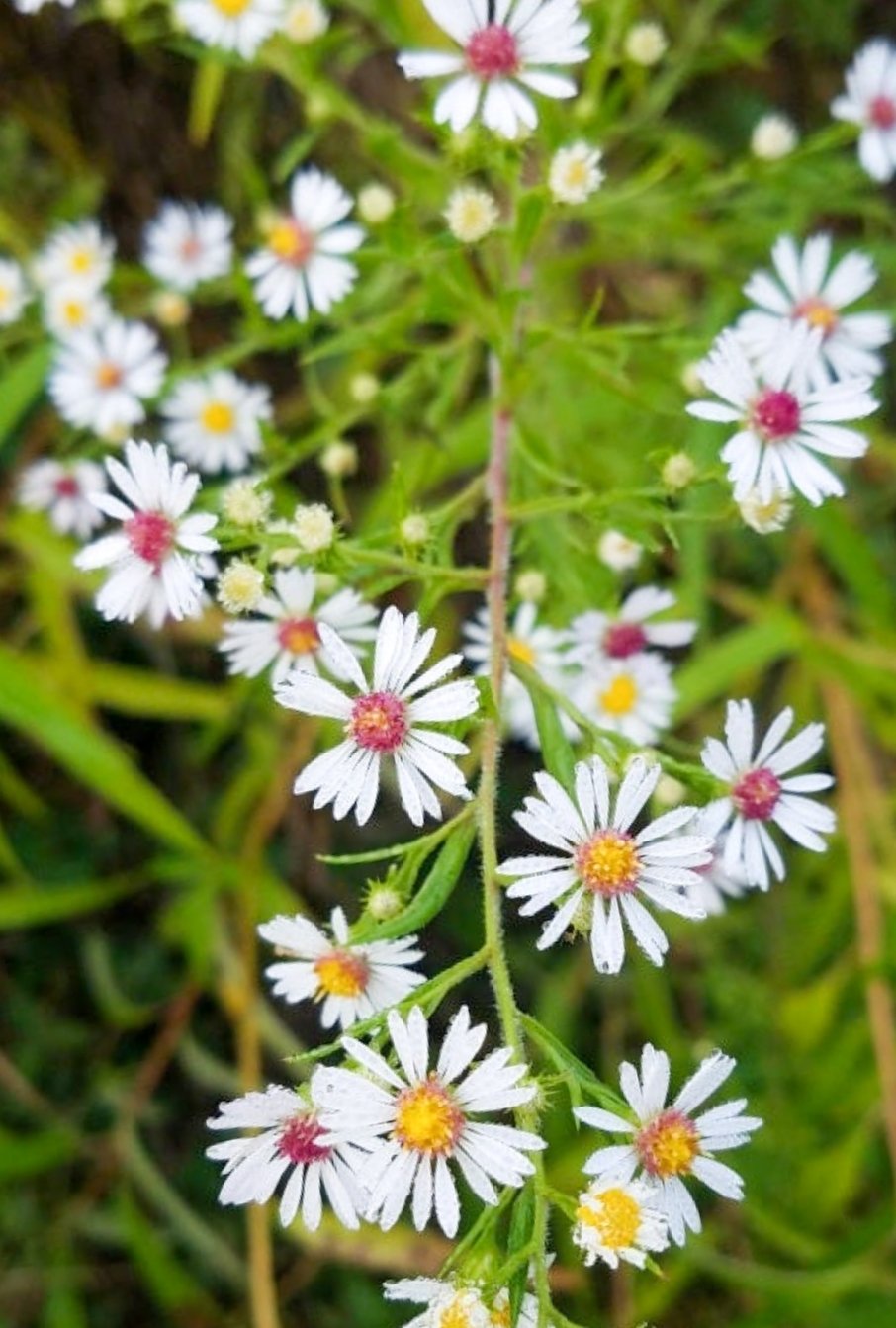 Image 3 of 4
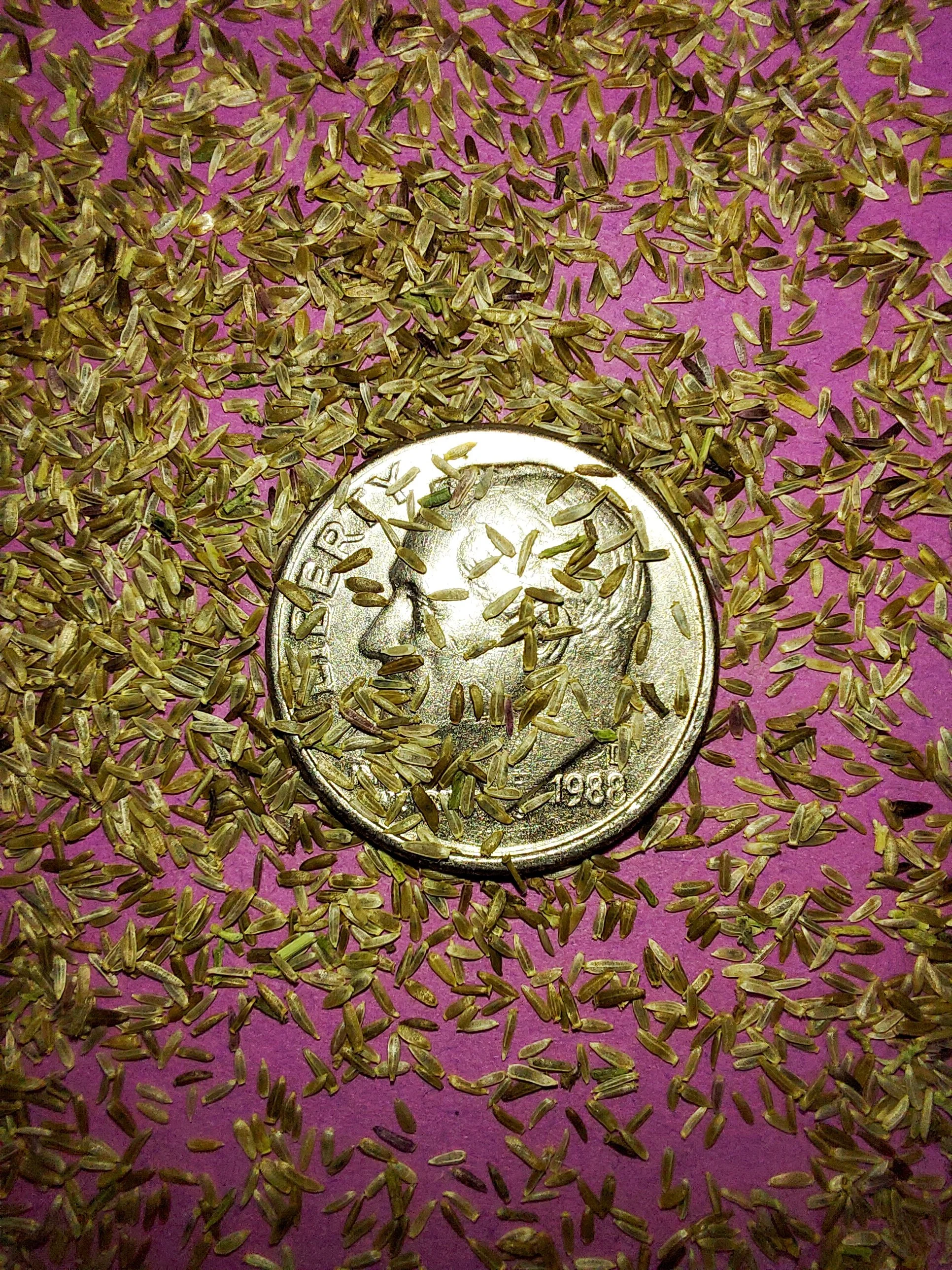 Image 4 of 4