Sale Price:
$1.50
Original Price:
$3.00
Rattlesnake Master (Eryngium yuccifolium)
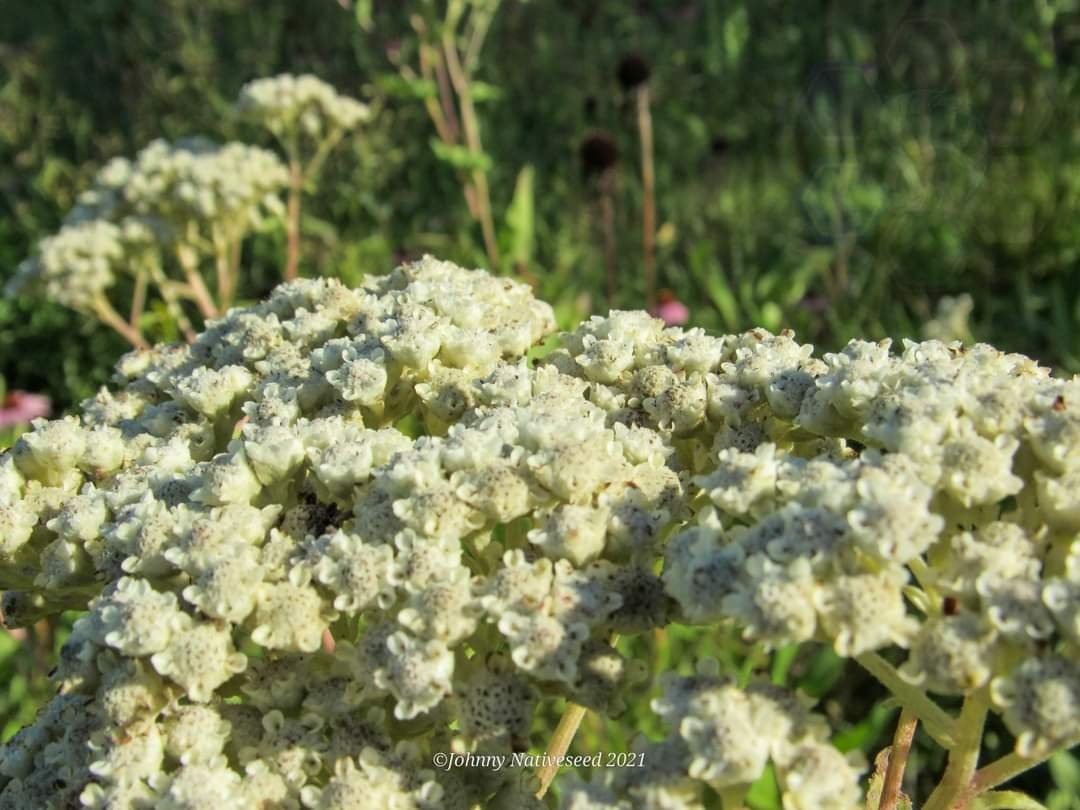
Eryngium yuccifolium, more commonly known as Rattlesnake Master, Button Eryngo, and Button Snake-root, is a striking perennial herb of the parsley family that is native to the tallgrass prairies of central and eastern North America. It thrives across a broad range, from Minnesota eastward to Ohio and southward into Texas and Florida, and it also appears in scattered locations in Connecticut, New Jersey, Maryland, and Delaware.
Rattlesnake Master grows best in full sun and well-drained soils, where it receives plenty of light and does not sit in water. It prefers a soil reaction ranging from slightly acidic to slightly alkaline (pH), tolerating a modest range of conditions. The plant is susceptible to root rot if soils remain wet or consistently moist for extended periods, so good drainage is important. Once established, it should generally be left undisturbed and not dug up or transplanted like many native perennials, because it develops a large taproot and additional thick, fleshy roots that do not tolerate movement well. When starting from seed, a period of 60 days of cold-moist stratification is required to break dormancy and encourage reliable germination.
In remnant natural areas, Eryngium yuccifolium is fairly intolerant of anthropogenic (human) disturbance, showing sensitivity to heavy foot traffic, soil compaction, and altered hydrology. It readily establishes and thrives when intentionally planted in well-planned prairie restorations, responding especially well to appropriate site preparation and periodic management and responds well to periodic prescribed burns.
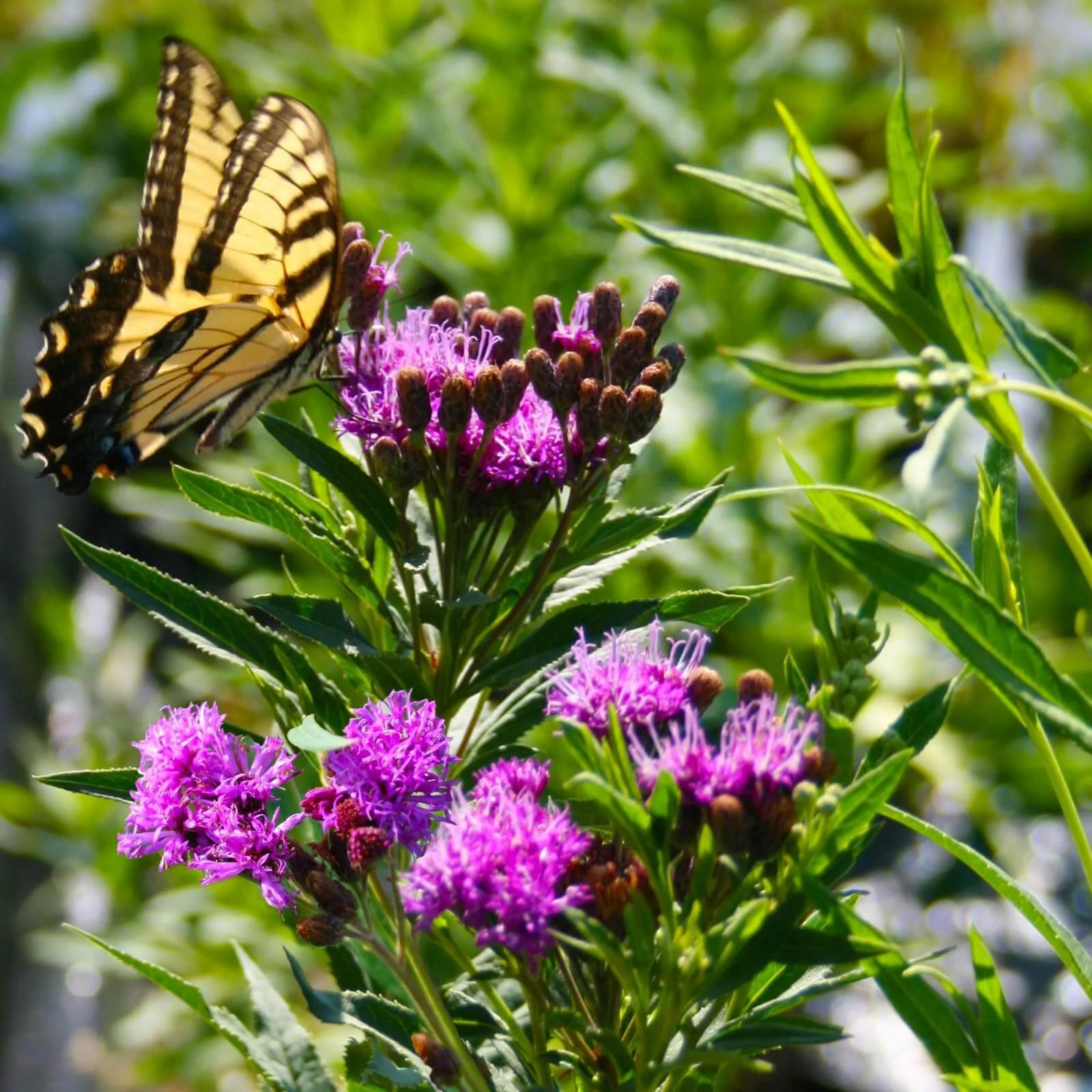
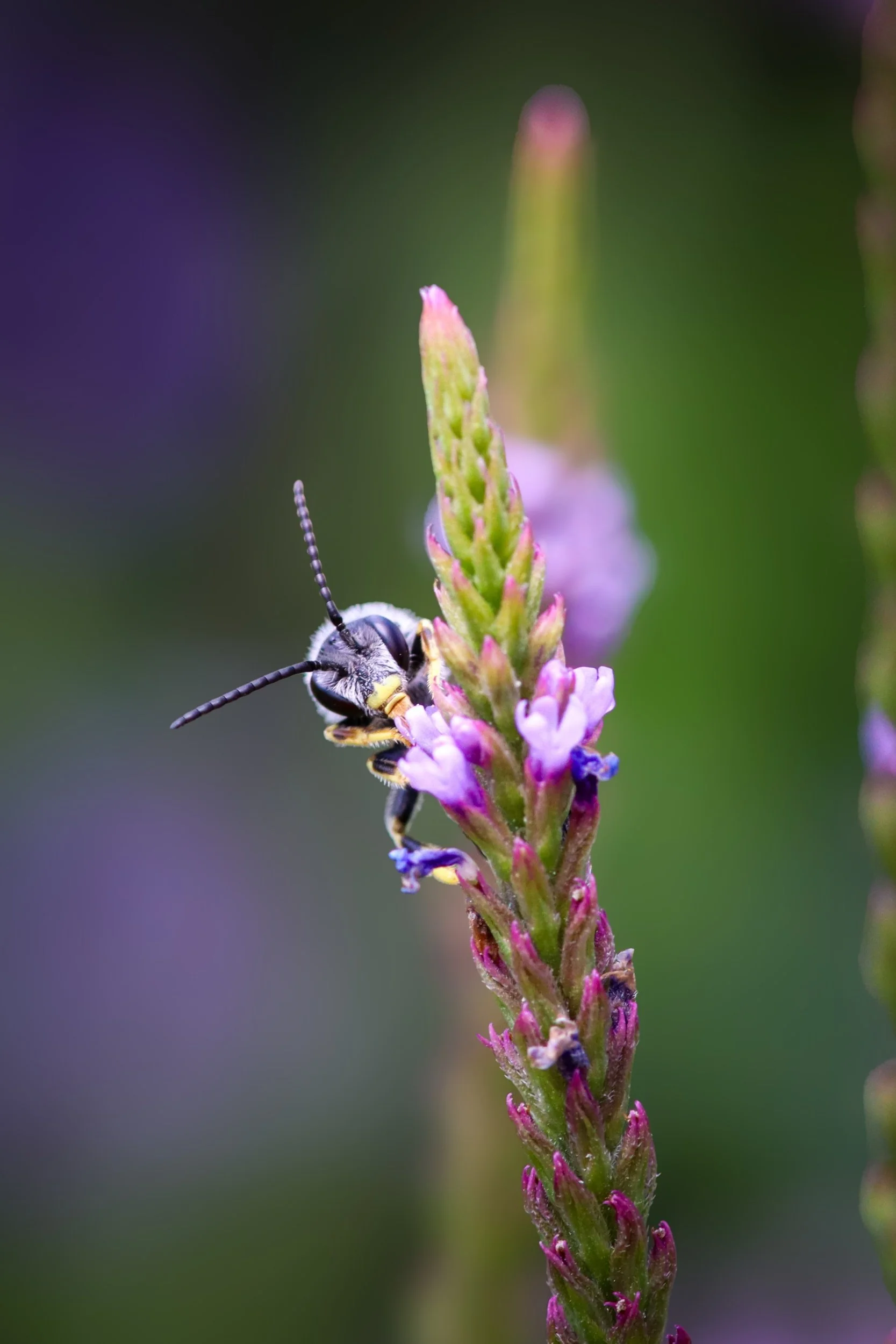
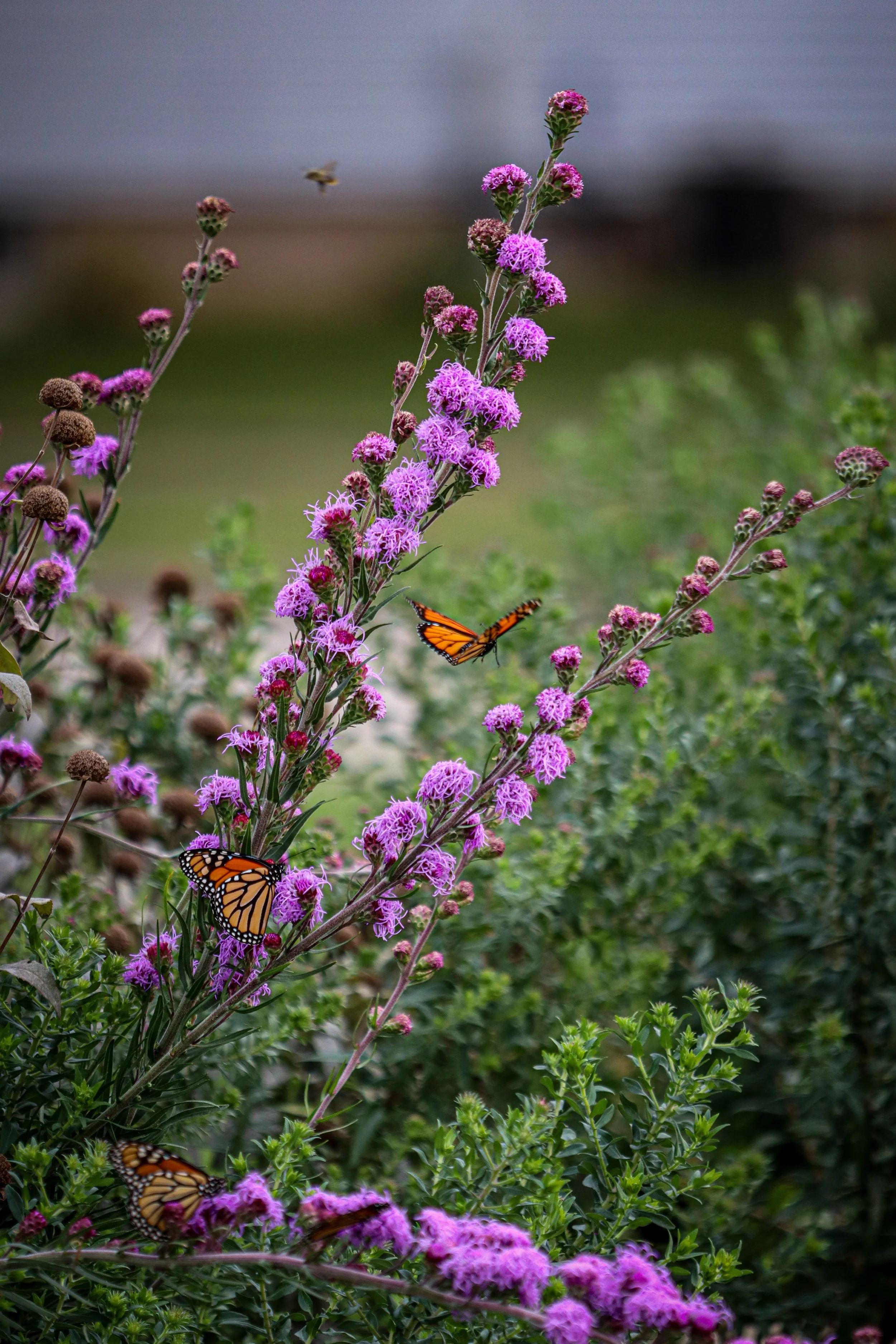
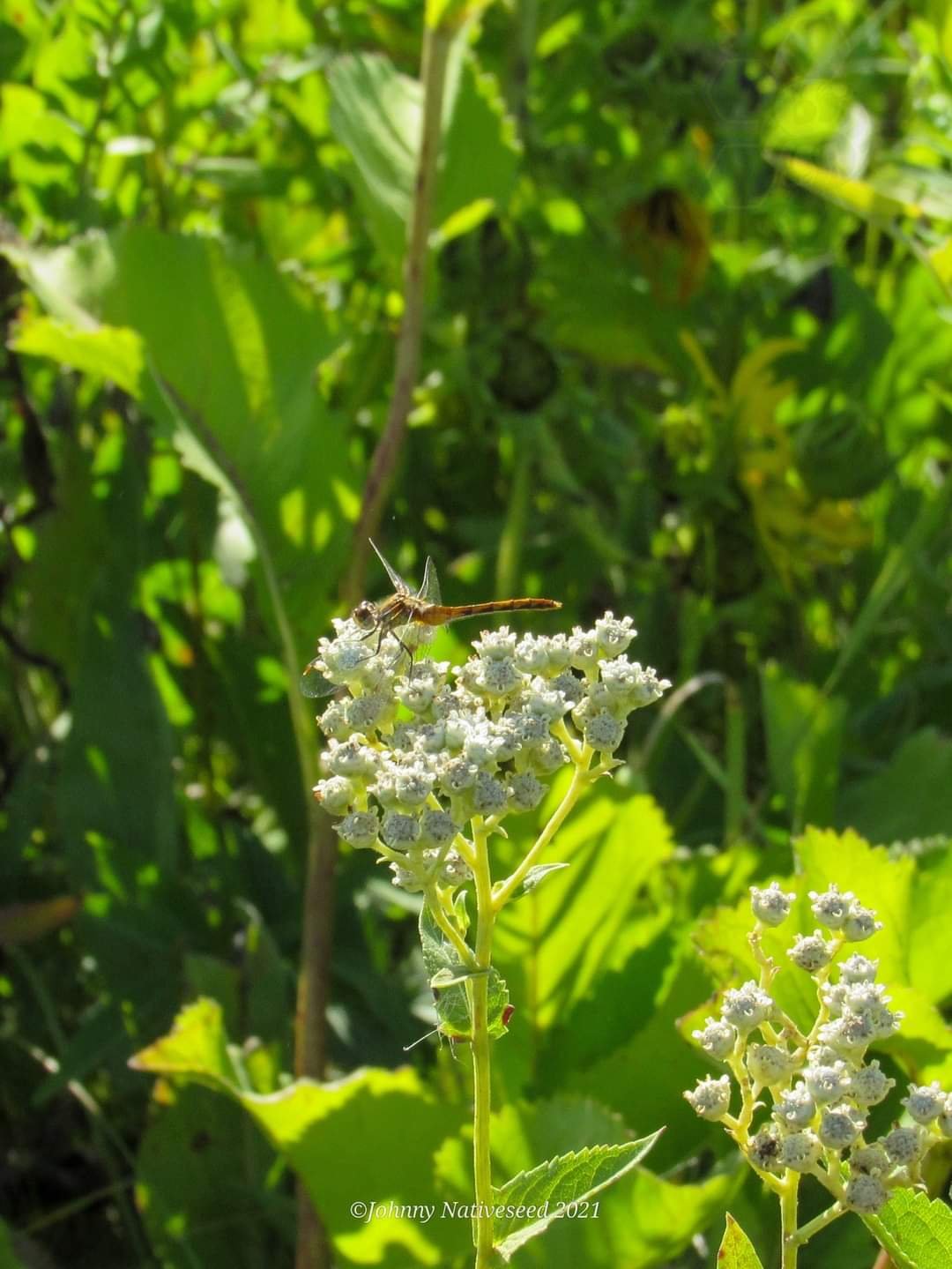
The flowers attract many insects, including both short- and long-tongued bees, flies, beetles, and butterflies, but most numerous of all are the pollinating predators such as Northern Paper Wasps (Polistes fuscatas), Great Golden Digger Wasps (Sphex ichneumoneus), Mason Wasps (Ancistrocerus spp.), Thread-waisted Wasps (Prionyx spp.), Great Black Wasps (Sphex pensylvanicus), Beetle Wasps (Cerceris spp.), Carrot Wasps (Gasteruption spp.), Thynnid Wasps (Myzinum quinquecinctum), Grass-carrying Wasps (Isodontia sp.), and Beewolves (Philanthus gibbosus), to name just a few of the many beneficial species commonly seen.
Rattlesnake Master serves as the larval host for the Eryngium Borer Moth (Papaipema eryngii) and also for the Flower-Feeding Moth (Coleotechnites eryngiella), supporting their early life stages.
Fibers of Rattlesnake Master have been identified as one of the primary materials used in the ancient shoe construction of Midwestern Indigenous Americans. This striking plant is a must-have for anyone seeking unique foliage paired with practical, and dynamic function.
Plant Details:
USDA Zones: 4-9
Germination Needs: 60 Day Cold Stratification
Life Cycle: Perennial
Sun Exposure: Full Sun
Soil Moisture: Medium-Wet, Medium, Medium-Dry
Plant Spacing: 1½-2 feet
Height: 4 feet
Bloom Time: July, August, September
Bloom Color: White
Advantages
Pollinator Favorite: butterflies, moths, bees, wasps, beetles
Bird Favorite: seeds, insects, fruit, nectar, nesting, perchs.
Deer Resistant: Yes
Native to: Wisconsin, Minnesota, Iowa, Illinois, Indiana, Michigan, Ohio Connecticut, New Jersey, Maryland, Virginia, Kentucky, Tennessee, North Carolina, South Carolina, Georgia, Florida, Alabama, Mississippi, Louisiana, Arkansas, Missouri, Texas, Oklahoma, Kansas, and Nebraska.
This species is considered present but rare in several counties of the states of Minnesota, Michigan, Ohio, Virginia, and Nebraska.
This plant is considered to be extirpated (locally extinct) in several counties of the states of New Jersey and Maryland.
.
.
Packet quantities:
We pride ourselves on ethical, hands on, ecological management, using no mechanical or chemical methods whatsoever.
All of our native seed is hand reared, hand picked, and hand packed from native prairies under our exclusive management, never breaking chain of custody from the field until it is sent to you. Each packet is hand prepared for shipment by us, directly.
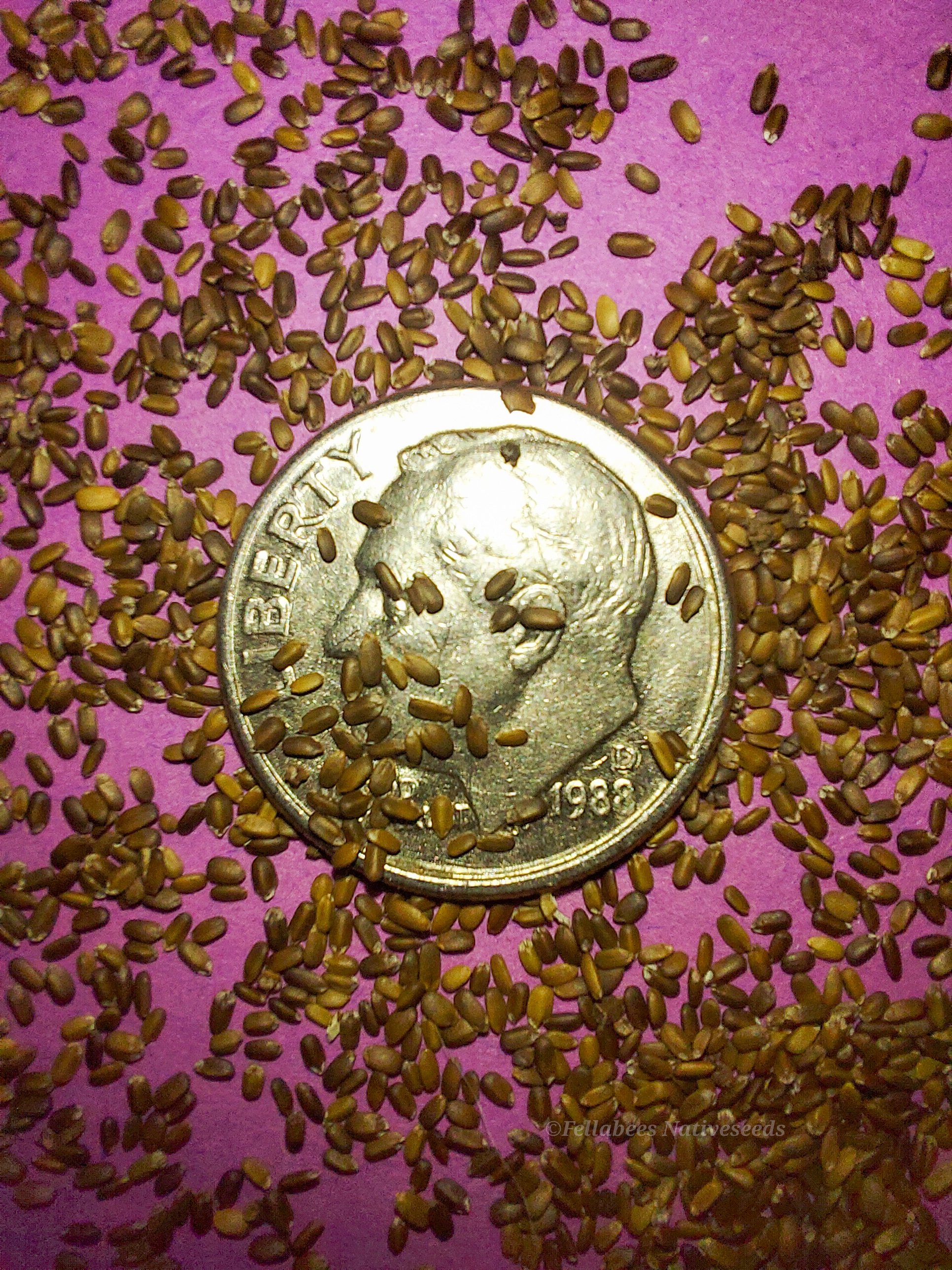
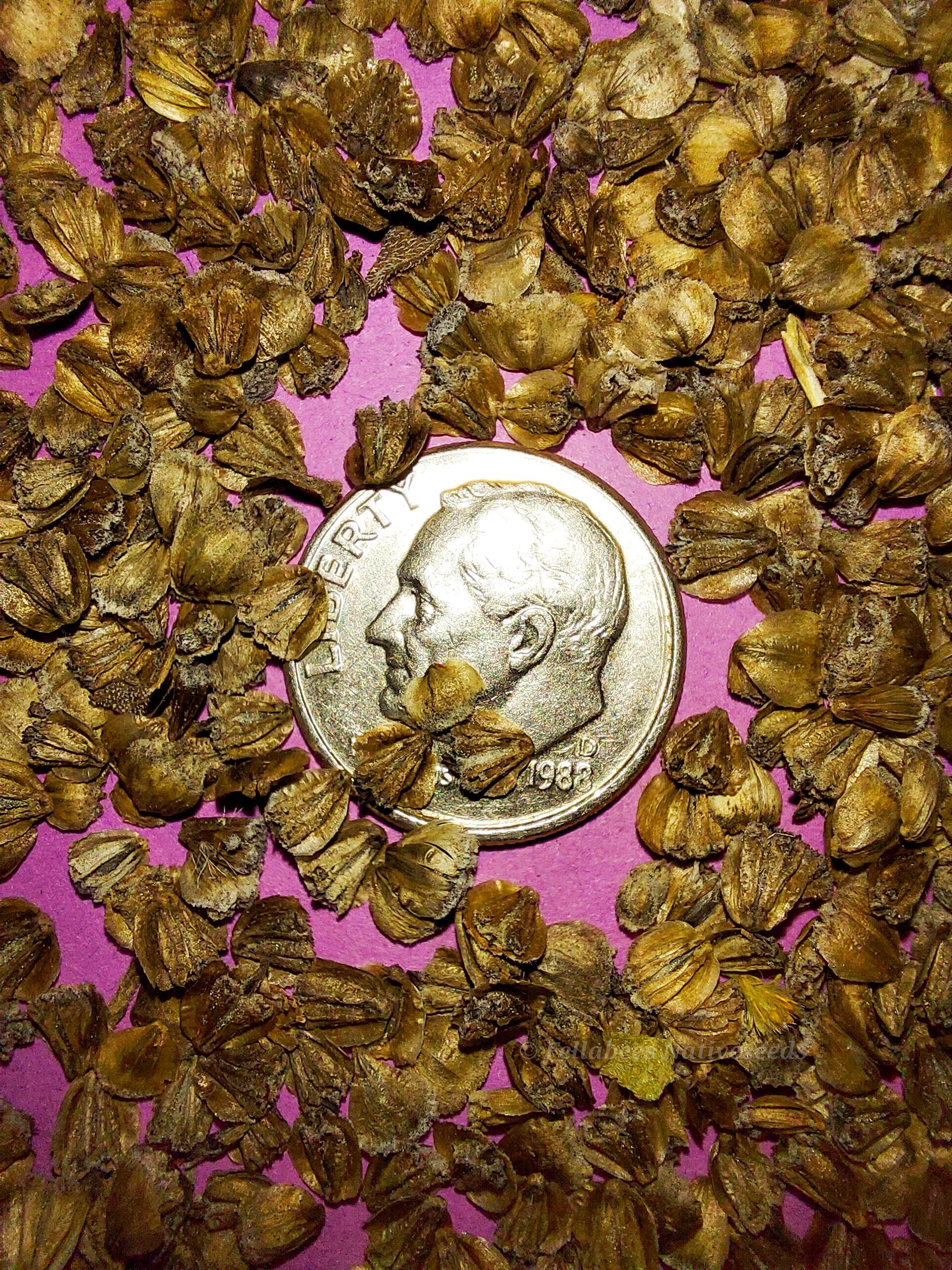
Small seed species will contain greater than 20-25 seed
Large seed species will contain greater than 10-15 seed
It is our mission to spread the wealth of native plant and pollinator ecological sustainability, and educate back yard gardeners as well as corporate and government entities in how to germinate, grow, and benefit from native synergies.
Thank you for your support, it is because of you, that we can grow together to do, what we do.🐛🦋🐝🐞🌾🌱🌼🧡
.
Rattlesnake Master (Eryngium yuccifolium)
Eryngium yuccifolium, more commonly known as Rattlesnake Master, Button Eryngo, and Button Snake-root, is a striking perennial herb of the parsley family that is native to the tallgrass prairies of central and eastern North America. It thrives across a broad range, from Minnesota eastward to Ohio and southward into Texas and Florida, and it also appears in scattered locations in Connecticut, New Jersey, Maryland, and Delaware.
Rattlesnake Master grows best in full sun and well-drained soils, where it receives plenty of light and does not sit in water. It prefers a soil reaction ranging from slightly acidic to slightly alkaline (pH), tolerating a modest range of conditions. The plant is susceptible to root rot if soils remain wet or consistently moist for extended periods, so good drainage is important. Once established, it should generally be left undisturbed and not dug up or transplanted like many native perennials, because it develops a large taproot and additional thick, fleshy roots that do not tolerate movement well. When starting from seed, a period of 60 days of cold-moist stratification is required to break dormancy and encourage reliable germination.
In remnant natural areas, Eryngium yuccifolium is fairly intolerant of anthropogenic (human) disturbance, showing sensitivity to heavy foot traffic, soil compaction, and altered hydrology. It readily establishes and thrives when intentionally planted in well-planned prairie restorations, responding especially well to appropriate site preparation and periodic management and responds well to periodic prescribed burns.
The flowers attract many insects, including both short- and long-tongued bees, flies, beetles, and butterflies, but most numerous of all are the pollinating predators such as Northern Paper Wasps (Polistes fuscatas), Great Golden Digger Wasps (Sphex ichneumoneus), Mason Wasps (Ancistrocerus spp.), Thread-waisted Wasps (Prionyx spp.), Great Black Wasps (Sphex pensylvanicus), Beetle Wasps (Cerceris spp.), Carrot Wasps (Gasteruption spp.), Thynnid Wasps (Myzinum quinquecinctum), Grass-carrying Wasps (Isodontia sp.), and Beewolves (Philanthus gibbosus), to name just a few of the many beneficial species commonly seen.
Rattlesnake Master serves as the larval host for the Eryngium Borer Moth (Papaipema eryngii) and also for the Flower-Feeding Moth (Coleotechnites eryngiella), supporting their early life stages.
Fibers of Rattlesnake Master have been identified as one of the primary materials used in the ancient shoe construction of Midwestern Indigenous Americans. This striking plant is a must-have for anyone seeking unique foliage paired with practical, and dynamic function.
Plant Details:
USDA Zones: 4-9
Germination Needs: 60 Day Cold Stratification
Life Cycle: Perennial
Sun Exposure: Full Sun
Soil Moisture: Medium-Wet, Medium, Medium-Dry
Plant Spacing: 1½-2 feet
Height: 4 feet
Bloom Time: July, August, September
Bloom Color: White
Advantages
Pollinator Favorite: butterflies, moths, bees, wasps, beetles
Bird Favorite: seeds, insects, fruit, nectar, nesting, perchs.
Deer Resistant: Yes
Native to: Wisconsin, Minnesota, Iowa, Illinois, Indiana, Michigan, Ohio Connecticut, New Jersey, Maryland, Virginia, Kentucky, Tennessee, North Carolina, South Carolina, Georgia, Florida, Alabama, Mississippi, Louisiana, Arkansas, Missouri, Texas, Oklahoma, Kansas, and Nebraska.
This species is considered present but rare in several counties of the states of Minnesota, Michigan, Ohio, Virginia, and Nebraska.
This plant is considered to be extirpated (locally extinct) in several counties of the states of New Jersey and Maryland.
.
.
Packet quantities:
We pride ourselves on ethical, hands on, ecological management, using no mechanical or chemical methods whatsoever.
All of our native seed is hand reared, hand picked, and hand packed from native prairies under our exclusive management, never breaking chain of custody from the field until it is sent to you. Each packet is hand prepared for shipment by us, directly.
Small seed species will contain greater than 20-25 seed
Large seed species will contain greater than 10-15 seed
It is our mission to spread the wealth of native plant and pollinator ecological sustainability, and educate back yard gardeners as well as corporate and government entities in how to germinate, grow, and benefit from native synergies.
Thank you for your support, it is because of you, that we can grow together to do, what we do.🐛🦋🐝🐞🌾🌱🌼🧡
.
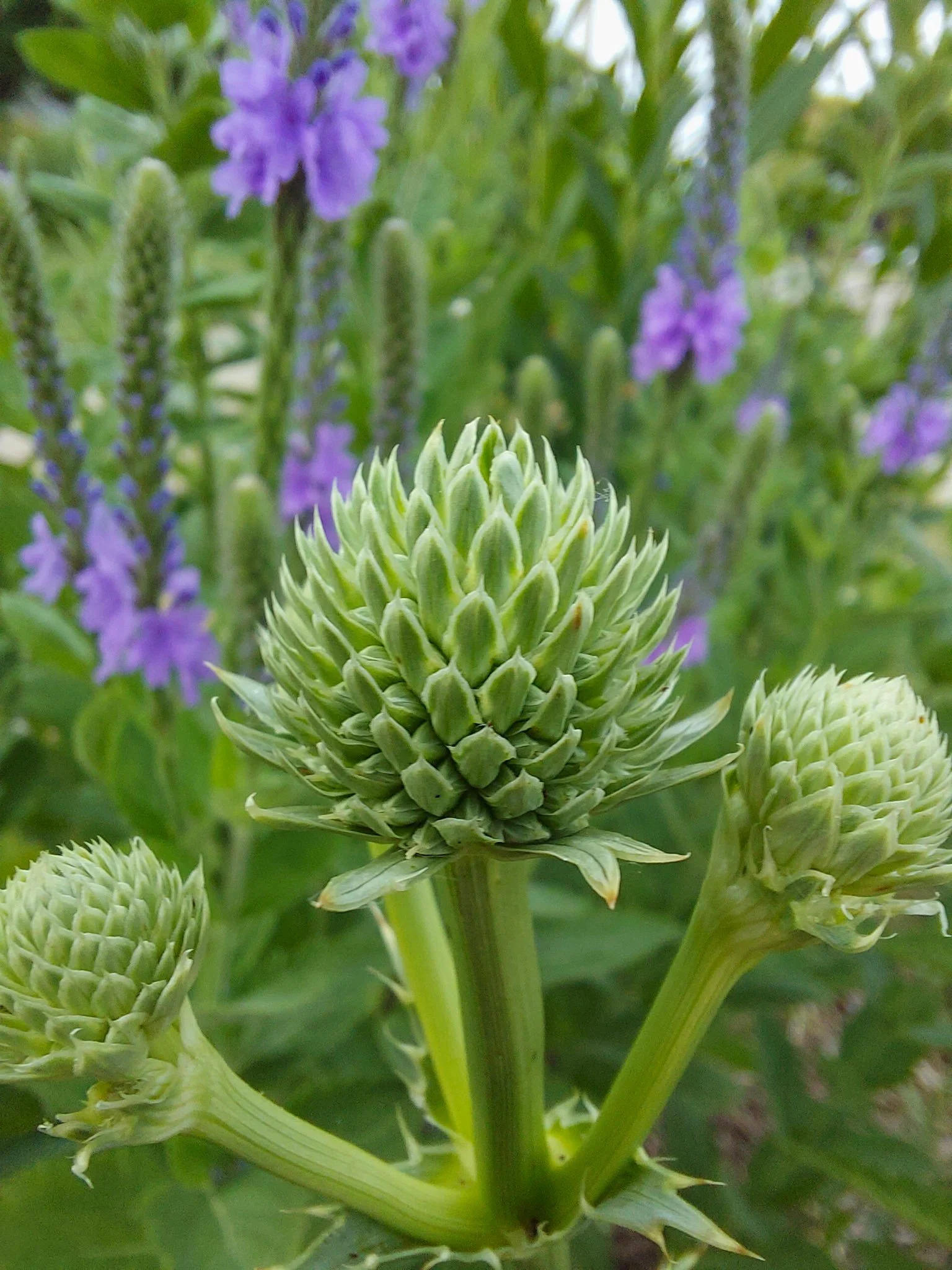 Image 1 of 7
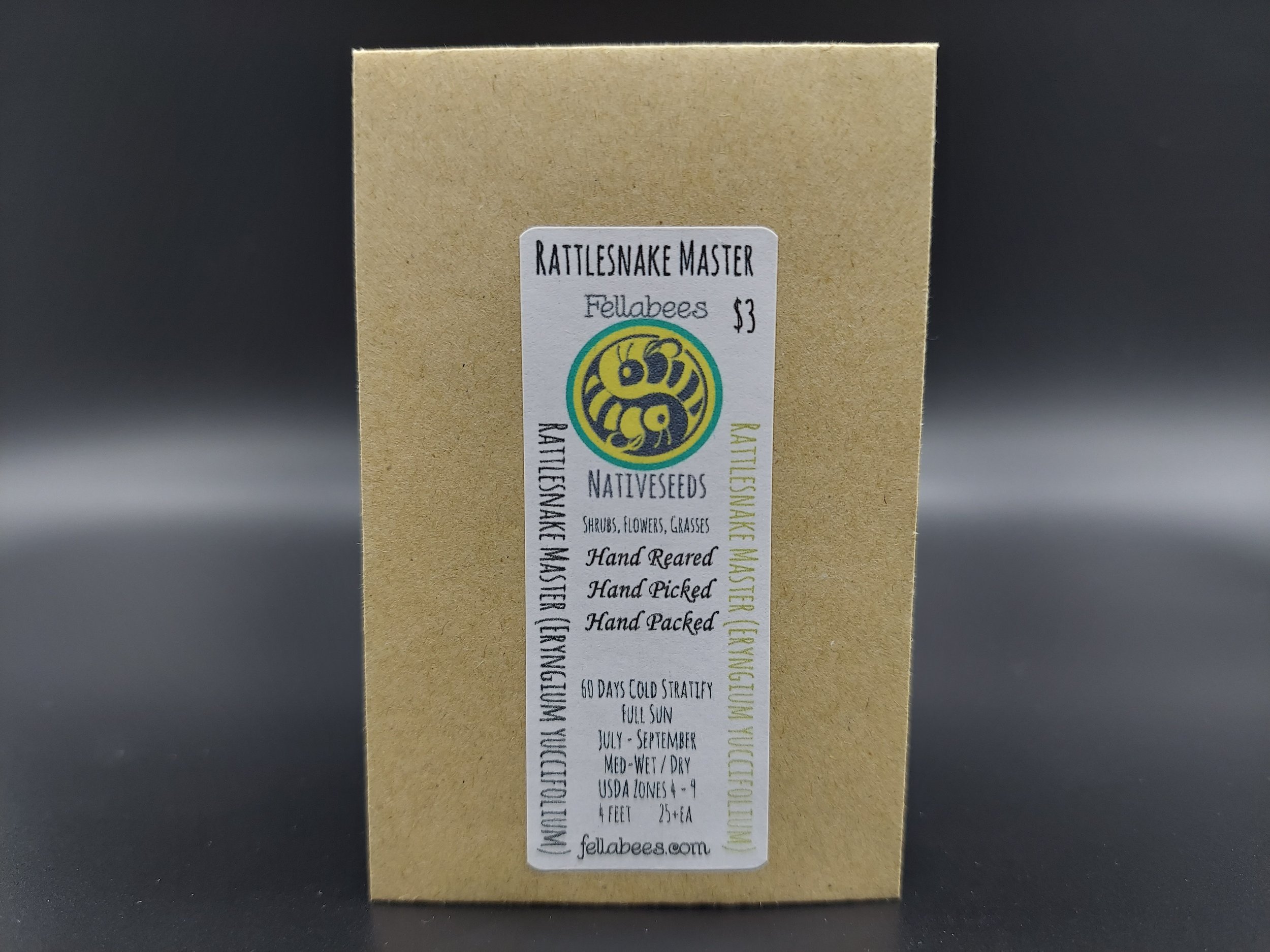 Image 2 of 7
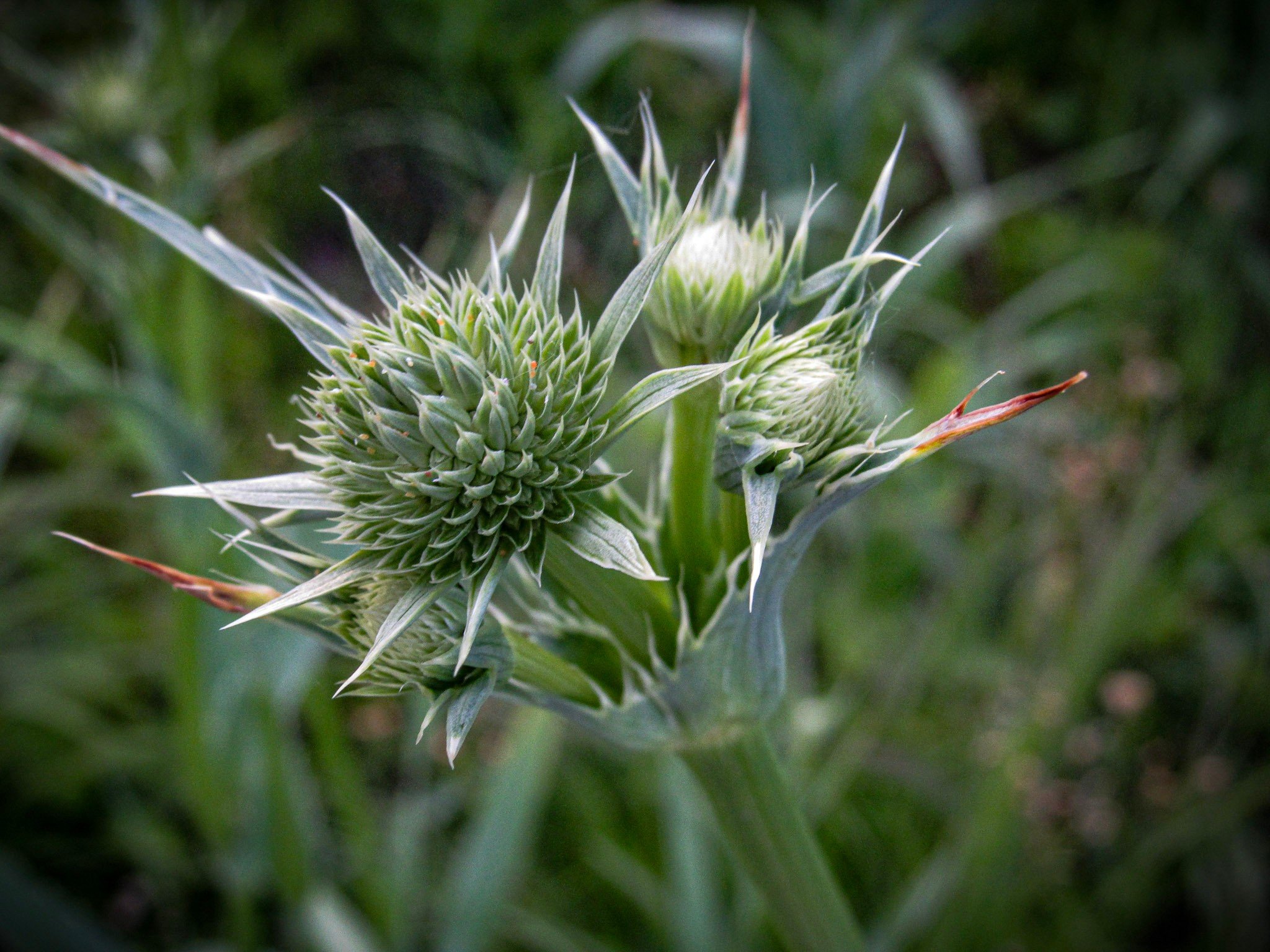 Image 3 of 7
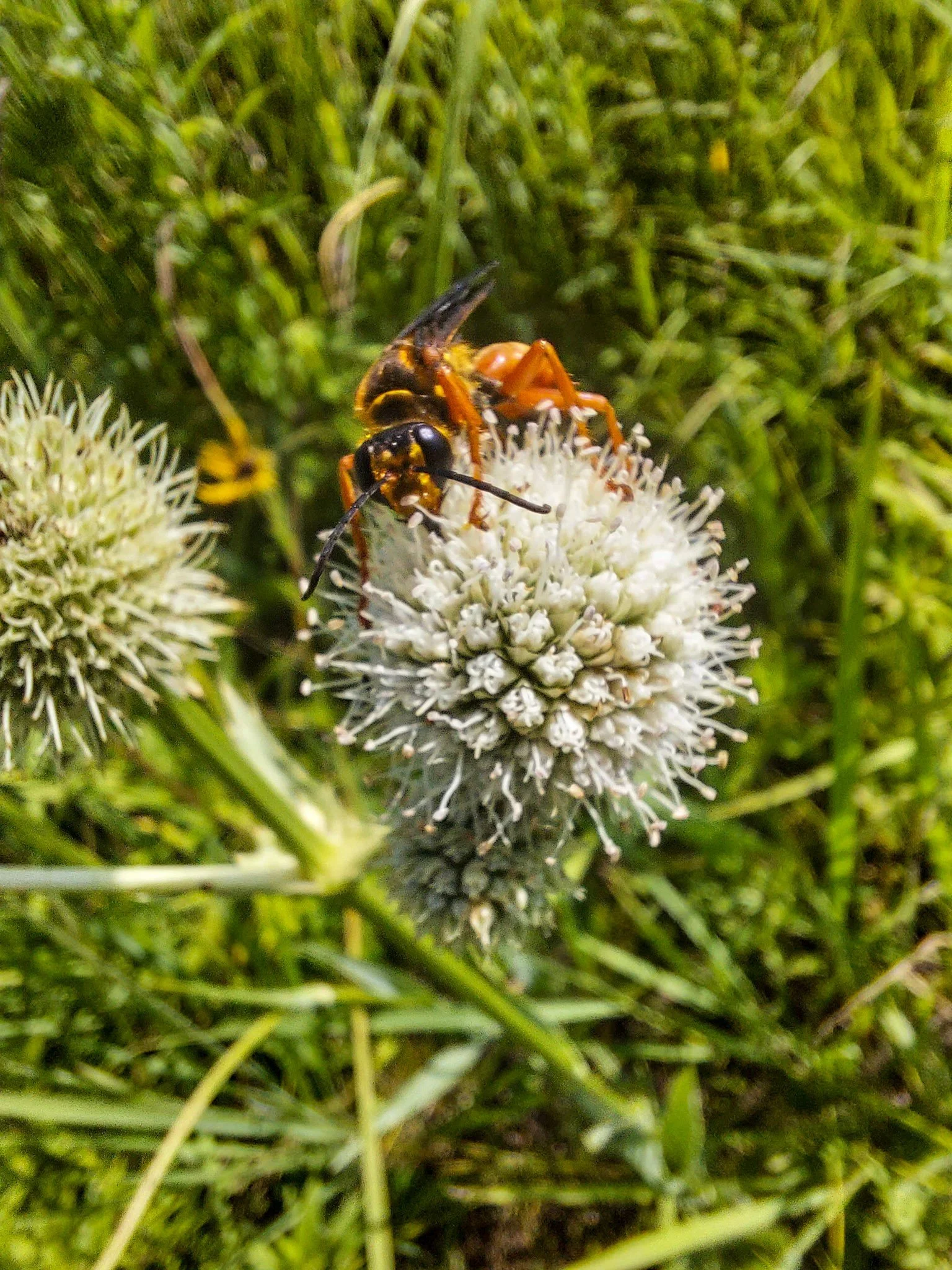 Image 4 of 7
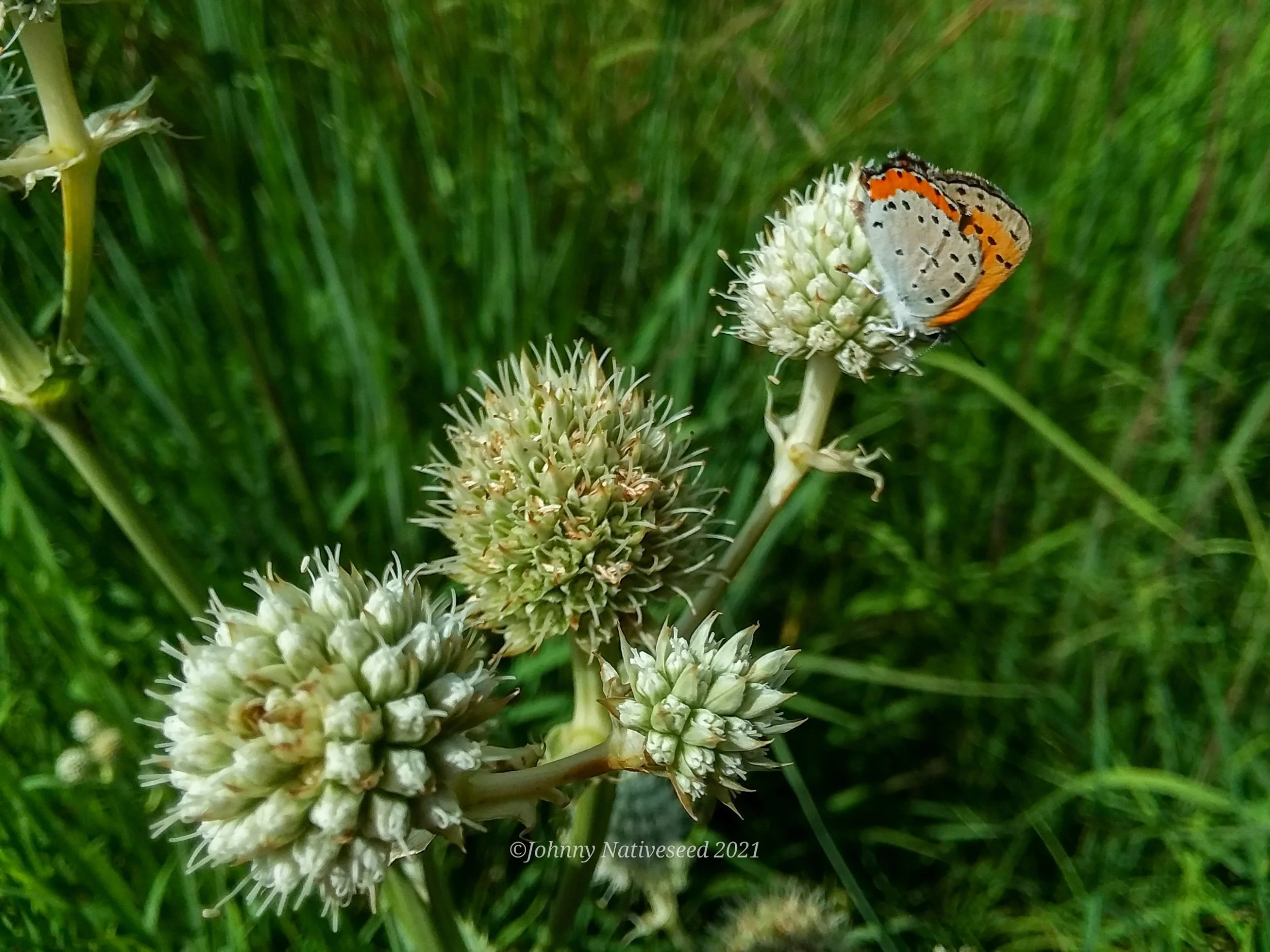 Image 5 of 7
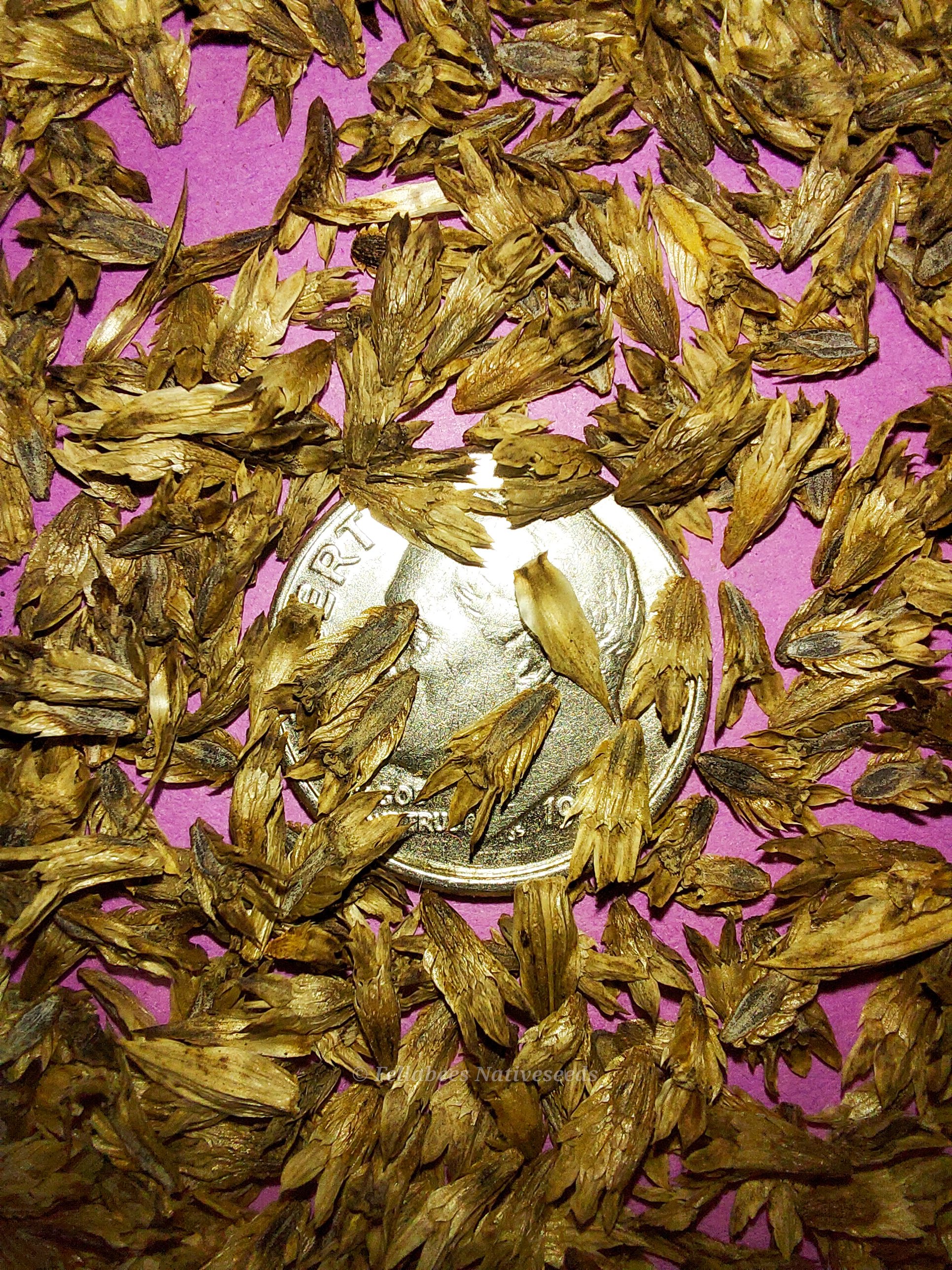 Image 6 of 7
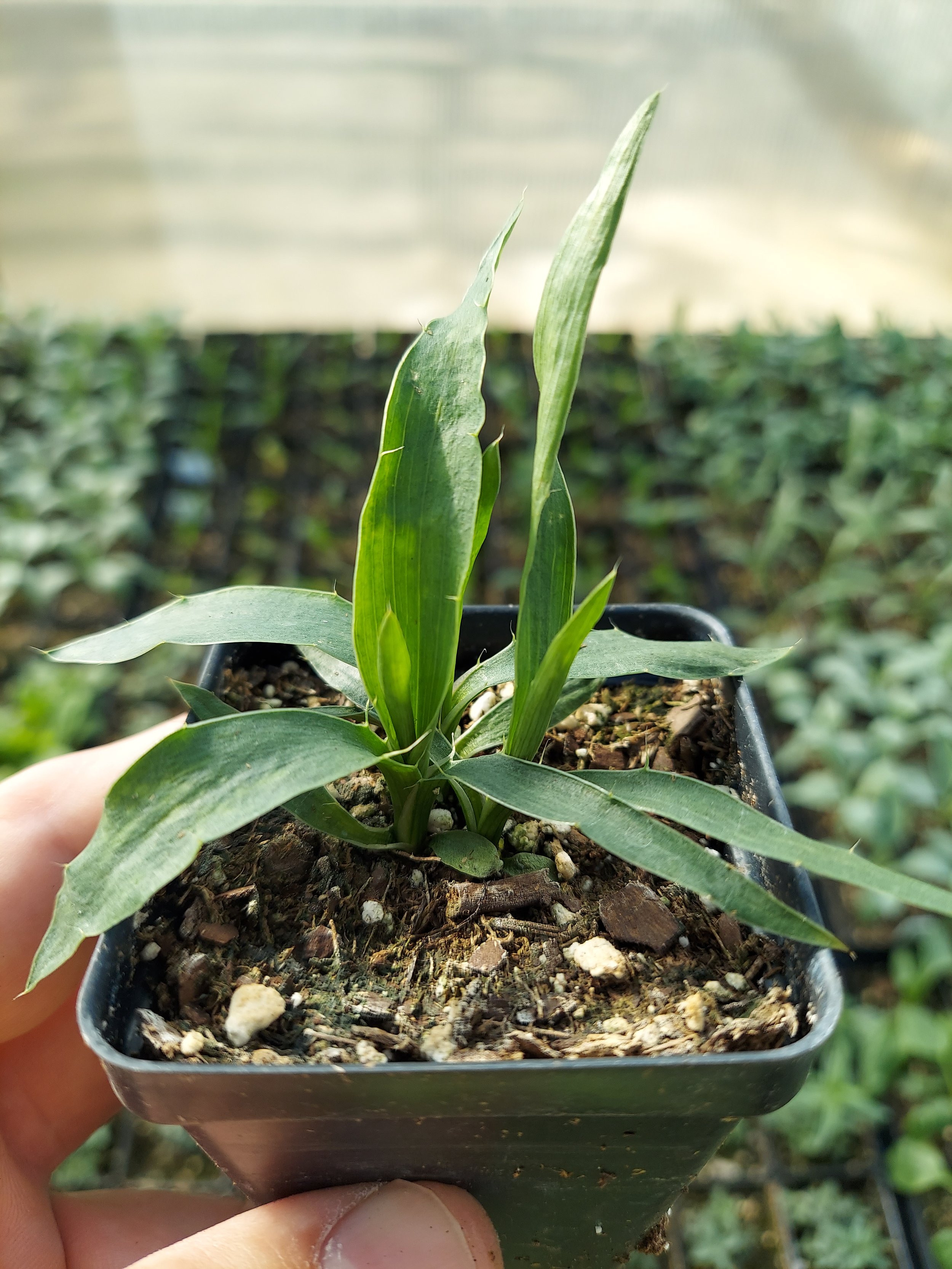 Image 7 of 7