Sale Price:
$1.50
Original Price:
$3.00
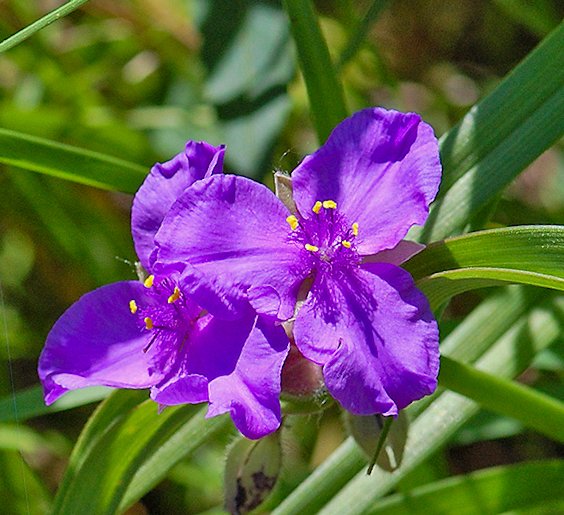
Common Spiderwort (Tradescantia ohiensis)
Tradescantia ohiensis is the scientific name for the native flowering species more commonly known as Common Spiderwort, or Ohio Spiderwort.
Tradescantia ohiensis supports prairie and meadow ecosystems by providing continuous nectar and pollen resources for a wide range of pollinators, including bees, butterflies, and hoverflies, especially during its extended bloom period.
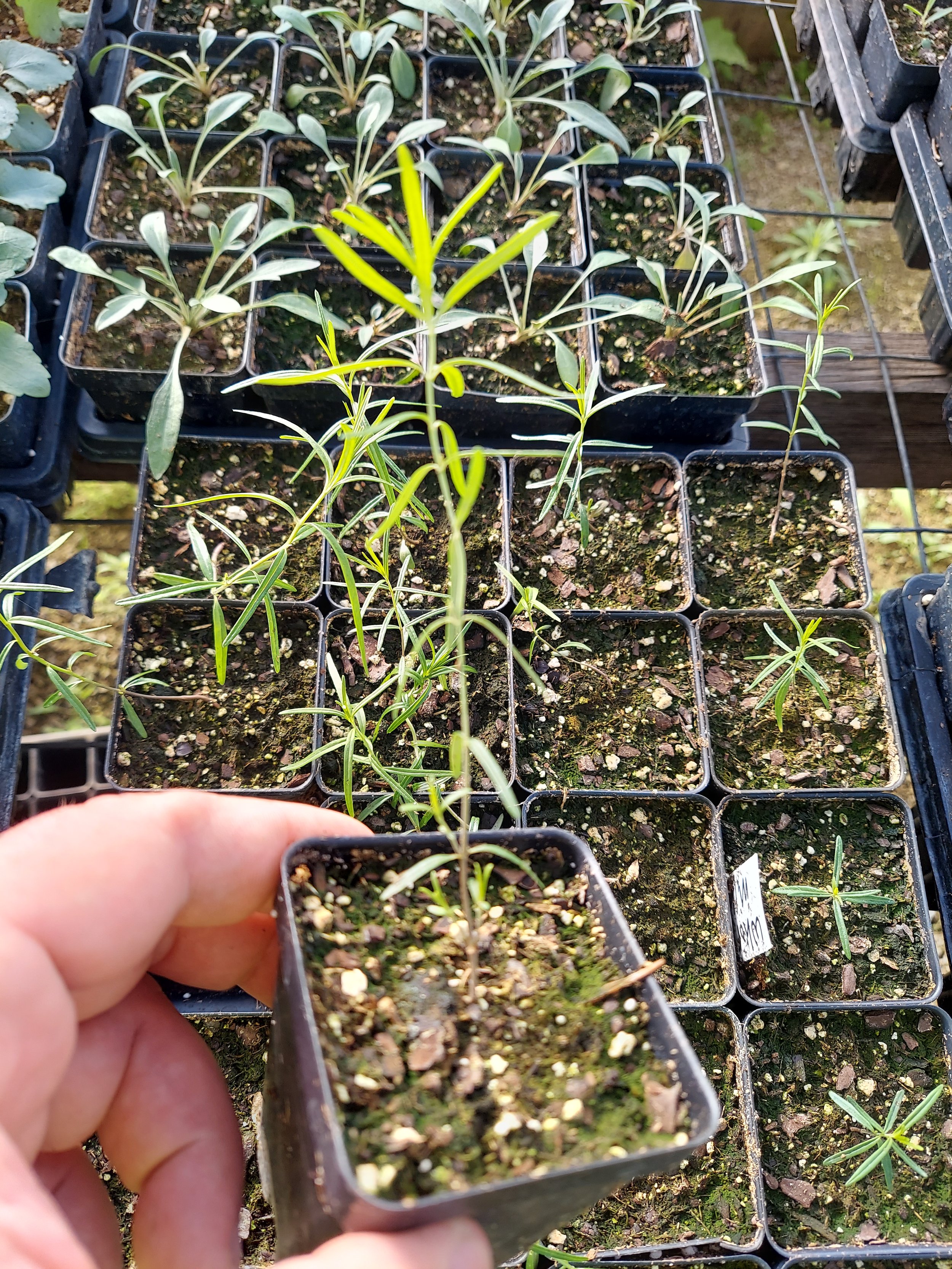
Common Spiderwort grows in clumps and comes back each year, which helps hold soil and prevent erosion. Its thick leaves make small homes for ground insects and mammals and provide shelter for nesting insects and cover for foraging birds. It also attracts many native pollinators that in turn improve the diversity of pollination services for nearby native wildflowers. Tolerant of different soils and drought once established, Tradescantia ohiensis supports resilient, biodiverse areas and provides food and habitat across seasons.
The plant also has edible flowers and tender shoots. Flowers and young stems can be eaten raw in salads or as a garnish, while the thicker leaves are best cooked. The leaves are mucilaginous and can be applied to soothe insect bites and mild skin irritations in a way similar to aloe vera.
Plant Details
USDA Zones: 4-9
Germination Needs: 120 Days Cold Stratification, germinates best in cool soil conditions.
Life Cycle: Perennial
Sun Exposure: Full to Partial
Soil Moisture: Medium-Wet, Medium, Medium-Dry, Dry
Plant Spacing: 1-1½ feet
Height: 3 feet
Bloom time: May, June, July
Bloom Color: Blue
Advantages
Pollinator Favorite: butterflies, moths, bees, wasps, beetles
Deer Resistant: Yes
Excellent in the home landscape!
Native to:
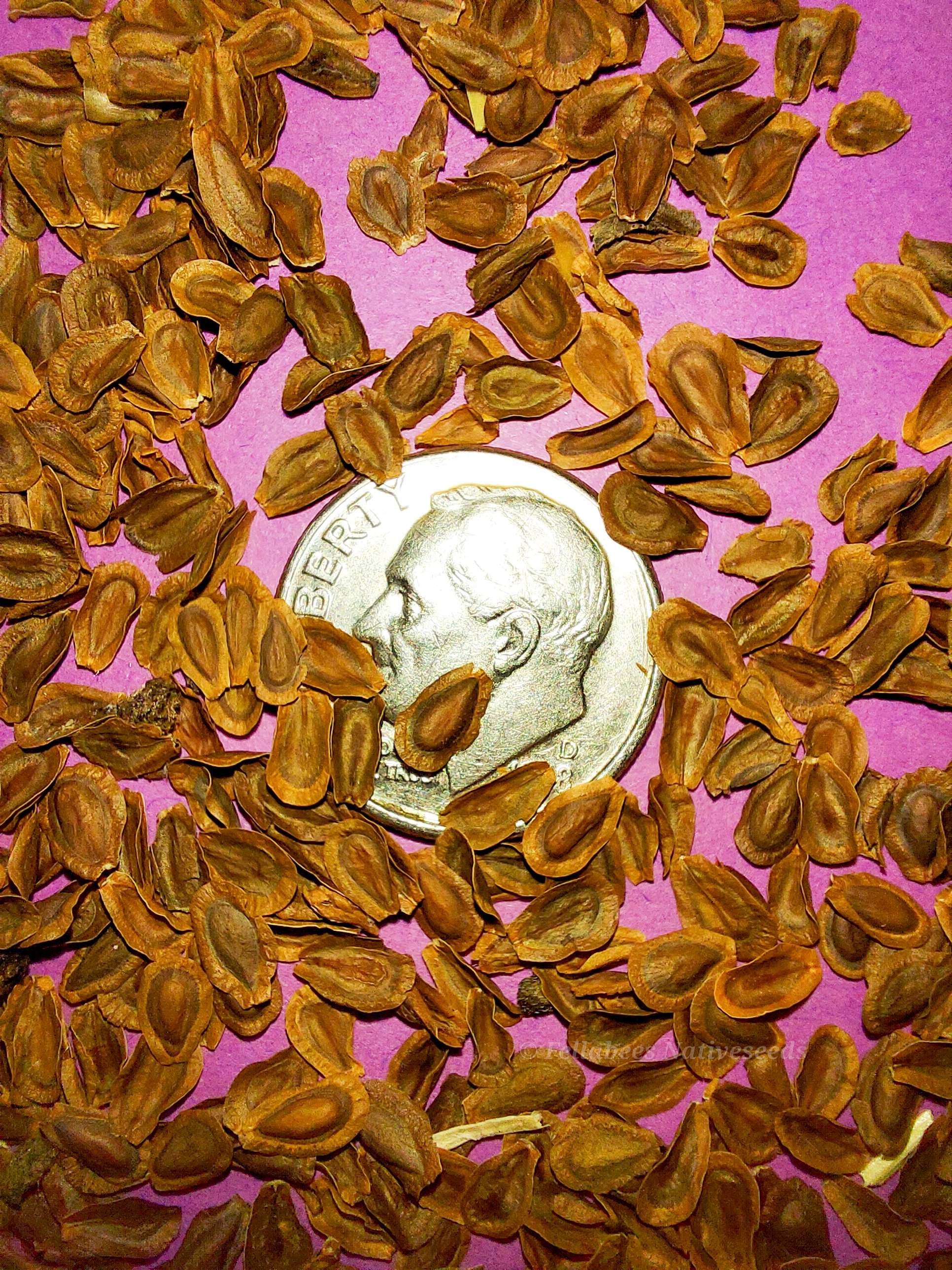
Seed Count: 25+
.
.
Packet quantities:
We pride ourselves on ethical, hands on, ecological management, using no mechanical or chemical methods whatsoever.
All of our native seed is hand reared, hand picked, and hand packed from native prairies under our exclusive management, never breaking chain of custody from the field until it is sent to you. Each packet is hand prepared for shipment by us, directly.
Small seed species will contain greater than 20-25 seed
Large seed species will contain greater than 10-15 seed
It is our mission to spread the wealth of native plant and pollinator ecological sustainability, and educate back yard gardeners as well as corporate and government entities in how to germinate, grow, and benefit from native synergies.
Thank you for your support, it is because of you, that we can grow together to do, what we do. 🐛🦋🐝🐞🌾🌱🌼🧡
Common Spiderwort (Tradescantia ohiensis)
Tradescantia ohiensis is the scientific name for the native flowering species more commonly known as Common Spiderwort, or Ohio Spiderwort.
Tradescantia ohiensis supports prairie and meadow ecosystems by providing continuous nectar and pollen resources for a wide range of pollinators, including bees, butterflies, and hoverflies, especially during its extended bloom period.
Common Spiderwort grows in clumps and comes back each year, which helps hold soil and prevent erosion. Its thick leaves make small homes for ground insects and mammals and provide shelter for nesting insects and cover for foraging birds. It also attracts many native pollinators that in turn improve the diversity of pollination services for nearby native wildflowers. Tolerant of different soils and drought once established, Tradescantia ohiensis supports resilient, biodiverse areas and provides food and habitat across seasons.
The plant also has edible flowers and tender shoots. Flowers and young stems can be eaten raw in salads or as a garnish, while the thicker leaves are best cooked. The leaves are mucilaginous and can be applied to soothe insect bites and mild skin irritations in a way similar to aloe vera.
Plant Details
USDA Zones: 4-9
Germination Needs: 120 Days Cold Stratification, germinates best in cool soil conditions.
Life Cycle: Perennial
Sun Exposure: Full to Partial
Soil Moisture: Medium-Wet, Medium, Medium-Dry, Dry
Plant Spacing: 1-1½ feet
Height: 3 feet
Bloom time: May, June, July
Bloom Color: Blue
Advantages
Pollinator Favorite: butterflies, moths, bees, wasps, beetles
Deer Resistant: Yes
Excellent in the home landscape!
Native to:
Seed Count: 25+
.
.
Packet quantities:
We pride ourselves on ethical, hands on, ecological management, using no mechanical or chemical methods whatsoever.
All of our native seed is hand reared, hand picked, and hand packed from native prairies under our exclusive management, never breaking chain of custody from the field until it is sent to you. Each packet is hand prepared for shipment by us, directly.
Small seed species will contain greater than 20-25 seed
Large seed species will contain greater than 10-15 seed
It is our mission to spread the wealth of native plant and pollinator ecological sustainability, and educate back yard gardeners as well as corporate and government entities in how to germinate, grow, and benefit from native synergies.
Thank you for your support, it is because of you, that we can grow together to do, what we do. 🐛🦋🐝🐞🌾🌱🌼🧡
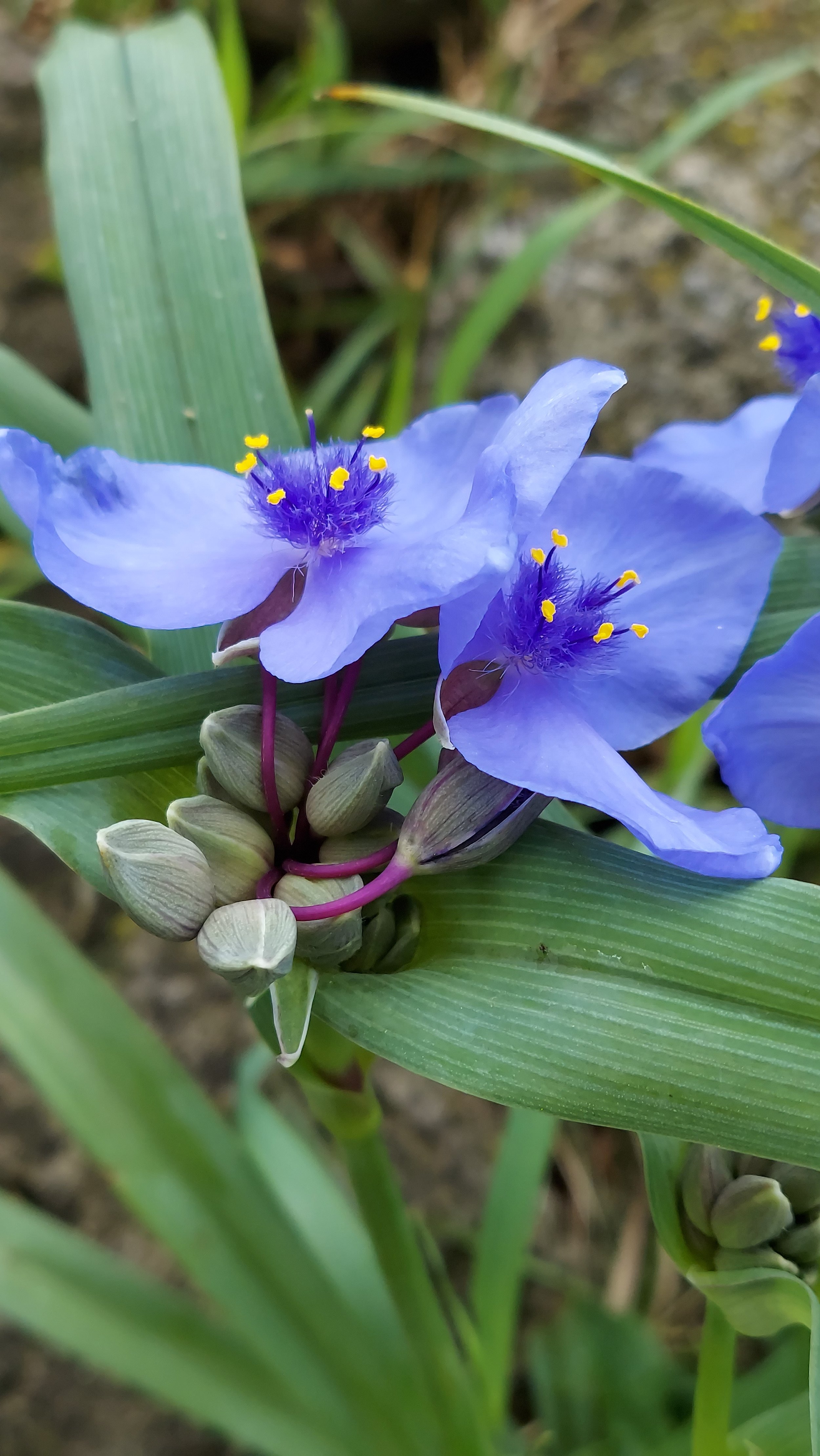 Image 1 of 8
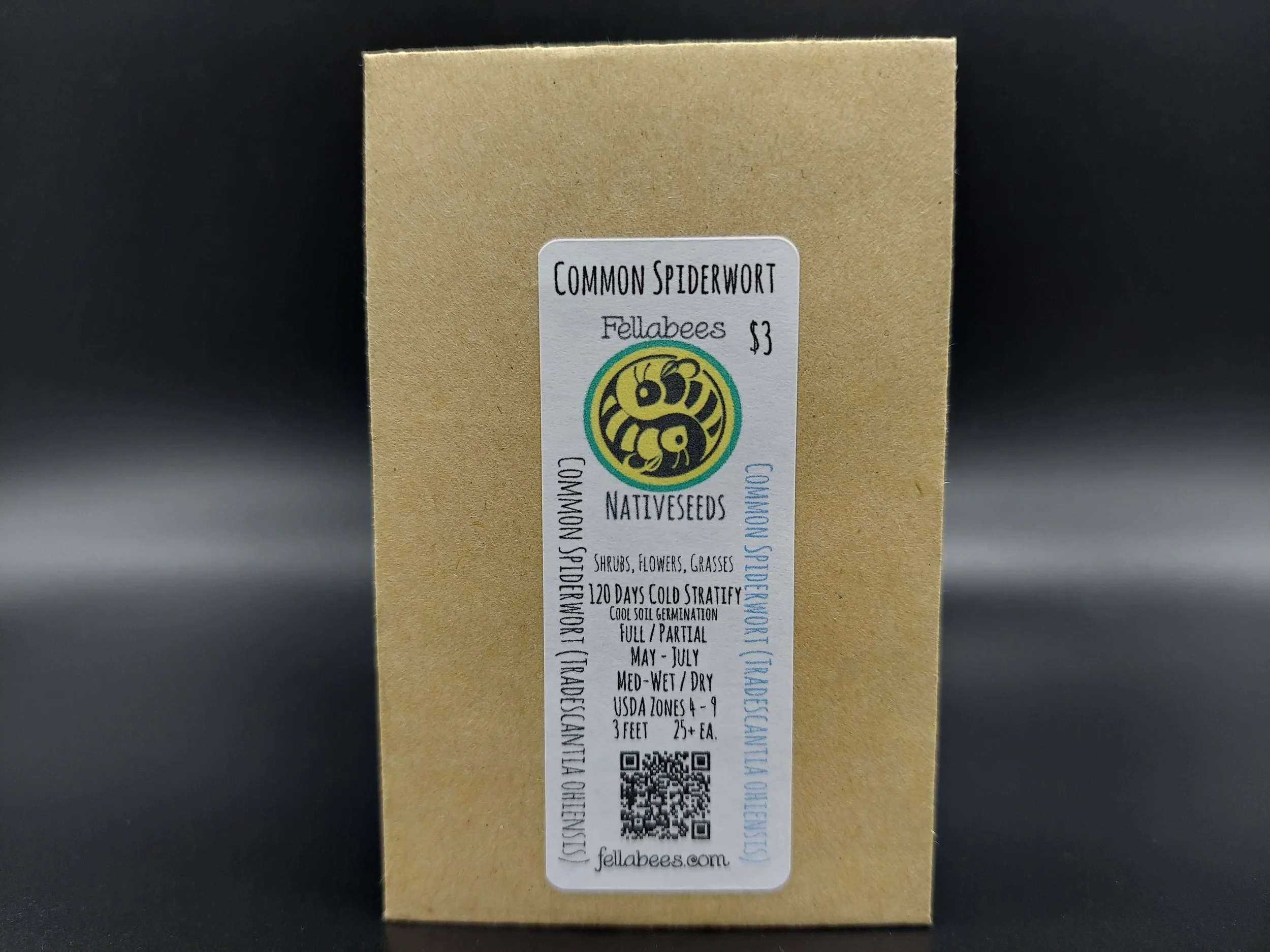 Image 2 of 8
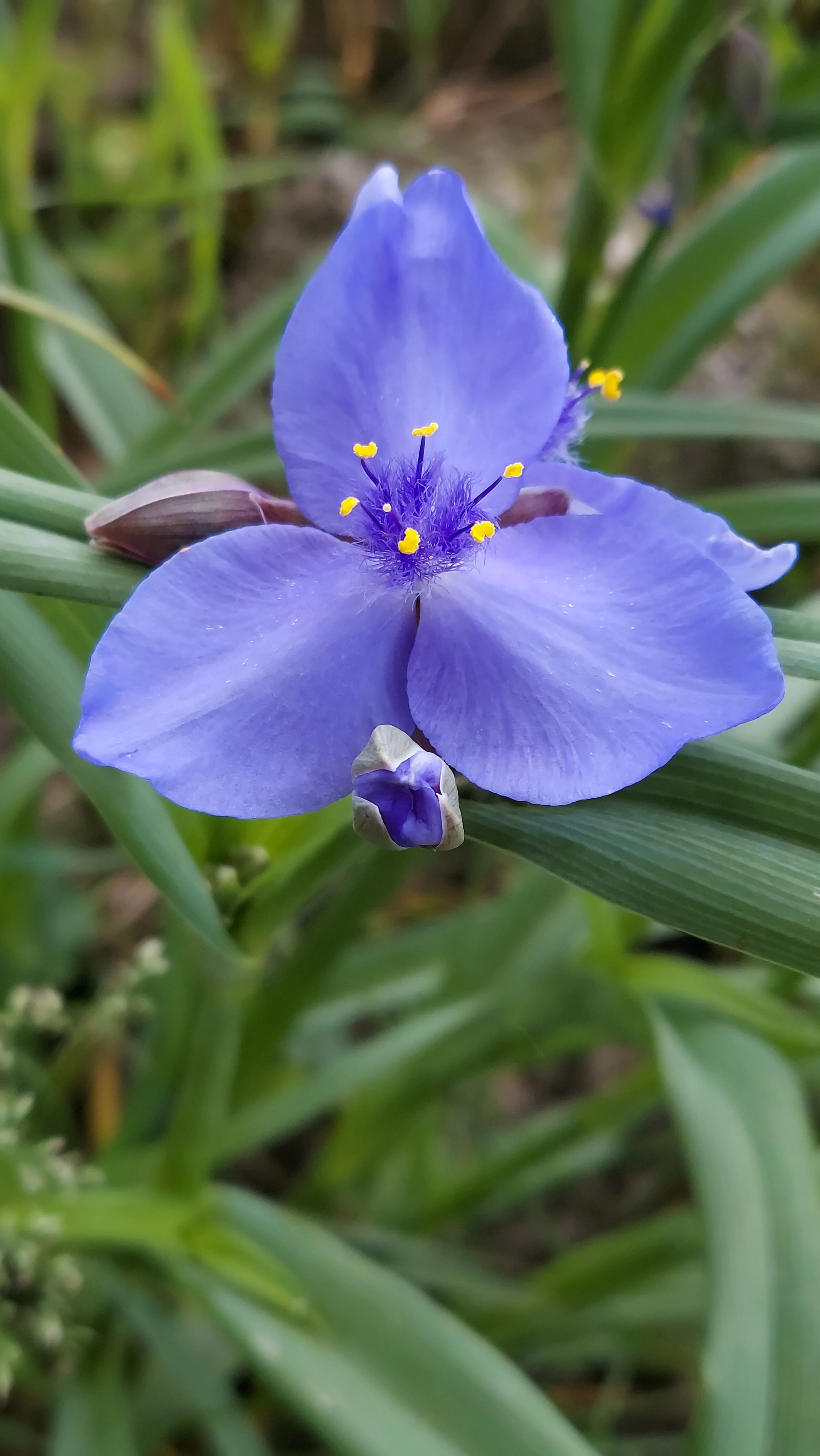 Image 3 of 8
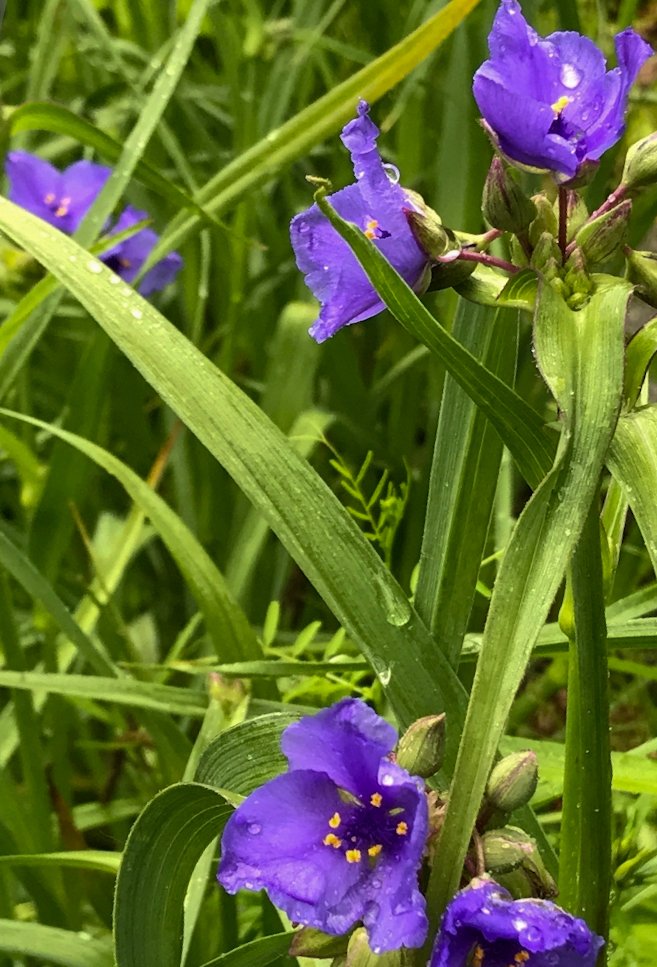 Image 4 of 8
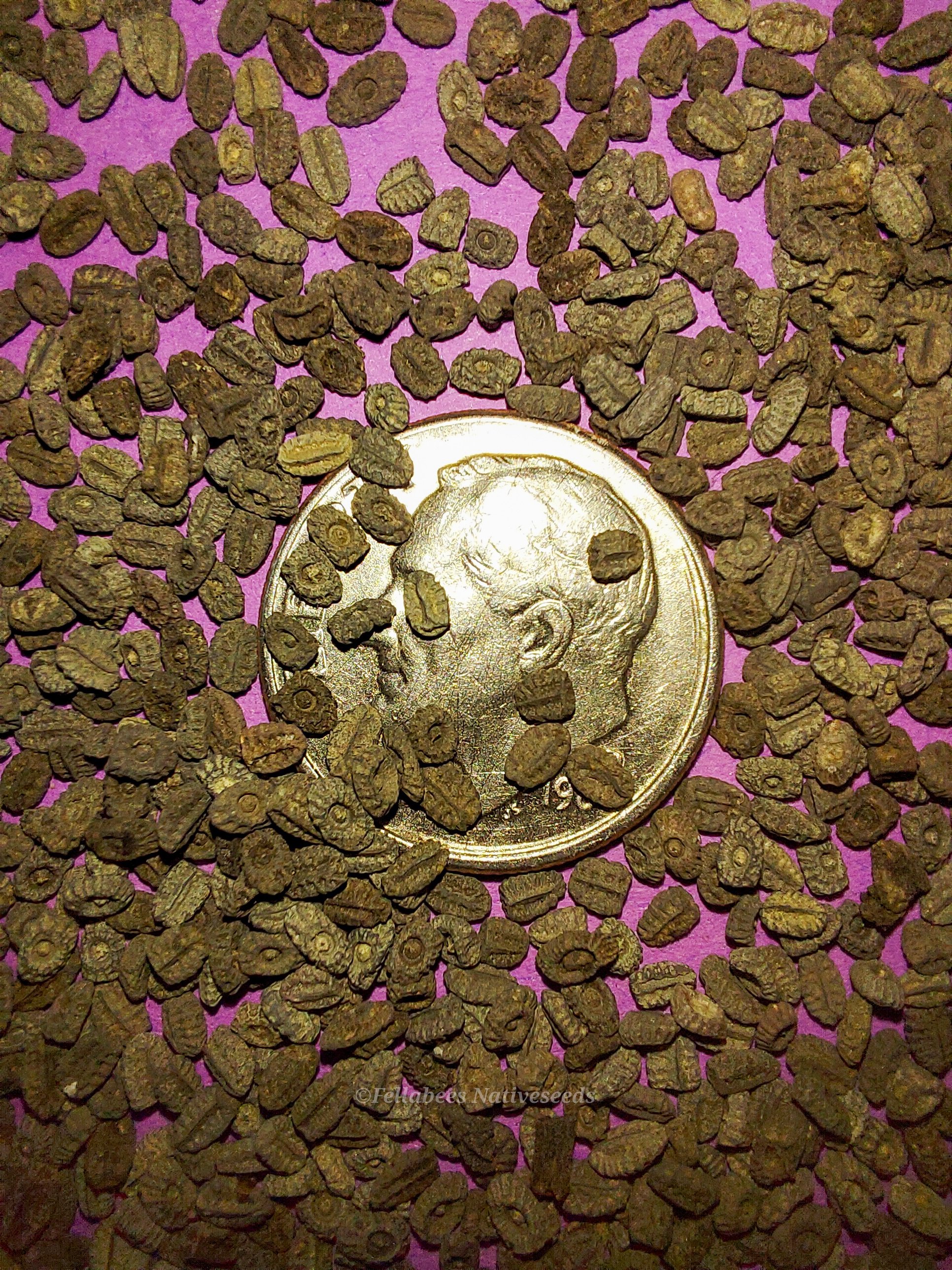 Image 5 of 8
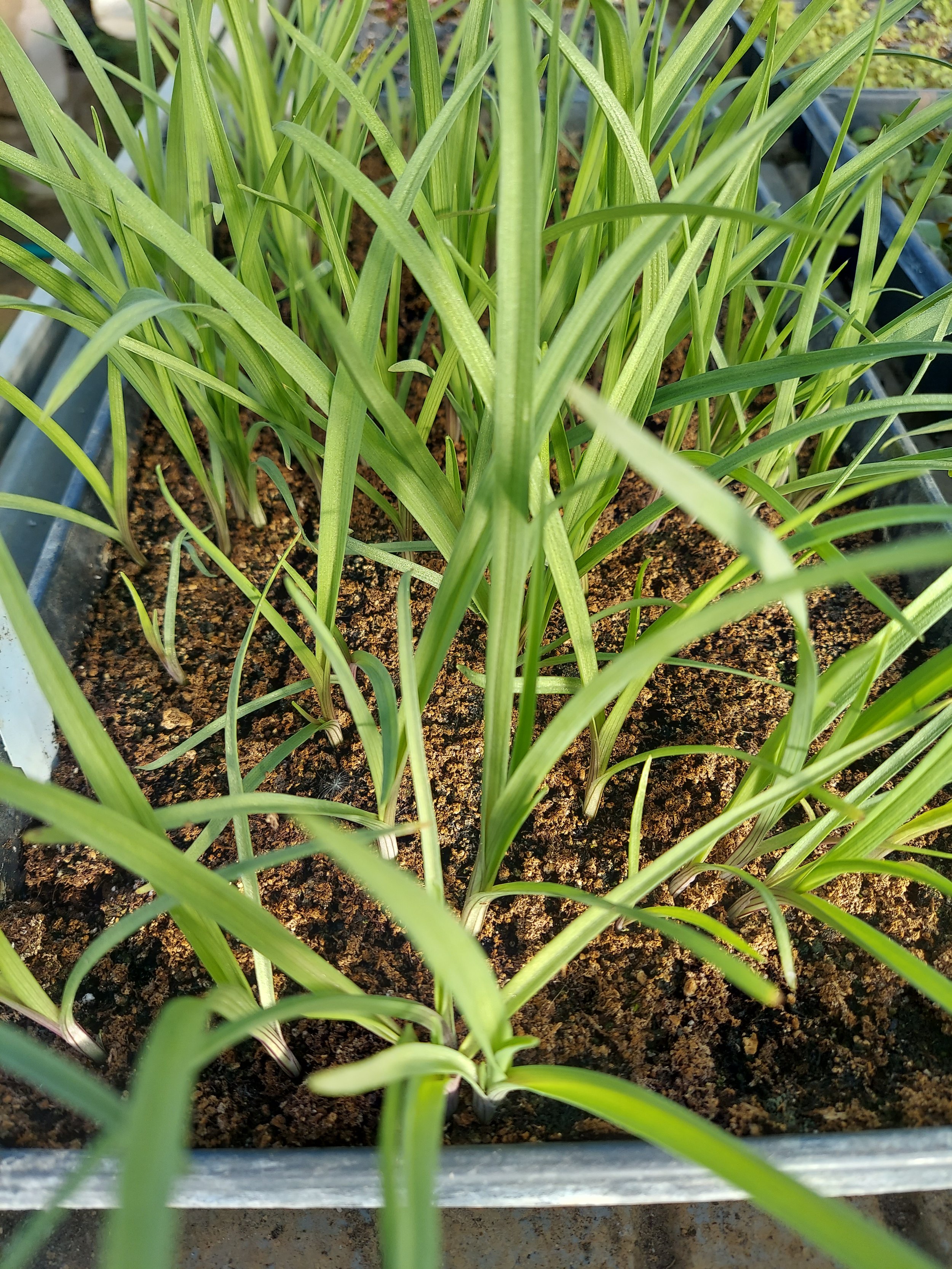 Image 6 of 8
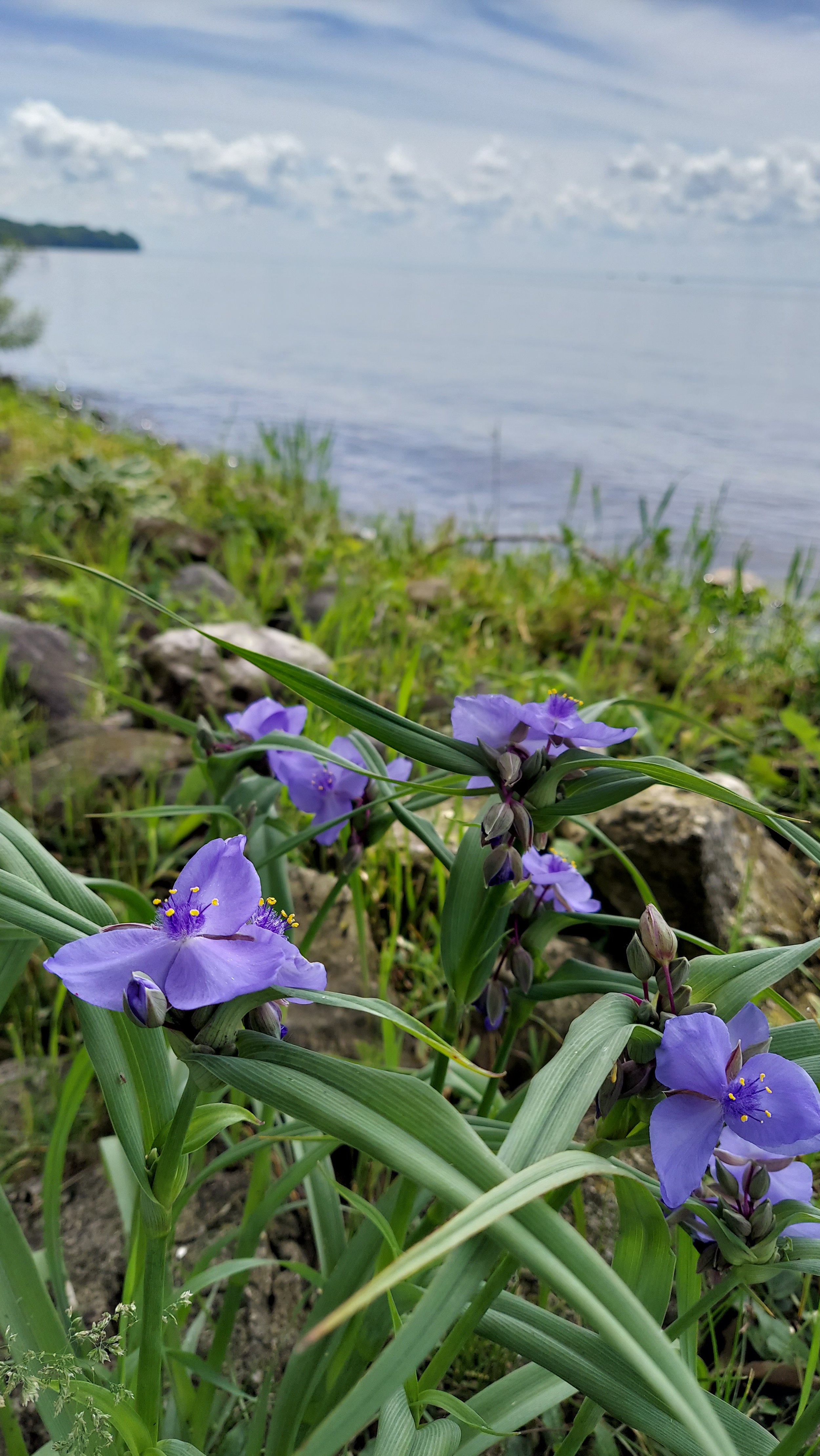 Image 7 of 8
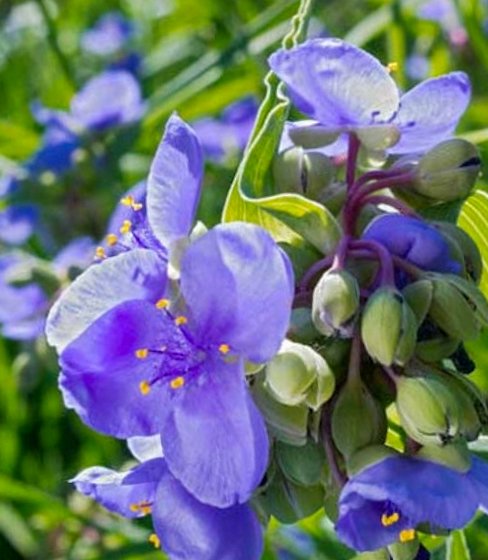 Image 8 of 8