Culver's Root (Veronicastrum virginicum)
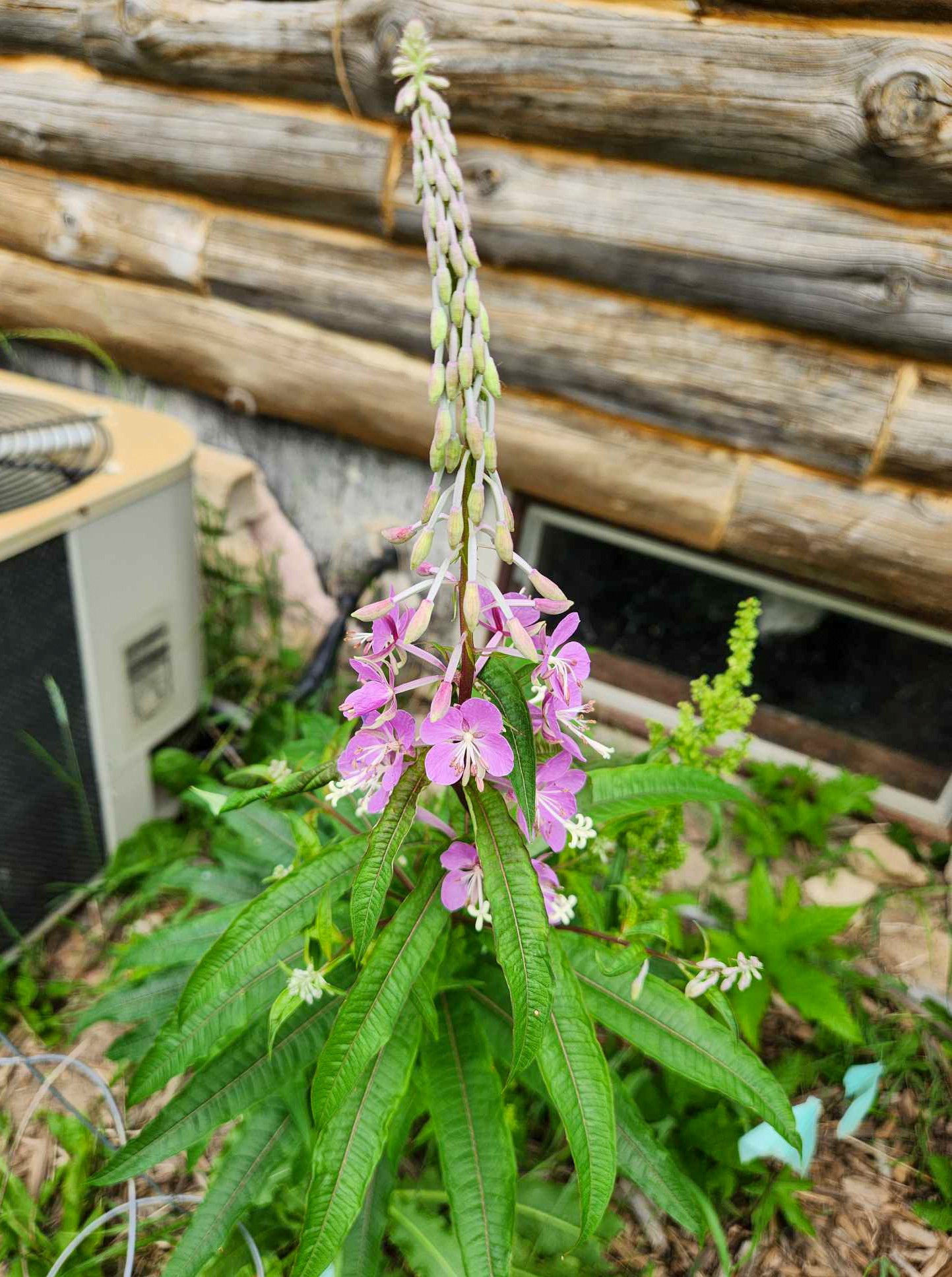
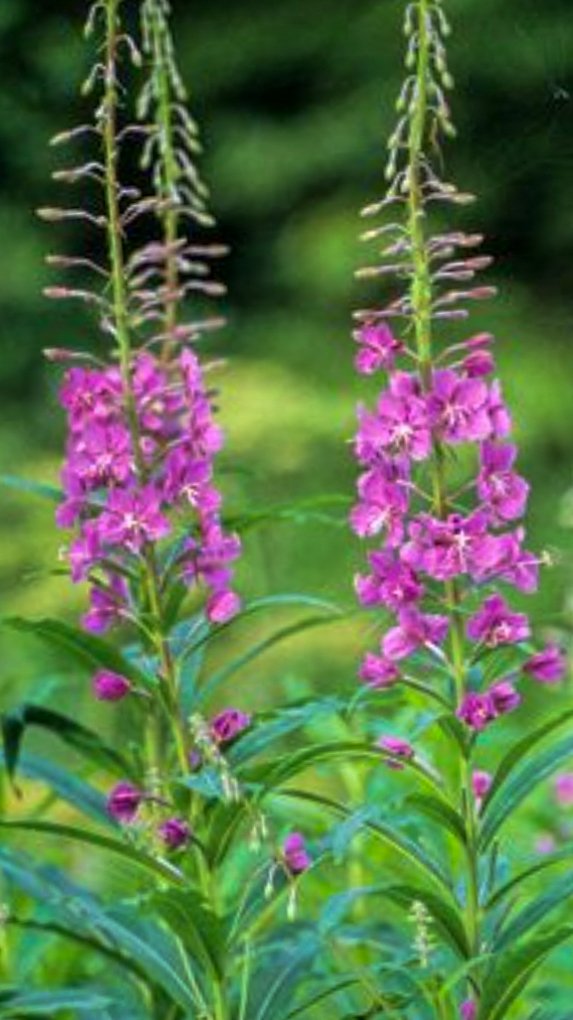
Veronicastrum virginicum is the scientific name for the plant species more commonly known as Culver's Root, a flowering member of the Plantaginaceae family (Plantain). Native to the eastern United States and southeastern Canada, this upright, herbaceous perennial typically reaches about 5 feet tall and around 18 inches wide. It produces slender racemes of delicate white flowers, and less commonly pale pink or soft purple blooms, that grace the summer landscape and provide season-long interest for pollinators.
The name "Culver's Root" is said to come from a European legend about a Dr. Culver, purportedly an 18th‑century pioneer physician, who either discovered on his own or was taught by Indigenous people to use the plant’s bitter roots as a purgative. That story is often repeated, but the claim remains unsubstantiated and lacks solid historical evidence.
The stems are hairless and are usually unbranched, presenting a clean, upright habit. The leaves are serrated along the edges and are arranged in whorls of three to seven around the stem. The inflorescence is erect, composed of slender, spike-like racemes up to about 9 inches long, which together give the flower cluster a striking, candelabra-like appearance. The stamens are closely crowded and protrude in a brush-like fashion, extending perpendicular to the raceme. The corollas are white and measure roughly 2 mm in length. These plants typically flower for about a month, generally from mid-June through late August, though the exact timing varies with the latitude of the native range you’re in.
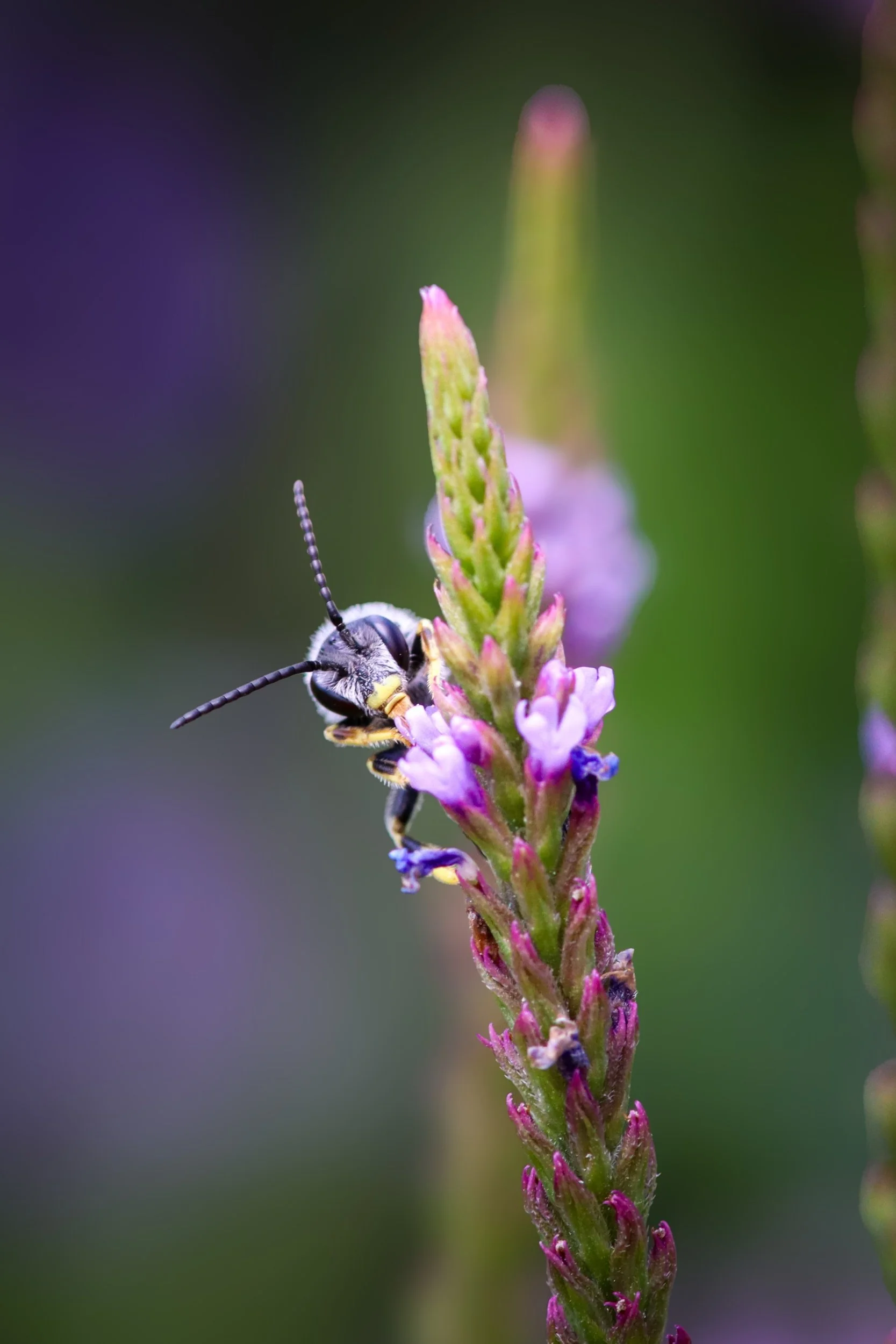
Culver’s Root is a pollinator powerhouse anywhere it is established, beckoning all manner of pollinators aside from being the larval host for the Culver’s Root Borer Moth (Papaipema sciata). The endangered Rusty Patched Bumble Bee (Bombus affinis) if not locally extirpated can be found by the fortunate, but more commonly seen are Leafcutter Bees (Megachile), Small Sweat Bees (Lasioglossum), Yellow-Faced Bees (Hylaeus), Green Sweat Bees (Agapostemon, Sweat Bees (Halictus) as well as the nearly all black Two-Spotted Long-horned Bee (Melissodes bimaculatus).
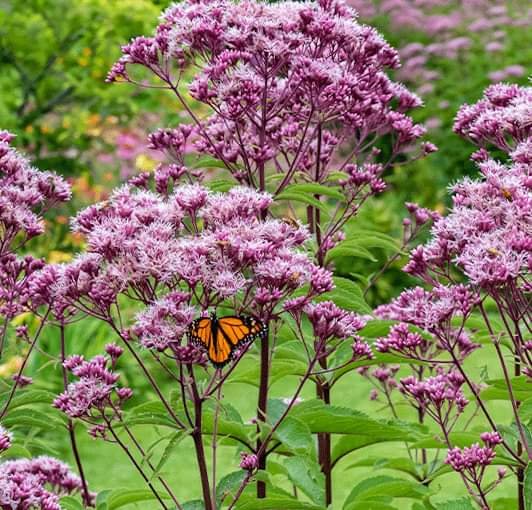
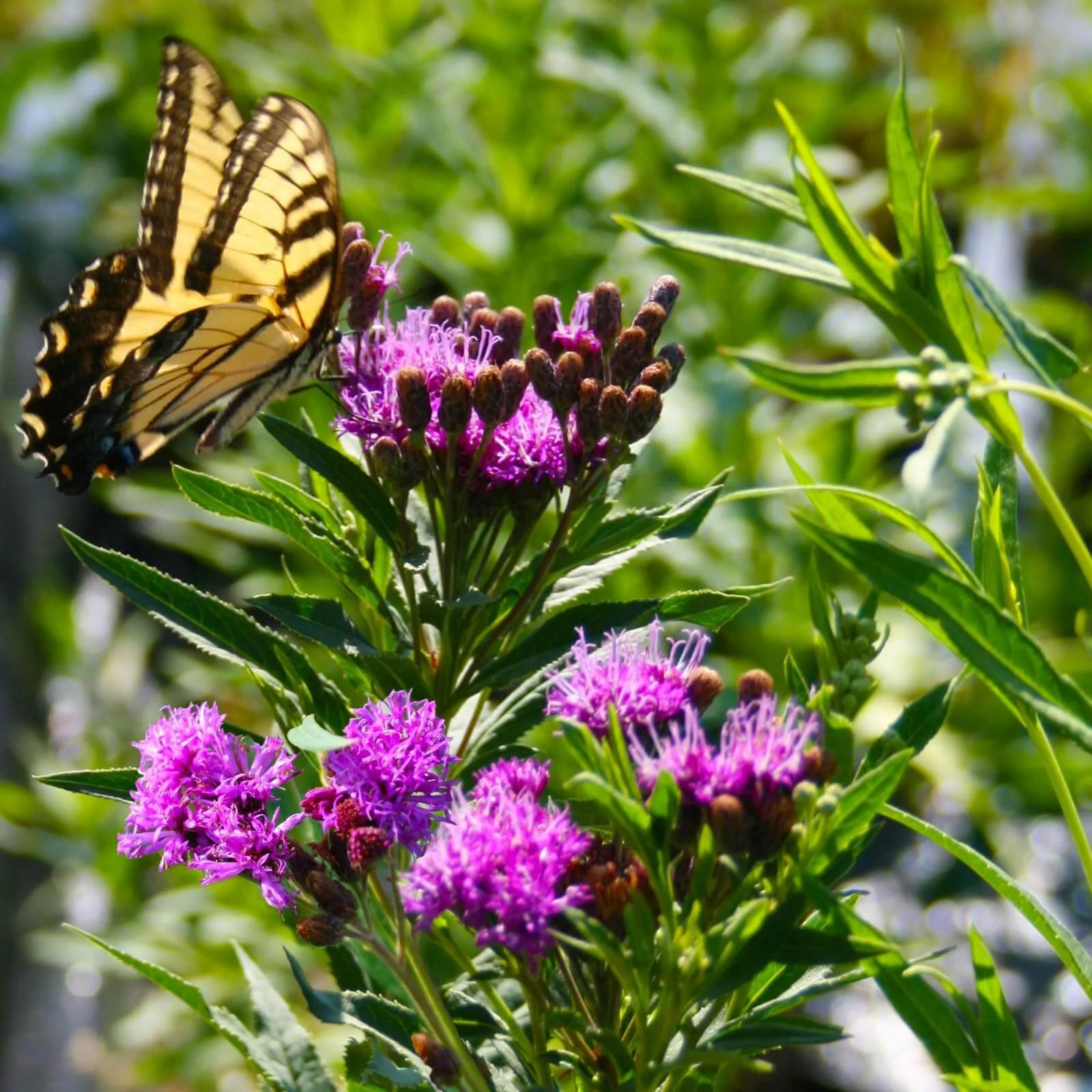
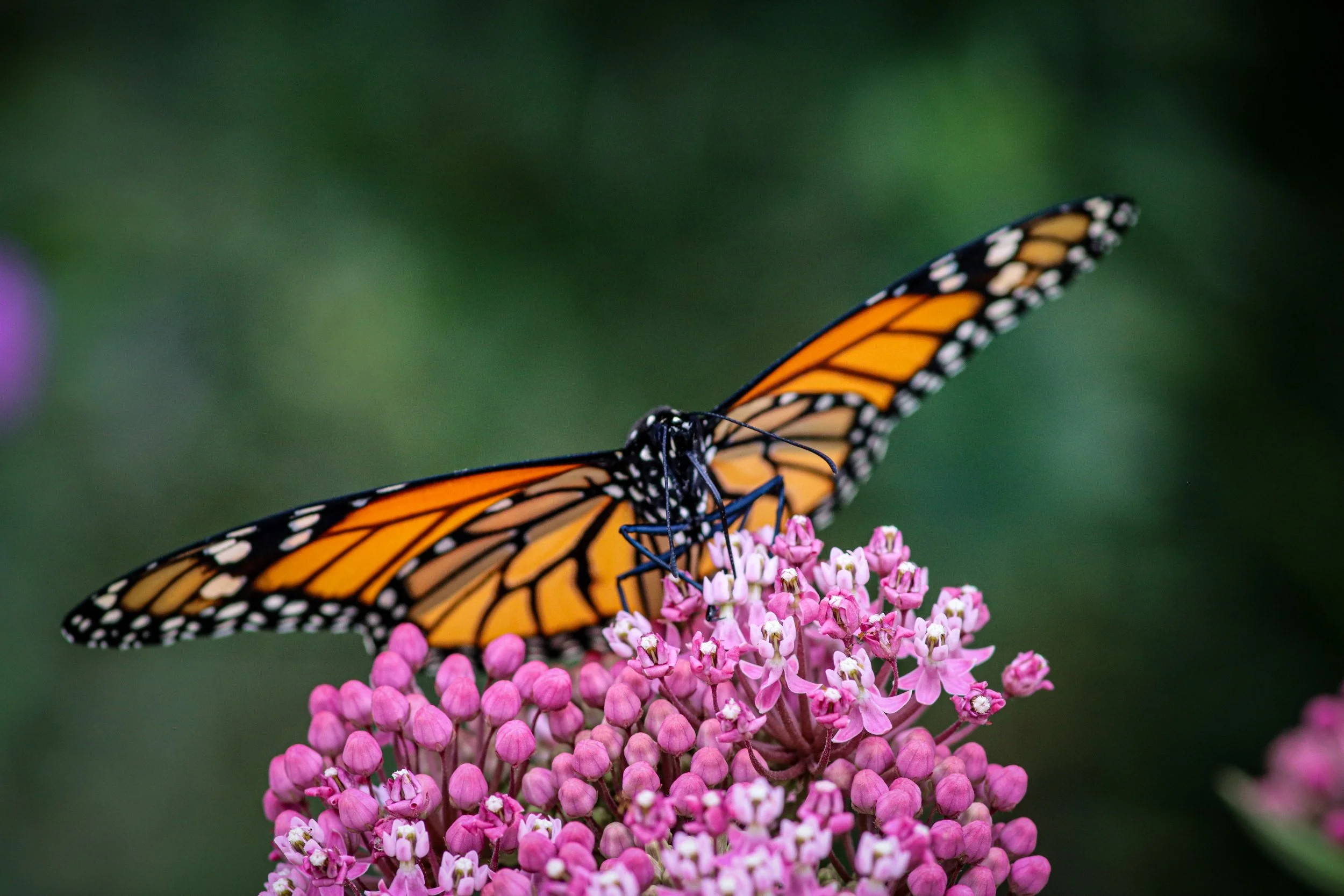
Culver’s Root is also a magnet for pollinating predators such as Thread-waisted Wasps (Ammophila), Great Golden Digger Wasps (Sphex ichneumoneus), and Great Black Wasps (Sphex pensylvanicus), and the unique looking Thread-waisted Wasp (Eremnophila aureonotata). Syrphid, Tachinid and Thick-Headed Flies are a common sighting if they can get access between all the bees, wasps and butterflies such as Red Admiral Butterflies, Azure Butterflies, Eastern Tailed Blues, Monarchs, Commas, Question Marks, Swallowtails, and Viceroy Butterflies.
Culver's Root is frequently found in wet to wet-mesic prairies and sometimes in moist upland sites. With its knack for attracting large numbers of pollinators, an extended bloom season, and the ability to absorb and direct fluctuating water levels while helping stabilize soil, Culver’s Root makes an excellent addition to many prairie plantings and native meadow restorations.
Plant Details
USDA Zones: 3-8
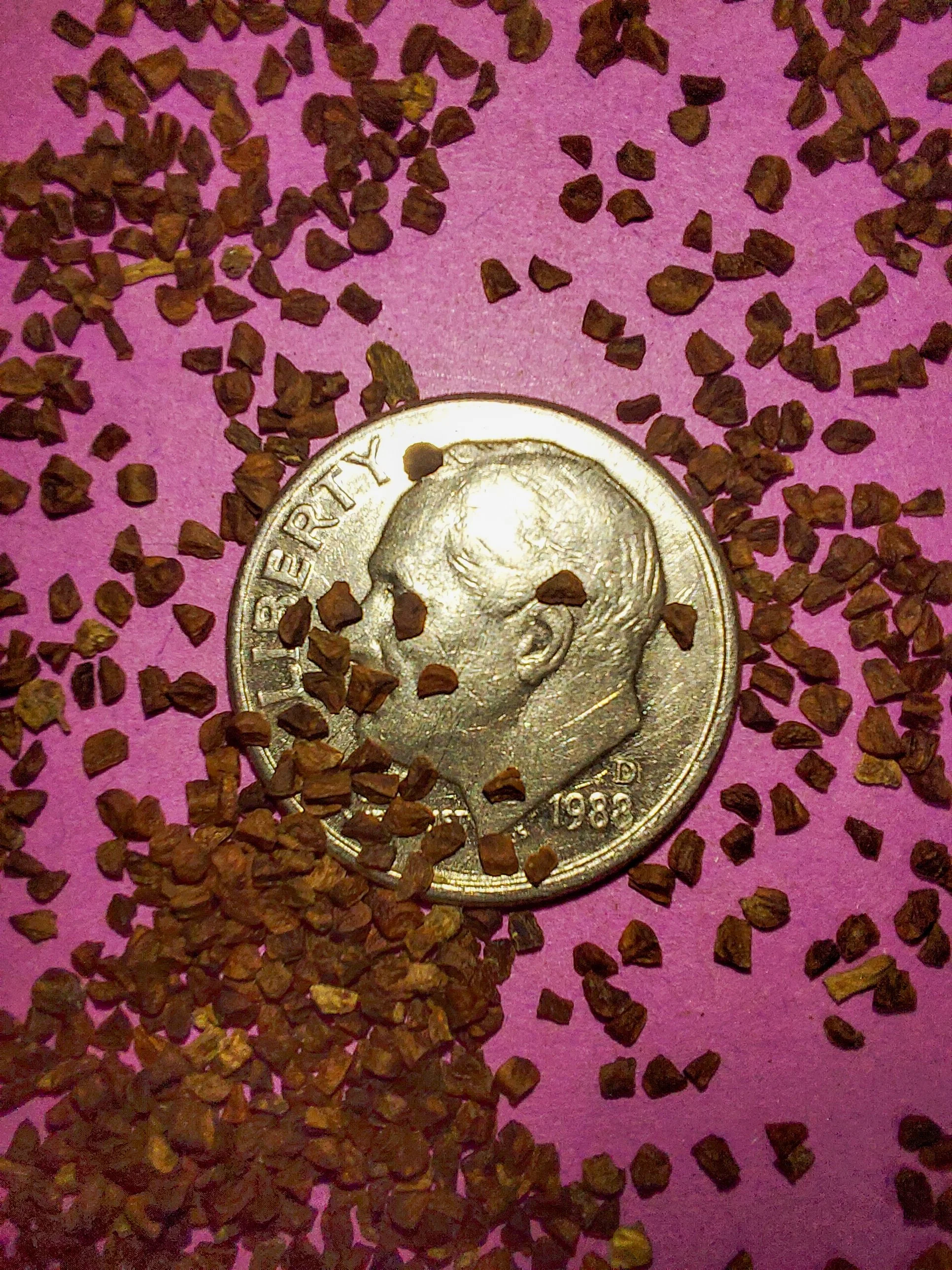
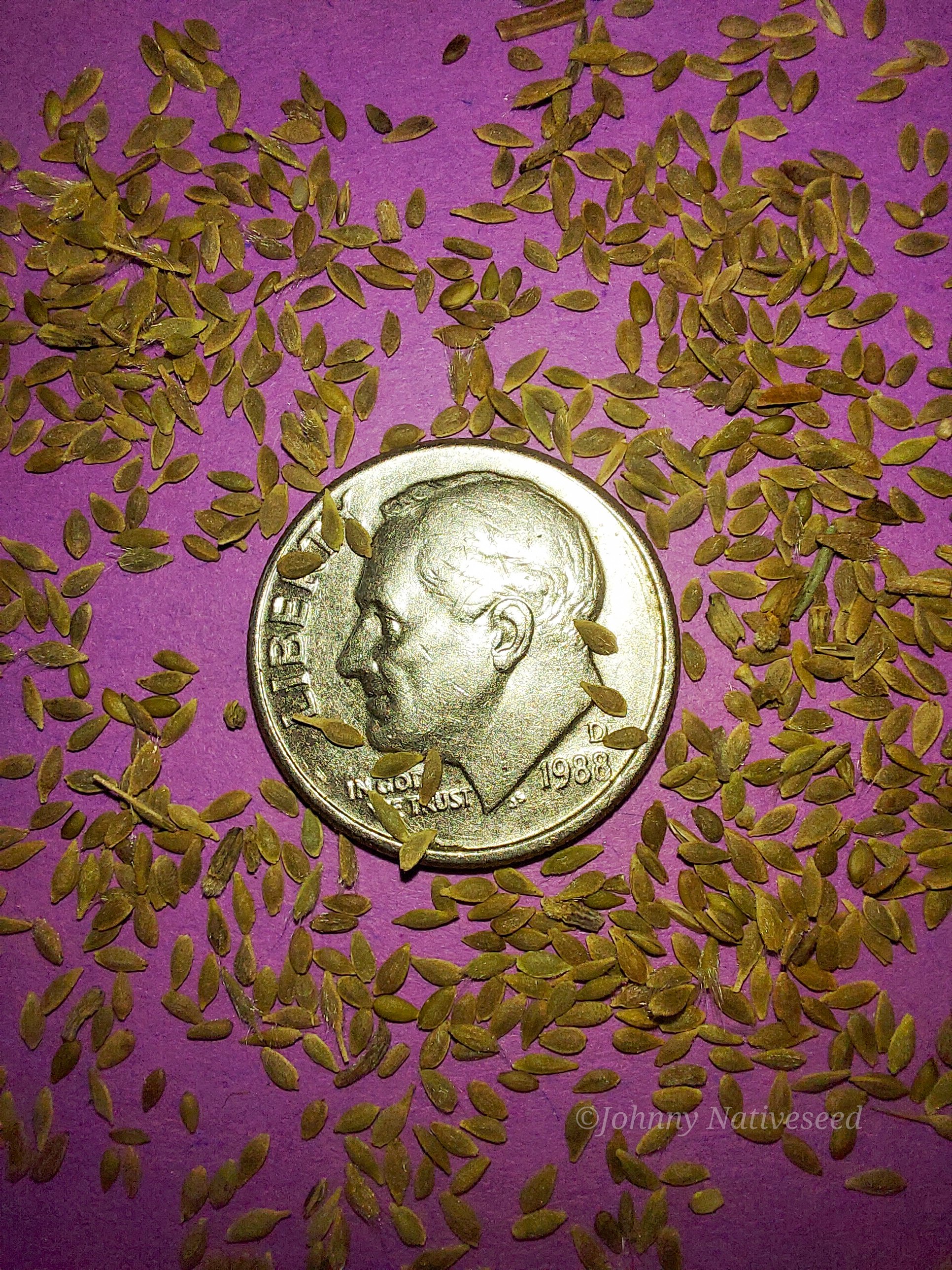
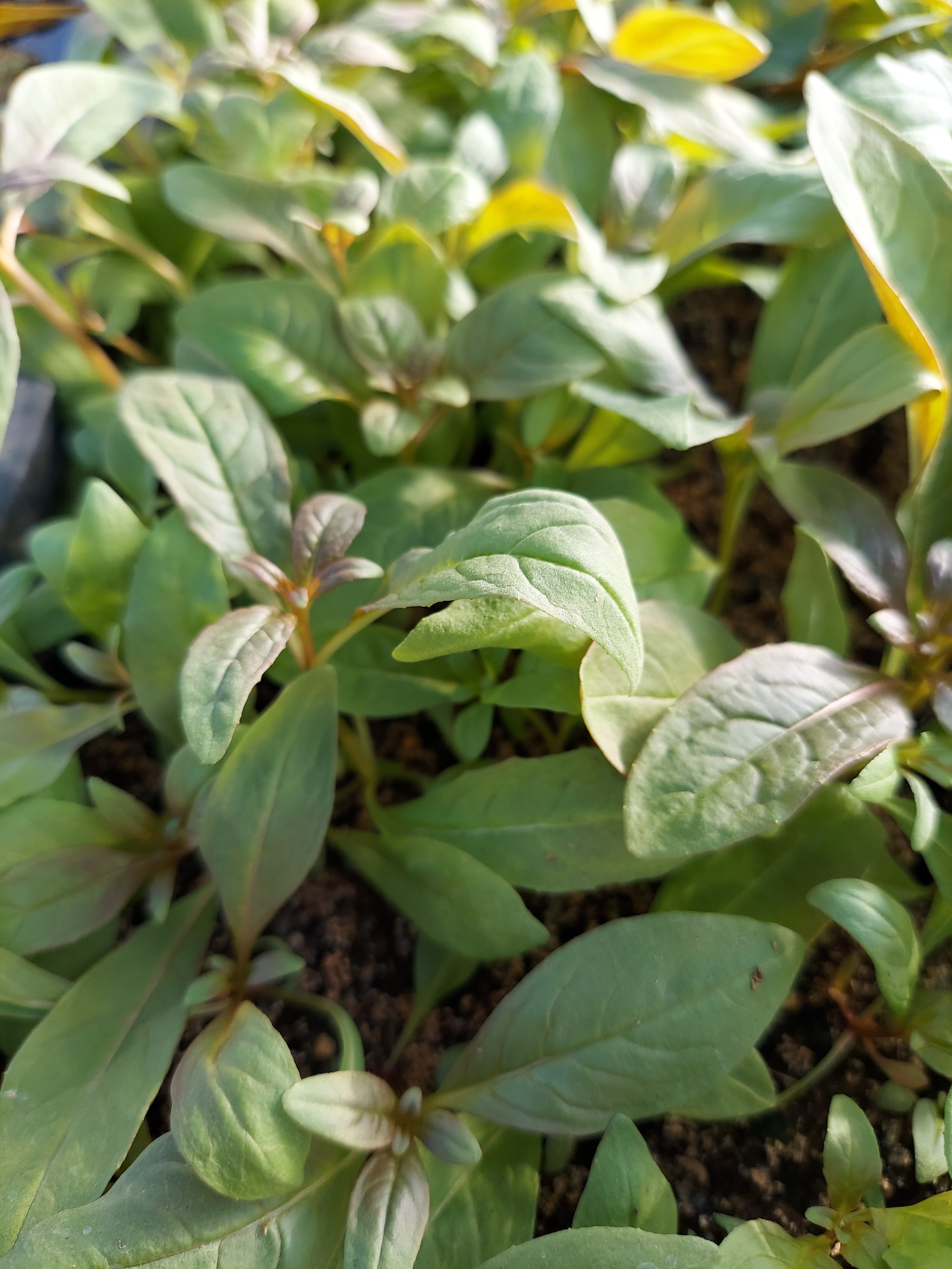
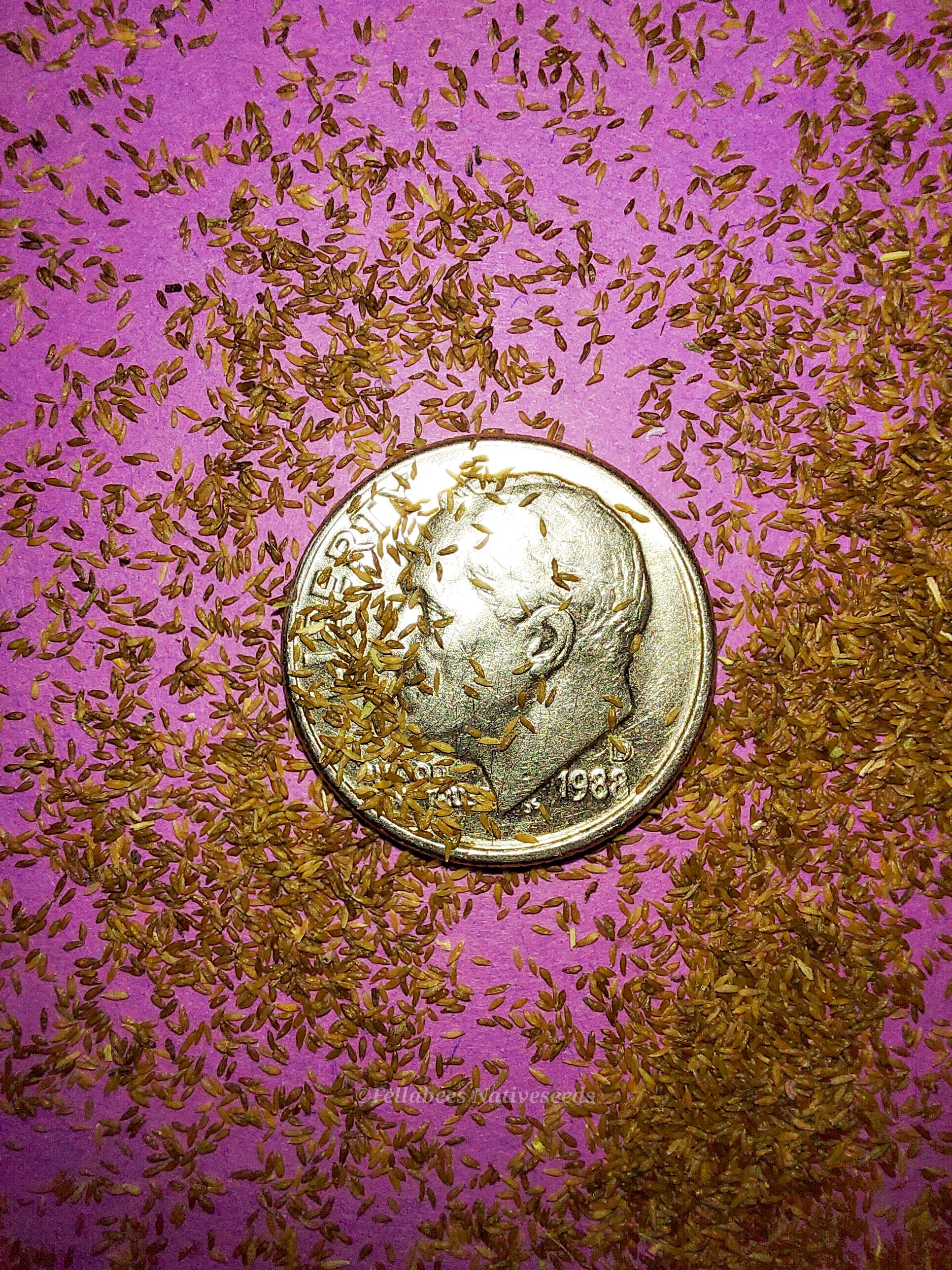
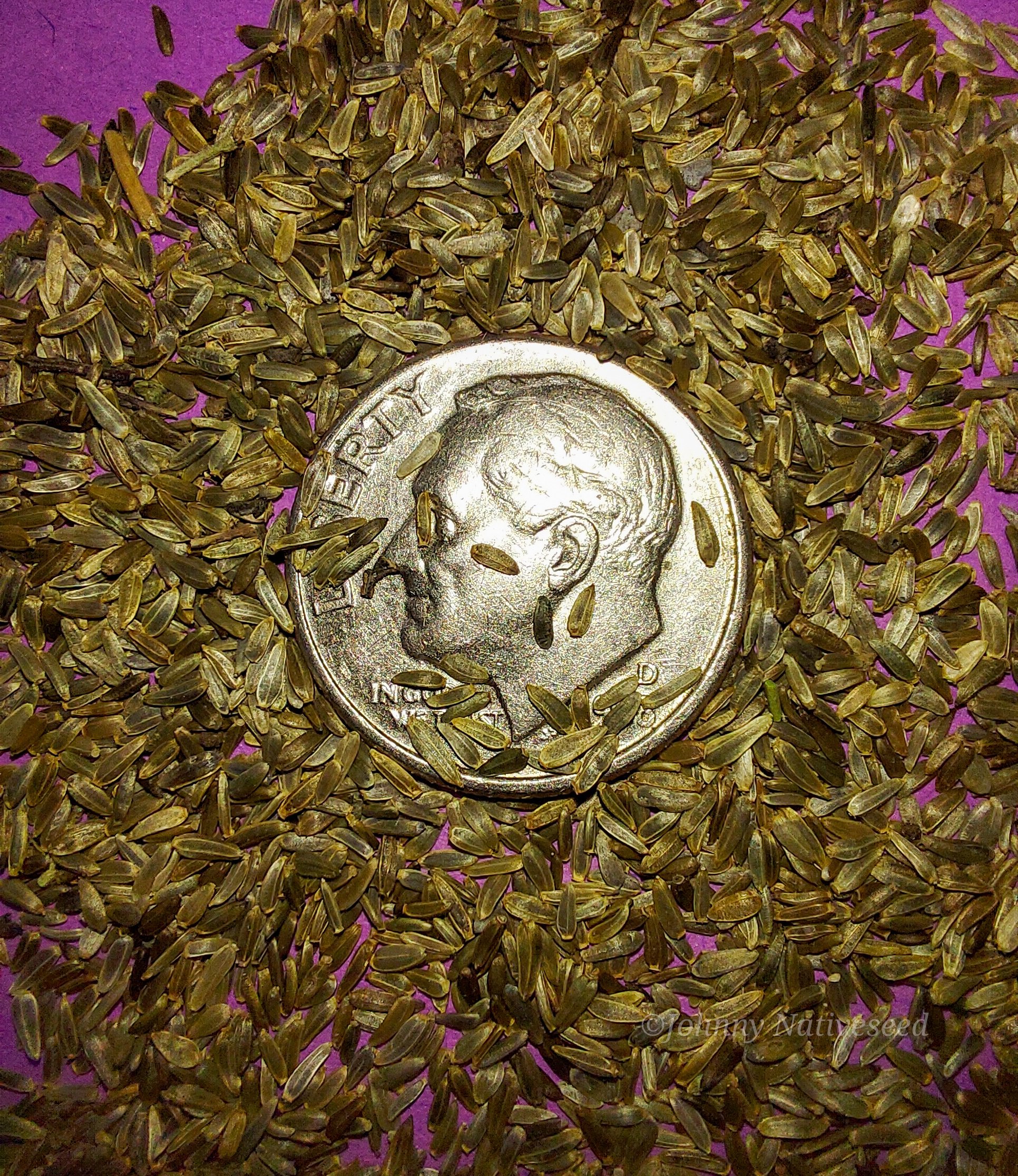
Germination Needs: Needs no special treatment, Seed is very small and likes soil contact and a view of the light to germinate. Surface sow and do not cover with more than a dusting if any soil. Keep moist until germination but not soaking, if growing in trays water from the bottom only.
Life Cycle: Perennial
Sun Exposure: Full to Partial
Soil Moisture: Medium-Wet, Medium, Medium-Dry
Plant Spacing: 2-3 feet
Height: 5 feet
Bloom time: June, July, August
Bloom Color: White
Advantages:
Pollinator Favorite: butterflies, moths, bees, wasps, beetles
Bird Favorite: seeds, insects, fruit, nectar, nesting, perches.
Deer Resistant: Yes
Excellent in the home landscape!
Native to: Wisconsin, Minnesota, Iowa, Illinois, Indiana, Michigan, Ohio, Pennsylvania, New York, Vermont, Massachusetts, Connecticut, Delaware, Maryland, New Jersey, West Virginia, Virginia, Kentucky, Tennessee, North Carolina, South Carolina, Georgia, Florida, Alabama, Mississippi, Louisiana, Arkansas, Missouri, Texas, Oklahoma, Kansas, Nebraska, South Dakota and North Dakota.
This species is considered present but rare in several counties of the states of New York, Vermont, Massachusetts, North Carolina, South Carolina, Georgia, Alabama, Mississippi, Texas, Oklahoma, Nebraska and South Dakota.
This species is considered to be extirpated (locally extinct) in several counties of the states of Delaware, Louisiana and North Dakota.
This species is present but introduced to Maine.
Seed Count: 25+
.
.
Packet quantities:
We pride ourselves on ethical, hands on, ecological management, using no mechanical or chemical methods whatsoever.
All of our native seed is hand reared, hand picked, and hand packed from native prairies under our exclusive management, never breaking chain of custody from the field until it is sent to you. Each packet is hand prepared for shipment by us, directly.
Small seed species will contain greater than 20-25 seed
Large seed species will contain greater than 10-15 seed
It is our mission to spread the wealth of native plant and pollinator ecological sustainability and educate back yard gardeners as well as corporate and government entities in how to germinate, grow, and benefit from native synergies.
Thank you for your support, it is because of you, that we can grow together to do, what we do. 🐛🦋🐝🐞🌾🌱🌼🧡
Culver's Root (Veronicastrum virginicum)
Veronicastrum virginicum is the scientific name for the plant species more commonly known as Culver's Root, a flowering member of the Plantaginaceae family (Plantain). Native to the eastern United States and southeastern Canada, this upright, herbaceous perennial typically reaches about 5 feet tall and around 18 inches wide. It produces slender racemes of delicate white flowers, and less commonly pale pink or soft purple blooms, that grace the summer landscape and provide season-long interest for pollinators.
The name "Culver's Root" is said to come from a European legend about a Dr. Culver, purportedly an 18th‑century pioneer physician, who either discovered on his own or was taught by Indigenous people to use the plant’s bitter roots as a purgative. That story is often repeated, but the claim remains unsubstantiated and lacks solid historical evidence.
The stems are hairless and are usually unbranched, presenting a clean, upright habit. The leaves are serrated along the edges and are arranged in whorls of three to seven around the stem. The inflorescence is erect, composed of slender, spike-like racemes up to about 9 inches long, which together give the flower cluster a striking, candelabra-like appearance. The stamens are closely crowded and protrude in a brush-like fashion, extending perpendicular to the raceme. The corollas are white and measure roughly 2 mm in length. These plants typically flower for about a month, generally from mid-June through late August, though the exact timing varies with the latitude of the native range you’re in.
Culver’s Root is a pollinator powerhouse anywhere it is established, beckoning all manner of pollinators aside from being the larval host for the Culver’s Root Borer Moth (Papaipema sciata). The endangered Rusty Patched Bumble Bee (Bombus affinis) if not locally extirpated can be found by the fortunate, but more commonly seen are Leafcutter Bees (Megachile), Small Sweat Bees (Lasioglossum), Yellow-Faced Bees (Hylaeus), Green Sweat Bees (Agapostemon, Sweat Bees (Halictus) as well as the nearly all black Two-Spotted Long-horned Bee (Melissodes bimaculatus).
Culver’s Root is also a magnet for pollinating predators such as Thread-waisted Wasps (Ammophila), Great Golden Digger Wasps (Sphex ichneumoneus), and Great Black Wasps (Sphex pensylvanicus), and the unique looking Thread-waisted Wasp (Eremnophila aureonotata). Syrphid, Tachinid and Thick-Headed Flies are a common sighting if they can get access between all the bees, wasps and butterflies such as Red Admiral Butterflies, Azure Butterflies, Eastern Tailed Blues, Monarchs, Commas, Question Marks, Swallowtails, and Viceroy Butterflies.
Culver's Root is frequently found in wet to wet-mesic prairies and sometimes in moist upland sites. With its knack for attracting large numbers of pollinators, an extended bloom season, and the ability to absorb and direct fluctuating water levels while helping stabilize soil, Culver’s Root makes an excellent addition to many prairie plantings and native meadow restorations.
Plant Details
USDA Zones: 3-8
Germination Needs: Needs no special treatment, Seed is very small and likes soil contact and a view of the light to germinate. Surface sow and do not cover with more than a dusting if any soil. Keep moist until germination but not soaking, if growing in trays water from the bottom only.
Life Cycle: Perennial
Sun Exposure: Full to Partial
Soil Moisture: Medium-Wet, Medium, Medium-Dry
Plant Spacing: 2-3 feet
Height: 5 feet
Bloom time: June, July, August
Bloom Color: White
Advantages:
Pollinator Favorite: butterflies, moths, bees, wasps, beetles
Bird Favorite: seeds, insects, fruit, nectar, nesting, perches.
Deer Resistant: Yes
Excellent in the home landscape!
Native to: Wisconsin, Minnesota, Iowa, Illinois, Indiana, Michigan, Ohio, Pennsylvania, New York, Vermont, Massachusetts, Connecticut, Delaware, Maryland, New Jersey, West Virginia, Virginia, Kentucky, Tennessee, North Carolina, South Carolina, Georgia, Florida, Alabama, Mississippi, Louisiana, Arkansas, Missouri, Texas, Oklahoma, Kansas, Nebraska, South Dakota and North Dakota.
This species is considered present but rare in several counties of the states of New York, Vermont, Massachusetts, North Carolina, South Carolina, Georgia, Alabama, Mississippi, Texas, Oklahoma, Nebraska and South Dakota.
This species is considered to be extirpated (locally extinct) in several counties of the states of Delaware, Louisiana and North Dakota.
This species is present but introduced to Maine.
Seed Count: 25+
.
.
Packet quantities:
We pride ourselves on ethical, hands on, ecological management, using no mechanical or chemical methods whatsoever.
All of our native seed is hand reared, hand picked, and hand packed from native prairies under our exclusive management, never breaking chain of custody from the field until it is sent to you. Each packet is hand prepared for shipment by us, directly.
Small seed species will contain greater than 20-25 seed
Large seed species will contain greater than 10-15 seed
It is our mission to spread the wealth of native plant and pollinator ecological sustainability and educate back yard gardeners as well as corporate and government entities in how to germinate, grow, and benefit from native synergies.
Thank you for your support, it is because of you, that we can grow together to do, what we do. 🐛🦋🐝🐞🌾🌱🌼🧡
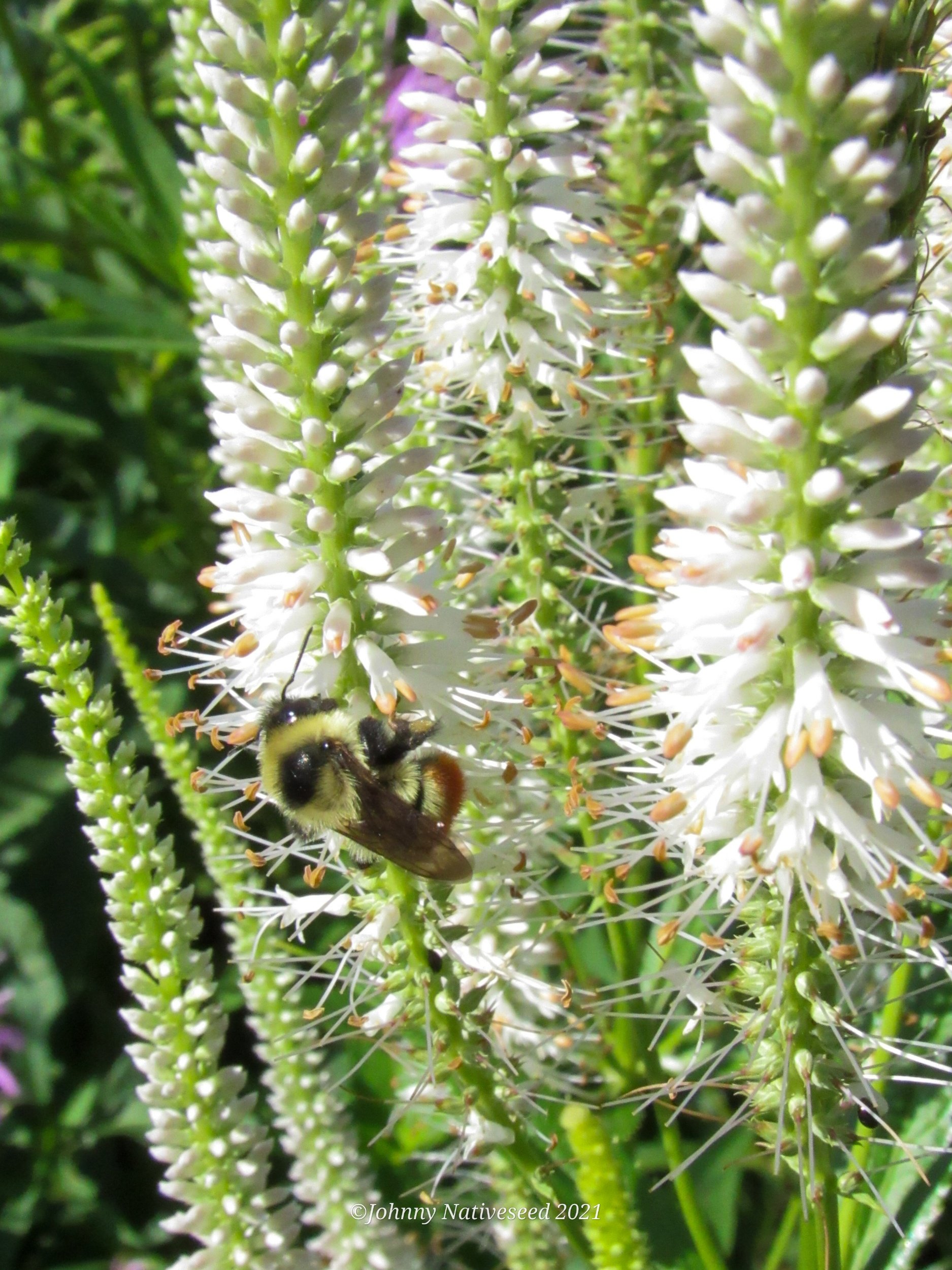 Image 1 of 6
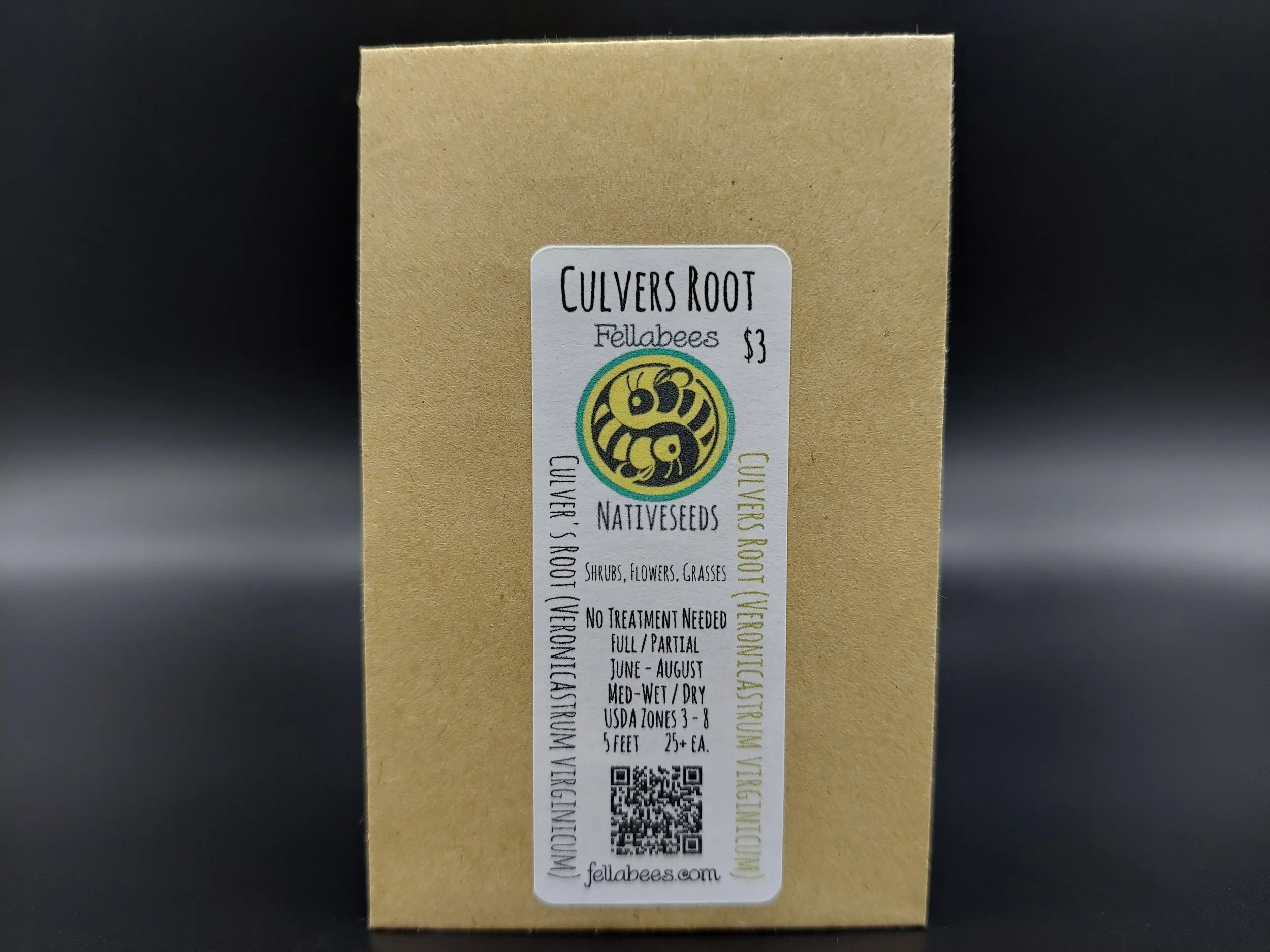 Image 2 of 6
 Image 3 of 6
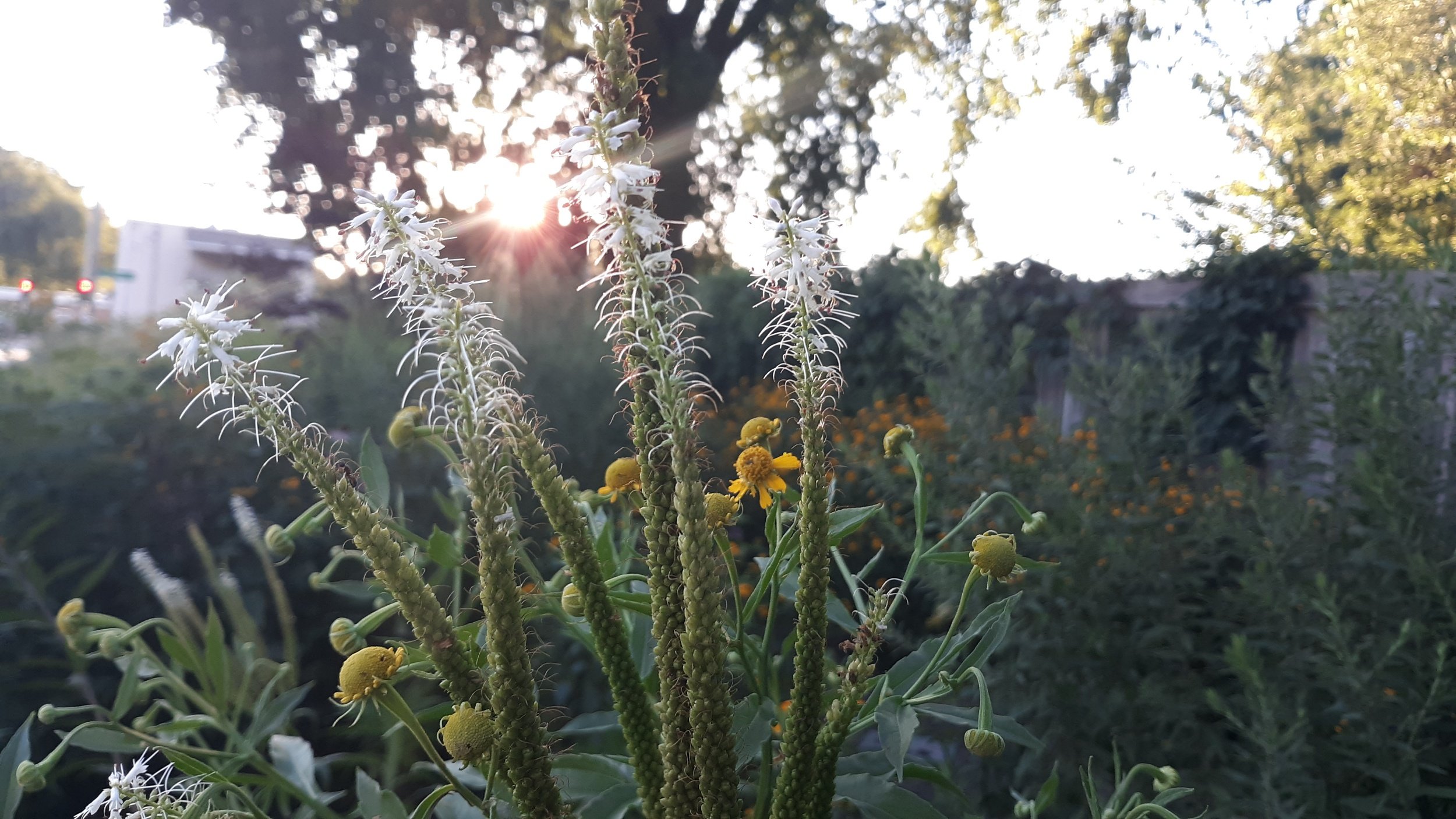 Image 4 of 6
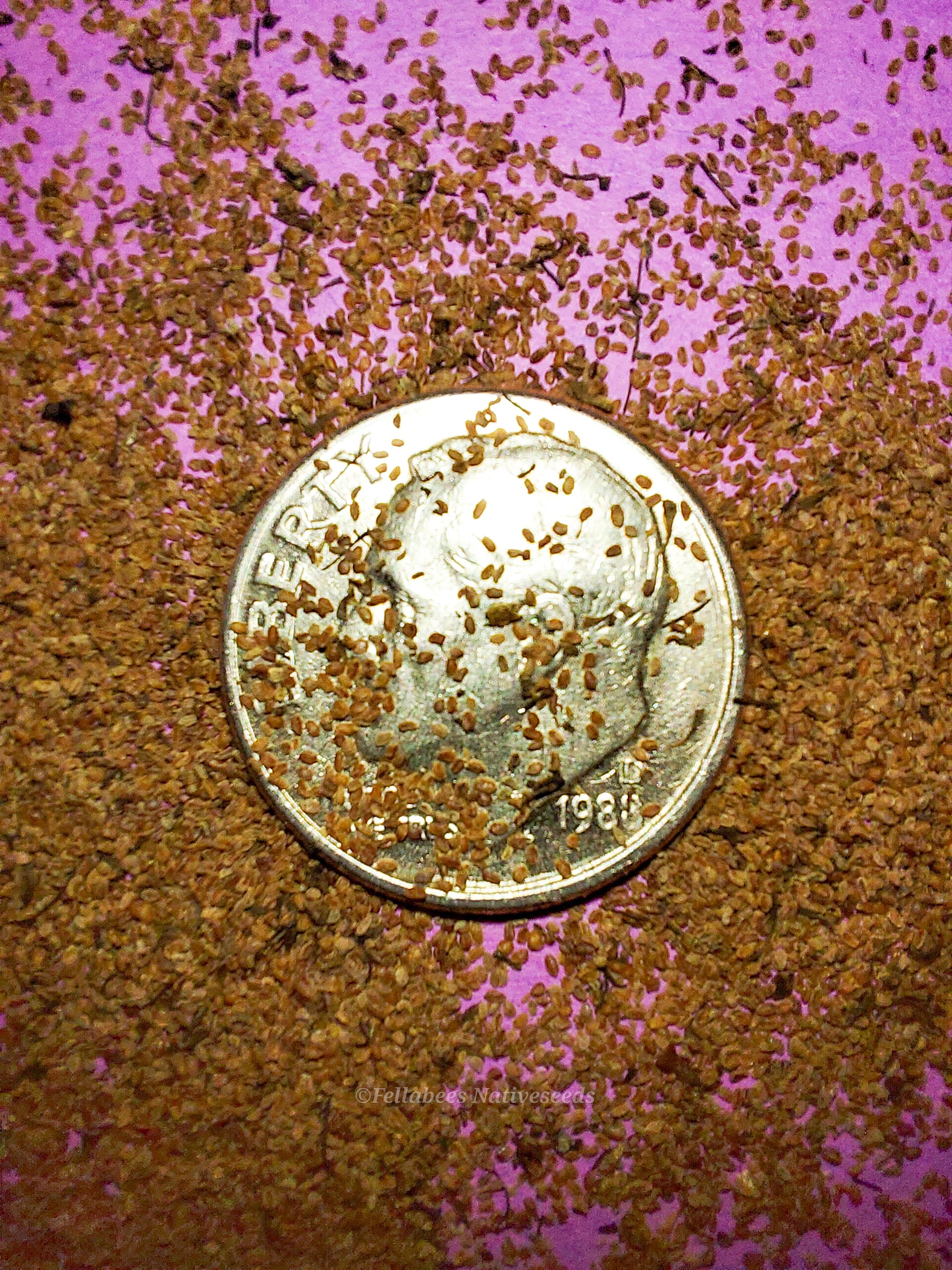 Image 5 of 6
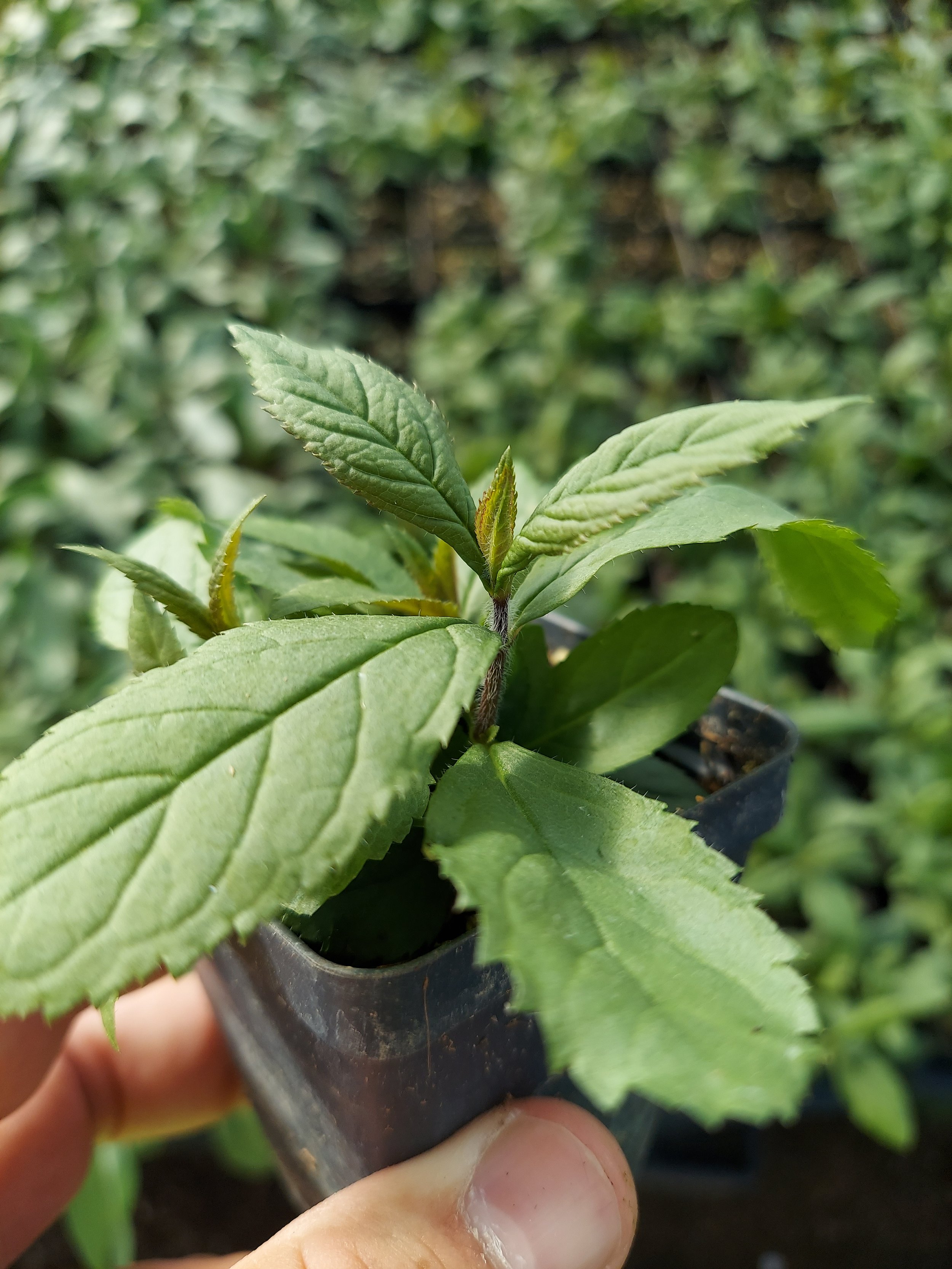 Image 6 of 6