Common Yarrow (Achillea millefolium)
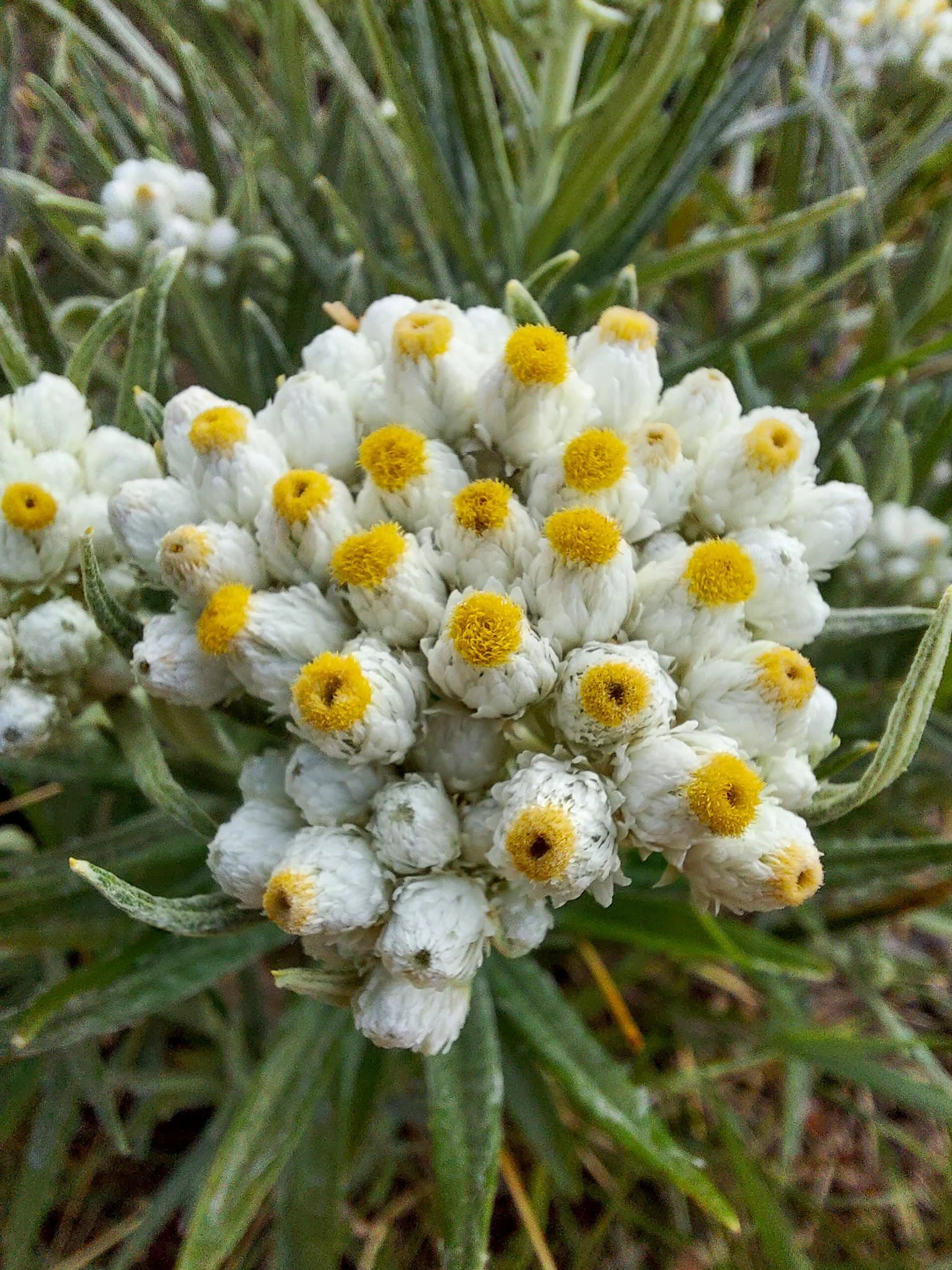
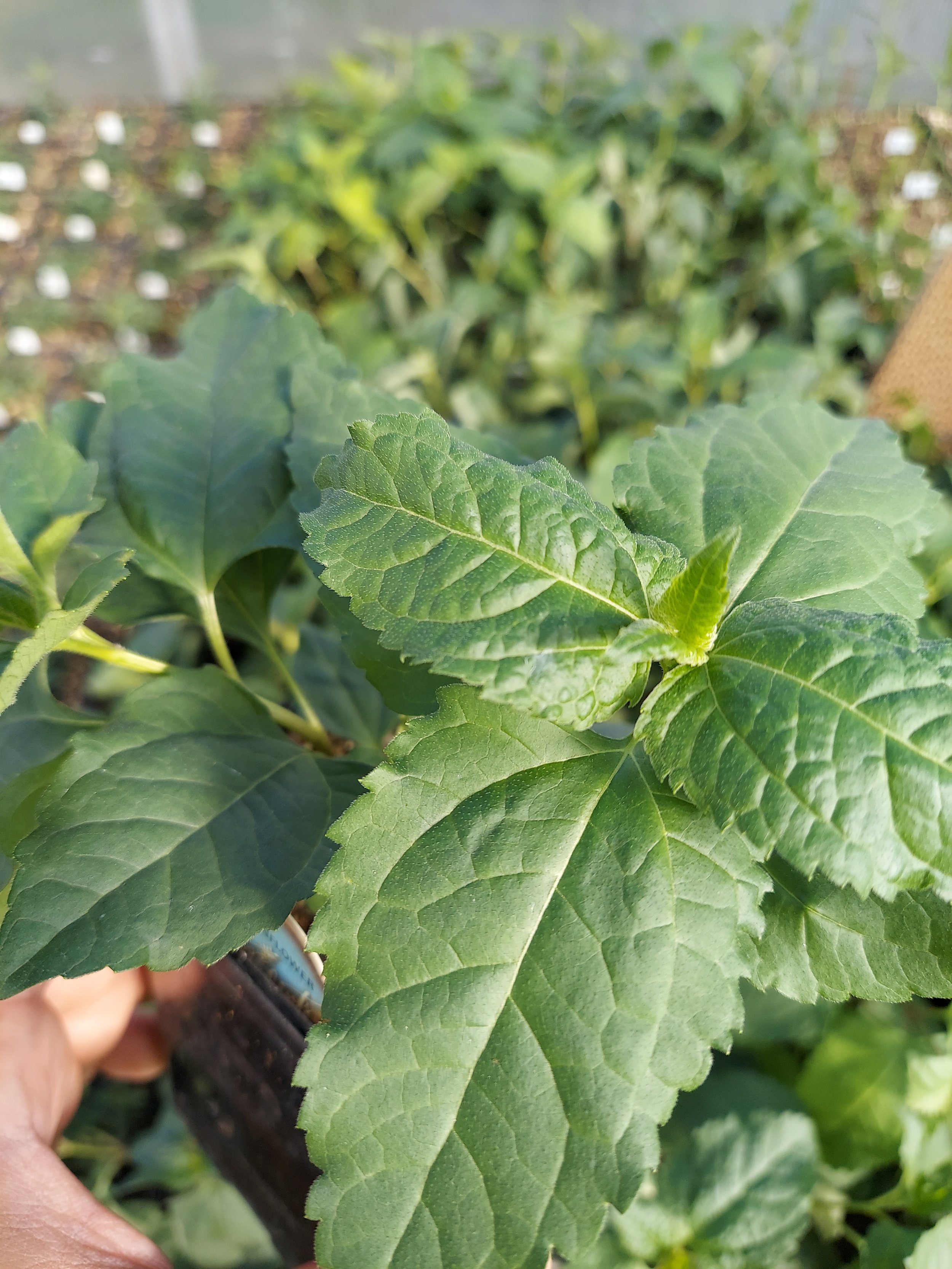
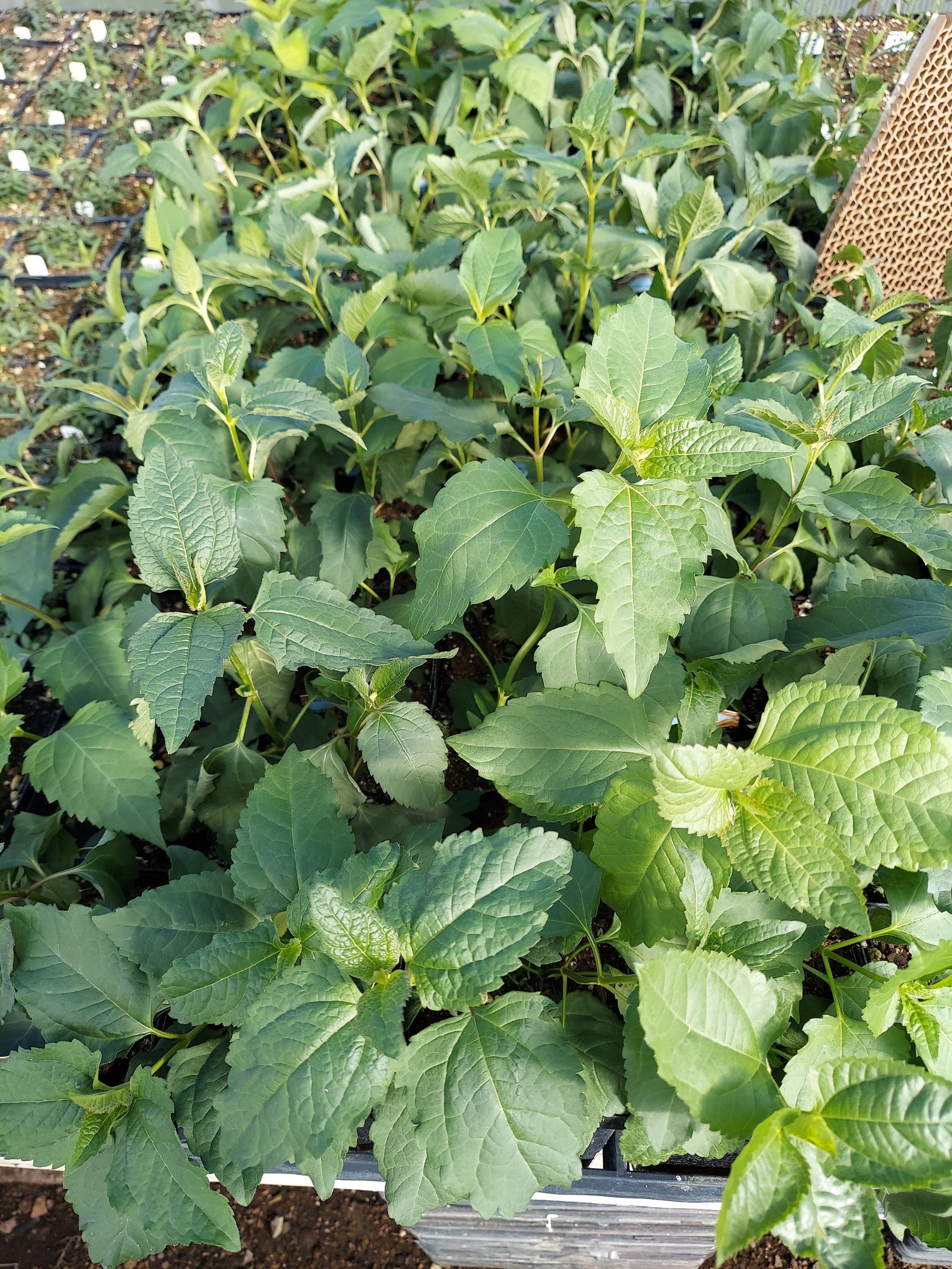
Achillea millefolium is the scientific name for the species more commonly known as Common Yarrow, or simply Yarrow. It is a perennial flowering plant in the family Asteraceae. Growing to about 3 feet tall, it is characterized by flat-topped clusters of small whitish to cream flowers, an erect, branching stem with fernlike, finely divided leaves, and a distinct, somewhat pungent, herbaceous aroma. This hardy, drought-tolerant plant is native to temperate regions of Eurasia and North America and frequently appears in meadows, roadsides, prairies, and other well-drained, sunny sites.
Common Yarrow supports a wide variety of flora and fauna, providing essential forage and nesting habitat for many native bee species, including Small Sweat Bees (Lasioglossum spp.), Small Carpenter Bees (Ceratina spp.), Leafcutter Bees (Megachile spp.), Mining Bees (Andrena spp.), and Cuckoo Bees (Nomada spp.). Achillea millefolium has deeply lobed, feathery leaves that help it retain moisture, and it develops extensive, fibrous root systems that stabilize soil and reduce erosion, making it an excellent choice for holding soils in disturbed or vulnerable sites. Common Yarrow also contributes to watershed health by helping to regulate surface water flow and reduce runoff, a useful function in landscape restoration and riparian buffering.
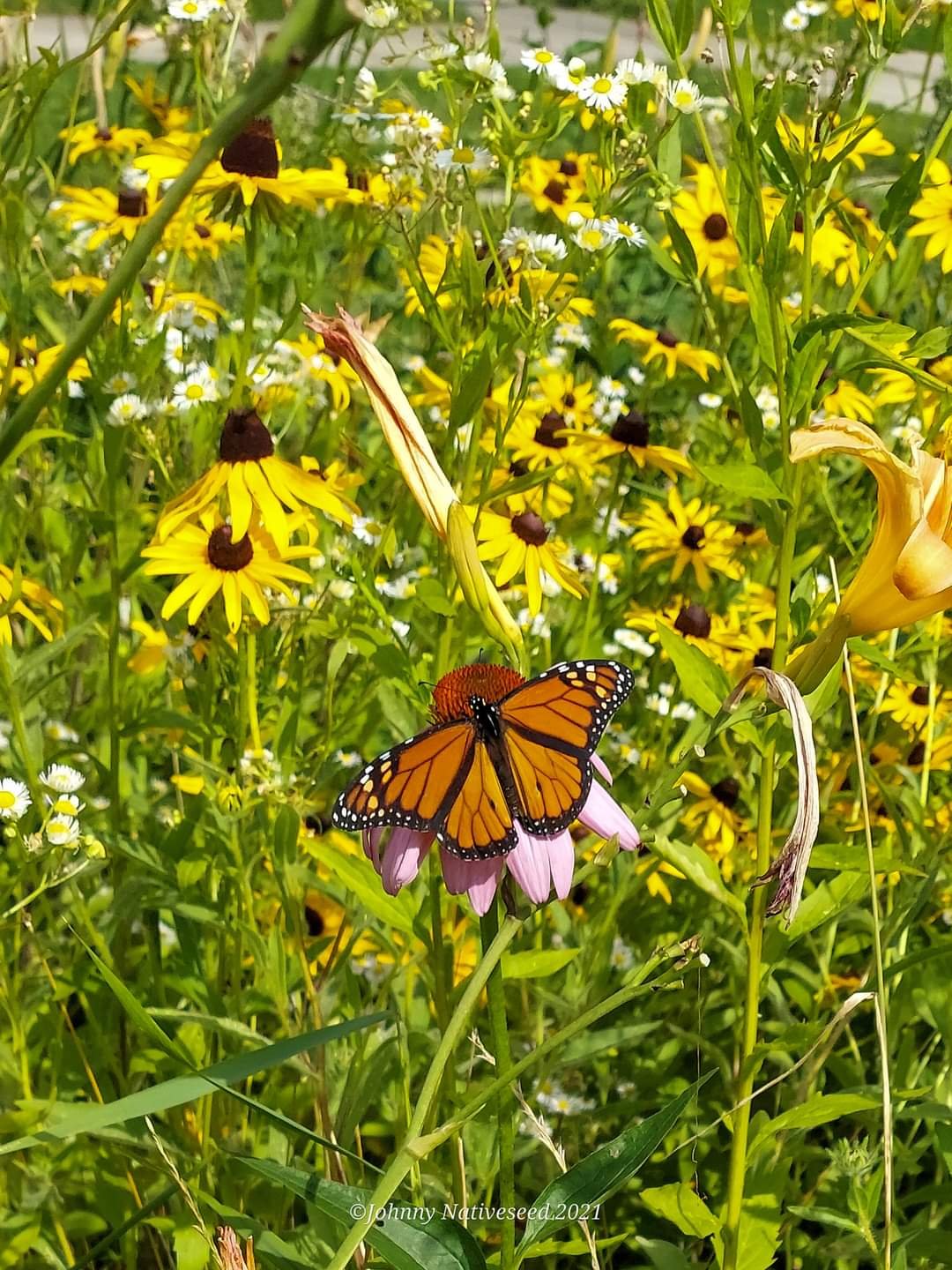
The flat-topped flower clusters attract bees and butterflies, encouraging pollinator activity and supporting a wider range of wildlife. These benefits make Achillea millefolium a valuable addition to gardens and landscapes, helping to enhance ecological balance and long-term sustainability.
Plant Details
USDA Zones: 2 - 10
Germination Needs: Needs No Special Treatment
Life Cycle: Perennial
Sun Exposure: Full to Partial
Soil Moisture: Medium-Wet, Medium, Medium-Dry, Dry
Plant Spacing: 1 - 1½ feet
Height: 3 feet
Bloom time: June, July, August, September
Bloom Color: White
Advantages:
Pollinator Favorite: butterflies, moths, bees, wasps, beetles
Bird Favorite: seeds, insects, fruit, nectar, nesting, perches.
Deer Resistant: Yes
Native to : Wisconsin, Minnesota, Iowa, Illinois, Indiana, Michigan, Ohio, Pennsylvania, New York, Vermont, New Hampshire, Maine, Massachusetts, Rhode Island, Connecticut, Delaware, Maryland, New Jersey, West Virginia, Virginia, Kentucky, Tennessee, North Carolina, South Carolina, Georgia, Florida, Alabama, Mississippi, Louisiana, Arkansas, Missouri, Texas, Oklahoma, Kansas, Nebraska, South Dakota, North Dakota, Montana, Wyoming, Colorado, New Mexico, Arizona, Utah, Nevada, California, Oregon and Washington State
.
.
Packet quantities:
We pride ourselves on ethical, hands on, ecological management, using no mechanical or chemical methods whatsoever.
All of our native seed is hand reared, hand picked, and hand packed from native prairies under our exclusive management, never breaking chain of custody from the field until it is sent to you. Each packet is hand prepared for shipment by us, directly.
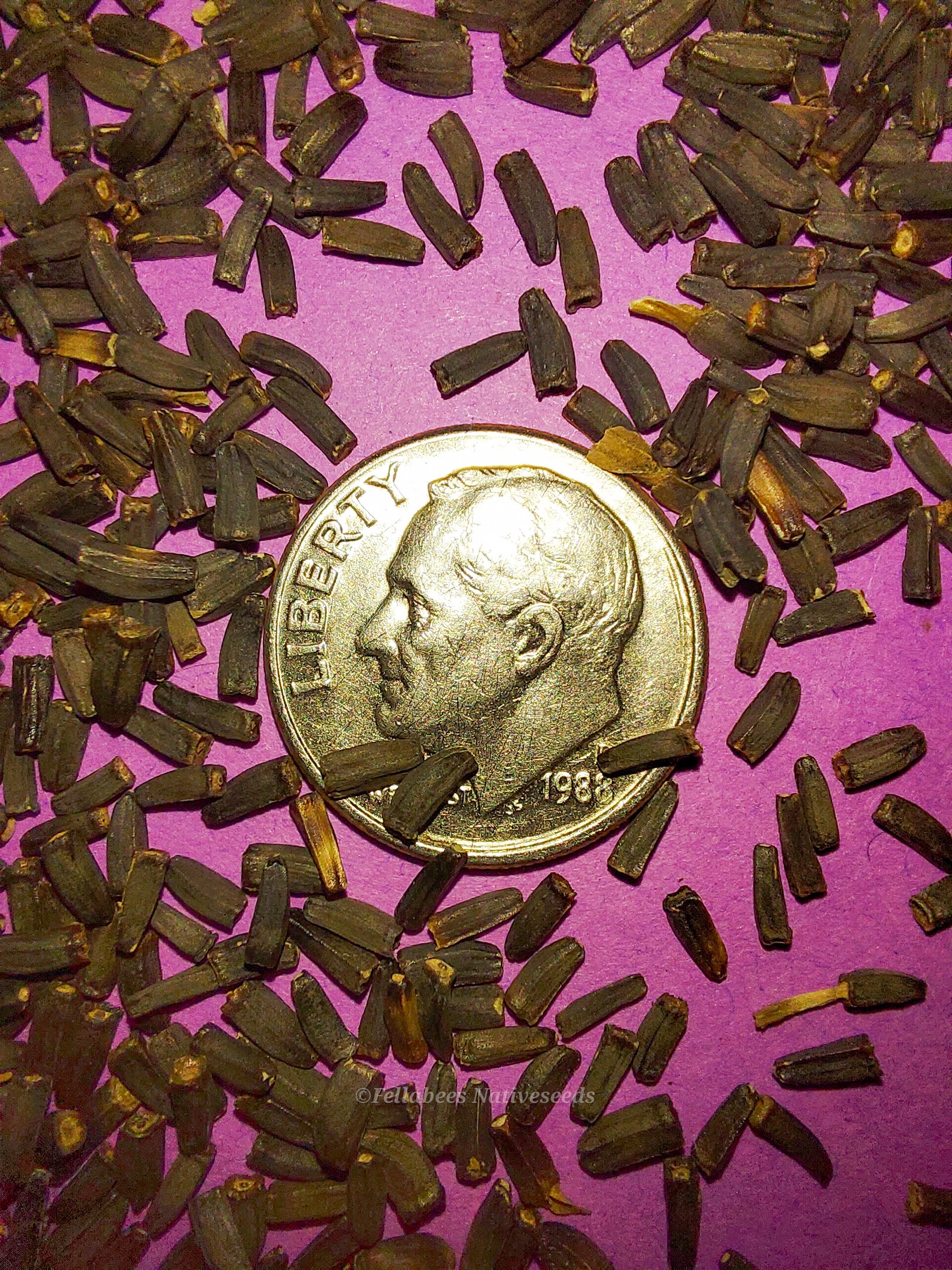
Small seed species will contain greater than 20-25 seed
Large seed species will contain greater than 10-15 seed
All packets are individually marked at the bottom of the front label with expected count, however most if not all packets will have more than the minimum count by default.
It is our mission to spread the wealth of native plant and pollinator ecological sustainability and educate back yard gardeners as well as corporate and government entities in how to germinate, grow, and benefit from native synergies.
Thank you for your support, it is because of you, that we can grow together to do, what we do. 🐛🦋🐝🐞🌾🌱🌼🧡
Common Yarrow (Achillea millefolium)
Achillea millefolium is the scientific name for the species more commonly known as Common Yarrow, or simply Yarrow. It is a perennial flowering plant in the family Asteraceae. Growing to about 3 feet tall, it is characterized by flat-topped clusters of small whitish to cream flowers, an erect, branching stem with fernlike, finely divided leaves, and a distinct, somewhat pungent, herbaceous aroma. This hardy, drought-tolerant plant is native to temperate regions of Eurasia and North America and frequently appears in meadows, roadsides, prairies, and other well-drained, sunny sites.
Common Yarrow supports a wide variety of flora and fauna, providing essential forage and nesting habitat for many native bee species, including Small Sweat Bees (Lasioglossum spp.), Small Carpenter Bees (Ceratina spp.), Leafcutter Bees (Megachile spp.), Mining Bees (Andrena spp.), and Cuckoo Bees (Nomada spp.). Achillea millefolium has deeply lobed, feathery leaves that help it retain moisture, and it develops extensive, fibrous root systems that stabilize soil and reduce erosion, making it an excellent choice for holding soils in disturbed or vulnerable sites. Common Yarrow also contributes to watershed health by helping to regulate surface water flow and reduce runoff, a useful function in landscape restoration and riparian buffering.
The flat-topped flower clusters attract bees and butterflies, encouraging pollinator activity and supporting a wider range of wildlife. These benefits make Achillea millefolium a valuable addition to gardens and landscapes, helping to enhance ecological balance and long-term sustainability.
Plant Details
USDA Zones: 2 - 10
Germination Needs: Needs No Special Treatment
Life Cycle: Perennial
Sun Exposure: Full to Partial
Soil Moisture: Medium-Wet, Medium, Medium-Dry, Dry
Plant Spacing: 1 - 1½ feet
Height: 3 feet
Bloom time: June, July, August, September
Bloom Color: White
Advantages:
Pollinator Favorite: butterflies, moths, bees, wasps, beetles
Bird Favorite: seeds, insects, fruit, nectar, nesting, perches.
Deer Resistant: Yes
Native to : Wisconsin, Minnesota, Iowa, Illinois, Indiana, Michigan, Ohio, Pennsylvania, New York, Vermont, New Hampshire, Maine, Massachusetts, Rhode Island, Connecticut, Delaware, Maryland, New Jersey, West Virginia, Virginia, Kentucky, Tennessee, North Carolina, South Carolina, Georgia, Florida, Alabama, Mississippi, Louisiana, Arkansas, Missouri, Texas, Oklahoma, Kansas, Nebraska, South Dakota, North Dakota, Montana, Wyoming, Colorado, New Mexico, Arizona, Utah, Nevada, California, Oregon and Washington State
.
.
Packet quantities:
We pride ourselves on ethical, hands on, ecological management, using no mechanical or chemical methods whatsoever.
All of our native seed is hand reared, hand picked, and hand packed from native prairies under our exclusive management, never breaking chain of custody from the field until it is sent to you. Each packet is hand prepared for shipment by us, directly.
Small seed species will contain greater than 20-25 seed
Large seed species will contain greater than 10-15 seed
All packets are individually marked at the bottom of the front label with expected count, however most if not all packets will have more than the minimum count by default.
It is our mission to spread the wealth of native plant and pollinator ecological sustainability and educate back yard gardeners as well as corporate and government entities in how to germinate, grow, and benefit from native synergies.
Thank you for your support, it is because of you, that we can grow together to do, what we do. 🐛🦋🐝🐞🌾🌱🌼🧡
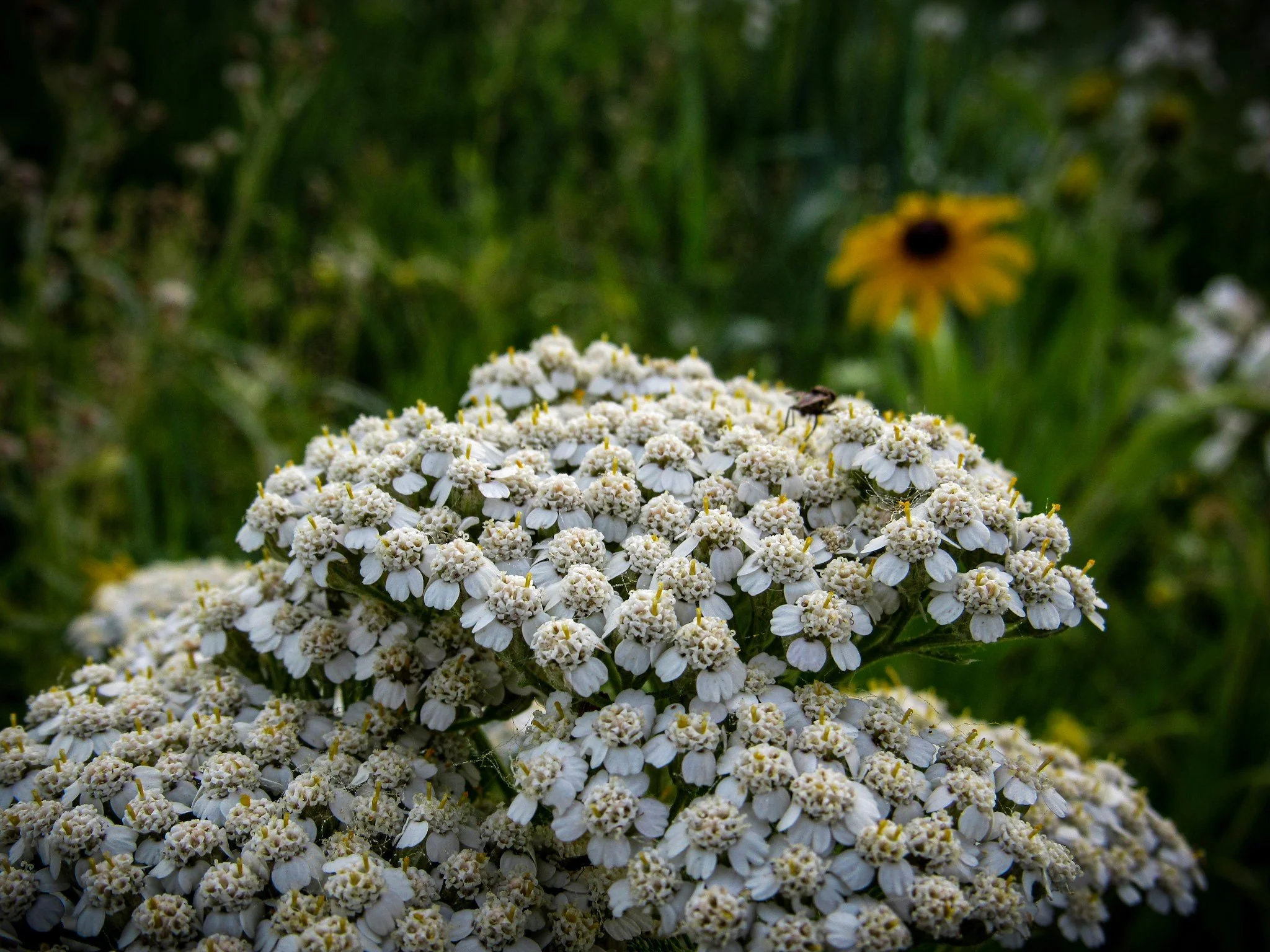 Image 1 of 7
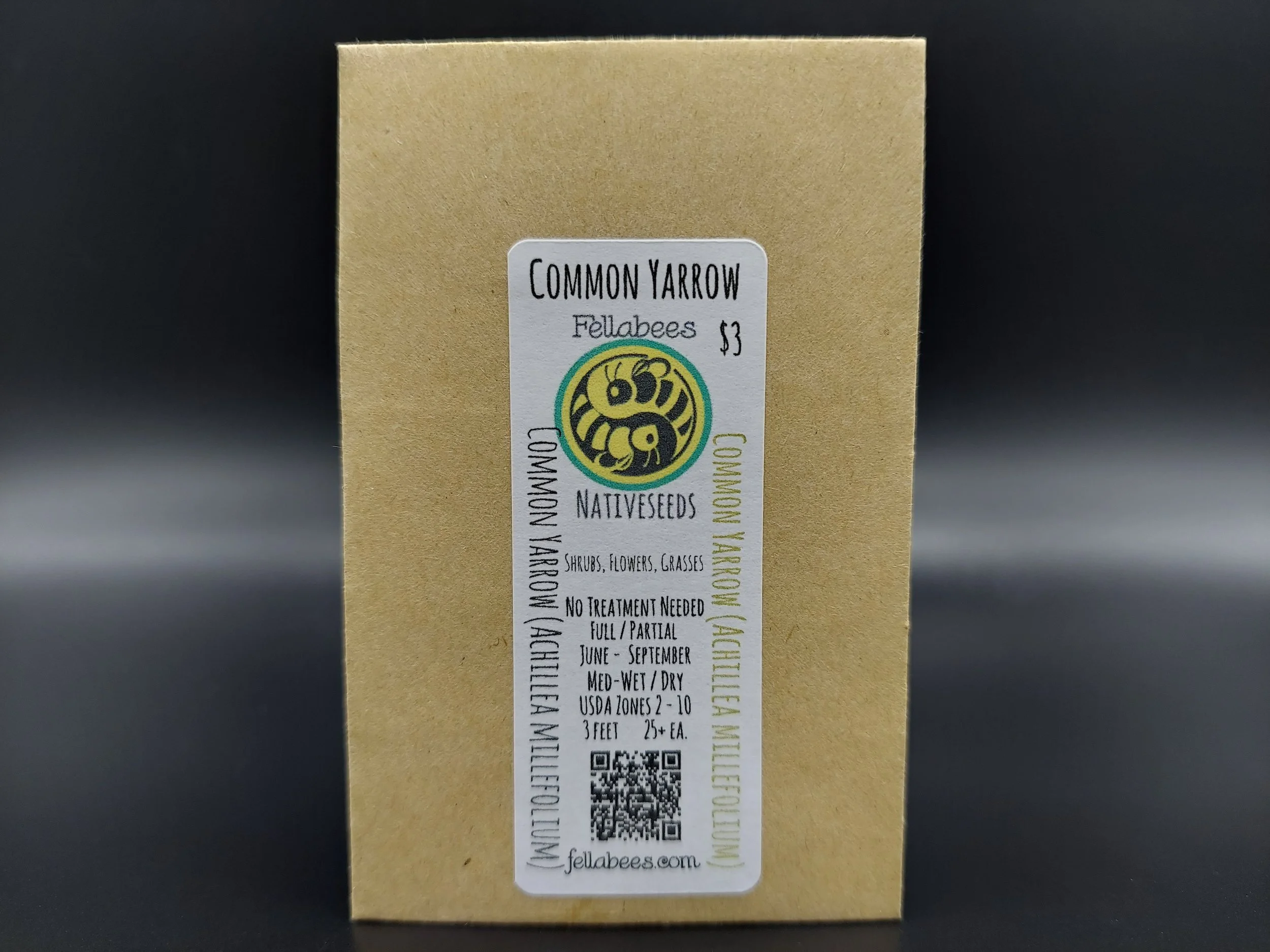 Image 2 of 7
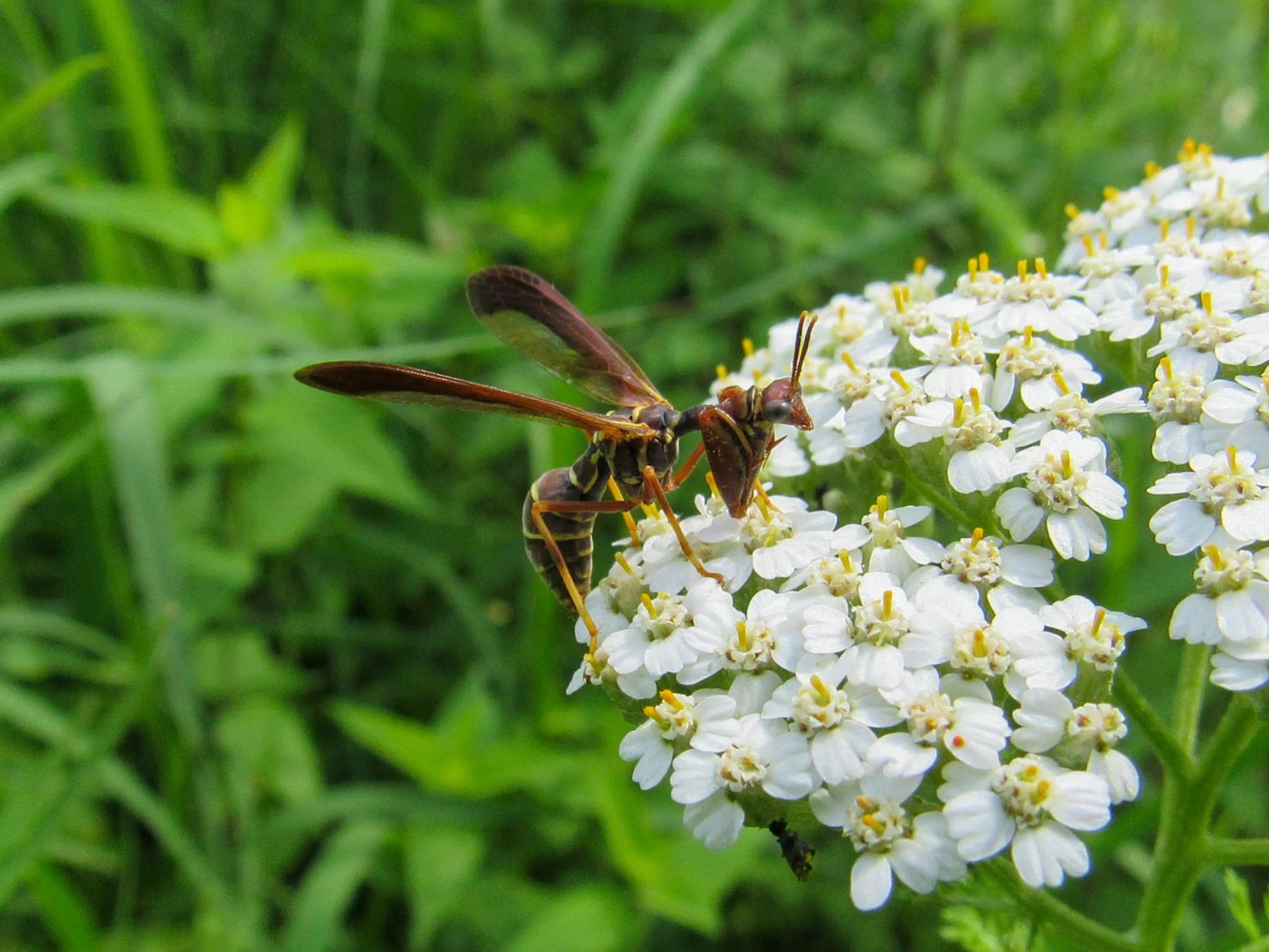 Image 3 of 7
 Image 4 of 7
 Image 5 of 7
 Image 6 of 7
 Image 7 of 7