Sale Price:
$2.00
Original Price:
$3.00
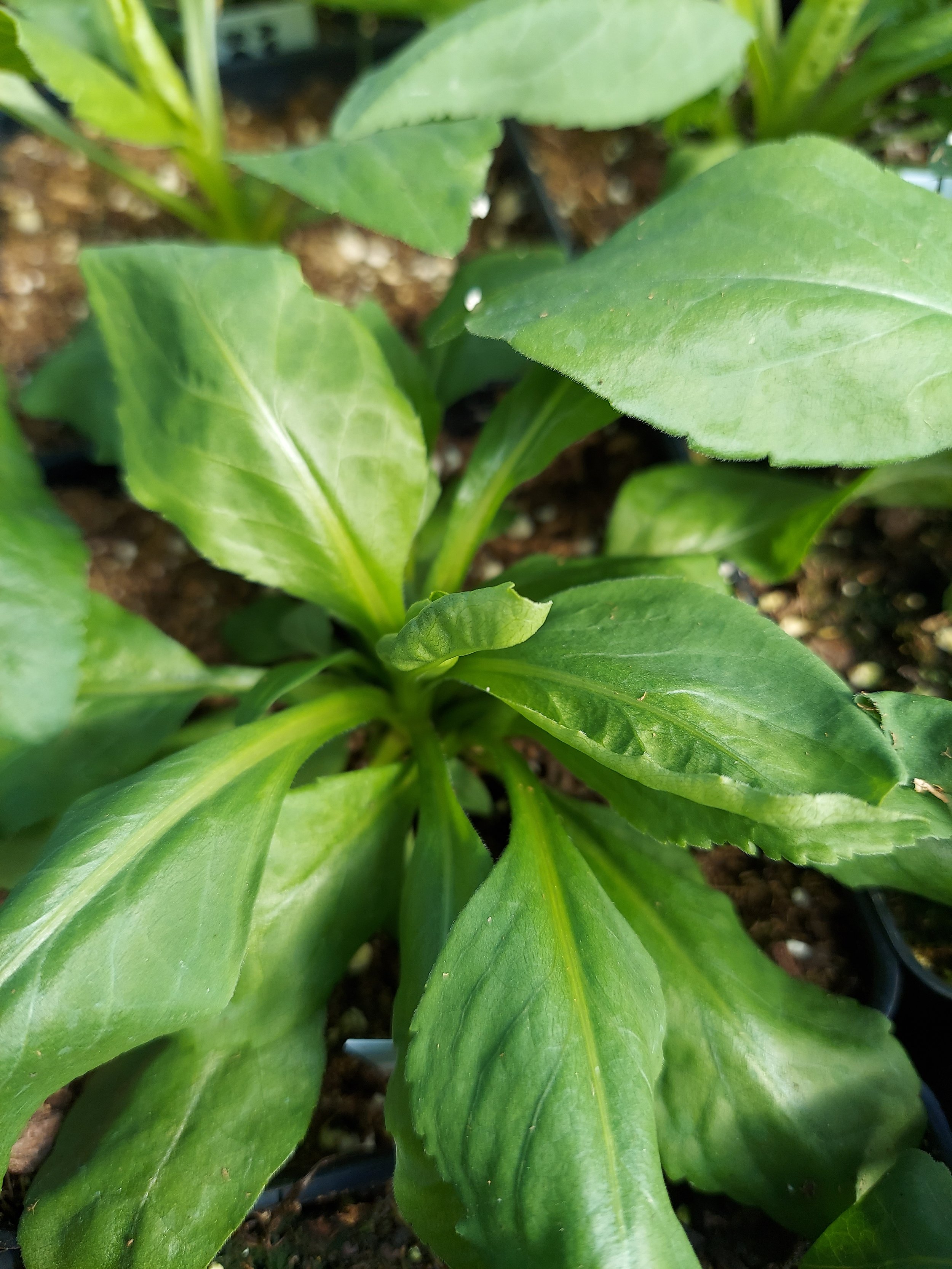
Great Blue Lobelia (Lobelia siphilitica)
Lobelia siphilitica is the scientific name for the flowering plant more commonly known as Great Blue Lobelia which is a native perennial herb of moist meadows, stream banks, wet prairies, and woodland edges in eastern North America. It plays a distinctive ecological role in wetland-adjacent and riparian plant communities by stabilizing soil in seasonally saturated substrates while also contributing to structural diversity in the herb layer.
Faunal associations
Pollinators: The blue tubular flowers are specialized for long-tongued pollinators especially bumblebees and large solitary bees that can pry open the lower lip to access nectar. Hummingbirds also visit where ranges overlap, drawn to the tubular form and abundant nectar. These interactions support pollinator diversity and seasonal nectar resources.
Herbivores: Foliage and stems are browsed to some extent by white-tailed deer and small mammals, though Lobelia siphilitica is not a preferred forage species and often persists where heavier browse reduces more palatable plants because Lobelias produce a secondary compound known as "lobeline," which deters herbivores.
Invertebrates: Leaves and stems host a modest suite of specialist and generalist insects, including caterpillars of some moth species that use Lobelia as a larval foodplant. Floral visitors beyond primary pollinators include syrphid flies and small bees that occasionally glean pollen.
Seed consumers and dispersal: Seeds are small and primarily gravity-dispersed locally; they may be incidentally moved short distances by water, soil movement, or animal activity. Some granivorous birds and small mammals may consume seeds but are not major long-distance dispersers.
Disease and parasites: Like many native wetland plants, L. siphilitica can be affected by foliar pathogens and herbivorous insects; these interactions are part of normal ecosystem dynamics and contribute to trophic complexity.
Ecological contributions
Supports pollinator networks by providing mid- to late-summer nectar and pollen resources at a time when wet-site blooms may be less abundant.
Enhances habitat heterogeneity in wetland margins, benefiting amphibians, invertebrates, and small reptiles that use dense herbaceous cover for foraging and shelter.
Contributes to soil stabilization along banks and in wet meadows, helping reduce erosion during seasonal flooding.
Functions well in native seed mixes for wet or mesic restoration projects, promoting ecological resilience and supporting associated fauna.
Conservation notes
Thrives best in moist, humus-rich soils and sites with consistent moisture; planting in appropriate hydrologic settings supports established local pollinator and wildlife communities.
Preserving riparian buffers and wet meadow habitats helps maintain healthy populations of Lobelia siphilitica and the faunal assemblages it supports.
Plant Details
USDA Zones: 3-9
Germination Needs: 60 Days Cold Stratification
Life Cycle: Perennial
Sun Exposure: Full to Partial
Soil Moisture: Wet, Medium-Wet, Medium
Plant Spacing: 1-1½ feet
Height: 3 feet
Bloom time: July, August, September, October
Bloom Color: Blue
Advantages
Pollinator Favorite: butterflies, moths, bees, wasps, beetles
Bird Favorite: seeds, insects, fruit, nectar, nesting, perches.
Deer Resistant: Yes
Excellent in the home landscape!
Seed Count: 25+
Native to: Wisconsin, Minnesota, Iowa, Illinois, Indiana, Michigan, Ohio, Pennsylvania, New York, Vermont, New Hampshire, Massachusetts, Rhode Island, Connecticut, Delaware, Maryland, New Jersey, West Virginia, Virginia, Kentucky, Tennessee, North Carolina, South Carolina, Georgia, Alabama, Mississippi, Louisiana, Arkansas, Missouri, Texas, Oklahoma, Kansas, Nebraska, South Dakota, North Dakota, Wyoming and Colorado.
This species is considered present but rare in several counties of the states of Vermont, New Hampshire, Massachusetts, North Carolina, South Carolina, Georgia, Texas and Wyoming.
This species is considered to be extirpated (locally extinct) in several counties of the state of Maine.
.
.
Packet quantities:
We pride ourselves on ethical, hands on, ecological management, using no mechanical or chemical methods whatsoever.
All of our native seed is hand reared, hand picked, and hand packed from native prairies under our exclusive management, never breaking chain of custody from the field until it is sent to you. Each packet is hand prepared for shipment by us, directly.
Small seed species will contain greater than 20-25 seed
Large seed species will contain greater than 10-15 seed
It is our mission to spread the wealth of native plant and pollinator ecological sustainability, and educate back yard gardeners as well as corporate and government entities in how to germinate, grow, and benefit from native synergies.
Thank you for your support, it is because of you, that we can grow together to do, what we do.🐛🦋🐝🐞🌾🌱🌼🧡
Great Blue Lobelia (Lobelia siphilitica)
Lobelia siphilitica is the scientific name for the flowering plant more commonly known as Great Blue Lobelia which is a native perennial herb of moist meadows, stream banks, wet prairies, and woodland edges in eastern North America. It plays a distinctive ecological role in wetland-adjacent and riparian plant communities by stabilizing soil in seasonally saturated substrates while also contributing to structural diversity in the herb layer.
Faunal associations
Pollinators: The blue tubular flowers are specialized for long-tongued pollinators especially bumblebees and large solitary bees that can pry open the lower lip to access nectar. Hummingbirds also visit where ranges overlap, drawn to the tubular form and abundant nectar. These interactions support pollinator diversity and seasonal nectar resources.
Herbivores: Foliage and stems are browsed to some extent by white-tailed deer and small mammals, though Lobelia siphilitica is not a preferred forage species and often persists where heavier browse reduces more palatable plants because Lobelias produce a secondary compound known as "lobeline," which deters herbivores.
Invertebrates: Leaves and stems host a modest suite of specialist and generalist insects, including caterpillars of some moth species that use Lobelia as a larval foodplant. Floral visitors beyond primary pollinators include syrphid flies and small bees that occasionally glean pollen.
Seed consumers and dispersal: Seeds are small and primarily gravity-dispersed locally; they may be incidentally moved short distances by water, soil movement, or animal activity. Some granivorous birds and small mammals may consume seeds but are not major long-distance dispersers.
Disease and parasites: Like many native wetland plants, L. siphilitica can be affected by foliar pathogens and herbivorous insects; these interactions are part of normal ecosystem dynamics and contribute to trophic complexity.
Ecological contributions
Supports pollinator networks by providing mid- to late-summer nectar and pollen resources at a time when wet-site blooms may be less abundant.
Enhances habitat heterogeneity in wetland margins, benefiting amphibians, invertebrates, and small reptiles that use dense herbaceous cover for foraging and shelter.
Contributes to soil stabilization along banks and in wet meadows, helping reduce erosion during seasonal flooding.
Functions well in native seed mixes for wet or mesic restoration projects, promoting ecological resilience and supporting associated fauna.
Conservation notes
Thrives best in moist, humus-rich soils and sites with consistent moisture; planting in appropriate hydrologic settings supports established local pollinator and wildlife communities.
Preserving riparian buffers and wet meadow habitats helps maintain healthy populations of Lobelia siphilitica and the faunal assemblages it supports.
Plant Details
USDA Zones: 3-9
Germination Needs: 60 Days Cold Stratification
Life Cycle: Perennial
Sun Exposure: Full to Partial
Soil Moisture: Wet, Medium-Wet, Medium
Plant Spacing: 1-1½ feet
Height: 3 feet
Bloom time: July, August, September, October
Bloom Color: Blue
Advantages
Pollinator Favorite: butterflies, moths, bees, wasps, beetles
Bird Favorite: seeds, insects, fruit, nectar, nesting, perches.
Deer Resistant: Yes
Excellent in the home landscape!
Seed Count: 25+
Native to: Wisconsin, Minnesota, Iowa, Illinois, Indiana, Michigan, Ohio, Pennsylvania, New York, Vermont, New Hampshire, Massachusetts, Rhode Island, Connecticut, Delaware, Maryland, New Jersey, West Virginia, Virginia, Kentucky, Tennessee, North Carolina, South Carolina, Georgia, Alabama, Mississippi, Louisiana, Arkansas, Missouri, Texas, Oklahoma, Kansas, Nebraska, South Dakota, North Dakota, Wyoming and Colorado.
This species is considered present but rare in several counties of the states of Vermont, New Hampshire, Massachusetts, North Carolina, South Carolina, Georgia, Texas and Wyoming.
This species is considered to be extirpated (locally extinct) in several counties of the state of Maine.
.
.
Packet quantities:
We pride ourselves on ethical, hands on, ecological management, using no mechanical or chemical methods whatsoever.
All of our native seed is hand reared, hand picked, and hand packed from native prairies under our exclusive management, never breaking chain of custody from the field until it is sent to you. Each packet is hand prepared for shipment by us, directly.
Small seed species will contain greater than 20-25 seed
Large seed species will contain greater than 10-15 seed
It is our mission to spread the wealth of native plant and pollinator ecological sustainability, and educate back yard gardeners as well as corporate and government entities in how to germinate, grow, and benefit from native synergies.
Thank you for your support, it is because of you, that we can grow together to do, what we do.🐛🦋🐝🐞🌾🌱🌼🧡
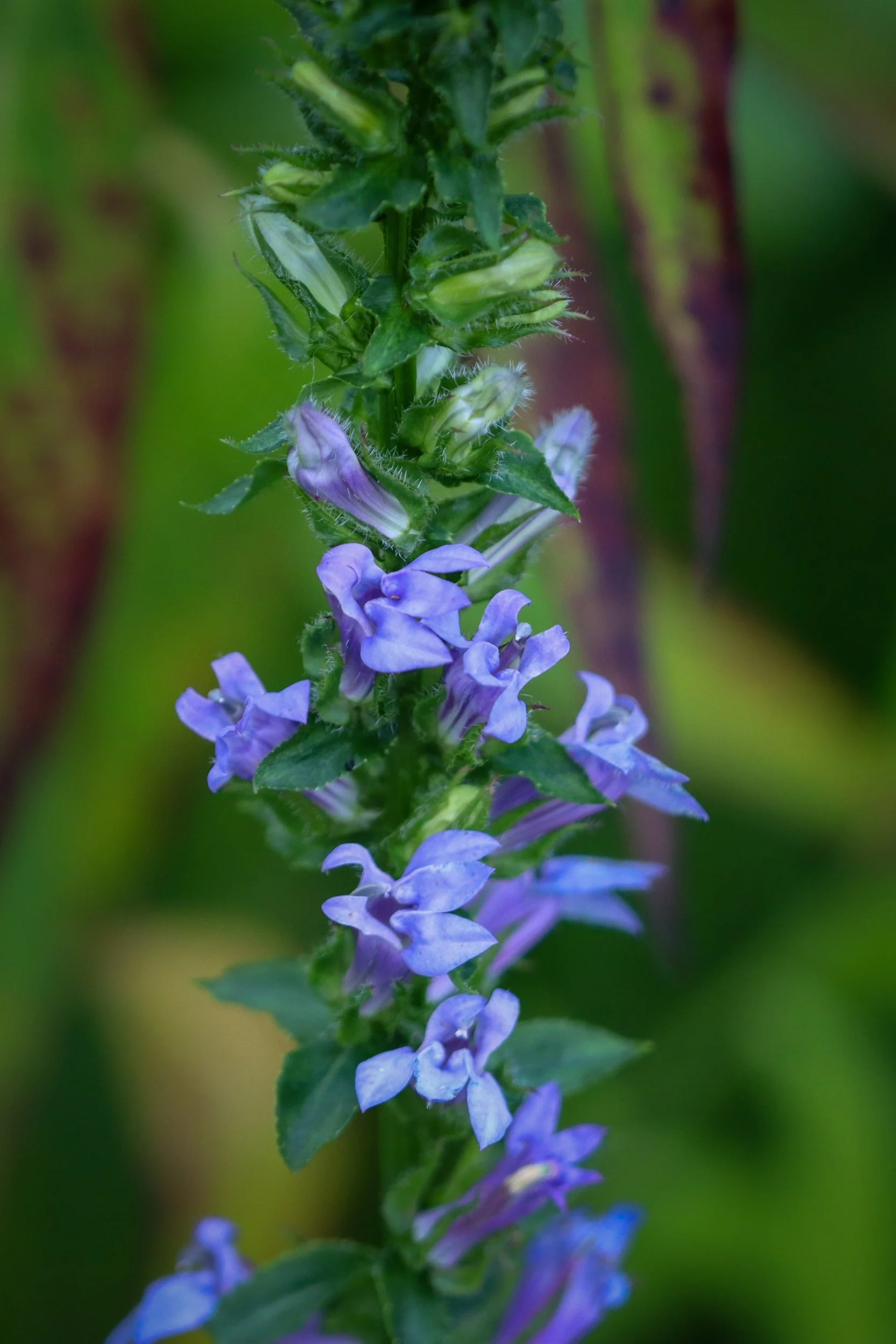 Image 1 of 8
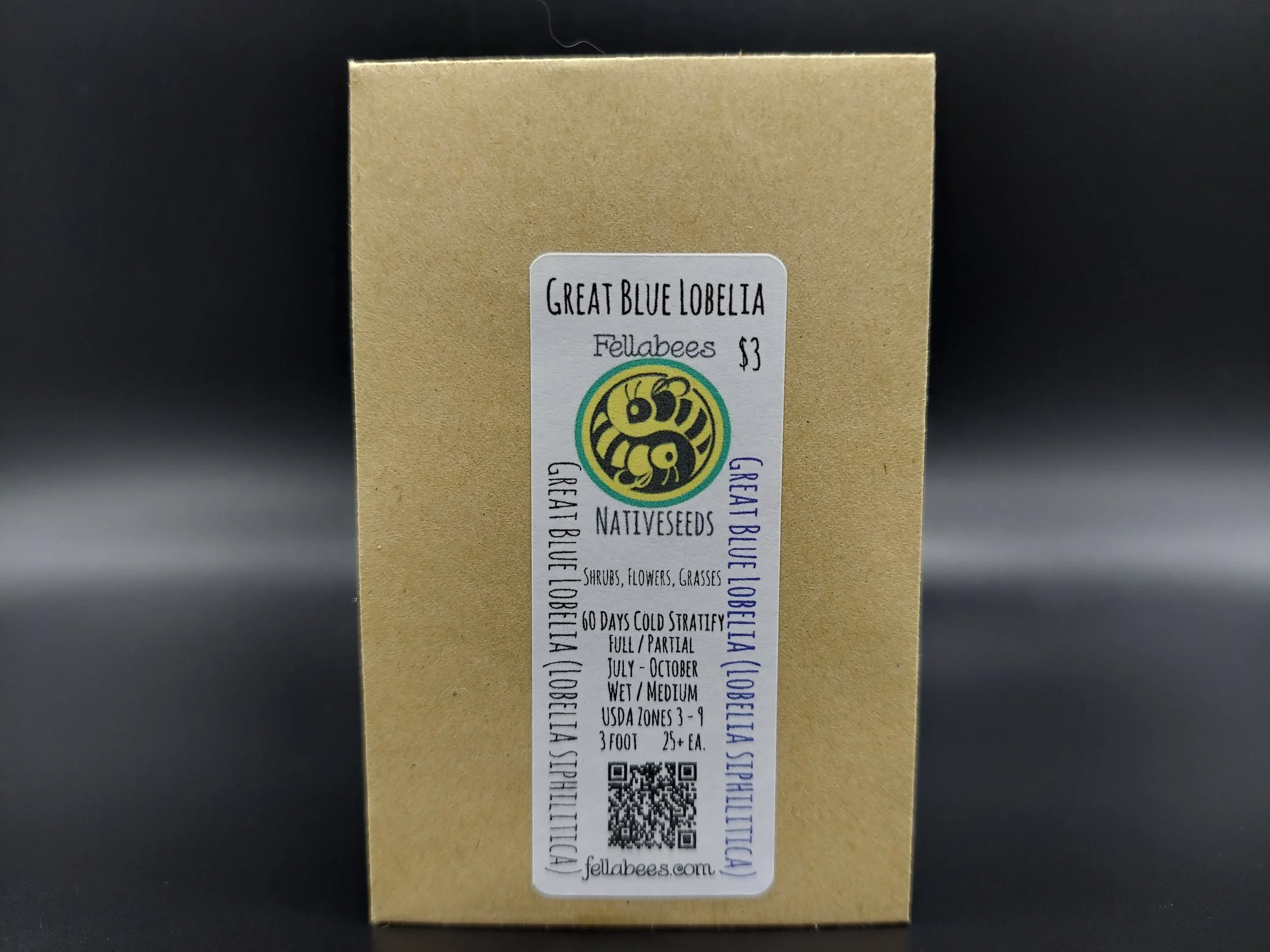 Image 2 of 8
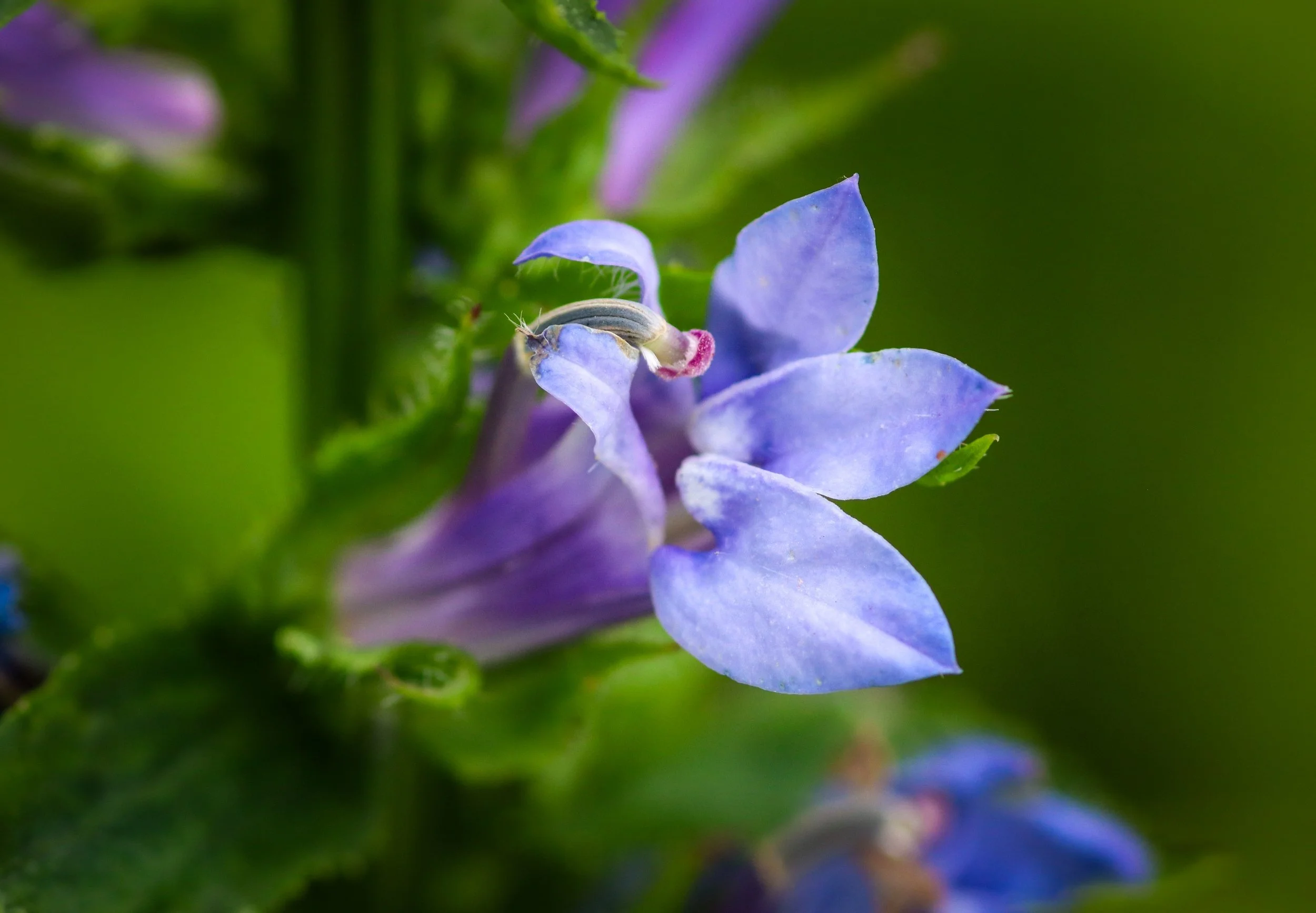 Image 3 of 8
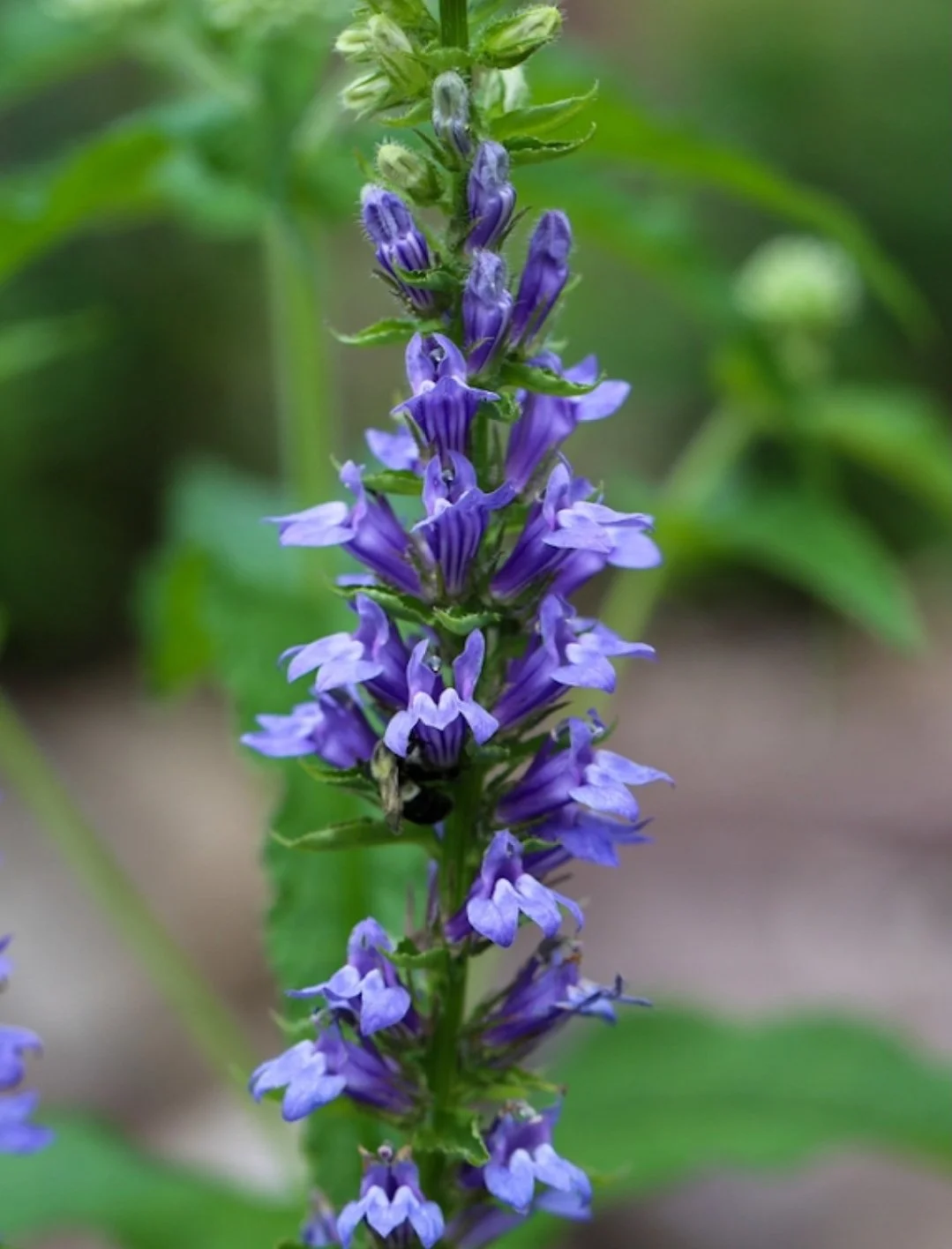 Image 4 of 8
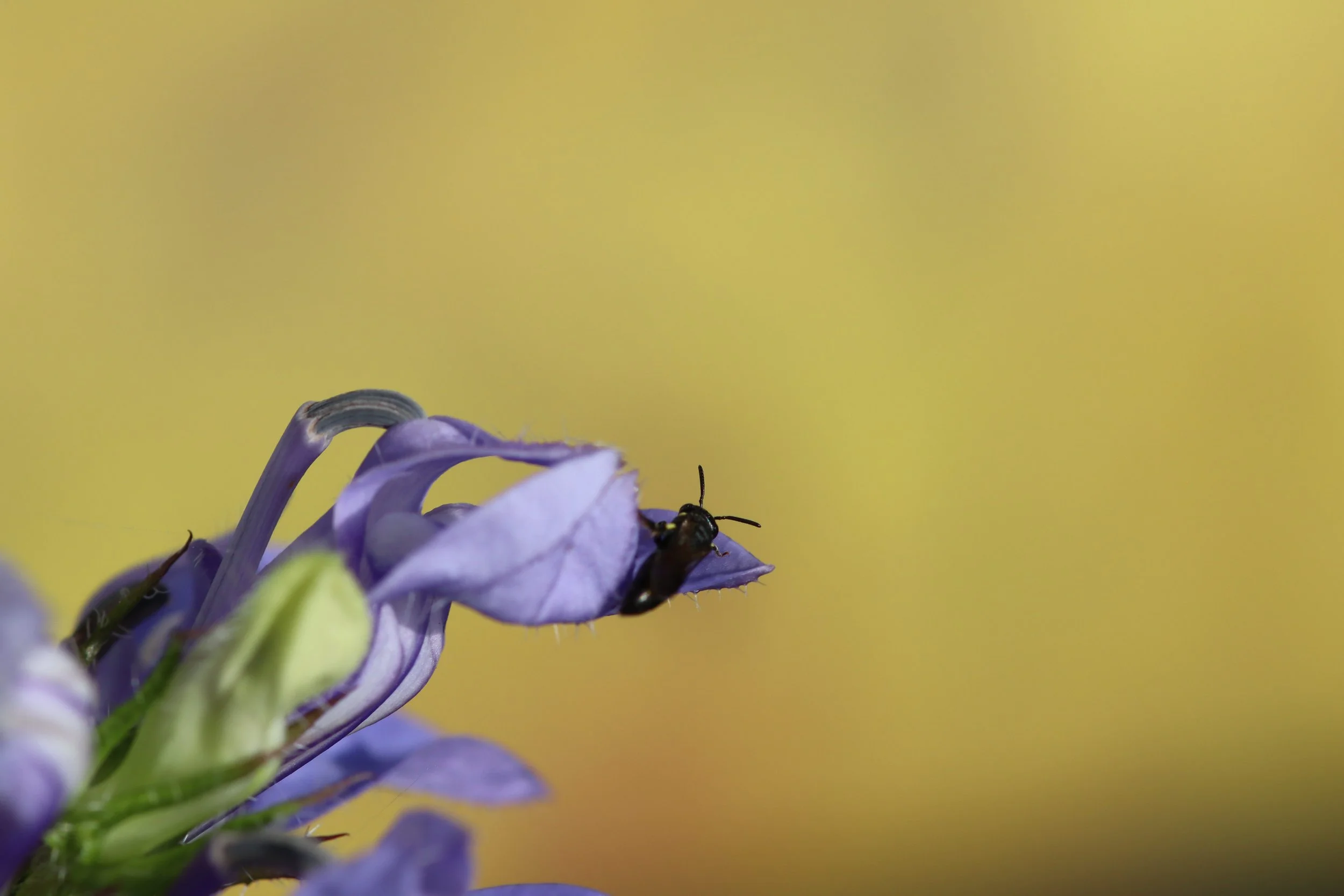 Image 5 of 8
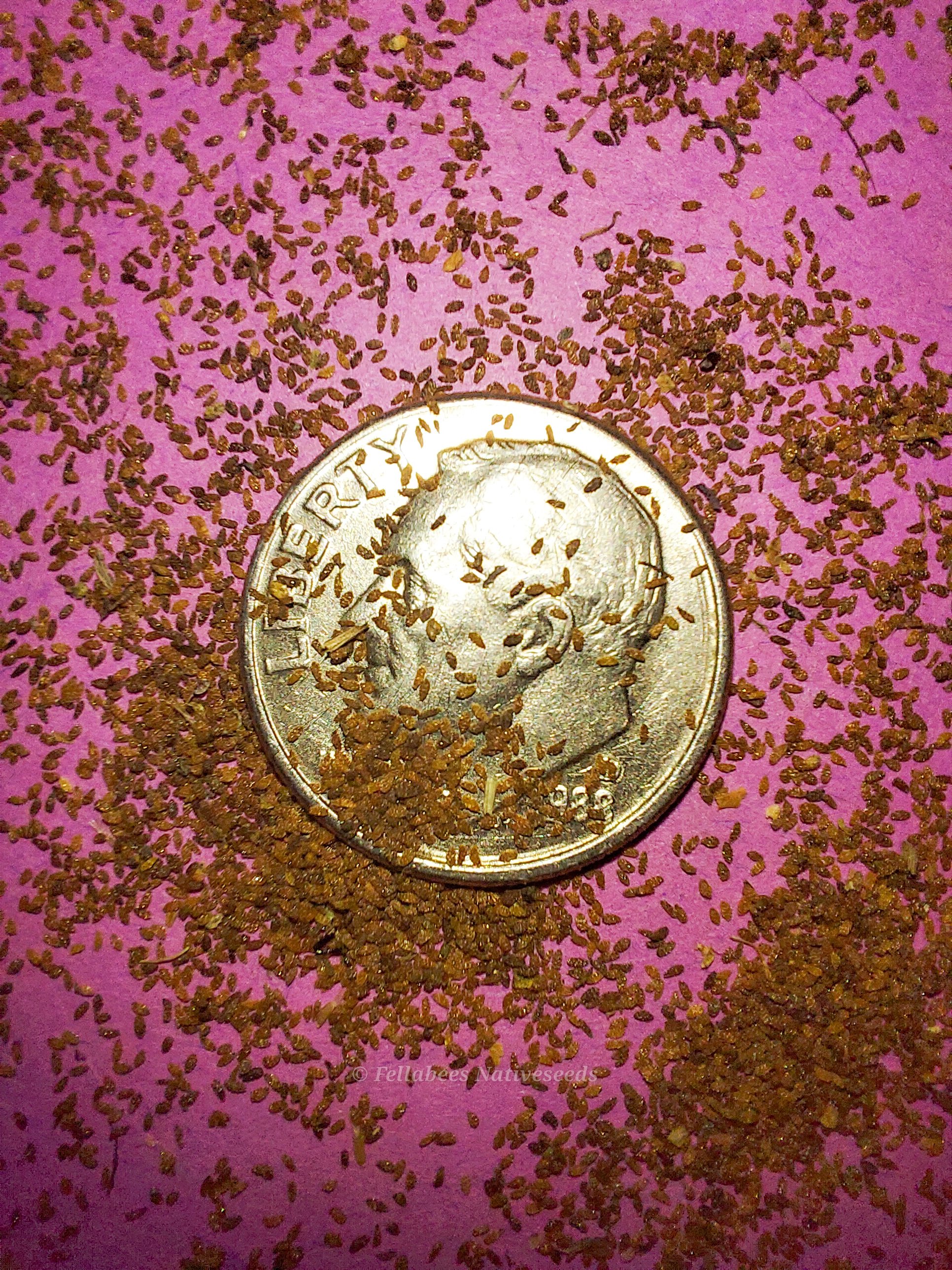 Image 6 of 8
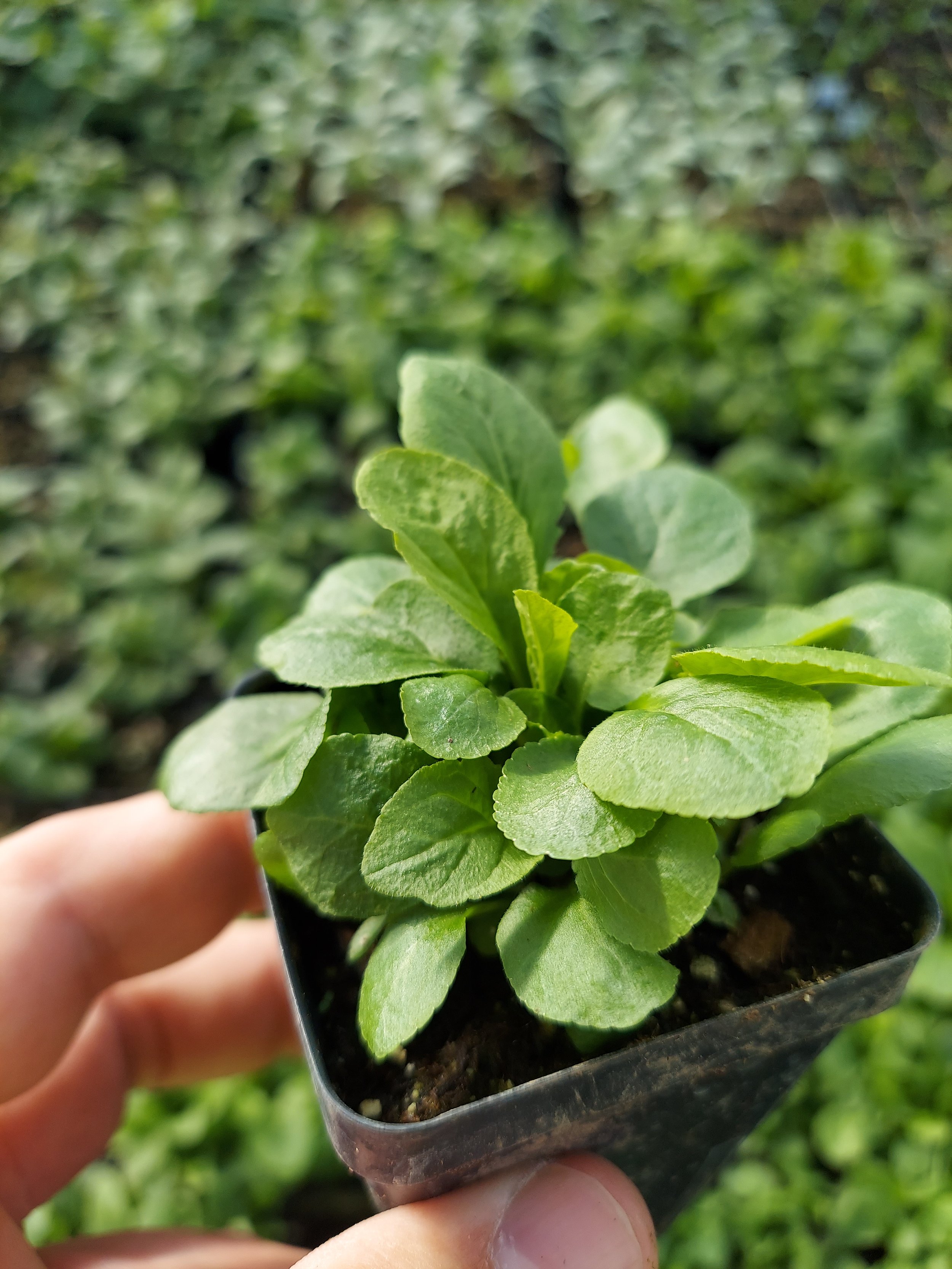 Image 7 of 8
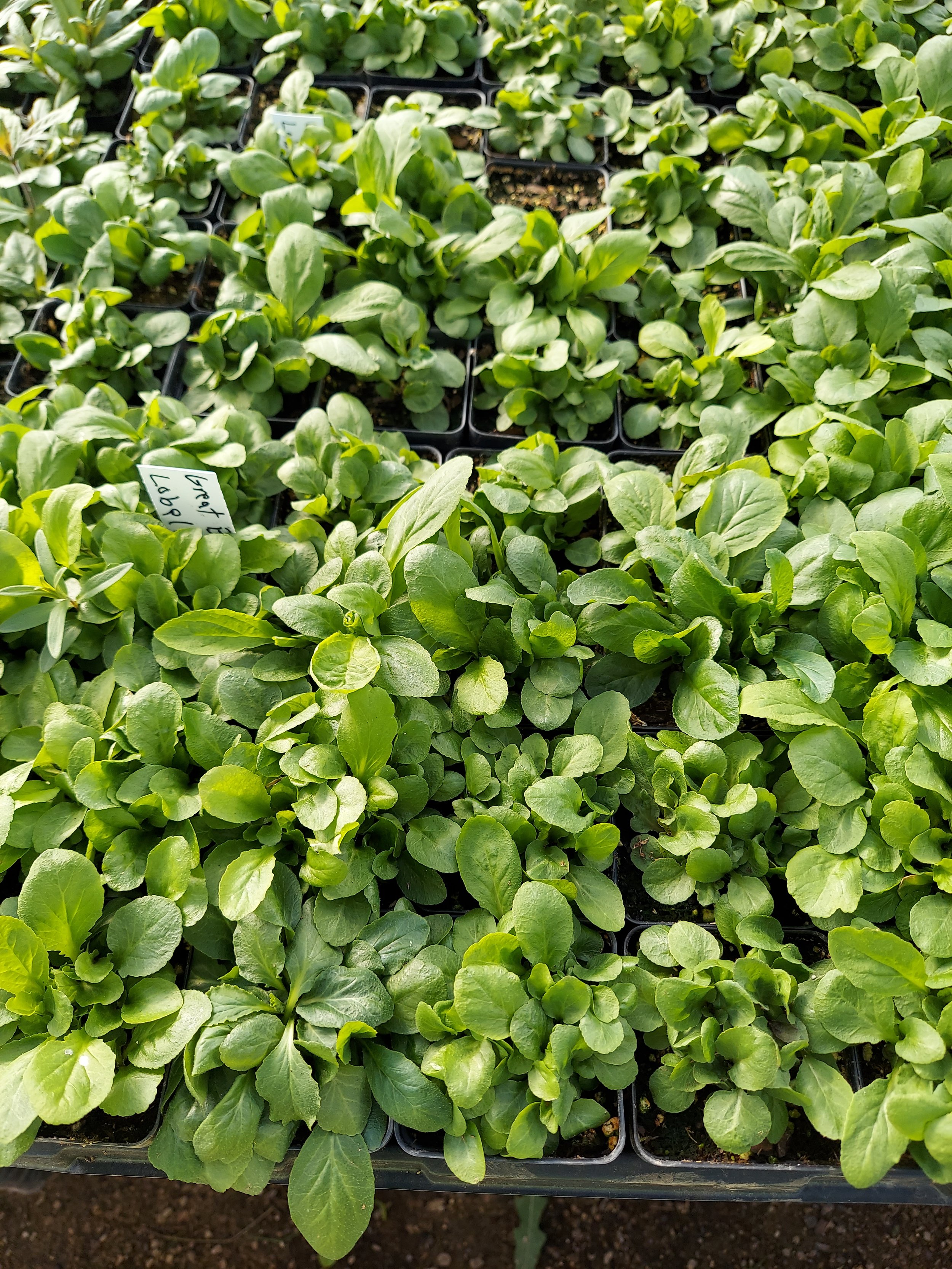 Image 8 of 8