Sale Price:
$1.50
Original Price:
$3.00
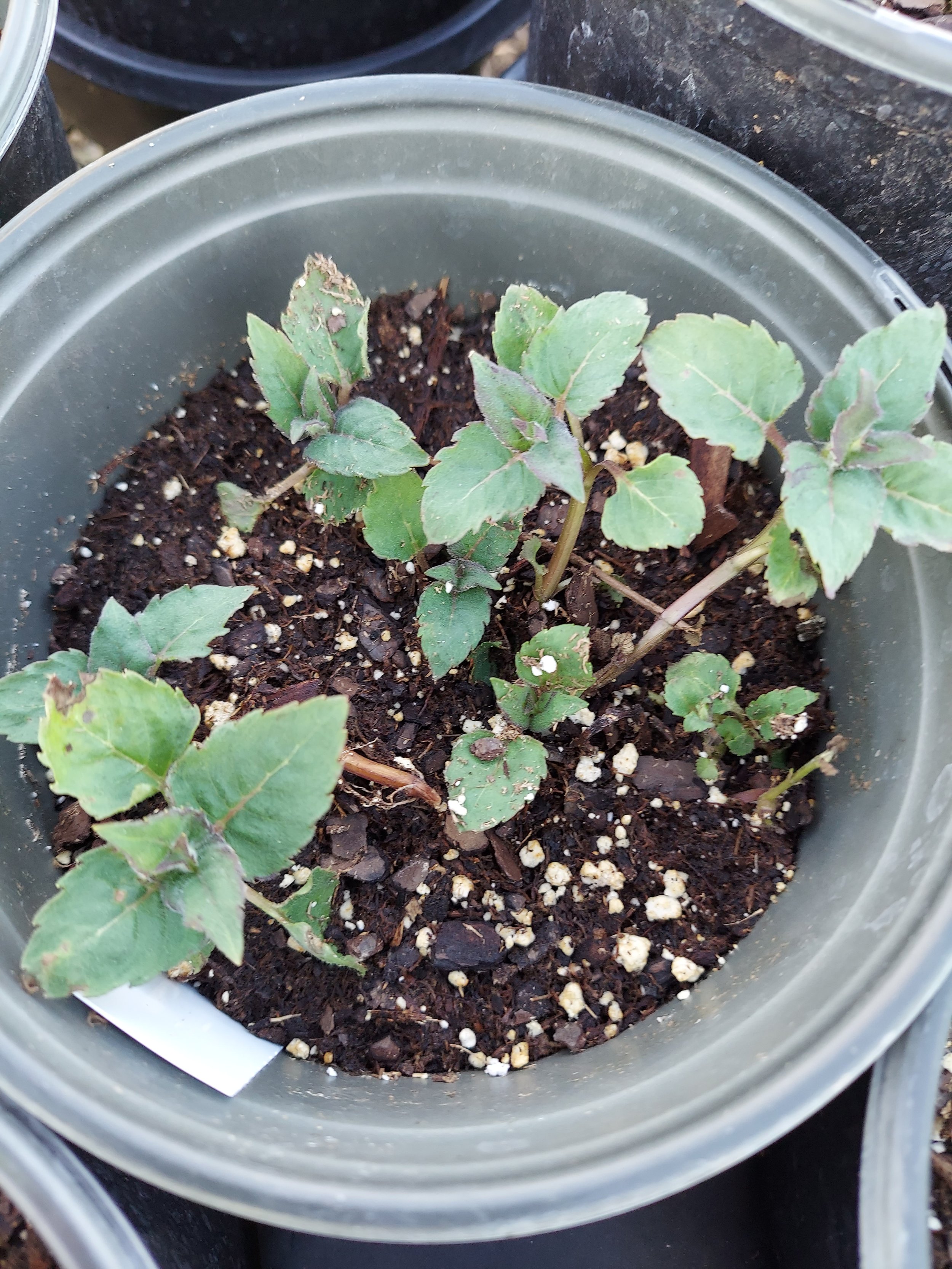
Lead Plant (Amorpha canescens)
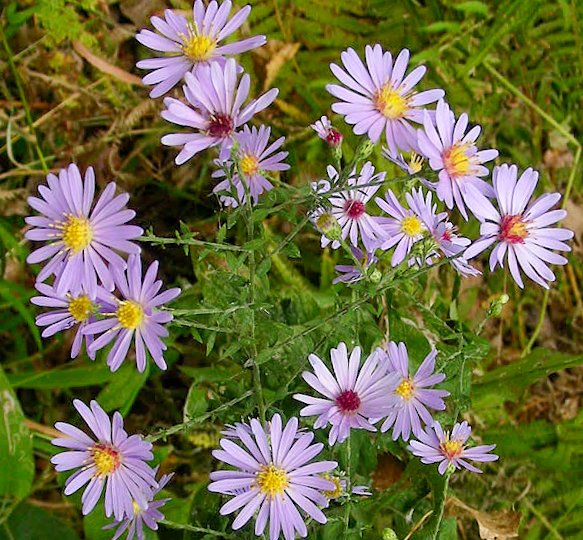
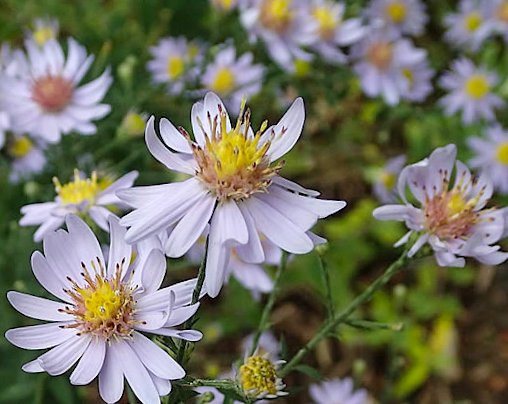
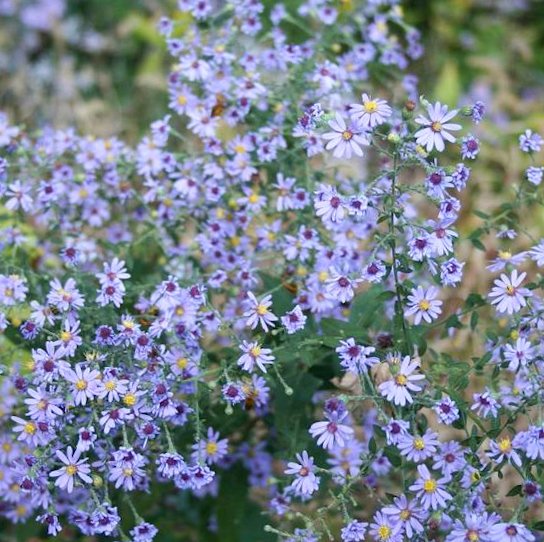
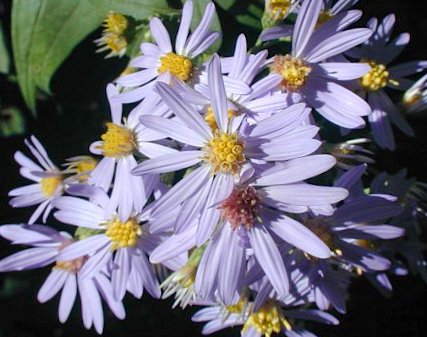
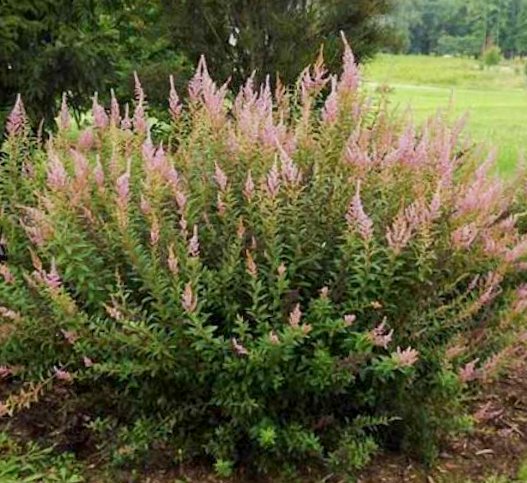
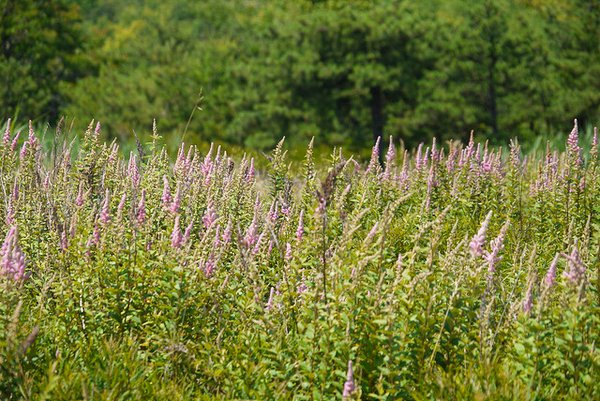
Amorpha canescens is the scientific name for the species more commonly known as Lead Plant, Downy Indigo Bush, Prairie Shoestring, or Buffalo Bellows. It is a small, long-lived perennial semi-shrub in the pea family Fabaceae that is native to much of central and eastern North America. The plant produces very small purple flowers with contrasting yellow stamens, arranged along elongated racemes that give a delicate, airy appearance. Depending on local climate and conditions, these blooms typically appear from late June and may continue sporadically through mid-September. The compound leaves are densely hairy, giving them a grayish or leaden cast hence the common name “Lead Plant.” Root systems are extensive for the plant’s size, often reaching depths near 16 feet and spreading laterally to roughly 3 feet 3 inches, which helps it persist in drought-prone sites. You’ll commonly find this species on well-drained soils in native prairies, hills and bluffs, and even in open woodlands.
Lead Plant provides many benefits to the ecosystems it is a part of, for example it provides valuable nutrition for grazing animals and helps prevent soil erosion. Lead Plant may also be used in landscaping and gardening purposes due to its nitrogen fixing qualities and ability to help prevent erosion. The nodulated roots are home to nitrogen fixing bacteria which help the plants grow.
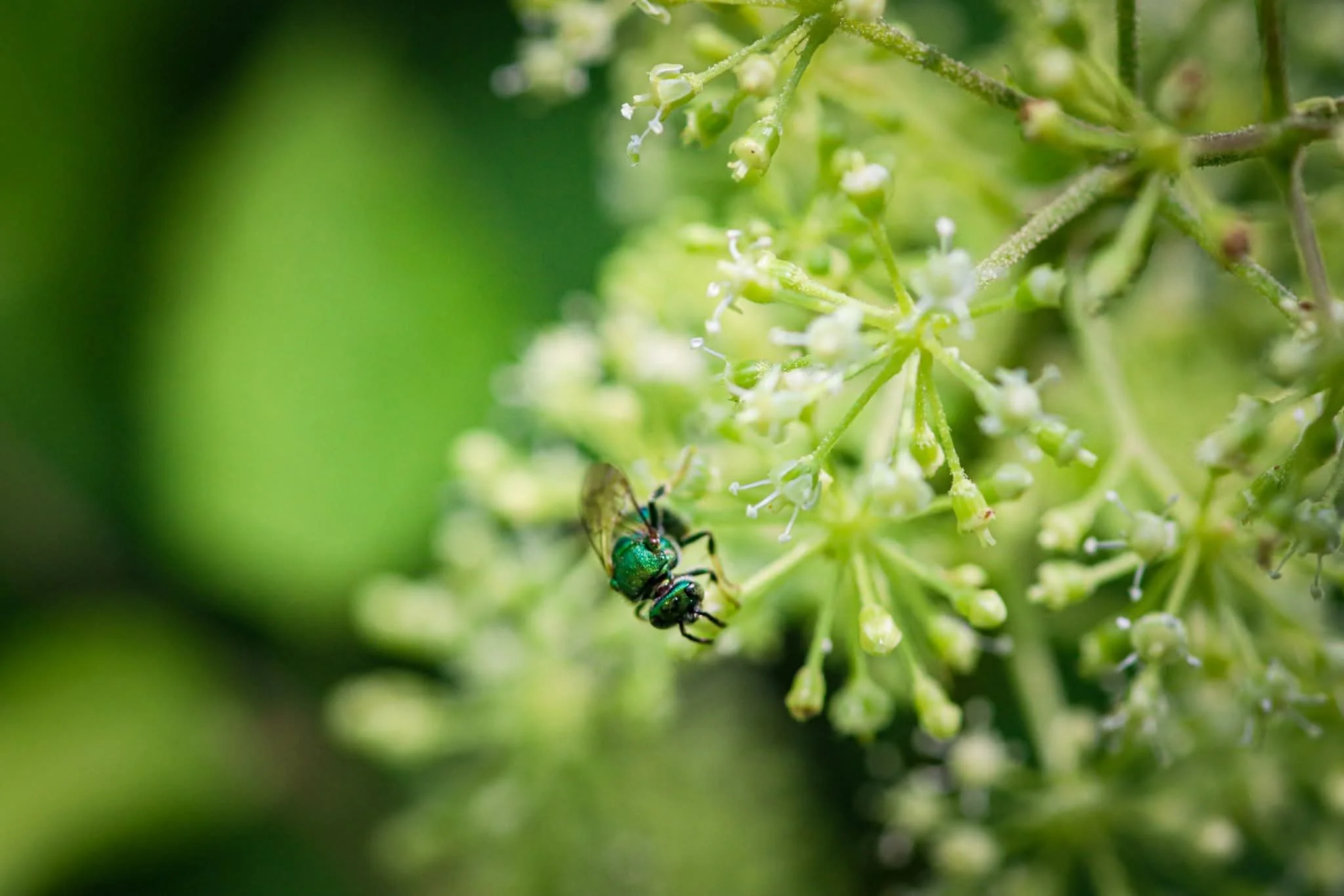
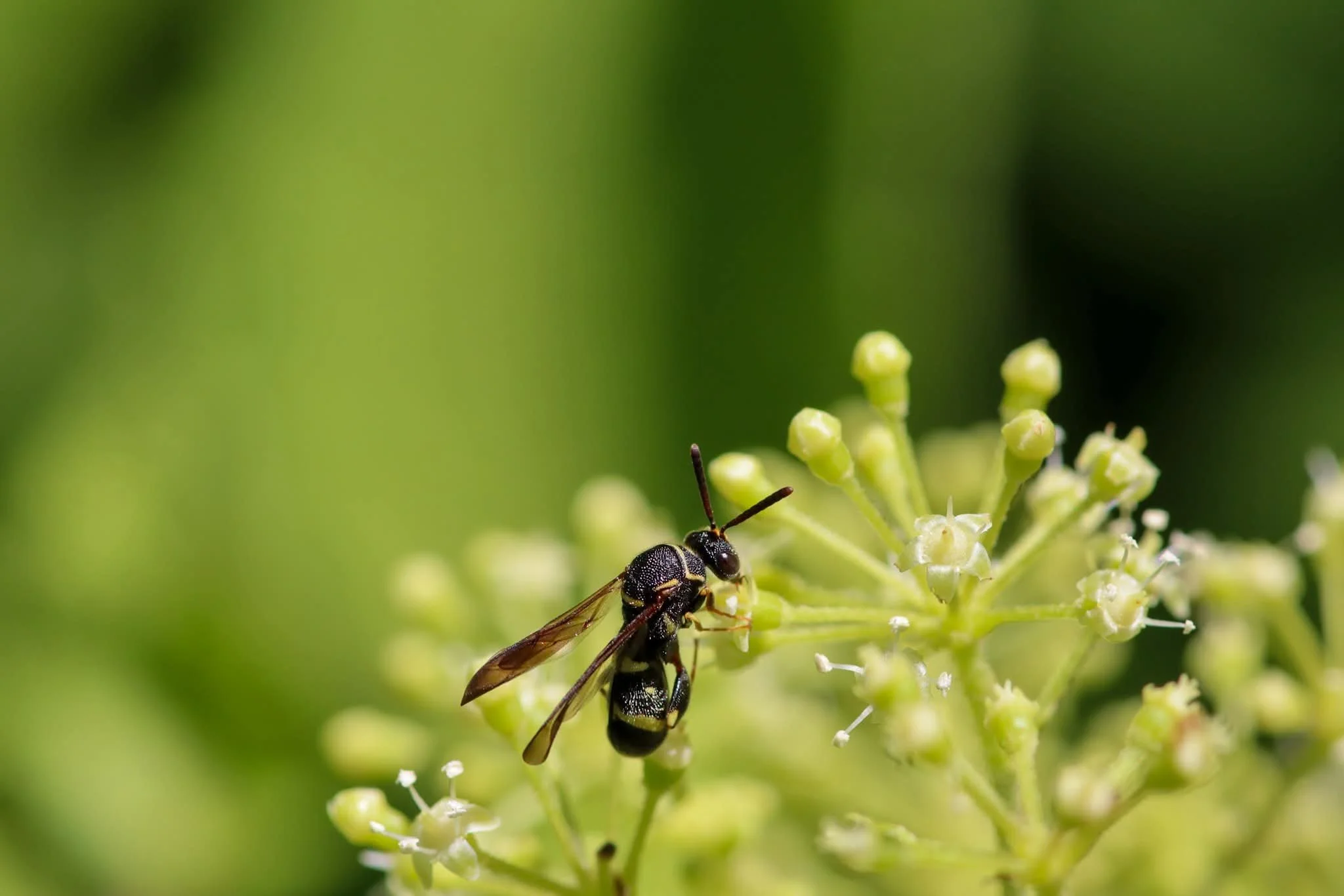
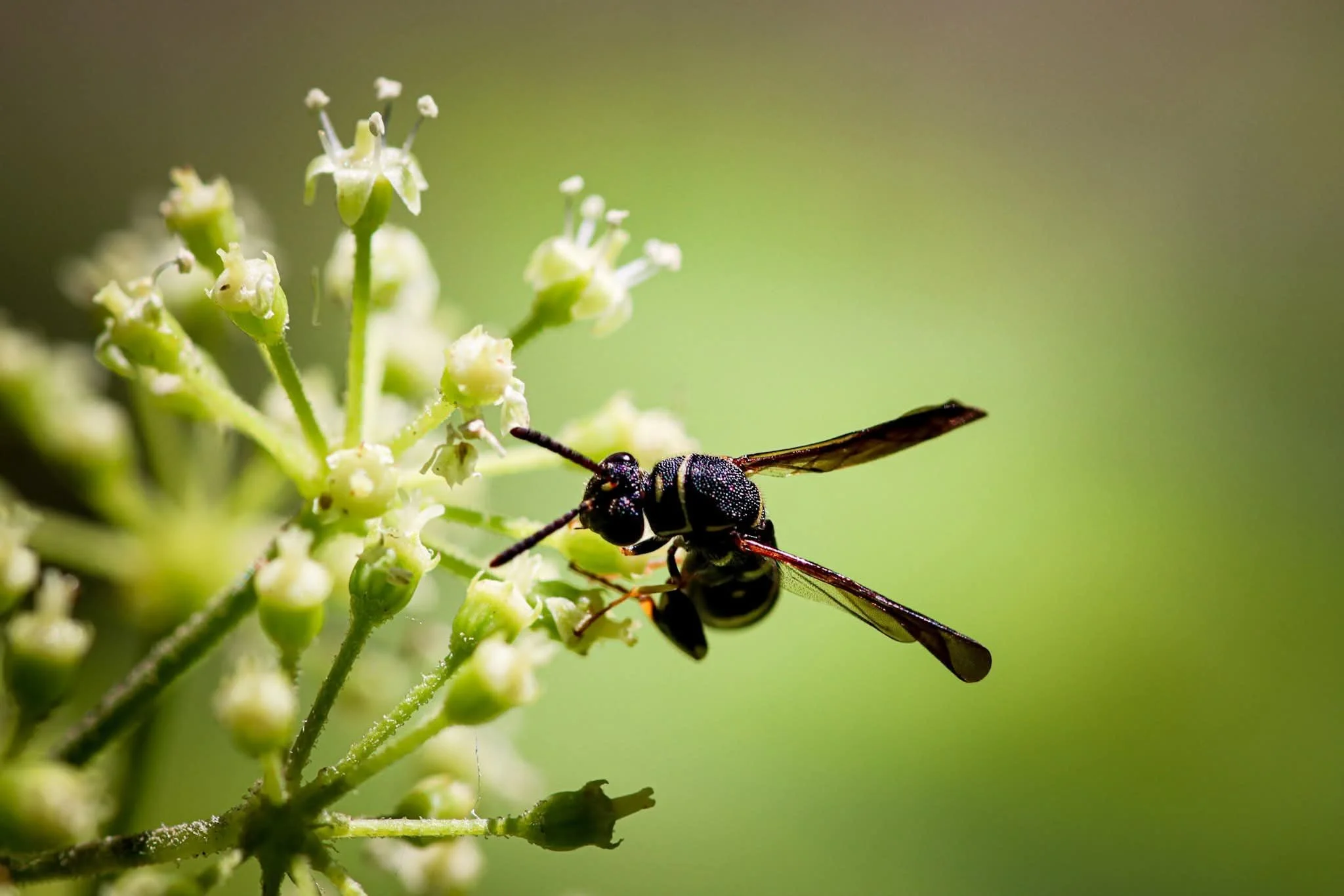
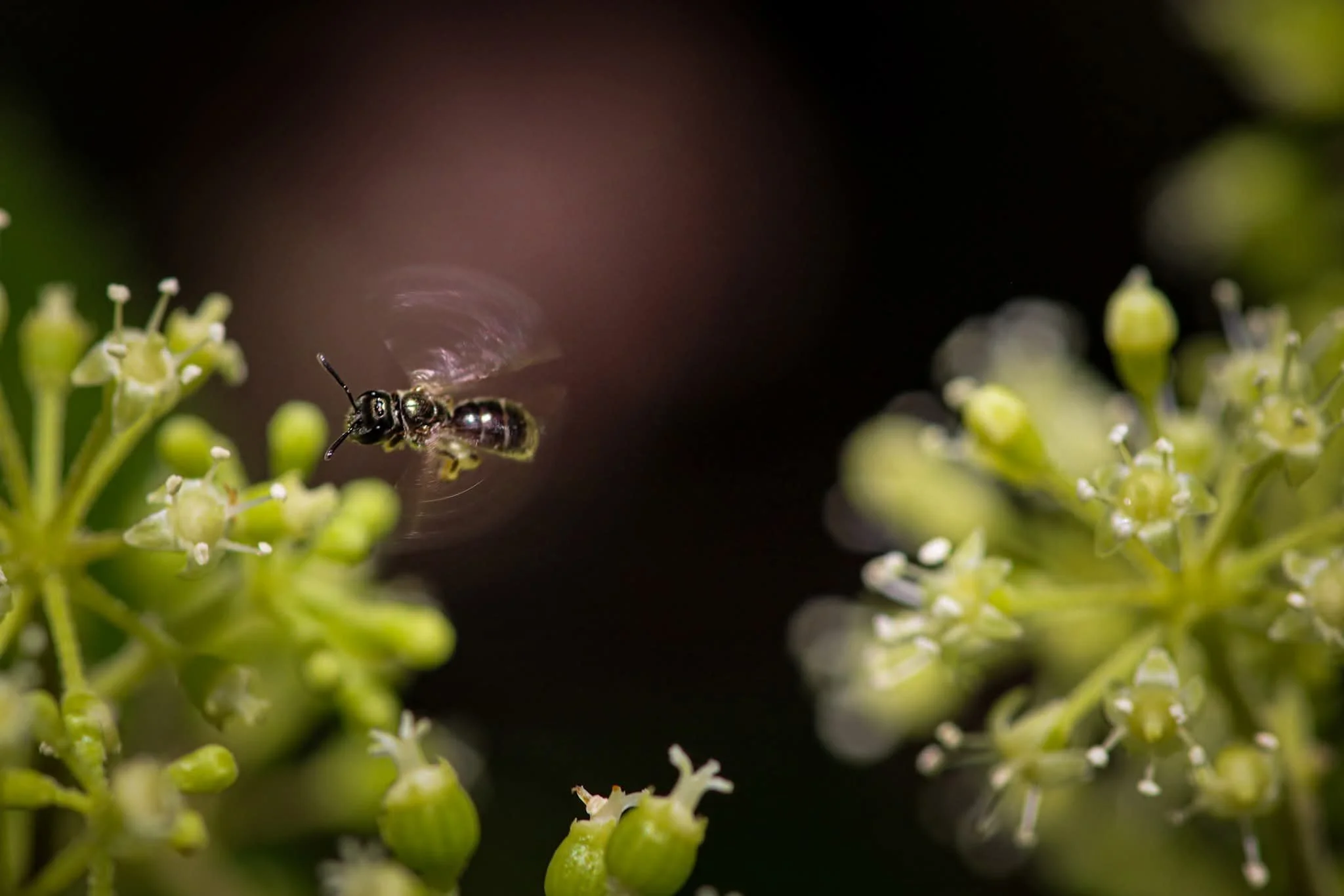
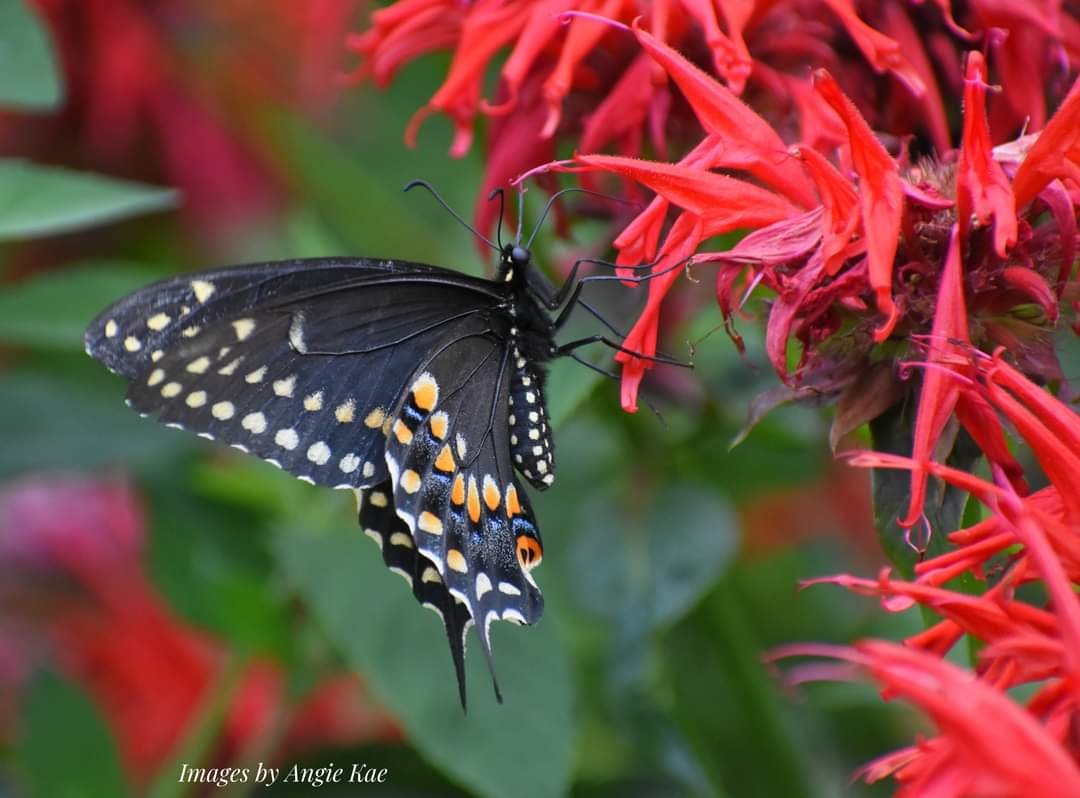
Attracting a plethora of pollinators, Lead Plant has specialist species that can be found on it when it’s in bloom, such as Mining Bees, Cellophane Bees and Mason Bees like Andrena cragini, Colletes albescens, Colletes susannae and Hoplitis micheneri.
Generalist bees such as Yellow-Faced Bees, Sweat Bees, Bumble Bees, Leafcutter Bees, Small Resin Bees, Small Sweat Bees, and Small Carpenter Bees are also commonly found on Lead Plant.
Amorpha canescens can be found in many locations throughout North America, ranging from southern parts of Canada south to Texas and New Mexico and spanning west to Montana and east to Michigan. Lead Plant is typically found in dry prairie and savanna communities. Lead Plant prefers drier, well-drained soil of many different textures including sandy, gravely, and rocky soils.
Plant Details
USDA Zones: 3-8
Germination Needs: Seed needs scarification before, (Rub seeds between medium grit sandpaper to aerate the seed surface without crushing or opening the seed) 10 Days Cold Stratification, desires inocuoulum which may be available in the soil, which aids in germination
Life Cycle: Perennial
Sun Exposure: Full to Partial
Soil Moisture: Medium, Medium-Dry, Dry
Plant Spacing: 1-2 feet
Height: 3 feet
Bloom time: June, July, August
Bloom Color: Purple
Advantages
Pollinator Favorite: butterflies, moths, bees, wasps, beetles
Bird Favorite: seeds, insects, fruit, nectar, nesting, perchs.
Deer Resistant: Yes, but after it is matured. Protect young plants for the first two years.
Excellent in the home landscape!
Native to: Wisconsin, Minnesota, Iowa, Illinois, Michigan, Louisiana, Arkansas, Missouri, Texas, Oklahoma, Kansas, Nebraska, South Dakota, North Dakota, Montana, Wyoming, Colorado, and New Mexico.
This species is considered present but rare in several counties of the states of Michigan, Louisiana, and Arkansas.
This plant is considered to be extirpated (locally extinct) in several counties of Montana.
.
.
Packet quantities:
We pride ourselves on ethical, hands on, ecological management, using no mechanical or chemical methods whatsoever.
All of our native seed is hand reared, hand picked, and hand packed from native prairies under our exclusive management, never breaking chain of custody from the field until it is sent to you. Each packet is hand prepared for shipment by us, directly.
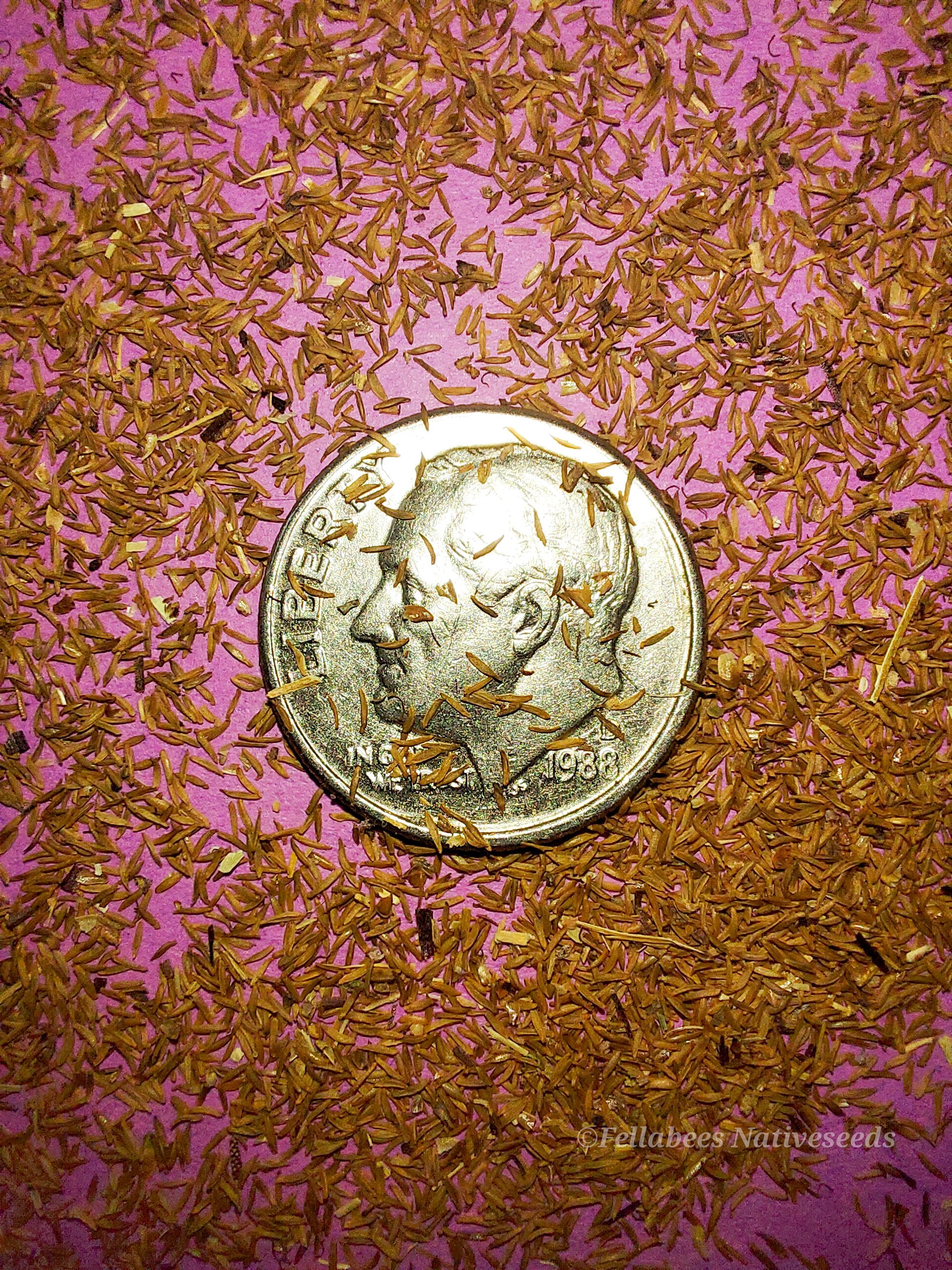
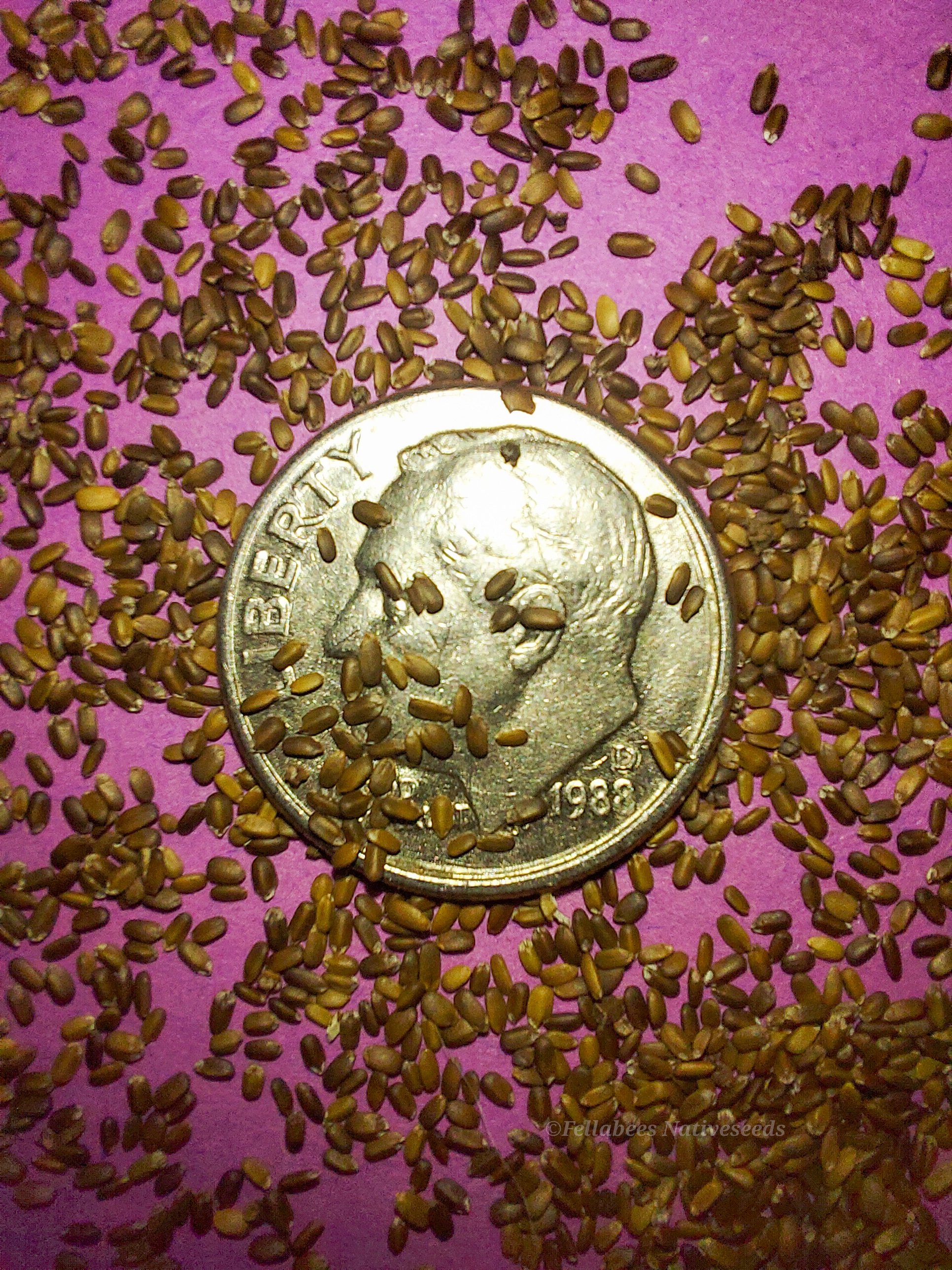
Small seed species will contain greater than 20-25 seed
Large seed species will contain greater than 10-15 seed
It is our mission to spread the wealth of native plant and pollinator ecological sustainability, and educate back yard gardeners as well as corporate and government entities in how to germinate, grow, and benefit from native synergies.
Thank you for your support, it is because of you, that we can grow together to do, what we do.🐛🦋🐝🐞🌾🌱🌼🧡
Lead Plant (Amorpha canescens)
Amorpha canescens is the scientific name for the species more commonly known as Lead Plant, Downy Indigo Bush, Prairie Shoestring, or Buffalo Bellows. It is a small, long-lived perennial semi-shrub in the pea family Fabaceae that is native to much of central and eastern North America. The plant produces very small purple flowers with contrasting yellow stamens, arranged along elongated racemes that give a delicate, airy appearance. Depending on local climate and conditions, these blooms typically appear from late June and may continue sporadically through mid-September. The compound leaves are densely hairy, giving them a grayish or leaden cast hence the common name “Lead Plant.” Root systems are extensive for the plant’s size, often reaching depths near 16 feet and spreading laterally to roughly 3 feet 3 inches, which helps it persist in drought-prone sites. You’ll commonly find this species on well-drained soils in native prairies, hills and bluffs, and even in open woodlands.
Lead Plant provides many benefits to the ecosystems it is a part of, for example it provides valuable nutrition for grazing animals and helps prevent soil erosion. Lead Plant may also be used in landscaping and gardening purposes due to its nitrogen fixing qualities and ability to help prevent erosion. The nodulated roots are home to nitrogen fixing bacteria which help the plants grow.
Attracting a plethora of pollinators, Lead Plant has specialist species that can be found on it when it’s in bloom, such as Mining Bees, Cellophane Bees and Mason Bees like Andrena cragini, Colletes albescens, Colletes susannae and Hoplitis micheneri.
Generalist bees such as Yellow-Faced Bees, Sweat Bees, Bumble Bees, Leafcutter Bees, Small Resin Bees, Small Sweat Bees, and Small Carpenter Bees are also commonly found on Lead Plant.
Amorpha canescens can be found in many locations throughout North America, ranging from southern parts of Canada south to Texas and New Mexico and spanning west to Montana and east to Michigan. Lead Plant is typically found in dry prairie and savanna communities. Lead Plant prefers drier, well-drained soil of many different textures including sandy, gravely, and rocky soils.
Plant Details
USDA Zones: 3-8
Germination Needs: Seed needs scarification before, (Rub seeds between medium grit sandpaper to aerate the seed surface without crushing or opening the seed) 10 Days Cold Stratification, desires inocuoulum which may be available in the soil, which aids in germination
Life Cycle: Perennial
Sun Exposure: Full to Partial
Soil Moisture: Medium, Medium-Dry, Dry
Plant Spacing: 1-2 feet
Height: 3 feet
Bloom time: June, July, August
Bloom Color: Purple
Advantages
Pollinator Favorite: butterflies, moths, bees, wasps, beetles
Bird Favorite: seeds, insects, fruit, nectar, nesting, perchs.
Deer Resistant: Yes, but after it is matured. Protect young plants for the first two years.
Excellent in the home landscape!
Native to: Wisconsin, Minnesota, Iowa, Illinois, Michigan, Louisiana, Arkansas, Missouri, Texas, Oklahoma, Kansas, Nebraska, South Dakota, North Dakota, Montana, Wyoming, Colorado, and New Mexico.
This species is considered present but rare in several counties of the states of Michigan, Louisiana, and Arkansas.
This plant is considered to be extirpated (locally extinct) in several counties of Montana.
.
.
Packet quantities:
We pride ourselves on ethical, hands on, ecological management, using no mechanical or chemical methods whatsoever.
All of our native seed is hand reared, hand picked, and hand packed from native prairies under our exclusive management, never breaking chain of custody from the field until it is sent to you. Each packet is hand prepared for shipment by us, directly.
Small seed species will contain greater than 20-25 seed
Large seed species will contain greater than 10-15 seed
It is our mission to spread the wealth of native plant and pollinator ecological sustainability, and educate back yard gardeners as well as corporate and government entities in how to germinate, grow, and benefit from native synergies.
Thank you for your support, it is because of you, that we can grow together to do, what we do.🐛🦋🐝🐞🌾🌱🌼🧡
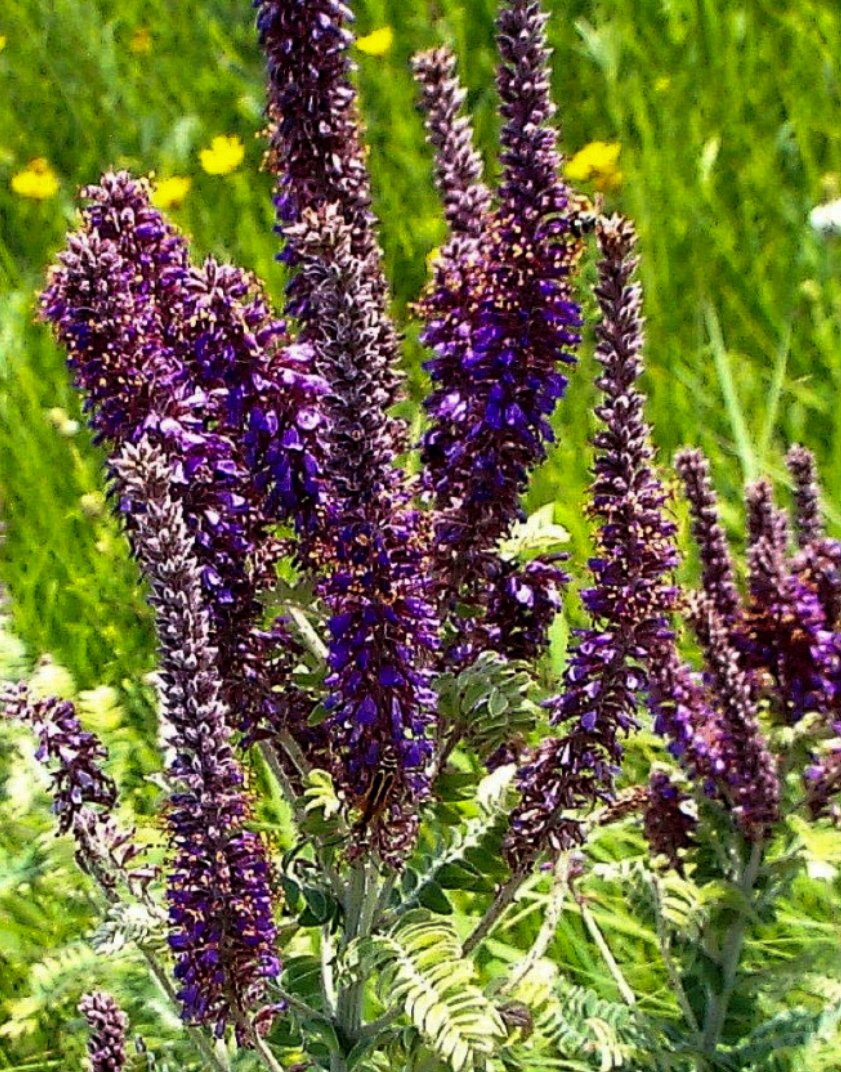 Image 1 of 4
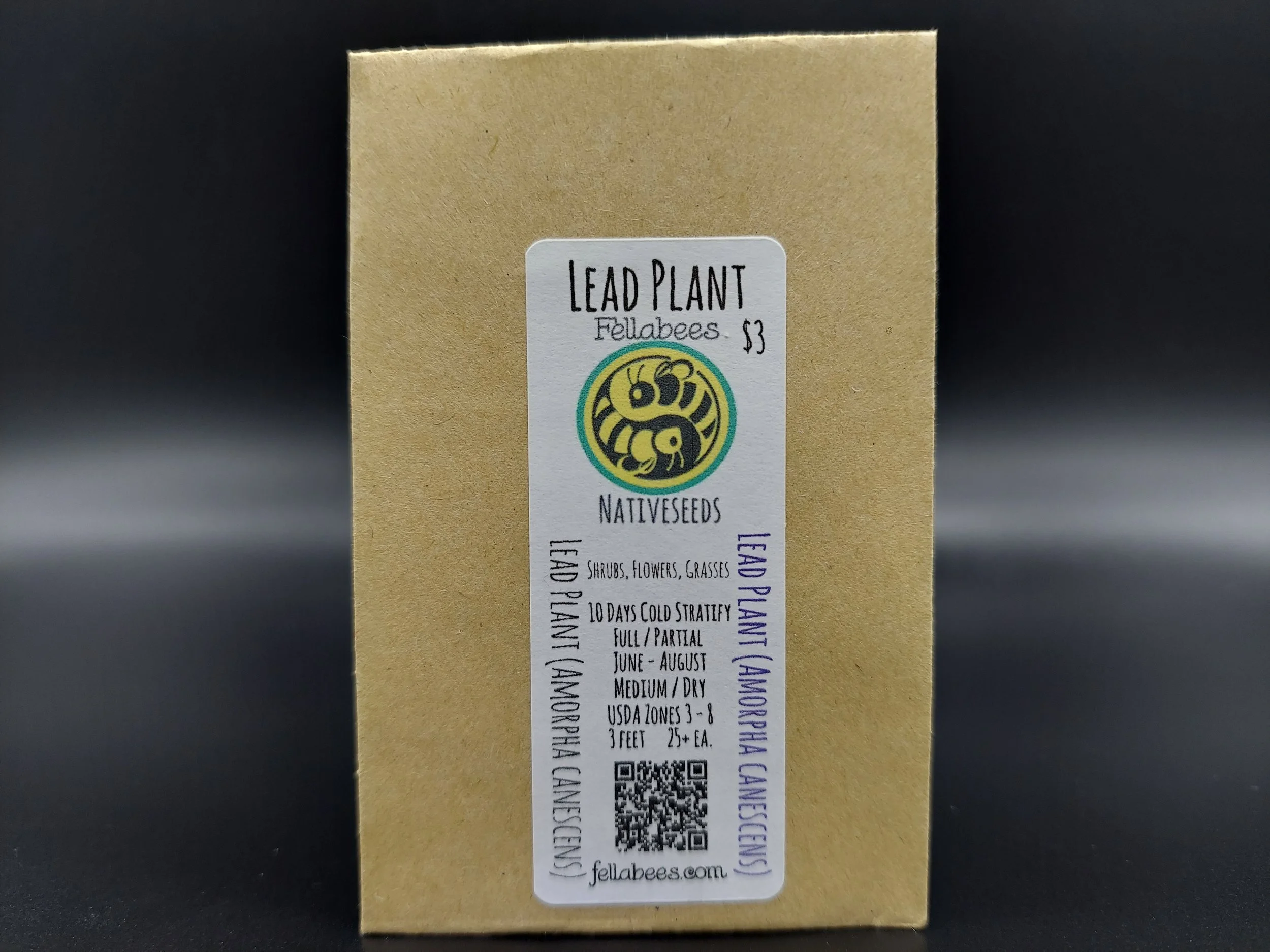 Image 2 of 4
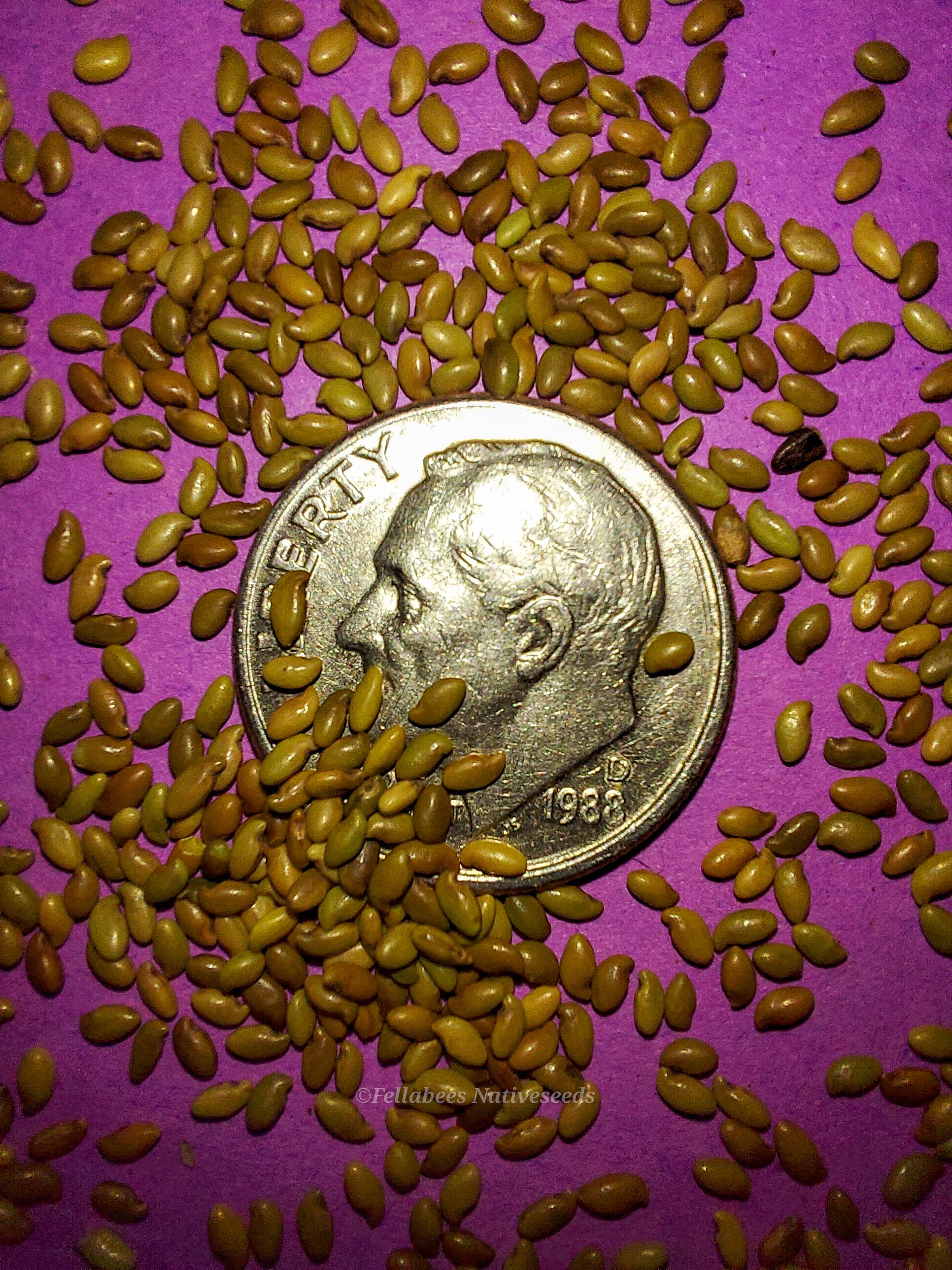 Image 3 of 4
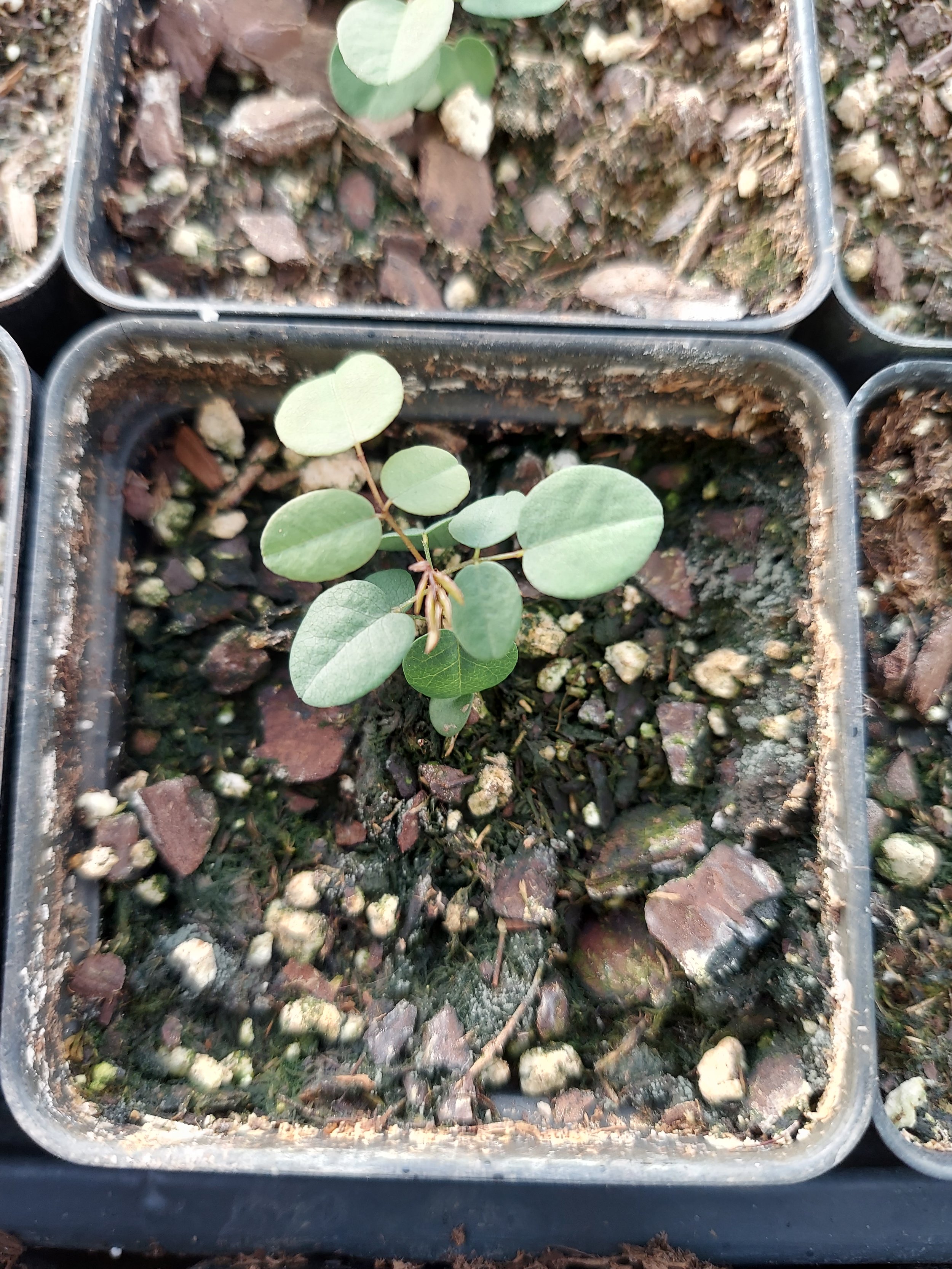 Image 4 of 4