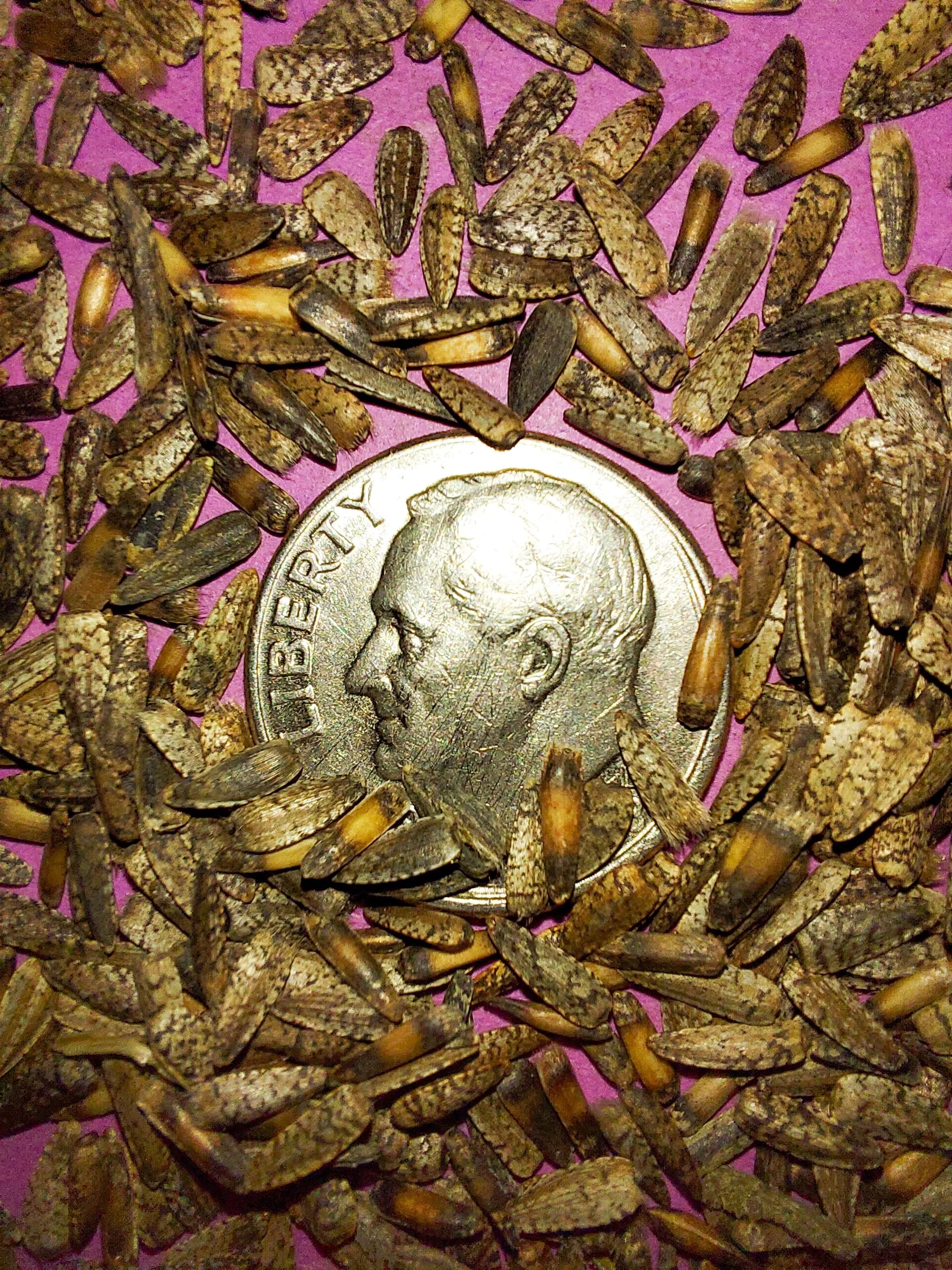
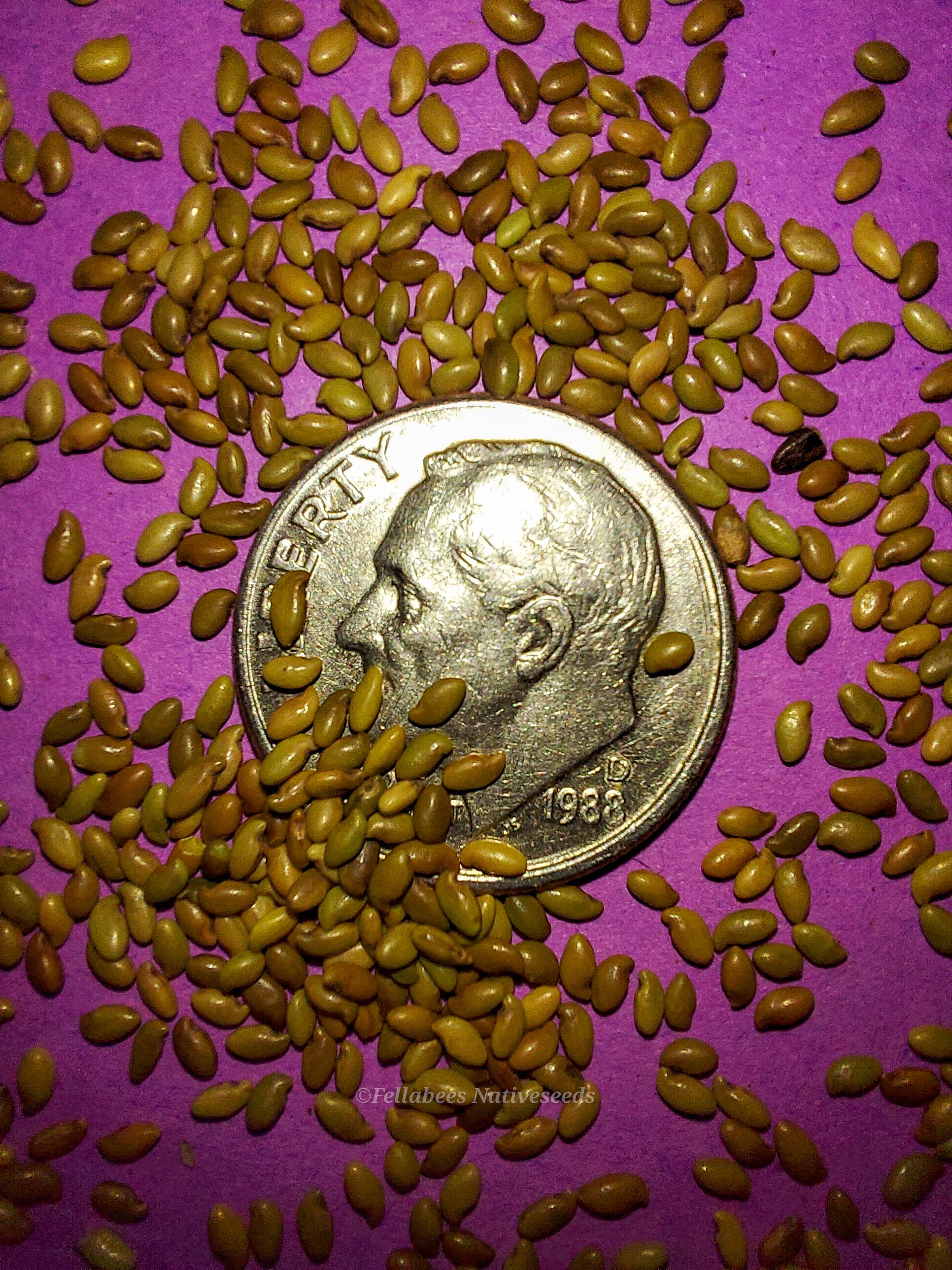
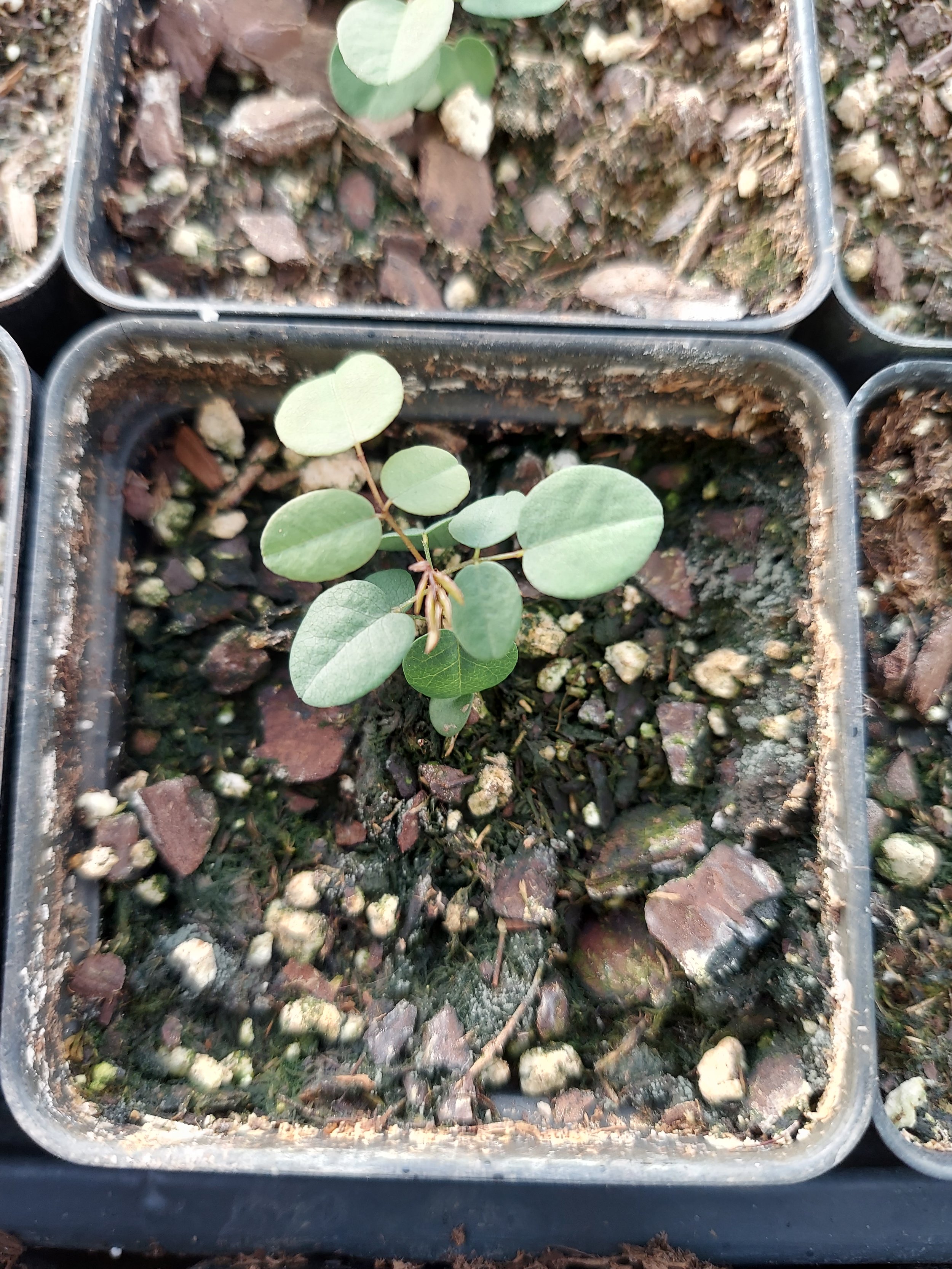
Prairie Ninebark (Physocarpus opulifolius)
Physocarpus opulifolius is the scientific name for the native shrub species more commonly known as Prairie Ninebark, Eastern Ninebark, Atlantic Ninebark, Common Ninebark, or simply Ninebark. This species of flowering plant belongs to the Rose family, Rosaceae, and is most often found in eastern North America, primarily east of the Mississippi River.
Prairie Ninebark is a mound-shaped deciduous shrub characterized by its alternate, simple leaves that grow on gracefully arching stems. It typically reaches a height ranging from 3 to 10 feet, with a spread of approximately 4 to 6 feet wide, making it a substantial but manageable addition to any landscape. The leaves, which vary in length from 1 to 5 inches, display palmately veined lobes that add an interesting texture and visual detail. This shrub is known for its fast growth rate and is highly resistant to insects and diseases. Additionally, it is exceptionally drought-tolerant, making it an ideal choice for low-water gardens. Prairie Ninebark is remarkably adaptable, thriving across a very wide spectrum of soil types and site conditions—from moist to dry, acid to alkaline, and gravelly to heavy clay soils. It can also grow well in locations ranging from partial shade to full sun, offering versatile landscaping options.
The ability of Prairie Ninebark to grow in harsh conditions makes it especially suitable for erosion control on banks.
The 5-petaled flowers, each measuring approximately 0.24 to 0.31 inches in diameter, develop in flat-topped clusters known as corymbs. These delicate blossoms range in color from white to a soft pinkish hue and typically bloom from May through June across North America. The fruits mature from August to early October and appear as small, dry pods that hang in drooping, papery clusters. The tree's bark is distinctive, peeling away in thin, papery strips that often curl into shapes resembling the number nine, revealing the brown inner bark beneath—this unique characteristic is where the tree’s common name is derived.
Both short- and long-tongued bees have the ability to access the flower's nectar, which is secreted from the base of the stamens near the ovary. Particularly notable among the visitors are the Andrena species, commonly known as mining bees. The flower features three distinct whorls of stamens, with each whorl containing five stamens that mature in a specific sequence. As the whorls mature, the fifteen anthers extend beyond the flower's opening, ensuring effective contact with visiting insects when pollen is released. Additionally, this plant serves as an important larval host for several species of geometrid moths, including the Dimorphic eulithis, Macaria abruptata, and the White Spring Moth (Lomographa vestaliata). The Blinded Sphinx Moth (Paonias excaecata) is also associated with this plant, and the larvae of the Raspberry Leafroller (Olethreutes permundana) have likewise been recorded feeding on it.
Plant Details:
USDA Zones: 4 - 8
Germination Needs: Needs 60 Days Cold-Moist Stratification, performs best if sown directly outside.
Life Cycle: Perennial
Sun Exposure: Full to Partial
Soil Moisture: Medium-Wet, Medium, Medium-Dry
Plant Spacing: 4 - 6 feet
Height: 7 - 8
Bloom time: July
Bloom Color: White
Advantages:
Pollinator Favorite: butterflies, moths, bees, wasps, beetles
Bird Favorite: seeds, insects, fruit, nectar, nesting, perches.
Deer Resistant: Prairie Ninebark is not strongly deer resistant, but it is infrequently browsed by deer.
Native to: Wisconsin, Minnesota, Iowa, Illinois, Indiana, Michigan, Ohio, Pennsylvania, New York, New Jersey, Maryland, Delaware, West Virginia, Virginia, Kentucky, Tennessee, North Carolina, South Carolina, Georgia, Florida, Alabama, Mississippi, Arkansas, Missouri, Oklahoma, Kansas, Nebraska, South Dakota, North Dakota and Colorado.
This species is considered present but rare in several counties of the states of Florida, Oklahoma, Kansas, Nebraska, South Dakota and North Dakota.
This species is considered to be extirpated (locally extinct) in one county of the state of Delaware.
This species is introduced in several counties of the states of Vermont, New Hampshire, Maine, Massachusetts, Rhode Island and Connecticut.
Seed Count: 20+
.
.
Packet quantities:
We pride ourselves on ethical, hands on, ecological management, using no mechanical or chemical methods whatsoever.
All of our native seed is hand reared, hand-picked, and hand packed from native prairies under our exclusive management, never breaking chain of custody from the field until it is sent to you. Each packet is hand prepared for shipment by us, directly.
Small seed species will contain greater than 20-25 seed
Large seed species will contain greater than 10-15 seed
All packets are individually marked at the bottom of the front label with expected count, however most if not all packets will have many more than the minimum count by default.
It is our mission to spread the wealth of native plant and pollinator ecological sustainability and educate back yard gardeners as well as corporate and government entities in how to germinate, grow, and benefit from native synergies.
Thank you for your support, it is because of you, that we can grow together to do, what we do. 🐛🦋🐝🐞🌾🌱🌼🧡
Prairie Ninebark (Physocarpus opulifolius)
Physocarpus opulifolius is the scientific name for the native shrub species more commonly known as Prairie Ninebark, Eastern Ninebark, Atlantic Ninebark, Common Ninebark, or simply Ninebark. This species of flowering plant belongs to the Rose family, Rosaceae, and is most often found in eastern North America, primarily east of the Mississippi River.
Prairie Ninebark is a mound-shaped deciduous shrub characterized by its alternate, simple leaves that grow on gracefully arching stems. It typically reaches a height ranging from 3 to 10 feet, with a spread of approximately 4 to 6 feet wide, making it a substantial but manageable addition to any landscape. The leaves, which vary in length from 1 to 5 inches, display palmately veined lobes that add an interesting texture and visual detail. This shrub is known for its fast growth rate and is highly resistant to insects and diseases. Additionally, it is exceptionally drought-tolerant, making it an ideal choice for low-water gardens. Prairie Ninebark is remarkably adaptable, thriving across a very wide spectrum of soil types and site conditions—from moist to dry, acid to alkaline, and gravelly to heavy clay soils. It can also grow well in locations ranging from partial shade to full sun, offering versatile landscaping options.
The ability of Prairie Ninebark to grow in harsh conditions makes it especially suitable for erosion control on banks.
The 5-petaled flowers, each measuring approximately 0.24 to 0.31 inches in diameter, develop in flat-topped clusters known as corymbs. These delicate blossoms range in color from white to a soft pinkish hue and typically bloom from May through June across North America. The fruits mature from August to early October and appear as small, dry pods that hang in drooping, papery clusters. The tree's bark is distinctive, peeling away in thin, papery strips that often curl into shapes resembling the number nine, revealing the brown inner bark beneath—this unique characteristic is where the tree’s common name is derived.
Both short- and long-tongued bees have the ability to access the flower's nectar, which is secreted from the base of the stamens near the ovary. Particularly notable among the visitors are the Andrena species, commonly known as mining bees. The flower features three distinct whorls of stamens, with each whorl containing five stamens that mature in a specific sequence. As the whorls mature, the fifteen anthers extend beyond the flower's opening, ensuring effective contact with visiting insects when pollen is released. Additionally, this plant serves as an important larval host for several species of geometrid moths, including the Dimorphic eulithis, Macaria abruptata, and the White Spring Moth (Lomographa vestaliata). The Blinded Sphinx Moth (Paonias excaecata) is also associated with this plant, and the larvae of the Raspberry Leafroller (Olethreutes permundana) have likewise been recorded feeding on it.
Plant Details:
USDA Zones: 4 - 8
Germination Needs: Needs 60 Days Cold-Moist Stratification, performs best if sown directly outside.
Life Cycle: Perennial
Sun Exposure: Full to Partial
Soil Moisture: Medium-Wet, Medium, Medium-Dry
Plant Spacing: 4 - 6 feet
Height: 7 - 8
Bloom time: July
Bloom Color: White
Advantages:
Pollinator Favorite: butterflies, moths, bees, wasps, beetles
Bird Favorite: seeds, insects, fruit, nectar, nesting, perches.
Deer Resistant: Prairie Ninebark is not strongly deer resistant, but it is infrequently browsed by deer.
Native to: Wisconsin, Minnesota, Iowa, Illinois, Indiana, Michigan, Ohio, Pennsylvania, New York, New Jersey, Maryland, Delaware, West Virginia, Virginia, Kentucky, Tennessee, North Carolina, South Carolina, Georgia, Florida, Alabama, Mississippi, Arkansas, Missouri, Oklahoma, Kansas, Nebraska, South Dakota, North Dakota and Colorado.
This species is considered present but rare in several counties of the states of Florida, Oklahoma, Kansas, Nebraska, South Dakota and North Dakota.
This species is considered to be extirpated (locally extinct) in one county of the state of Delaware.
This species is introduced in several counties of the states of Vermont, New Hampshire, Maine, Massachusetts, Rhode Island and Connecticut.
Seed Count: 20+
.
.
Packet quantities:
We pride ourselves on ethical, hands on, ecological management, using no mechanical or chemical methods whatsoever.
All of our native seed is hand reared, hand-picked, and hand packed from native prairies under our exclusive management, never breaking chain of custody from the field until it is sent to you. Each packet is hand prepared for shipment by us, directly.
Small seed species will contain greater than 20-25 seed
Large seed species will contain greater than 10-15 seed
All packets are individually marked at the bottom of the front label with expected count, however most if not all packets will have many more than the minimum count by default.
It is our mission to spread the wealth of native plant and pollinator ecological sustainability and educate back yard gardeners as well as corporate and government entities in how to germinate, grow, and benefit from native synergies.
Thank you for your support, it is because of you, that we can grow together to do, what we do. 🐛🦋🐝🐞🌾🌱🌼🧡
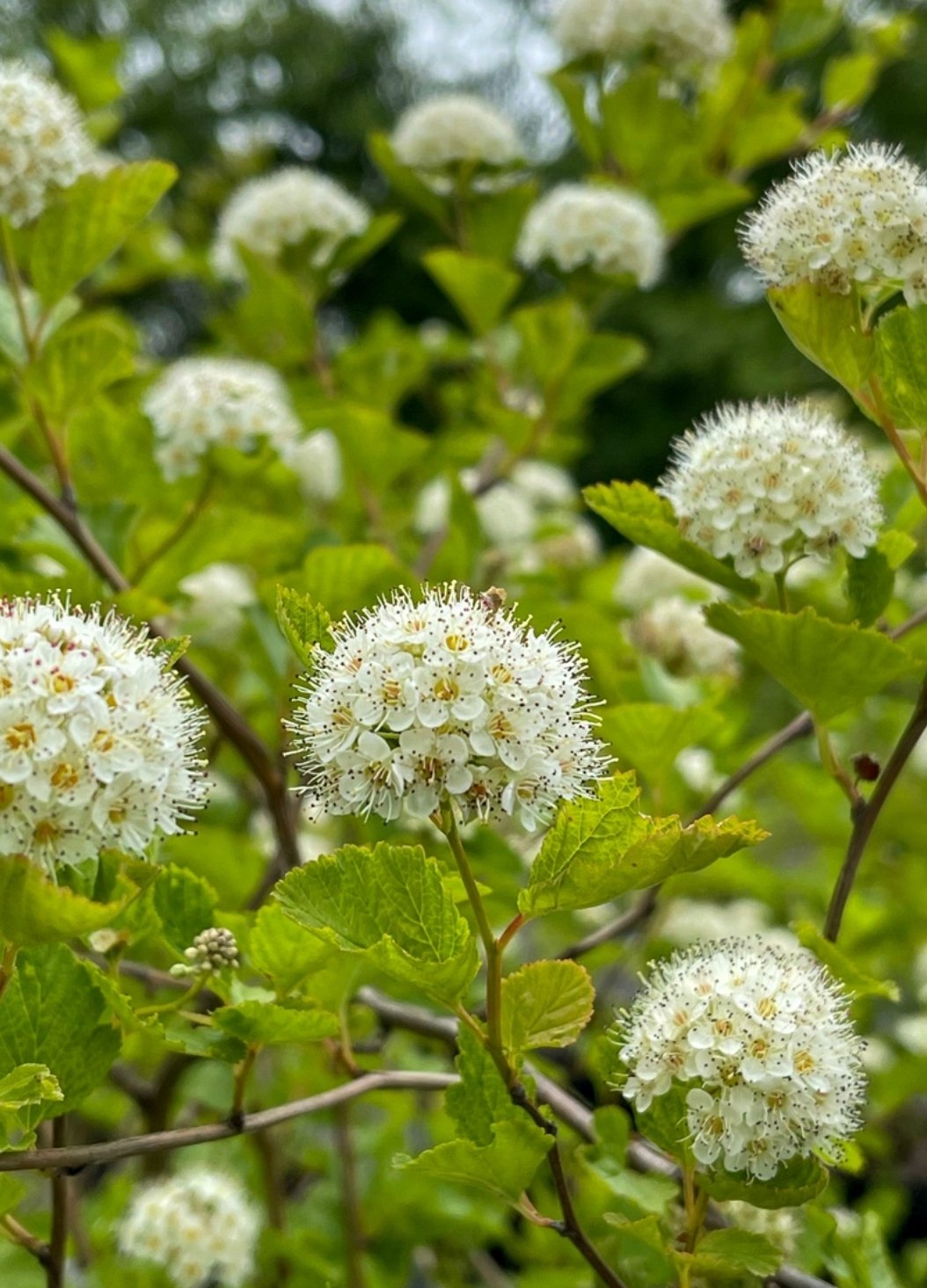 Image 1 of 6
 Image 2 of 6
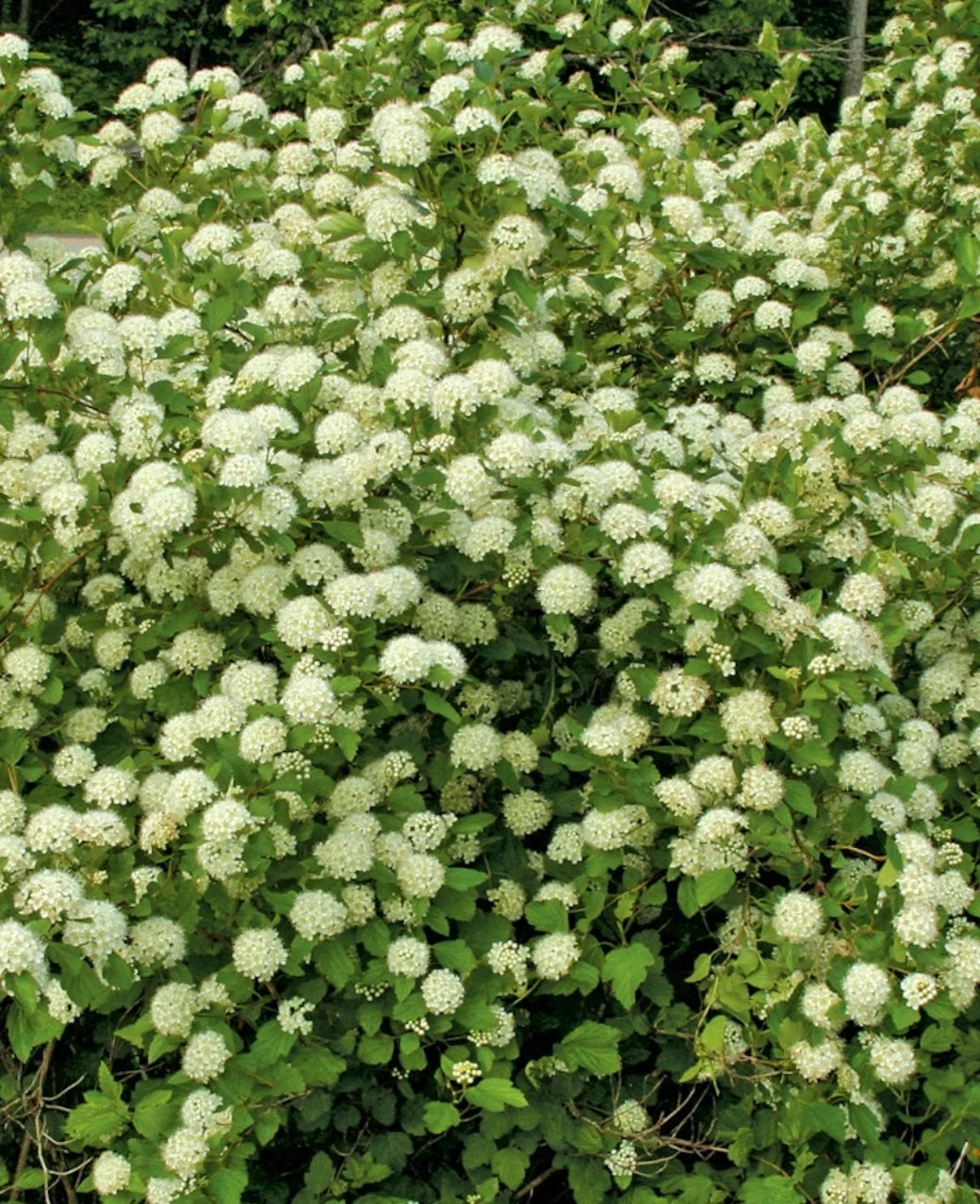 Image 3 of 6
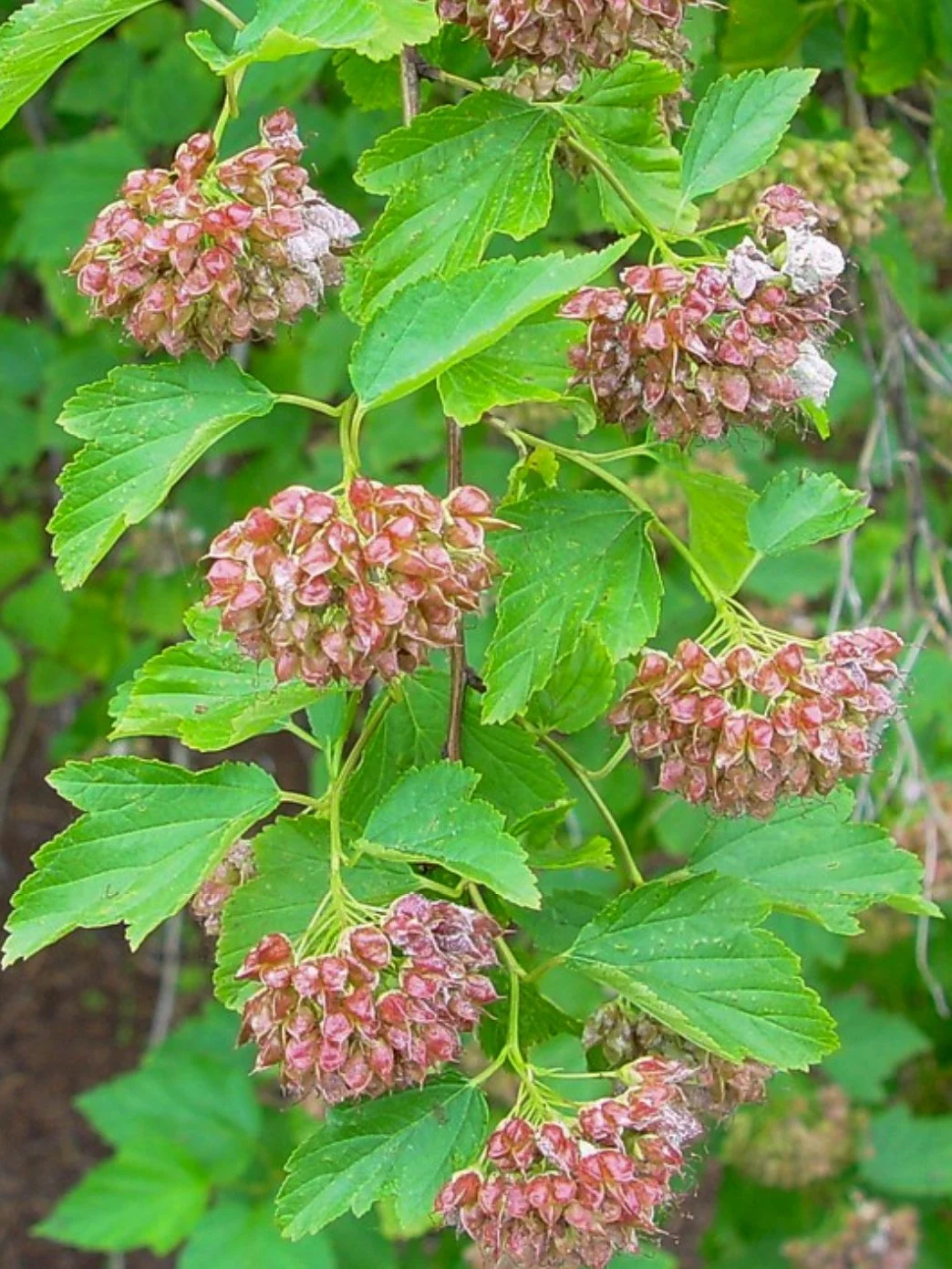 Image 4 of 6
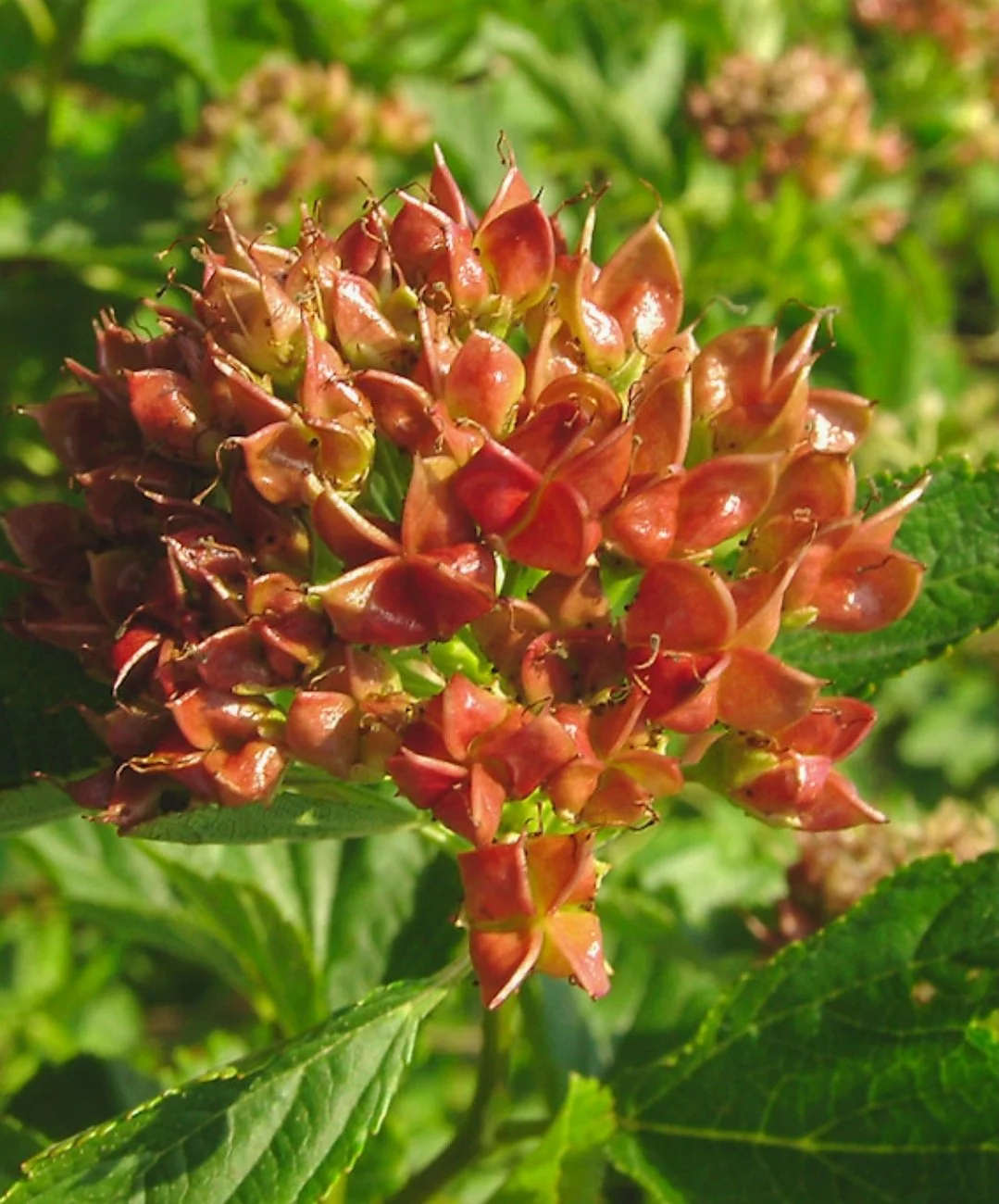 Image 5 of 6
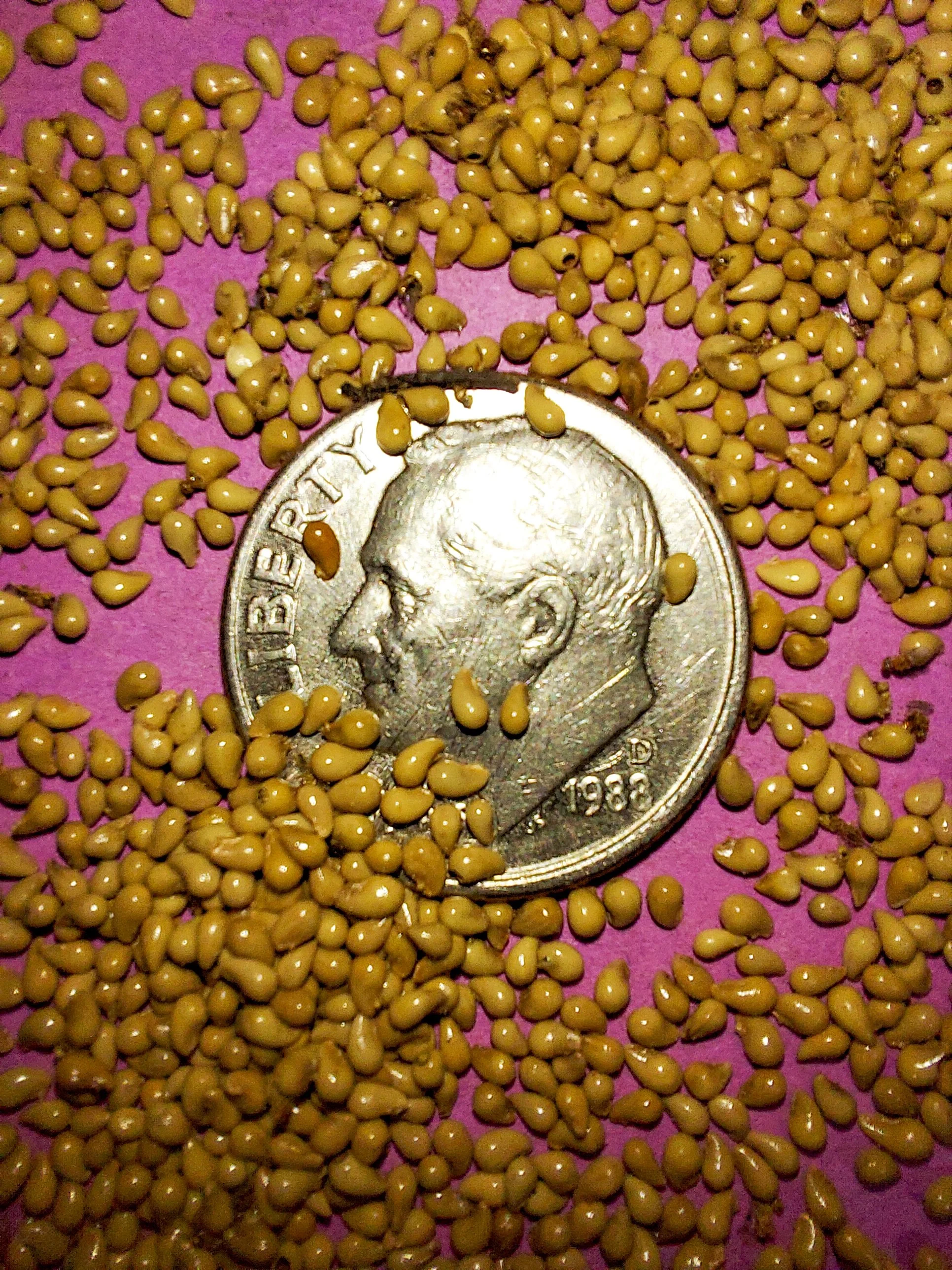 Image 6 of 6