New Jersey Tea (Ceanothus americanus)
Ceanothus americanus is a native North American shrub. It is also called New Jersey Tea, Jersey Tea Ceanothus, Red Root, Mountain Sweet, and Wild Snowball. The name New Jersey Tea came from the American Revolution when its leaves were used instead of imported English tea.
New Jersey Tea is a shrub 18–42 inches tall with thin branches. Its roots are thick with fine surface hairs and strong deep woody roots, helping it recover from fires. It has white flower clusters on long stems from leaf axils. It grows on dry plains, prairies, sandy or rocky soils, clearings, banks, lakeshores, and slopes. Its roots help prevent soil erosion on poor, dry slopes and embankments.
Native Americans used New Jersey Tea's red roots and bark to treat respiratory infections. Colonists brewed its wintergreen-scented leaves as a caffeine-free tea. Herbalists use the root bark for lymphatic treatment. The root contains tannins and alkaloids that mildly lower blood pressure. Root and flower extracts also serve as dyes.
The flowers of New Jersey Tea are not only beautiful but also serve as an important food source for butterflies in the genus Celastrina. Additionally, the shoots of this plant provide a vital habitat for the larvae of these butterflies. Species that rely on New Jersey Tea include the Spring Azure Butterfly (Celastrina ladon), the Summer Azure Butterfly (Celastrina neglecta), the Mottled Duskywing Butterfly (Erynnis martialis), and the Dreamy Duskywing Butterfly (Erynnis icelus). This interaction highlights the plant’s essential role in supporting local butterfly populations and promoting biodiversity.
This plant is not deer or rabbit proof, and during winter its twigs are sought as food by the local deer; and White-tailed Deer (Odocoileus virginianus), in particular, will browse New Jersey Tea year-round.
Ceanothus americanus seeds are an excellent food source which are consumed by wild turkeys and quail.
This plant is listed as present but rare in several counties of the states of Maine, and Maryland, and Delaware.
Plant Details
USDA Zones: 3-9
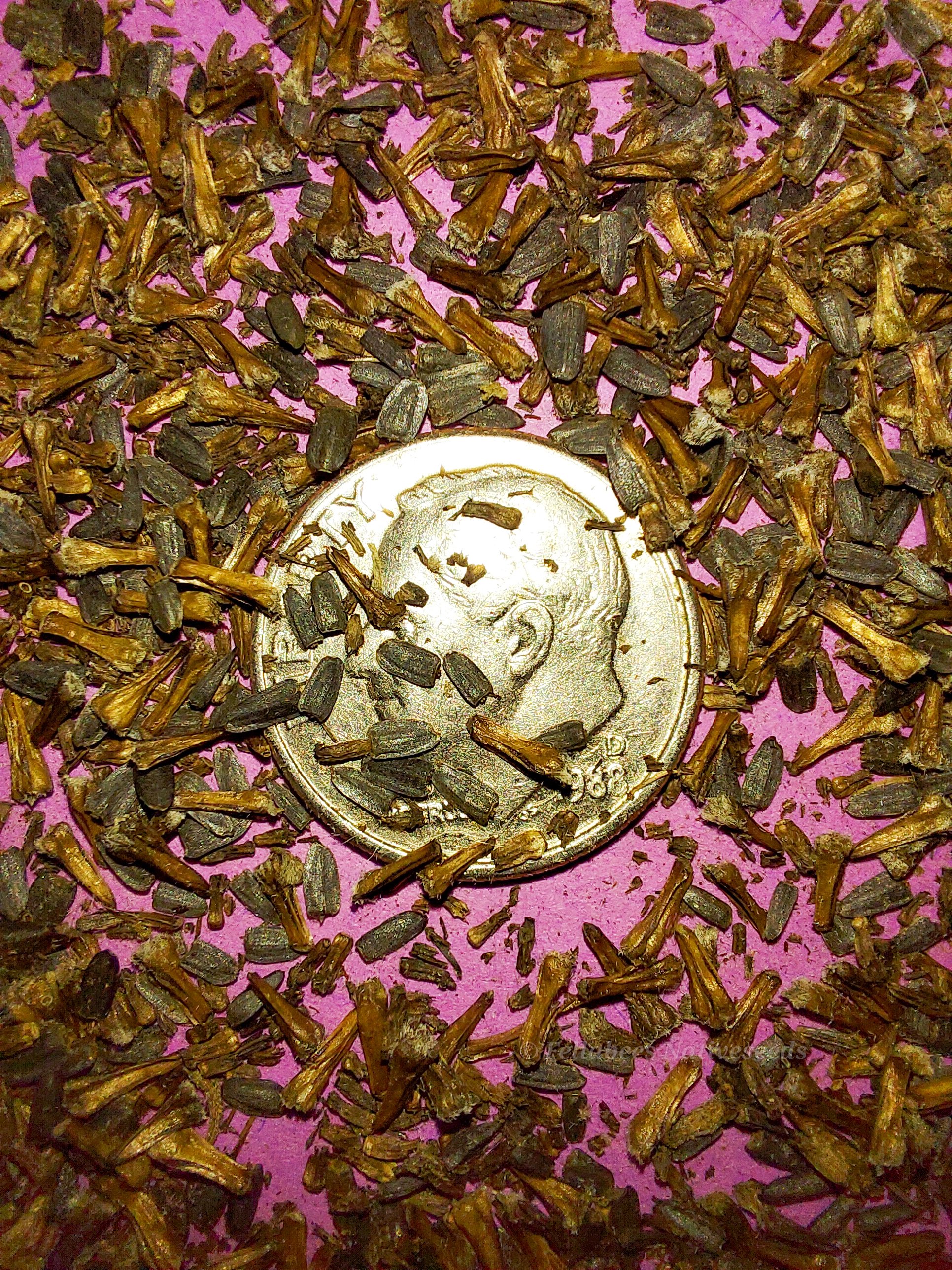
Germination Needs: 60 days Cold Stratification, Seed will benefit from having boiling water poured over, and then left to soak at room temperature for one full day before starting the 60 days cold statification.
Life Cycle: Perennial
Sun Exposure: Full to Partial
Soil Moisture: Medium, Medium-Dry, Dry
Plant Spacing: 1½-3 feet
Height: 3 feet
Bloom time: June, July, August
Bloom Color: White
Advantages :
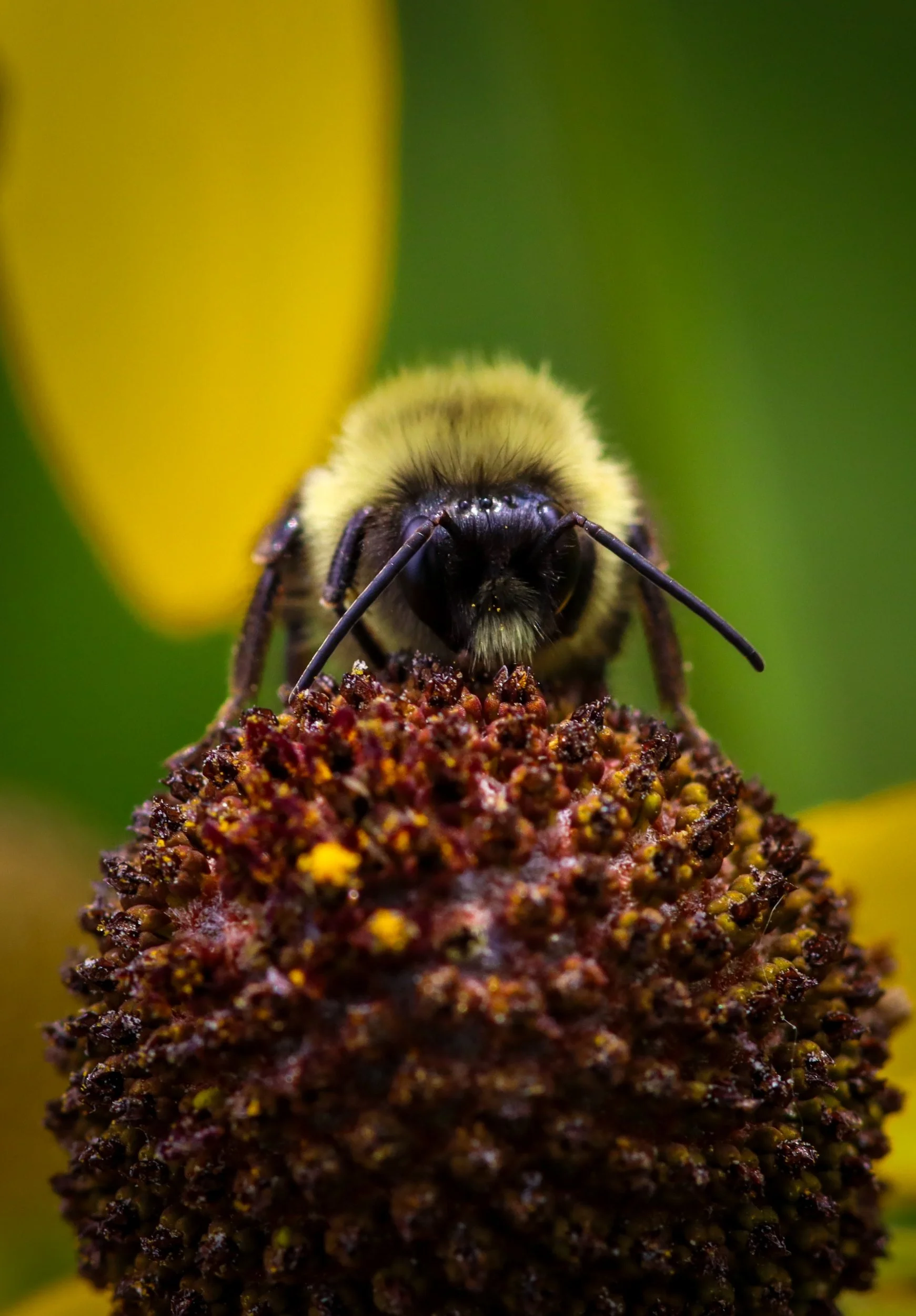
Pollinator Favorite: butterflies, moths, bees, wasps, beetles
Bird Favorite: seeds, insects, fruit, nectar, nesting, perchs.
Deer Resistant: No, not while young. Consider caging for both deer and rabbits.
Excellent in the home landscape!
Native to: Wisconsin, Minnesota, Iowa, Missouri, Illinois, Indiana, Michigan, Ohio, Pennsylvania, New York, Vermont, New Jersey, Maryland, New Hampshire, Maine, Massachusetts, Rhode Island, Connecticut, Delaware, West Virginia, Virginia, North Carolina, South Carolina, Georgia, Florida, Alabama, Mississippi, Tennessee, Kentucky, Louisiana, Arkansas, Texas, Oklahoma, Kansas, and Nebraska.
.
.
Packet quantities:
We pride ourselves on ethical, hands on, ecological management, using no mechanical or chemical methods whatsoever.
All of our native seed is hand reared, hand picked, and hand packed from native prairies under our exclusive management, never breaking chain of custody from the field until it is sent to you. Each packet is hand prepared for shipment by us, directly.
Small seed species will contain greater than 20-25 seed
Large seed species will contain greater than 10-15 seed
It is our mission to spread the wealth of native plant and pollinator ecological sustainability, and educate back yard gardeners as well as corporate and government entities in how to germinate, grow, and benefit from native synergies.
Thank you for your support, it is because of you, that we can grow together to do, what we do.🐛🦋🐝🐞🌾🌱🌼🧡
New Jersey Tea (Ceanothus americanus)
Ceanothus americanus is a native North American shrub. It is also called New Jersey Tea, Jersey Tea Ceanothus, Red Root, Mountain Sweet, and Wild Snowball. The name New Jersey Tea came from the American Revolution when its leaves were used instead of imported English tea.
New Jersey Tea is a shrub 18–42 inches tall with thin branches. Its roots are thick with fine surface hairs and strong deep woody roots, helping it recover from fires. It has white flower clusters on long stems from leaf axils. It grows on dry plains, prairies, sandy or rocky soils, clearings, banks, lakeshores, and slopes. Its roots help prevent soil erosion on poor, dry slopes and embankments.
Native Americans used New Jersey Tea's red roots and bark to treat respiratory infections. Colonists brewed its wintergreen-scented leaves as a caffeine-free tea. Herbalists use the root bark for lymphatic treatment. The root contains tannins and alkaloids that mildly lower blood pressure. Root and flower extracts also serve as dyes.
The flowers of New Jersey Tea are not only beautiful but also serve as an important food source for butterflies in the genus Celastrina. Additionally, the shoots of this plant provide a vital habitat for the larvae of these butterflies. Species that rely on New Jersey Tea include the Spring Azure Butterfly (Celastrina ladon), the Summer Azure Butterfly (Celastrina neglecta), the Mottled Duskywing Butterfly (Erynnis martialis), and the Dreamy Duskywing Butterfly (Erynnis icelus). This interaction highlights the plant’s essential role in supporting local butterfly populations and promoting biodiversity.
This plant is not deer or rabbit proof, and during winter its twigs are sought as food by the local deer; and White-tailed Deer (Odocoileus virginianus), in particular, will browse New Jersey Tea year-round.
Ceanothus americanus seeds are an excellent food source which are consumed by wild turkeys and quail.
This plant is listed as present but rare in several counties of the states of Maine, and Maryland, and Delaware.
Plant Details
USDA Zones: 3-9
Germination Needs: 60 days Cold Stratification, Seed will benefit from having boiling water poured over, and then left to soak at room temperature for one full day before starting the 60 days cold statification.
Life Cycle: Perennial
Sun Exposure: Full to Partial
Soil Moisture: Medium, Medium-Dry, Dry
Plant Spacing: 1½-3 feet
Height: 3 feet
Bloom time: June, July, August
Bloom Color: White
Advantages :
Pollinator Favorite: butterflies, moths, bees, wasps, beetles
Bird Favorite: seeds, insects, fruit, nectar, nesting, perchs.
Deer Resistant: No, not while young. Consider caging for both deer and rabbits.
Excellent in the home landscape!
Native to: Wisconsin, Minnesota, Iowa, Missouri, Illinois, Indiana, Michigan, Ohio, Pennsylvania, New York, Vermont, New Jersey, Maryland, New Hampshire, Maine, Massachusetts, Rhode Island, Connecticut, Delaware, West Virginia, Virginia, North Carolina, South Carolina, Georgia, Florida, Alabama, Mississippi, Tennessee, Kentucky, Louisiana, Arkansas, Texas, Oklahoma, Kansas, and Nebraska.
.
.
Packet quantities:
We pride ourselves on ethical, hands on, ecological management, using no mechanical or chemical methods whatsoever.
All of our native seed is hand reared, hand picked, and hand packed from native prairies under our exclusive management, never breaking chain of custody from the field until it is sent to you. Each packet is hand prepared for shipment by us, directly.
Small seed species will contain greater than 20-25 seed
Large seed species will contain greater than 10-15 seed
It is our mission to spread the wealth of native plant and pollinator ecological sustainability, and educate back yard gardeners as well as corporate and government entities in how to germinate, grow, and benefit from native synergies.
Thank you for your support, it is because of you, that we can grow together to do, what we do.🐛🦋🐝🐞🌾🌱🌼🧡

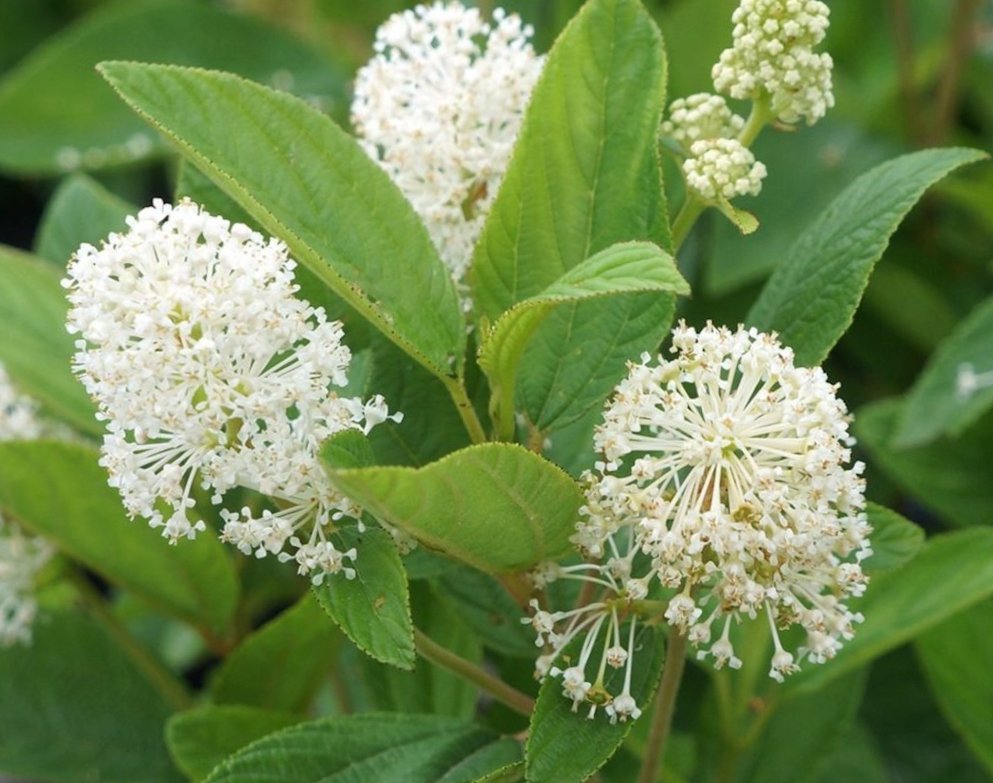 Image 1 of 7
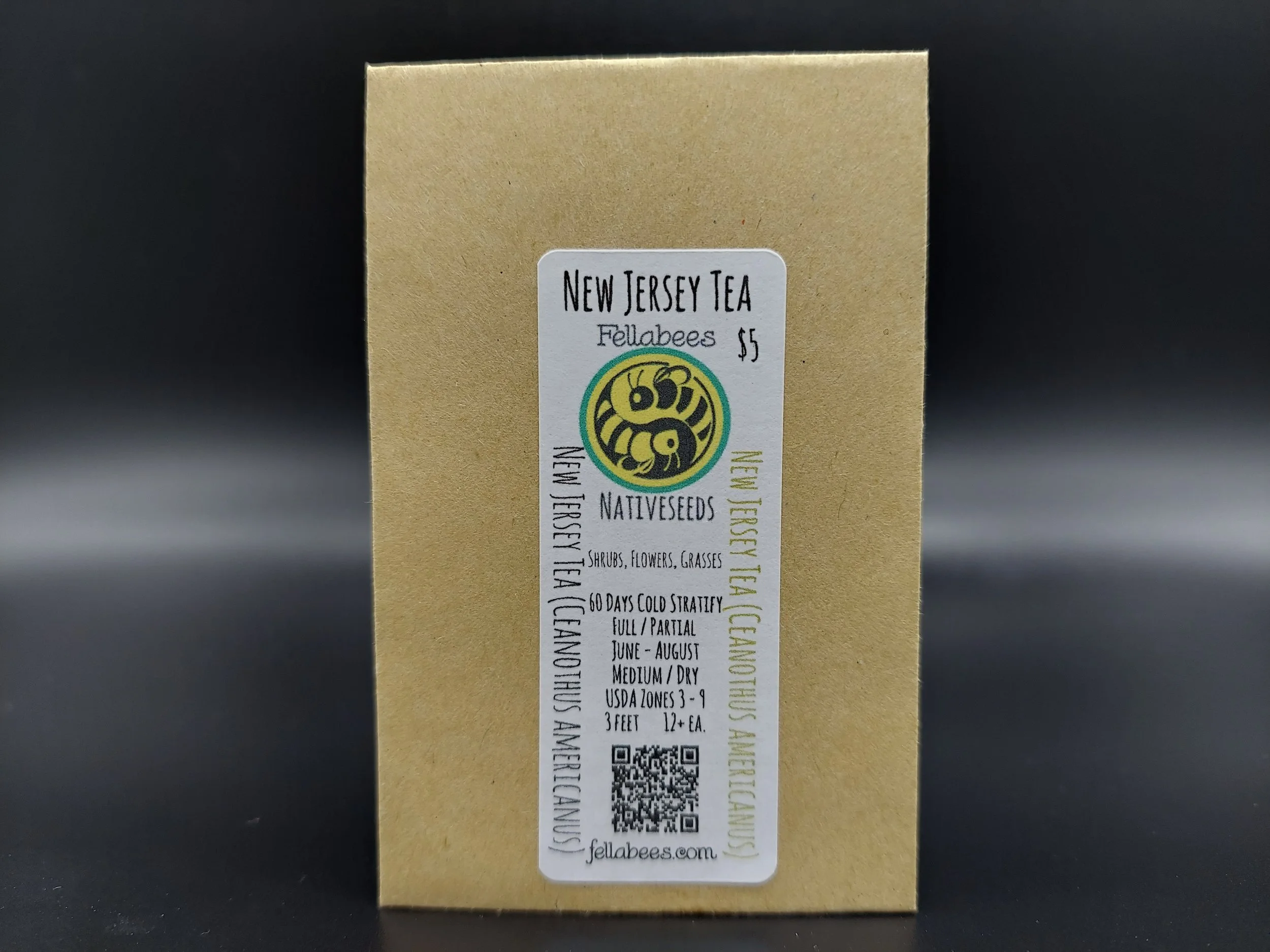 Image 2 of 7
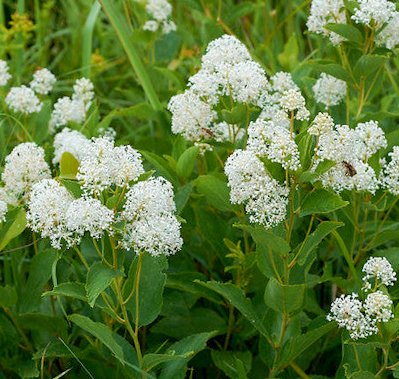 Image 3 of 7
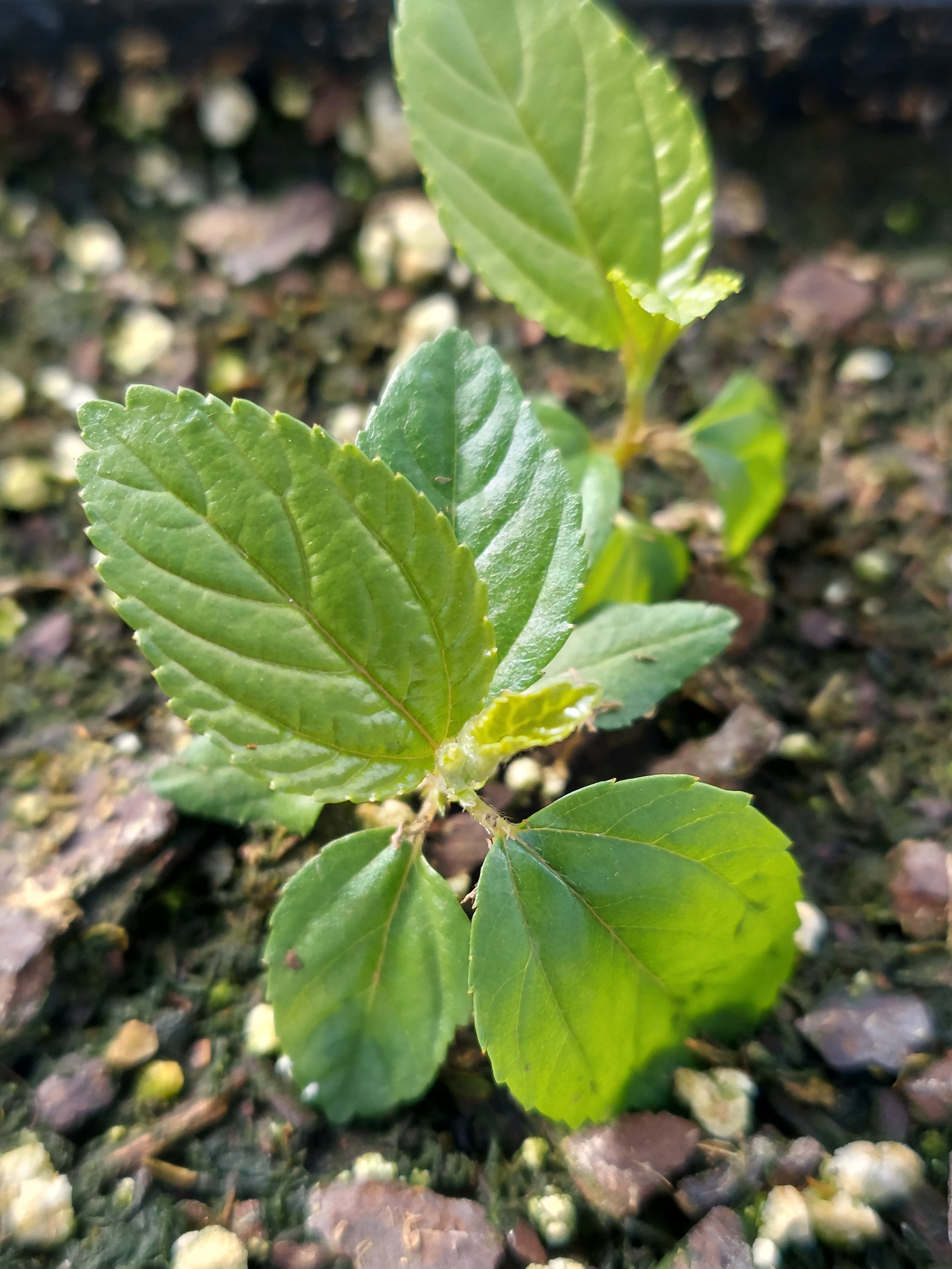 Image 4 of 7
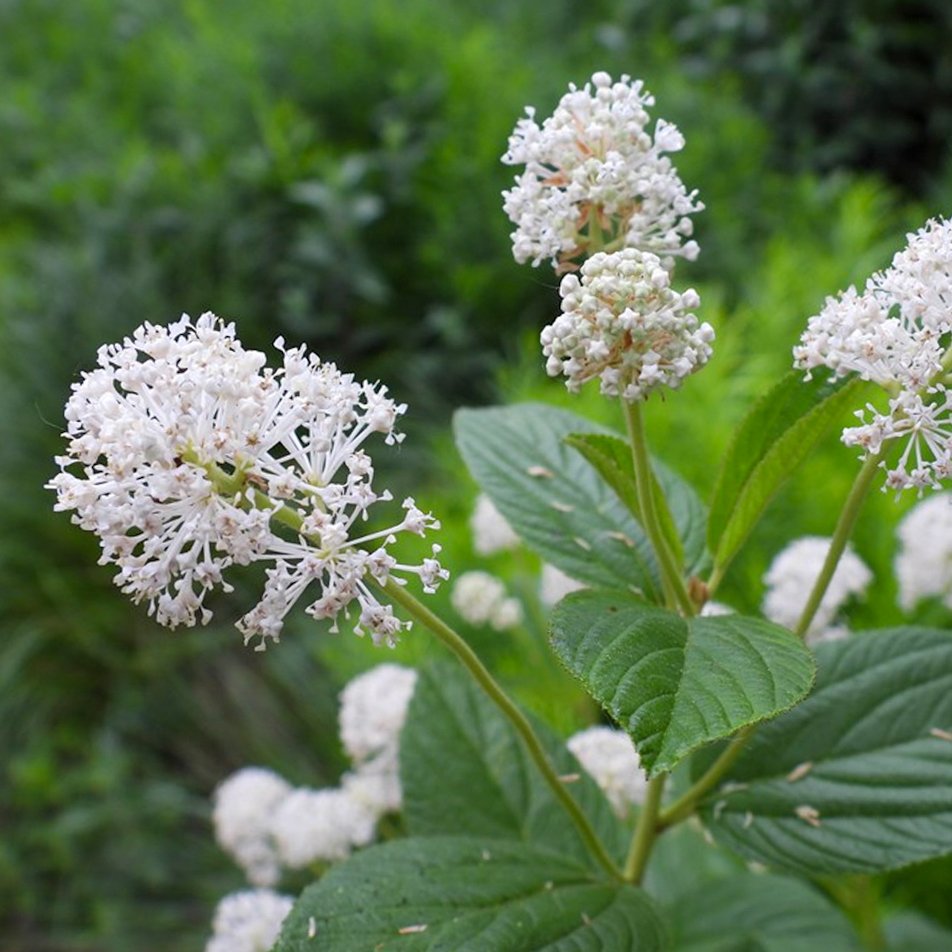 Image 5 of 7
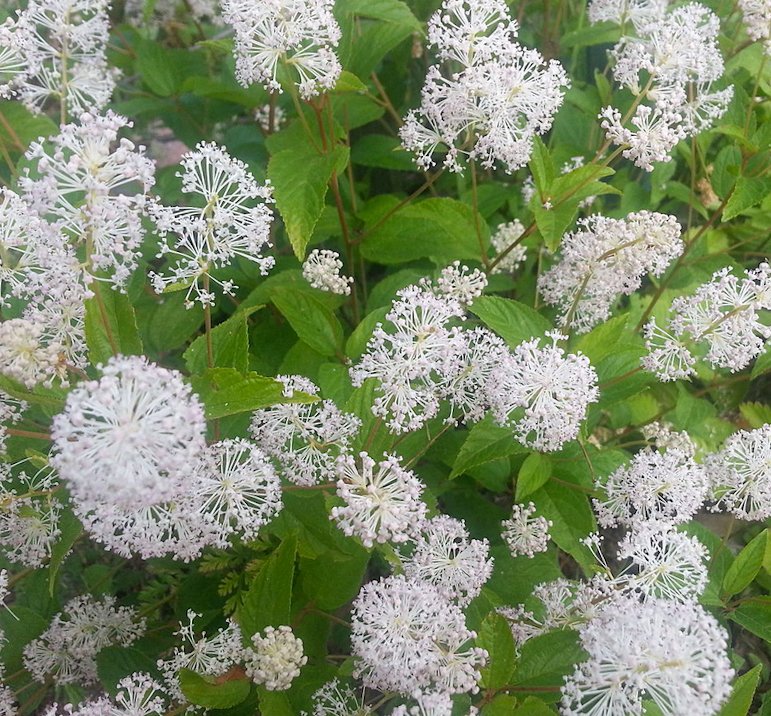 Image 6 of 7
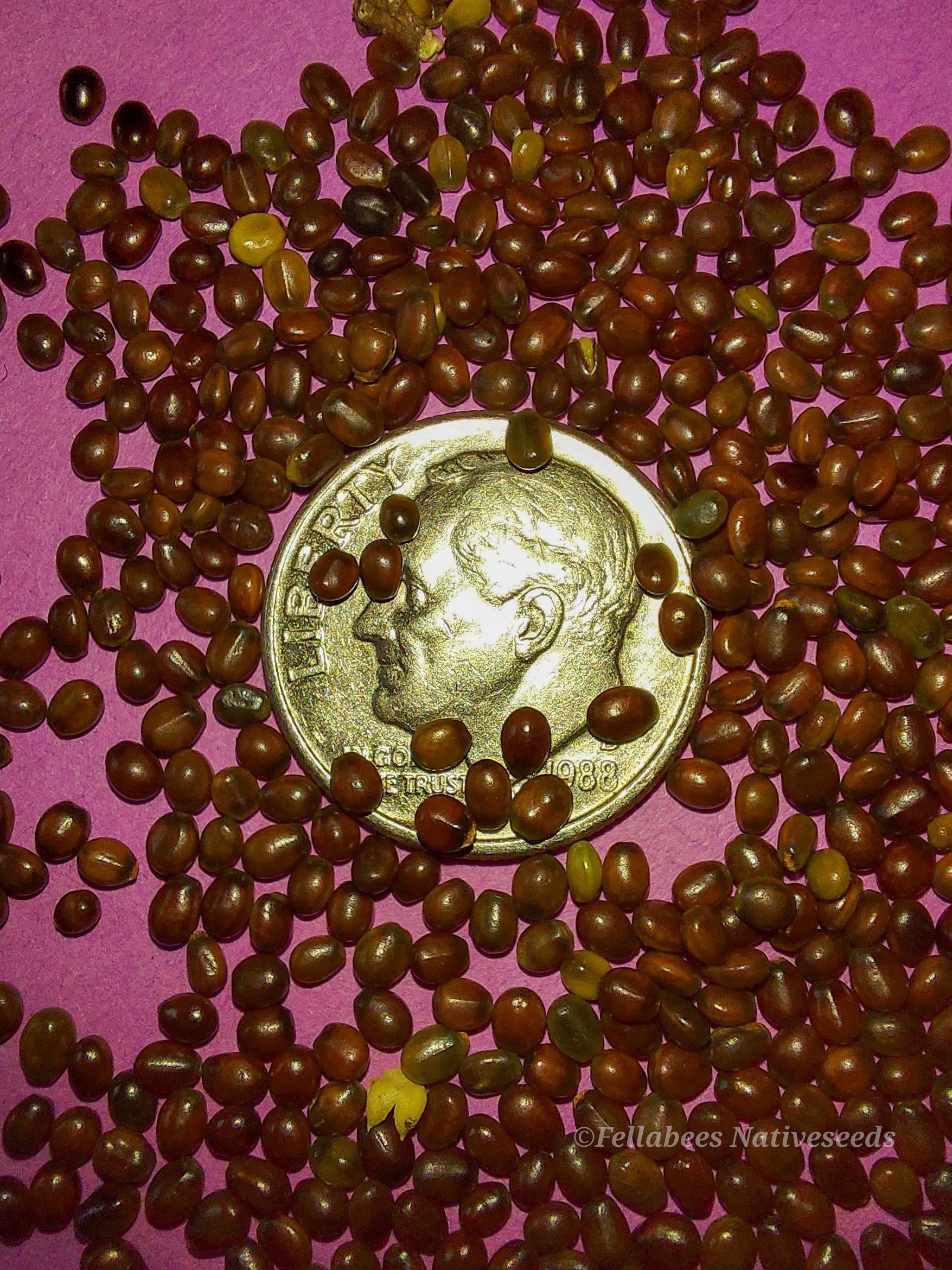 Image 7 of 7