Sale Price:
$2.00
Original Price:
$3.00
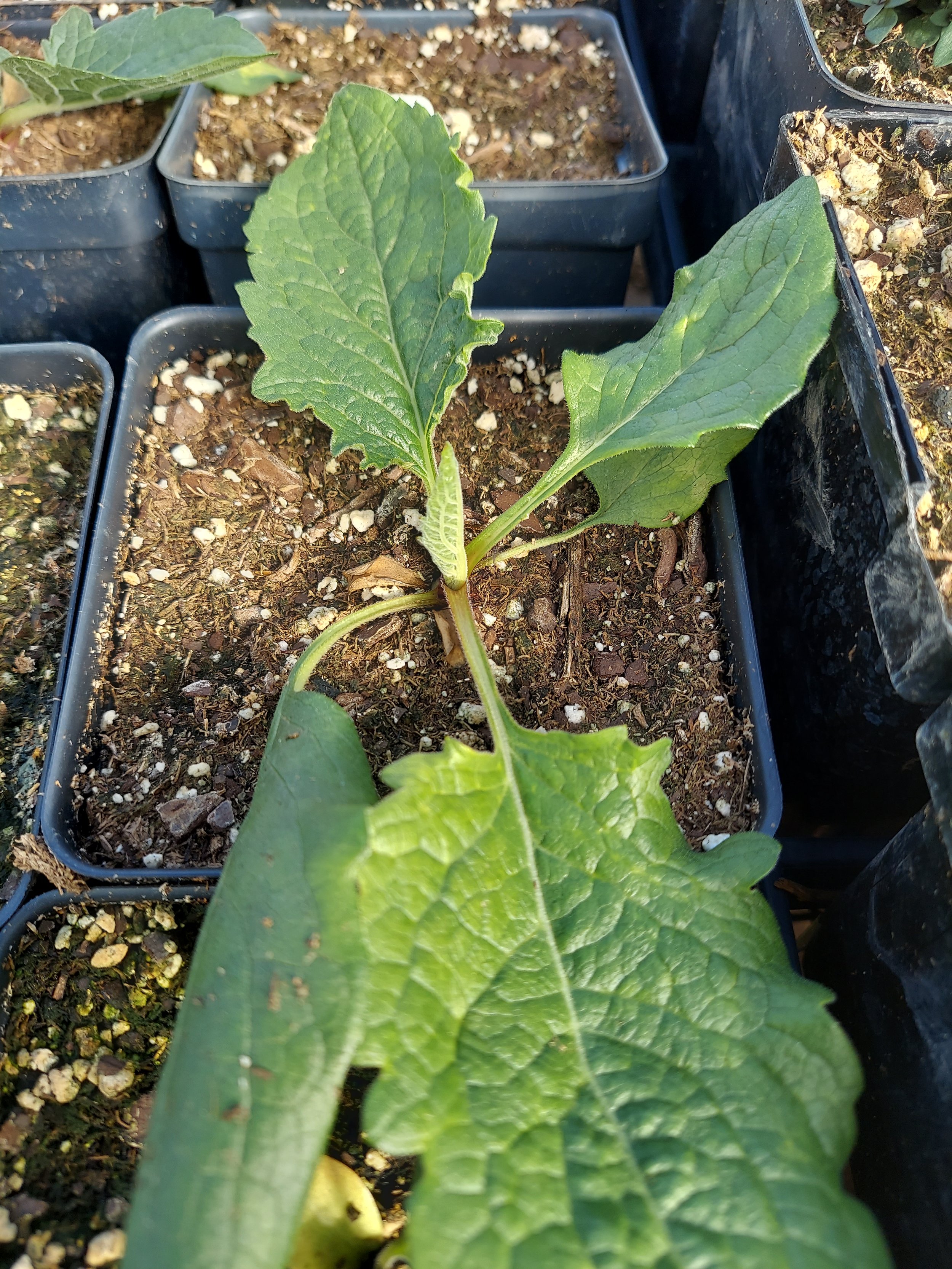
Lemon Bee Balm (Monarda citriodora)
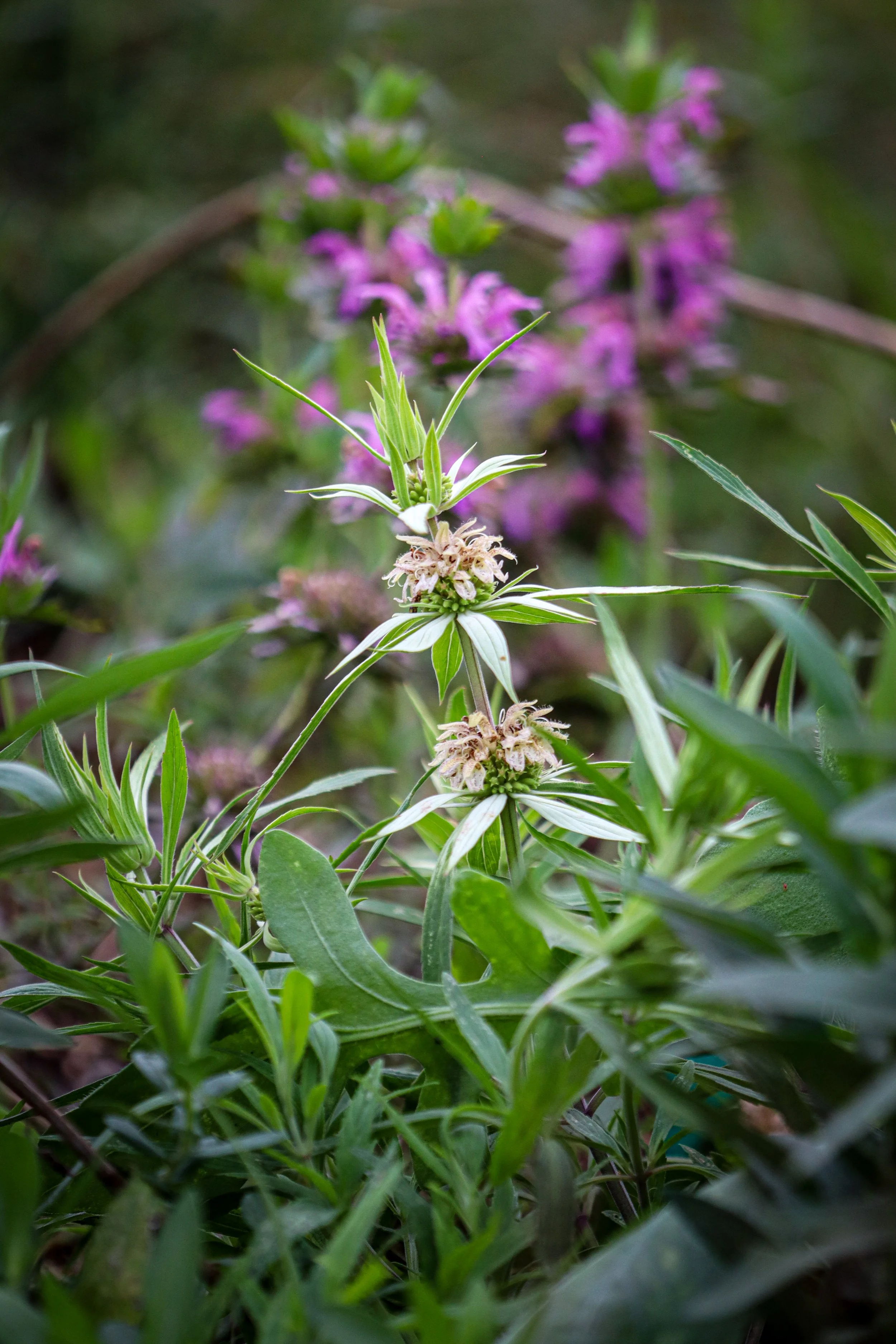
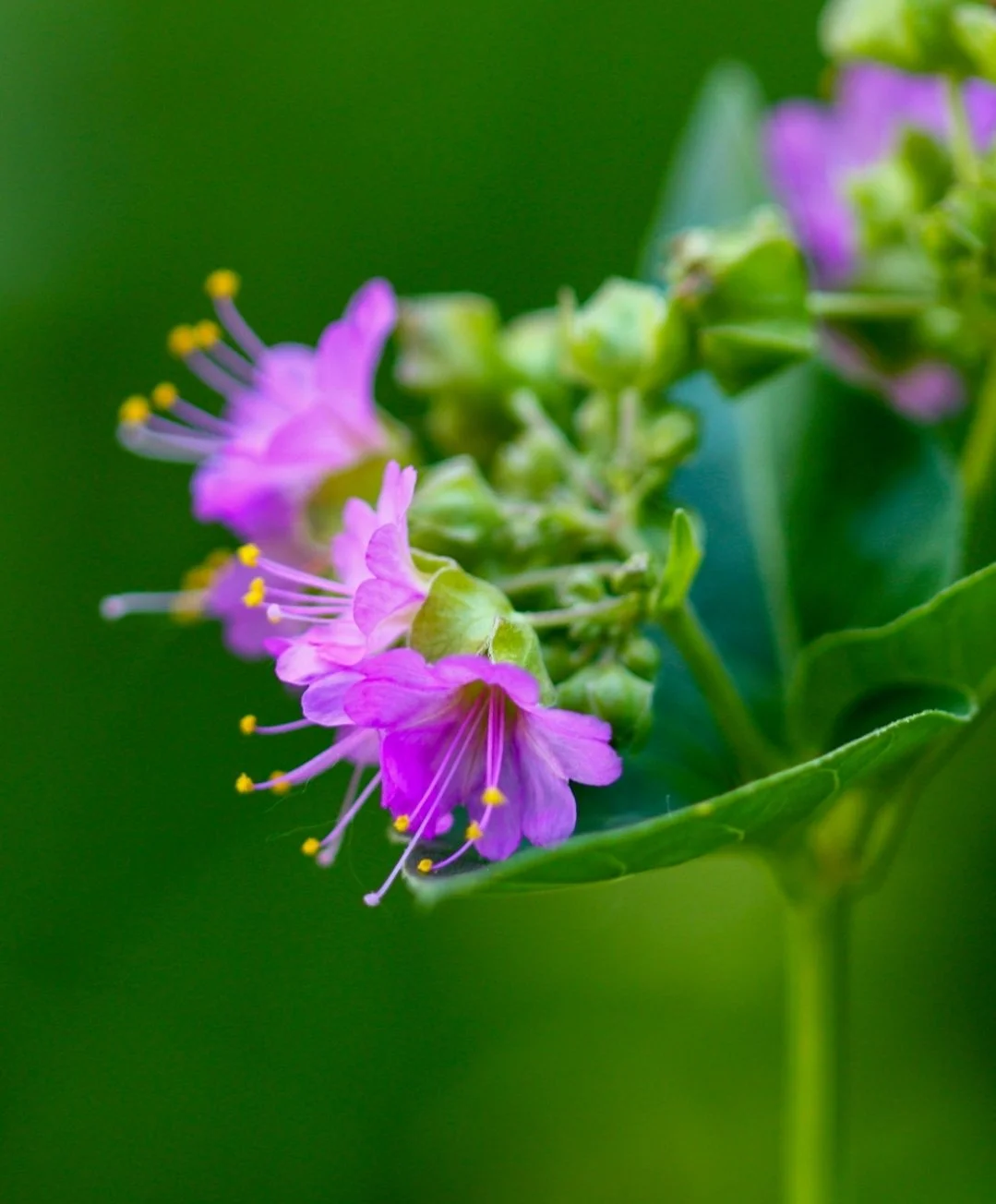
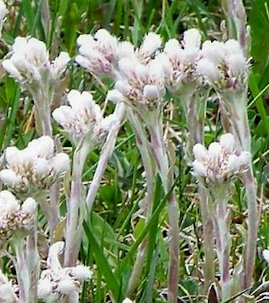
Monarda citriodora is the scientific name for a species of flowering plant in the Lamiaceae (Mint) family. Native to the southern United States and northern Mexico, Monarda citriodora is more commonly known by familiar names such as Lemon Bee Balm, Lemon Mint, and Purple Horsemint. When the leaves are crushed, they emit a strong odor reminiscent of lemons, though some people find the scent becomes more oregano-like later in the season. Its showy purple flowers are particularly attractive to butterflies, bees, and hummingbirds, making it a valuable addition to pollinator-friendly gardens and native prairie restorations.
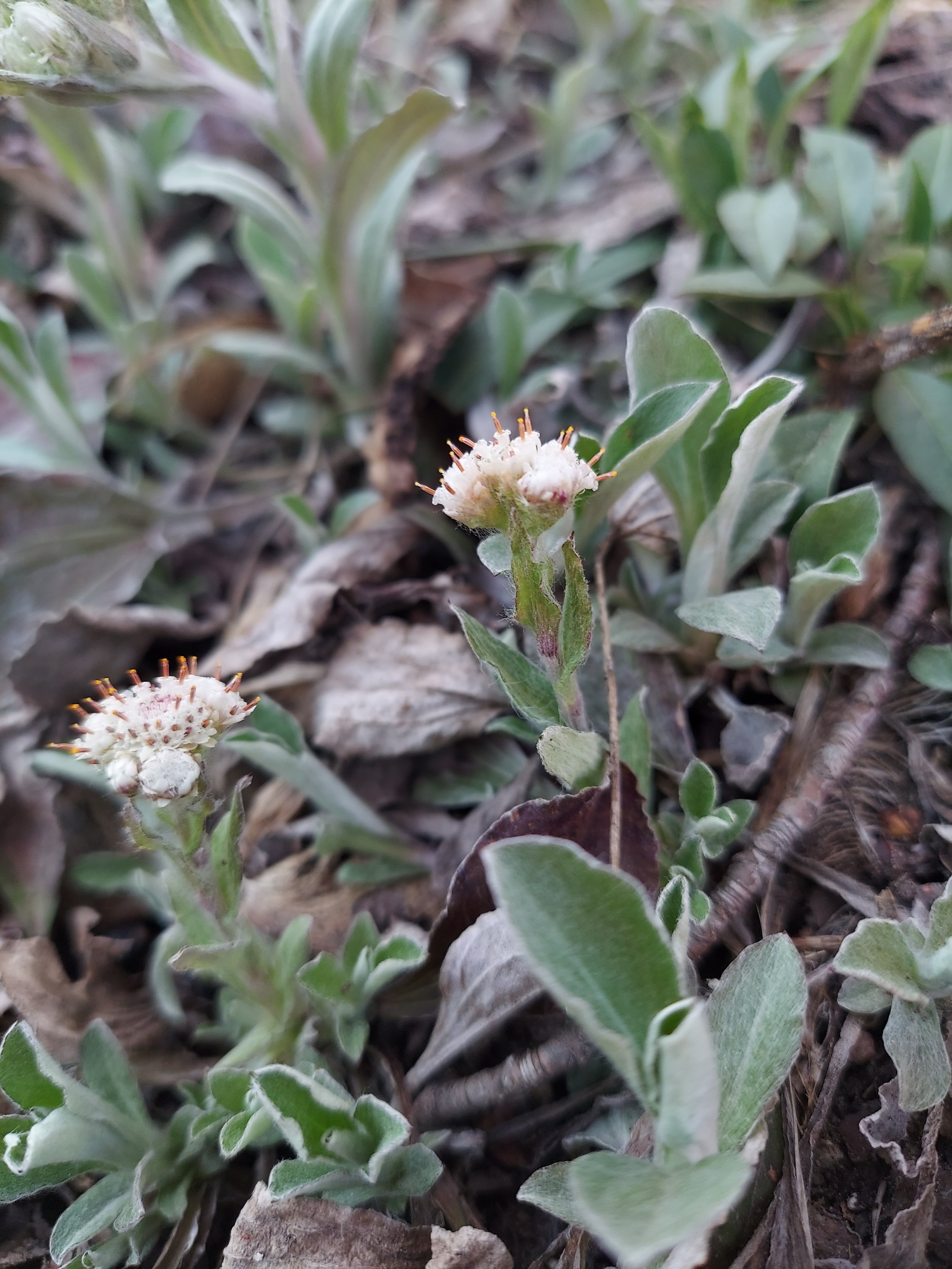
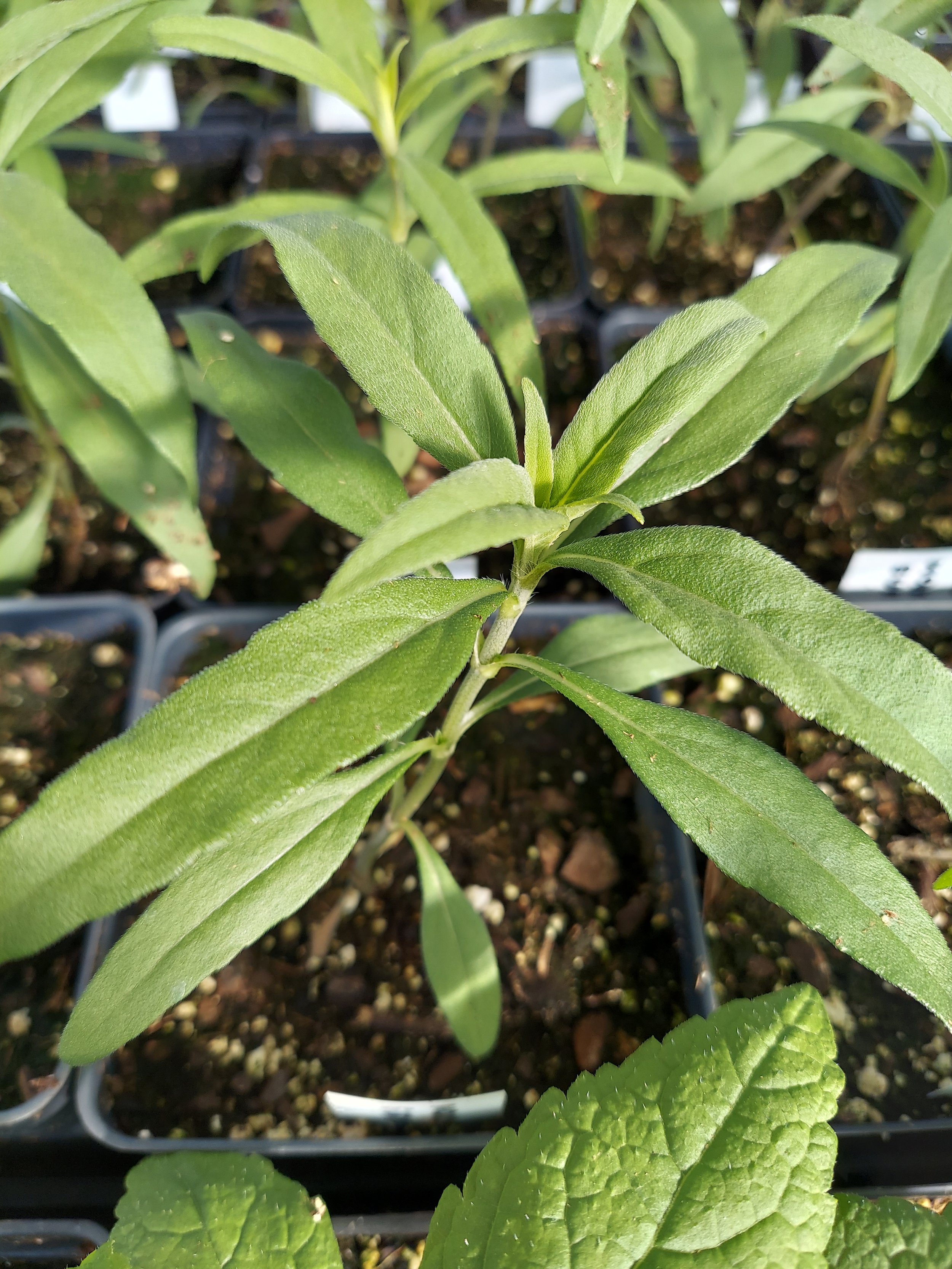
Lemon Bee Balm tolerates dry soil and needs little supplemental water once established, thriving best in direct sunlight. Multiple stems arise from the crown and are adorned with opposite pairs of narrow, lance-shaped leaves. It grows rapidly in spring, often reaching up to 3 feet tall under ideal conditions. Lemon Bee Balm produces blooms in shades of white, purple, and pink that appear continuously from May through August in much of the northern hemisphere, and will keep flowering later into the season if given occasional water and nights stay above about 65°F. The plant dies back with the first hard frost; although Lemon Bee Balm behaves as an annual or biennial, it readily sets seed and volunteers to germinate and return the following year, slowly shifting around the landscape.
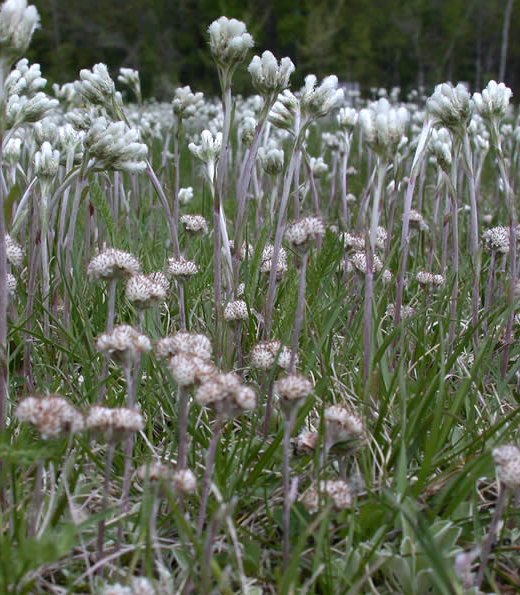
Lemon Bee Balm grows in prairies, roadsides, and other sunny habitats from Arizona to Florida and from Nebraska south into Michoacán. It favors soils with a high percentage of clay, such as the vertisols and mollisols typical of tallgrass prairies, where it can sometimes form impressive blankets of summer flowers that brighten the landscape and are often audibly abuzz with myriad pollinators, including feasting hummingbirds that sip nectar for fuel while also hunting small insects to provide protein for their young.
Foragers like to utilize Lemon Bee Balm as an addition to salads and teas. It's also used sometimes in wines and liqueurs. It can give a good flavor to certain seafood and meat dishes too, such as crab and chicken. Lemon Bee Balm is an ingredient in many dessert recipes, and is used for flavoring in cakes, cheesecakes, sauces, and pies.
Teas made from the leaves are commonly used by herbalists and traditional practitioners to reportedly help relieve colds, coughs, fevers, and a range of other respiratory complaints. The essential oil of Lemon Bee Balm contains the potent acyclic monoterpenoid citronellol, which makes the oil quite effective as a natural mosquito repellent. It has also been traditionally applied to deter fleas, mites, and other undesirable small pests. Because citronellol can disrupt the sensory signals insects use to locate food and mates, it is plausible that the compound might also affect ticks, since the oil’s volatile components can mask or interfere with the chemical cues emitted by humans and animals. However, the direct effect of citronellol on tick behavior has not yet been specifically studied.
Plant Details
USDA Zones: 4-8
Germination Needs: No special treatment needed
Life Cycle: Annual/Biennial (Depending on region) here in Wisconsin has proven to be Biennial near the home foundation and Annual away from the home foundation. Likely from warmer or cooler soils as a result.
Sun Exposure: Full to Partial
Soil Moisture: Medium, Medium-Dry, Dry
Plant Spacing: 1-1½ feet
Height: 3 feet
Bloom time: June, July, August
Bloom Color: Pink
Advantages
Pollinator Favorite: butterflies, moths, bees, wasps, beetles
Deer Resistant: Yes
Excellent in the home landscape!
Native to: Missouri, Tennessee, Alabama, Mississippi, Louisiana, Arkansas, Texas, Oklahoma, Kansas, New Mexico, and Arizona.
This species is considered present but introduced in the states of Illinois, Michigan, Kentucky, South Carolina, Georgia, Florida, Nebraska, Utah, and California.
.
.
Packet quantities:
We pride ourselves on ethical, hands on, ecological management, using no mechanical or chemical methods whatsoever.
All of our native seed is hand reared, hand picked, and hand packed from native prairies under our exclusive management, never breaking chain of custody from the field until it is sent to you. Each packet is hand prepared for shipment by us, directly.
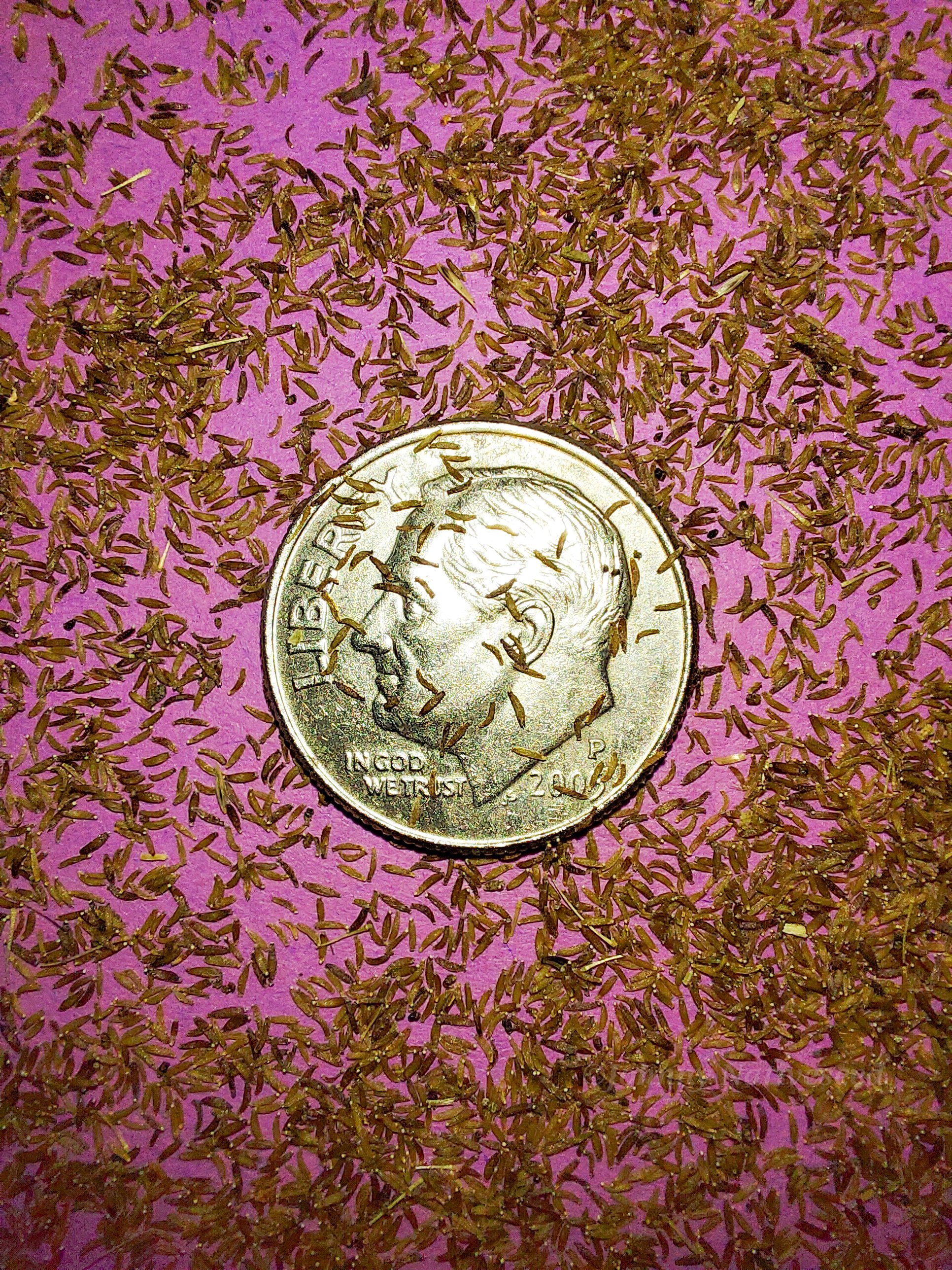
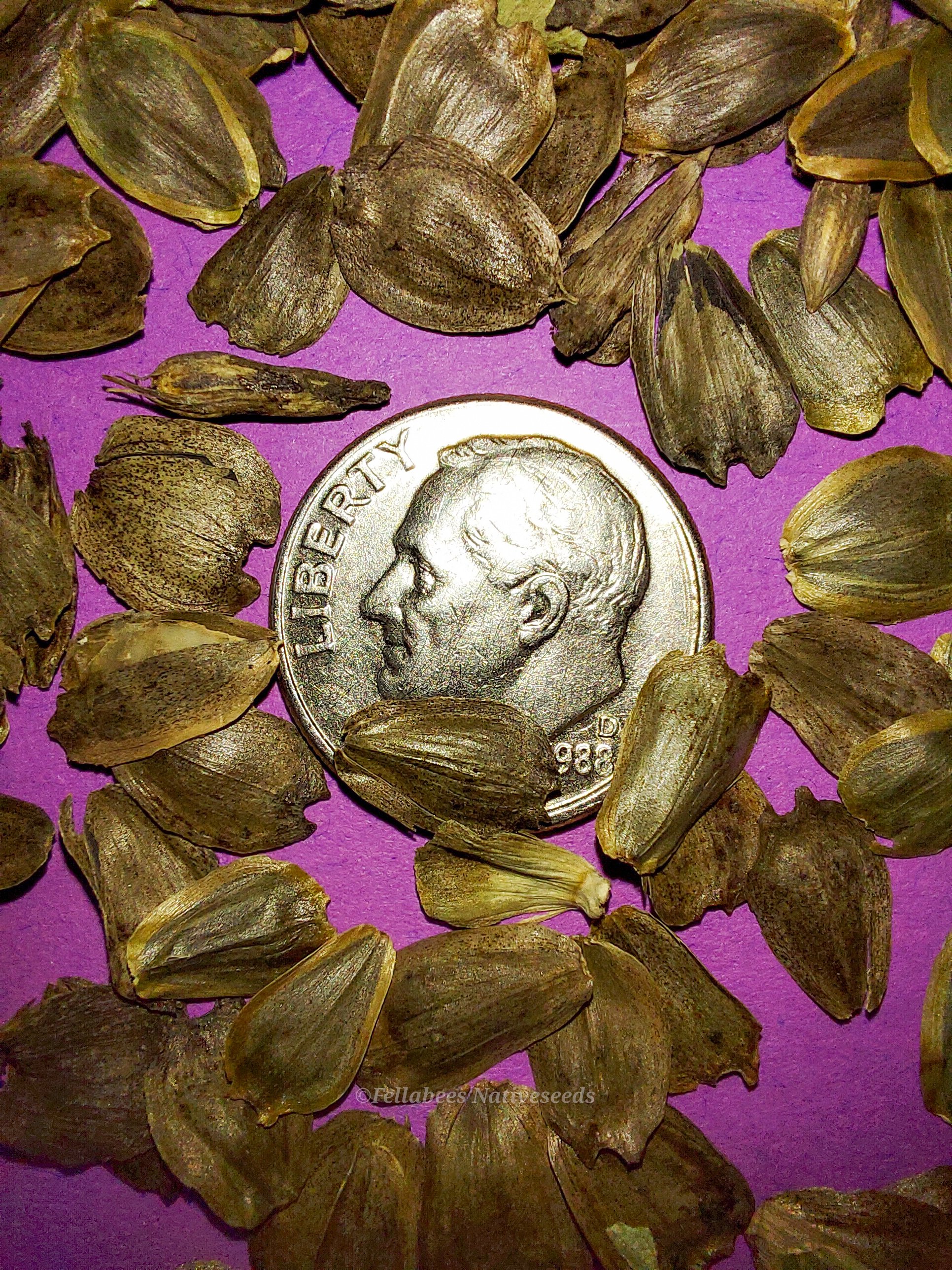
Small seed species will contain greater than 20-25 seed
Large seed species will contain greater than 10-15 seed
It is our mission to spread the wealth of native plant and pollinator ecological sustainability and educate back yard gardeners as well as corporate and government entities in how to germinate, grow, and benefit from native synergies.
Thank you for your support, it is because of you, that we can grow together to do, what we do. 🐛🦋🐝🐞🌾🌱🌼🧡
Lemon Bee Balm (Monarda citriodora)
Monarda citriodora is the scientific name for a species of flowering plant in the Lamiaceae (Mint) family. Native to the southern United States and northern Mexico, Monarda citriodora is more commonly known by familiar names such as Lemon Bee Balm, Lemon Mint, and Purple Horsemint. When the leaves are crushed, they emit a strong odor reminiscent of lemons, though some people find the scent becomes more oregano-like later in the season. Its showy purple flowers are particularly attractive to butterflies, bees, and hummingbirds, making it a valuable addition to pollinator-friendly gardens and native prairie restorations.
Lemon Bee Balm tolerates dry soil and needs little supplemental water once established, thriving best in direct sunlight. Multiple stems arise from the crown and are adorned with opposite pairs of narrow, lance-shaped leaves. It grows rapidly in spring, often reaching up to 3 feet tall under ideal conditions. Lemon Bee Balm produces blooms in shades of white, purple, and pink that appear continuously from May through August in much of the northern hemisphere, and will keep flowering later into the season if given occasional water and nights stay above about 65°F. The plant dies back with the first hard frost; although Lemon Bee Balm behaves as an annual or biennial, it readily sets seed and volunteers to germinate and return the following year, slowly shifting around the landscape.
Lemon Bee Balm grows in prairies, roadsides, and other sunny habitats from Arizona to Florida and from Nebraska south into Michoacán. It favors soils with a high percentage of clay, such as the vertisols and mollisols typical of tallgrass prairies, where it can sometimes form impressive blankets of summer flowers that brighten the landscape and are often audibly abuzz with myriad pollinators, including feasting hummingbirds that sip nectar for fuel while also hunting small insects to provide protein for their young.
Foragers like to utilize Lemon Bee Balm as an addition to salads and teas. It's also used sometimes in wines and liqueurs. It can give a good flavor to certain seafood and meat dishes too, such as crab and chicken. Lemon Bee Balm is an ingredient in many dessert recipes, and is used for flavoring in cakes, cheesecakes, sauces, and pies.
Teas made from the leaves are commonly used by herbalists and traditional practitioners to reportedly help relieve colds, coughs, fevers, and a range of other respiratory complaints. The essential oil of Lemon Bee Balm contains the potent acyclic monoterpenoid citronellol, which makes the oil quite effective as a natural mosquito repellent. It has also been traditionally applied to deter fleas, mites, and other undesirable small pests. Because citronellol can disrupt the sensory signals insects use to locate food and mates, it is plausible that the compound might also affect ticks, since the oil’s volatile components can mask or interfere with the chemical cues emitted by humans and animals. However, the direct effect of citronellol on tick behavior has not yet been specifically studied.
Plant Details
USDA Zones: 4-8
Germination Needs: No special treatment needed
Life Cycle: Annual/Biennial (Depending on region) here in Wisconsin has proven to be Biennial near the home foundation and Annual away from the home foundation. Likely from warmer or cooler soils as a result.
Sun Exposure: Full to Partial
Soil Moisture: Medium, Medium-Dry, Dry
Plant Spacing: 1-1½ feet
Height: 3 feet
Bloom time: June, July, August
Bloom Color: Pink
Advantages
Pollinator Favorite: butterflies, moths, bees, wasps, beetles
Deer Resistant: Yes
Excellent in the home landscape!
Native to: Missouri, Tennessee, Alabama, Mississippi, Louisiana, Arkansas, Texas, Oklahoma, Kansas, New Mexico, and Arizona.
This species is considered present but introduced in the states of Illinois, Michigan, Kentucky, South Carolina, Georgia, Florida, Nebraska, Utah, and California.
.
.
Packet quantities:
We pride ourselves on ethical, hands on, ecological management, using no mechanical or chemical methods whatsoever.
All of our native seed is hand reared, hand picked, and hand packed from native prairies under our exclusive management, never breaking chain of custody from the field until it is sent to you. Each packet is hand prepared for shipment by us, directly.
Small seed species will contain greater than 20-25 seed
Large seed species will contain greater than 10-15 seed
It is our mission to spread the wealth of native plant and pollinator ecological sustainability and educate back yard gardeners as well as corporate and government entities in how to germinate, grow, and benefit from native synergies.
Thank you for your support, it is because of you, that we can grow together to do, what we do. 🐛🦋🐝🐞🌾🌱🌼🧡
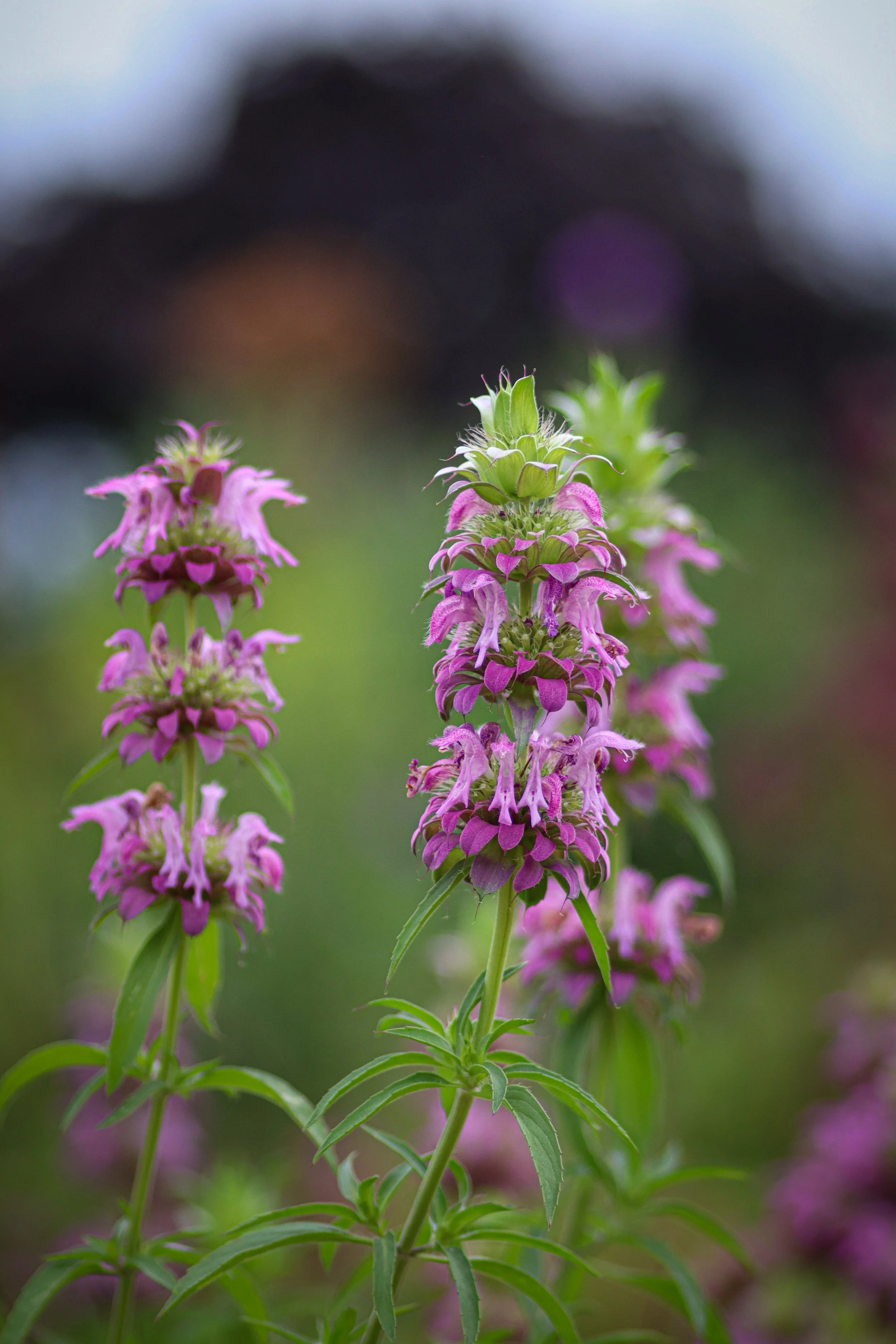 Image 1 of 10
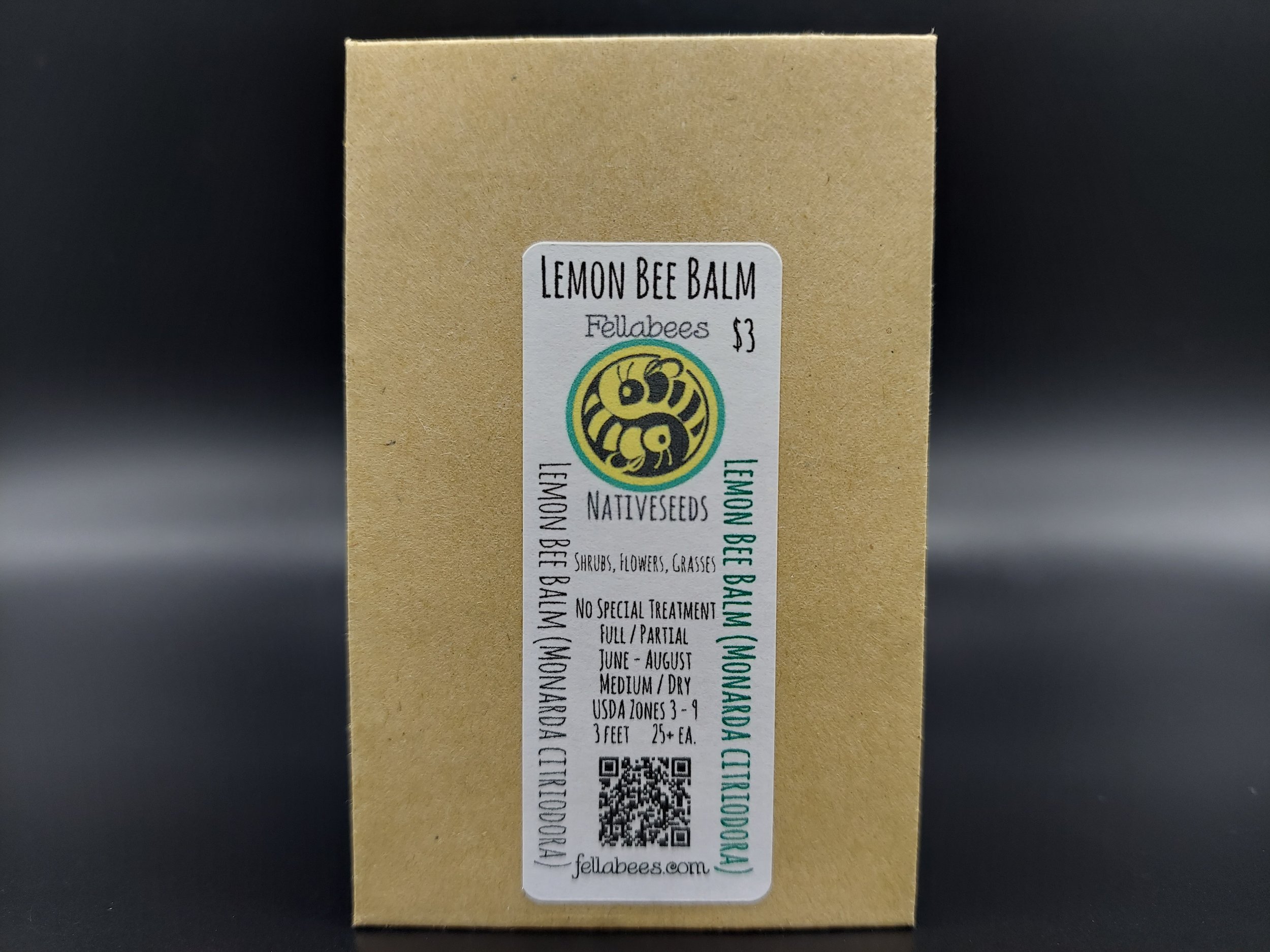 Image 2 of 10
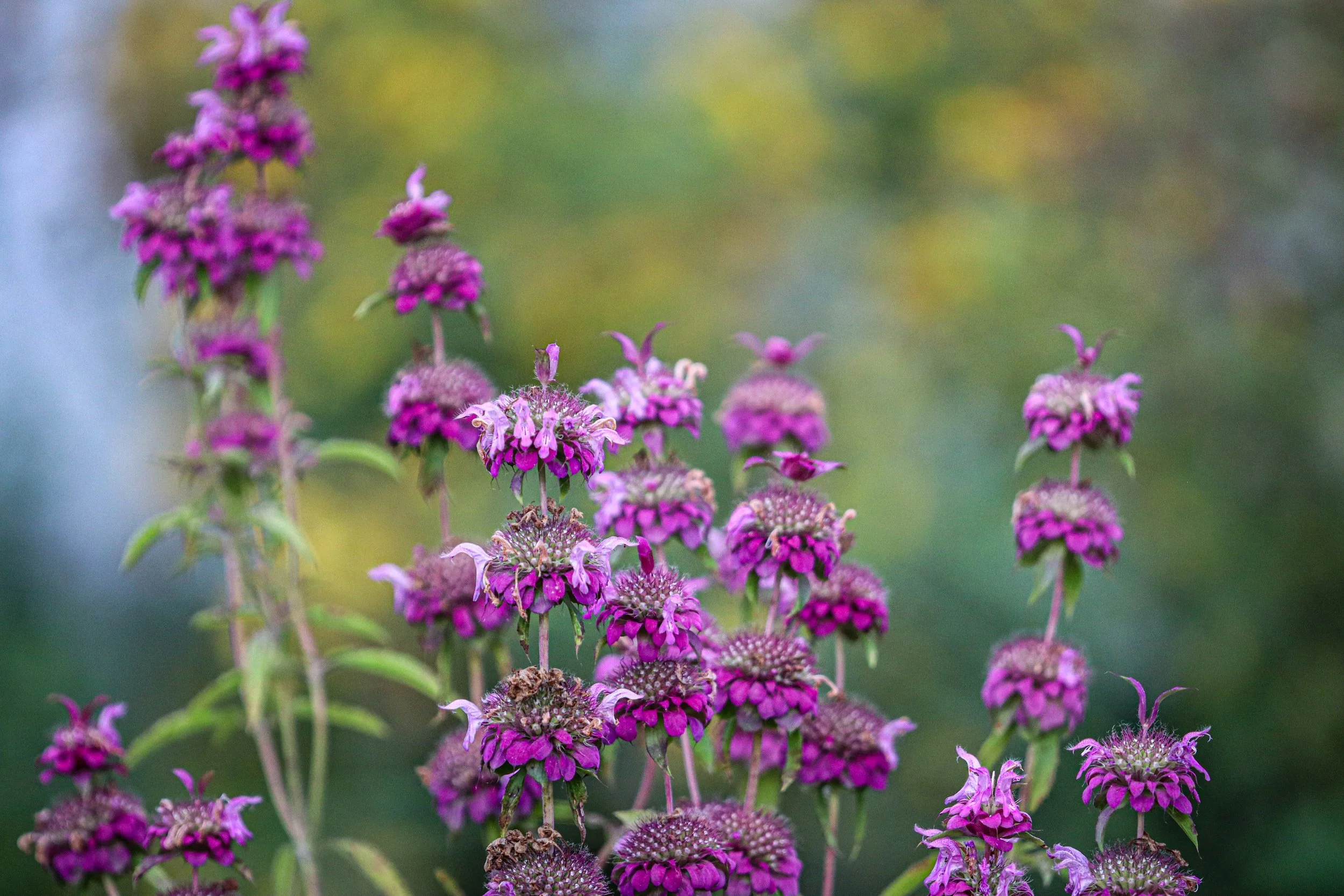 Image 3 of 10
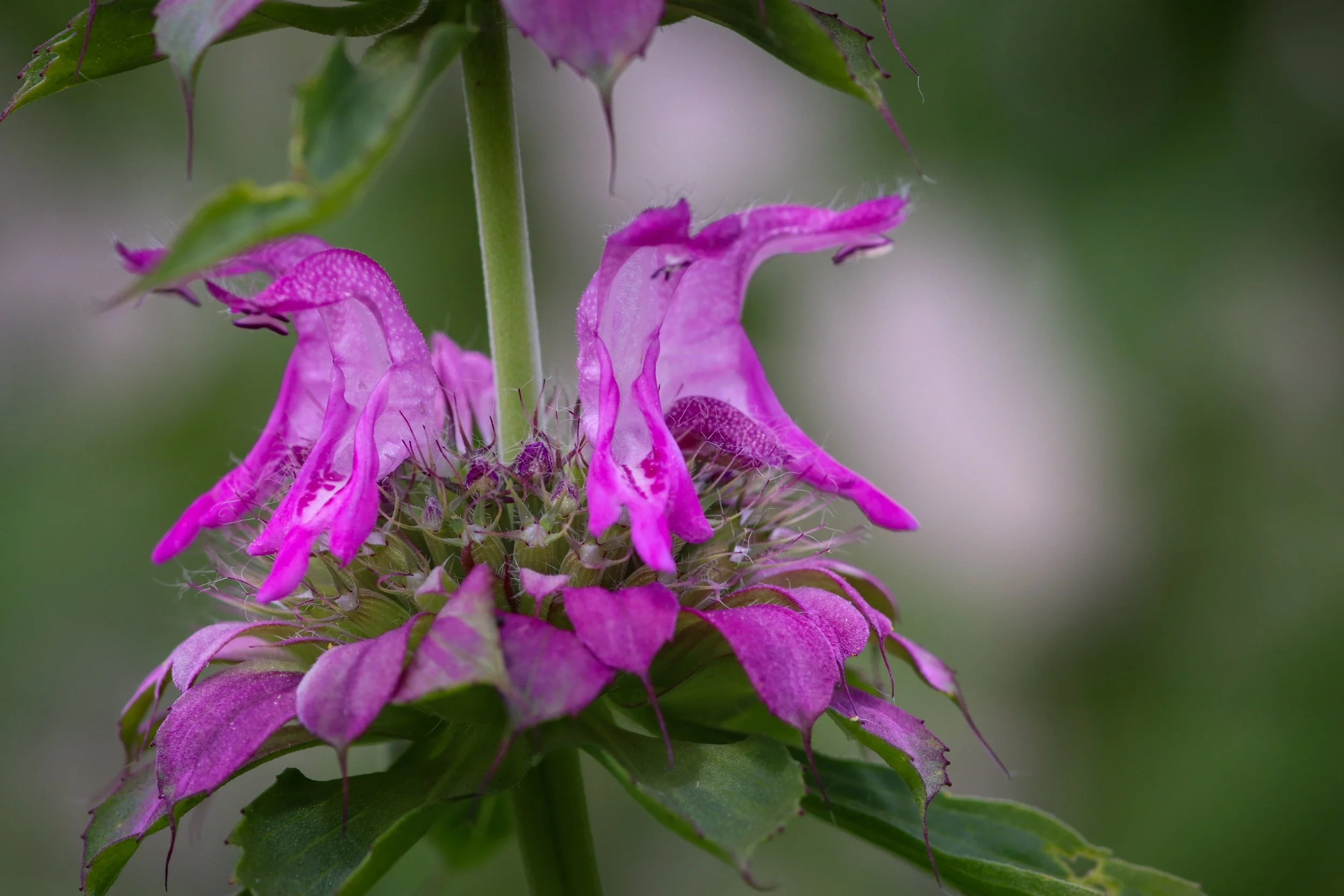 Image 4 of 10
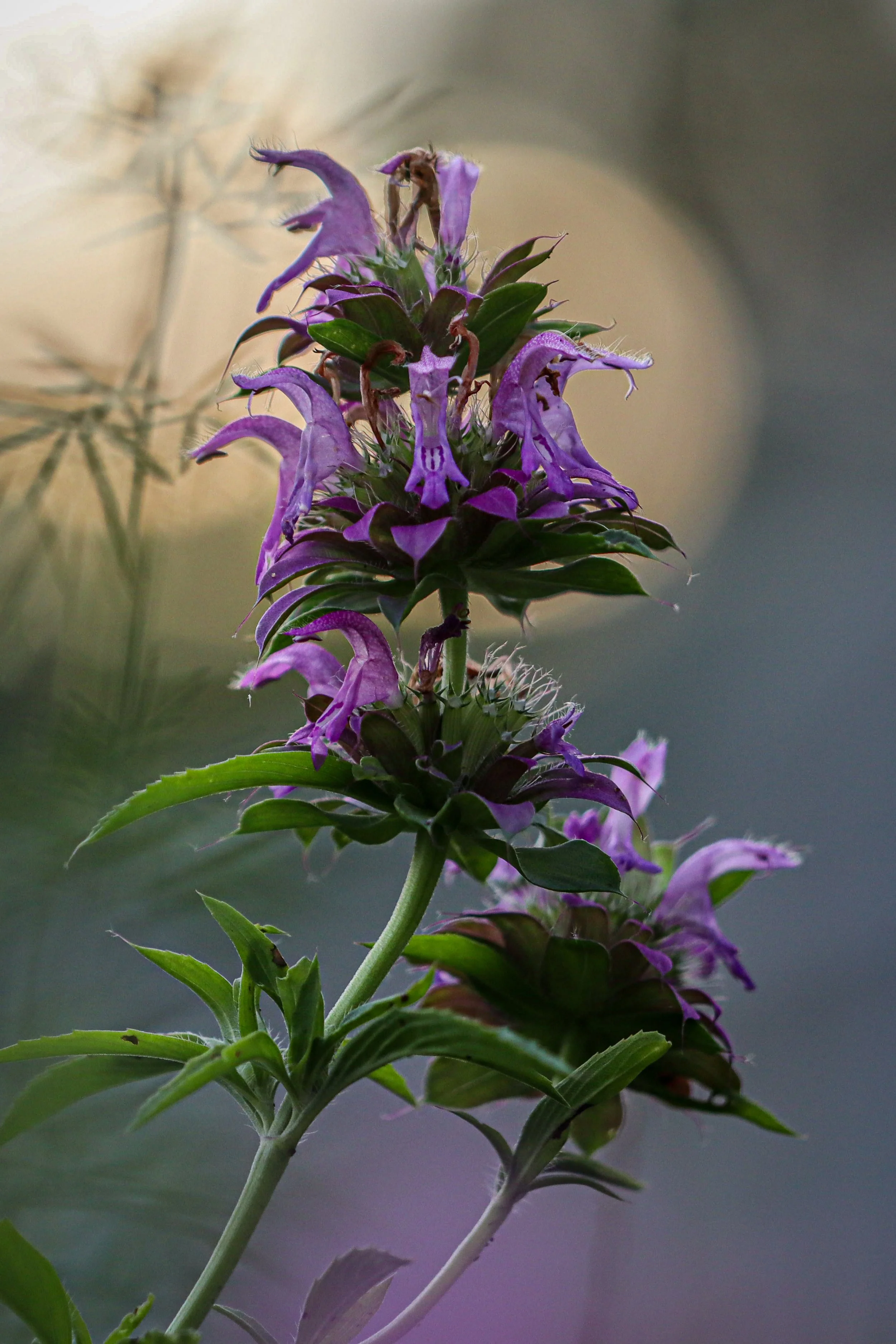 Image 5 of 10
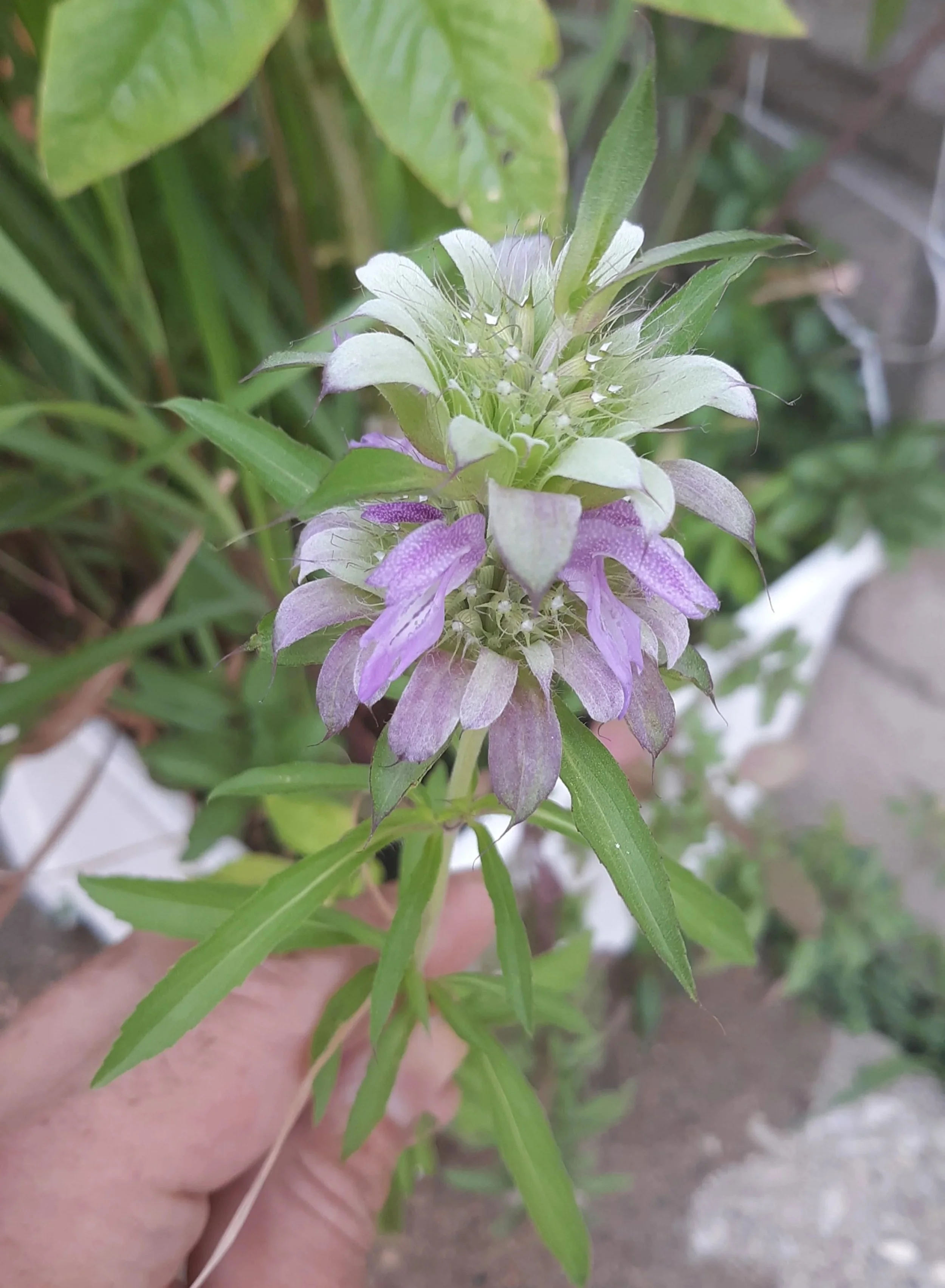 Image 6 of 10
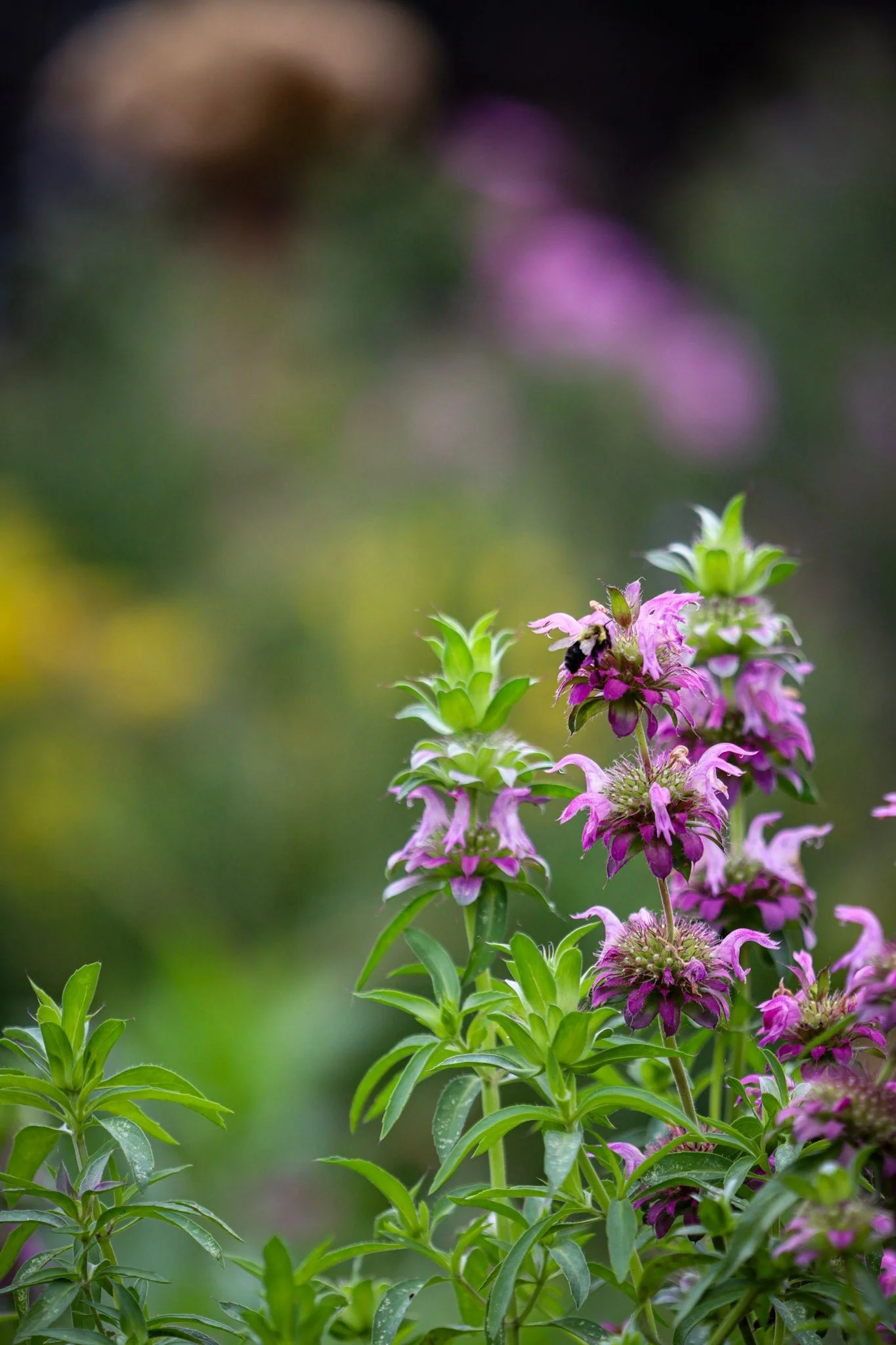 Image 7 of 10
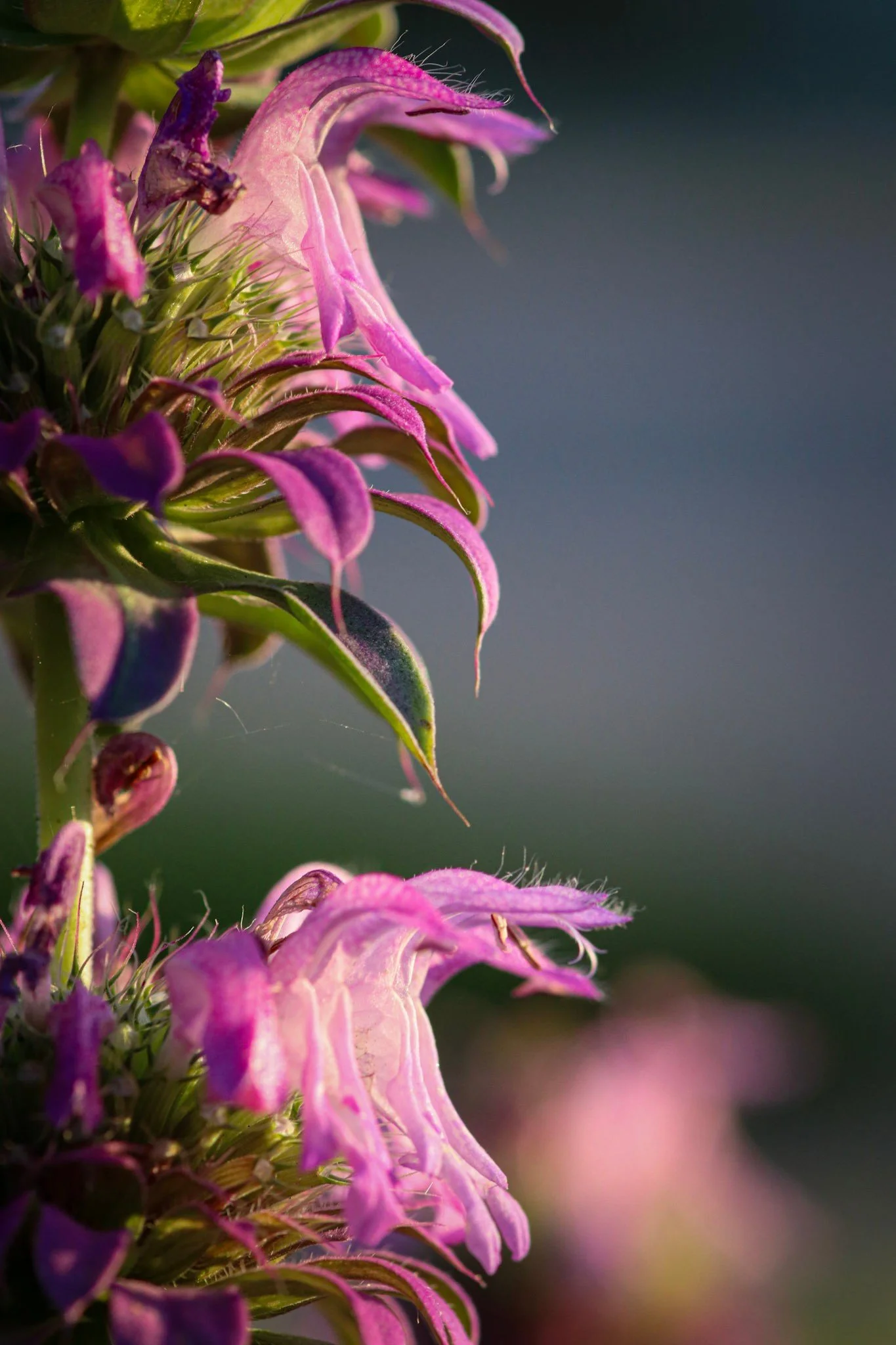 Image 8 of 10
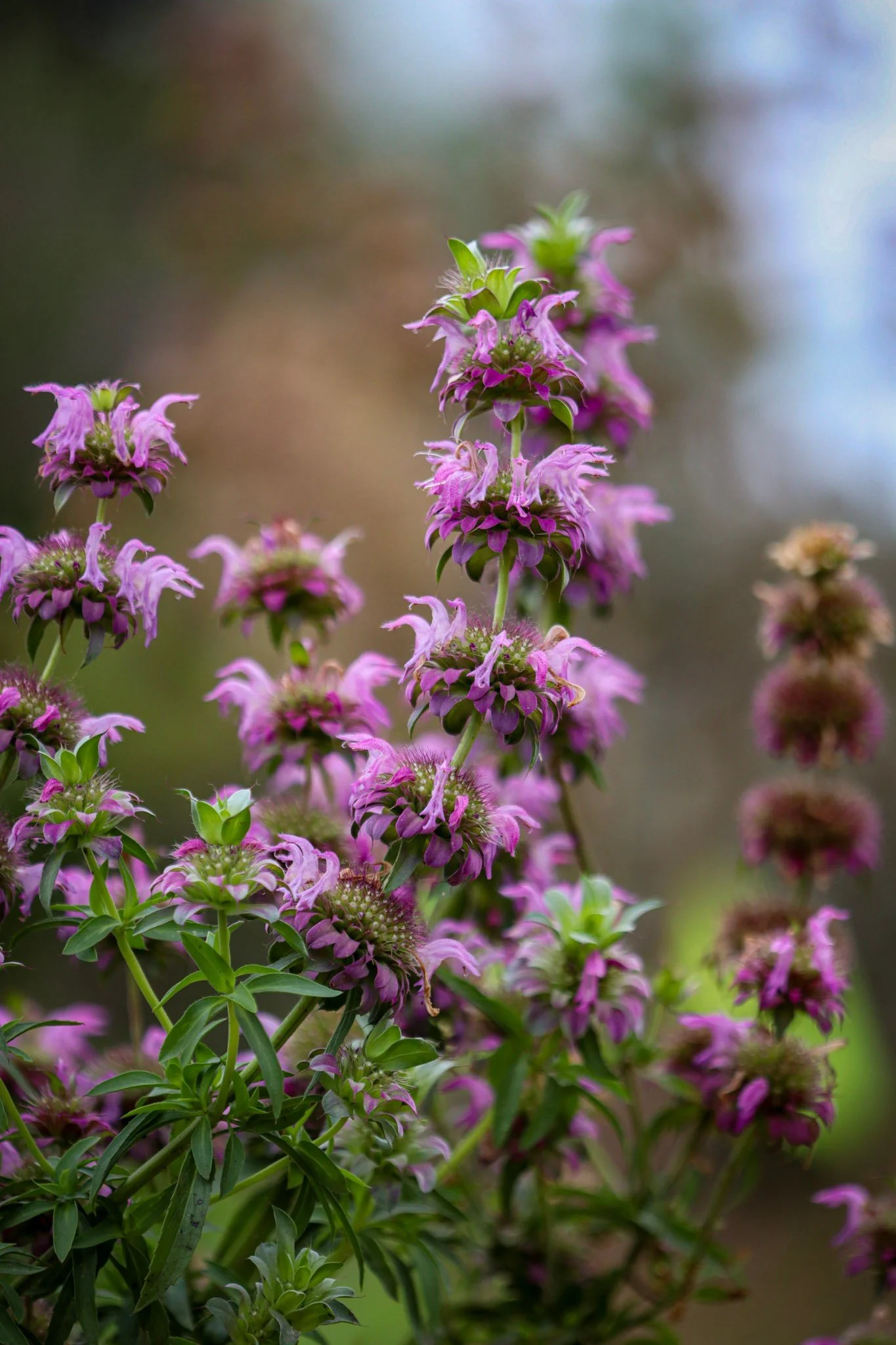 Image 9 of 10
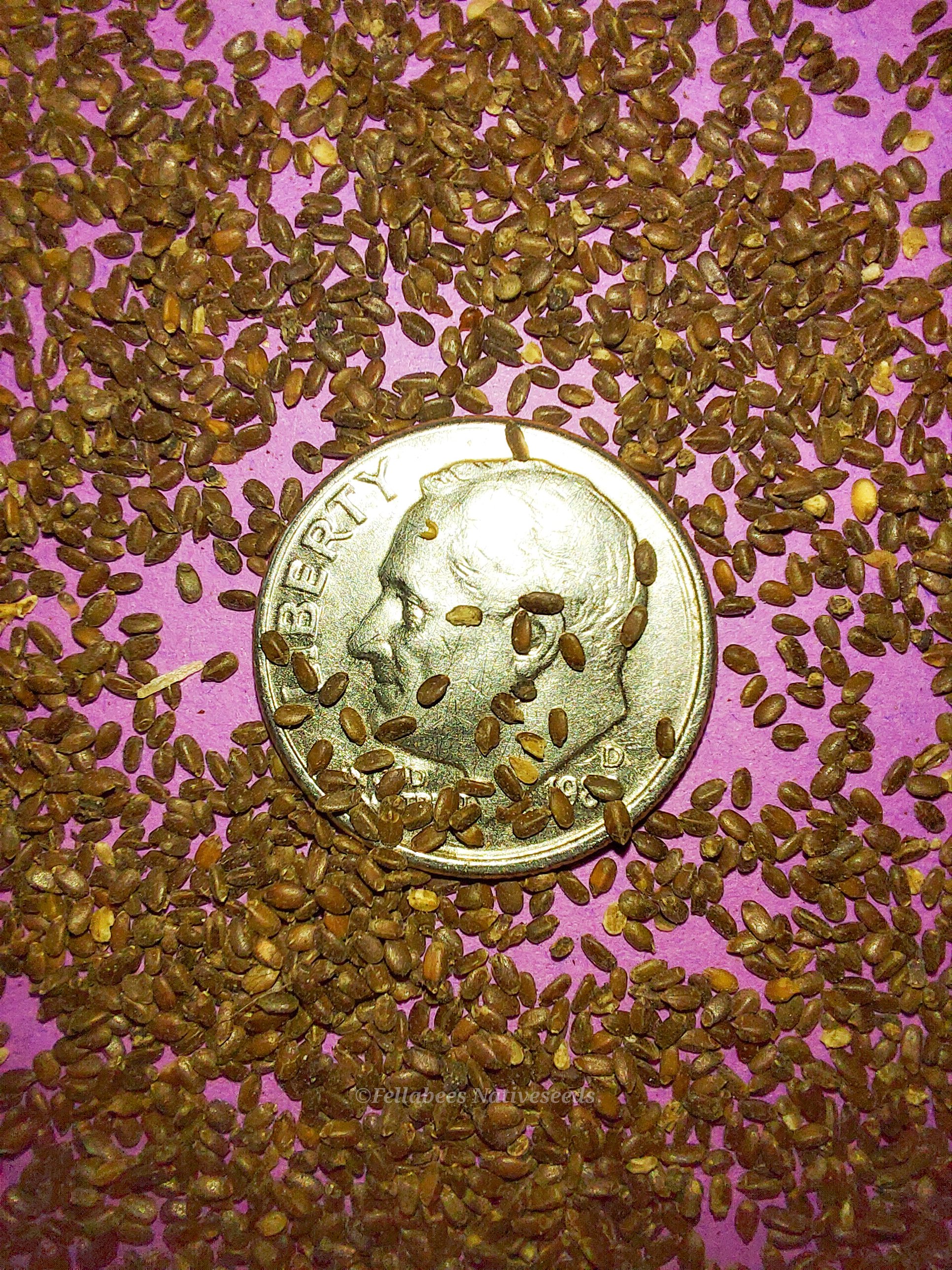 Image 10 of 10