Partridge Pea (Chamaecrista fasciculata)
Chamaecrista fasciculata is the scientific name for the native species more commonly known as Partridge Pea
Chamaecrista fasciculata provides substantial ecological benefits by fixing nitrogen in poor soils, improving soil fertility and facilitating succession in disturbed sites, while its deep taproot reduces erosion and enhances soil structure. As an early- to mid-successional annual, it establishes quickly to supply pollen and nectar during the summer, supporting a diversity of pollinators—especially native bees, small sweat bees, and long-tongued bees—and attracting butterflies and moths that use it as a nectar source. Its seeds are an important food resource for granivorous birds such as bobwhite quail and various sparrows, and small mammals browse foliage and consume seed pods.
Partridge Pea serves as a larval host for specialized native insects, including the Little Yellow (Pyrisitia lisa), Common Sulphur (Colias philodice), Sleepy Orange (Abaeis nicippe), Orange Sulphur (Colias eurytheme) and Cloudless Sulphur (Phoebis sennae) Butterflies, as well as some Hairstreak Butterflies, while contributing to broader food-web support through providing habitat structure for predatory insects and spiders that help regulate pest populations.
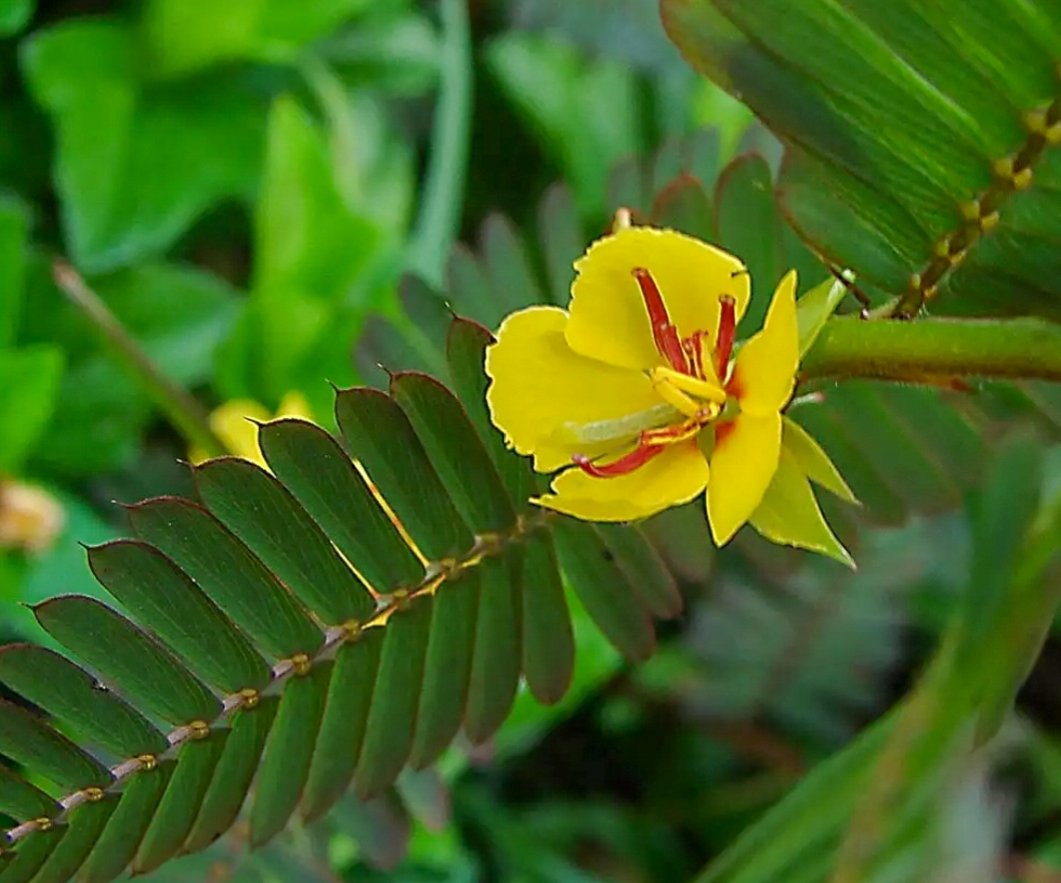
The partridge pea has raised glands on its leaf petioles that excrete a sweet nectar, attracting predatory ants, which in turn help protect the plant by preying on herbivorous insects.
The seed of Partridge Pea is one of the major food items of northern bobwhite and other quail species because it remains in sound condition throughout the winter and early spring, providing a reliable food source when other seeds are scarce. Partridge Pea seeds are high in phosphorus content and protein value, and low in crude fiber and lignin, making their digestibility generally high for many birds and small mammals. Seeds of this legume are also eaten by the greater and lesser prairie-chicken, ring‑necked pheasant, mallard, a variety of grassland birds, and field mice, contributing to its importance in prairie and grassland food webs.
Partridge Pea often grows in dense stands, producing litter and plant stalks that furnish cover for upland game birds, small mammals, small non-game birds, and waterfowl. Nectar is not available in the flowers of Partridge Pea but is produced by small orange glands at the base of each leaf. Ants often seek the nectar and are frequent visitors.
Plant Details
USDA Zones: 4-9
Germination Needs: 10 Days Cold Stratification, plant may benefit from an Inoculum. Inoculum is naturally occurring in most soils; however, this may be a needed consideration if the soil is sterile, or of low quality.
Life Cycle: Annual
Sun Exposure: Full to Partial
Soil Moisture: Medium, Medium-Dry, Dry
Plant Spacing: ½-1 foot
Height: 2 feet
Bloom time: July, August, September
Bloom Color: Yellow
Advantages:
Pollinator Favorite: butterflies, moths, bees, wasps, beetles
Bird Favorite: seeds, insects, fruit, nectar, nesting, perches.
Deer Resistant: Yes
Excellent in the home landscape!
Native to: Wisconsin, Minnesota, Iowa, Illinois, Indiana, Michigan, Ohio, Pennsylvania, New York, Maine, Massachusetts, Rhode Island, Connecticut, Delaware, Maryland, New Jersey, West Virginia, Virginia, Kentucky, Tennessee, North Carolina, South Carolina, Georgia, Florida, Alabama, Mississippi, Louisiana, Arkansas, Missouri, Texas, Oklahoma, Kansas, Nebraska, South Dakota, and New Mexico.
This species is considered present but rare in several counties of the state of Maine.
.
.
Packet quantities:
We pride ourselves on ethical, hands on, ecological management, using no mechanical or chemical methods whatsoever.
All of our native seed is hand reared, hand picked, and hand packed from native prairies under our exclusive management, never breaking chain of custody from the field until it is sent to you. Each packet is hand prepared for shipment by us, directly.
Small seed species will contain greater than 20-25 seed
Large seed species will contain greater than 10-15 seed
It is our mission to spread the wealth of native plant and pollinator ecological sustainability, and educate back yard gardeners as well as corporate and government entities in how to germinate, grow, and benefit from native synergies.
Thank you for your support, it is because of you, that we can grow together to do, what we do. 🐛🦋🐝🐞🌾🌱🌼🧡
Partridge Pea (Chamaecrista fasciculata)
Chamaecrista fasciculata is the scientific name for the native species more commonly known as Partridge Pea
Chamaecrista fasciculata provides substantial ecological benefits by fixing nitrogen in poor soils, improving soil fertility and facilitating succession in disturbed sites, while its deep taproot reduces erosion and enhances soil structure. As an early- to mid-successional annual, it establishes quickly to supply pollen and nectar during the summer, supporting a diversity of pollinators—especially native bees, small sweat bees, and long-tongued bees—and attracting butterflies and moths that use it as a nectar source. Its seeds are an important food resource for granivorous birds such as bobwhite quail and various sparrows, and small mammals browse foliage and consume seed pods.
Partridge Pea serves as a larval host for specialized native insects, including the Little Yellow (Pyrisitia lisa), Common Sulphur (Colias philodice), Sleepy Orange (Abaeis nicippe), Orange Sulphur (Colias eurytheme) and Cloudless Sulphur (Phoebis sennae) Butterflies, as well as some Hairstreak Butterflies, while contributing to broader food-web support through providing habitat structure for predatory insects and spiders that help regulate pest populations.
The partridge pea has raised glands on its leaf petioles that excrete a sweet nectar, attracting predatory ants, which in turn help protect the plant by preying on herbivorous insects.
The seed of Partridge Pea is one of the major food items of northern bobwhite and other quail species because it remains in sound condition throughout the winter and early spring, providing a reliable food source when other seeds are scarce. Partridge Pea seeds are high in phosphorus content and protein value, and low in crude fiber and lignin, making their digestibility generally high for many birds and small mammals. Seeds of this legume are also eaten by the greater and lesser prairie-chicken, ring‑necked pheasant, mallard, a variety of grassland birds, and field mice, contributing to its importance in prairie and grassland food webs.
Partridge Pea often grows in dense stands, producing litter and plant stalks that furnish cover for upland game birds, small mammals, small non-game birds, and waterfowl. Nectar is not available in the flowers of Partridge Pea but is produced by small orange glands at the base of each leaf. Ants often seek the nectar and are frequent visitors.
Plant Details
USDA Zones: 4-9
Germination Needs: 10 Days Cold Stratification, plant may benefit from an Inoculum. Inoculum is naturally occurring in most soils; however, this may be a needed consideration if the soil is sterile, or of low quality.
Life Cycle: Annual
Sun Exposure: Full to Partial
Soil Moisture: Medium, Medium-Dry, Dry
Plant Spacing: ½-1 foot
Height: 2 feet
Bloom time: July, August, September
Bloom Color: Yellow
Advantages:
Pollinator Favorite: butterflies, moths, bees, wasps, beetles
Bird Favorite: seeds, insects, fruit, nectar, nesting, perches.
Deer Resistant: Yes
Excellent in the home landscape!
Native to: Wisconsin, Minnesota, Iowa, Illinois, Indiana, Michigan, Ohio, Pennsylvania, New York, Maine, Massachusetts, Rhode Island, Connecticut, Delaware, Maryland, New Jersey, West Virginia, Virginia, Kentucky, Tennessee, North Carolina, South Carolina, Georgia, Florida, Alabama, Mississippi, Louisiana, Arkansas, Missouri, Texas, Oklahoma, Kansas, Nebraska, South Dakota, and New Mexico.
This species is considered present but rare in several counties of the state of Maine.
.
.
Packet quantities:
We pride ourselves on ethical, hands on, ecological management, using no mechanical or chemical methods whatsoever.
All of our native seed is hand reared, hand picked, and hand packed from native prairies under our exclusive management, never breaking chain of custody from the field until it is sent to you. Each packet is hand prepared for shipment by us, directly.
Small seed species will contain greater than 20-25 seed
Large seed species will contain greater than 10-15 seed
It is our mission to spread the wealth of native plant and pollinator ecological sustainability, and educate back yard gardeners as well as corporate and government entities in how to germinate, grow, and benefit from native synergies.
Thank you for your support, it is because of you, that we can grow together to do, what we do. 🐛🦋🐝🐞🌾🌱🌼🧡
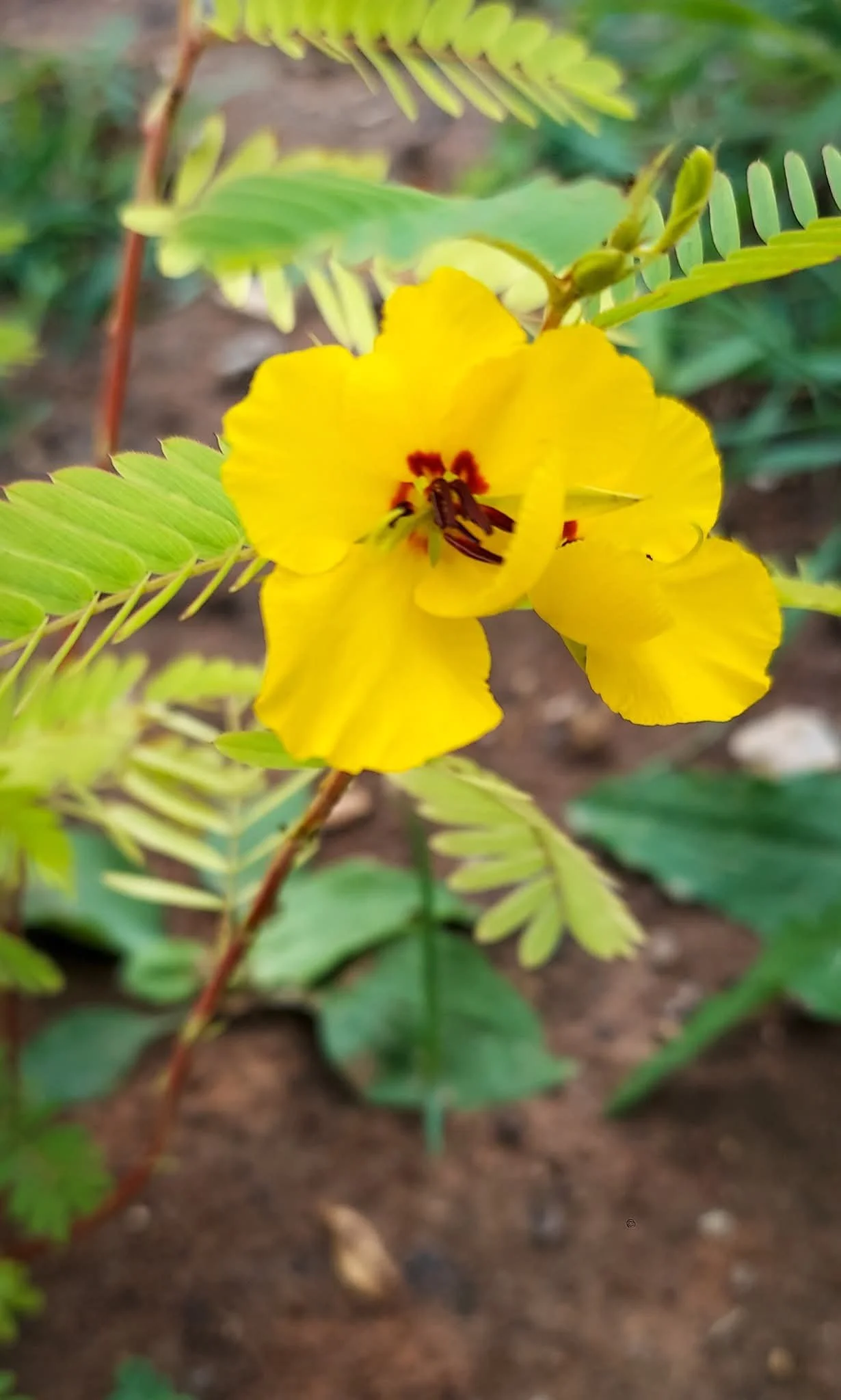 Image 1 of 5
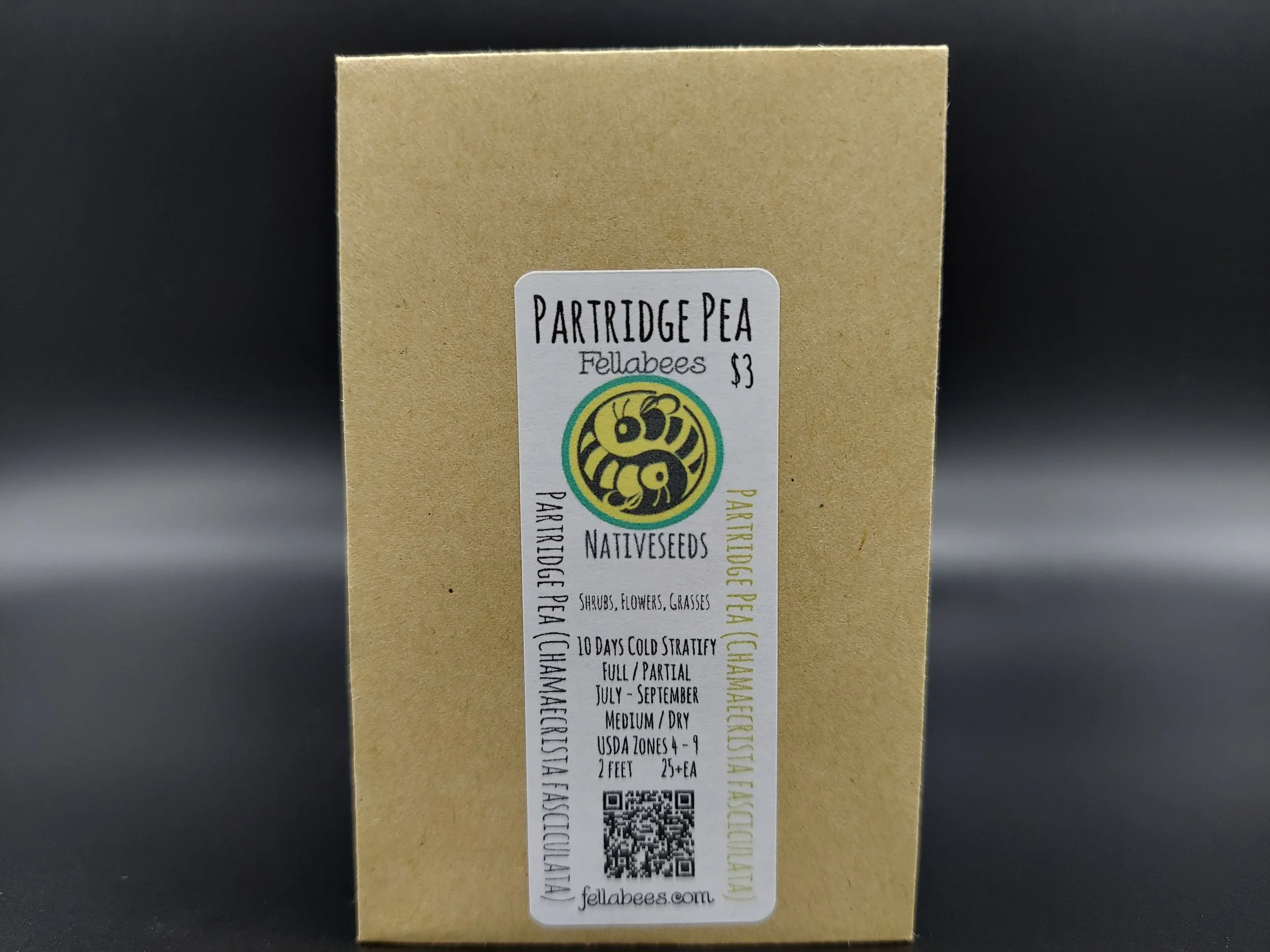 Image 2 of 5
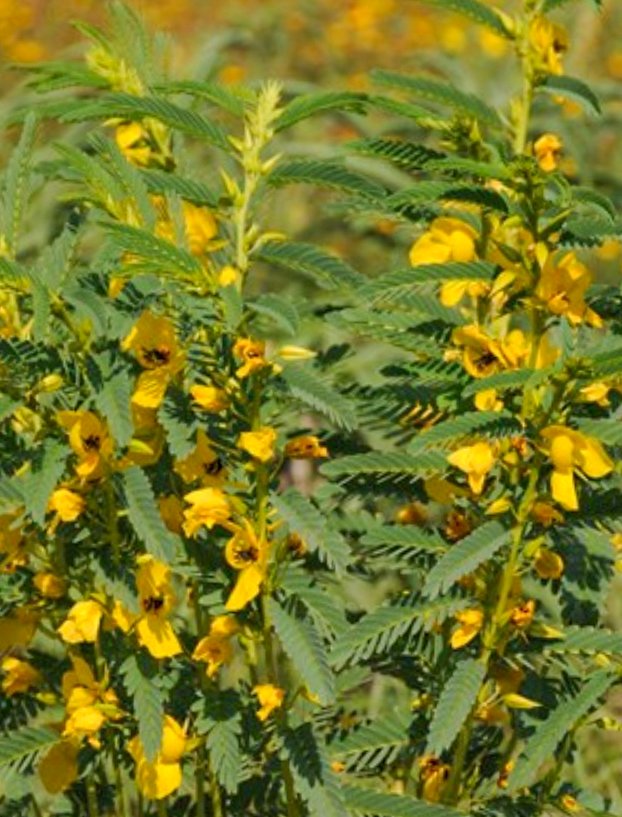 Image 3 of 5
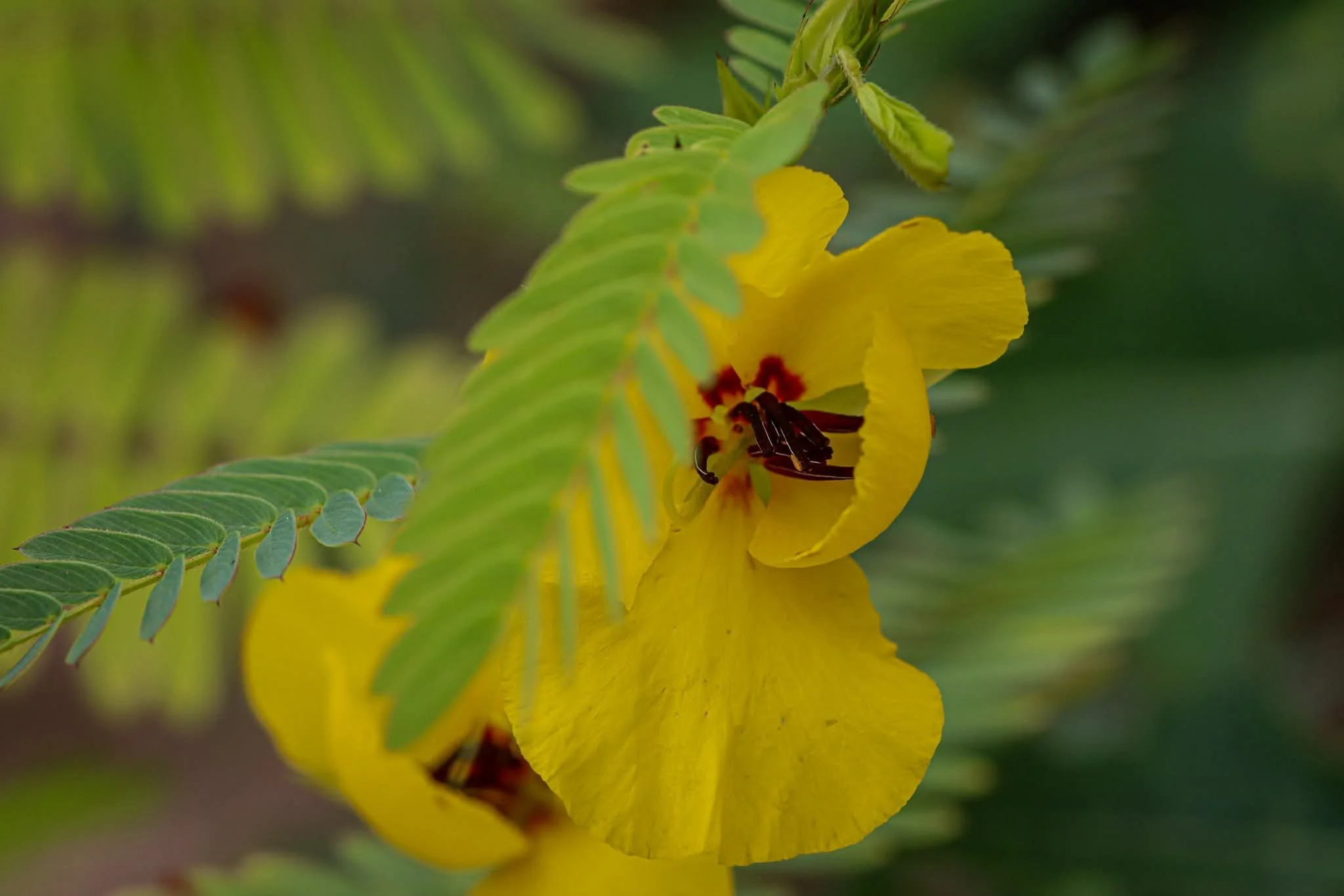 Image 4 of 5
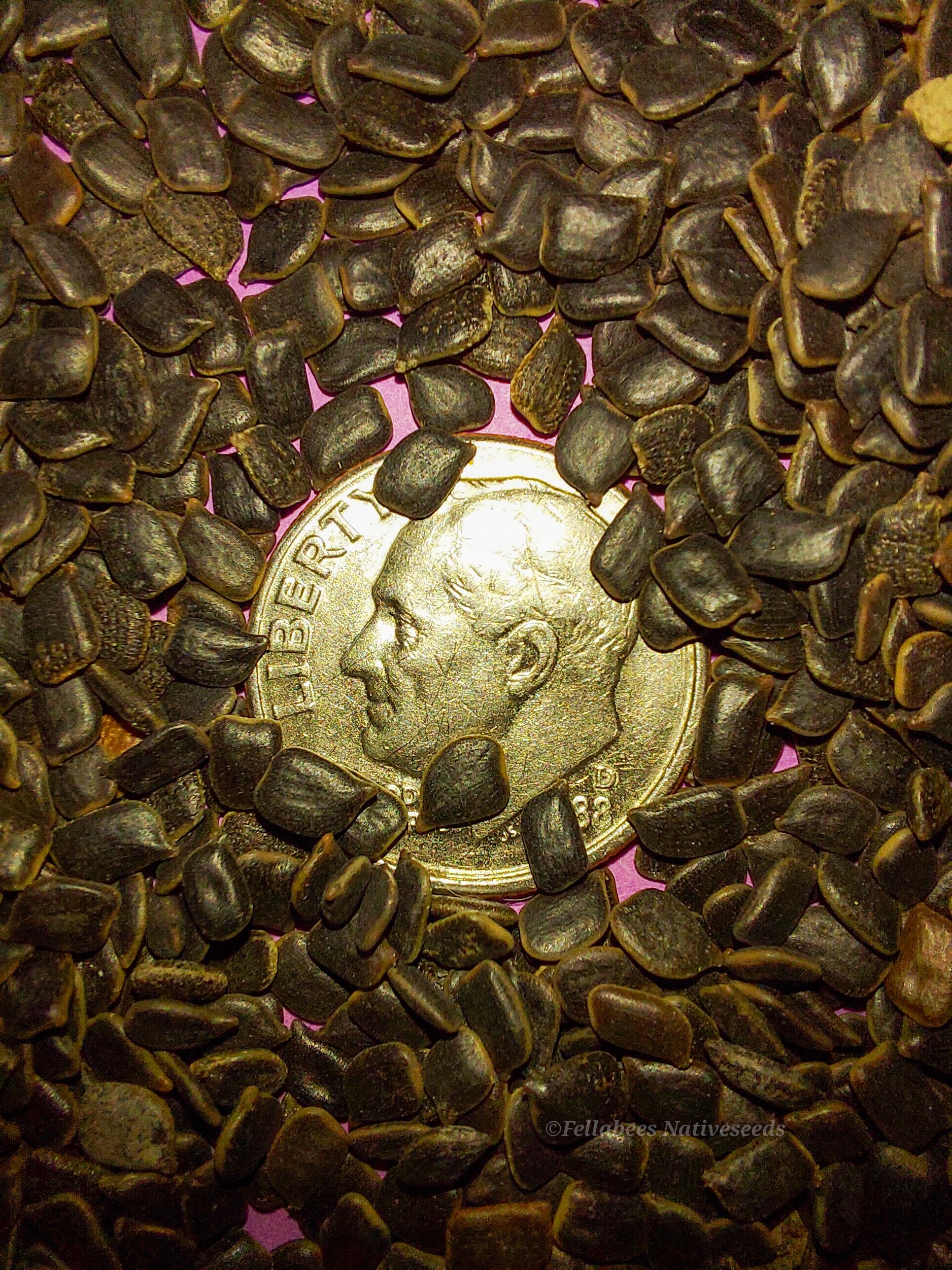 Image 5 of 5