Sale Price:
$1.00
Original Price:
$3.00
Prairie Dropseed (Sporobolus heterolepis)
Sporobolus heterolepis is the scientific name for the species more commonly known as Prairie Dropseed; it is a native prairie grass of central North America, occurring naturally in the tallgrass and mixed-grass prairies from Texas northward into southern Canada. Although it also appears farther east, reaching the Atlantic coast of the United States and Canada, Prairie Dropseed becomes much less common beyond the Great Plains and is generally confined there to specialized habitats. Overall, its range includes populations in 27 U.S. states and four Canadian provinces.
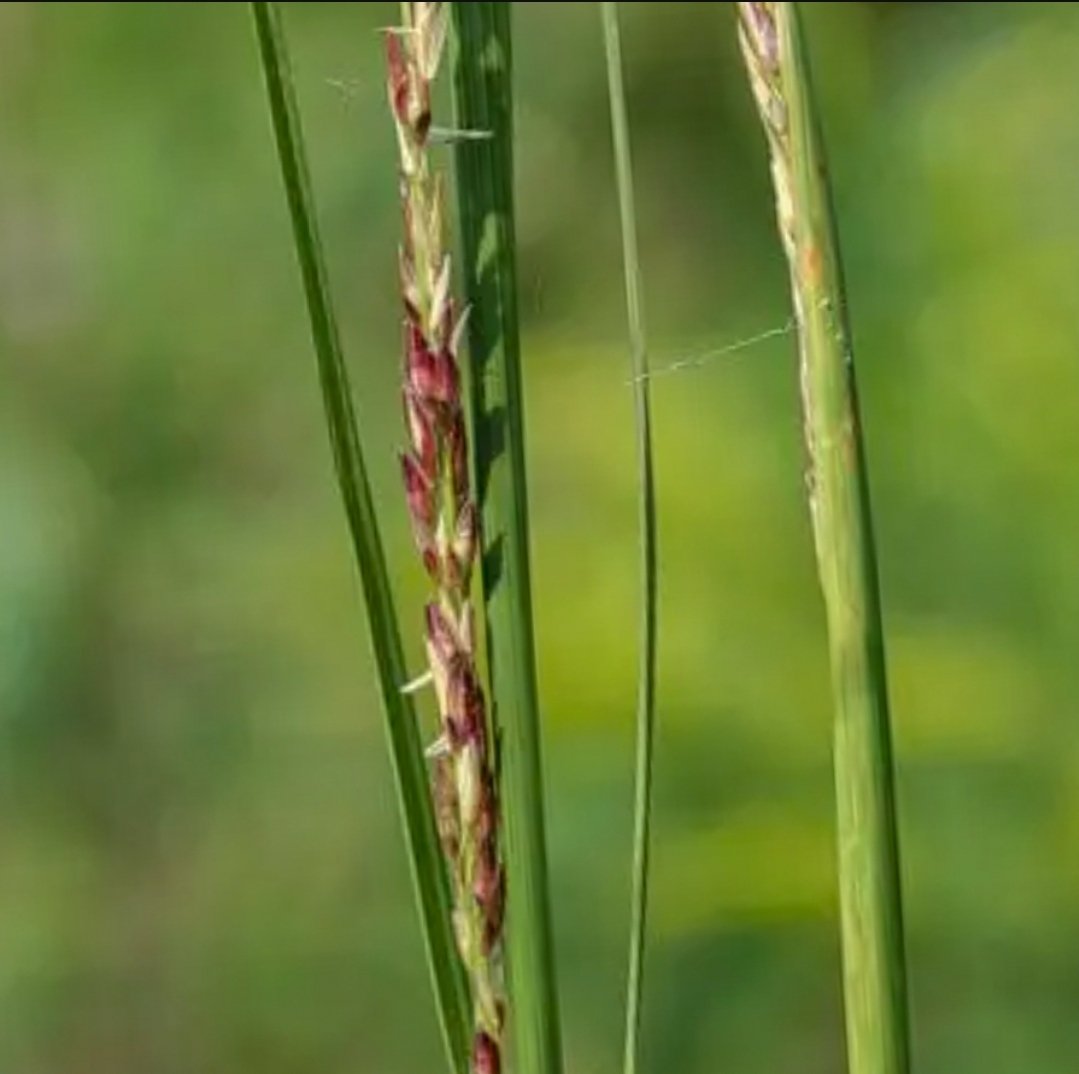
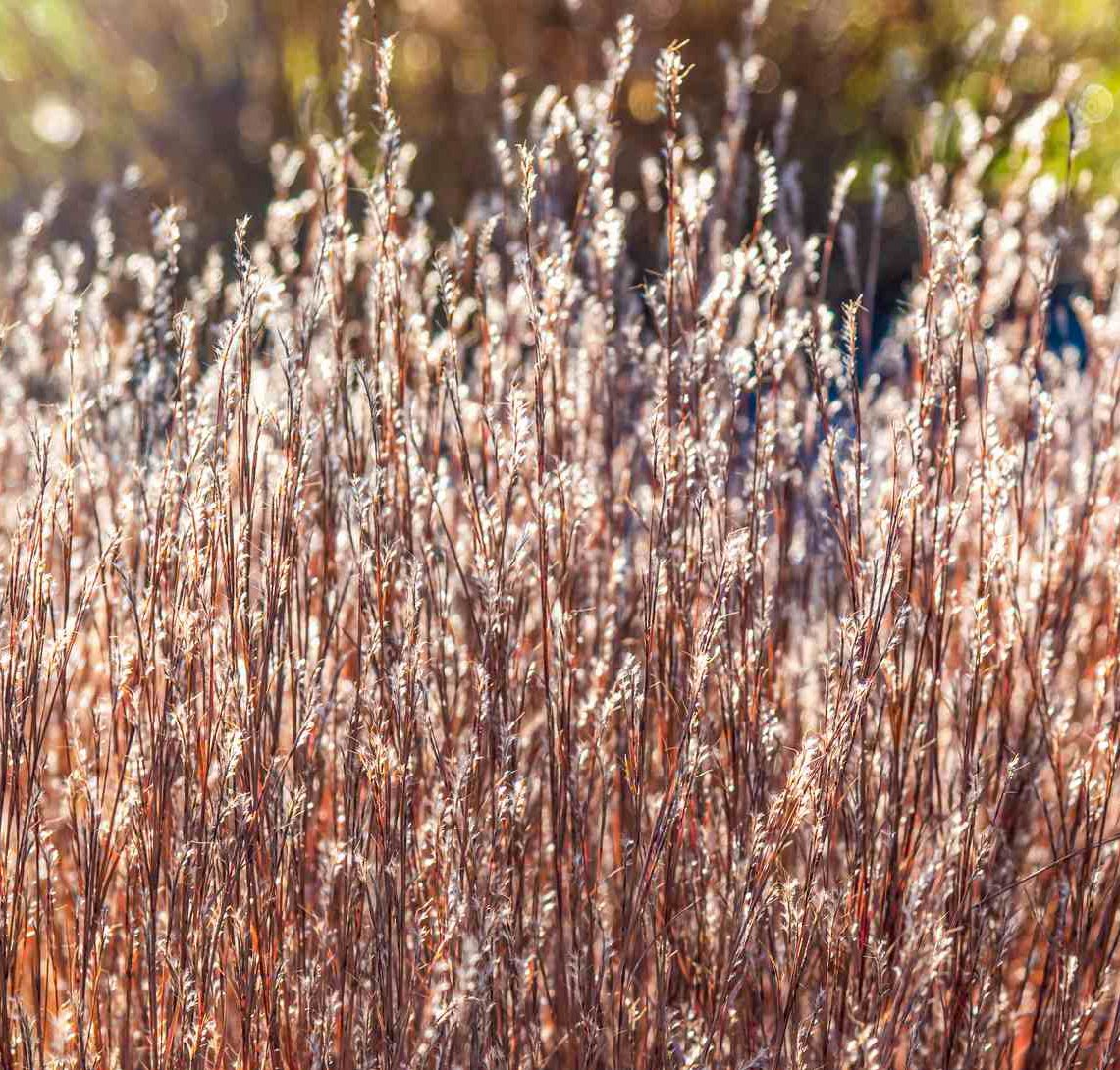
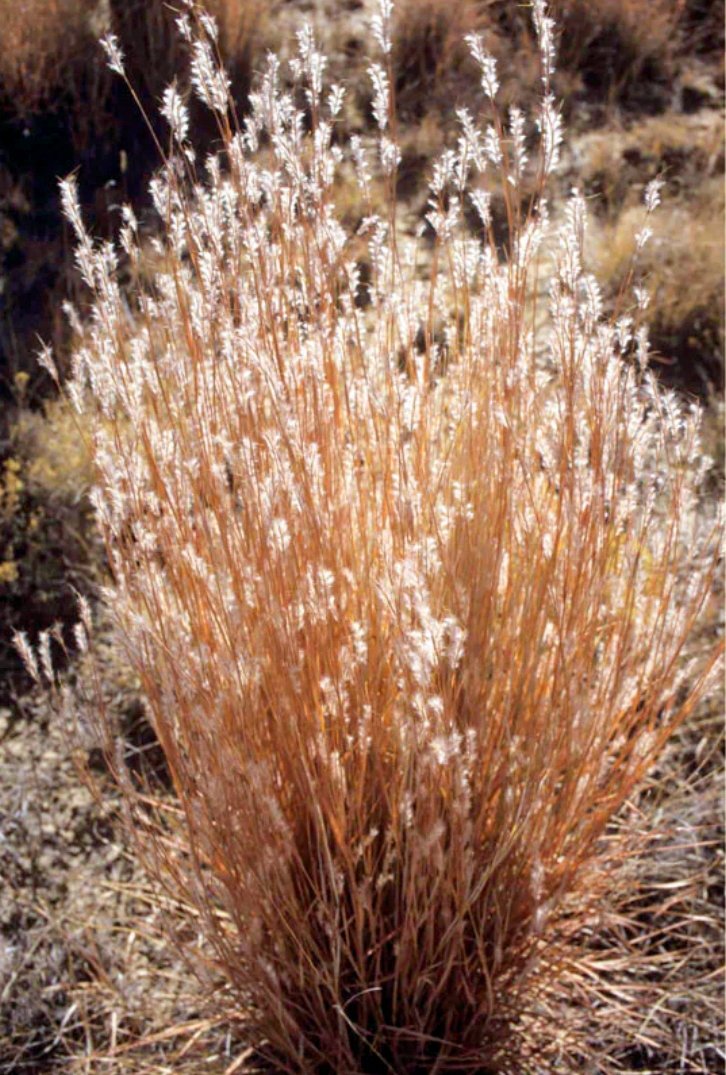
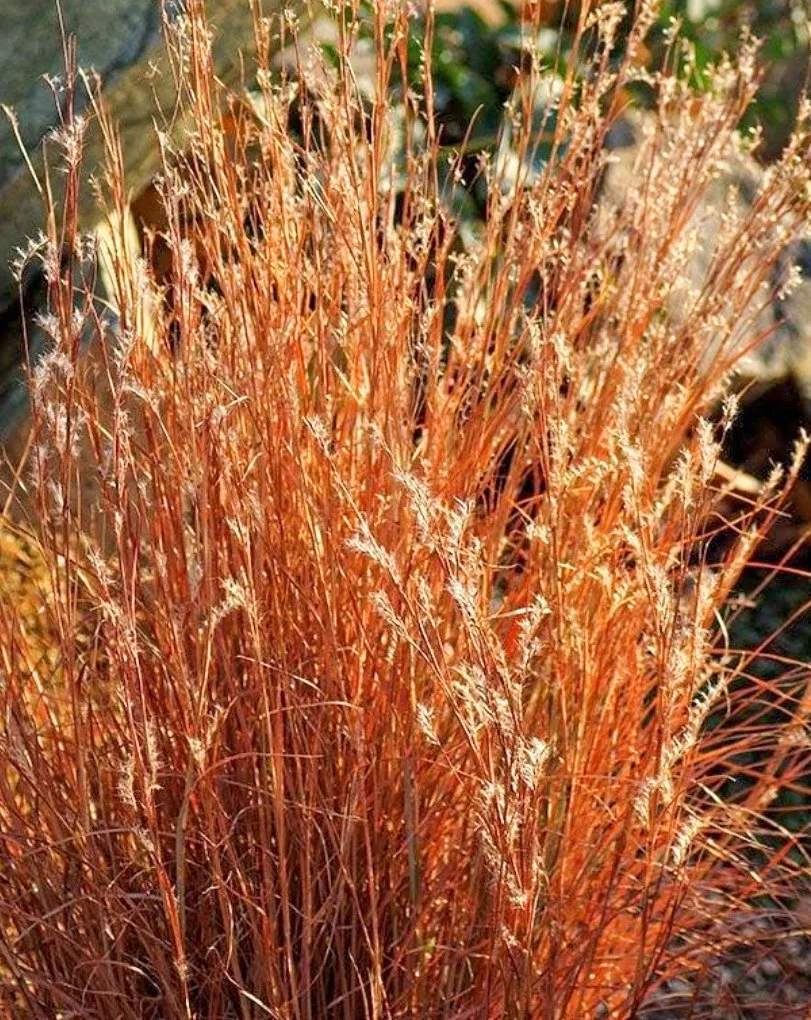
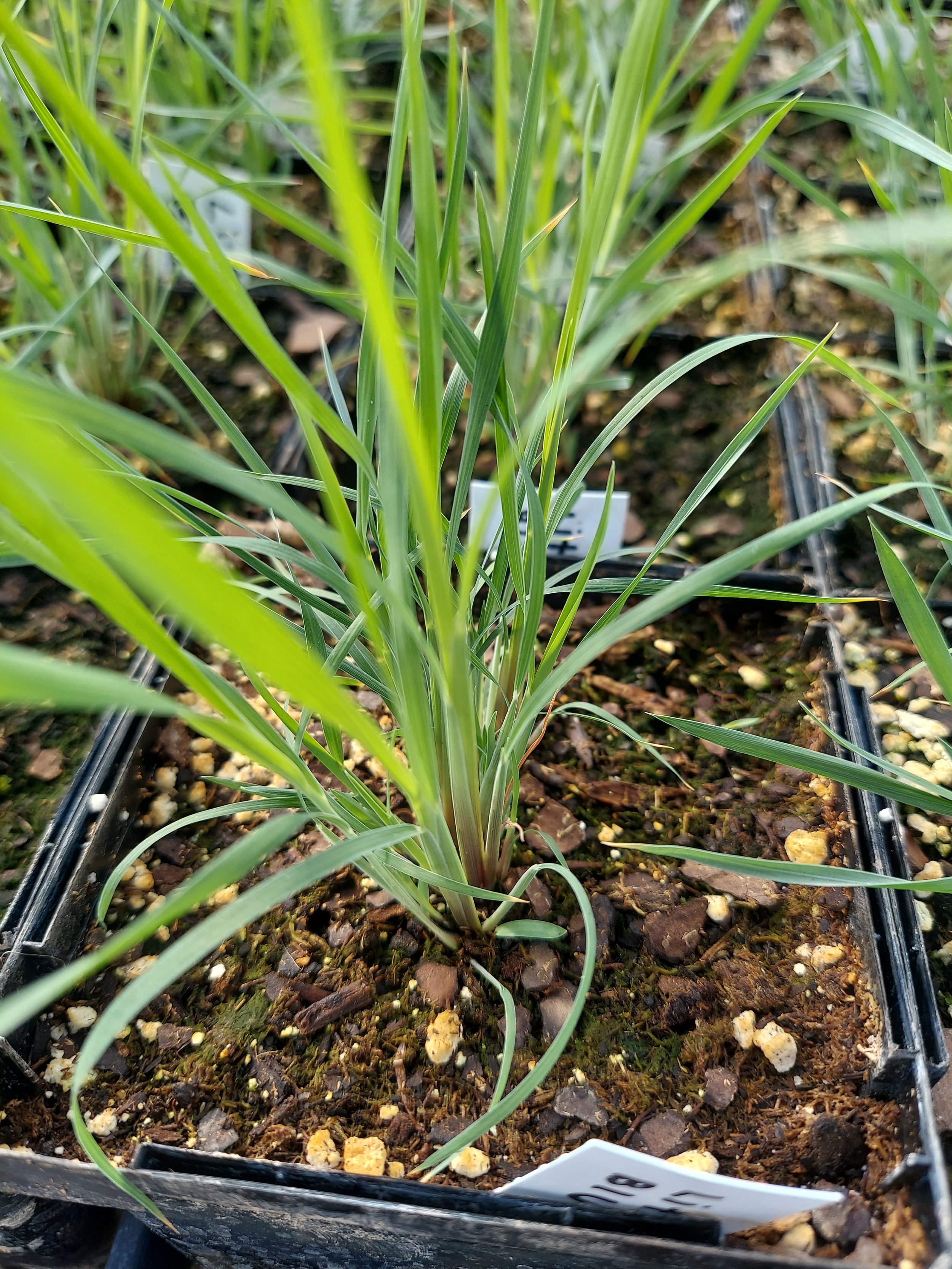
Prairie Dropseed is a fine-textured grass with long, narrow leaves that arch outward, forming attractive, round tufts. The leaves range in color from a rich green hue in summer to a warm golden-rust tone in the fall. Foliage is resilient enough to resist flattening by snow, so it provides structural year-round interest in the landscape. From late July to mid-September, the grass blooms with airy, rusty-tan seed panicles that rise about 30 to 36 inches above the clump, adding movement and late-season character similar to its less showy cousin Rough Dropseed (Sporobolus compositus).
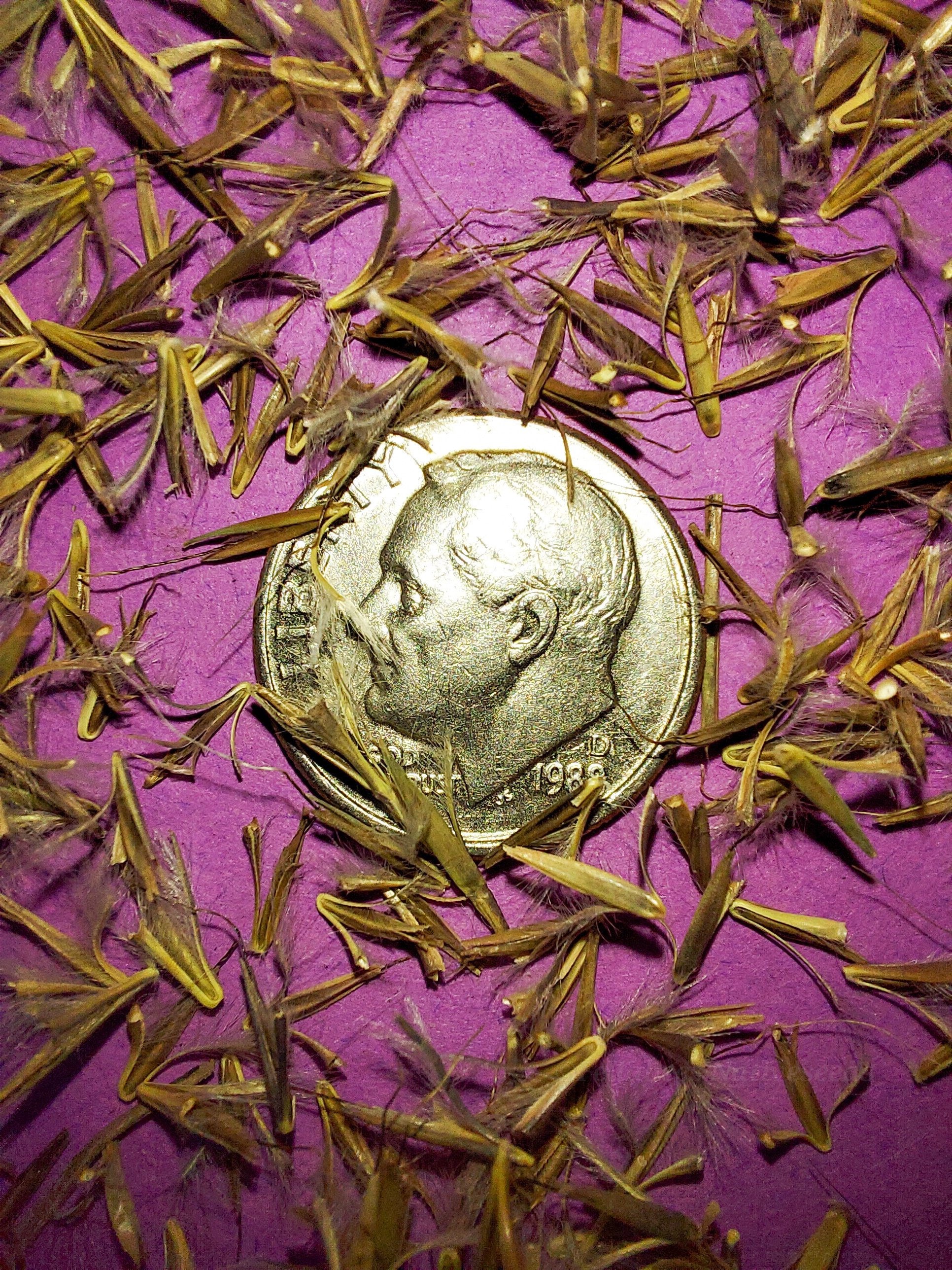
Prairie Dropseed thrives in moist to dry soils but is rare in wetlands. Drought-tolerant, it's used on green roofs, roadsides, and prairie restorations. Seedheads smell like popcorn, cilantro, or sunflower seeds; many native birds eat the seeds. Native Americans ground them into flour for flavorful bread.
Plant Details
USDA Zones: 3-9
Germination Needs: No special treatment needed.
Life Cycle: Perennial
Sun Exposure: Full to Partial
Soil Moisture: Medium-Wet, Medium, Medium-Dry, Dry
Plant Spacing: 2-3 feet
Height: 2 feet
Bloom time: August, September, October
Bloom Color: Green
Advantages:
Bird Favorite: seeds, insects, fruit, nectar, nesting, perches.
Deer Resistant: Yes
Excellent in the home landscape!
Native to: Wisconsin, Minnesota, Iowa, Illinois, Indiana, Michigan, Ohio, Pennsylvania, New York, Massachusetts, Connecticut, Maryland, Virginia, Kentucky, Tennessee, North Carolina, Georgia, Arkansas, Missouri, Texas, Oklahoma, Kansas, Nebraska, South Dakota, North Dakota, Wyoming, Colorado, and New Mexico.
This species is considered present but rare in several counties of the states of Michigan, New York, Connecticut, Pennsylvania, Virginia, Ohio, Kentucky, Tennessee, Georgia, Texas, Oklahoma, New Mexico, and Wyoming.
This plant is considered to be extirpated (locally extinct) in one county of the state of Massachusetts.
.
.
Packet quantities:
We pride ourselves on ethical, hands on, ecological management, using no mechanical or chemical methods whatsoever.
All of our native seed is hand reared, hand picked, and hand packed from native prairies under our exclusive management, never breaking chain of custody from the field until it is sent to you. Each packet is hand prepared for shipment by us, directly.
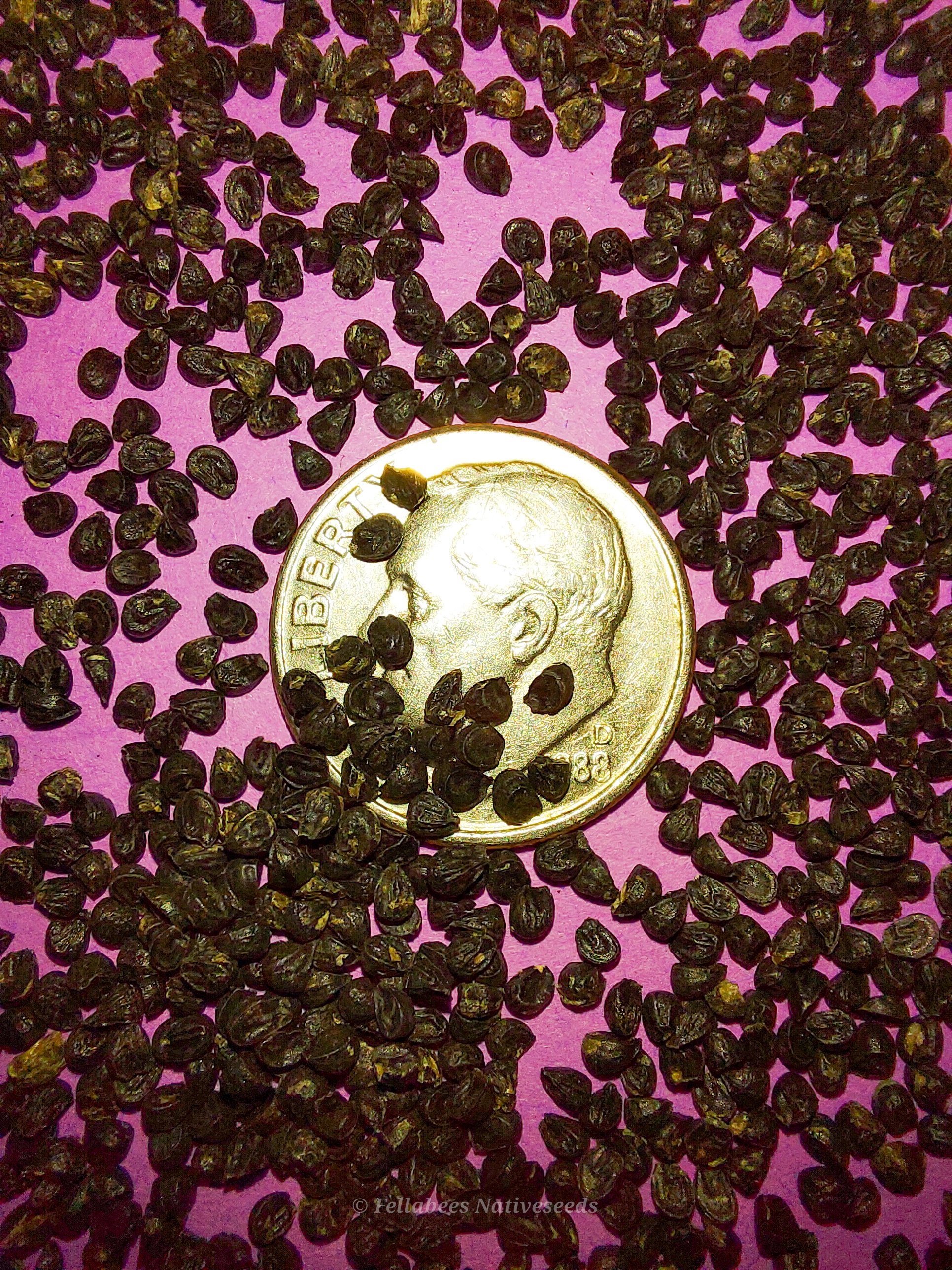
Small seed species will contain greater than 20-25 seed
Large seed species will contain greater than 10-15 seed
It is our mission to spread the wealth of native plant and pollinator ecological sustainability and educate back yard gardeners as well as corporate and government entities in how to germinate, grow, and benefit from native synergies.
Thank you for your support, it is because of you, that we can grow together to do, what we do. 🐛🦋🐝🐞🌾🌱🌼🧡
Prairie Dropseed (Sporobolus heterolepis)
Sporobolus heterolepis is the scientific name for the species more commonly known as Prairie Dropseed; it is a native prairie grass of central North America, occurring naturally in the tallgrass and mixed-grass prairies from Texas northward into southern Canada. Although it also appears farther east, reaching the Atlantic coast of the United States and Canada, Prairie Dropseed becomes much less common beyond the Great Plains and is generally confined there to specialized habitats. Overall, its range includes populations in 27 U.S. states and four Canadian provinces.
Prairie Dropseed is a fine-textured grass with long, narrow leaves that arch outward, forming attractive, round tufts. The leaves range in color from a rich green hue in summer to a warm golden-rust tone in the fall. Foliage is resilient enough to resist flattening by snow, so it provides structural year-round interest in the landscape. From late July to mid-September, the grass blooms with airy, rusty-tan seed panicles that rise about 30 to 36 inches above the clump, adding movement and late-season character similar to its less showy cousin Rough Dropseed (Sporobolus compositus).
Prairie Dropseed thrives in moist to dry soils but is rare in wetlands. Drought-tolerant, it's used on green roofs, roadsides, and prairie restorations. Seedheads smell like popcorn, cilantro, or sunflower seeds; many native birds eat the seeds. Native Americans ground them into flour for flavorful bread.
Plant Details
USDA Zones: 3-9
Germination Needs: No special treatment needed.
Life Cycle: Perennial
Sun Exposure: Full to Partial
Soil Moisture: Medium-Wet, Medium, Medium-Dry, Dry
Plant Spacing: 2-3 feet
Height: 2 feet
Bloom time: August, September, October
Bloom Color: Green
Advantages:
Bird Favorite: seeds, insects, fruit, nectar, nesting, perches.
Deer Resistant: Yes
Excellent in the home landscape!
Native to: Wisconsin, Minnesota, Iowa, Illinois, Indiana, Michigan, Ohio, Pennsylvania, New York, Massachusetts, Connecticut, Maryland, Virginia, Kentucky, Tennessee, North Carolina, Georgia, Arkansas, Missouri, Texas, Oklahoma, Kansas, Nebraska, South Dakota, North Dakota, Wyoming, Colorado, and New Mexico.
This species is considered present but rare in several counties of the states of Michigan, New York, Connecticut, Pennsylvania, Virginia, Ohio, Kentucky, Tennessee, Georgia, Texas, Oklahoma, New Mexico, and Wyoming.
This plant is considered to be extirpated (locally extinct) in one county of the state of Massachusetts.
.
.
Packet quantities:
We pride ourselves on ethical, hands on, ecological management, using no mechanical or chemical methods whatsoever.
All of our native seed is hand reared, hand picked, and hand packed from native prairies under our exclusive management, never breaking chain of custody from the field until it is sent to you. Each packet is hand prepared for shipment by us, directly.
Small seed species will contain greater than 20-25 seed
Large seed species will contain greater than 10-15 seed
It is our mission to spread the wealth of native plant and pollinator ecological sustainability and educate back yard gardeners as well as corporate and government entities in how to germinate, grow, and benefit from native synergies.
Thank you for your support, it is because of you, that we can grow together to do, what we do. 🐛🦋🐝🐞🌾🌱🌼🧡
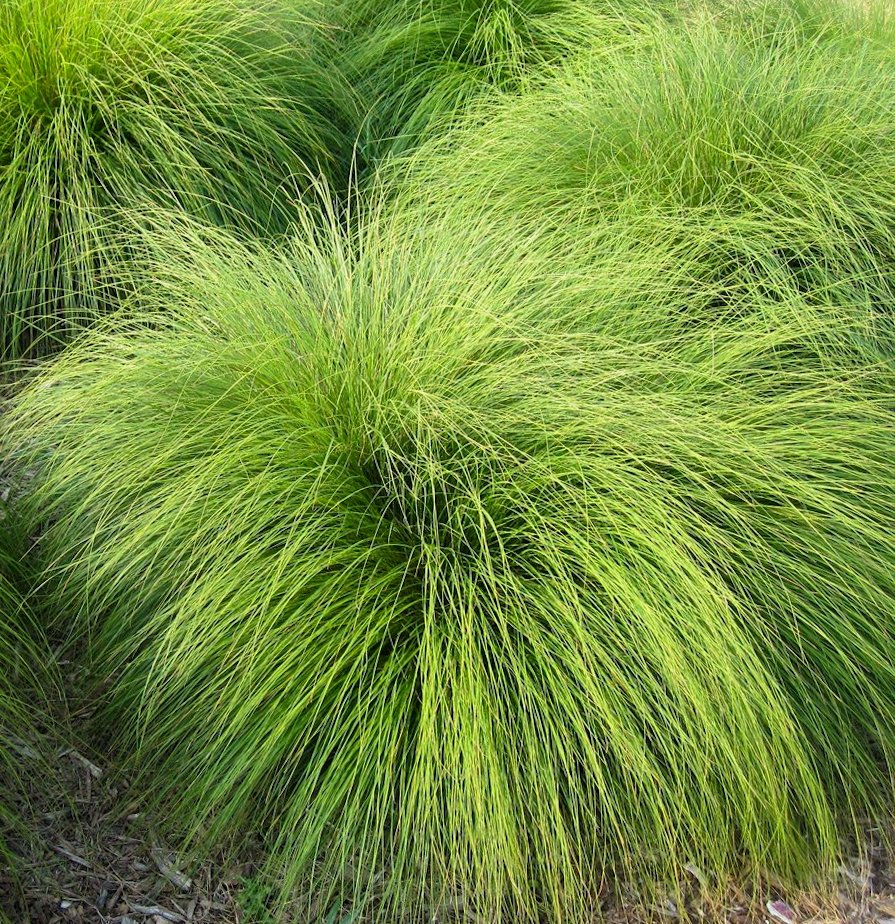 Image 1 of 6
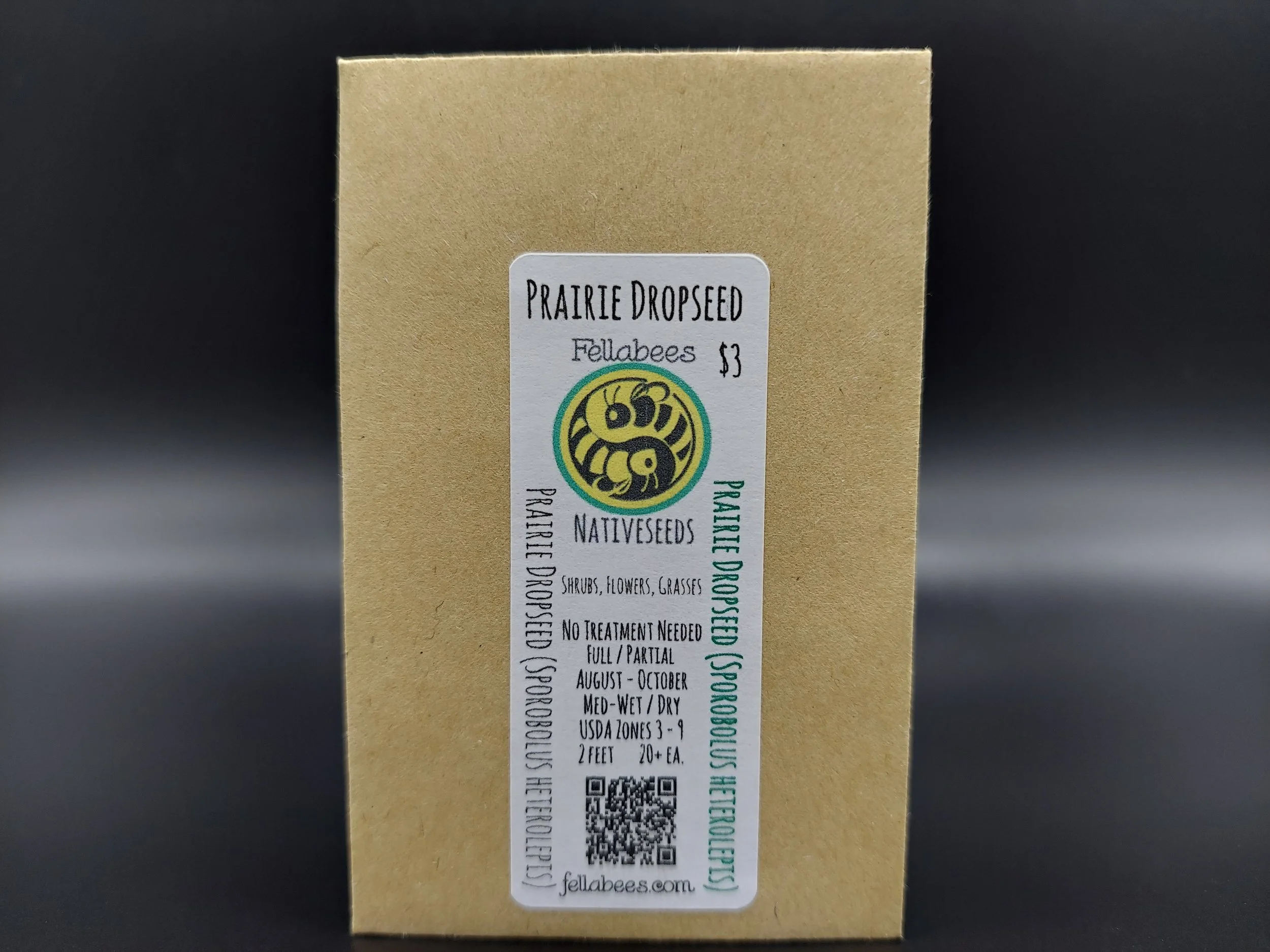 Image 2 of 6
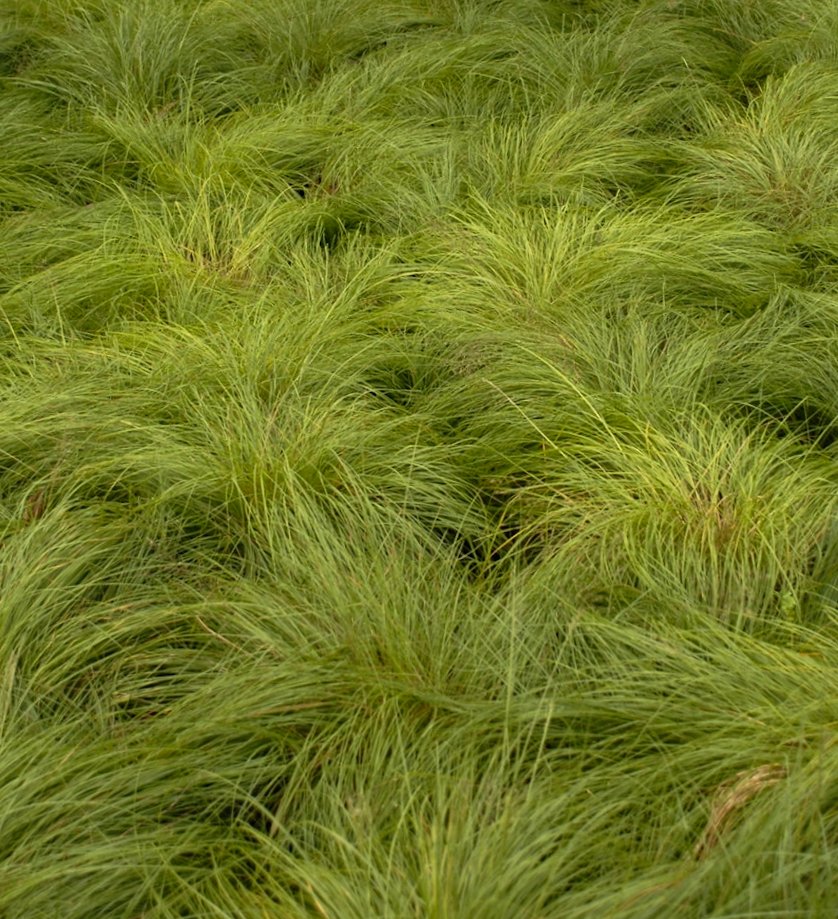 Image 3 of 6
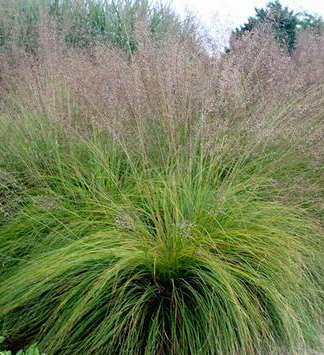 Image 4 of 6
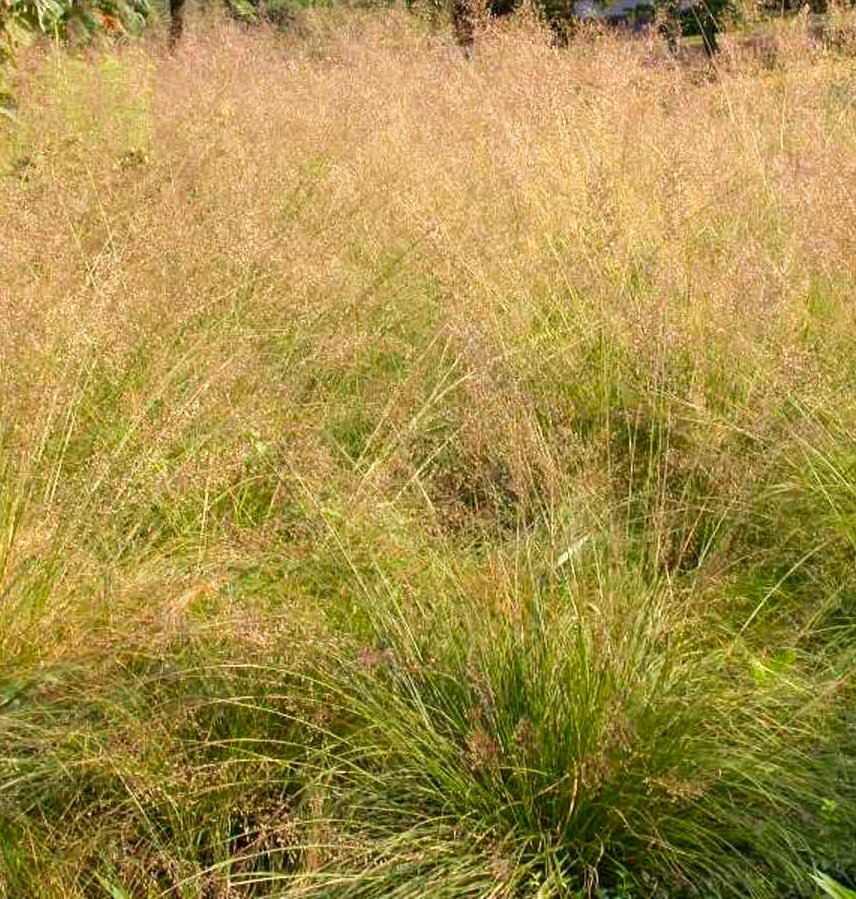 Image 5 of 6
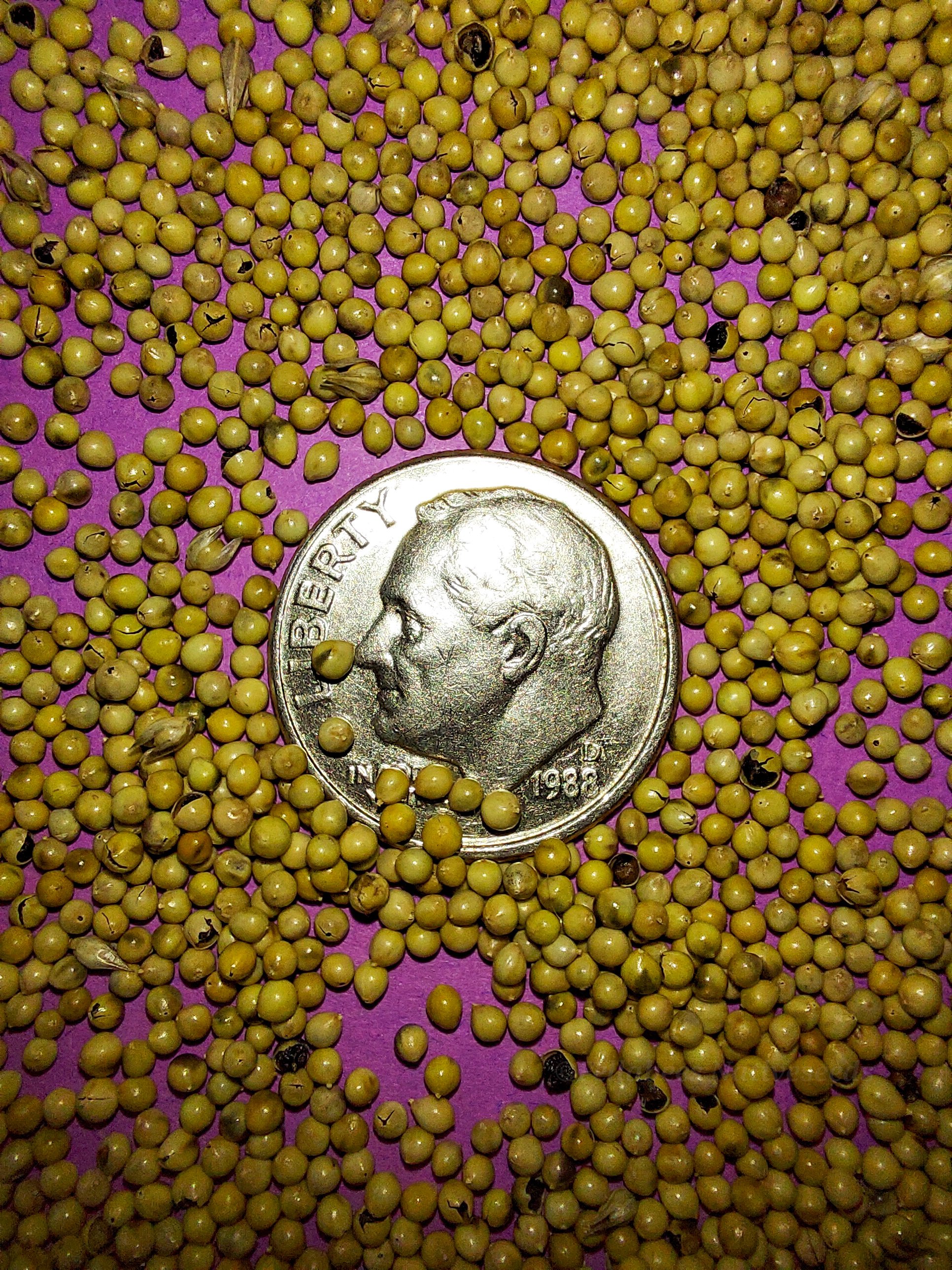 Image 6 of 6