Seedbox (Ludwigia alternifolia)
Ludwigia alternifolia, commonly known as Seedbox, Bushy Seedbox, Rattlebox, and Square-pod Water-Primrose, is an herbaceous perennial plant of the Evening Primrose Family, Onagraceae. Native to central and eastern North America, it typically grows in marshes, wet meadows, swamps, and other seasonally or permanently saturated soils. The plant produces bright yellow, four-petaled flowers and distinctive brown seed pods that are roughly cube-shaped, giving rise to its common names.
This widespread and unique species shows us that cubes and 90° angles do indeed exist in nature.
Seedbox is a moist soil loving species. Doing well in raingardens and wet prairies, edges of swamps, bogs and marshes, this tenacious perennial is an excellent choice beside Marsh Milkweed, Giant Hyssops, Dogbane, Spikenard, Canada Milk Vetch, Wild Indigos, American Bellflowers, and Turtleheads!
Seedbox is frequently visited by a wide variety of native bees such as solitary bees, bumble bees, and small sweat bees, whose foraging behavior and body size make them especially efficient pollinators. Because these insects repeatedly contact both the male and female parts of the flowers during nectar and pollen collection, pollination rates are high; each successfully pollinated fruit can produce thousands of viable seeds. As a result, the species is a prolific self-seeder and readily builds dense local populations where competition is lacking.
Despite its ability to reproduce abundantly, this plant tends not to dominate long-term plant communities. Seedlings establish readily in open or disturbed patches, but the species is also relatively shade-intolerant and slows where neighboring native perennials become mature and dense. Established native grasses and forbs suppress its recruitment by shading and competing for moisture and nutrients, so over time it will often yield space to other long-lived, established natives rather than forming persistent monocultures.
These interaction dynamics make the plant an excellent choice for pollinator-supportive plantings and for jump-starting restoration areas: it attracts and feeds native bees, builds soil seed banks, and fills open niches early on, while ultimately integrating into a diverse native assemblage as other species mature.
Plant Details
USDA Zones: 4-8
Germination Needs: 60 Days Cold Stratification
Life Cycle: Perennial
Sun Exposure: Full to Partial
Soil Moisture: Medium-Wet
Plant Spacing: 1½-2 feet
Height: 3 feet
Bloom time: May, June, July
Bloom Color: Yellow
Advantages:
Pollinator Favorite: butterflies, moths, bees, wasps, beetles
Bird Favorite: seeds, insects, fruit, nectar, nesting, perches.
Deer Resistant: No
Native to: Wisconsin, Iowa, Illinois, Indiana, Michigan, Ohio, Pennsylvania, New York, Massachusetts, Rhode Island, Connecticut, Delaware, Maryland, New Jersey, West Virginia, Virginia, Kentucky, Tennessee, North Carolina, South Carolina, Georgia, Florida, Alabama, Mississippi, Louisiana, Arkansas, Missouri, Texas, Oklahoma, Kansas, Nebraska and Colorado.
This species is considered present but rare in several counties of the states of Wisconsin, Nebraska and Colorado.
Seed Count: 25+
.
.
Packet quantities:
We pride ourselves on ethical, hands on, ecological management, using no mechanical or chemical methods whatsoever.
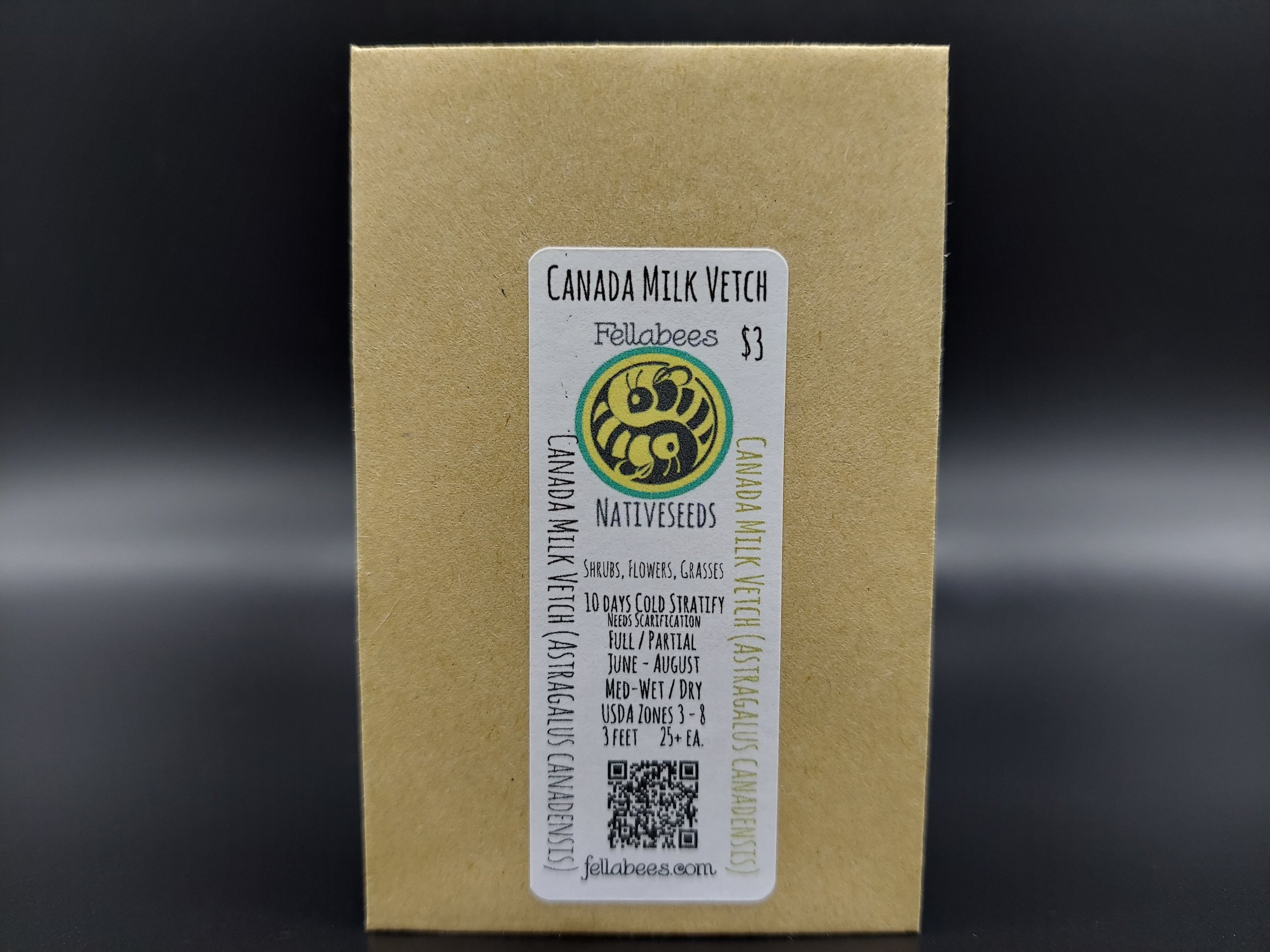
All of our native seed is hand reared, hand picked, and hand packed from native prairies under our exclusive management, never breaking chain of custody from the field until it is sent to you. Each packet is hand prepared for shipment by us, directly.
Small seed species will contain greater than 20-25 seed
Large seed species will contain greater than 10-15 seed
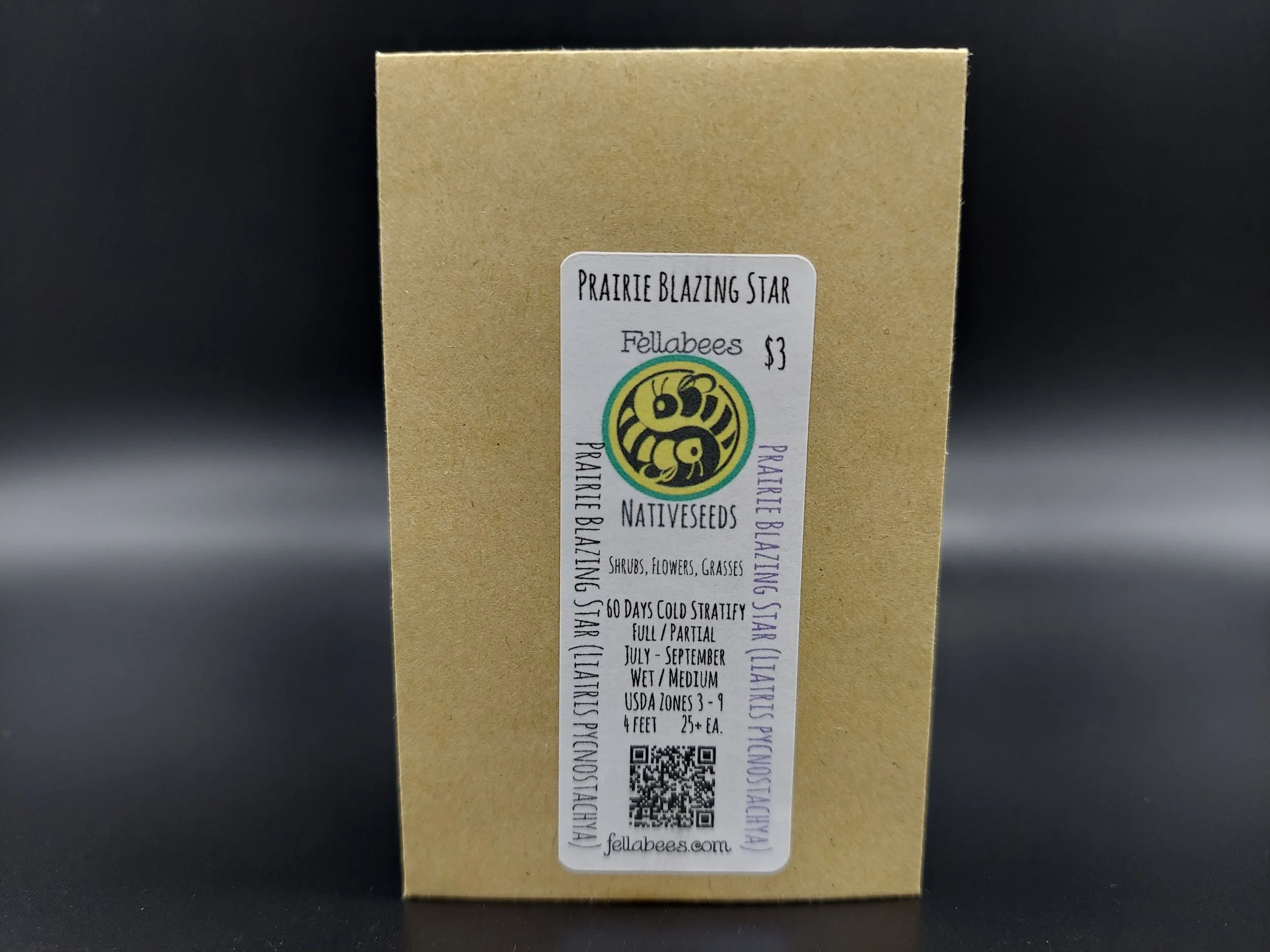
All packets are individually marked at the bottom of the front label with expected count, however most if not all packets will have many more than the minimum count by default.
It is our mission to spread the wealth of native plant and pollinator ecological sustainability and educate back yard gardeners as well as corporate and government entities in how to germinate, grow, and benefit from native synergies.
Thank you for your support, it is because of you, that we can grow together to do, what we do. 🐛🦋🐝🐞🌾🌱🌼🧡
Seedbox (Ludwigia alternifolia)
Ludwigia alternifolia, commonly known as Seedbox, Bushy Seedbox, Rattlebox, and Square-pod Water-Primrose, is an herbaceous perennial plant of the Evening Primrose Family, Onagraceae. Native to central and eastern North America, it typically grows in marshes, wet meadows, swamps, and other seasonally or permanently saturated soils. The plant produces bright yellow, four-petaled flowers and distinctive brown seed pods that are roughly cube-shaped, giving rise to its common names.
This widespread and unique species shows us that cubes and 90° angles do indeed exist in nature.
Seedbox is a moist soil loving species. Doing well in raingardens and wet prairies, edges of swamps, bogs and marshes, this tenacious perennial is an excellent choice beside Marsh Milkweed, Giant Hyssops, Dogbane, Spikenard, Canada Milk Vetch, Wild Indigos, American Bellflowers, and Turtleheads!
Seedbox is frequently visited by a wide variety of native bees such as solitary bees, bumble bees, and small sweat bees, whose foraging behavior and body size make them especially efficient pollinators. Because these insects repeatedly contact both the male and female parts of the flowers during nectar and pollen collection, pollination rates are high; each successfully pollinated fruit can produce thousands of viable seeds. As a result, the species is a prolific self-seeder and readily builds dense local populations where competition is lacking.
Despite its ability to reproduce abundantly, this plant tends not to dominate long-term plant communities. Seedlings establish readily in open or disturbed patches, but the species is also relatively shade-intolerant and slows where neighboring native perennials become mature and dense. Established native grasses and forbs suppress its recruitment by shading and competing for moisture and nutrients, so over time it will often yield space to other long-lived, established natives rather than forming persistent monocultures.
These interaction dynamics make the plant an excellent choice for pollinator-supportive plantings and for jump-starting restoration areas: it attracts and feeds native bees, builds soil seed banks, and fills open niches early on, while ultimately integrating into a diverse native assemblage as other species mature.
Plant Details
USDA Zones: 4-8
Germination Needs: 60 Days Cold Stratification
Life Cycle: Perennial
Sun Exposure: Full to Partial
Soil Moisture: Medium-Wet
Plant Spacing: 1½-2 feet
Height: 3 feet
Bloom time: May, June, July
Bloom Color: Yellow
Advantages:
Pollinator Favorite: butterflies, moths, bees, wasps, beetles
Bird Favorite: seeds, insects, fruit, nectar, nesting, perches.
Deer Resistant: No
Native to: Wisconsin, Iowa, Illinois, Indiana, Michigan, Ohio, Pennsylvania, New York, Massachusetts, Rhode Island, Connecticut, Delaware, Maryland, New Jersey, West Virginia, Virginia, Kentucky, Tennessee, North Carolina, South Carolina, Georgia, Florida, Alabama, Mississippi, Louisiana, Arkansas, Missouri, Texas, Oklahoma, Kansas, Nebraska and Colorado.
This species is considered present but rare in several counties of the states of Wisconsin, Nebraska and Colorado.
Seed Count: 25+
.
.
Packet quantities:
We pride ourselves on ethical, hands on, ecological management, using no mechanical or chemical methods whatsoever.
All of our native seed is hand reared, hand picked, and hand packed from native prairies under our exclusive management, never breaking chain of custody from the field until it is sent to you. Each packet is hand prepared for shipment by us, directly.
Small seed species will contain greater than 20-25 seed
Large seed species will contain greater than 10-15 seed
All packets are individually marked at the bottom of the front label with expected count, however most if not all packets will have many more than the minimum count by default.
It is our mission to spread the wealth of native plant and pollinator ecological sustainability and educate back yard gardeners as well as corporate and government entities in how to germinate, grow, and benefit from native synergies.
Thank you for your support, it is because of you, that we can grow together to do, what we do. 🐛🦋🐝🐞🌾🌱🌼🧡
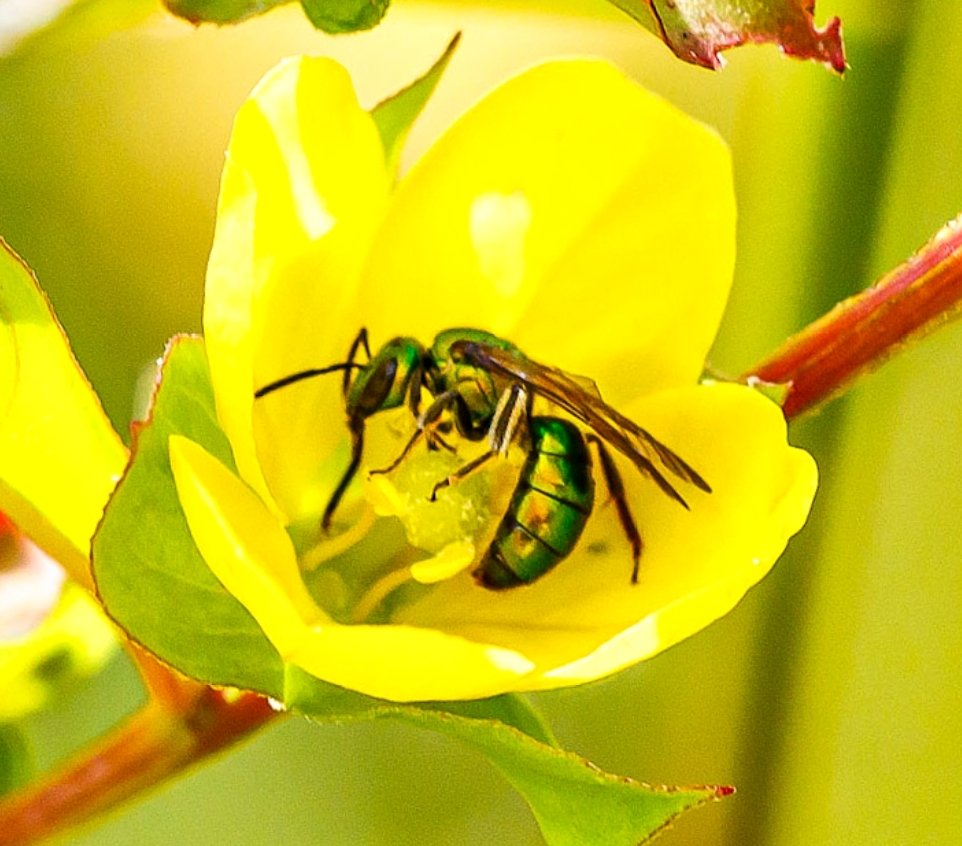 Image 1 of 7
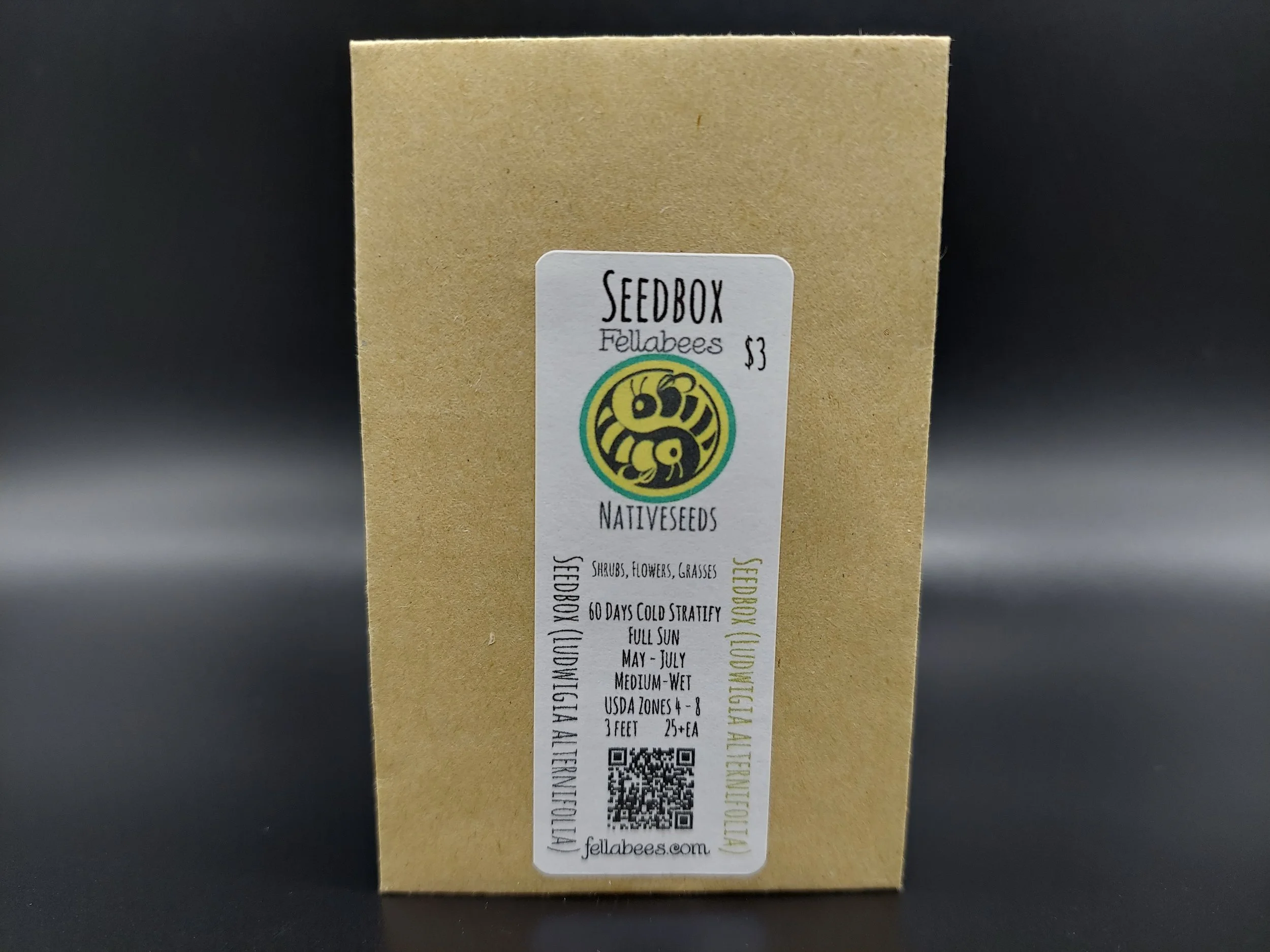 Image 2 of 7
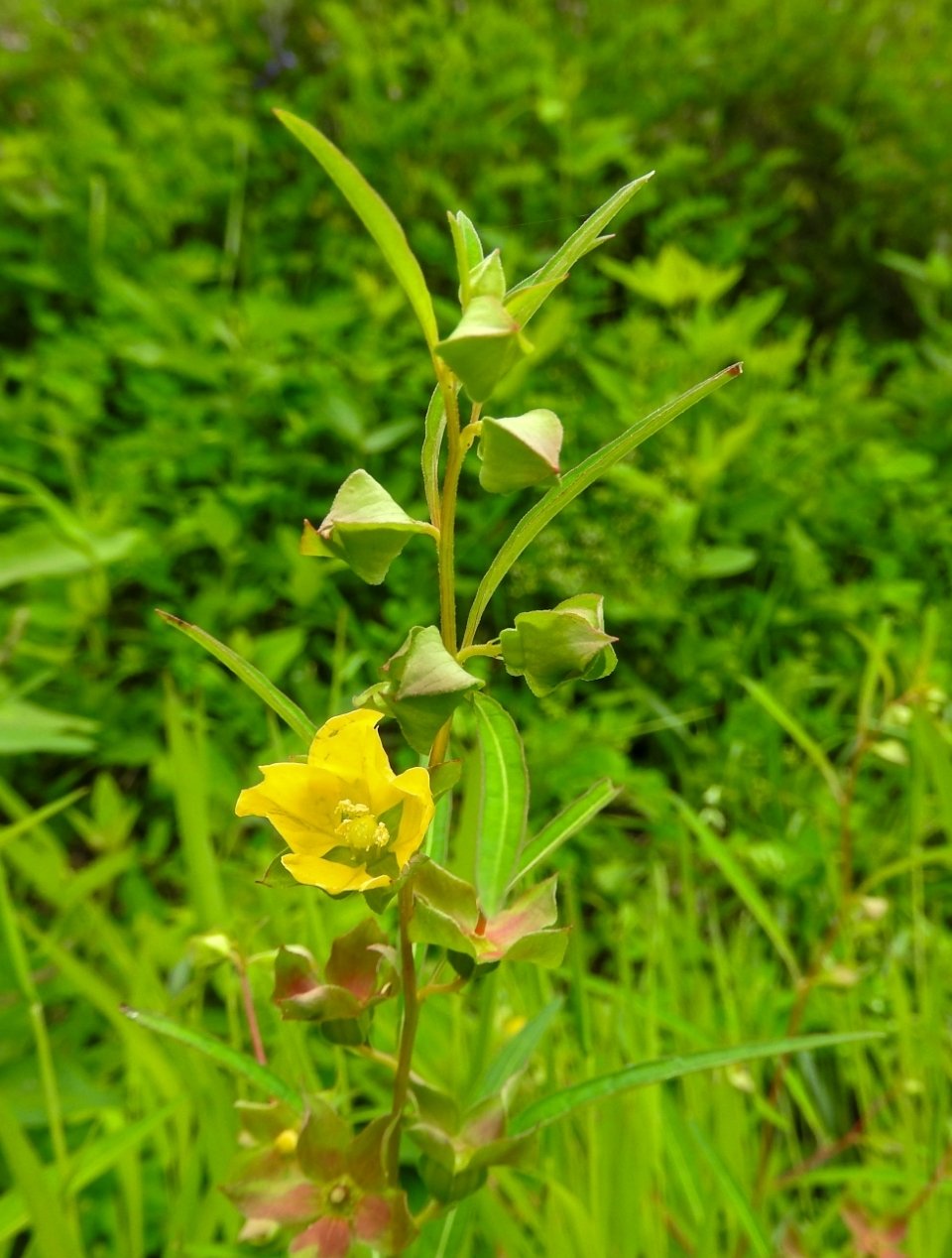 Image 3 of 7
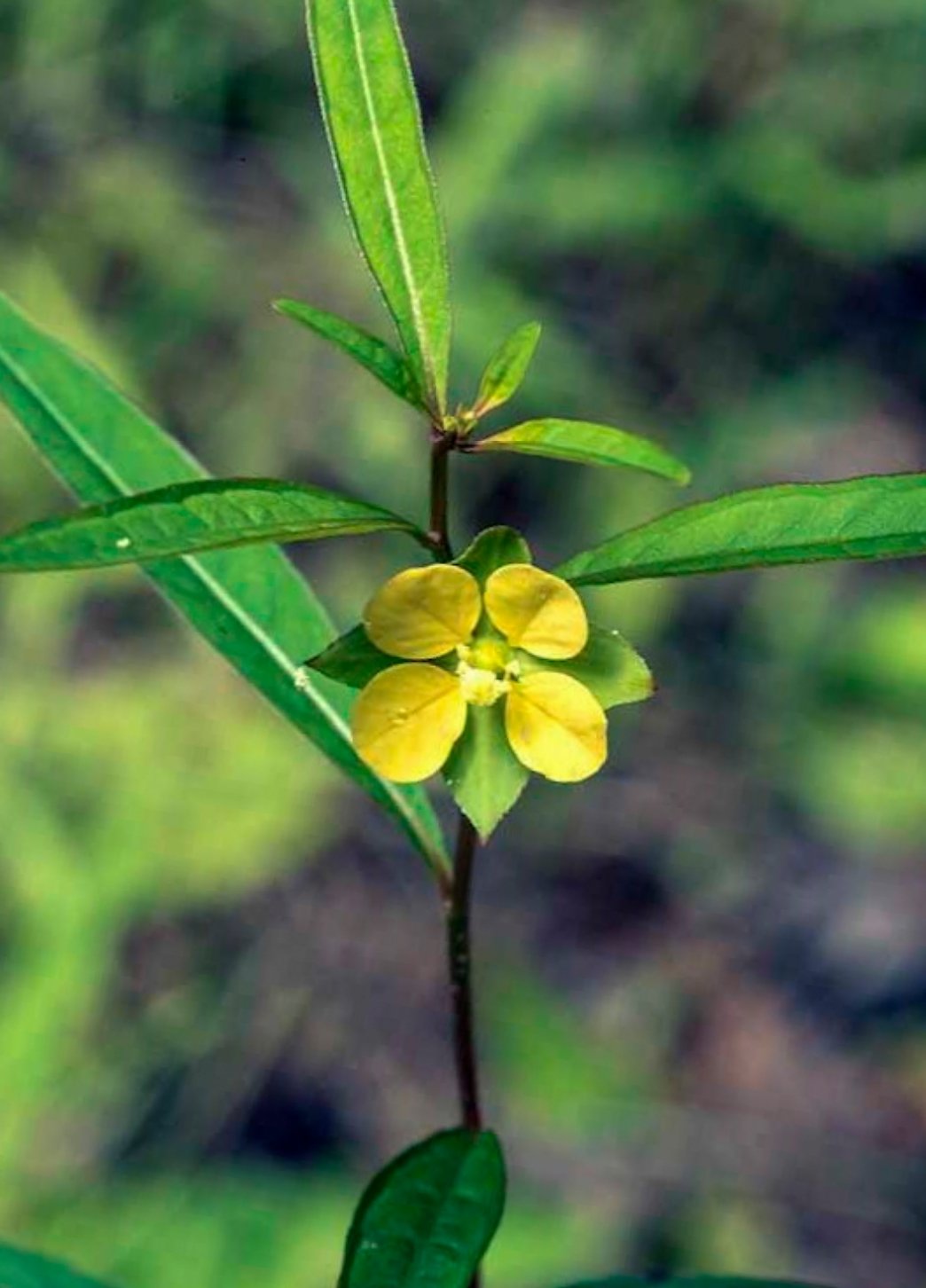 Image 4 of 7
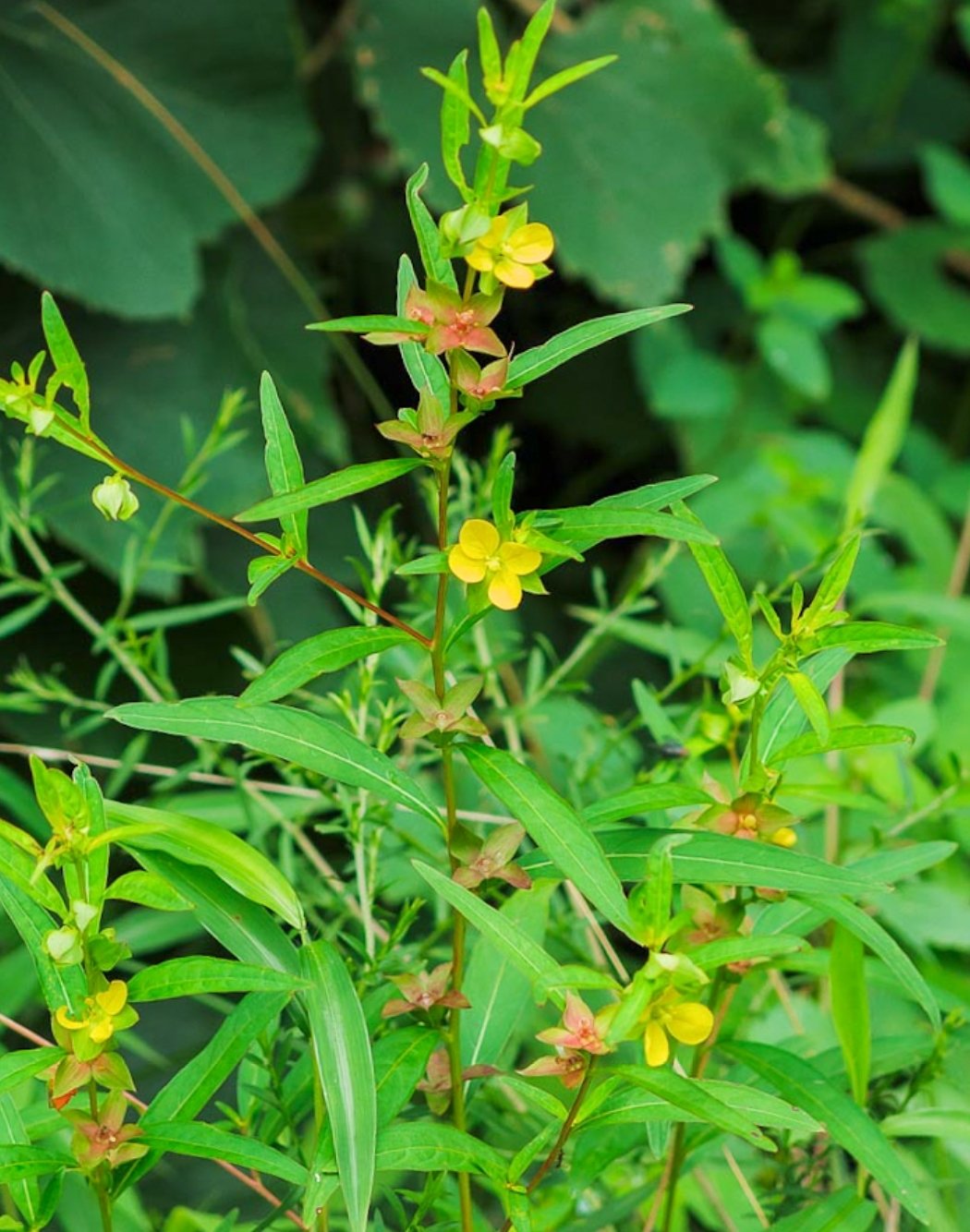 Image 5 of 7
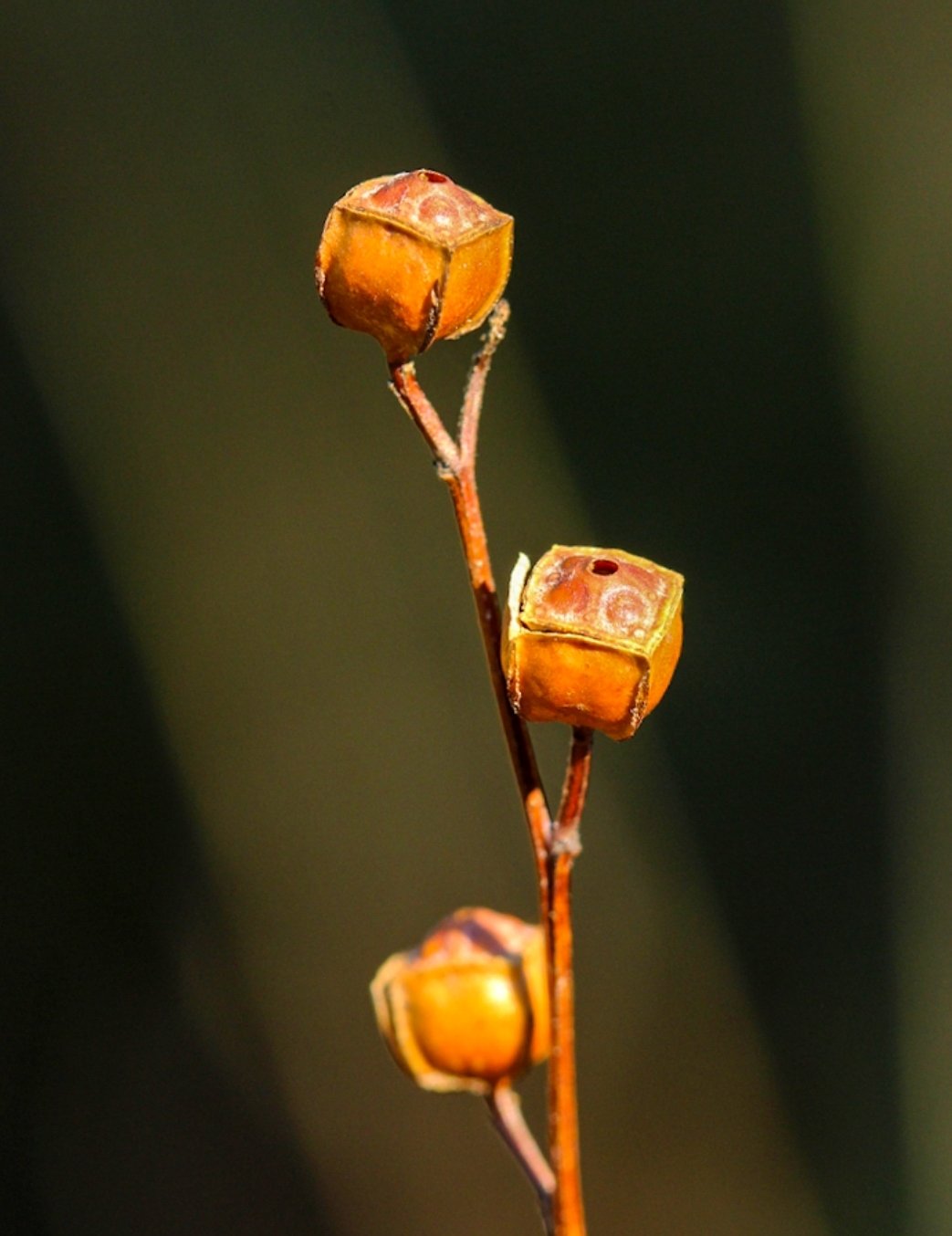 Image 6 of 7
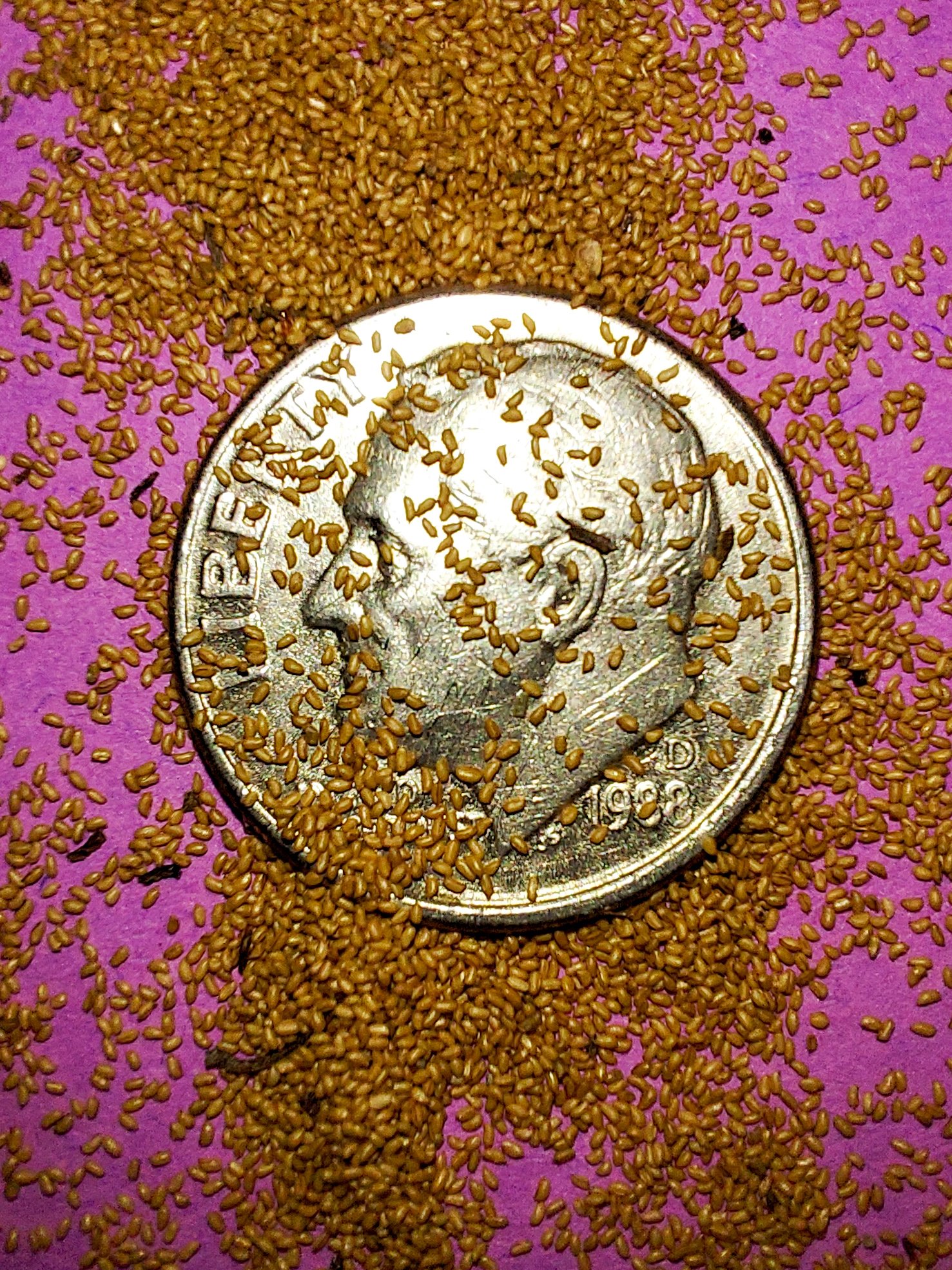 Image 7 of 7