Sale Price:
$2.00
Original Price:
$3.00
Purpletop (Tridens flavus)
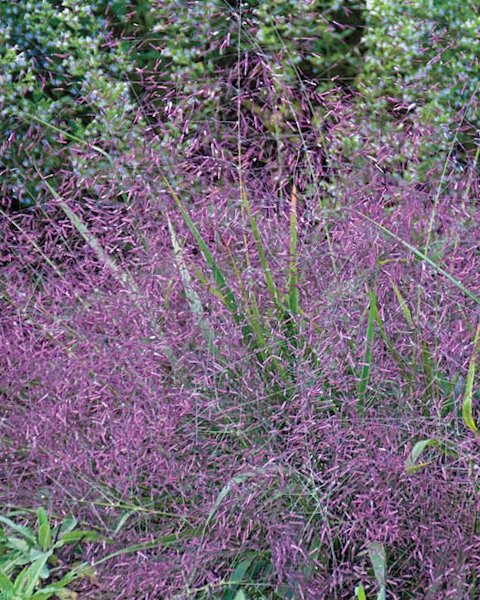
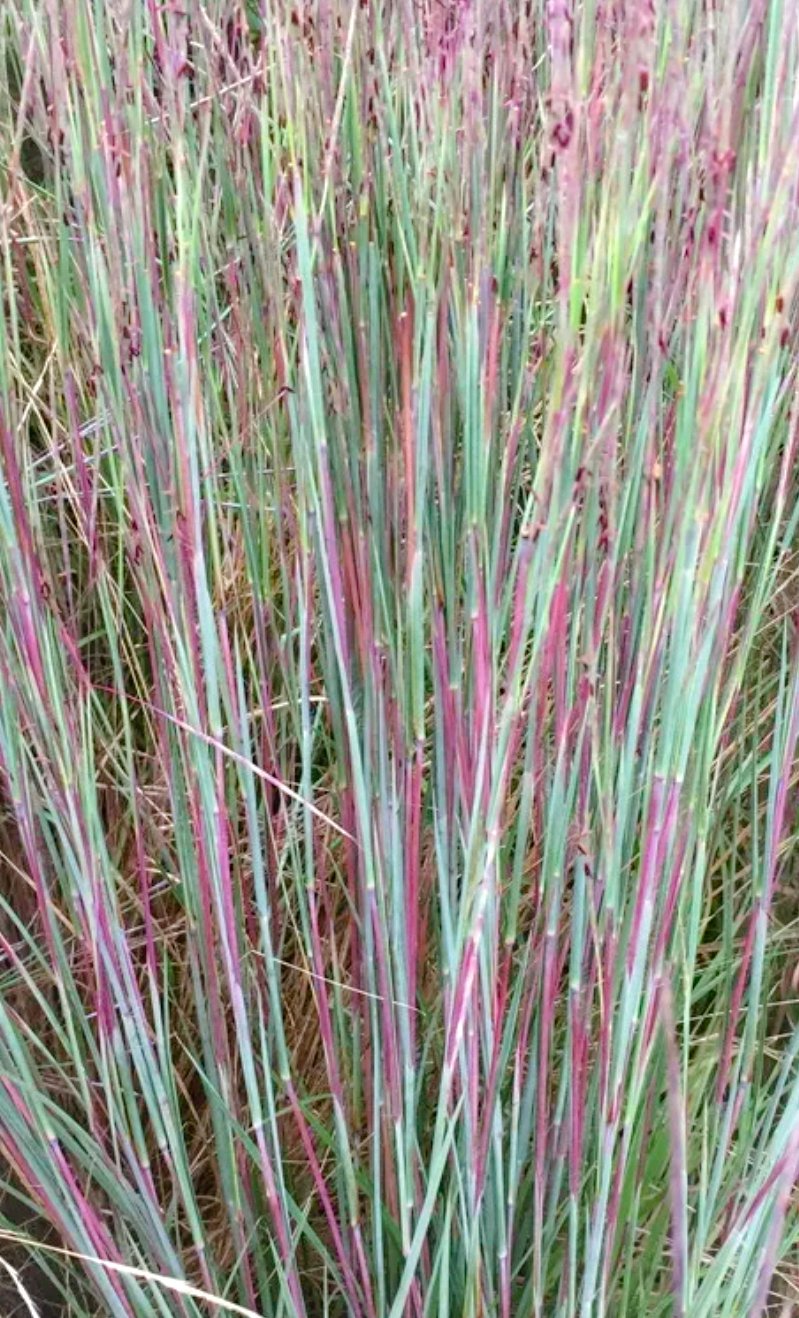
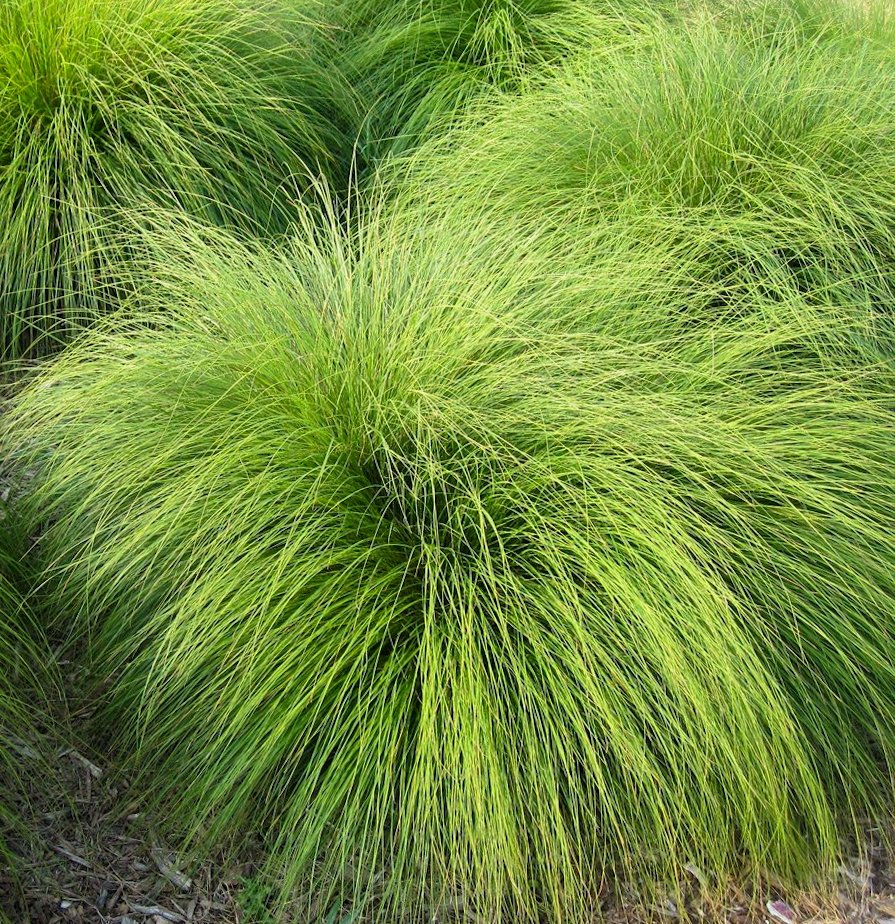
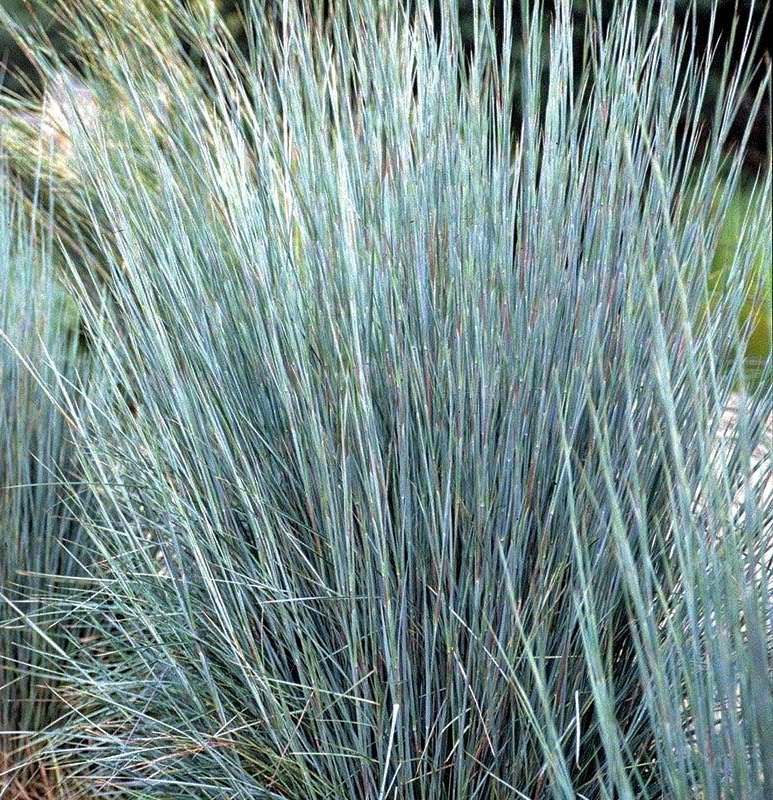
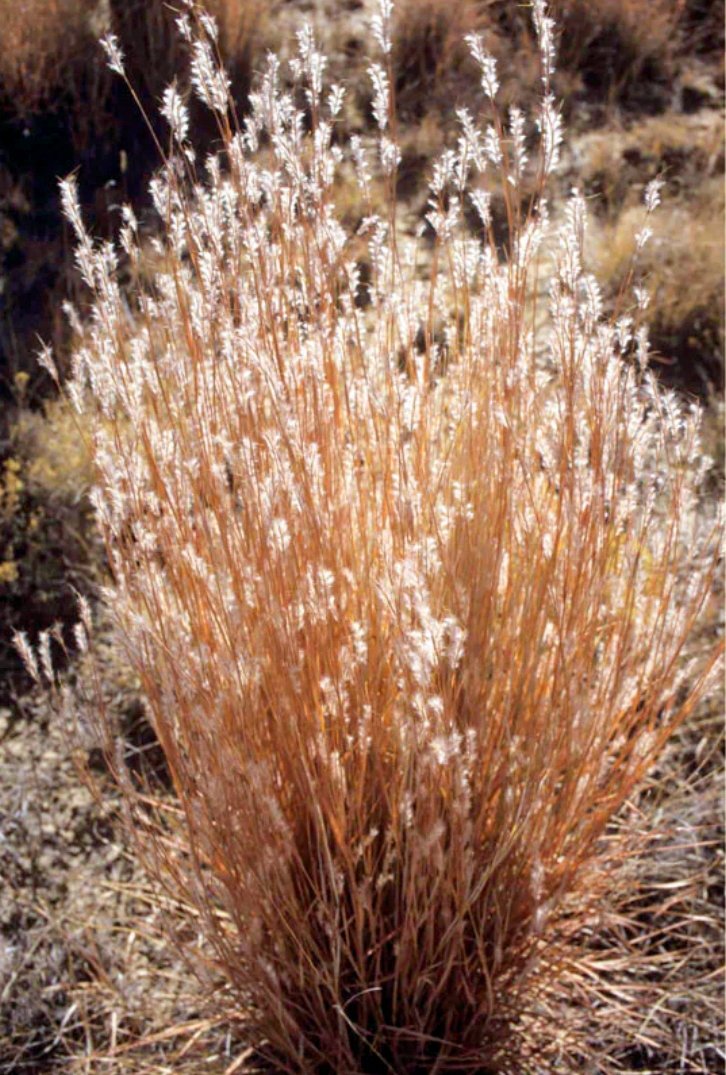
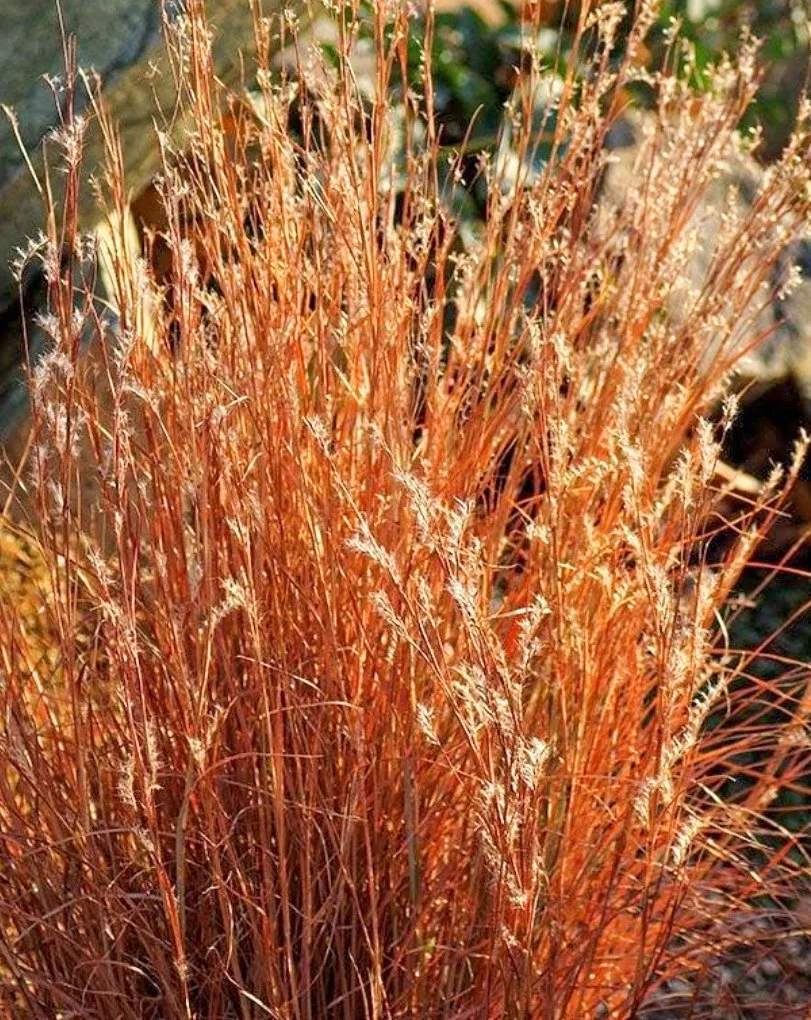
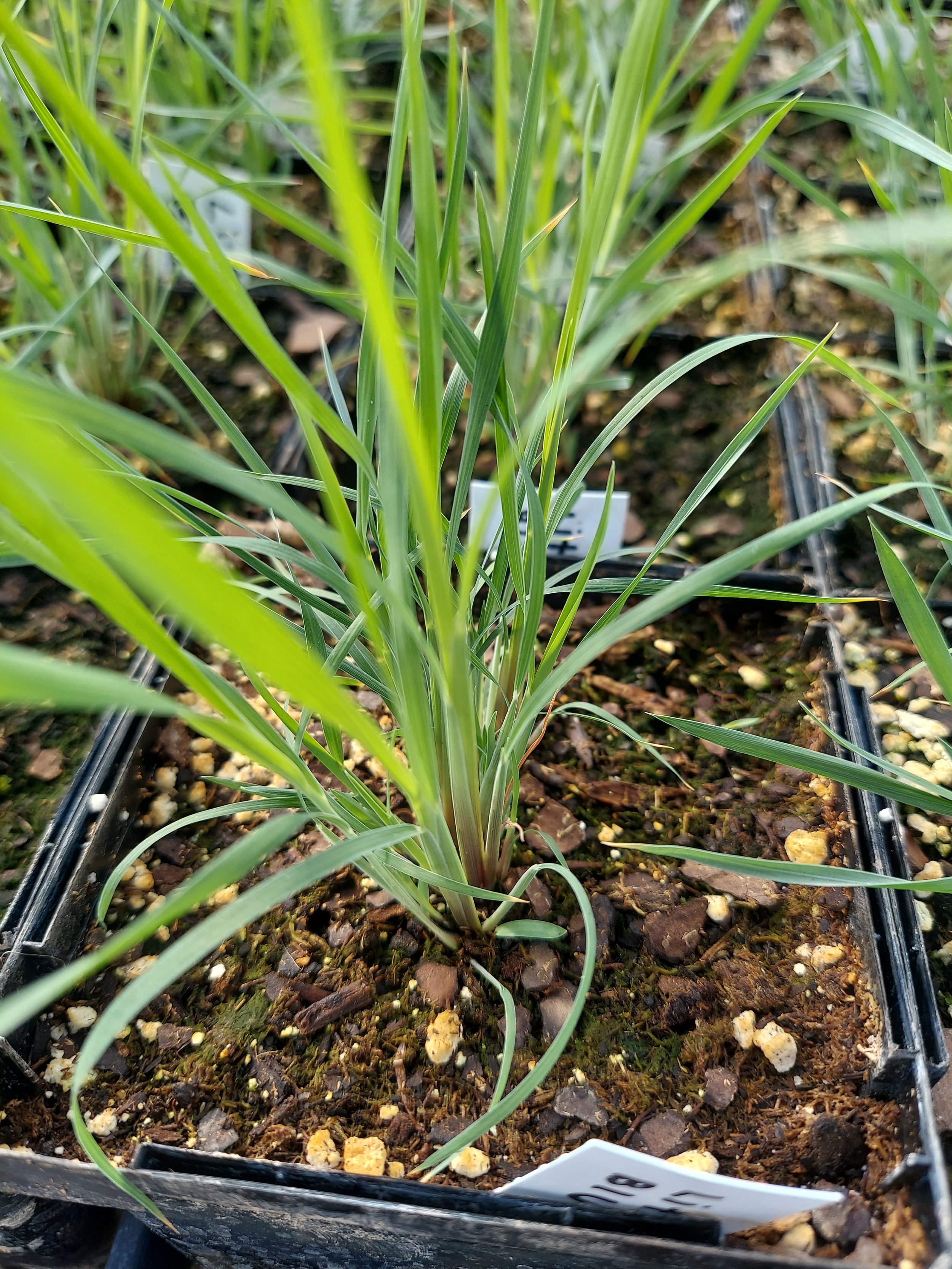
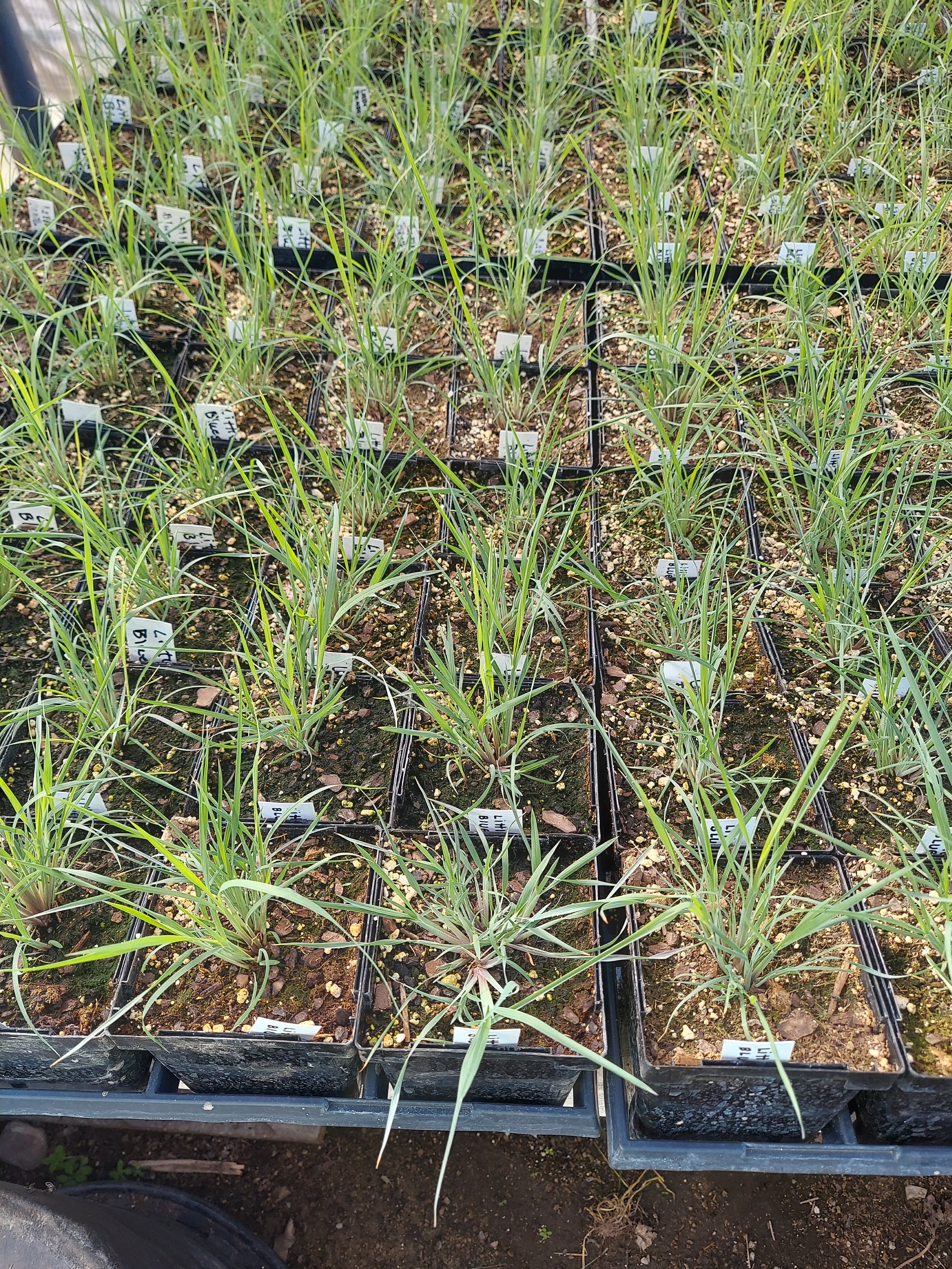
Tridens flavus is the scientific name for the native grass species more commonly known as Purpletop, Purpletop Tridens, Tall Redtop, Greasy Grass, and Grease Grass. This large, robust perennial bunchgrass is native to eastern North America and is widespread throughout its natural range. It is most often found in man-made habitats, such as hay meadows, lawns, and because it is salt tolerant it is often found along roadsides.
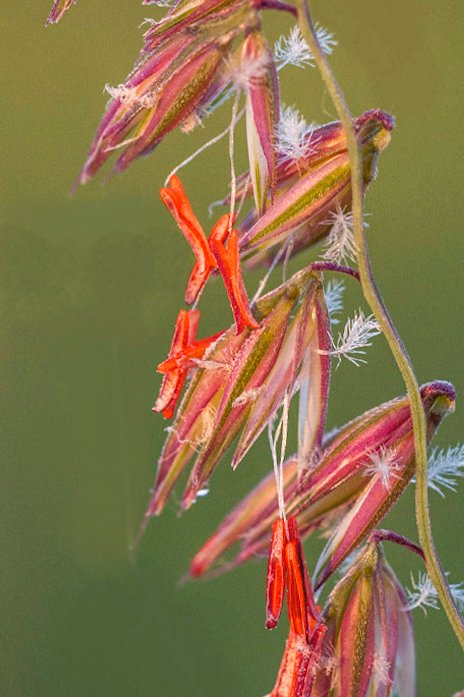
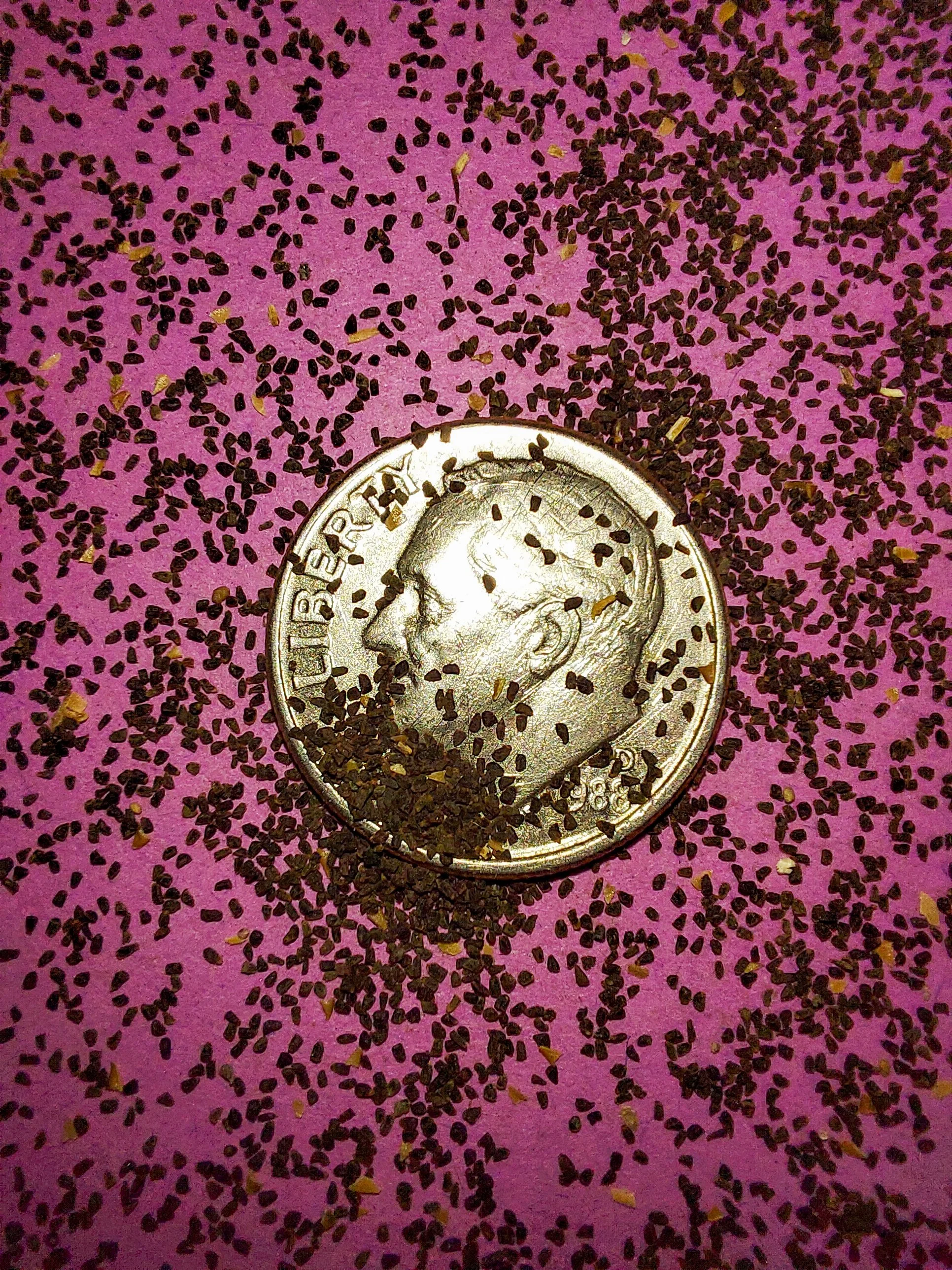
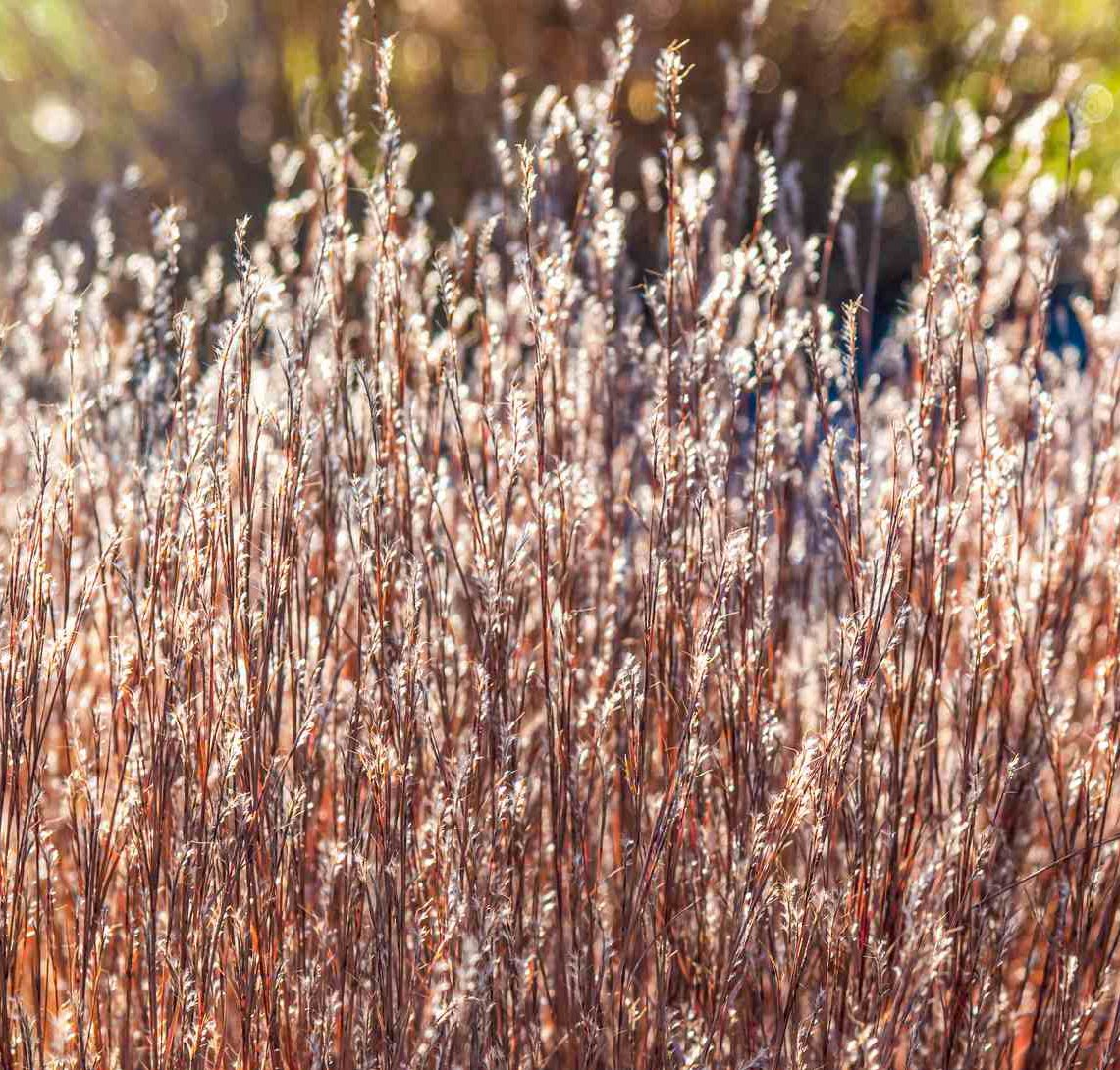
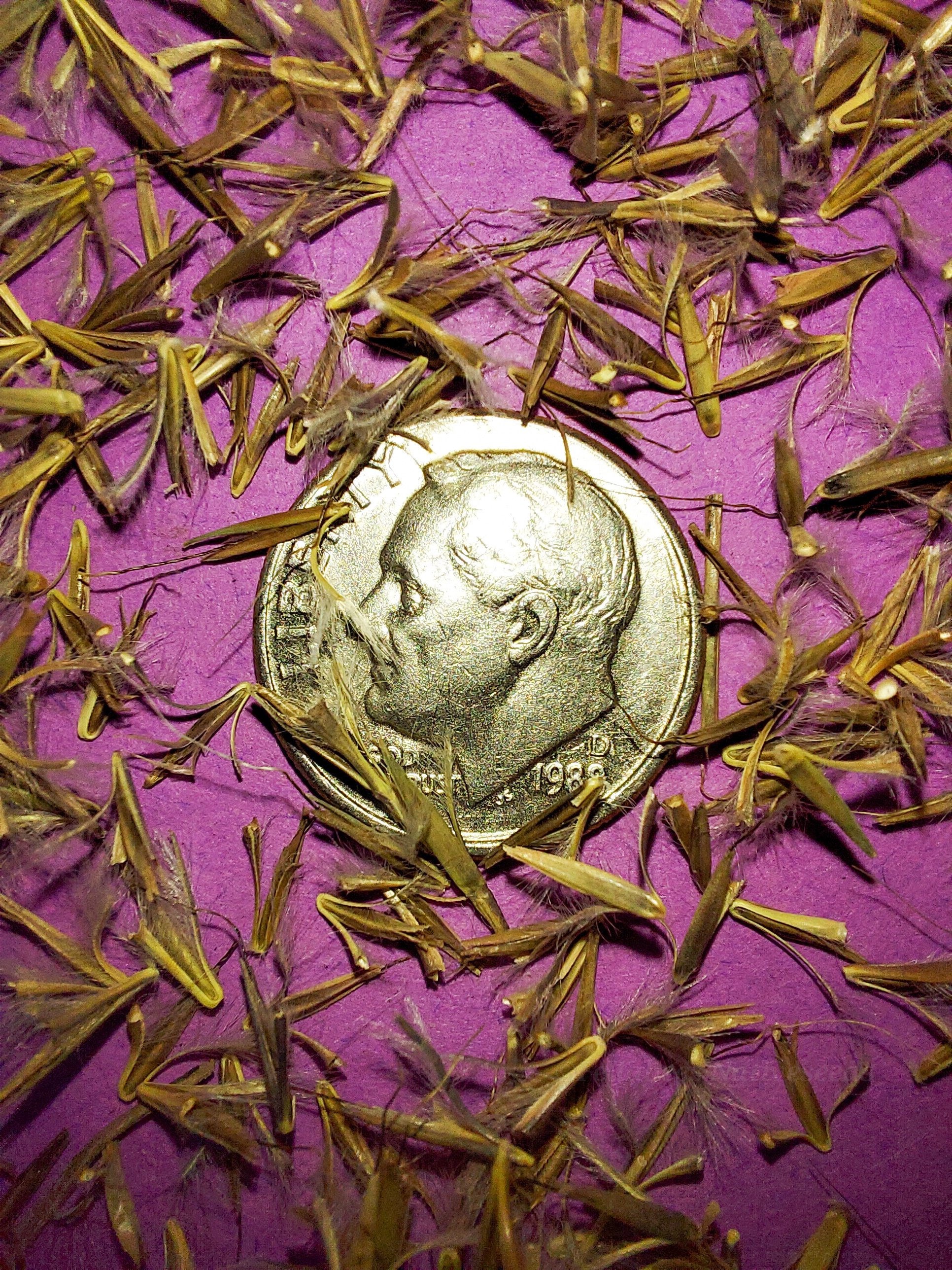
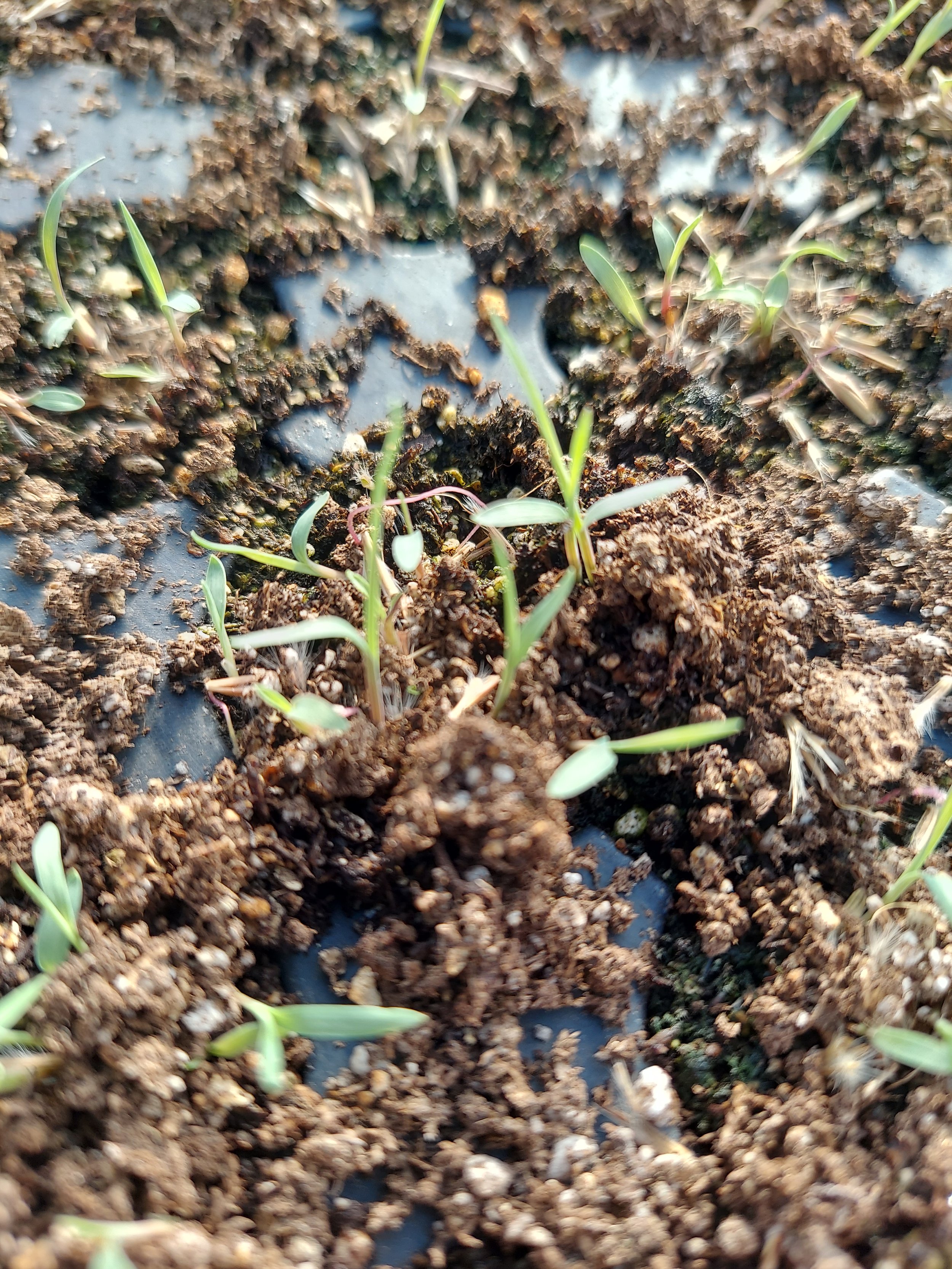
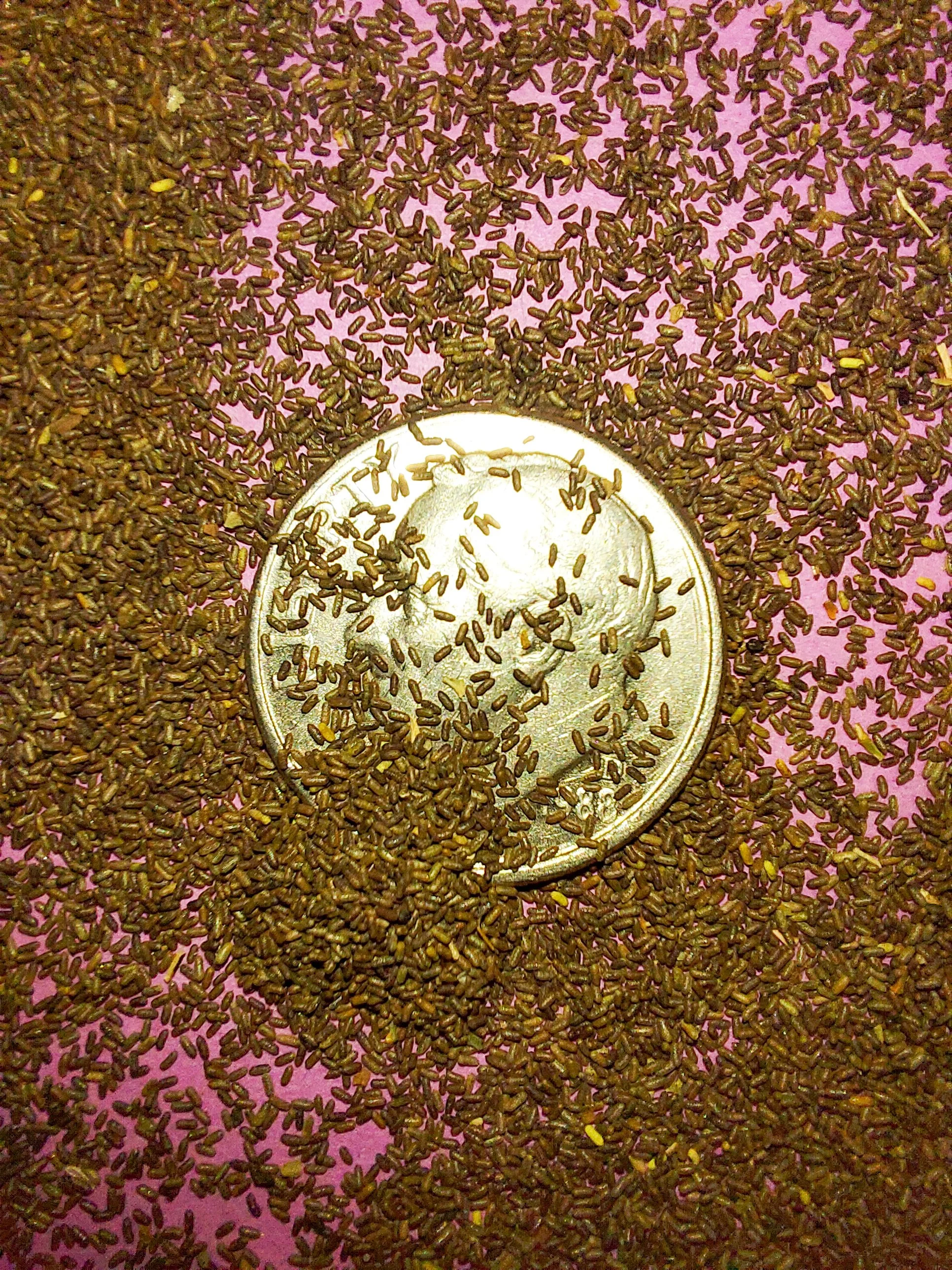
The seeds are purple, which is what gives the grass its common name, Purpletop.
Additionally, the seeds have an oily texture, leading to its other common name, "grease grass." This species reproduces both by seed and by producing tillers, allowing it to spread effectively across suitable habitats.
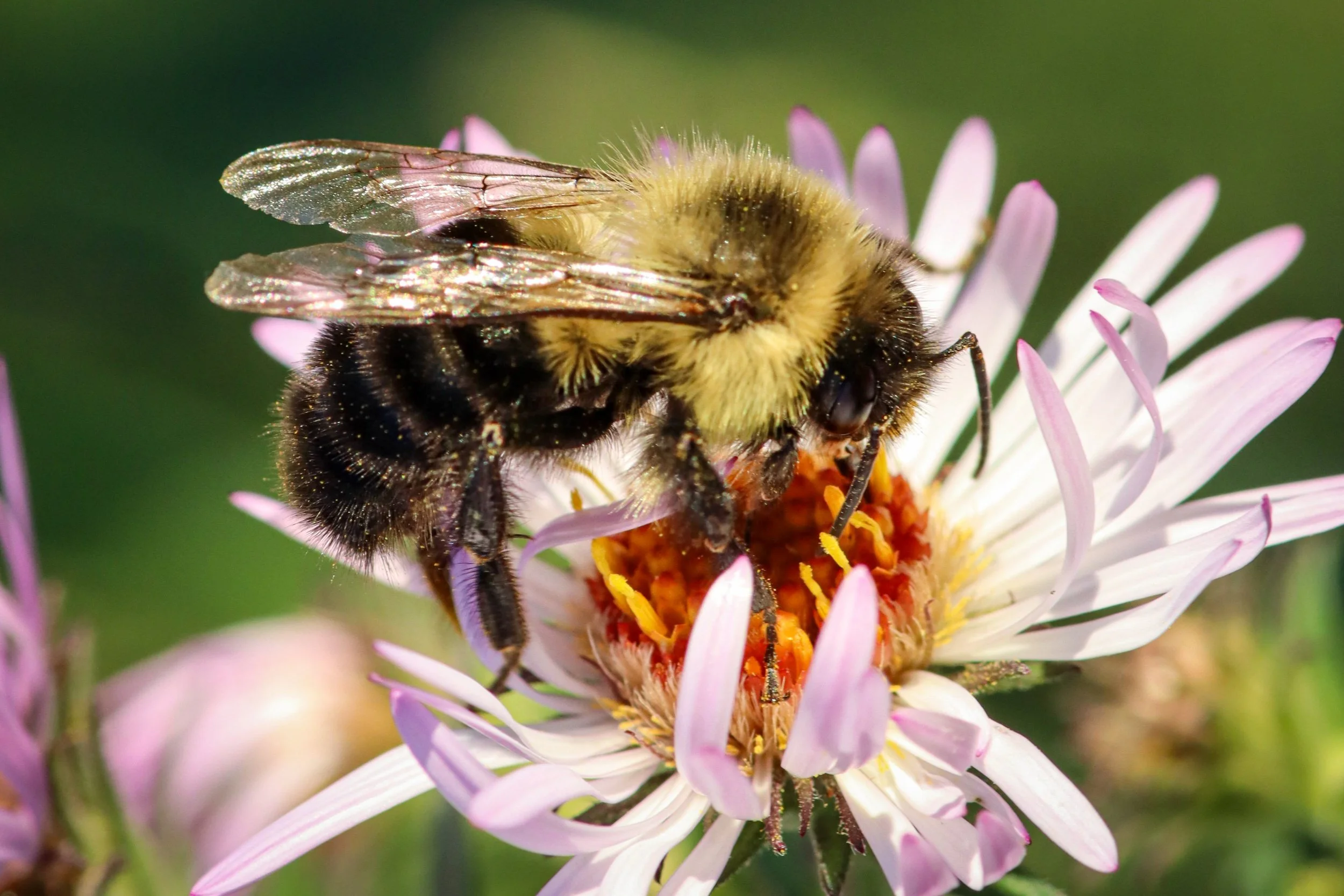
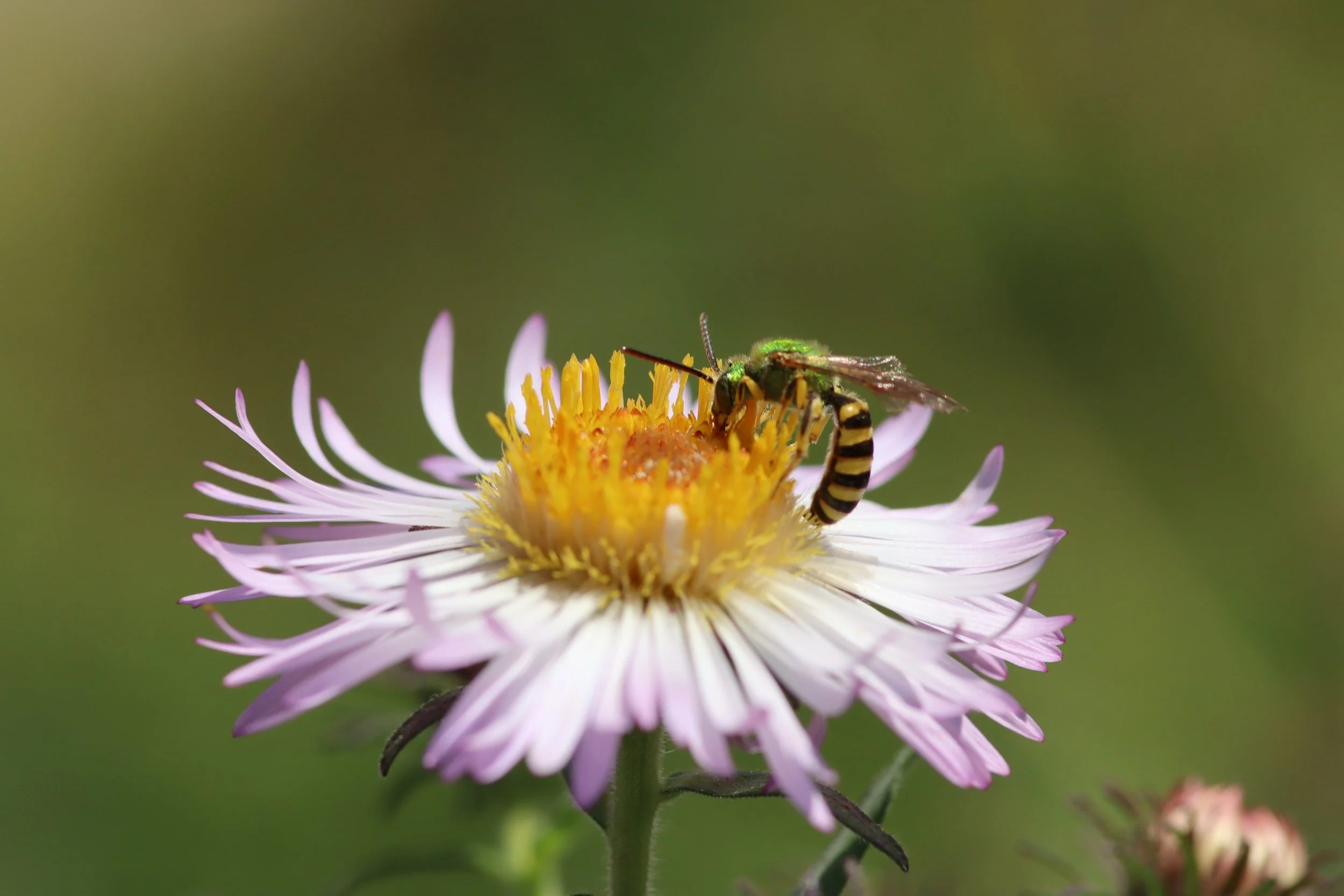
Purpletop is a larval host to the native pollinator species; Common Wood Nymph (Cercyonis pegala), Crossline Skipper (Polites origenes), Little Glassywing (Vernia verna), Zabulon Skipper (Lon zabulon), and the Broad-winged Skipper (Poanes viator). Seeds are a favored food of many birds who incidentally spread the species.
Plant Details:
USDA Zones: 4 - 10
Germination Needs: Needs 60 Days of Cold-Moist Stratification
Life Cycle: Perennial
Sun Exposure: Full to Partial
Soil Moisture: Medium-Dry, Dry
Plant Spacing: 2 - 3 feet
Height: 4 feet
Bloom time: August, September, October
Bloom Color: Green/Purple
Advantages:
Pollinator Favorite: butterflies, moths, bees, wasps, beetles
Bird Favorite: seeds, insects, fruit, nectar, nesting, perches.
Deer Resistant: Yes
Native to or present in: Wisconsin, Minnesota, Iowa, Illinois, Indiana, Michigan, Ohio, Pennsylvania, New York, Vermont, New Hampshire, Massachusetts, Rhode Island, Connecticut, Delaware, Maryland, New Jersey, West Virginia, Virginia, Kentucky, Tennessee, North Carolina, South Carolina, Georgia, Florida, Alabama, Mississippi, Louisiana, Arkansas, Missouri, Texas, Oklahoma, Kansas, Nebraska and New Mexico
Seed Count: 25+
.
.
Packet quantities:
We pride ourselves on ethical, hands on, ecological management, using no mechanical or chemical methods whatsoever.
All of our native seed is hand reared, hand-picked, and hand packed from native prairies under our exclusive management, never breaking chain of custody from the field until it is sent to you. Each packet is hand prepared for shipment by us, directly.
Small seed species will contain greater than 20-25 seed
Large seed species will contain greater than 10-15 seed
All packets are individually marked at the bottom of the front label with expected count, however most if not all packets will have many more than the minimum count by default.
It is our mission to spread the wealth of native plant and pollinator ecological sustainability and educate back yard gardeners as well as corporate and government entities in how to germinate, grow, and benefit from native synergies.
Thank you for your support, it is because of you, that we can grow together to do, what we do. 🐛🦋🐝🐞🌾🌱🌼🧡
Purpletop (Tridens flavus)
Tridens flavus is the scientific name for the native grass species more commonly known as Purpletop, Purpletop Tridens, Tall Redtop, Greasy Grass, and Grease Grass. This large, robust perennial bunchgrass is native to eastern North America and is widespread throughout its natural range. It is most often found in man-made habitats, such as hay meadows, lawns, and because it is salt tolerant it is often found along roadsides.
The seeds are purple, which is what gives the grass its common name, Purpletop.
Additionally, the seeds have an oily texture, leading to its other common name, "grease grass." This species reproduces both by seed and by producing tillers, allowing it to spread effectively across suitable habitats.
Purpletop is a larval host to the native pollinator species; Common Wood Nymph (Cercyonis pegala), Crossline Skipper (Polites origenes), Little Glassywing (Vernia verna), Zabulon Skipper (Lon zabulon), and the Broad-winged Skipper (Poanes viator). Seeds are a favored food of many birds who incidentally spread the species.
Plant Details:
USDA Zones: 4 - 10
Germination Needs: Needs 60 Days of Cold-Moist Stratification
Life Cycle: Perennial
Sun Exposure: Full to Partial
Soil Moisture: Medium-Dry, Dry
Plant Spacing: 2 - 3 feet
Height: 4 feet
Bloom time: August, September, October
Bloom Color: Green/Purple
Advantages:
Pollinator Favorite: butterflies, moths, bees, wasps, beetles
Bird Favorite: seeds, insects, fruit, nectar, nesting, perches.
Deer Resistant: Yes
Native to or present in: Wisconsin, Minnesota, Iowa, Illinois, Indiana, Michigan, Ohio, Pennsylvania, New York, Vermont, New Hampshire, Massachusetts, Rhode Island, Connecticut, Delaware, Maryland, New Jersey, West Virginia, Virginia, Kentucky, Tennessee, North Carolina, South Carolina, Georgia, Florida, Alabama, Mississippi, Louisiana, Arkansas, Missouri, Texas, Oklahoma, Kansas, Nebraska and New Mexico
Seed Count: 25+
.
.
Packet quantities:
We pride ourselves on ethical, hands on, ecological management, using no mechanical or chemical methods whatsoever.
All of our native seed is hand reared, hand-picked, and hand packed from native prairies under our exclusive management, never breaking chain of custody from the field until it is sent to you. Each packet is hand prepared for shipment by us, directly.
Small seed species will contain greater than 20-25 seed
Large seed species will contain greater than 10-15 seed
All packets are individually marked at the bottom of the front label with expected count, however most if not all packets will have many more than the minimum count by default.
It is our mission to spread the wealth of native plant and pollinator ecological sustainability and educate back yard gardeners as well as corporate and government entities in how to germinate, grow, and benefit from native synergies.
Thank you for your support, it is because of you, that we can grow together to do, what we do. 🐛🦋🐝🐞🌾🌱🌼🧡
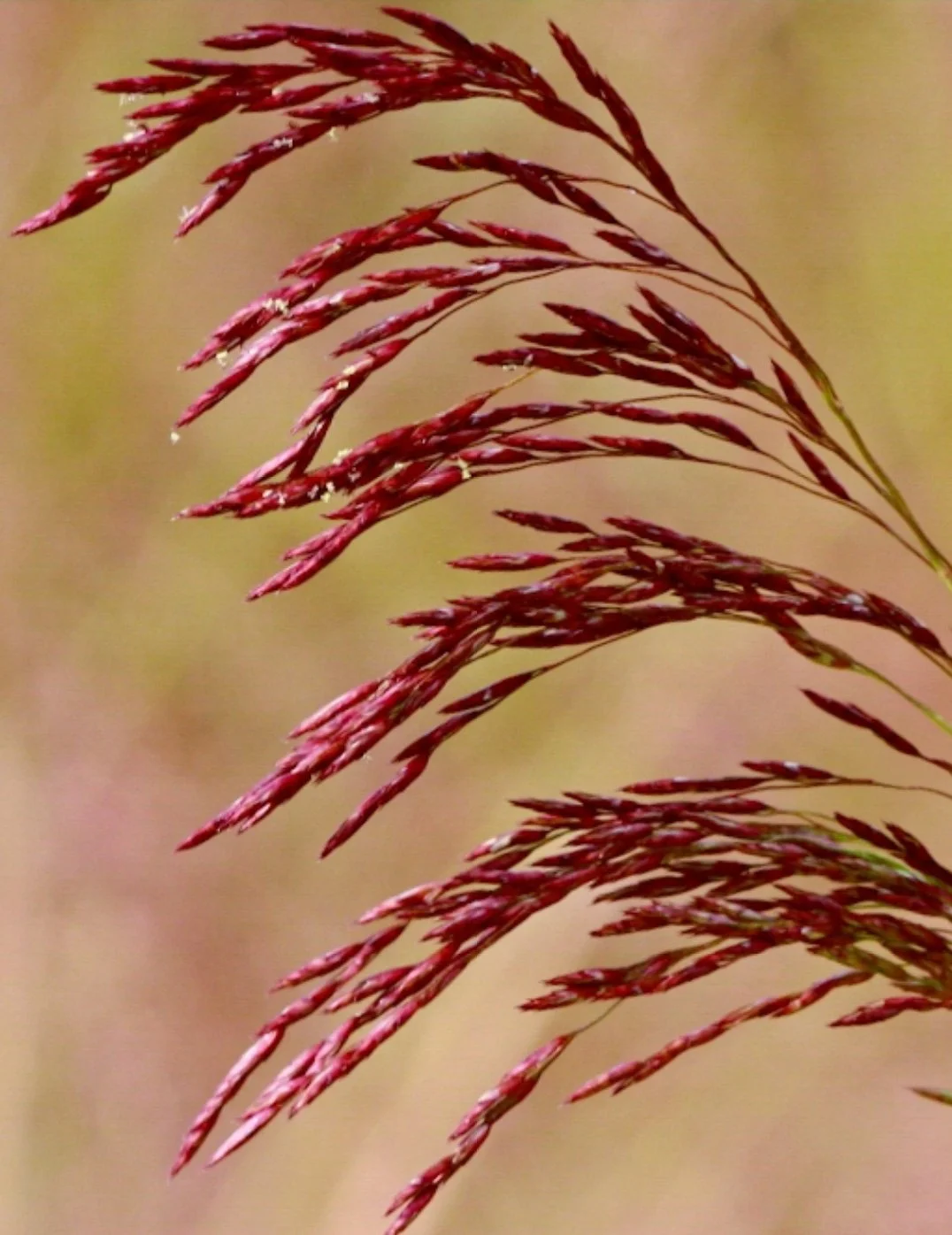 Image 1 of 6
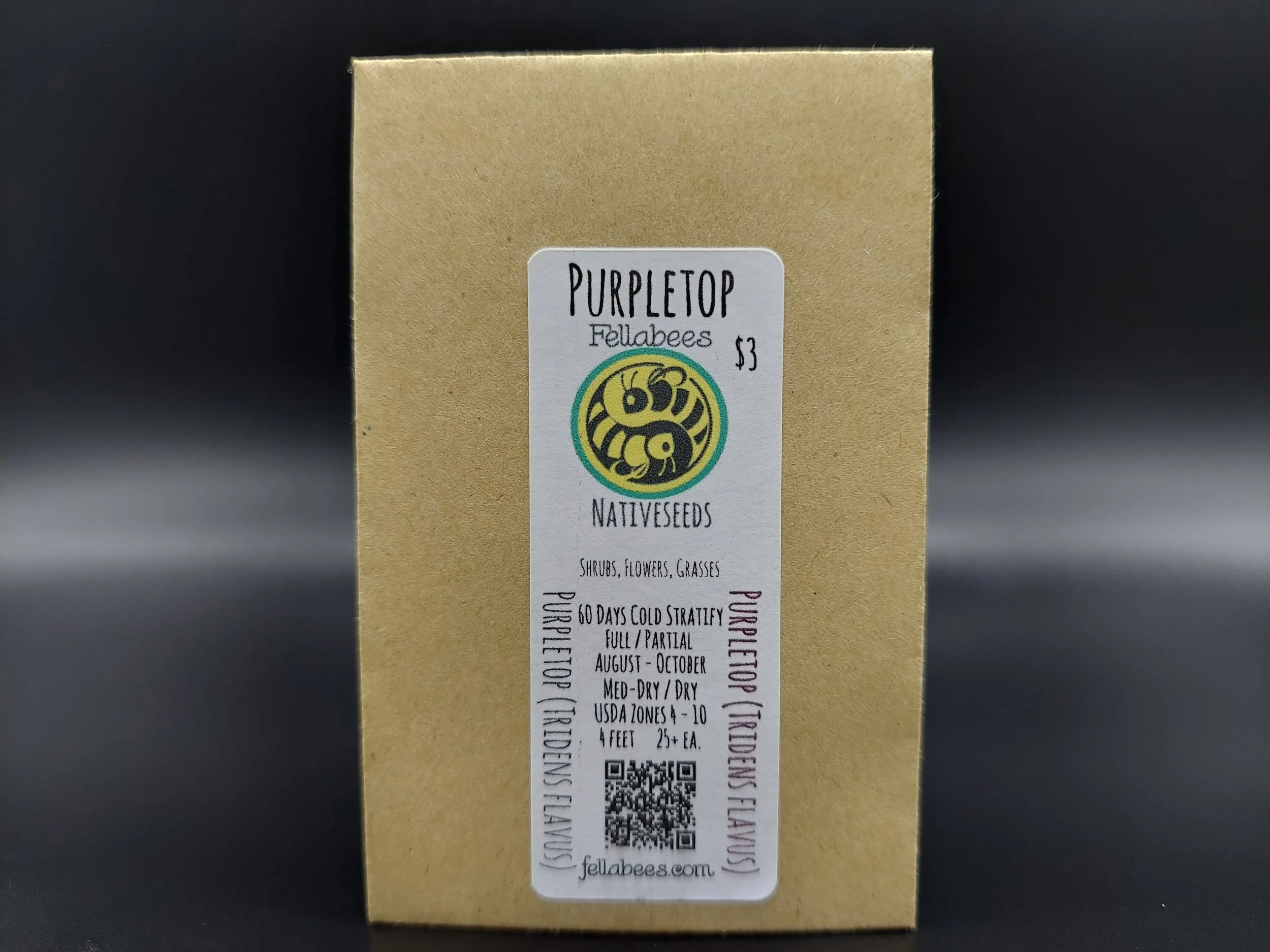 Image 2 of 6
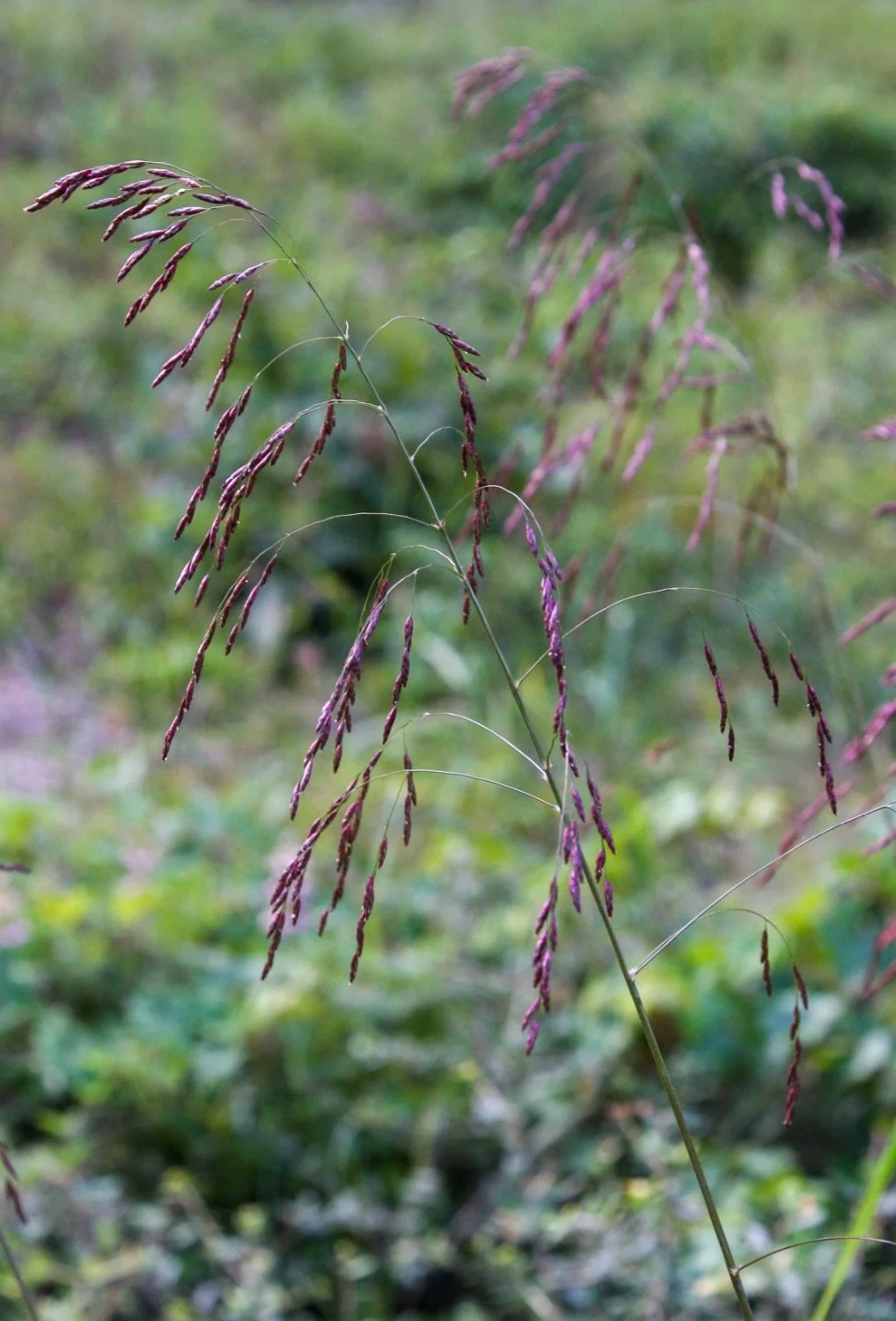 Image 3 of 6
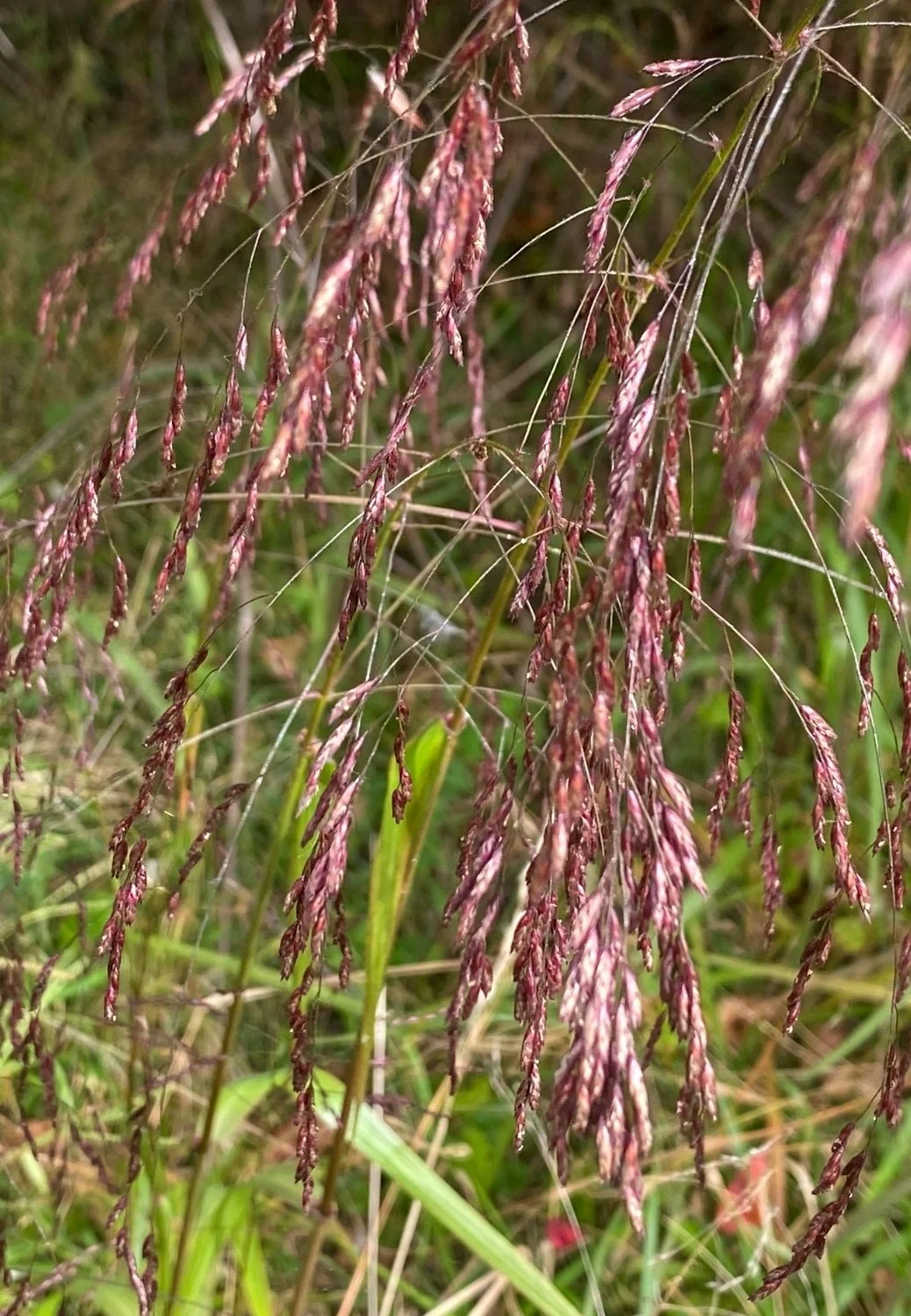 Image 4 of 6
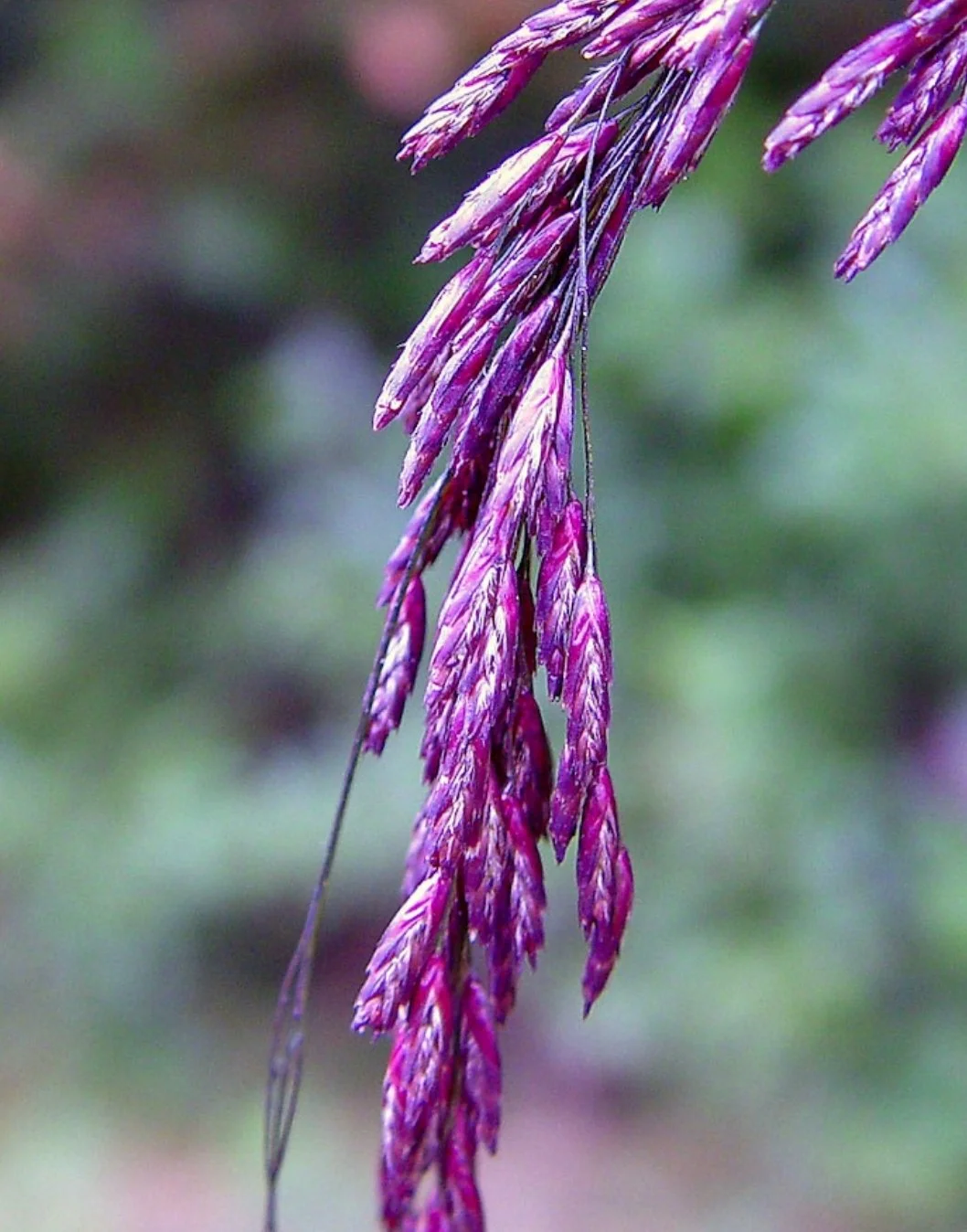 Image 5 of 6
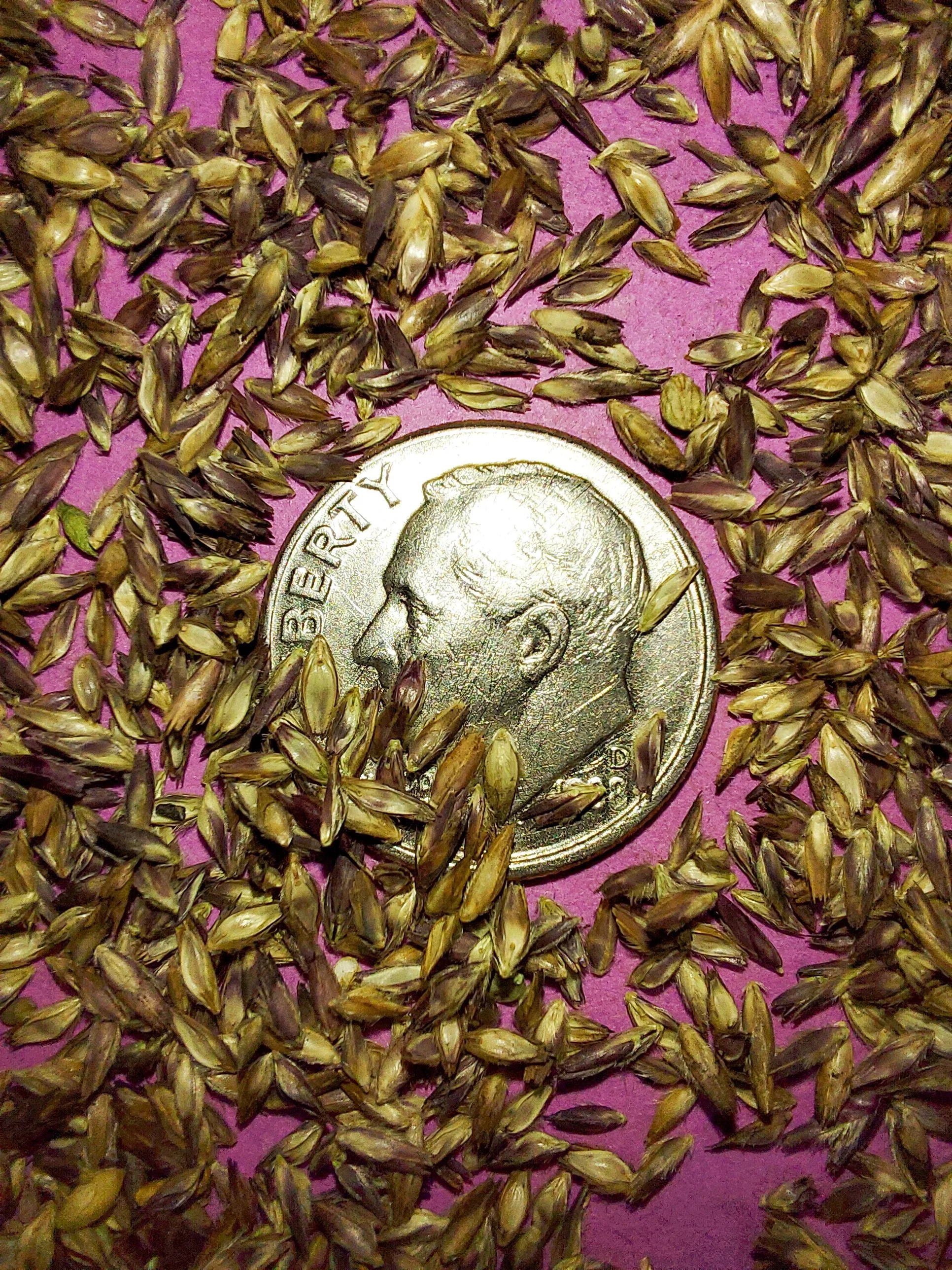 Image 6 of 6