Pussytoes (Antennaria plantaginifolia)
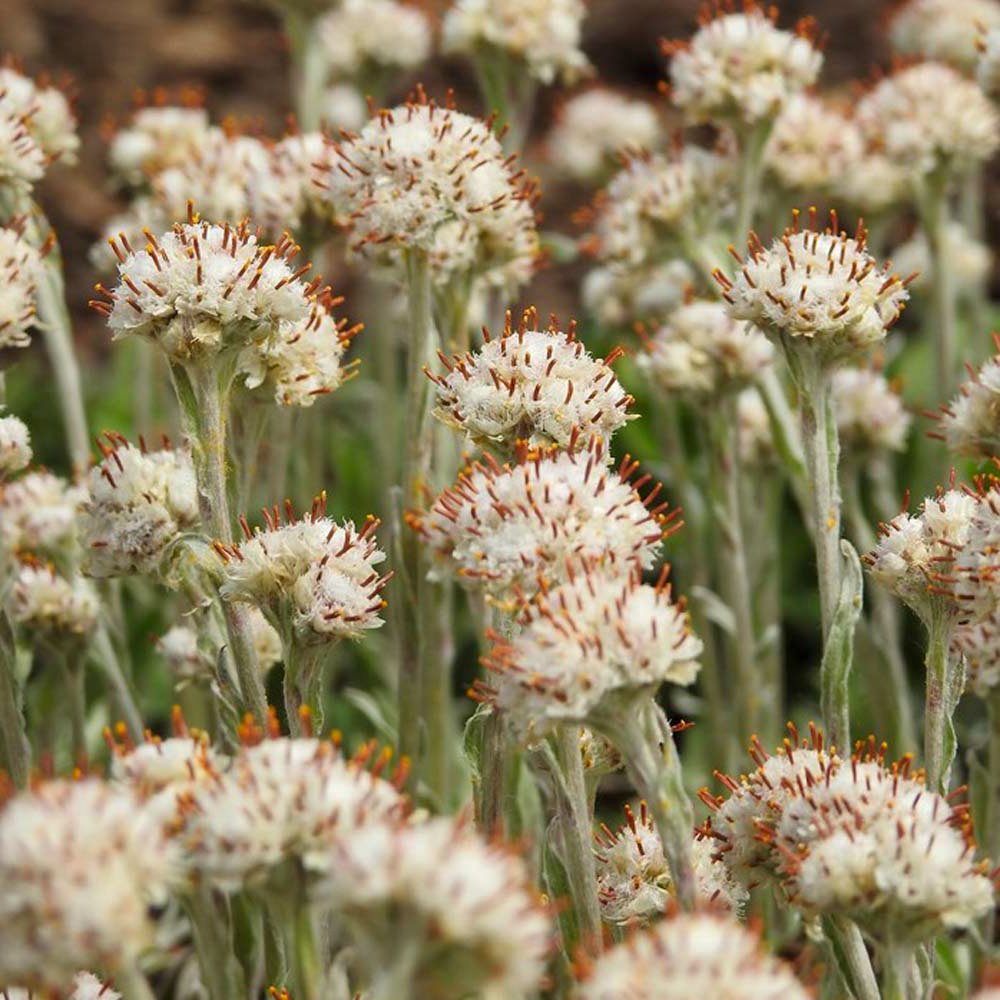
Antennaria plantaginifolia is the scientific name for the beloved native species more commonly known simply as Pussytoes, or Plantain Leaf Pussytoes and Woman's Tobacco. Pussytoes is a perennial forb native to the eastern regions of North America that produces delicate cream-colored composite flowers in the spring season. This charming wildflower is well-known for its soft, fuzzy flower heads that resemble the soft toes of a cat, making it a favorite among gardeners and pollinators alike.
Antennaria plantaginifolia is dioecious, which means that the male and female flowers grow on separate individual plants rather than on the same plant. This species frequently forms dense colonies, which can sometimes be composed entirely of either male or female plants. One way it achieves this colony formation is through vegetative reproduction. Stolons, which are horizontal stems that emerge from the basal rosette of the plant, spread out and take root in the soil, eventually developing into new, genetically identical plants.
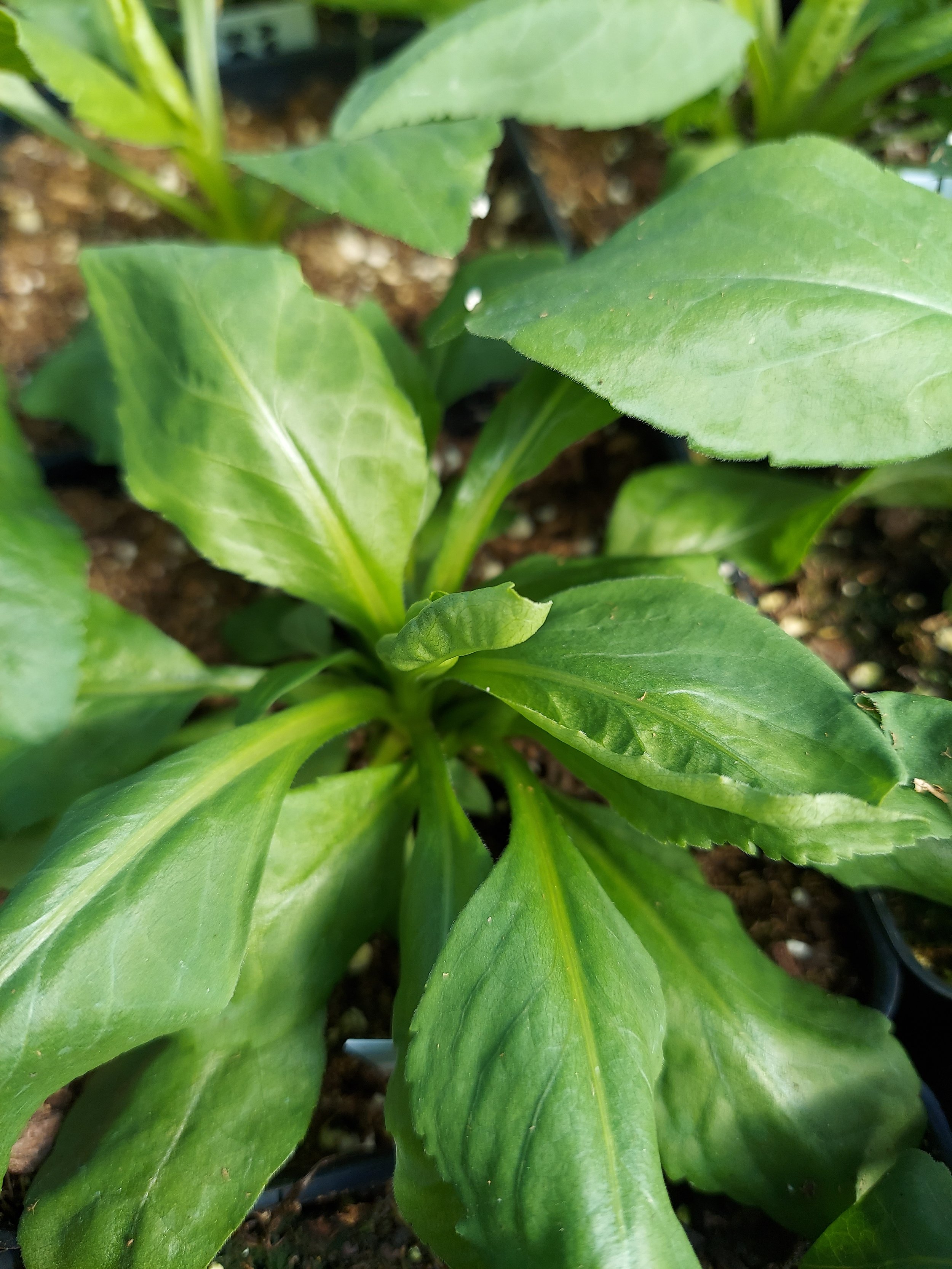
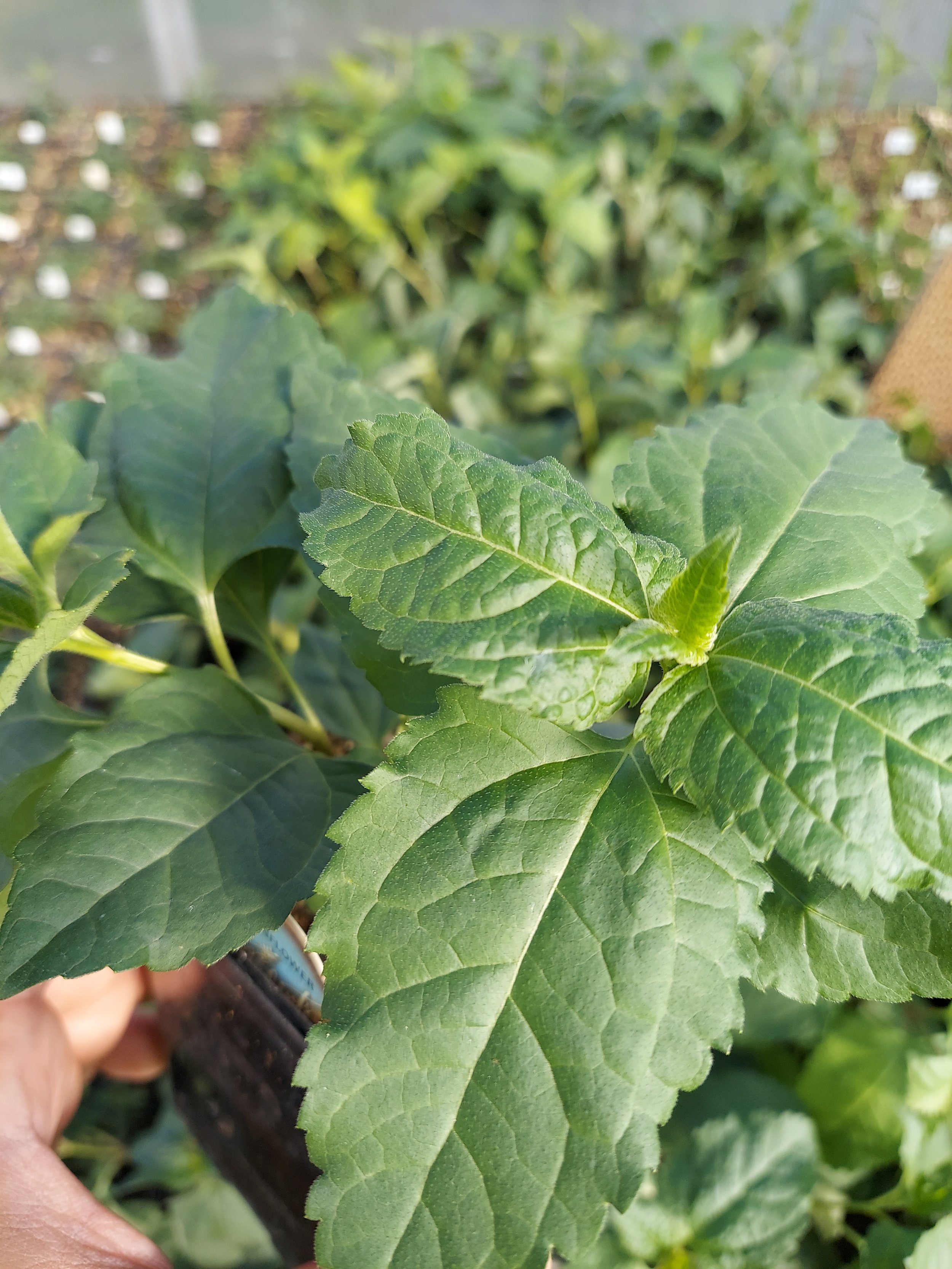
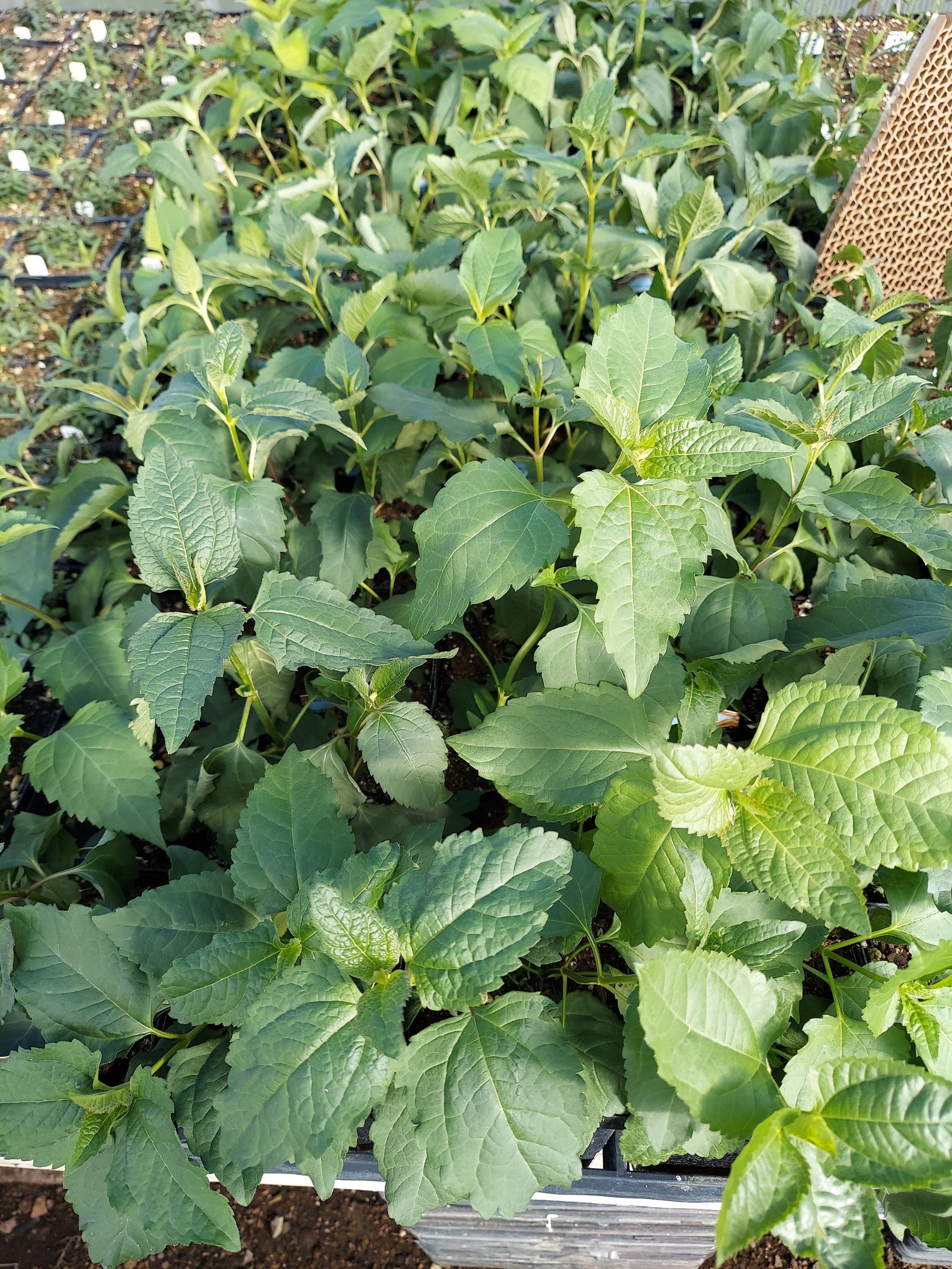
Pussytoes provide an excellent ground cover option for dry, well-drained areas such as rock gardens and other similar settings. Because parts of the plant contain toxic compounds, they are generally avoided by deer, rabbits, and other small animals, making them a reliable choice for gardens where wildlife browsing is a concern. The species Pussytoes (Antennaria plantaginifolia) and Prairie Pussytoes (Antennaria neglecta) can be somewhat challenging to tell apart; their primary distinguishing features are found in their leaves. A. plantaginifolia has broader leaves with 3 to 5 prominent veins, while A. neglecta’s leaves are narrower and typically show only 1 to 2 pronounced veins. Additionally, A. neglecta tends to be shorter in stature compared to A. plantaginifolia. Both species serve as important larval host plants for the American Painted Lady Butterfly (Vanessa virginensis), supporting local pollinator populations and biodiversity.
Plant Details:
USDA Zones: 3-8
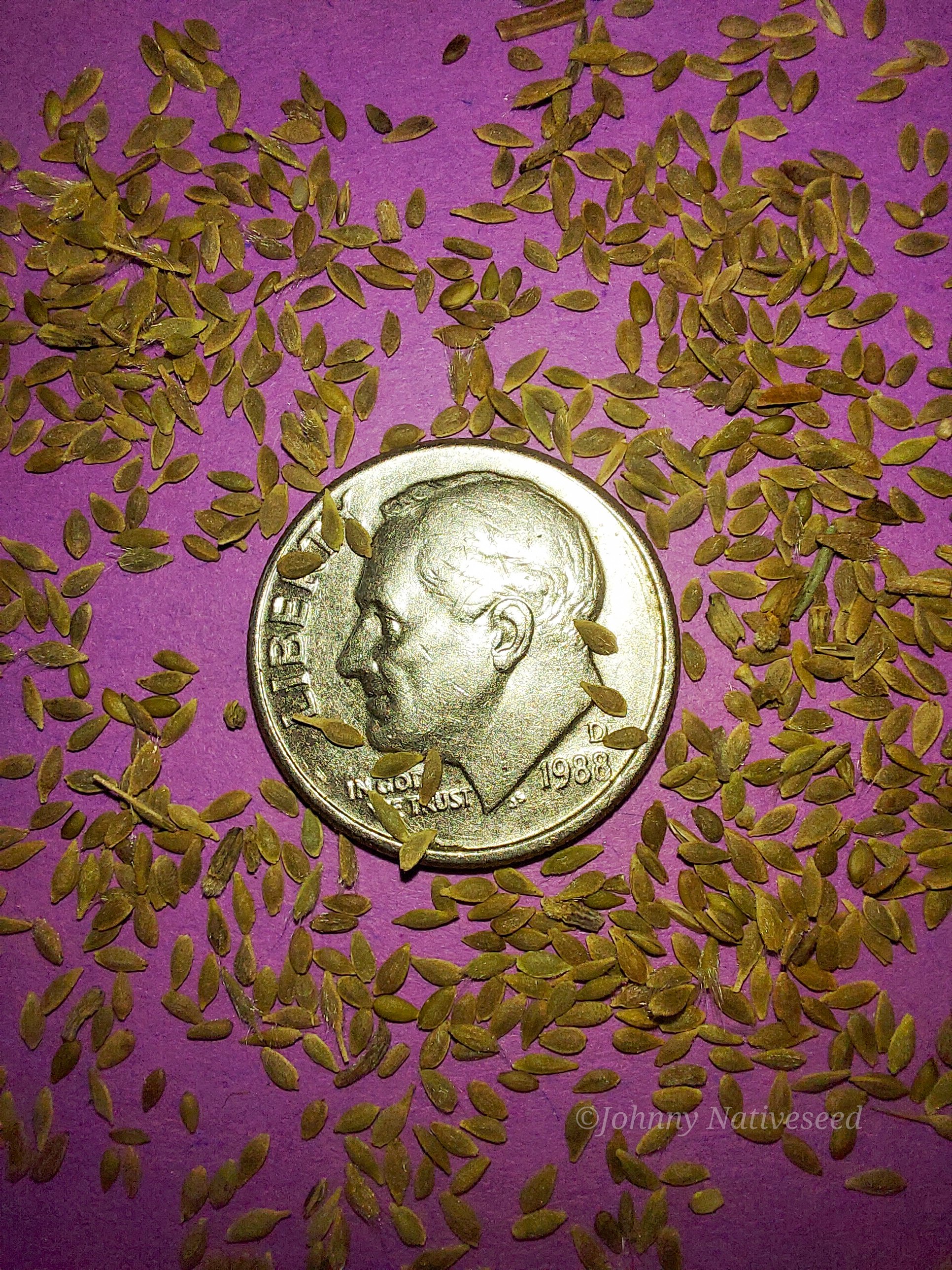
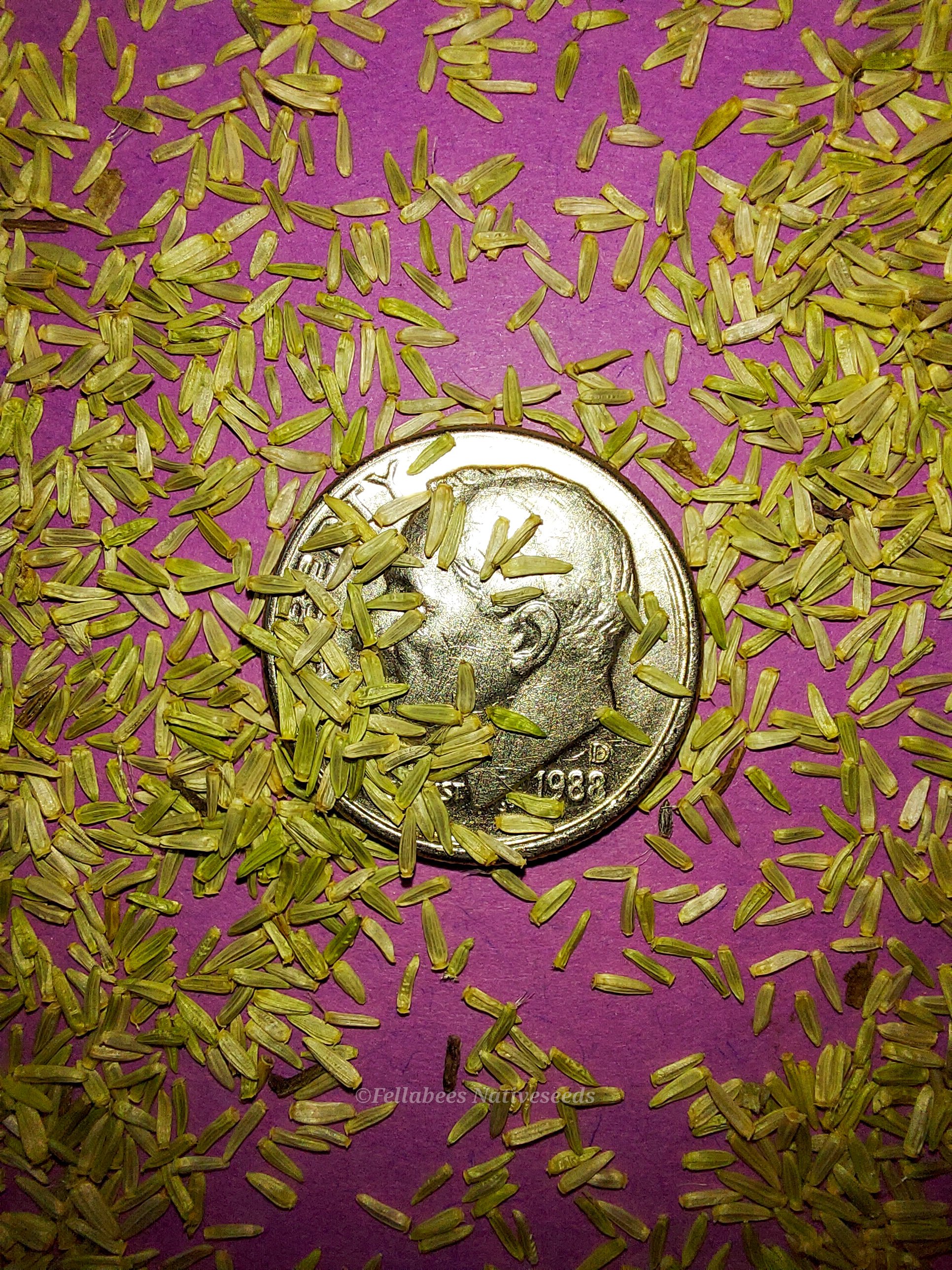
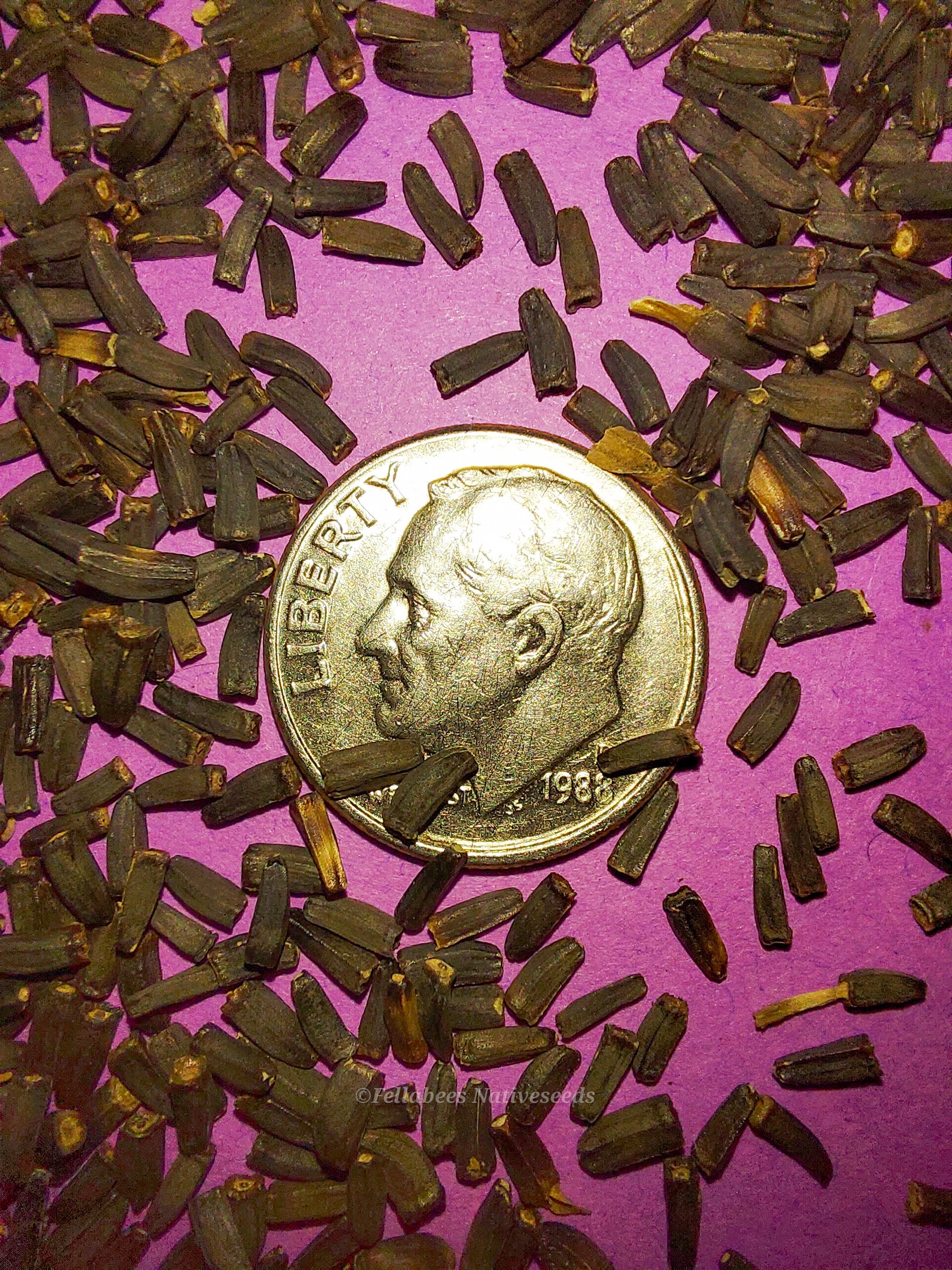
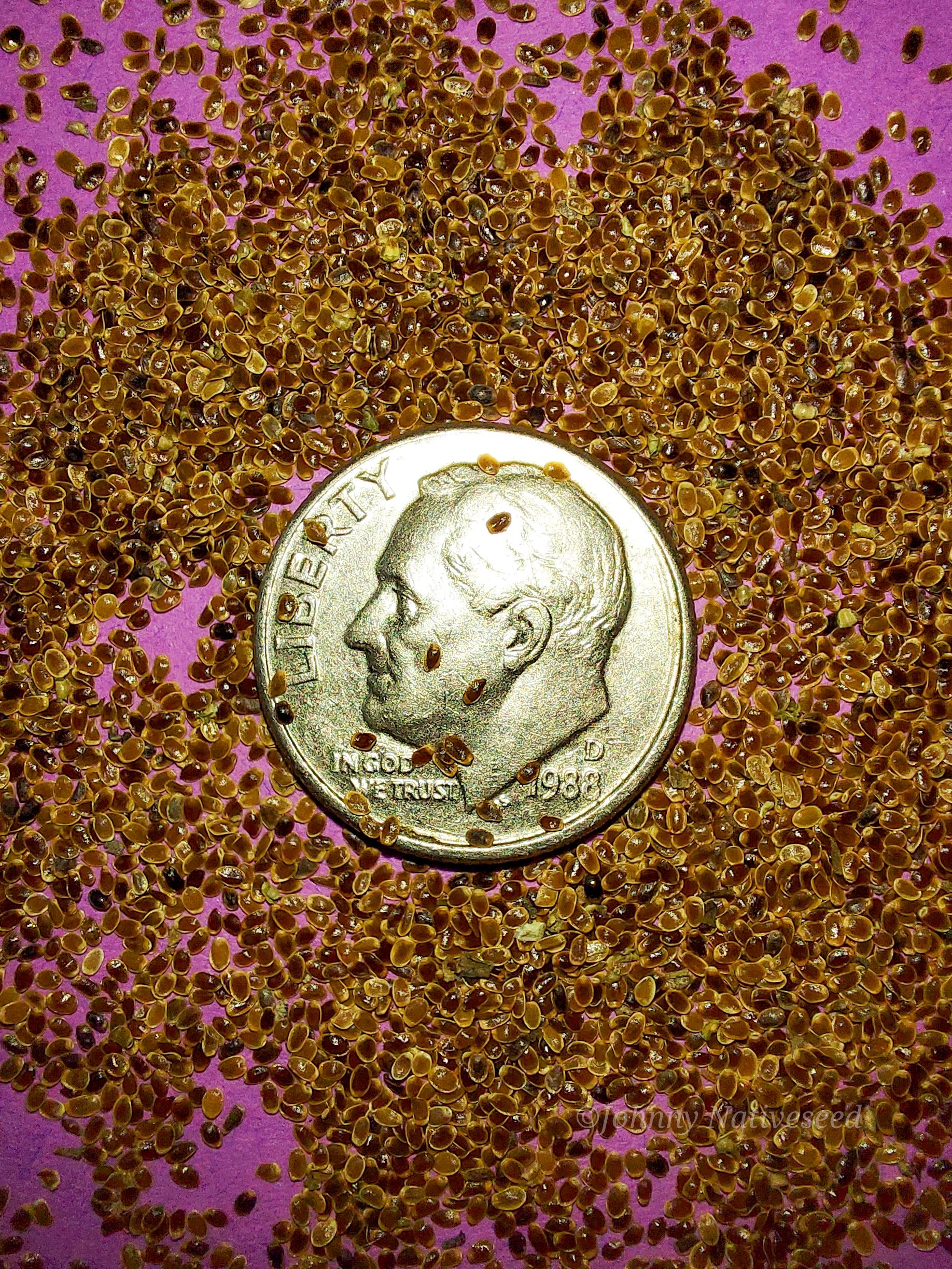
Germination Needs: Needs 60 Days Cold-Moist Stratification. Seed is very small needing light to germinate, surface sow and bottom water for best results.
Life Cycle: Perennial
Sun Exposure: Full to Partial
Soil Moisture: Medium, Medium-Dry, Dry
Plant Spacing: 2 - 6 inches
Height: 1 foot
Bloom time: April, May, June
Bloom Color: White
Advantages:
Pollinator Favorite: butterflies, moths, bees, wasps, beetles
Deer Resistant: Yes
Native to: Wisconsin, Minnesota, Iowa, Illinois, Indiana, Pennsylvania, New York, Vermont, New Hampshire, Maine, Massachusetts, Rhode Island, Connecticut, Delaware, Maryland, New Jersey, West Virginia, Virginia, Kentucky, Tennessee, North Carolina, South Carolina, Georgia, Florida, Alabama, Mississippi, Arkansas, Missouri, Texas, and Oklahoma.
This species is considered present but rare in several counties of the state of Florida
Seed Count: 25+
.
.
Packet quantities:
We pride ourselves on ethical, hands on, ecological management, using no mechanical or chemical methods whatsoever.
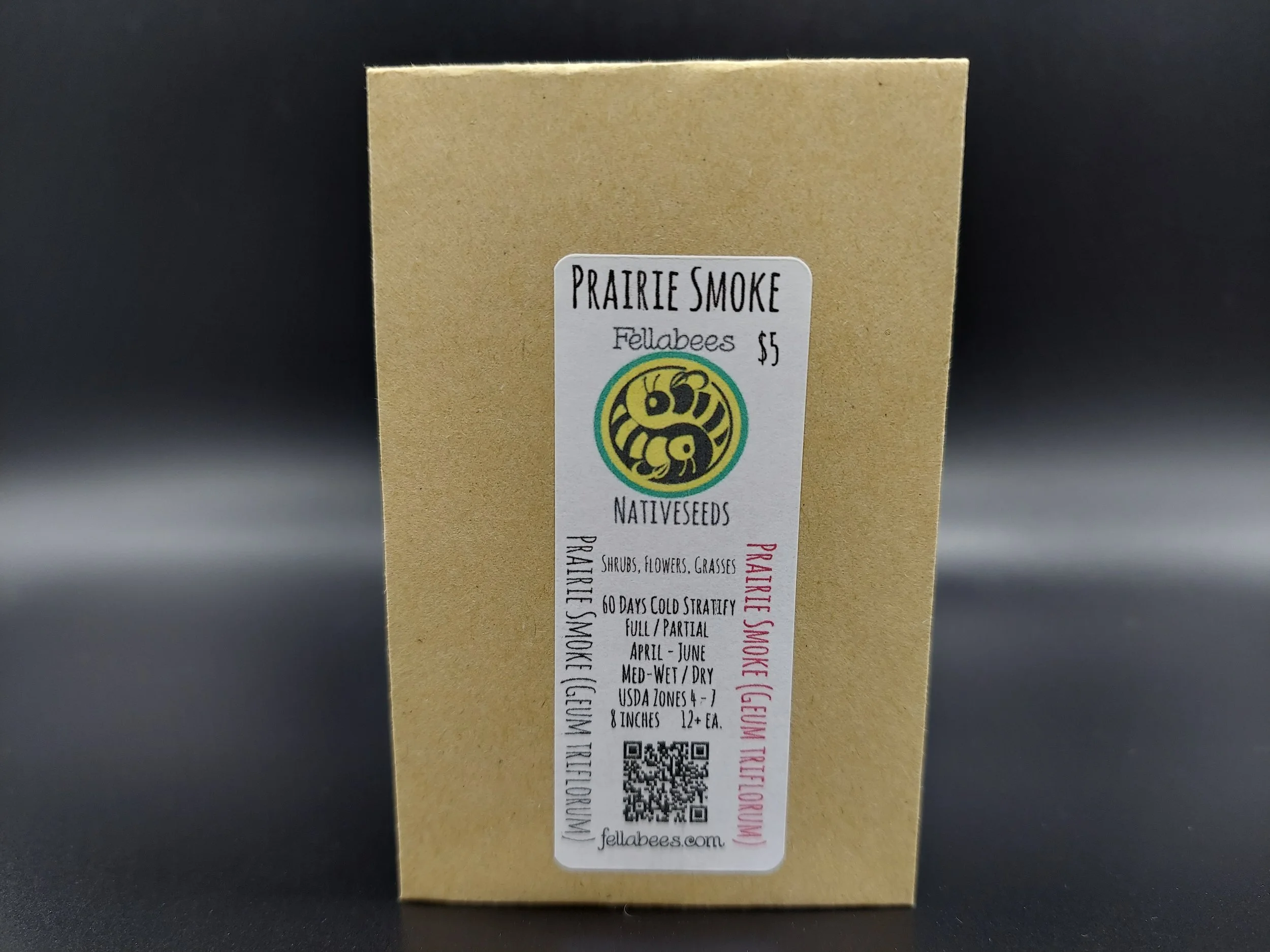
All of our native seed is hand reared, hand-picked, and hand packed from native prairies under our exclusive management, never breaking chain of custody from the field until it is sent to you. Each packet is hand prepared for shipment by us, directly.
Small seed species will contain greater than 20-25 seed
Large seed species will contain greater than 10-15 seed
All packets are individually marked at the bottom of the front label with expected count, however most if not all packets will have many more than the minimum count by default.
It is our mission to spread the wealth of native plant and pollinator ecological sustainability and educate back yard gardeners as well as corporate and government entities in how to germinate, grow, and benefit from native synergies.
Thank you for your support, it is because of you, that we can grow together to do, what we do. 🐛🦋🐝🐞🌾🌱🌼🧡
Pussytoes (Antennaria plantaginifolia)
Antennaria plantaginifolia is the scientific name for the beloved native species more commonly known simply as Pussytoes, or Plantain Leaf Pussytoes and Woman's Tobacco. Pussytoes is a perennial forb native to the eastern regions of North America that produces delicate cream-colored composite flowers in the spring season. This charming wildflower is well-known for its soft, fuzzy flower heads that resemble the soft toes of a cat, making it a favorite among gardeners and pollinators alike.
Antennaria plantaginifolia is dioecious, which means that the male and female flowers grow on separate individual plants rather than on the same plant. This species frequently forms dense colonies, which can sometimes be composed entirely of either male or female plants. One way it achieves this colony formation is through vegetative reproduction. Stolons, which are horizontal stems that emerge from the basal rosette of the plant, spread out and take root in the soil, eventually developing into new, genetically identical plants.
Pussytoes provide an excellent ground cover option for dry, well-drained areas such as rock gardens and other similar settings. Because parts of the plant contain toxic compounds, they are generally avoided by deer, rabbits, and other small animals, making them a reliable choice for gardens where wildlife browsing is a concern. The species Pussytoes (Antennaria plantaginifolia) and Prairie Pussytoes (Antennaria neglecta) can be somewhat challenging to tell apart; their primary distinguishing features are found in their leaves. A. plantaginifolia has broader leaves with 3 to 5 prominent veins, while A. neglecta’s leaves are narrower and typically show only 1 to 2 pronounced veins. Additionally, A. neglecta tends to be shorter in stature compared to A. plantaginifolia. Both species serve as important larval host plants for the American Painted Lady Butterfly (Vanessa virginensis), supporting local pollinator populations and biodiversity.
Plant Details:
USDA Zones: 3-8
Germination Needs: Needs 60 Days Cold-Moist Stratification. Seed is very small needing light to germinate, surface sow and bottom water for best results.
Life Cycle: Perennial
Sun Exposure: Full to Partial
Soil Moisture: Medium, Medium-Dry, Dry
Plant Spacing: 2 - 6 inches
Height: 1 foot
Bloom time: April, May, June
Bloom Color: White
Advantages:
Pollinator Favorite: butterflies, moths, bees, wasps, beetles
Deer Resistant: Yes
Native to: Wisconsin, Minnesota, Iowa, Illinois, Indiana, Pennsylvania, New York, Vermont, New Hampshire, Maine, Massachusetts, Rhode Island, Connecticut, Delaware, Maryland, New Jersey, West Virginia, Virginia, Kentucky, Tennessee, North Carolina, South Carolina, Georgia, Florida, Alabama, Mississippi, Arkansas, Missouri, Texas, and Oklahoma.
This species is considered present but rare in several counties of the state of Florida
Seed Count: 25+
.
.
Packet quantities:
We pride ourselves on ethical, hands on, ecological management, using no mechanical or chemical methods whatsoever.
All of our native seed is hand reared, hand-picked, and hand packed from native prairies under our exclusive management, never breaking chain of custody from the field until it is sent to you. Each packet is hand prepared for shipment by us, directly.
Small seed species will contain greater than 20-25 seed
Large seed species will contain greater than 10-15 seed
All packets are individually marked at the bottom of the front label with expected count, however most if not all packets will have many more than the minimum count by default.
It is our mission to spread the wealth of native plant and pollinator ecological sustainability and educate back yard gardeners as well as corporate and government entities in how to germinate, grow, and benefit from native synergies.
Thank you for your support, it is because of you, that we can grow together to do, what we do. 🐛🦋🐝🐞🌾🌱🌼🧡
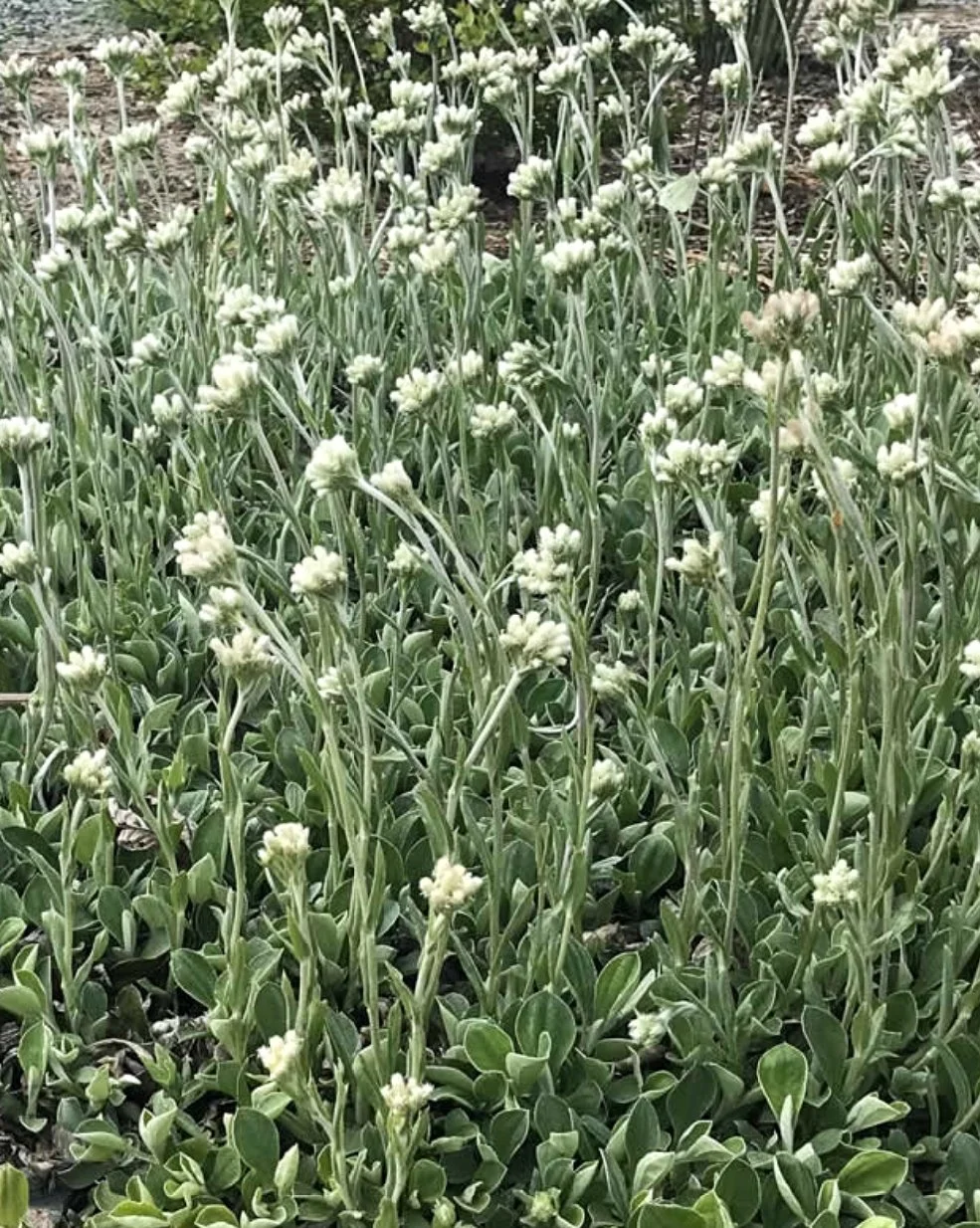 Image 1 of 6
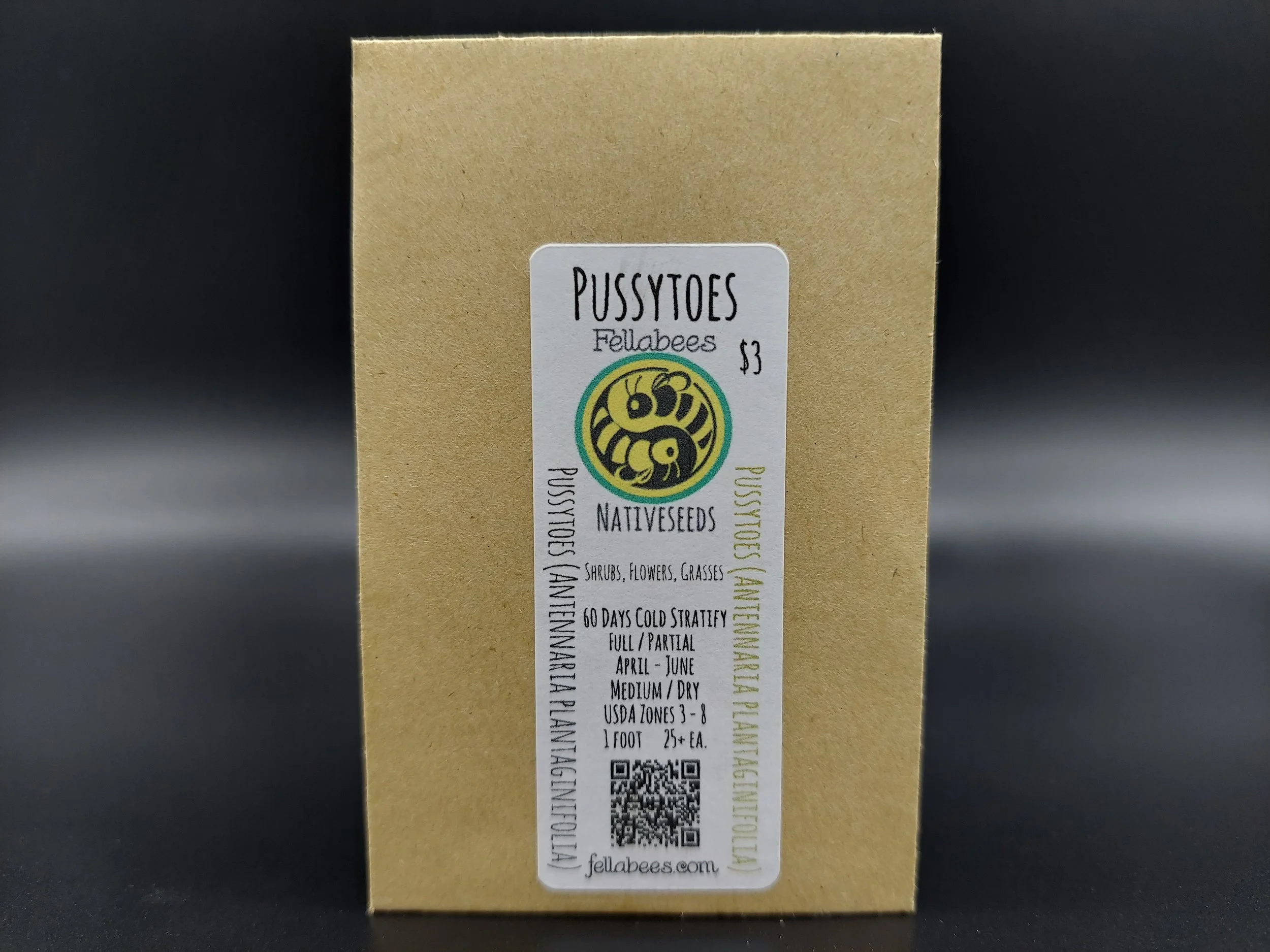 Image 2 of 6
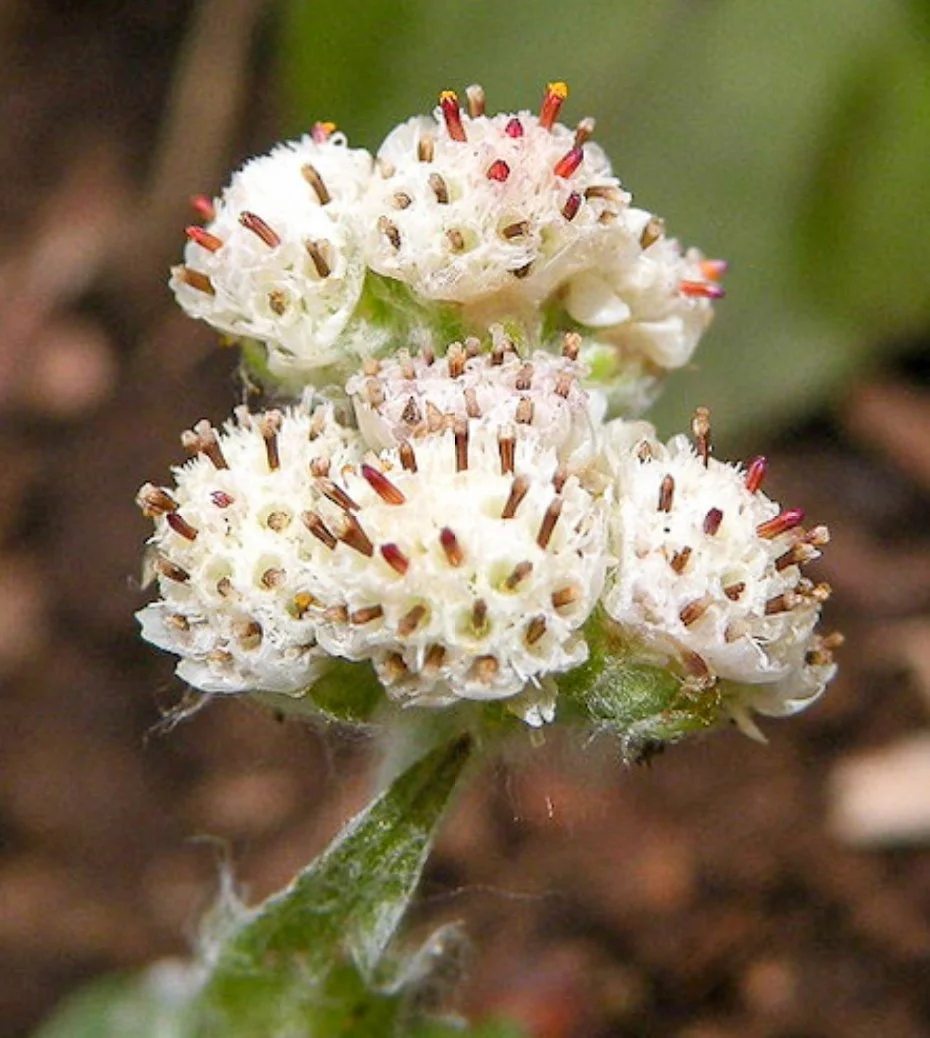 Image 3 of 6
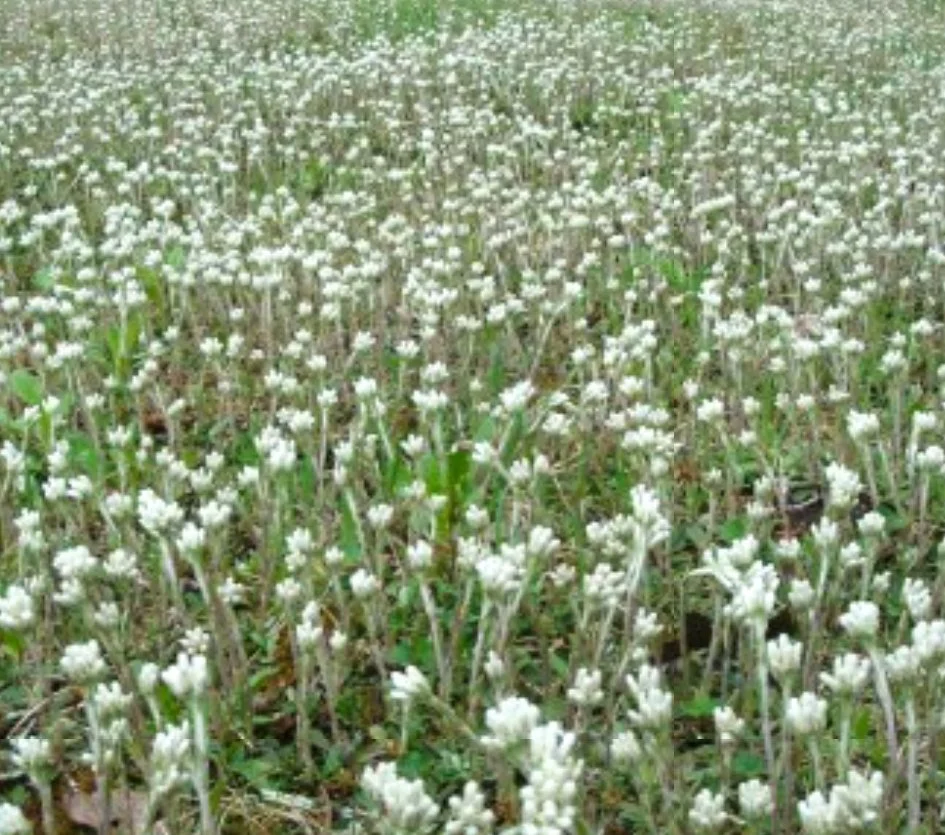 Image 4 of 6
 Image 5 of 6
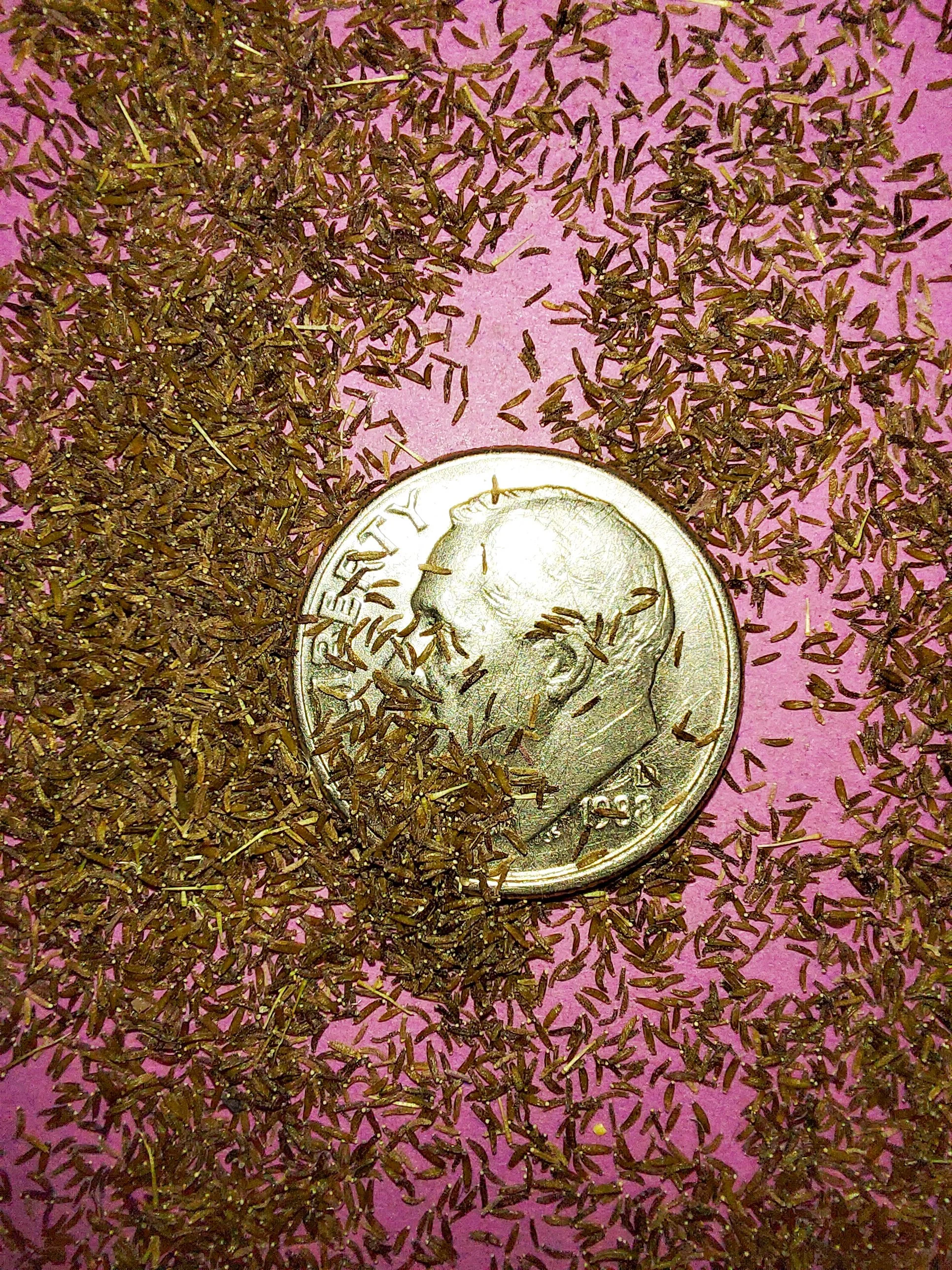 Image 6 of 6