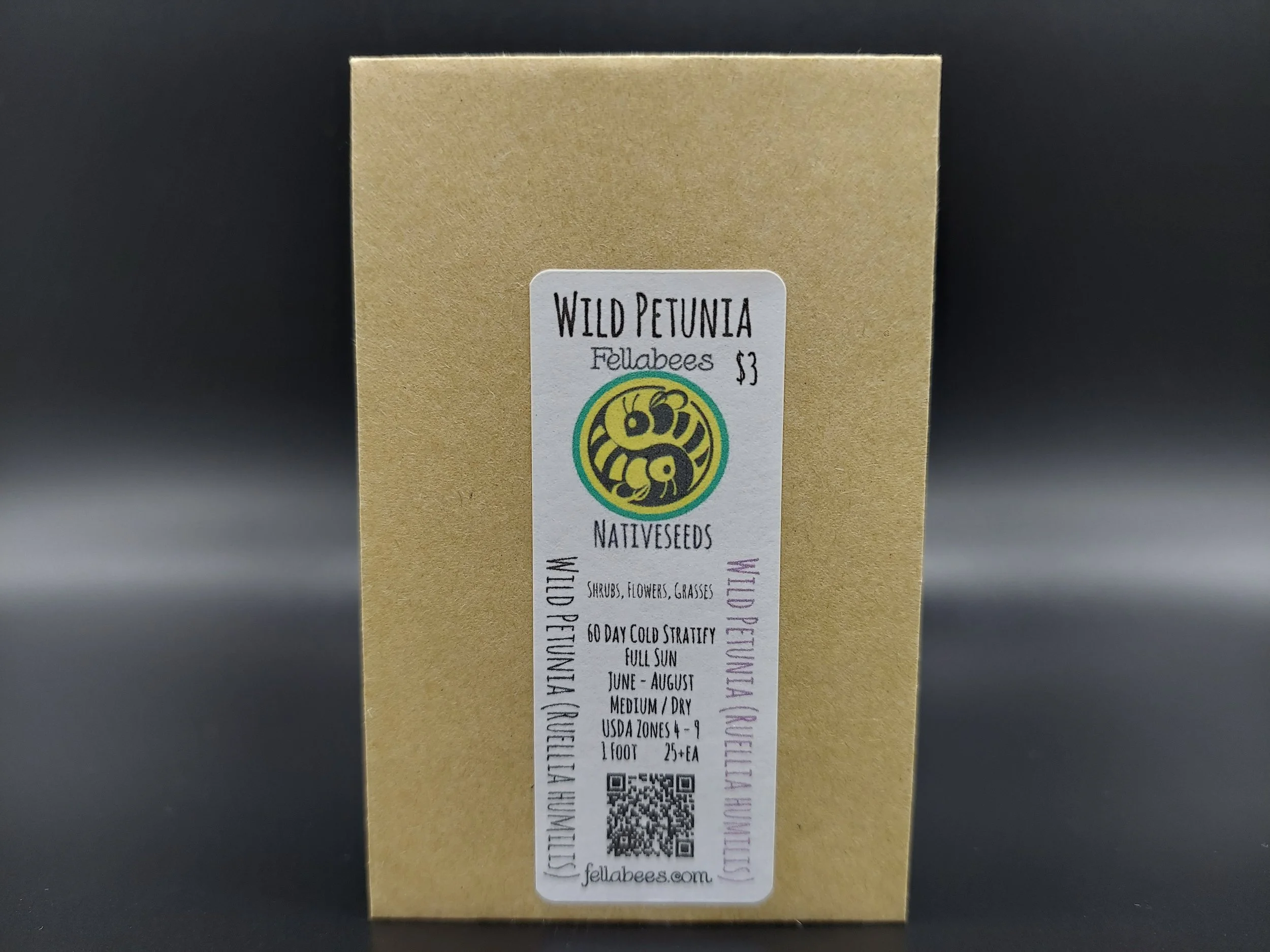
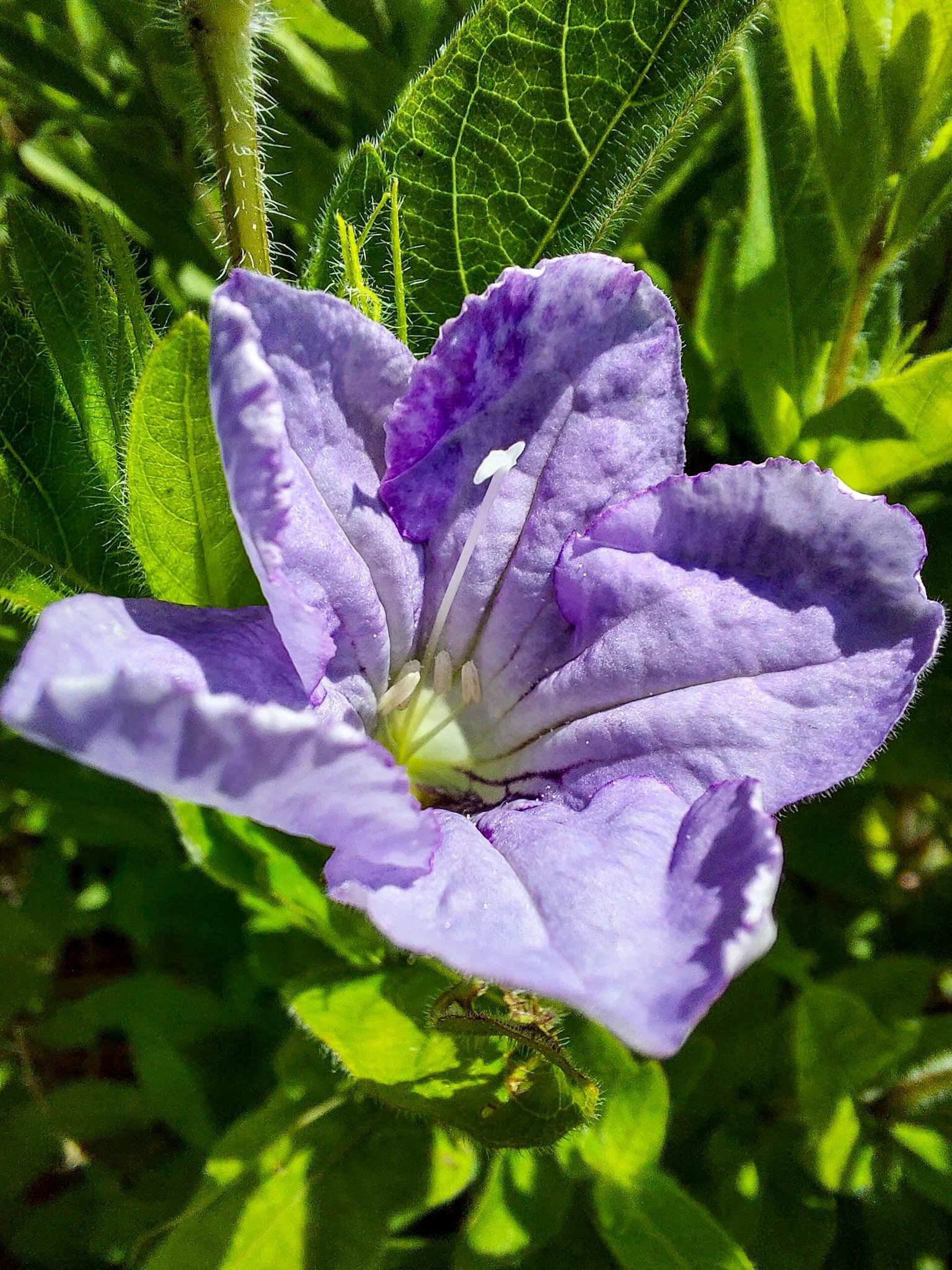
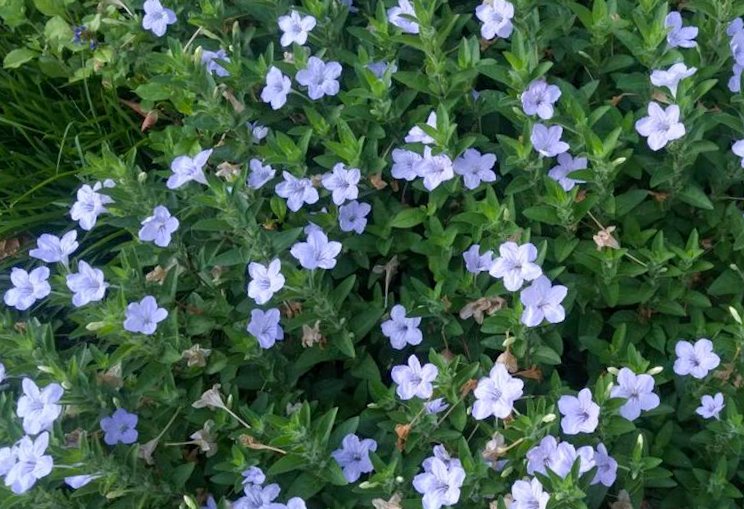
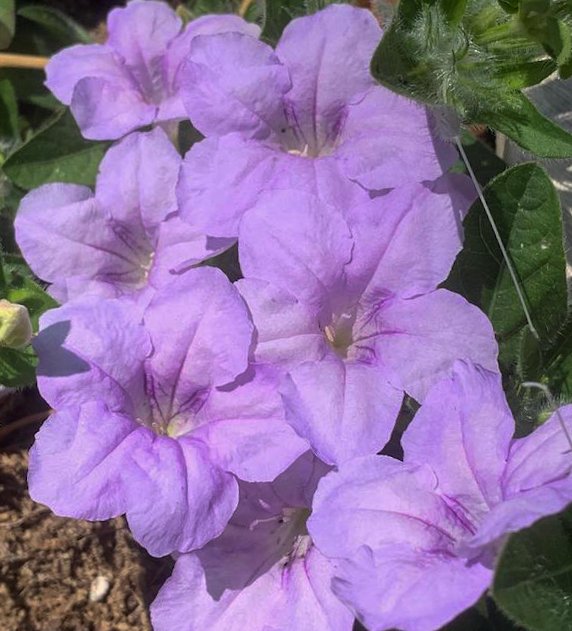
Rattlebox (Crotalaria sagittalis)
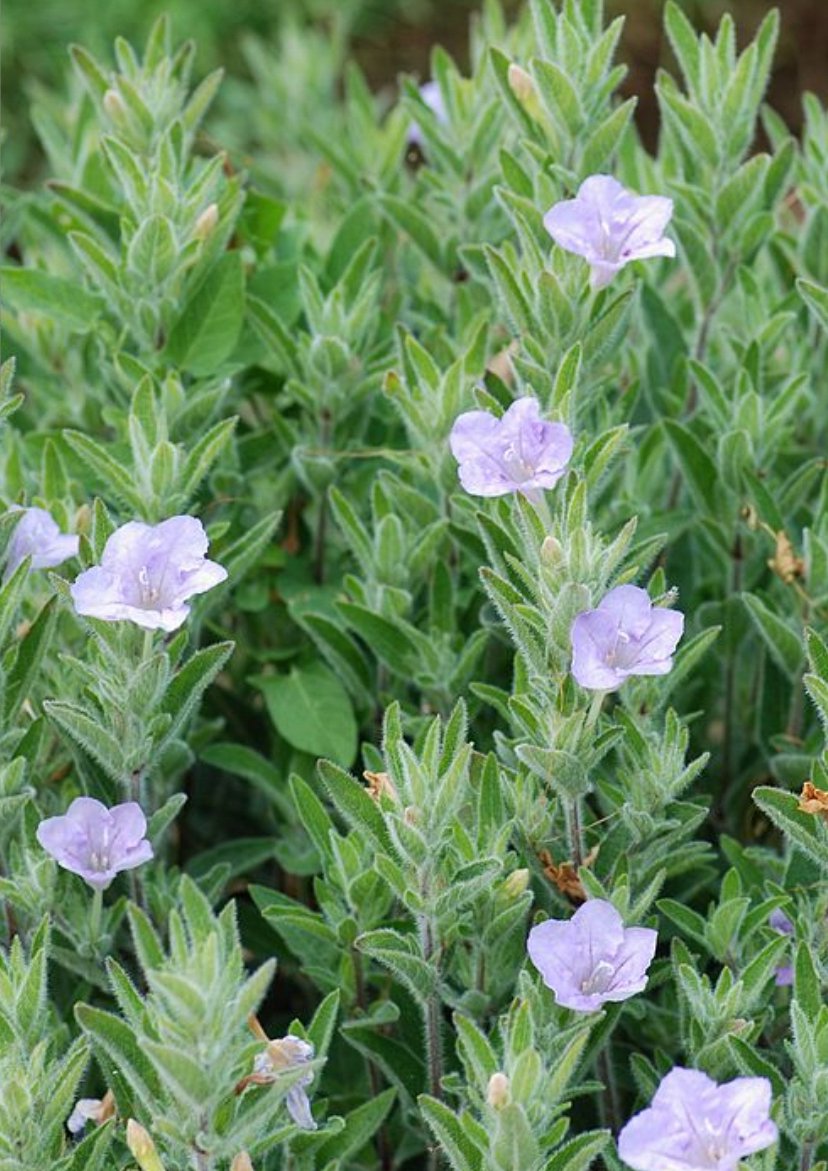
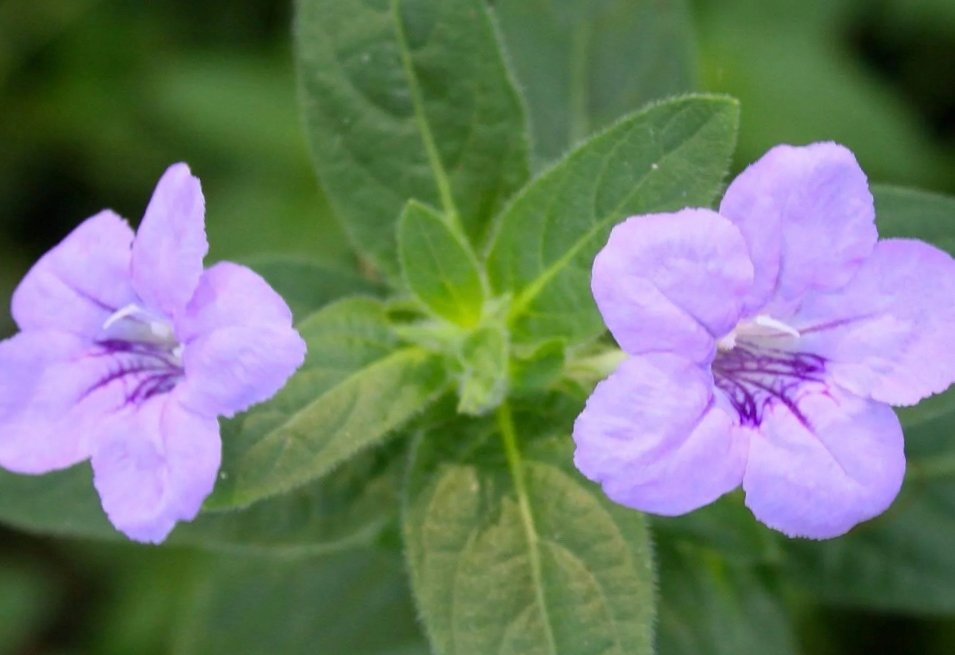
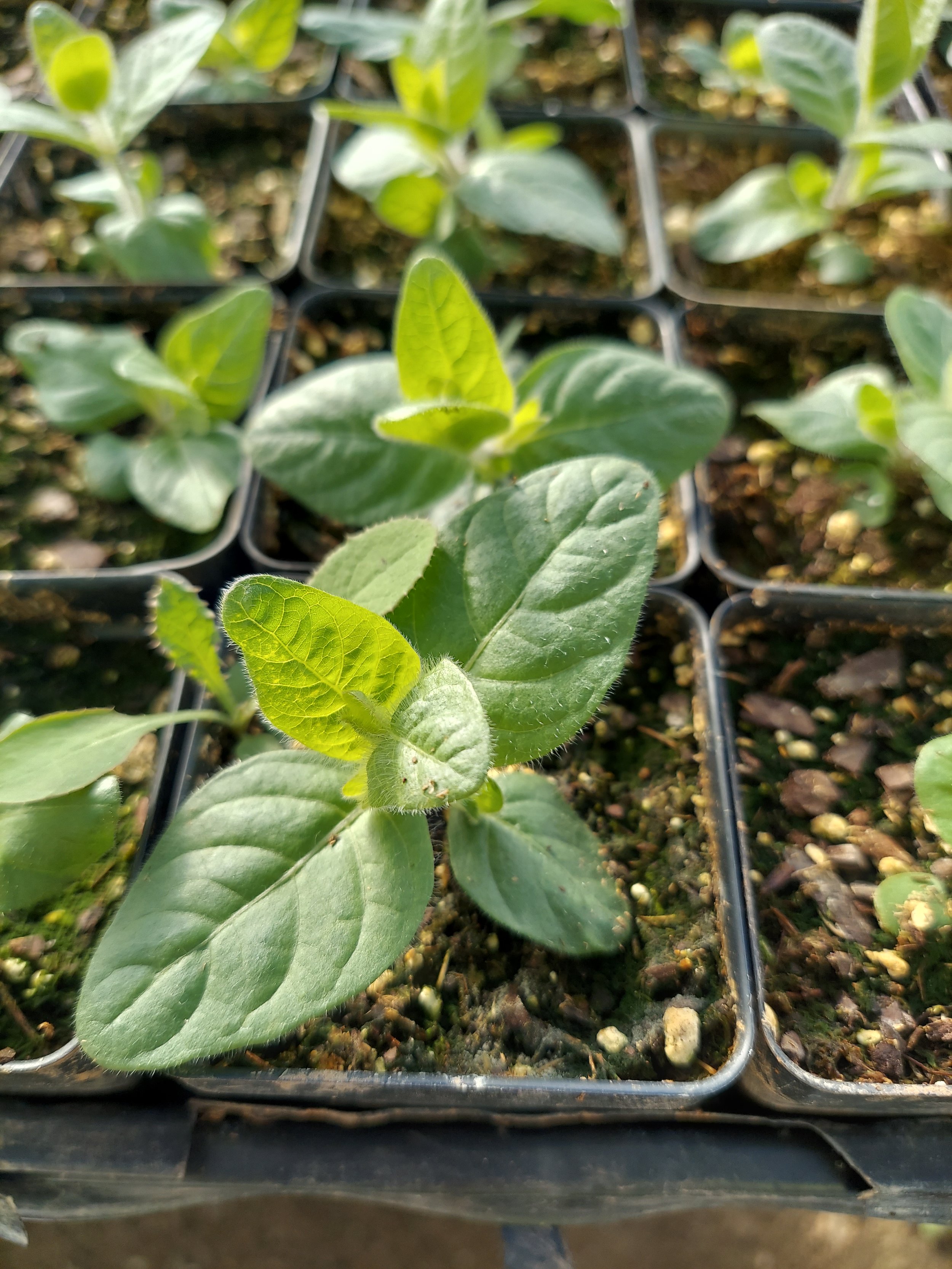
Crotalaria sagittalis is the scientific name for the species more commonly known as Rattlebox, or Arrowhead Rattlebox. Rattlebox is an annual wildflower native to the United States, Midwestern and Eastern states. Growing 6-12 inches tall with alternate, short-petiolate and hairy leaves and a yellow flower that yields a plump seed pod that will rattle when shaken. It is a member of the Crotalaria family which holds over 500 species simply called Rattlepods.
Rattlebox is a legume species that produces just a few small, yellow, pea-like summer flowers at a time. These flowers are primarily visited by a variety of long-tongued bees, including bumblebees (Bombus spp.), Carder bees (Anthidium spp.), Cuckoo bees (Coelioxys spp.), and large Leaf-Cutting bees (Megachile spp.), all of which play an important role in pollination.
After pollination, the flowers gradually transform into plump seed pods that hang down and appear noticeably heavier at the bottom. When these pods are dry and fully mature, they create a distinctive rattling sound when moved or shaken. This relatively small, one-foot-tall plant develops a strong taproot and disperses its seeds by wind, as the dried plant itself is blown around by breezes.
Like many plants in the legume family, Rattlebox plays an important role in enhancing soil fertility by converting atmospheric nitrogen into a usable form for other plants. This natural and sustainable process enriches the soil, thereby encouraging healthier and more vigorous growth for neighboring vegetation. With its sturdy root system, Rattlebox effectively stabilizes soil in disturbed or vulnerable areas. This helps to prevent erosion, making it an excellent and practical choice for gardens located on slopes or in regions that experience frequent runoff. In addition to its environmental benefits, the vibrant yellow blooms provide a bright splash of color to any garden setting. Their cheerful and welcoming appearance can significantly brighten up landscapes and contribute to an inviting outdoor atmosphere.
Plant Details:
USDA Zones: 4 - 9
Germination Needs: No Treatment Needed; however, this species does benefit from inoculum if sown in sterile starting soil.
Life Cycle: Annual
Sun Exposure: Full Sun
Soil Moisture: Medium-Dry, Dry
Plant Spacing: 6 - 12 inches
Height: 1 foot
Bloom time: July, August, September
Bloom Color: Yellow
Advantages:
Pollinator Favorite: butterflies, moths, bees, wasps, beetles
Deer Resistant: Yes
Native to: Wisconsin, Minnesota, Iowa, Illinois, Indiana, Michigan, Ohio, Pennsylvania, New York, Vermont, New Hampshire, Massachusetts, Rhode Island, Connecticut, Delaware, Maryland, New Jersey, West Virginia, Virginia, Kentucky, Tennessee, North Carolina, South Carolina, Georgia, Florida, Alabama, Mississippi, Louisiana, Arkansas, Missouri, Texas, Oklahoma, Kansas, Nebraska, South Dakota and Arizona.
This plant is considered present but rare in several counties of the states of Wisconsin, Minnesota, New York, Vermont, Rhode Island, Nebraska and South Dakota.
This plant is considered to be extirpated (locally extinct) in several counties of the states of New Hampshire and Florida.
This species is erroneously labeled as “noxious" by the current occupants of the land within its natural and historical native range in several counties of the states of Arkansas, Mississippi, Alabama and Georgia.
*We will not make alternate plant suggestions if your location is within range of these noxious listing counties. We feel strongly that nature knows best, regardless of the opinions of humans who did not evolve alongside these integral species.
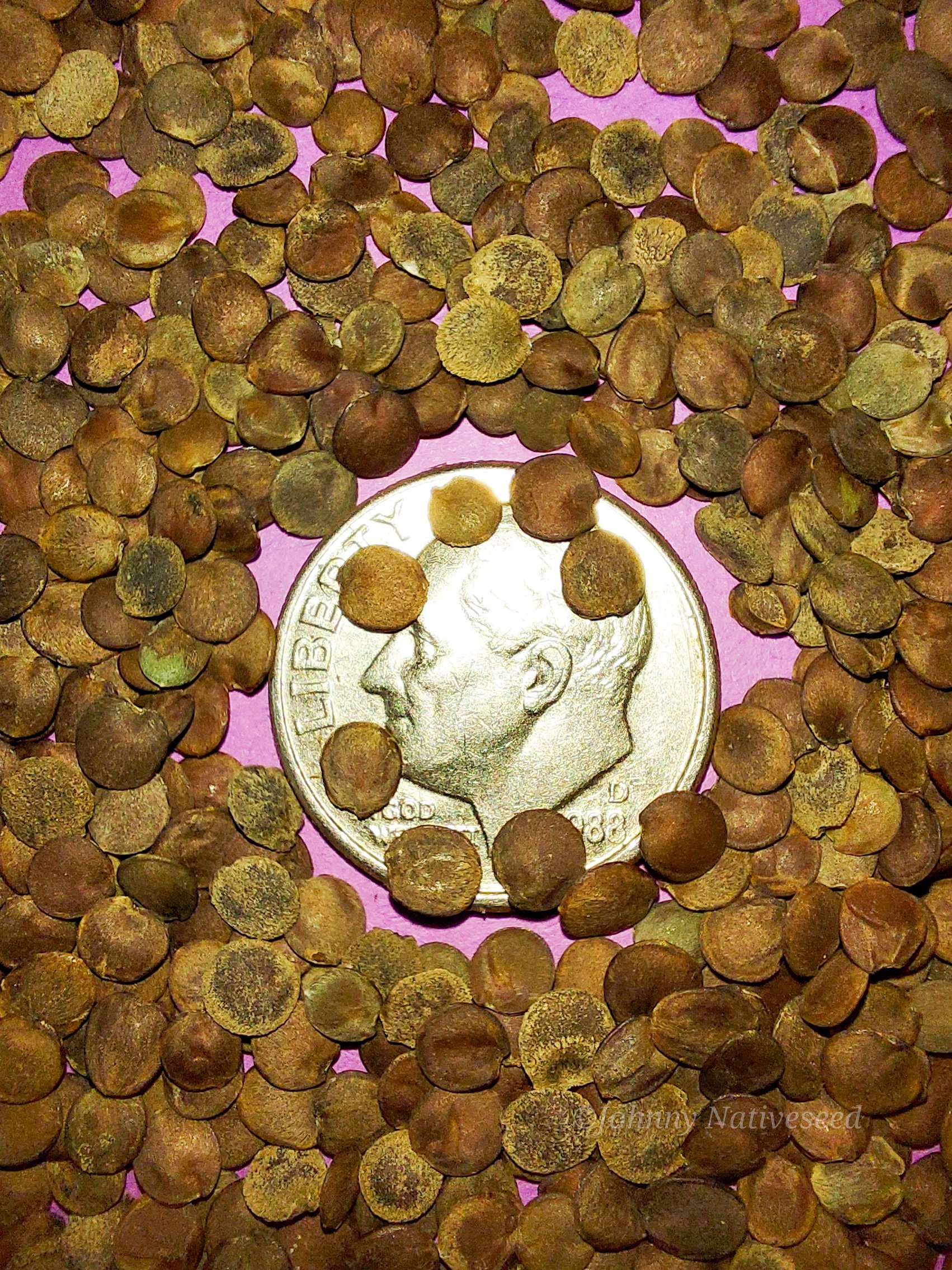
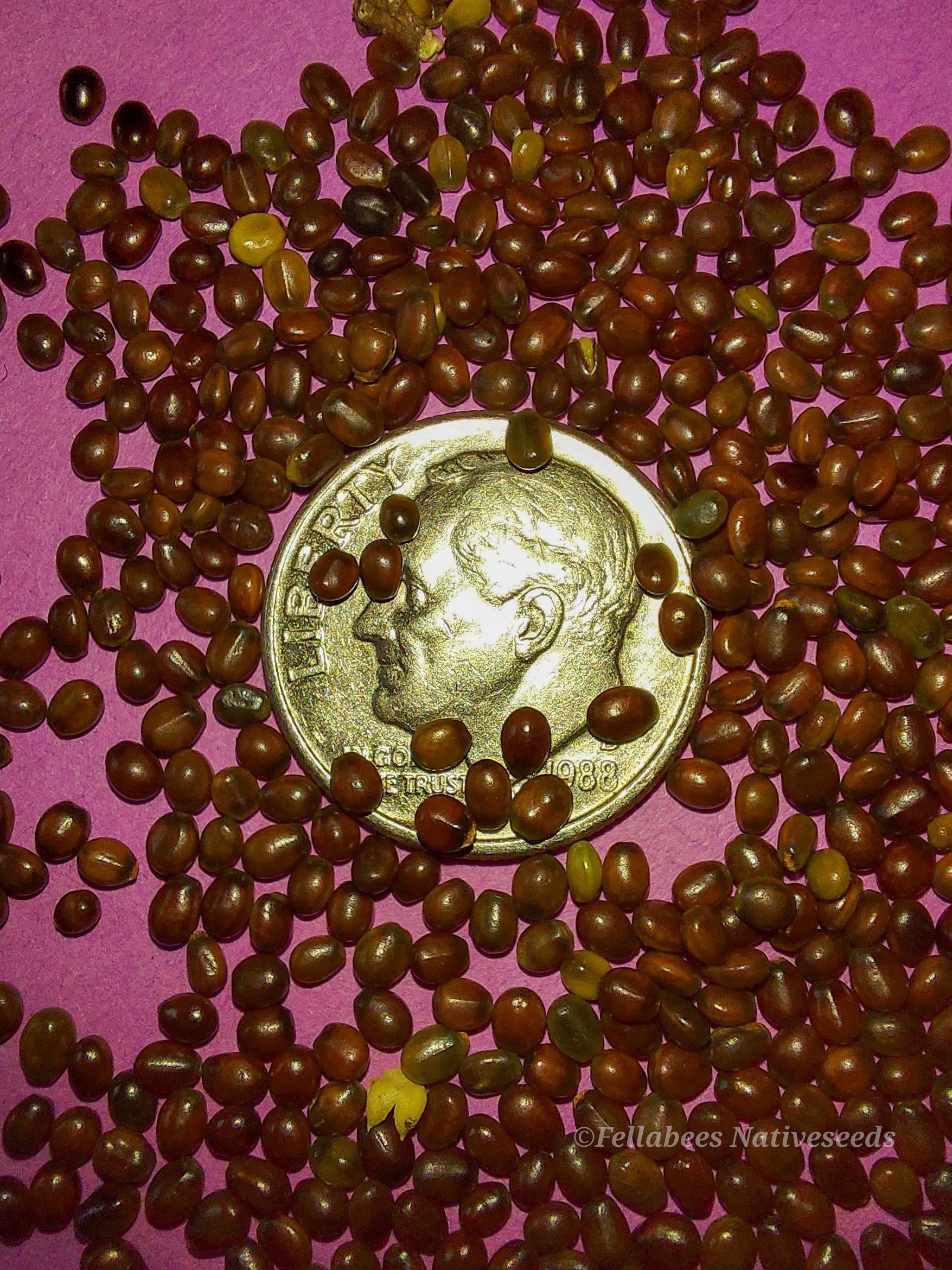
Seed Count: 20+
.
.
Packet quantities:
We pride ourselves on ethical, hands on, ecological management, using no mechanical or chemical methods whatsoever.
All of our native seed is hand reared, hand-picked, and hand packed from native prairies under our exclusive management, never breaking chain of custody from the field until it is sent to you. Each packet is hand prepared for shipment by us, directly.
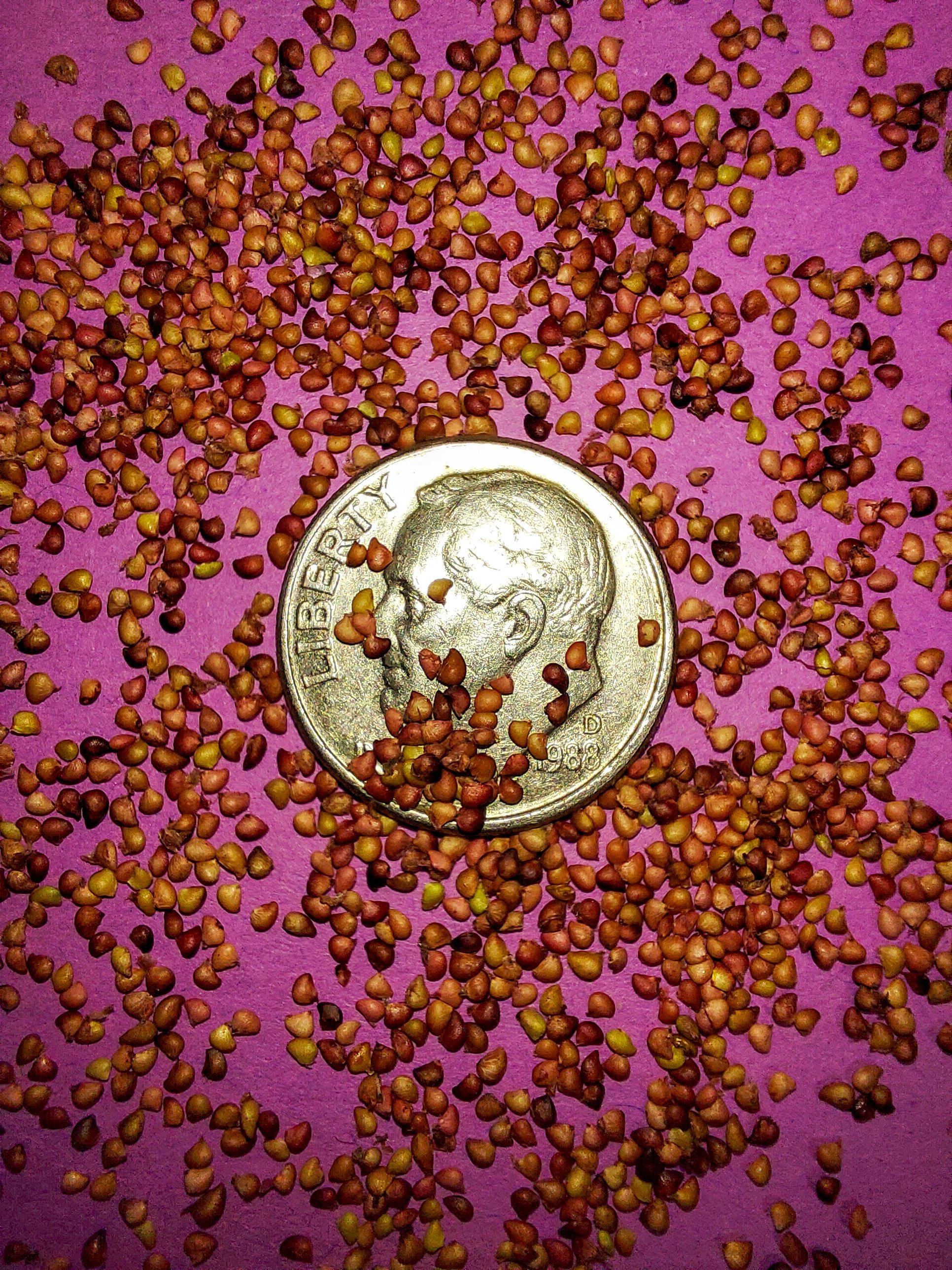
Small seed species will contain greater than 20-25 seed
Large seed species will contain greater than 10-15 seed
All packets are individually marked at the bottom of the front label with expected count, however most if not all packets will have many more than the minimum count by default.
It is our mission to spread the wealth of native plant and pollinator ecological sustainability and educate back yard gardeners as well as corporate and government entities in how to germinate, grow, and benefit from native synergies.
Thank you for your support, it is because of you, that we can grow together to do, what we do. 🐛🦋🐝🐞🌾🌱🌼🧡
Rattlebox (Crotalaria sagittalis)
Crotalaria sagittalis is the scientific name for the species more commonly known as Rattlebox, or Arrowhead Rattlebox. Rattlebox is an annual wildflower native to the United States, Midwestern and Eastern states. Growing 6-12 inches tall with alternate, short-petiolate and hairy leaves and a yellow flower that yields a plump seed pod that will rattle when shaken. It is a member of the Crotalaria family which holds over 500 species simply called Rattlepods.
Rattlebox is a legume species that produces just a few small, yellow, pea-like summer flowers at a time. These flowers are primarily visited by a variety of long-tongued bees, including bumblebees (Bombus spp.), Carder bees (Anthidium spp.), Cuckoo bees (Coelioxys spp.), and large Leaf-Cutting bees (Megachile spp.), all of which play an important role in pollination.
After pollination, the flowers gradually transform into plump seed pods that hang down and appear noticeably heavier at the bottom. When these pods are dry and fully mature, they create a distinctive rattling sound when moved or shaken. This relatively small, one-foot-tall plant develops a strong taproot and disperses its seeds by wind, as the dried plant itself is blown around by breezes.
Like many plants in the legume family, Rattlebox plays an important role in enhancing soil fertility by converting atmospheric nitrogen into a usable form for other plants. This natural and sustainable process enriches the soil, thereby encouraging healthier and more vigorous growth for neighboring vegetation. With its sturdy root system, Rattlebox effectively stabilizes soil in disturbed or vulnerable areas. This helps to prevent erosion, making it an excellent and practical choice for gardens located on slopes or in regions that experience frequent runoff. In addition to its environmental benefits, the vibrant yellow blooms provide a bright splash of color to any garden setting. Their cheerful and welcoming appearance can significantly brighten up landscapes and contribute to an inviting outdoor atmosphere.
Plant Details:
USDA Zones: 4 - 9
Germination Needs: No Treatment Needed; however, this species does benefit from inoculum if sown in sterile starting soil.
Life Cycle: Annual
Sun Exposure: Full Sun
Soil Moisture: Medium-Dry, Dry
Plant Spacing: 6 - 12 inches
Height: 1 foot
Bloom time: July, August, September
Bloom Color: Yellow
Advantages:
Pollinator Favorite: butterflies, moths, bees, wasps, beetles
Deer Resistant: Yes
Native to: Wisconsin, Minnesota, Iowa, Illinois, Indiana, Michigan, Ohio, Pennsylvania, New York, Vermont, New Hampshire, Massachusetts, Rhode Island, Connecticut, Delaware, Maryland, New Jersey, West Virginia, Virginia, Kentucky, Tennessee, North Carolina, South Carolina, Georgia, Florida, Alabama, Mississippi, Louisiana, Arkansas, Missouri, Texas, Oklahoma, Kansas, Nebraska, South Dakota and Arizona.
This plant is considered present but rare in several counties of the states of Wisconsin, Minnesota, New York, Vermont, Rhode Island, Nebraska and South Dakota.
This plant is considered to be extirpated (locally extinct) in several counties of the states of New Hampshire and Florida.
This species is erroneously labeled as “noxious" by the current occupants of the land within its natural and historical native range in several counties of the states of Arkansas, Mississippi, Alabama and Georgia.
*We will not make alternate plant suggestions if your location is within range of these noxious listing counties. We feel strongly that nature knows best, regardless of the opinions of humans who did not evolve alongside these integral species.
Seed Count: 20+
.
.
Packet quantities:
We pride ourselves on ethical, hands on, ecological management, using no mechanical or chemical methods whatsoever.
All of our native seed is hand reared, hand-picked, and hand packed from native prairies under our exclusive management, never breaking chain of custody from the field until it is sent to you. Each packet is hand prepared for shipment by us, directly.
Small seed species will contain greater than 20-25 seed
Large seed species will contain greater than 10-15 seed
All packets are individually marked at the bottom of the front label with expected count, however most if not all packets will have many more than the minimum count by default.
It is our mission to spread the wealth of native plant and pollinator ecological sustainability and educate back yard gardeners as well as corporate and government entities in how to germinate, grow, and benefit from native synergies.
Thank you for your support, it is because of you, that we can grow together to do, what we do. 🐛🦋🐝🐞🌾🌱🌼🧡
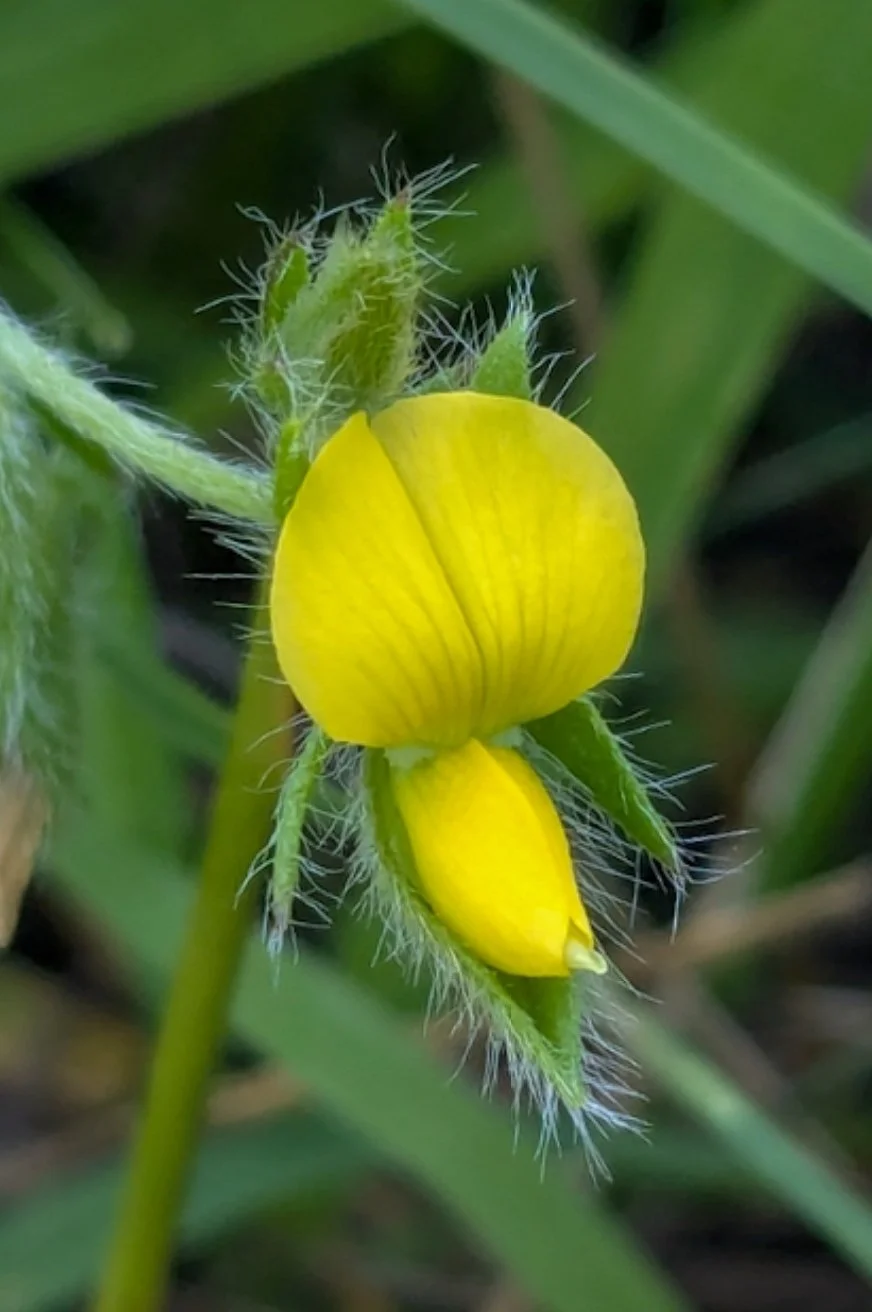 Image 1 of 5
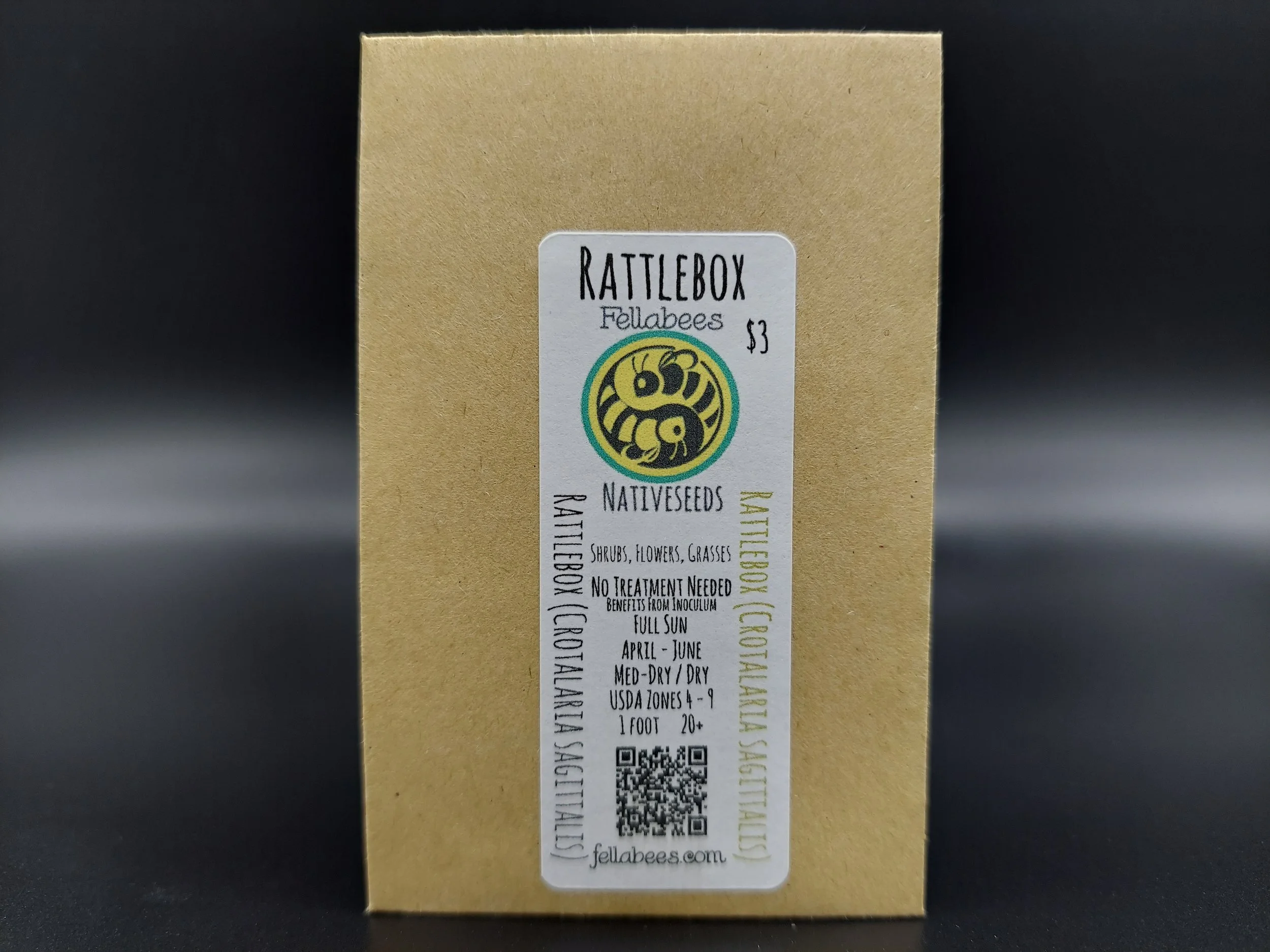 Image 2 of 5
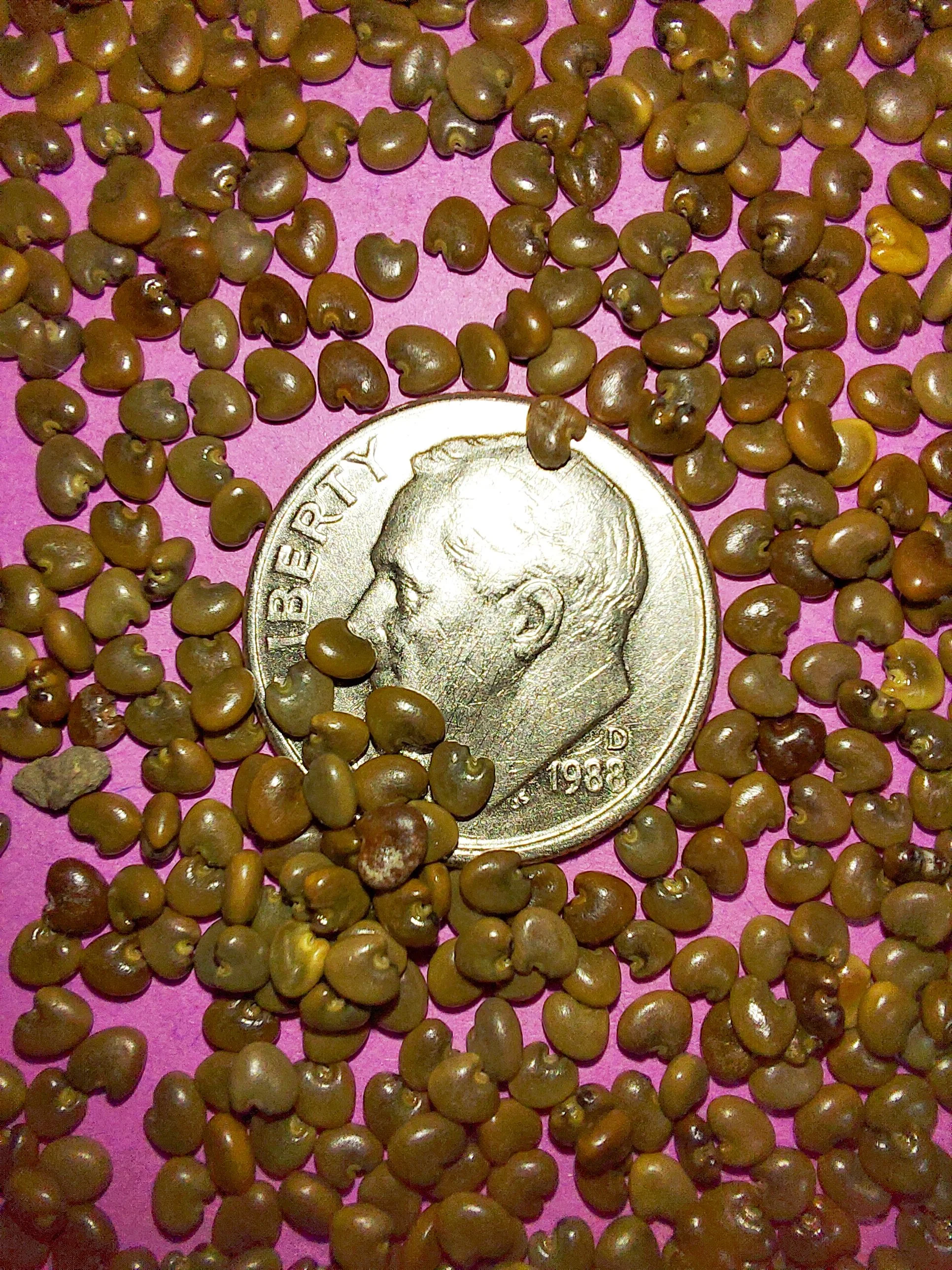 Image 3 of 5
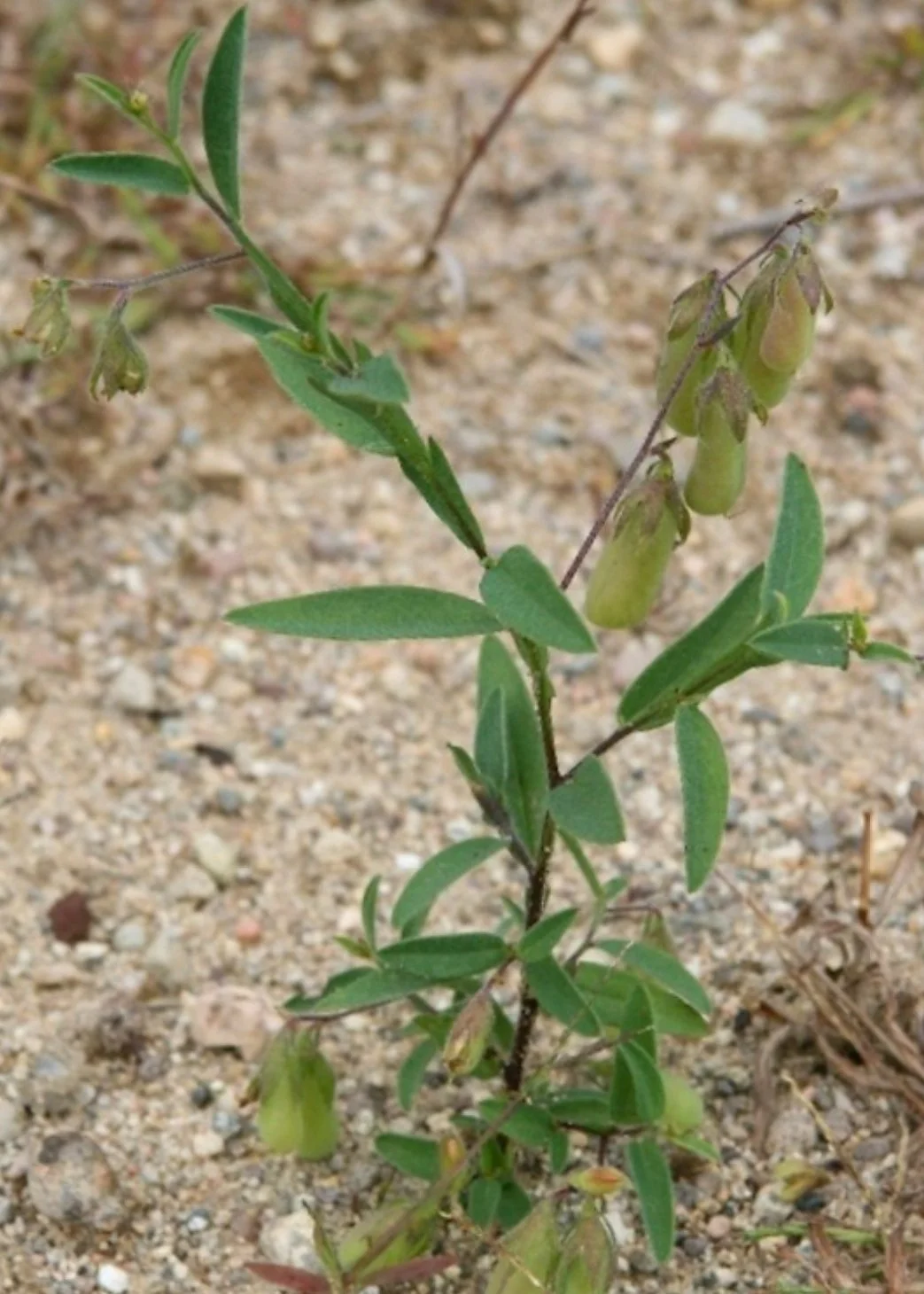 Image 4 of 5
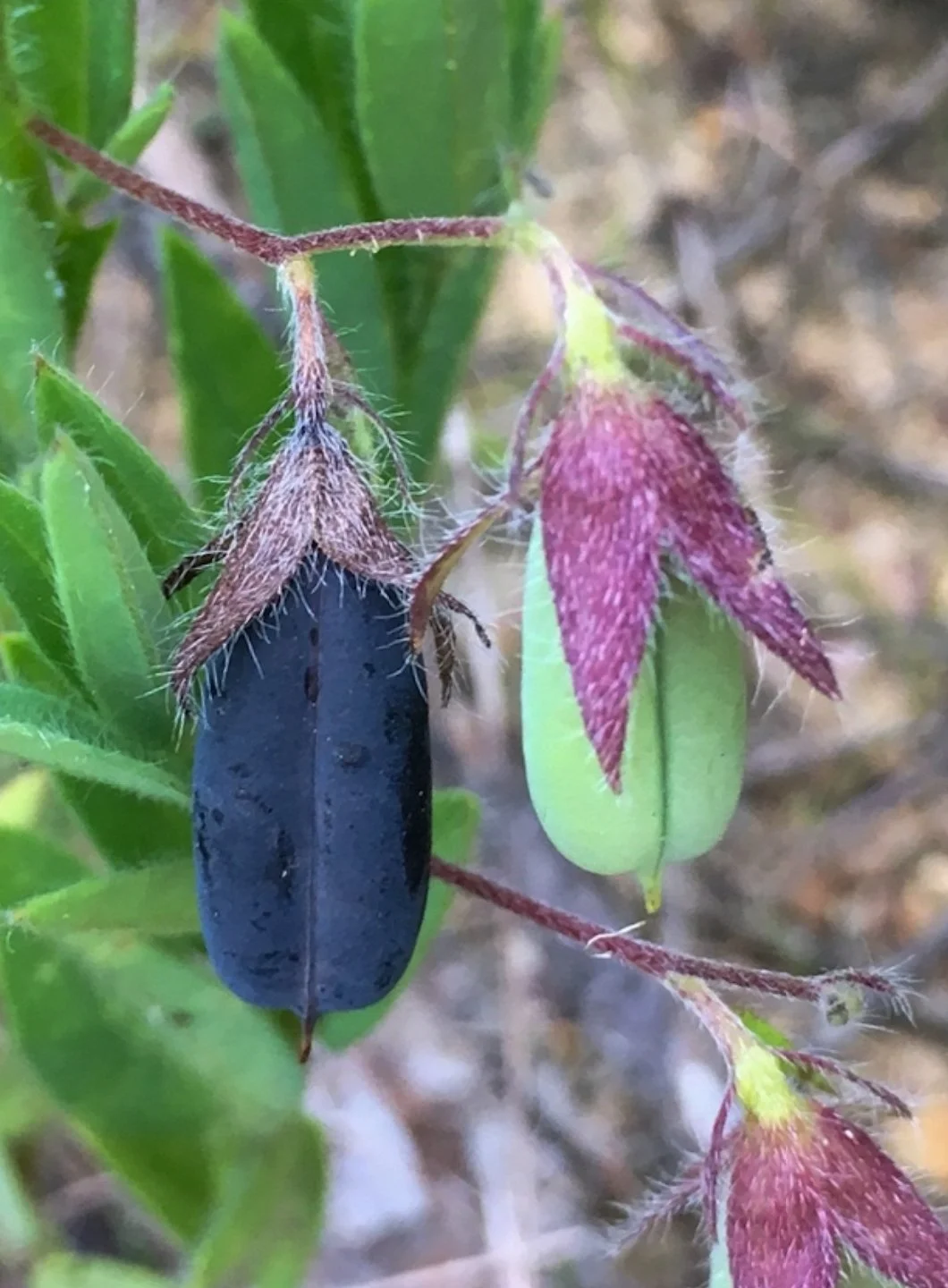 Image 5 of 5