Sale Price:
$1.50
Original Price:
$3.00
Rosin Weed (Silphium integrifolium)
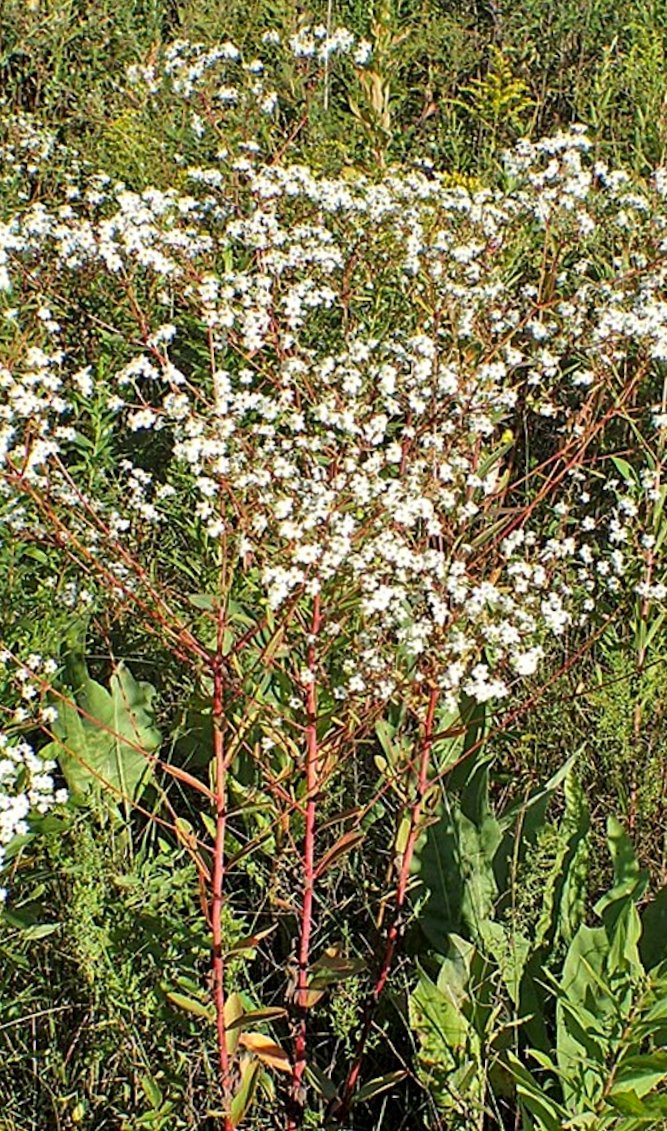
Silphium integrifolium is the scientific name for the species of flowering plant in the family Asteraceae. It is also known as: Rosin Weed, Whole-leaf Rosinweed, Entire-leaf Rosinweed, Prairie Rosinweed, and Silflower. It is native to eastern North America, including Ontario in Canada and the eastern and central United States as far west as New Mexico.
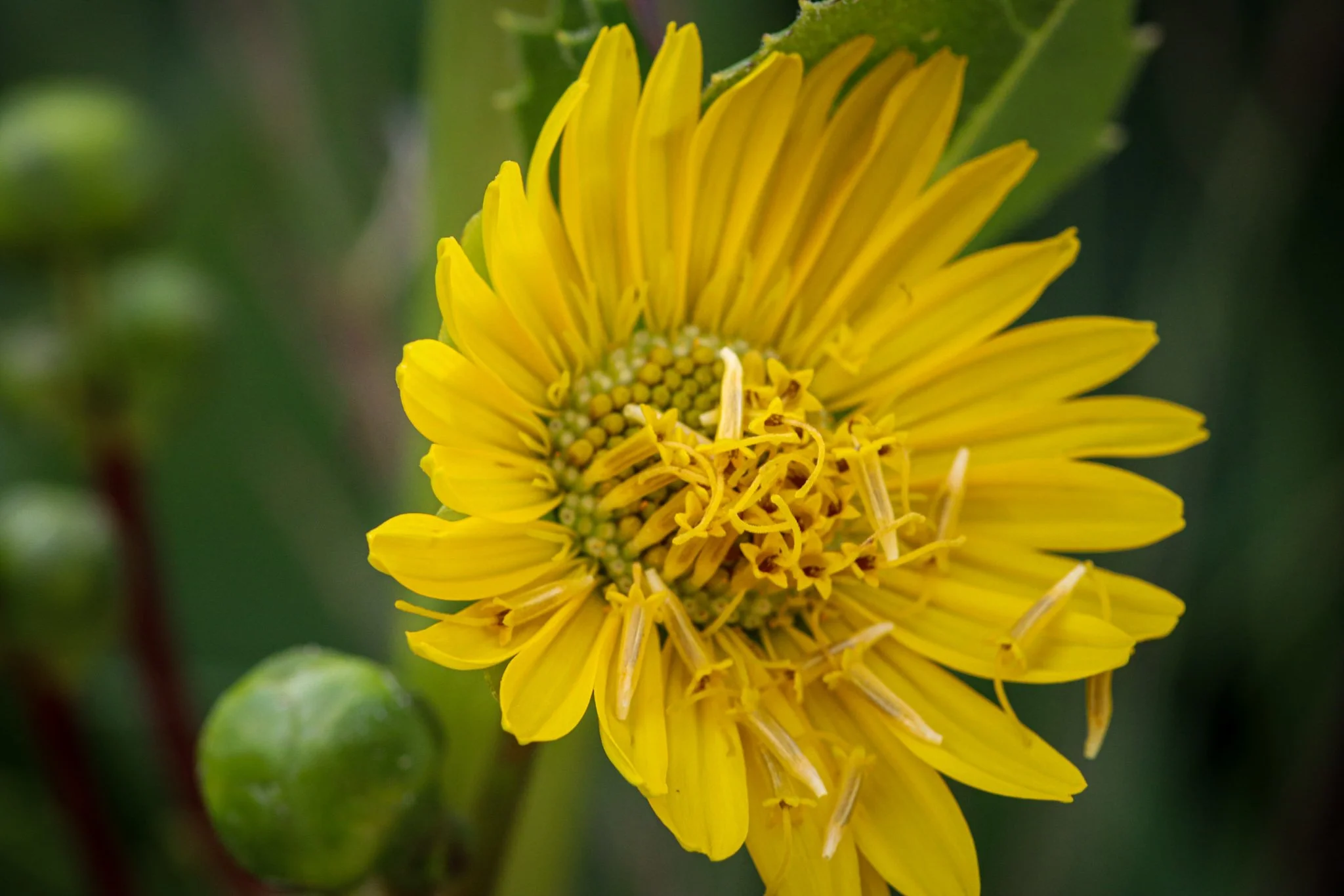
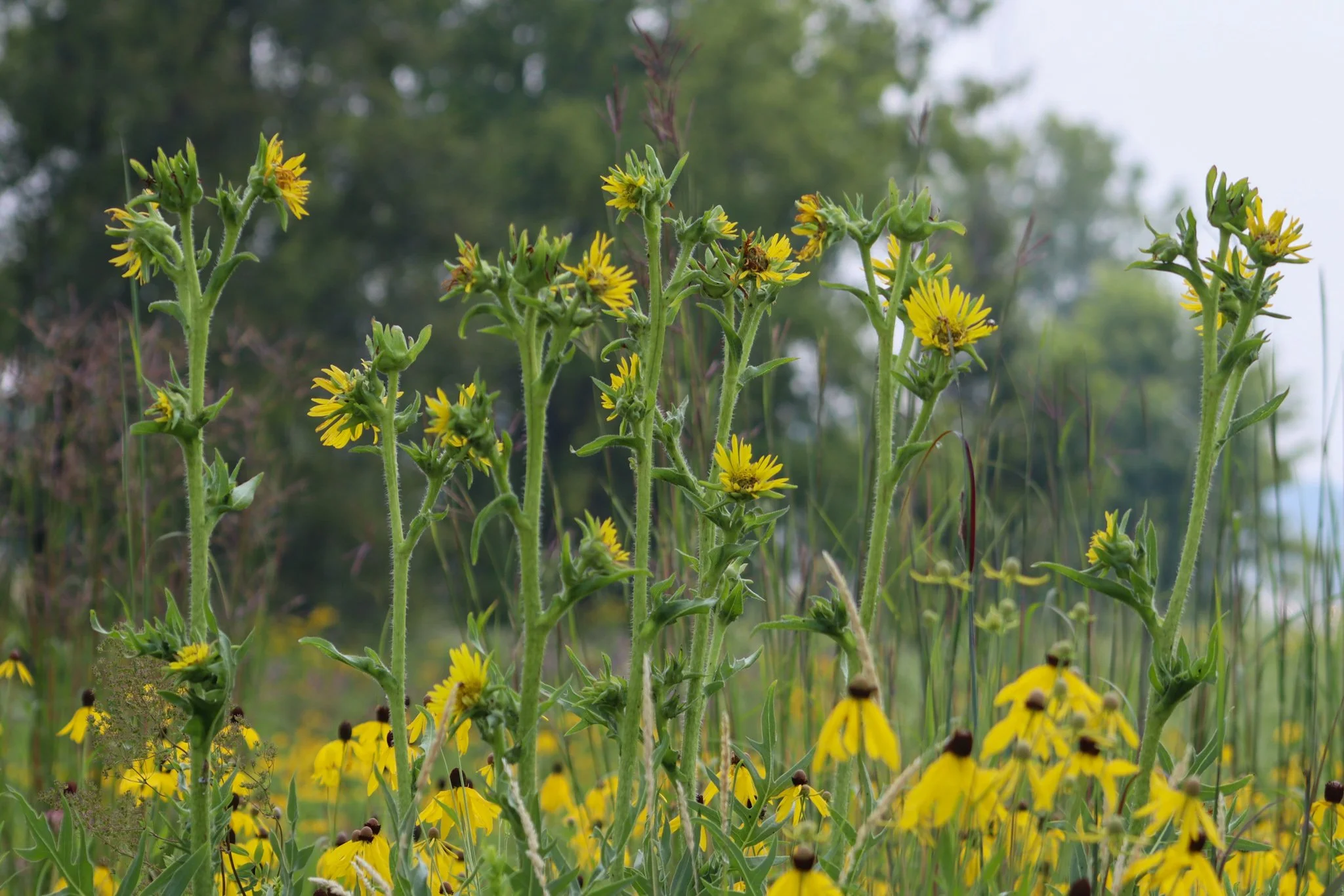
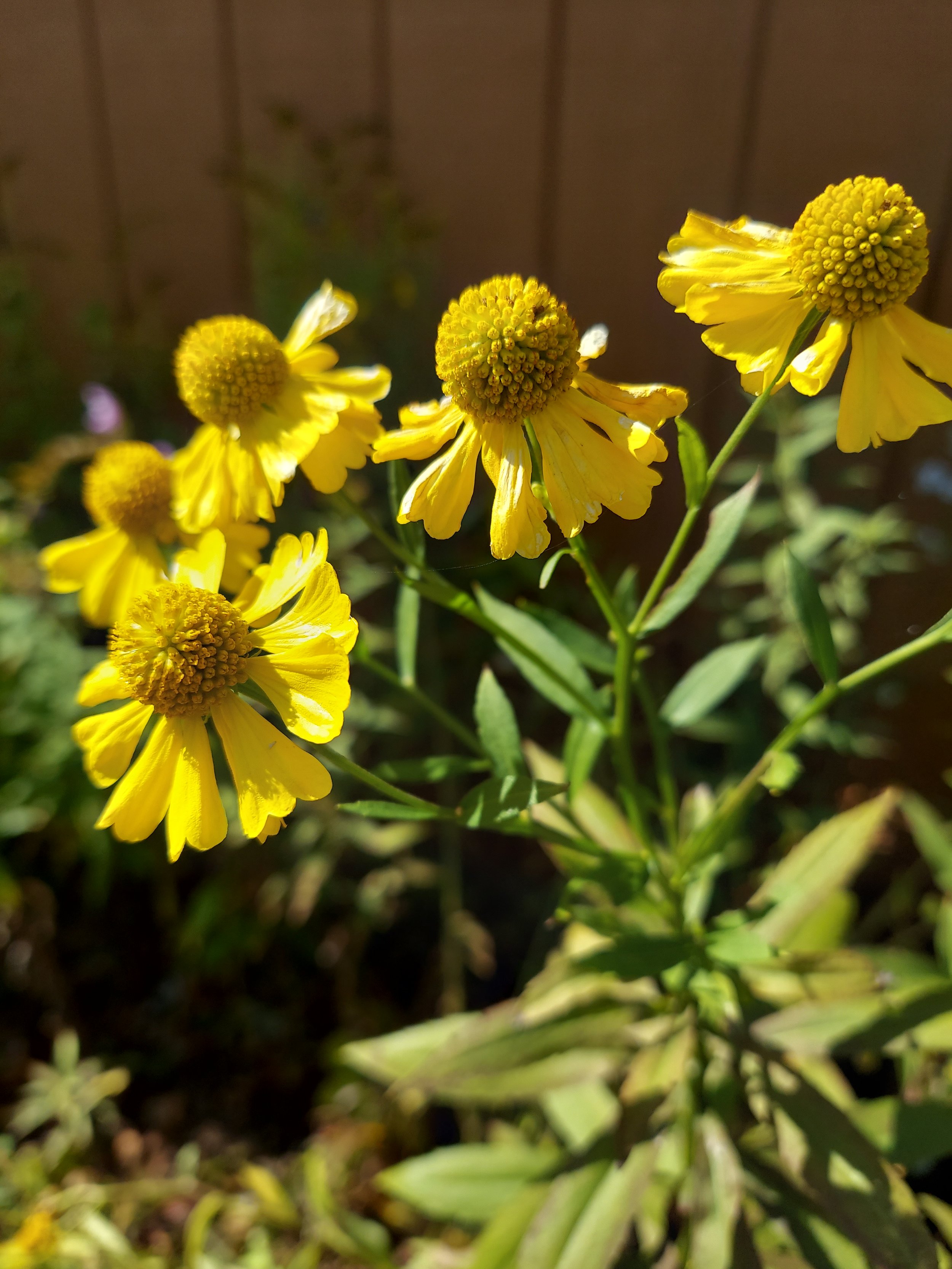
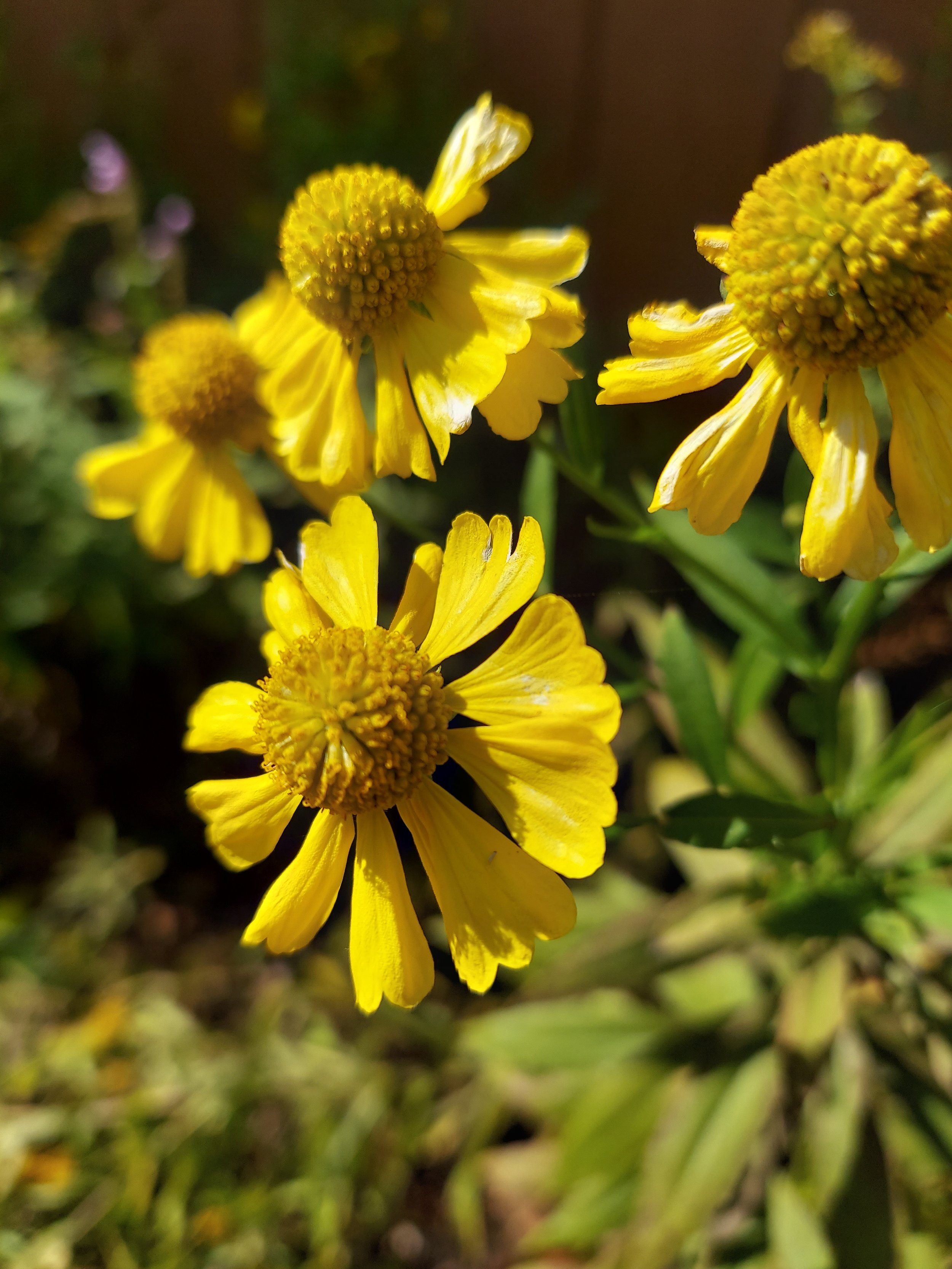
This species is a perennial herb that grows from a fibrous root system and typically produces erect stems reaching about 6 feet tall. It can develop into a substantial clump, sometimes bearing as many as 100 stems. The stems range from hairless to slightly rough-haired and may occasionally have a waxy texture. Leaves are sessile and arranged oppositely along the stems; the basal leaves are shed by the time the plant reaches maturity. Leaf blades vary from lance-shaped to ovate, with margins that are either smooth or toothed, surfaces that can be hairless or somewhat rough-haired, and lengths up to roughly 9 inches. The inflorescence bears between one and fifteen flower heads. Each head is subtended by two or three rows of phyllaries that may be hairless, rough, or sometimes glandular, and these phyllaries have rounded bases with pointed tips. A single head may contain up to 36 yellow ray florets surrounding numerous yellow disc florets. The fruit produced carries a short pappus.
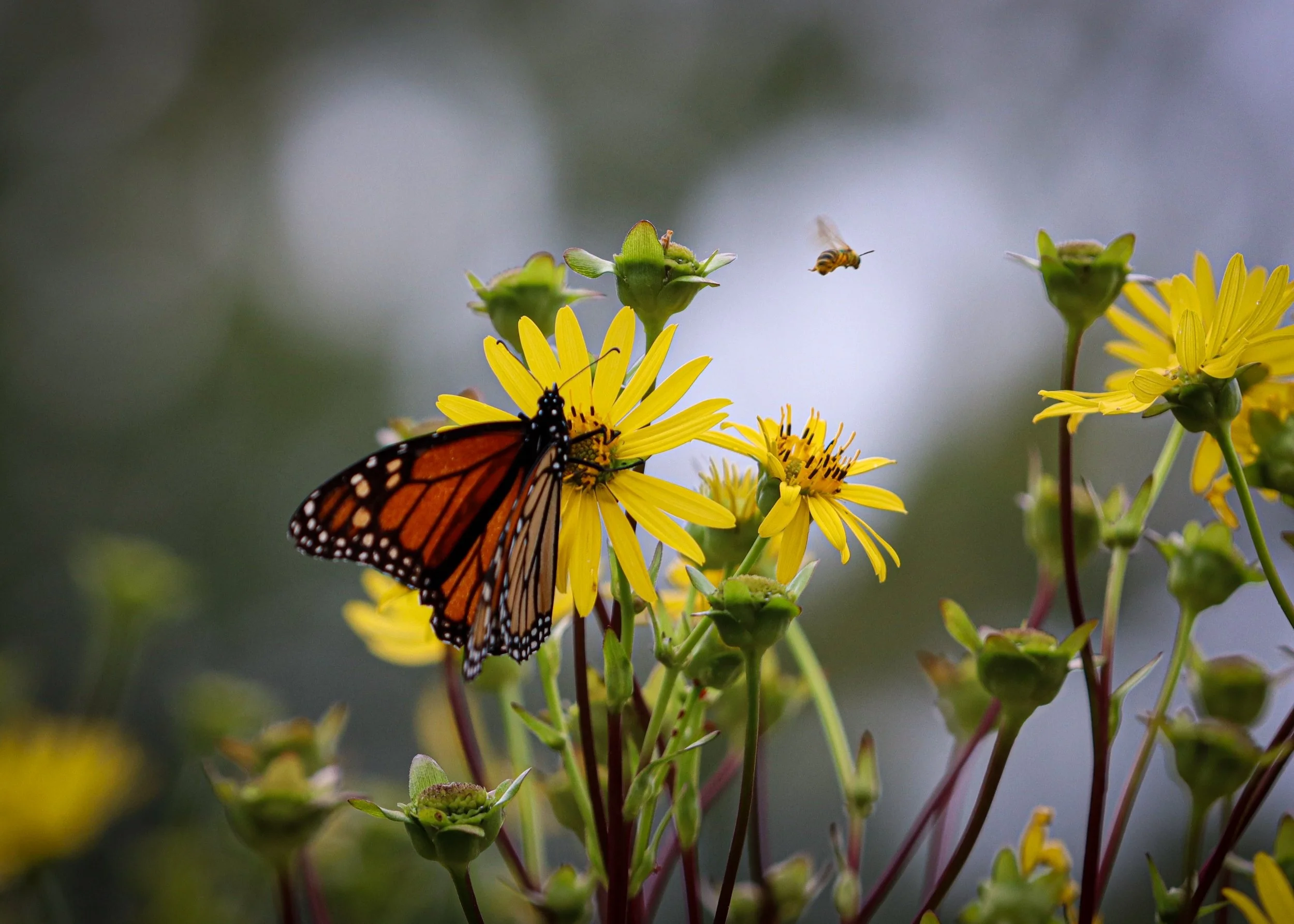
Silphium integrifolium is a tall, long-lived prairie perennial that’s a powerhouse for pollinators. Its large, golden composite blooms open from mid to late summer when many other nectar sources are dwindling, providing crucial late-season nectar and pollen for native bees, bumblebees, butterflies, and hoverflies. The sturdy, daisy-like flowers are easily accessible to a wide range of pollinator mouthparts, supporting both generalist and specialist visitors. Plants produce a steady supply of floral resources across weeks of bloom, helping sustain colony-building bumblebee queens and migrating butterflies. Beyond nectar and pollen, Silphium’s robust structure offers perching and shelter sites for insects, and its seeds can provide food for birds later in the season. Deep roots also support healthy prairie ecosystems that sustain diverse pollinator populations over the long term. For pollinator-friendly plantings, include Silphium integrifolium to extend bloom season, boost nectar availability, and create habitat continuity across your landscape.
Plant Details
USDA Zones: 4-8
Germination Needs: 60 Days Cold Stratification
Life Cycle: Perennial
Sun Exposure: Full
Soil Moisture: Medium-Wet, Medium, Medium-Dry, Dry
Plant Spacing: 2-4 feet
Height: 5 feet
Bloom time: July, August, September
Bloom Color: Yellow
Advantages:
Pollinator Favorite: butterflies, moths, bees, wasps, beetles
Bird Favorite: seeds, insects, fruit, nectar, nesting, perches.
Deer Resistant: Yes
Native to: Wisconsin, Minnesota, Iowa, Illinois, Indiana, Michigan, Ohio, Massachusetts, Kentucky, Tennessee, Alabama, Mississippi, Louisiana, Arkansas, Missouri, Texas, Oklahoma, Kansas, Nebraska, South Dakota, Wyoming, Colorado, and New Mexico.
This species is considered present but rare in several counties of the states of Michigan, Texas, South Dakota, and Wyoming.
This plant is considered to be extirpated (locally extinct) in one county of the state of Colorado.
.
.
Packet quantities:
We pride ourselves on ethical, hands on, ecological management, using no mechanical or chemical methods whatsoever.
All of our native seed is hand reared, hand picked, and hand packed from native prairies under our exclusive management, never breaking chain of custody from the field until it is sent to you. Each packet is hand prepared for shipment by us, directly.
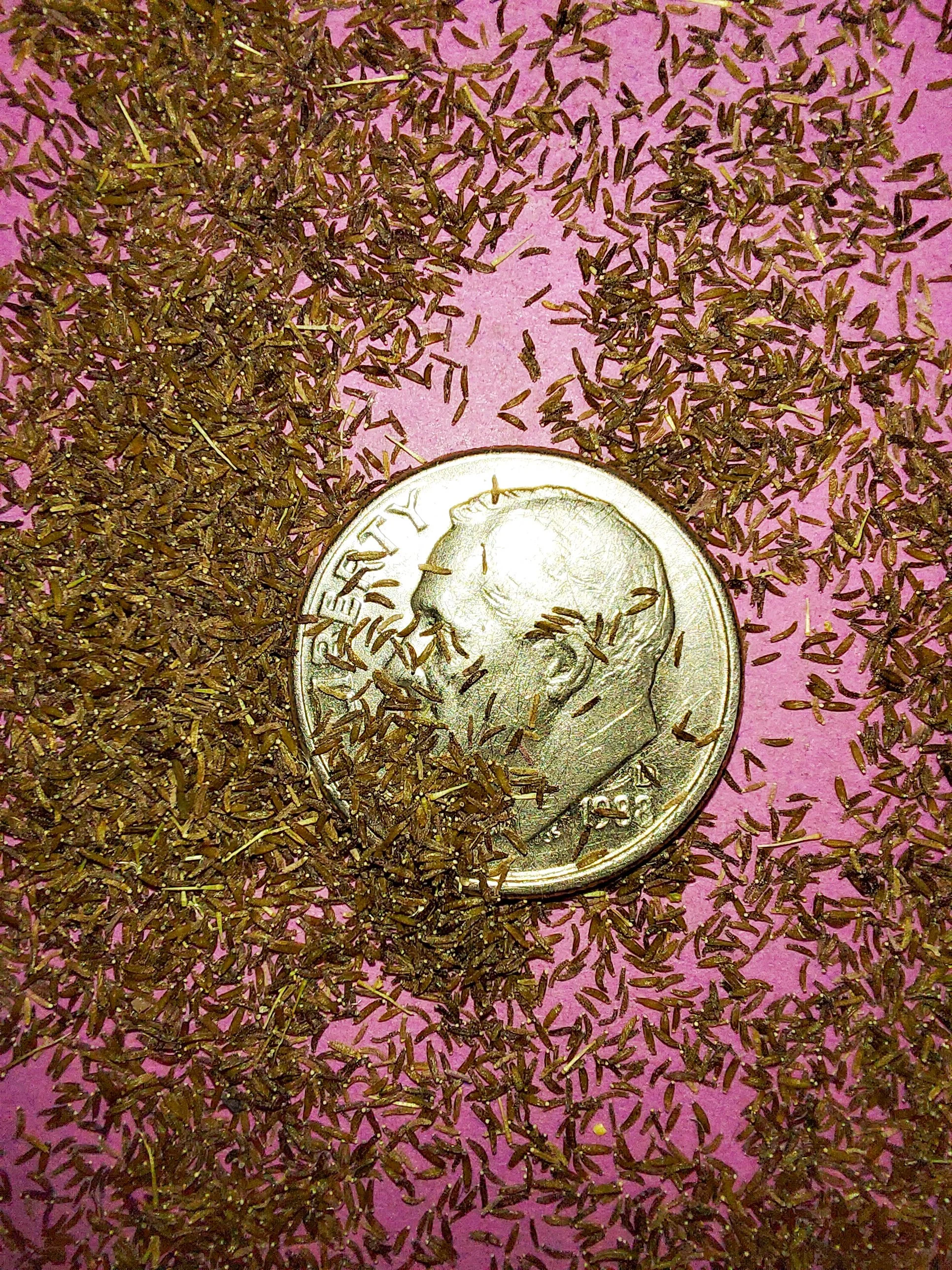
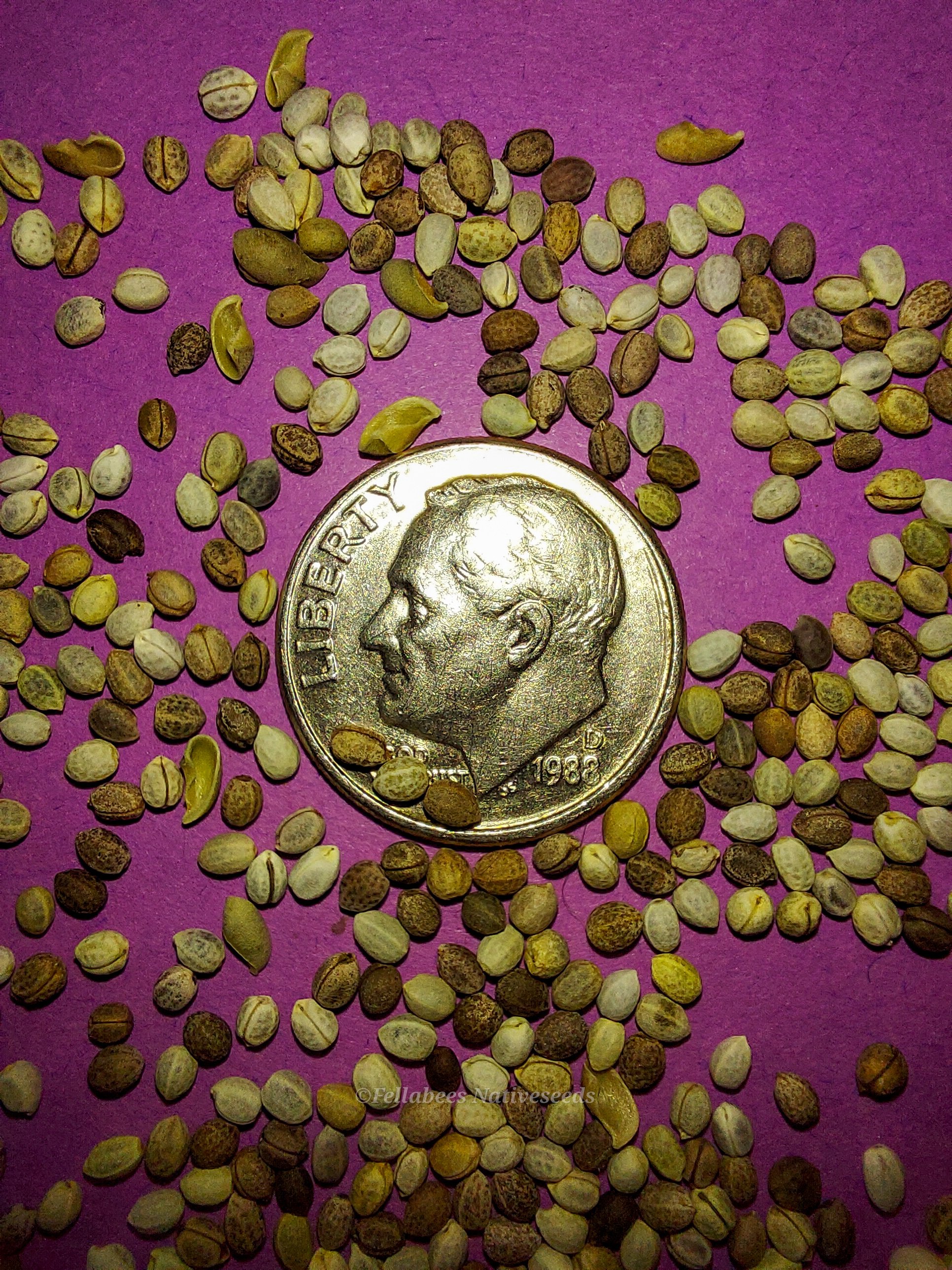
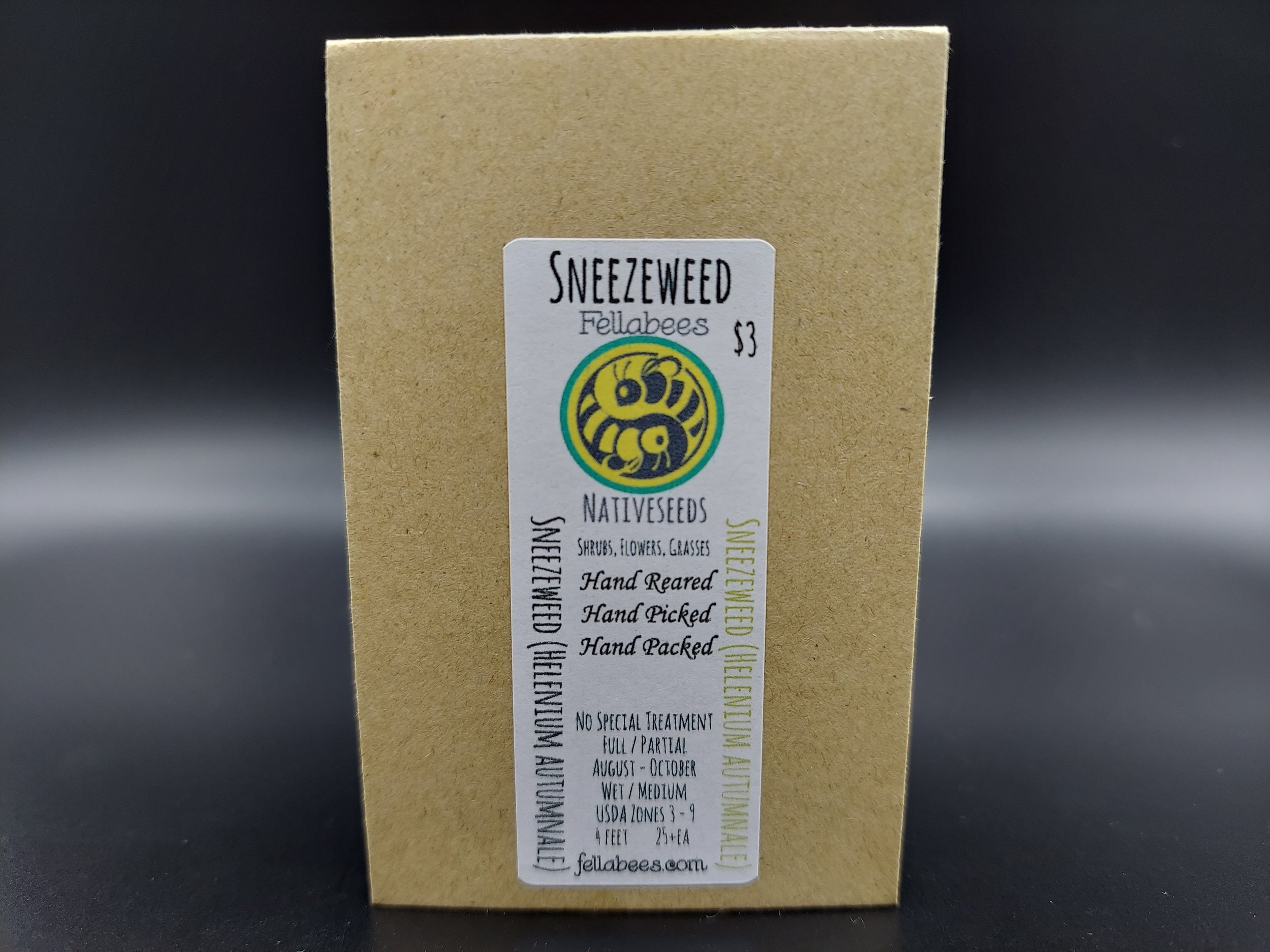
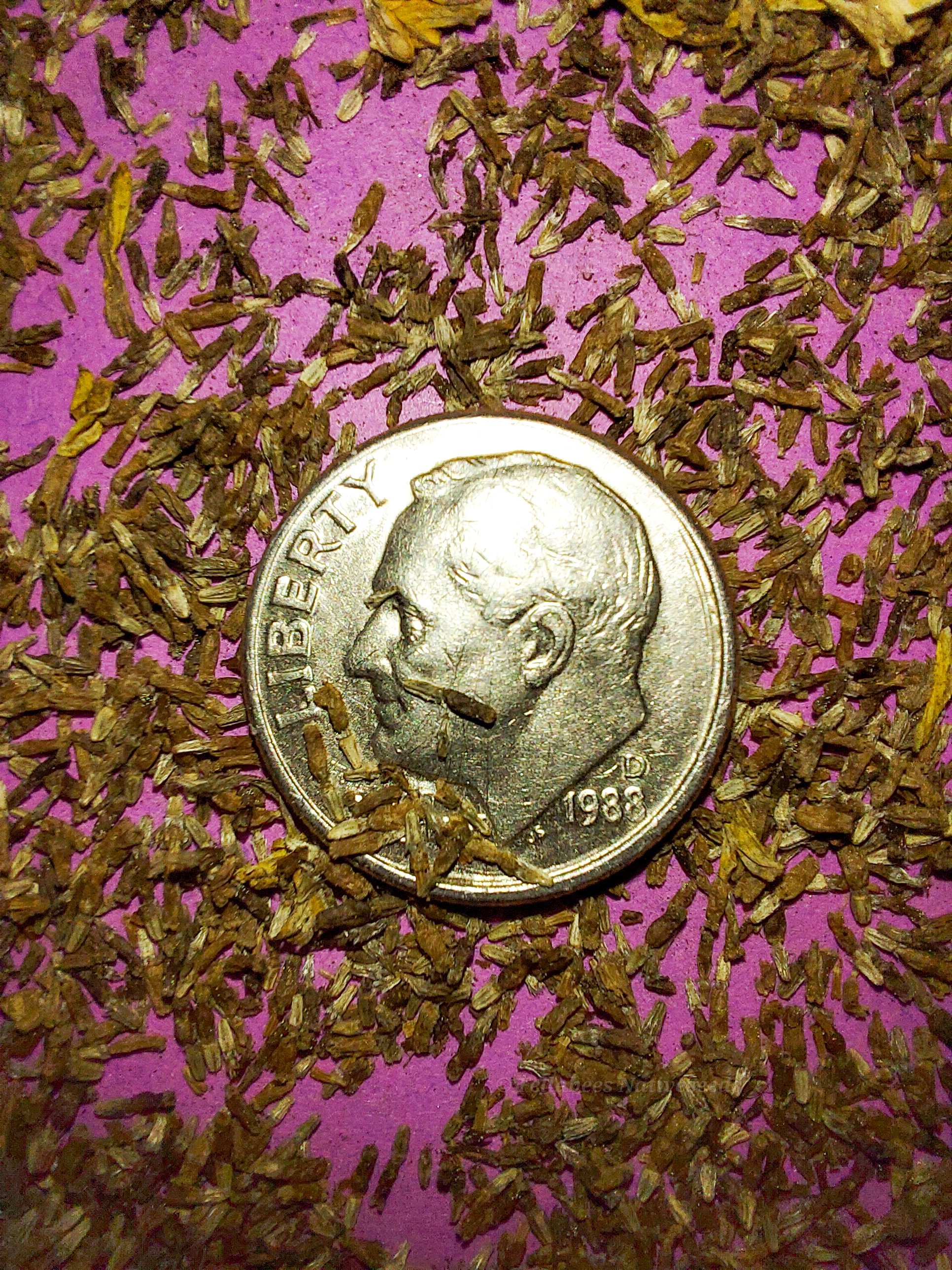
Small seed species will contain greater than 20-25 seed
Large seed species will contain greater than 10-15 seed
It is our mission to spread the wealth of native plant and pollinator ecological sustainability and educate back yard gardeners as well as corporate and government entities in how to germinate, grow, and benefit from native synergies.
Thank you for your support, it is because of you, that we can grow together to do, what we do. 🐛🦋🐝🐞🌾🌱🌼🧡
Rosin Weed (Silphium integrifolium)
Silphium integrifolium is the scientific name for the species of flowering plant in the family Asteraceae. It is also known as: Rosin Weed, Whole-leaf Rosinweed, Entire-leaf Rosinweed, Prairie Rosinweed, and Silflower. It is native to eastern North America, including Ontario in Canada and the eastern and central United States as far west as New Mexico.
This species is a perennial herb that grows from a fibrous root system and typically produces erect stems reaching about 6 feet tall. It can develop into a substantial clump, sometimes bearing as many as 100 stems. The stems range from hairless to slightly rough-haired and may occasionally have a waxy texture. Leaves are sessile and arranged oppositely along the stems; the basal leaves are shed by the time the plant reaches maturity. Leaf blades vary from lance-shaped to ovate, with margins that are either smooth or toothed, surfaces that can be hairless or somewhat rough-haired, and lengths up to roughly 9 inches. The inflorescence bears between one and fifteen flower heads. Each head is subtended by two or three rows of phyllaries that may be hairless, rough, or sometimes glandular, and these phyllaries have rounded bases with pointed tips. A single head may contain up to 36 yellow ray florets surrounding numerous yellow disc florets. The fruit produced carries a short pappus.
Silphium integrifolium is a tall, long-lived prairie perennial that’s a powerhouse for pollinators. Its large, golden composite blooms open from mid to late summer when many other nectar sources are dwindling, providing crucial late-season nectar and pollen for native bees, bumblebees, butterflies, and hoverflies. The sturdy, daisy-like flowers are easily accessible to a wide range of pollinator mouthparts, supporting both generalist and specialist visitors. Plants produce a steady supply of floral resources across weeks of bloom, helping sustain colony-building bumblebee queens and migrating butterflies. Beyond nectar and pollen, Silphium’s robust structure offers perching and shelter sites for insects, and its seeds can provide food for birds later in the season. Deep roots also support healthy prairie ecosystems that sustain diverse pollinator populations over the long term. For pollinator-friendly plantings, include Silphium integrifolium to extend bloom season, boost nectar availability, and create habitat continuity across your landscape.
Plant Details
USDA Zones: 4-8
Germination Needs: 60 Days Cold Stratification
Life Cycle: Perennial
Sun Exposure: Full
Soil Moisture: Medium-Wet, Medium, Medium-Dry, Dry
Plant Spacing: 2-4 feet
Height: 5 feet
Bloom time: July, August, September
Bloom Color: Yellow
Advantages:
Pollinator Favorite: butterflies, moths, bees, wasps, beetles
Bird Favorite: seeds, insects, fruit, nectar, nesting, perches.
Deer Resistant: Yes
Native to: Wisconsin, Minnesota, Iowa, Illinois, Indiana, Michigan, Ohio, Massachusetts, Kentucky, Tennessee, Alabama, Mississippi, Louisiana, Arkansas, Missouri, Texas, Oklahoma, Kansas, Nebraska, South Dakota, Wyoming, Colorado, and New Mexico.
This species is considered present but rare in several counties of the states of Michigan, Texas, South Dakota, and Wyoming.
This plant is considered to be extirpated (locally extinct) in one county of the state of Colorado.
.
.
Packet quantities:
We pride ourselves on ethical, hands on, ecological management, using no mechanical or chemical methods whatsoever.
All of our native seed is hand reared, hand picked, and hand packed from native prairies under our exclusive management, never breaking chain of custody from the field until it is sent to you. Each packet is hand prepared for shipment by us, directly.
Small seed species will contain greater than 20-25 seed
Large seed species will contain greater than 10-15 seed
It is our mission to spread the wealth of native plant and pollinator ecological sustainability and educate back yard gardeners as well as corporate and government entities in how to germinate, grow, and benefit from native synergies.
Thank you for your support, it is because of you, that we can grow together to do, what we do. 🐛🦋🐝🐞🌾🌱🌼🧡
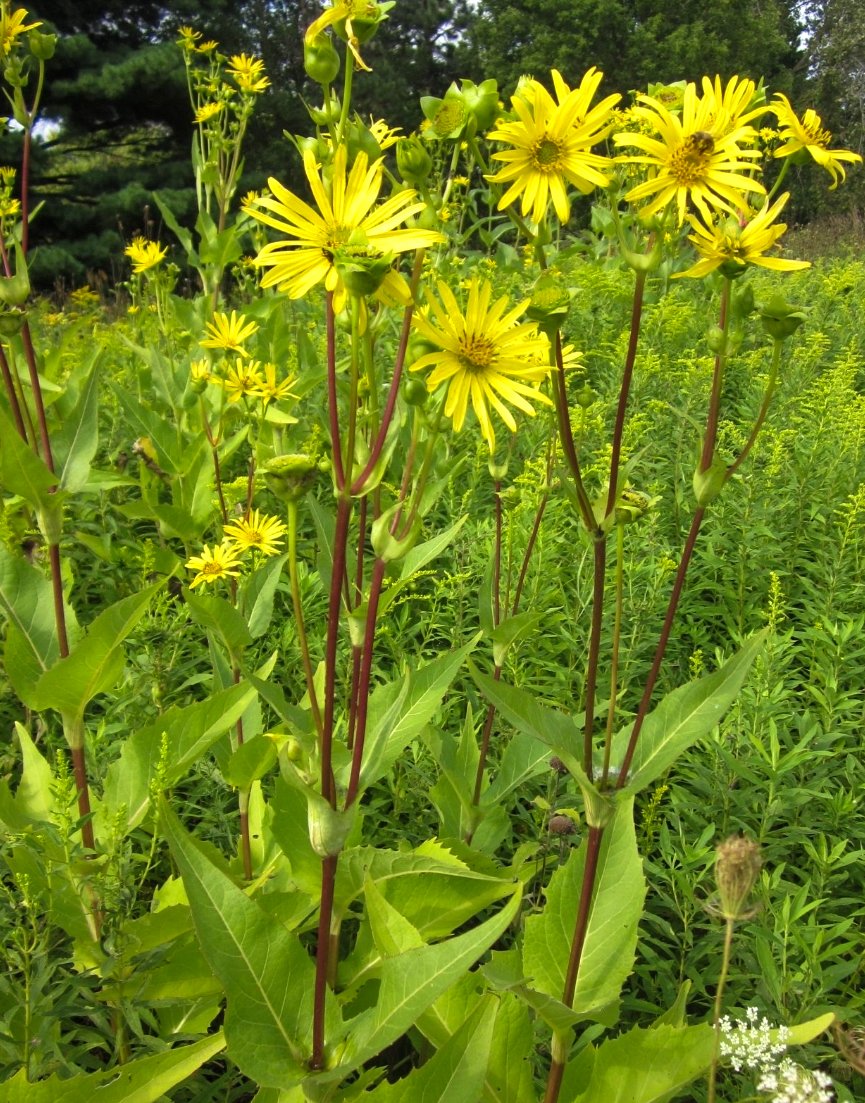 Image 1 of 4
 Image 2 of 4
 Image 3 of 4
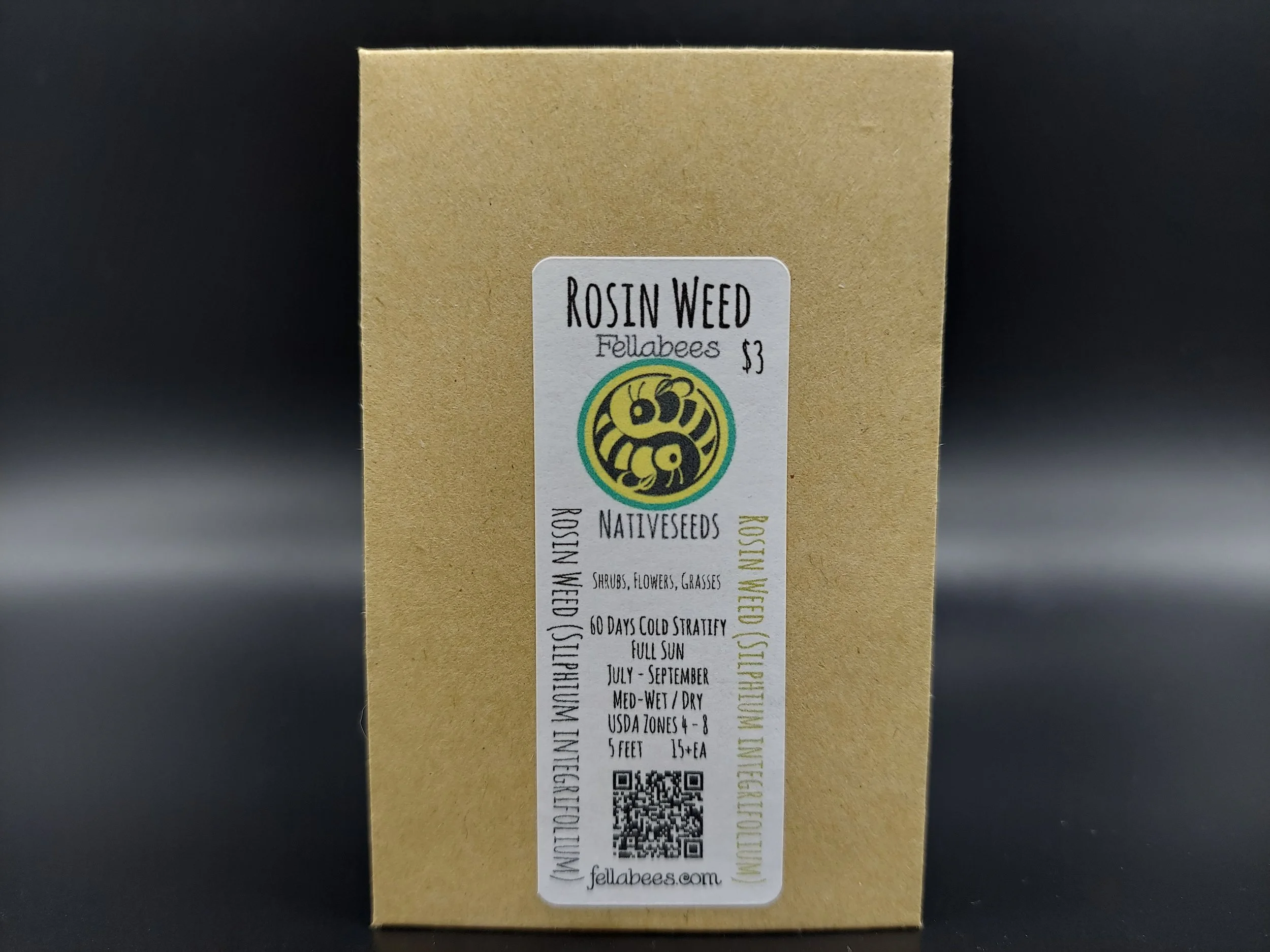 Image 4 of 4