Cup Plant (Silphium perfoliatum)
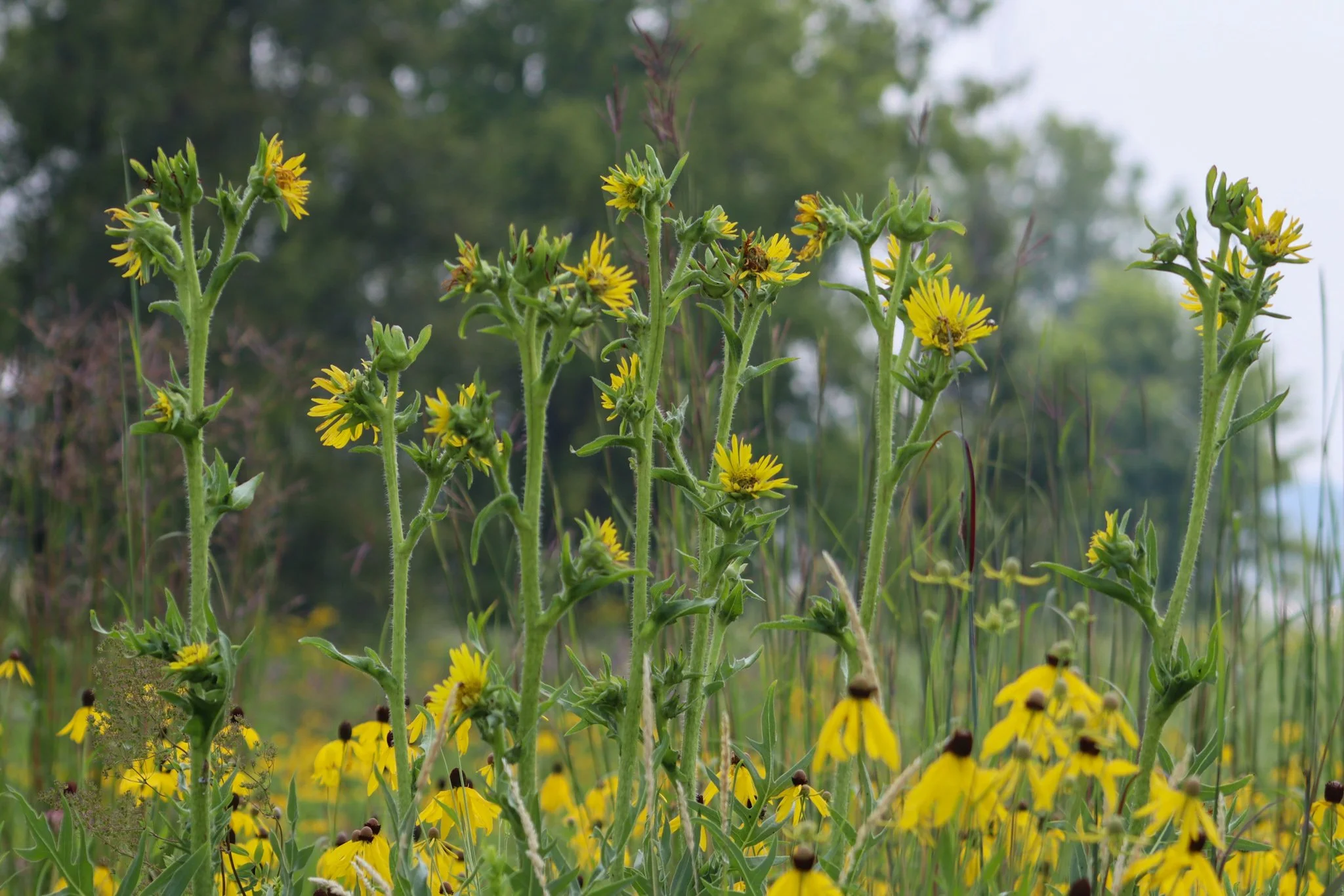
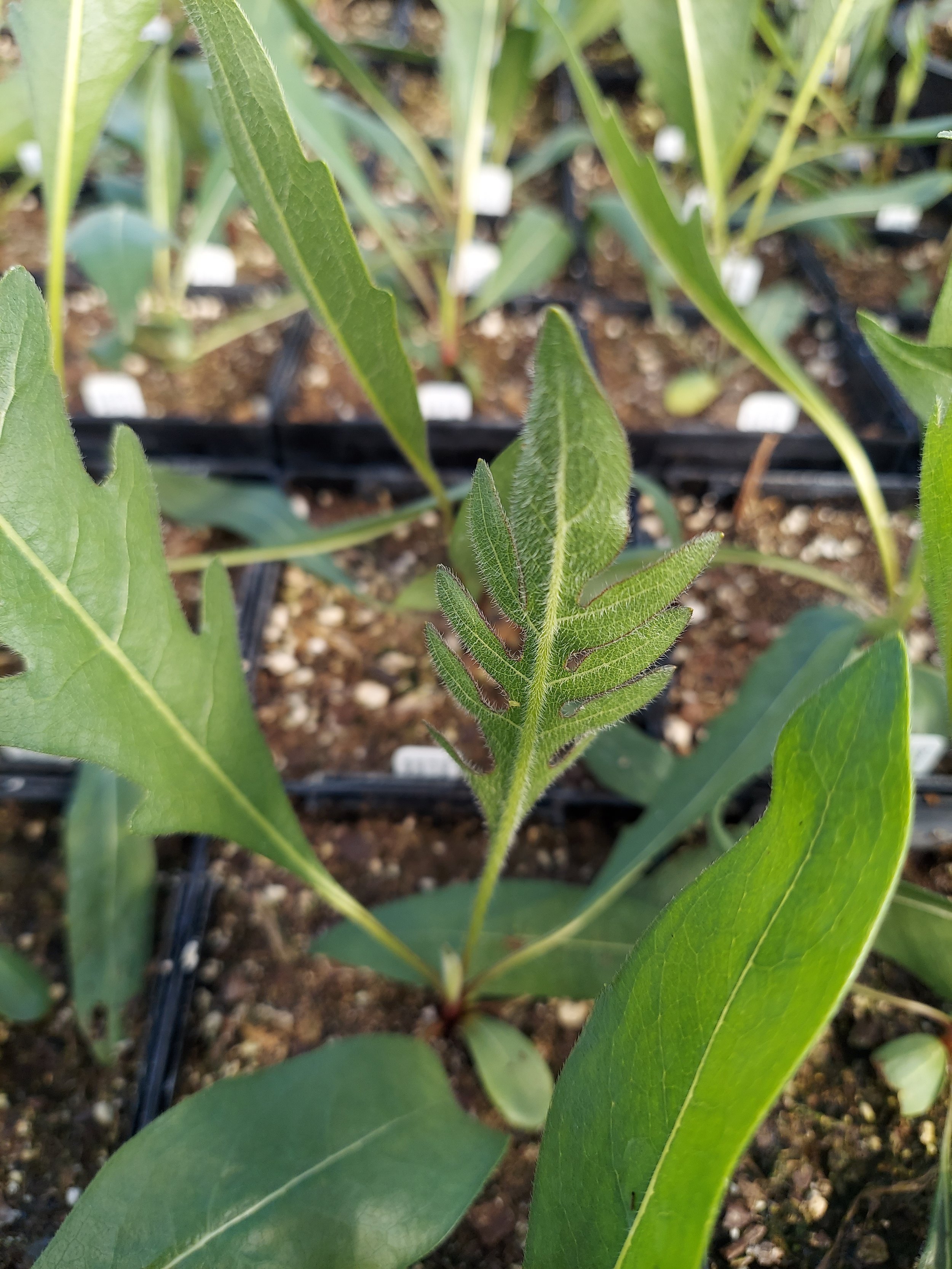
Silphium perfoliatum, most commonly called Cup Plant, is a species of flowering plant hailing from the vast and diverse Asteraceae family. This striking native plant is endemic to Eastern and Central North America and is well adapted to a range of prairie and wetland habitats. It is an erect, robust herbaceous perennial with large, triangular toothed leaves that often appear joined around the stem, and it produces prominent daisy-like yellow composite flower heads throughout the summer months.
The typical height of Cup Plant ranges from about 3 to 8 ft, often reaching the taller end in rich, moist soils. The stem is stout and smooth with slight hairs and is distinctly squared much like that of mint plants. Leaves are opposite, toothed, and ovate in shape. Petioles are broadly winged and fuse around the stem, creating the characteristic cup. The first flower usually forms at the tip of the main stem, with additional blooms appearing later on the side branches.
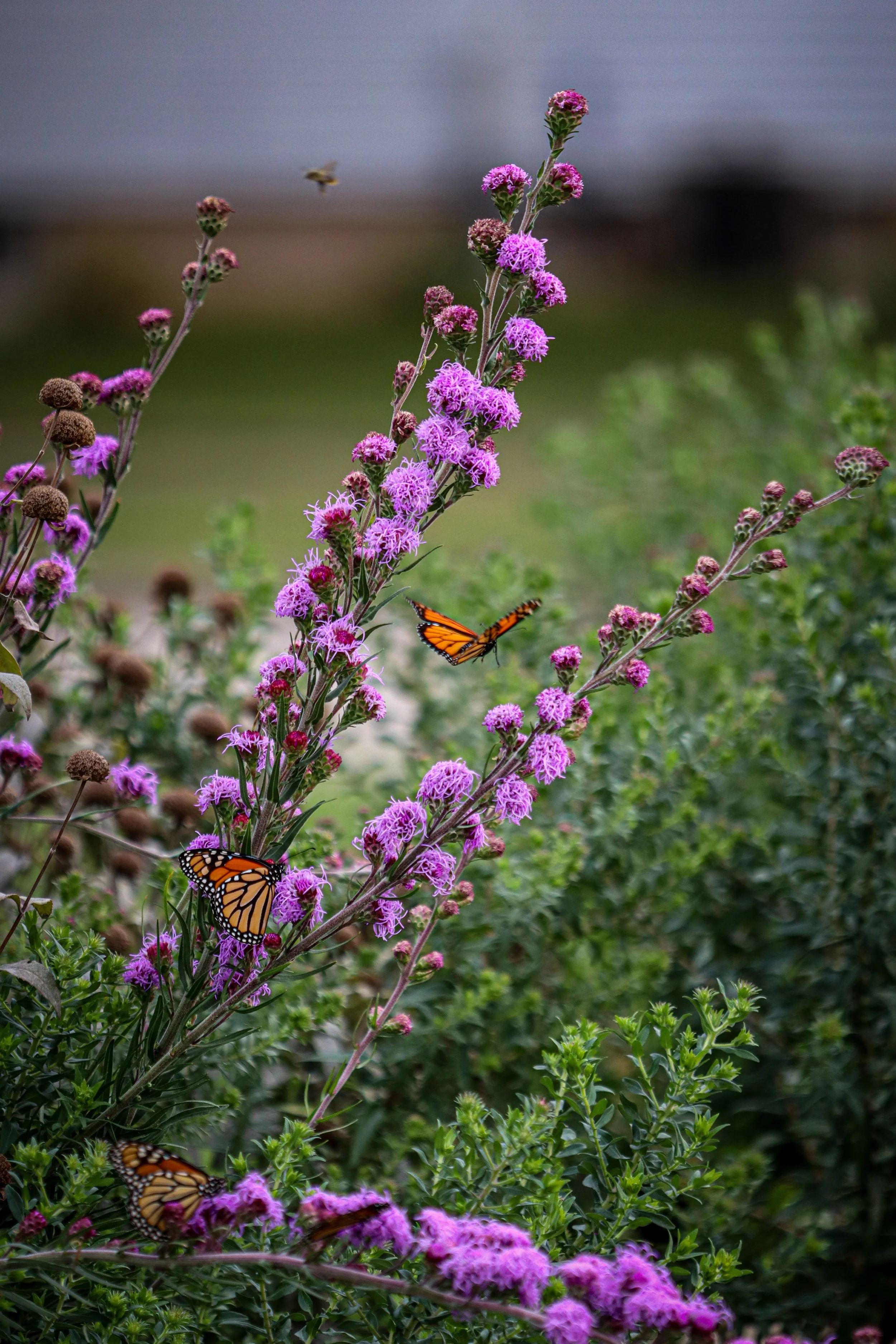
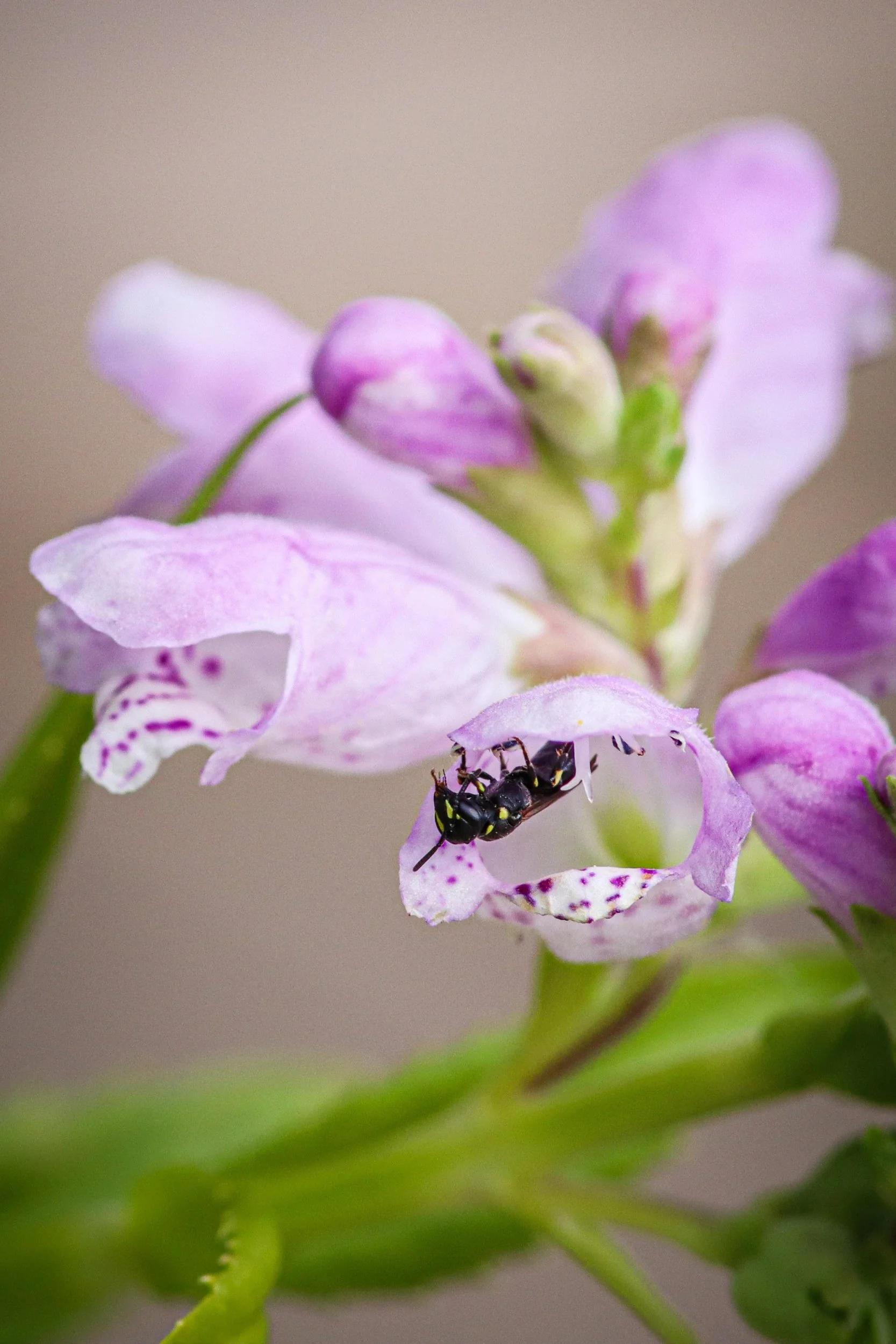
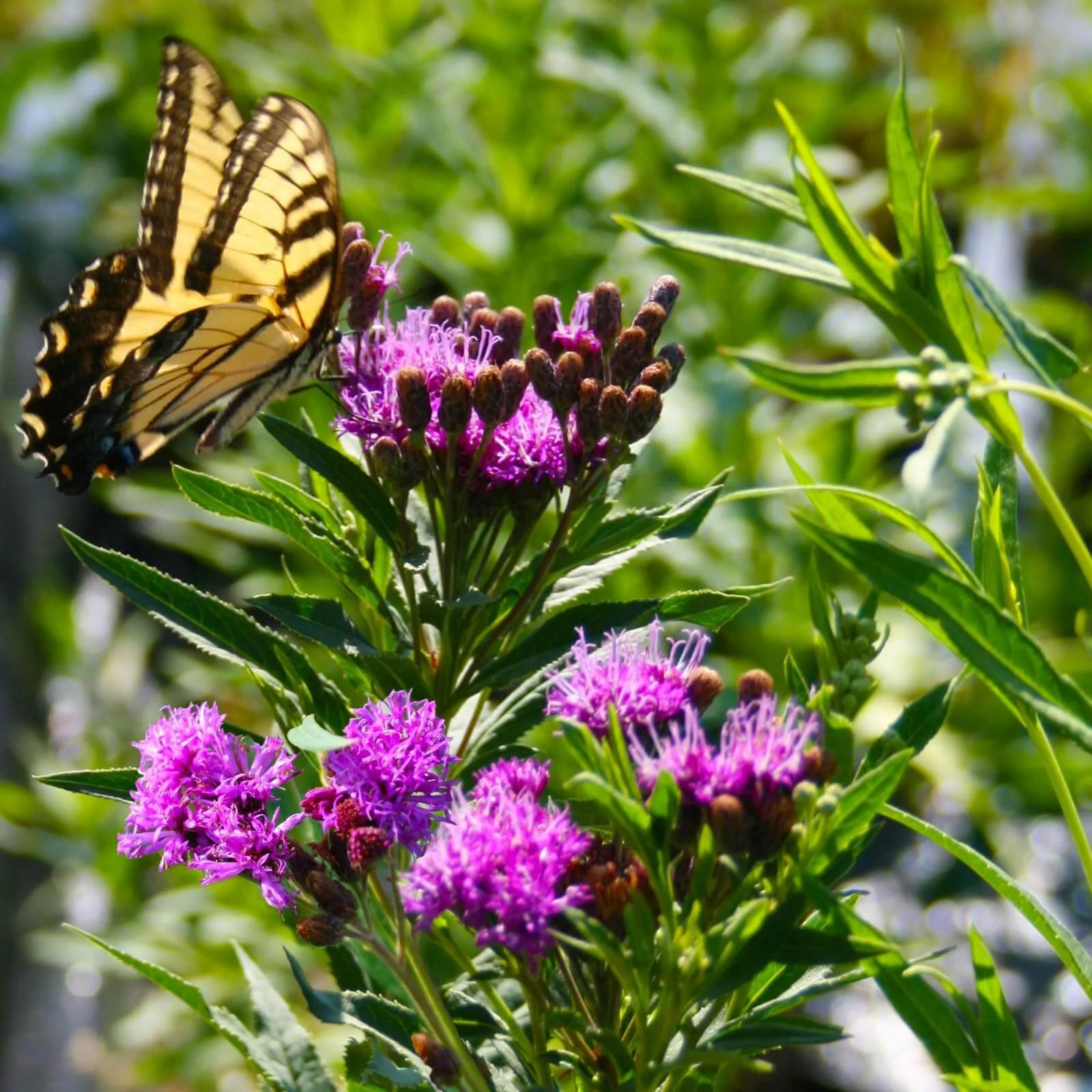
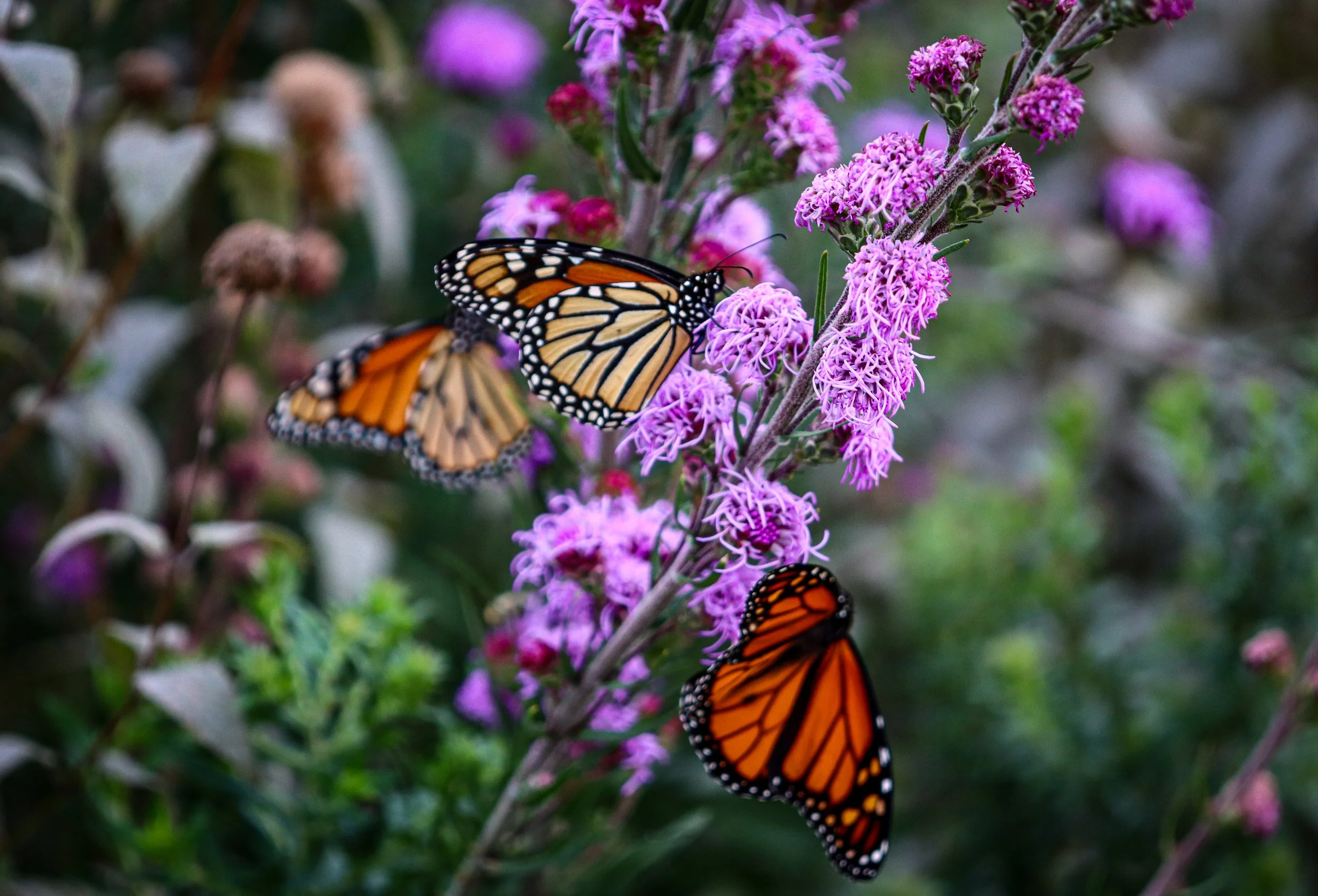
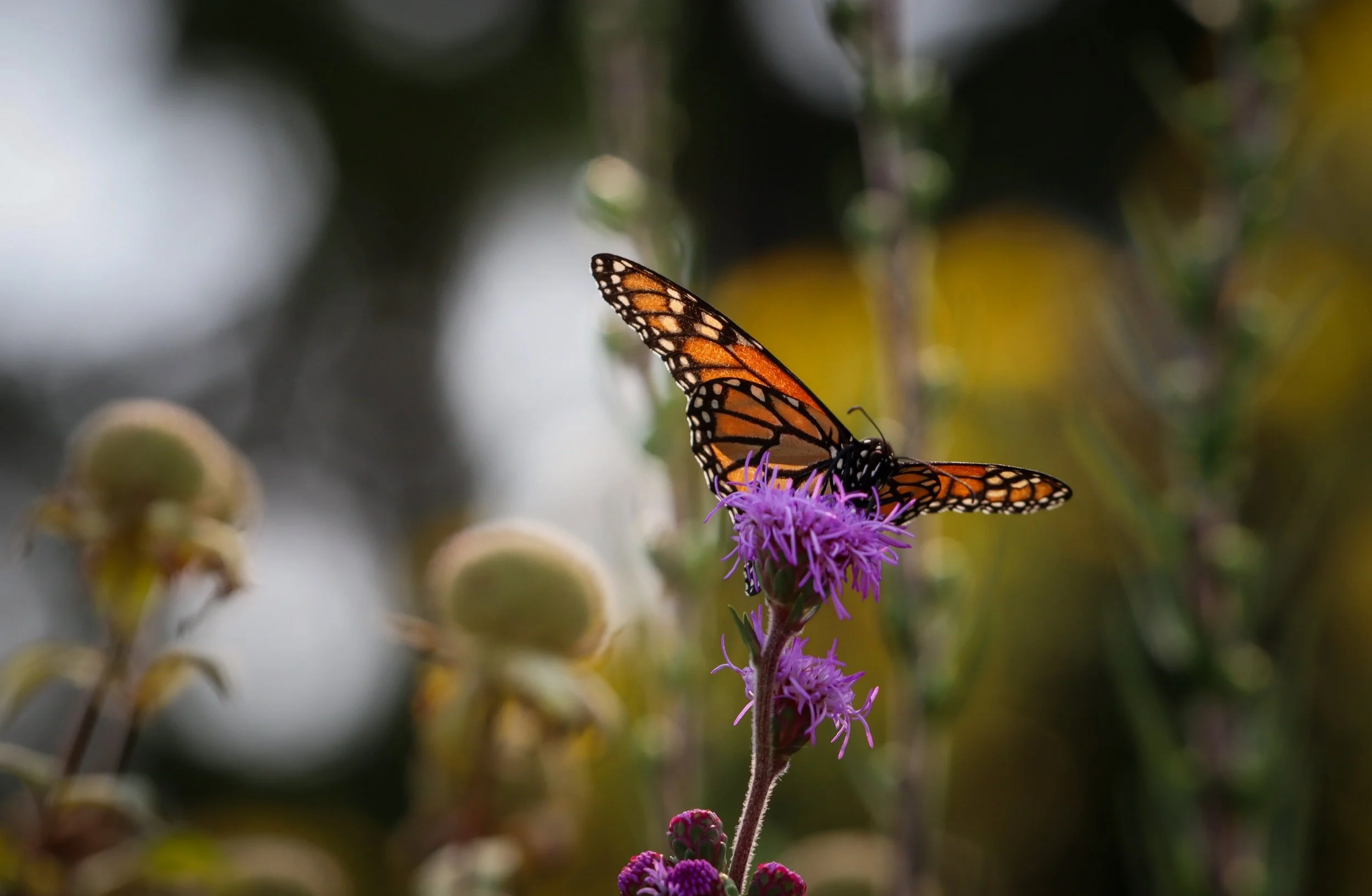
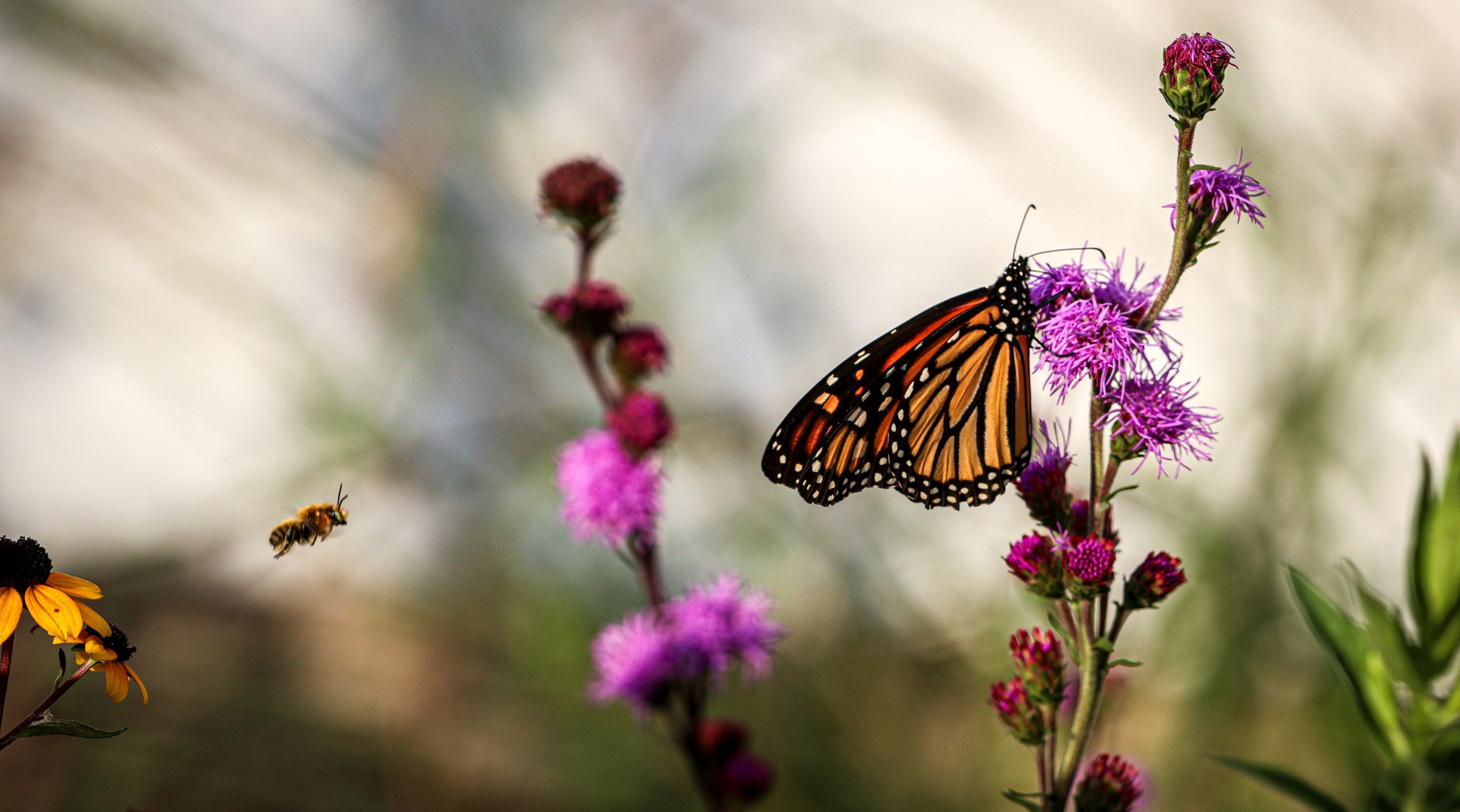
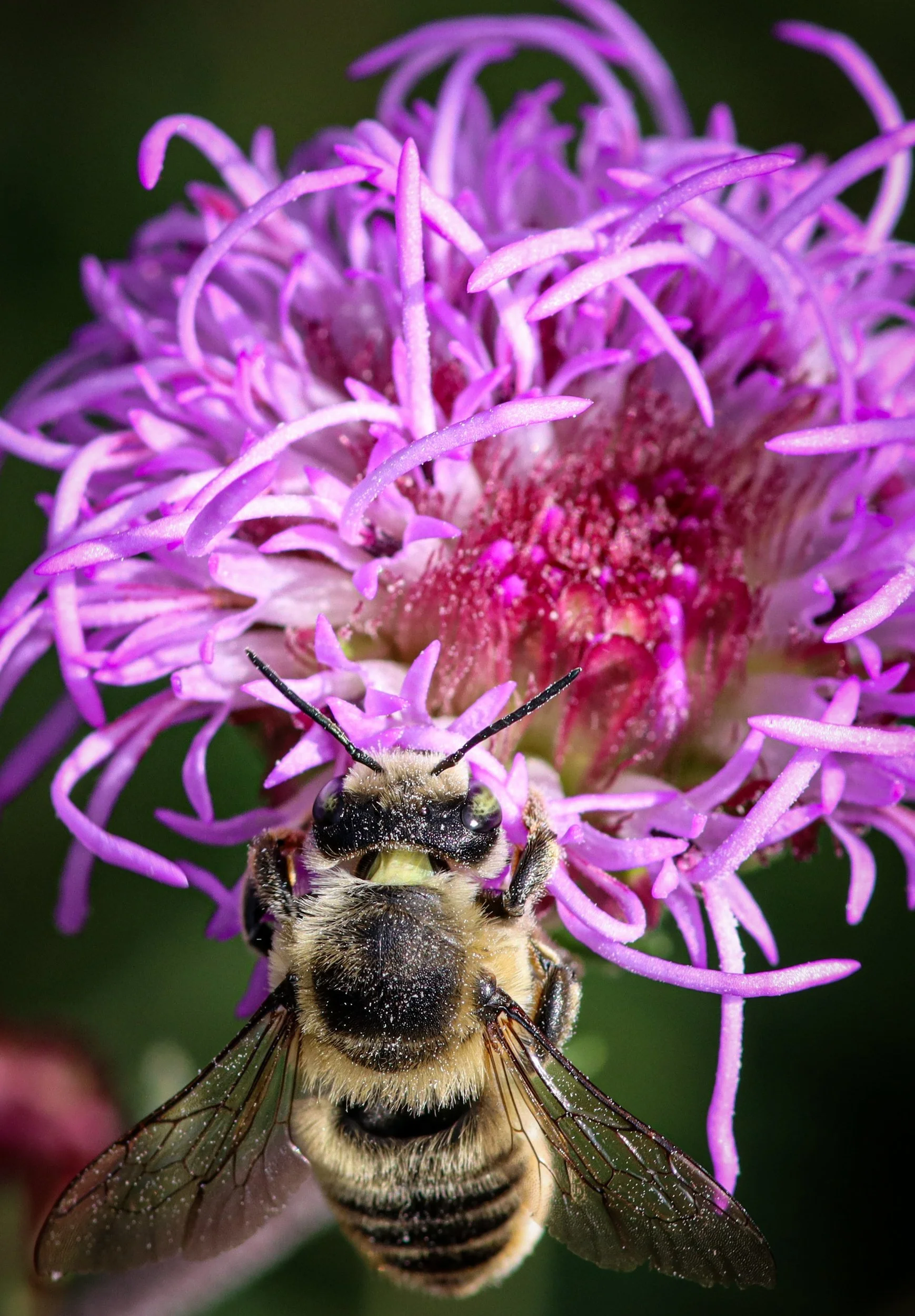
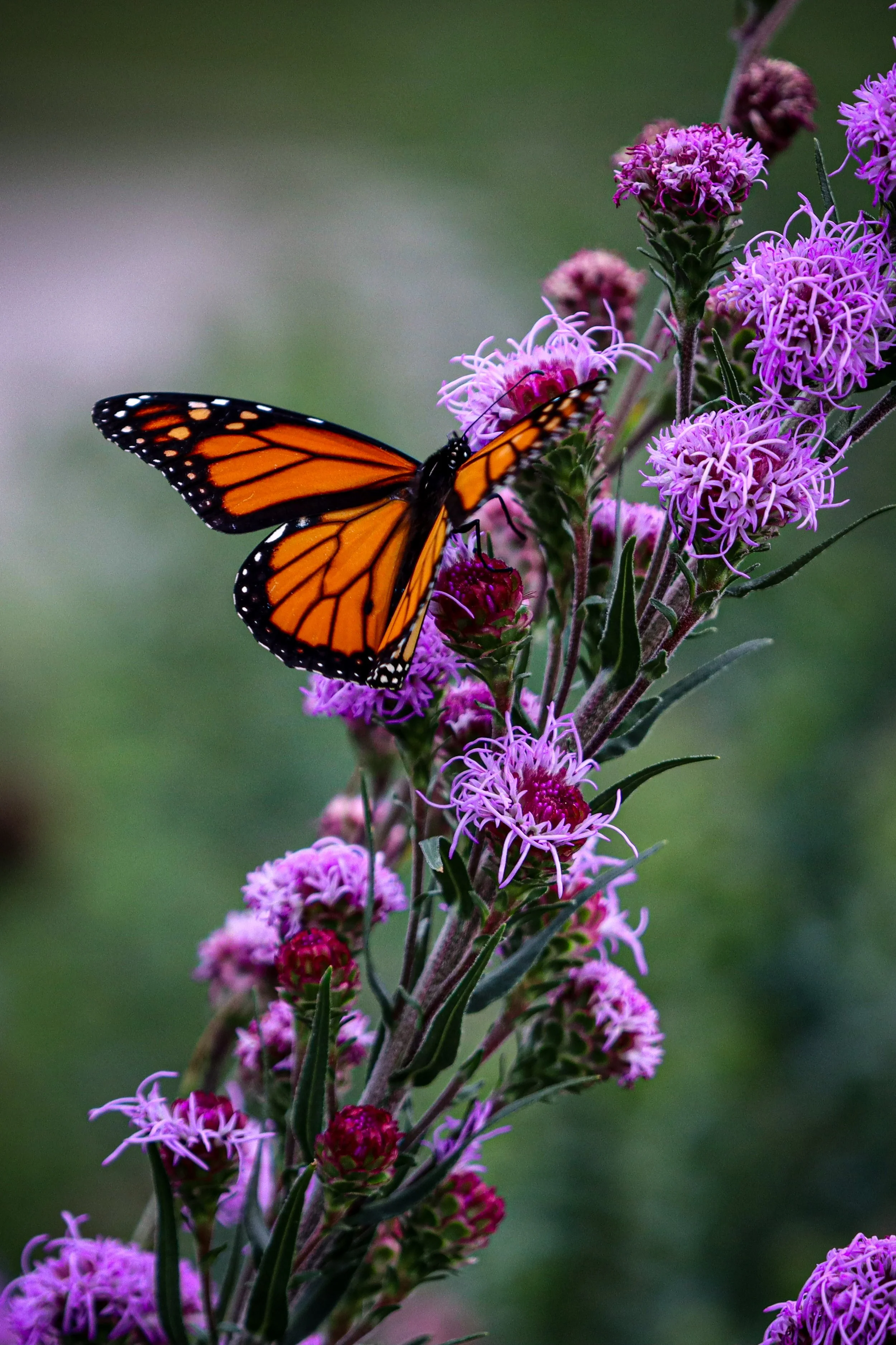
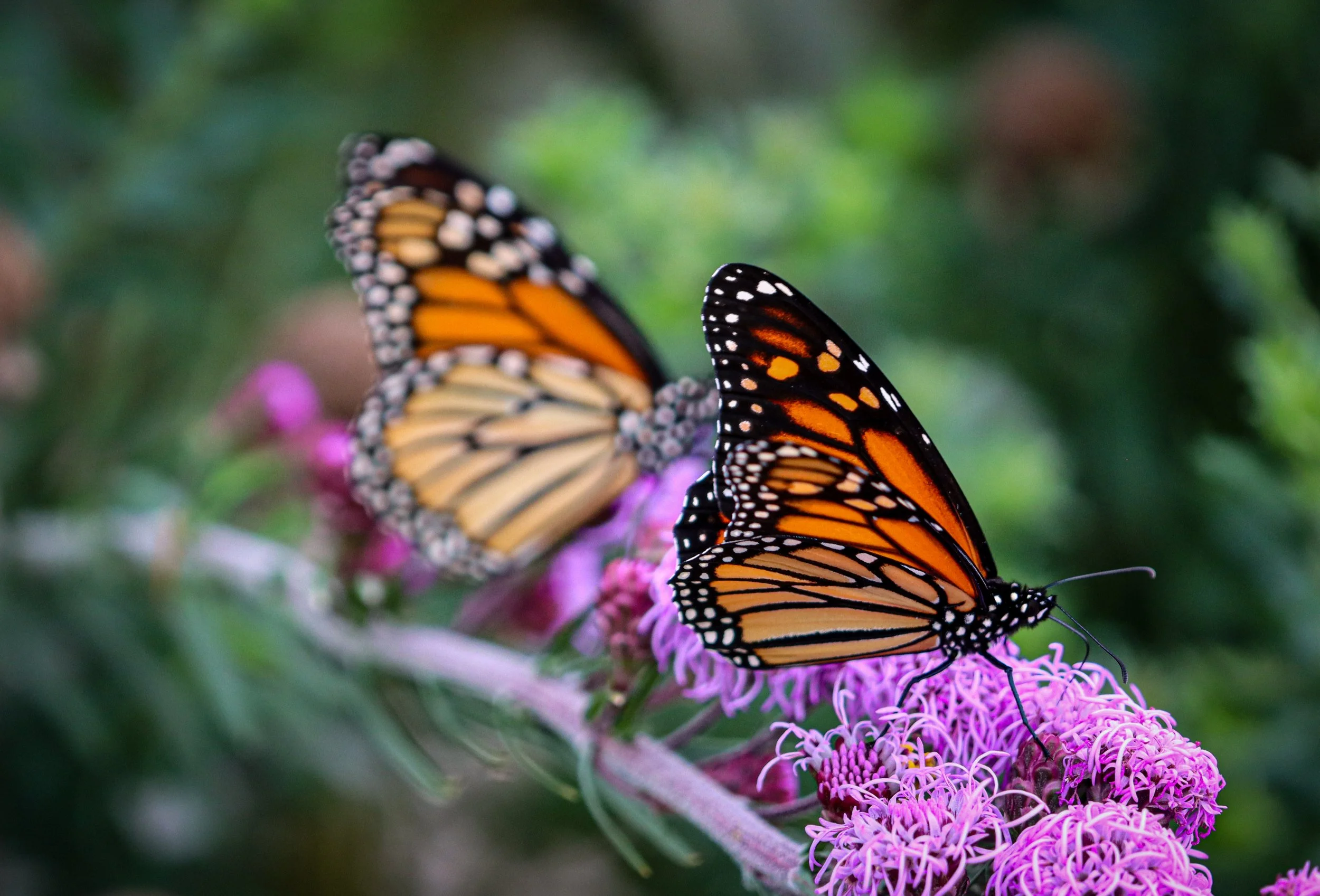
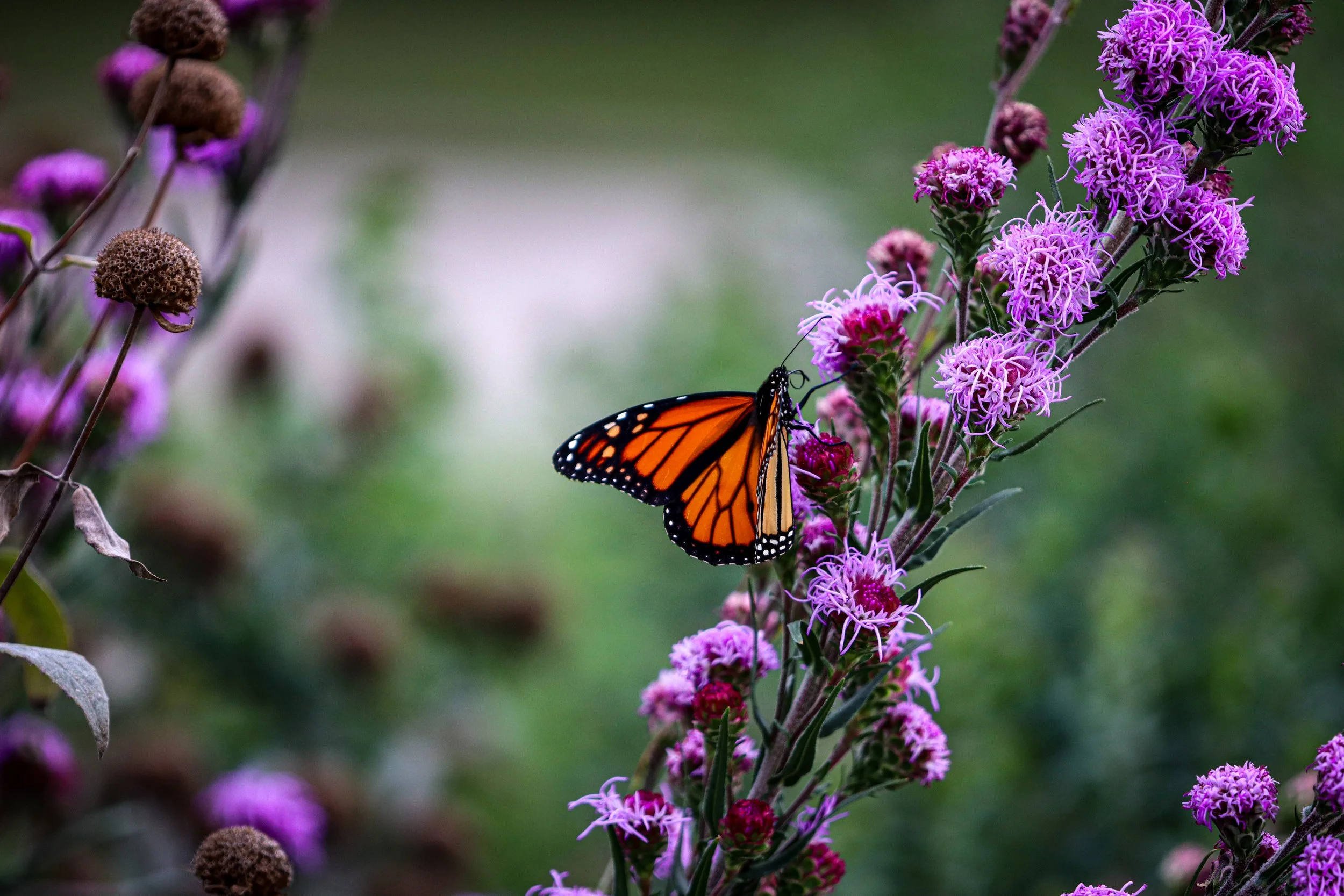
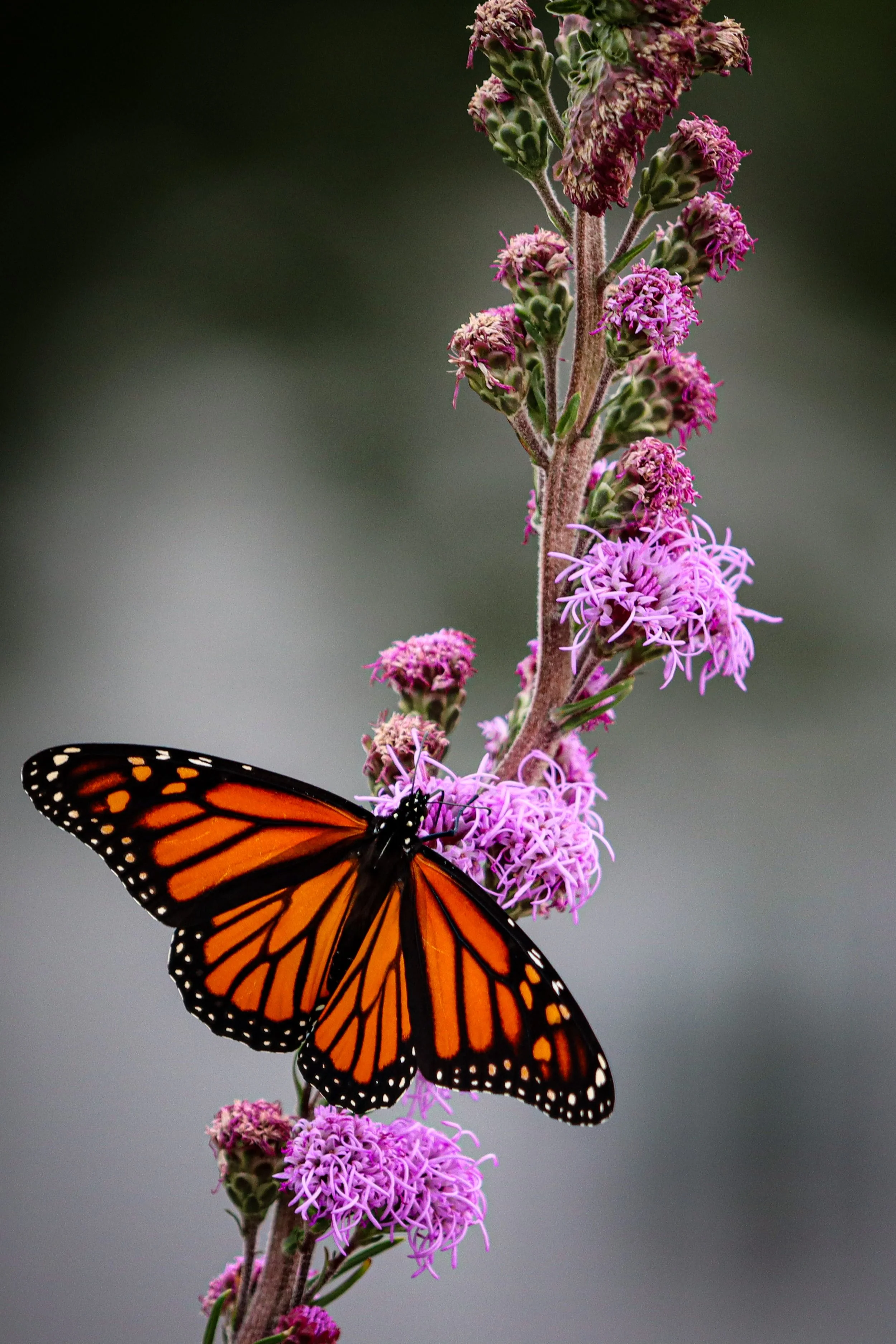
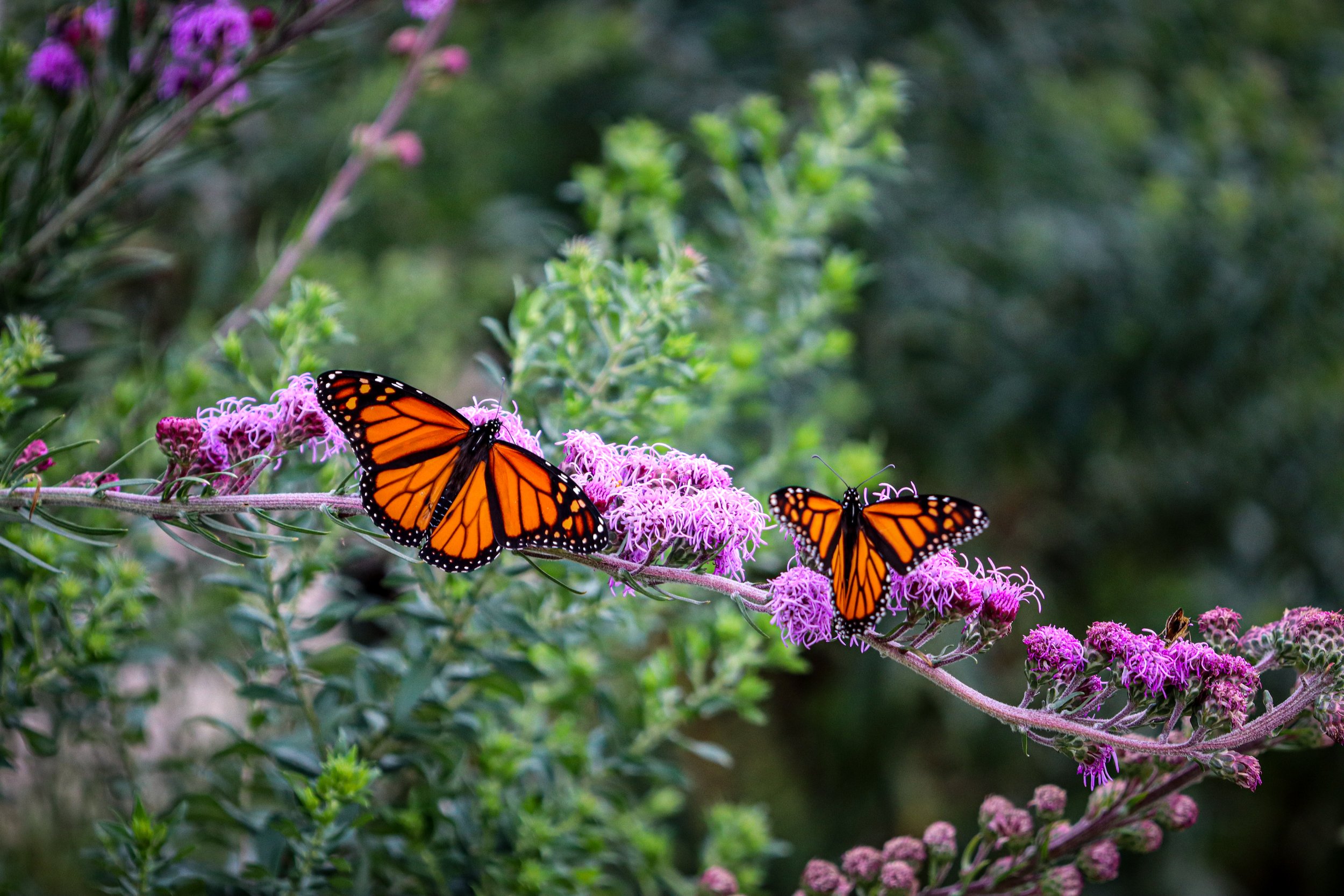
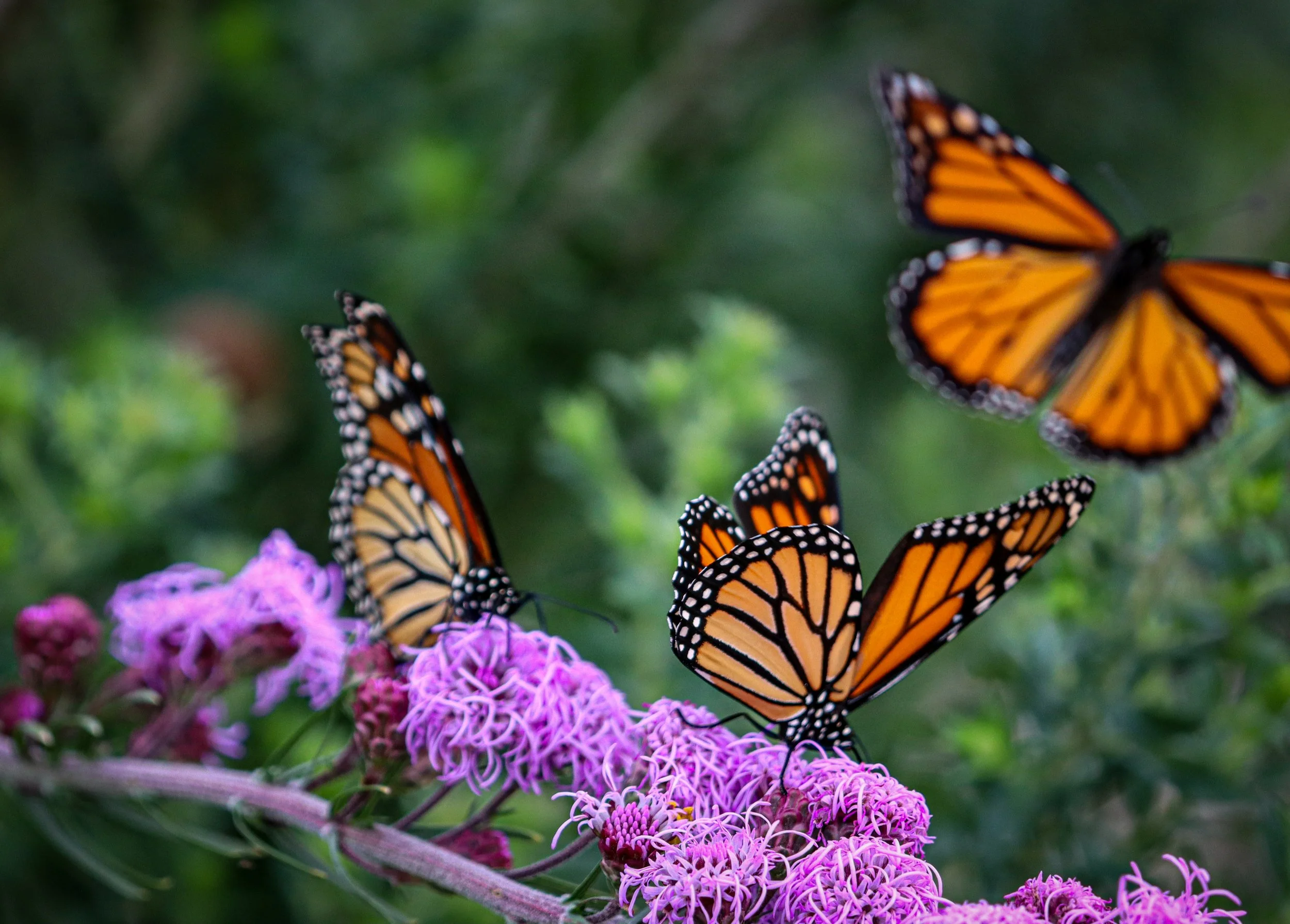
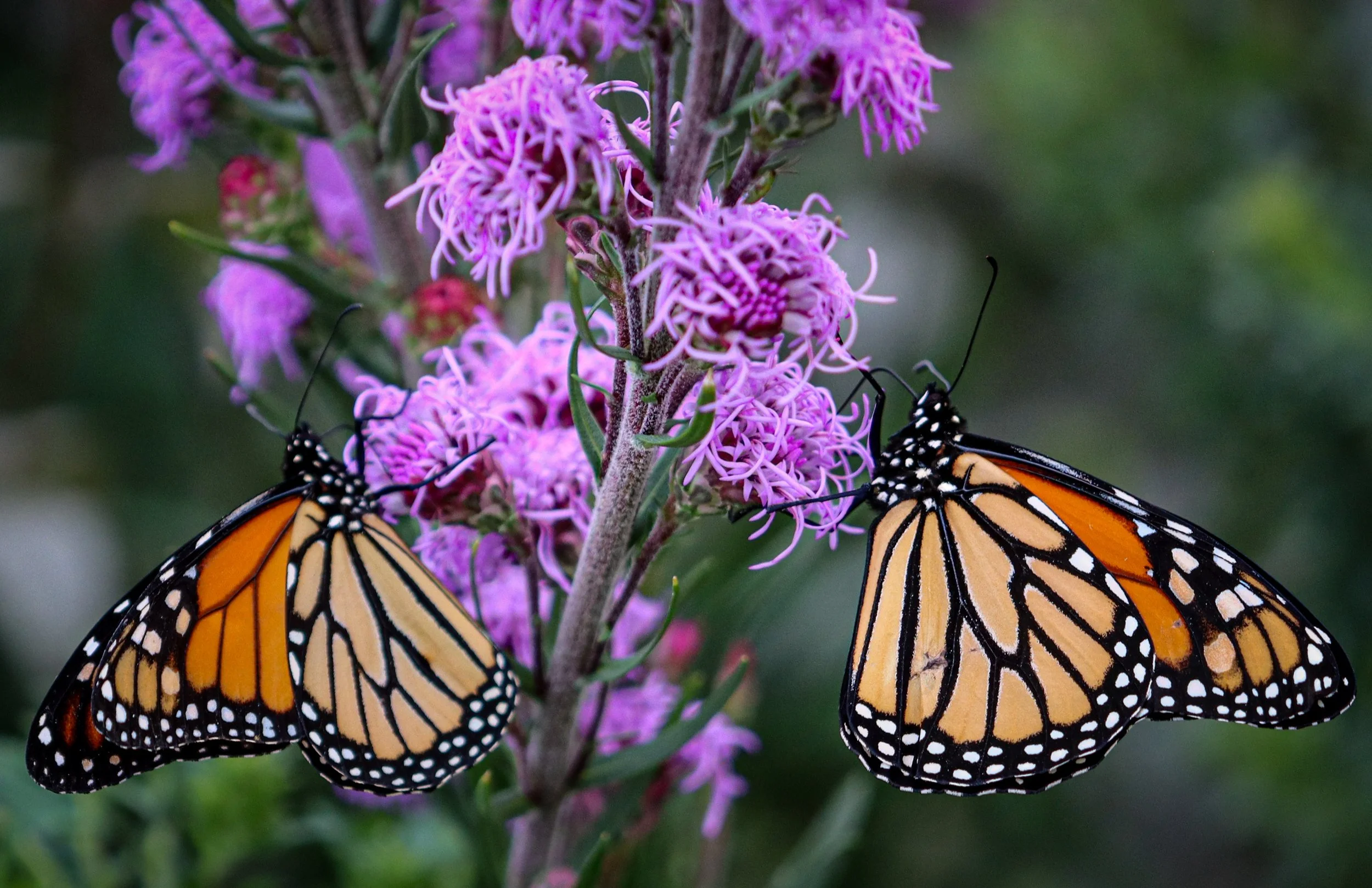
Many pollinators — including hummingbirds, a wide variety of native bees including at least ten specialists of the Silphium family of plants. A myriad of generalist bees flock to Cup Plant as well such as, Green Sweat Bees (Agapostemon spp.), Long-horned Bees (Melissodes spp.), Bumble Bees (Bombus spp.), Leafcutter Bees (Megachile spp.), and Mining Bees (Andrena spp.). Many native butterflies such as Monarchs, Eastern Tiger Swallowtails, Admirals, Viceroys, and American Lady Butterflies will mob the blooms through the season not to mention the plethora of eager nimble Skippers who visit and help cross-pollinate the flowers so they can develop viable seeds.
Commonly noted on the underside of Cup Plant leaves are Brown Ambrosia Aphids (Uroleucon spp.). While this may cause concern, they don't truly harm the plant, and they are most often quickly followed by their predators Lady Beetle Larvae (Cycloneda spp.) and Brown Lacewing Larvae (of the family Hemerobiidae are voracious predators of aphids both as larvae and as adults. Sometimes both Brown and Green Lacewing (Chrysopidae) families can be found attacking the aphids and decimating their numbers in ways that can be visually striking as formerly large colonies disappear rapidly over a few days! Katydids also enjoy feeding on the leaves in early summer while laying eggs for the next generation, but they too, tend to fall prey to many wasps species like Grass-carrying Wasps, Great Black Wasps, and Golden Digger Wasps who hunt them down, sting to cause paralysis and carry them back to their nests to become fresh food for wasp larvae to feed on as they mature.
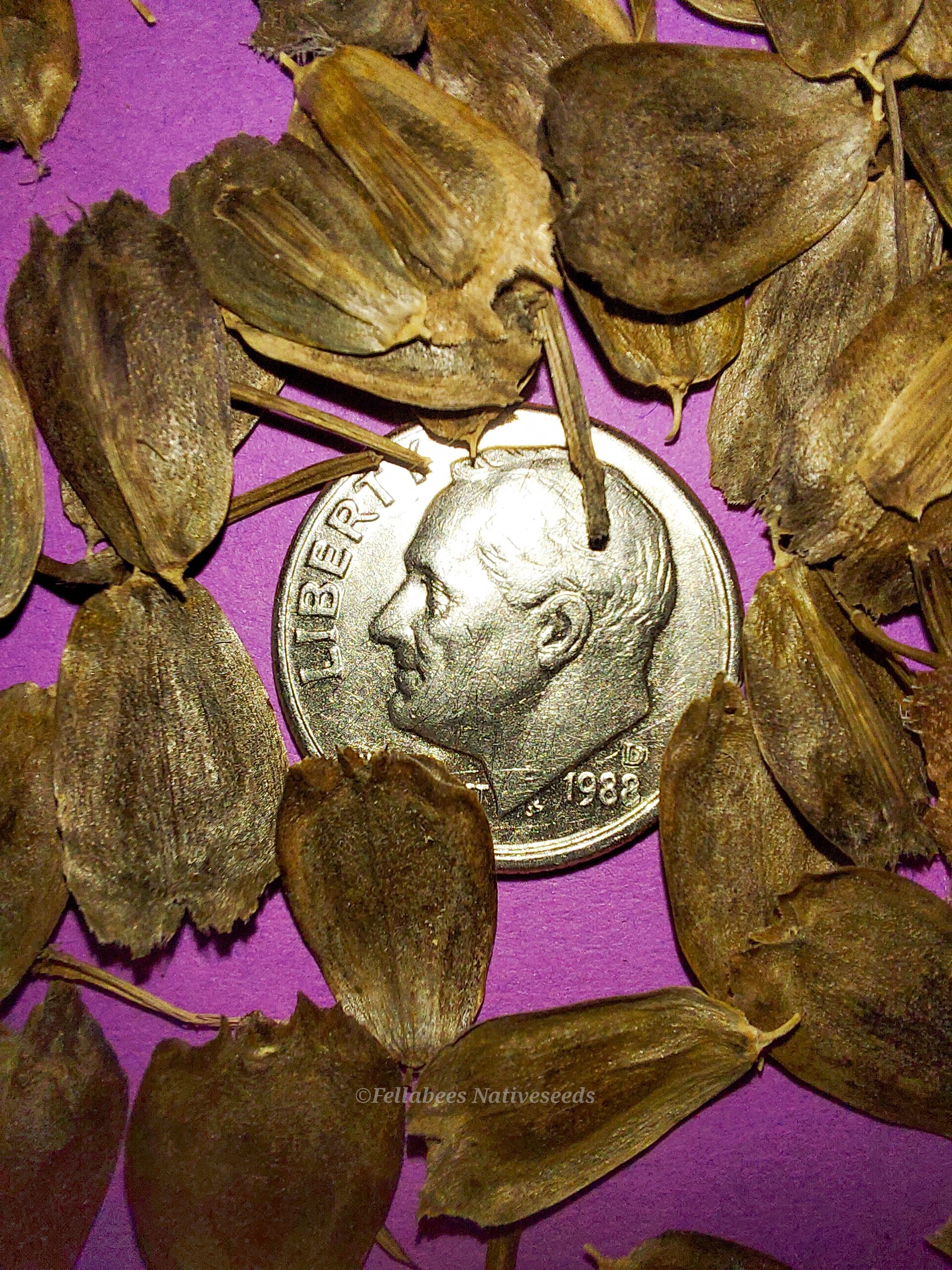
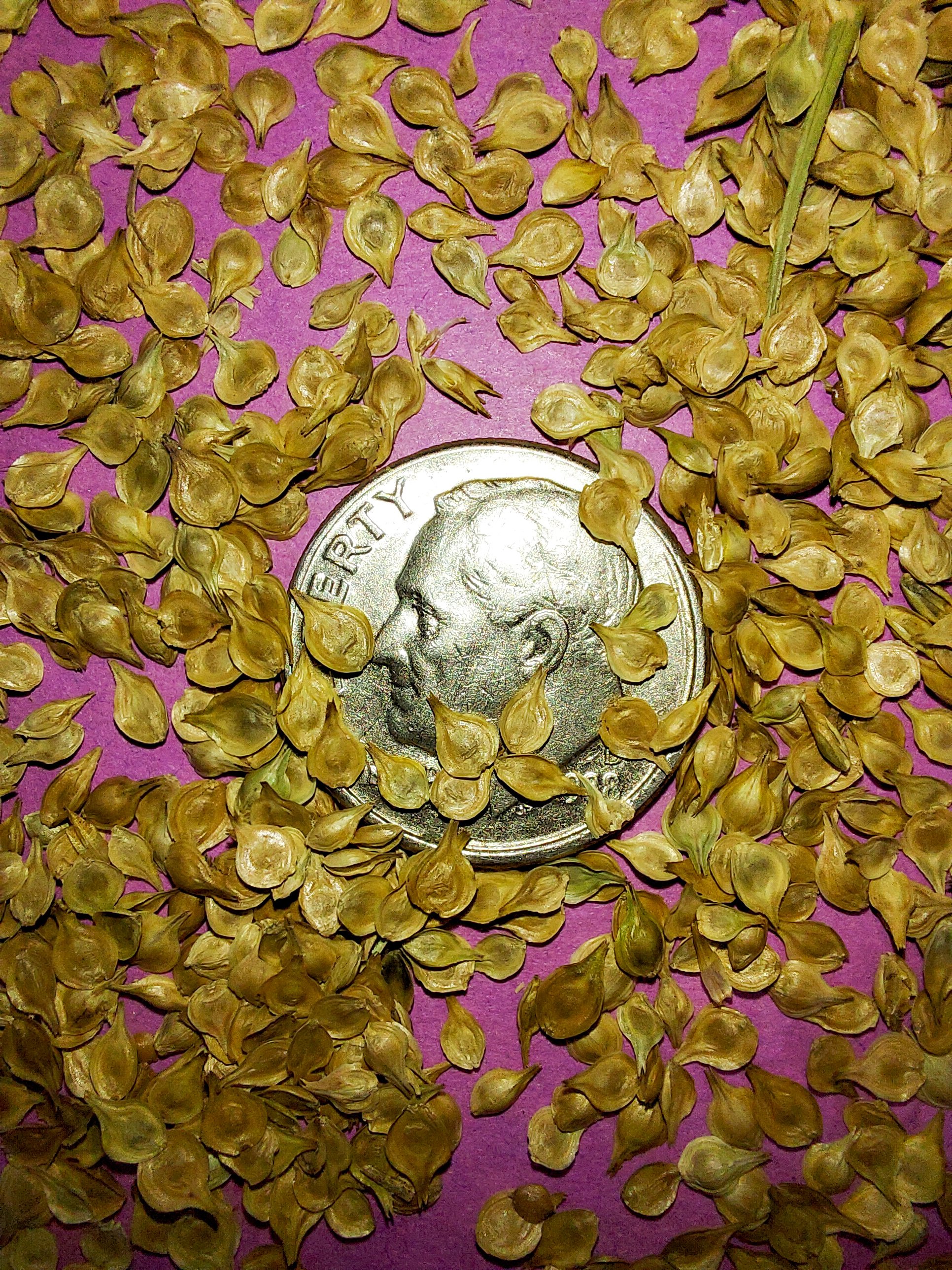
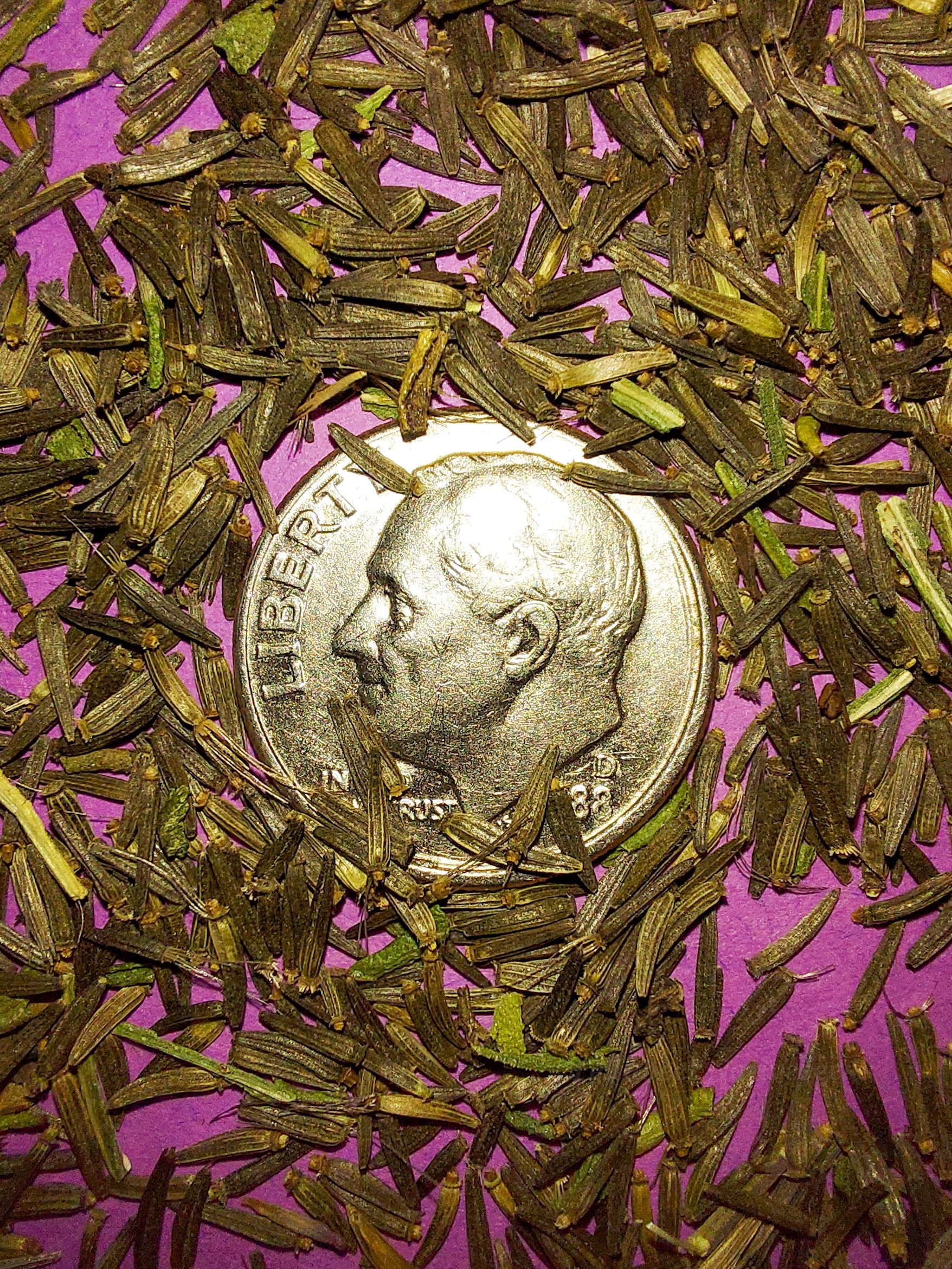
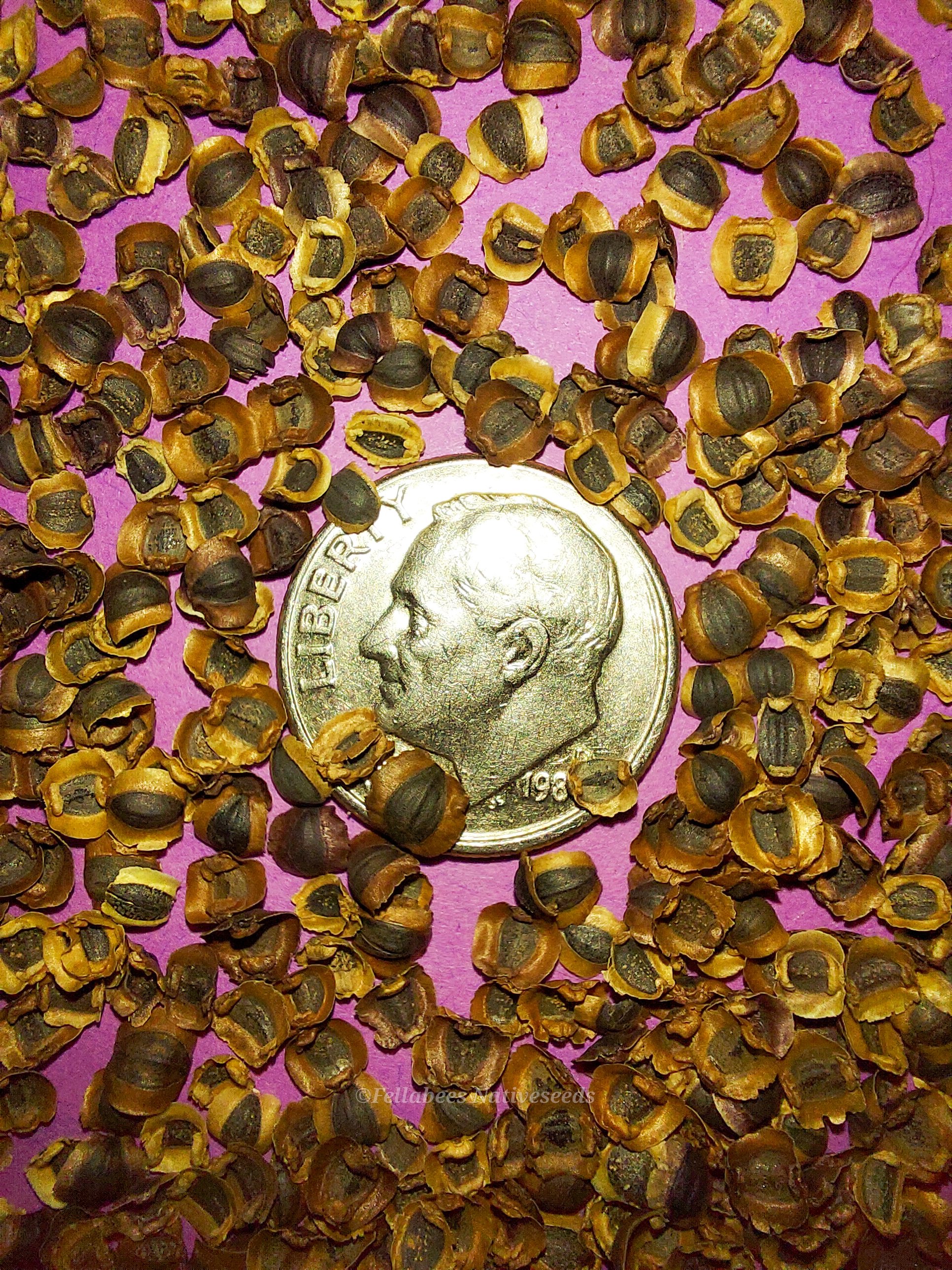
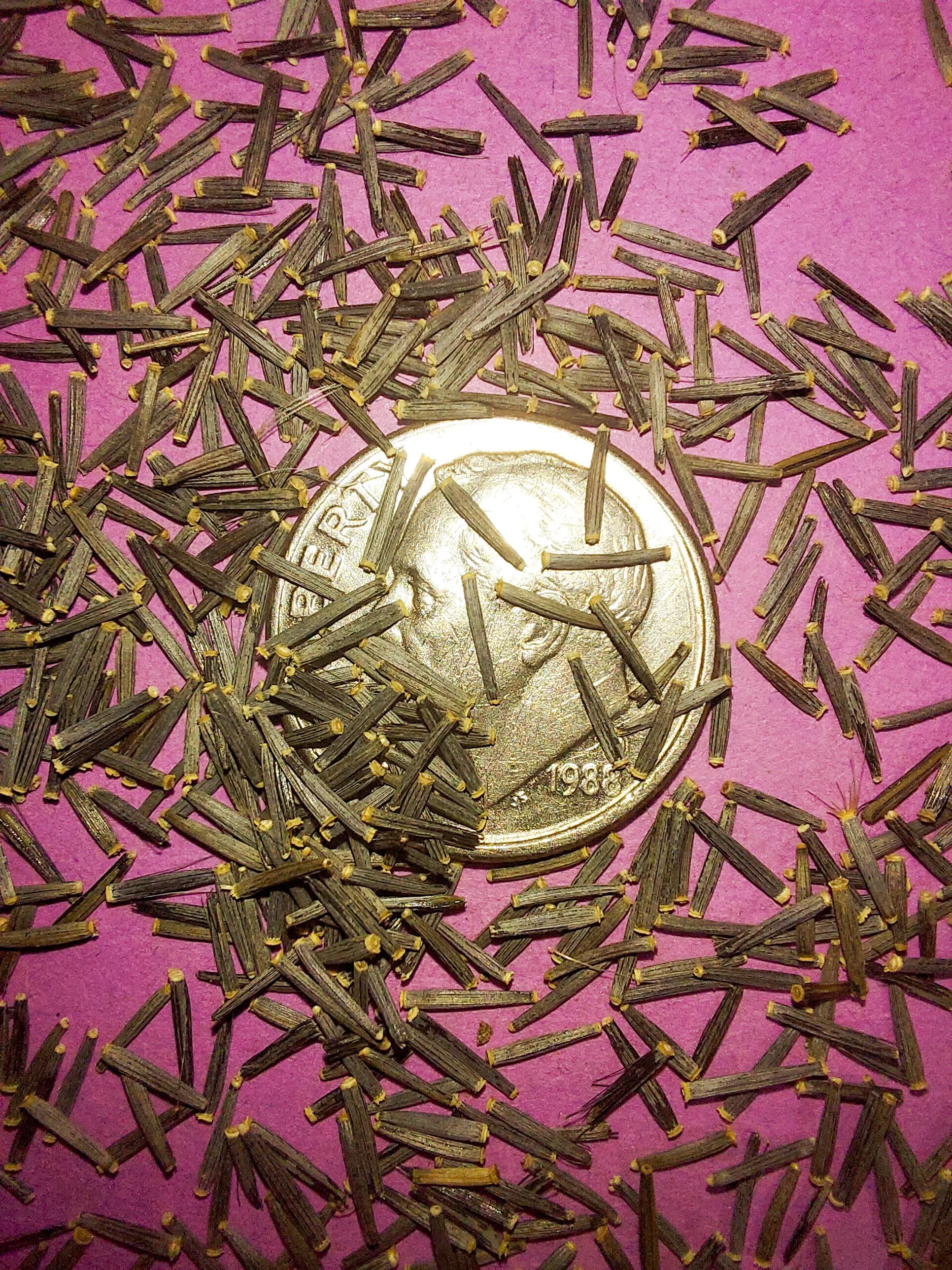
Each Cup Plant flower head makes about 20–30 seeds. Seeds are flattened, about 9–15 mm long, 6–9 mm wide and ~1 mm thick.
Cup Plant forms colonies easily with a deep taproot and shallow rhizomes. Roots in botanical gardens can be over 50 years old. Because of its large root system, it does not transplant well unless very young, so plant it where you want it to stay.
This plant uses the C3 photosynthetic pathway, making it well-suited to cool-season growth and efficient carbon fixation in moderate light. It tolerates harsh conditions: roots go dormant in winter and can survive temperatures as low as −22 °F, providing dependable overwintering resilience. Optimal growth occurs near 68 °F, when aboveground vigor and photosynthetic activity are maximized.
Plant Details
USDA Zones: 4-8
Germination Needs: 60 Day Cold Stratification
Life Cycle: Perennial
Sun Exposure: Full to Partial
Soil Moisture: Medium-Wet, Medium
Plant Spacing: 2-4 feet
Height: 6 feet
Bloom Time: July, August, September
Bloom Color: Yellow
Advantages:
Pollinator Favorite: butterflies, moths, bees, wasps, beetles
Bird Favorite: seeds, insects, fruit, nectar, nesting, perches.
Deer Resistant: Yes
Native to: Wisconsin, Minnesota, Iowa, Illinois, Indiana, Michigan, Ohio, Pennsylvania, West Virginia, Virginia, Kentucky, Tennessee, North Carolina, Alabama, Mississippi, Louisiana, Arkansas, Missouri, Texas, Oklahoma, Kansas, Nebraska, South Dakota, and North Dakota.
This species is considered present but rare in several counties of the states of Michigan, North Carolina, Louisiana and Texas.
This species is listed as being introduced to several counties of the states of Vermont, New Hampshire, Maine, Massachusetts and New Jersey, while being listed as “noxious“ in several counties of the states of New York and Connecticut.
.
.
Packet quantities:
We pride ourselves on ethical, hands on, ecological management, using no mechanical or chemical methods whatsoever.
All of our native seed is hand reared, hand0 picked, and hand packed from native prairies under our exclusive management, never breaking chain of custody from the field until it is sent to you. Each packet is hand prepared for shipment by us, directly.
Small seed species will contain greater than 20-25 seed
Large seed species will contain greater than 10-15 seed
It is our mission to spread the wealth of native plant and pollinator ecological sustainability and educate back yard gardeners as well as corporate and government entities in how to germinate, grow, and benefit from native synergies.
Thank you for your support, it is because of you, that we can grow together to do, what we do. 🐛🦋🐝🐞🌾🌱🌼
Cup Plant (Silphium perfoliatum)
Silphium perfoliatum, most commonly called Cup Plant, is a species of flowering plant hailing from the vast and diverse Asteraceae family. This striking native plant is endemic to Eastern and Central North America and is well adapted to a range of prairie and wetland habitats. It is an erect, robust herbaceous perennial with large, triangular toothed leaves that often appear joined around the stem, and it produces prominent daisy-like yellow composite flower heads throughout the summer months.
The typical height of Cup Plant ranges from about 3 to 8 ft, often reaching the taller end in rich, moist soils. The stem is stout and smooth with slight hairs and is distinctly squared much like that of mint plants. Leaves are opposite, toothed, and ovate in shape. Petioles are broadly winged and fuse around the stem, creating the characteristic cup. The first flower usually forms at the tip of the main stem, with additional blooms appearing later on the side branches.
Many pollinators — including hummingbirds, a wide variety of native bees including at least ten specialists of the Silphium family of plants. A myriad of generalist bees flock to Cup Plant as well such as, Green Sweat Bees (Agapostemon spp.), Long-horned Bees (Melissodes spp.), Bumble Bees (Bombus spp.), Leafcutter Bees (Megachile spp.), and Mining Bees (Andrena spp.). Many native butterflies such as Monarchs, Eastern Tiger Swallowtails, Admirals, Viceroys, and American Lady Butterflies will mob the blooms through the season not to mention the plethora of eager nimble Skippers who visit and help cross-pollinate the flowers so they can develop viable seeds.
Commonly noted on the underside of Cup Plant leaves are Brown Ambrosia Aphids (Uroleucon spp.). While this may cause concern, they don't truly harm the plant, and they are most often quickly followed by their predators Lady Beetle Larvae (Cycloneda spp.) and Brown Lacewing Larvae (of the family Hemerobiidae are voracious predators of aphids both as larvae and as adults. Sometimes both Brown and Green Lacewing (Chrysopidae) families can be found attacking the aphids and decimating their numbers in ways that can be visually striking as formerly large colonies disappear rapidly over a few days! Katydids also enjoy feeding on the leaves in early summer while laying eggs for the next generation, but they too, tend to fall prey to many wasps species like Grass-carrying Wasps, Great Black Wasps, and Golden Digger Wasps who hunt them down, sting to cause paralysis and carry them back to their nests to become fresh food for wasp larvae to feed on as they mature.
Each Cup Plant flower head makes about 20–30 seeds. Seeds are flattened, about 9–15 mm long, 6–9 mm wide and ~1 mm thick.
Cup Plant forms colonies easily with a deep taproot and shallow rhizomes. Roots in botanical gardens can be over 50 years old. Because of its large root system, it does not transplant well unless very young, so plant it where you want it to stay.
This plant uses the C3 photosynthetic pathway, making it well-suited to cool-season growth and efficient carbon fixation in moderate light. It tolerates harsh conditions: roots go dormant in winter and can survive temperatures as low as −22 °F, providing dependable overwintering resilience. Optimal growth occurs near 68 °F, when aboveground vigor and photosynthetic activity are maximized.
Plant Details
USDA Zones: 4-8
Germination Needs: 60 Day Cold Stratification
Life Cycle: Perennial
Sun Exposure: Full to Partial
Soil Moisture: Medium-Wet, Medium
Plant Spacing: 2-4 feet
Height: 6 feet
Bloom Time: July, August, September
Bloom Color: Yellow
Advantages:
Pollinator Favorite: butterflies, moths, bees, wasps, beetles
Bird Favorite: seeds, insects, fruit, nectar, nesting, perches.
Deer Resistant: Yes
Native to: Wisconsin, Minnesota, Iowa, Illinois, Indiana, Michigan, Ohio, Pennsylvania, West Virginia, Virginia, Kentucky, Tennessee, North Carolina, Alabama, Mississippi, Louisiana, Arkansas, Missouri, Texas, Oklahoma, Kansas, Nebraska, South Dakota, and North Dakota.
This species is considered present but rare in several counties of the states of Michigan, North Carolina, Louisiana and Texas.
This species is listed as being introduced to several counties of the states of Vermont, New Hampshire, Maine, Massachusetts and New Jersey, while being listed as “noxious“ in several counties of the states of New York and Connecticut.
.
.
Packet quantities:
We pride ourselves on ethical, hands on, ecological management, using no mechanical or chemical methods whatsoever.
All of our native seed is hand reared, hand0 picked, and hand packed from native prairies under our exclusive management, never breaking chain of custody from the field until it is sent to you. Each packet is hand prepared for shipment by us, directly.
Small seed species will contain greater than 20-25 seed
Large seed species will contain greater than 10-15 seed
It is our mission to spread the wealth of native plant and pollinator ecological sustainability and educate back yard gardeners as well as corporate and government entities in how to germinate, grow, and benefit from native synergies.
Thank you for your support, it is because of you, that we can grow together to do, what we do. 🐛🦋🐝🐞🌾🌱🌼

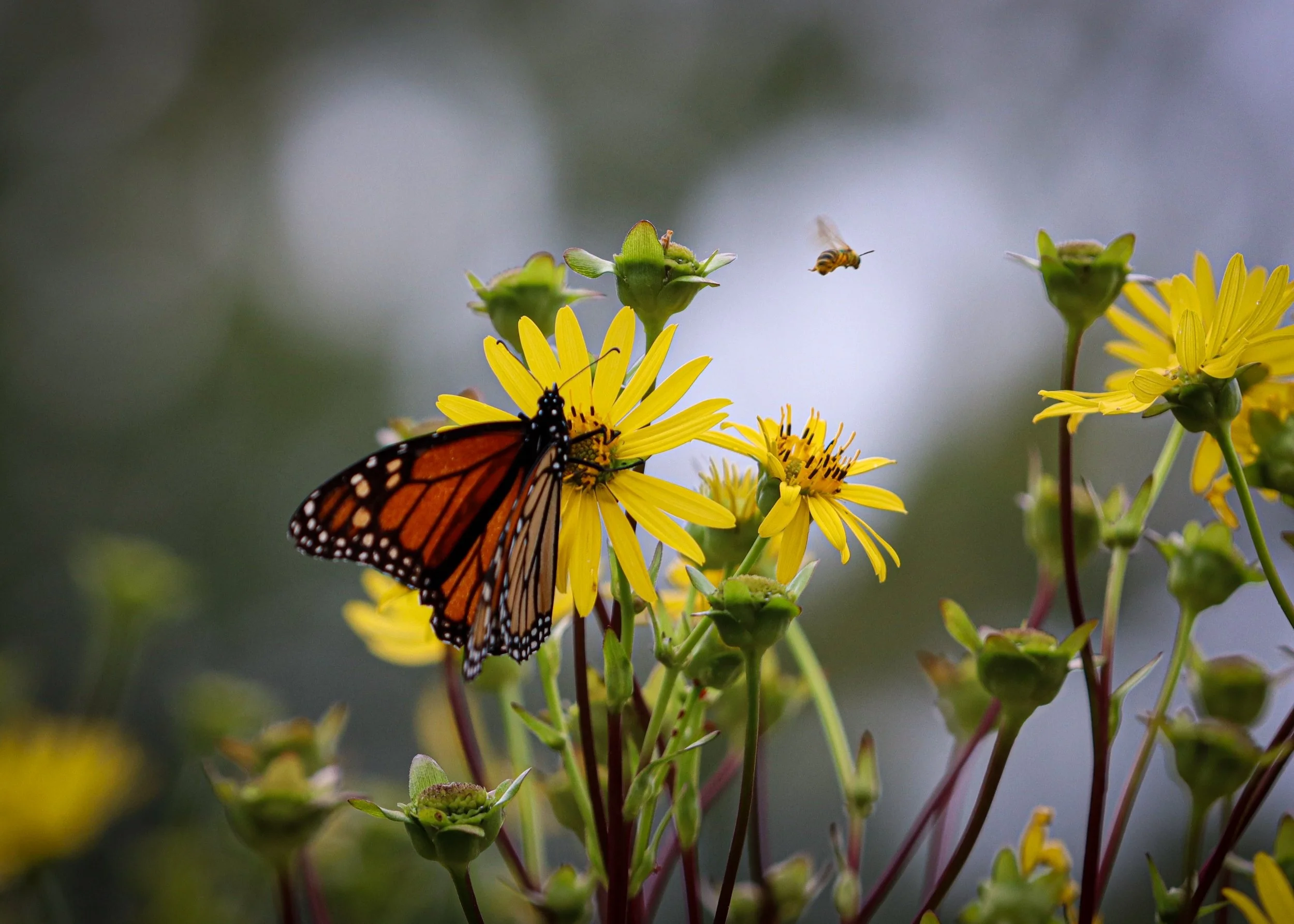 Image 1 of 8
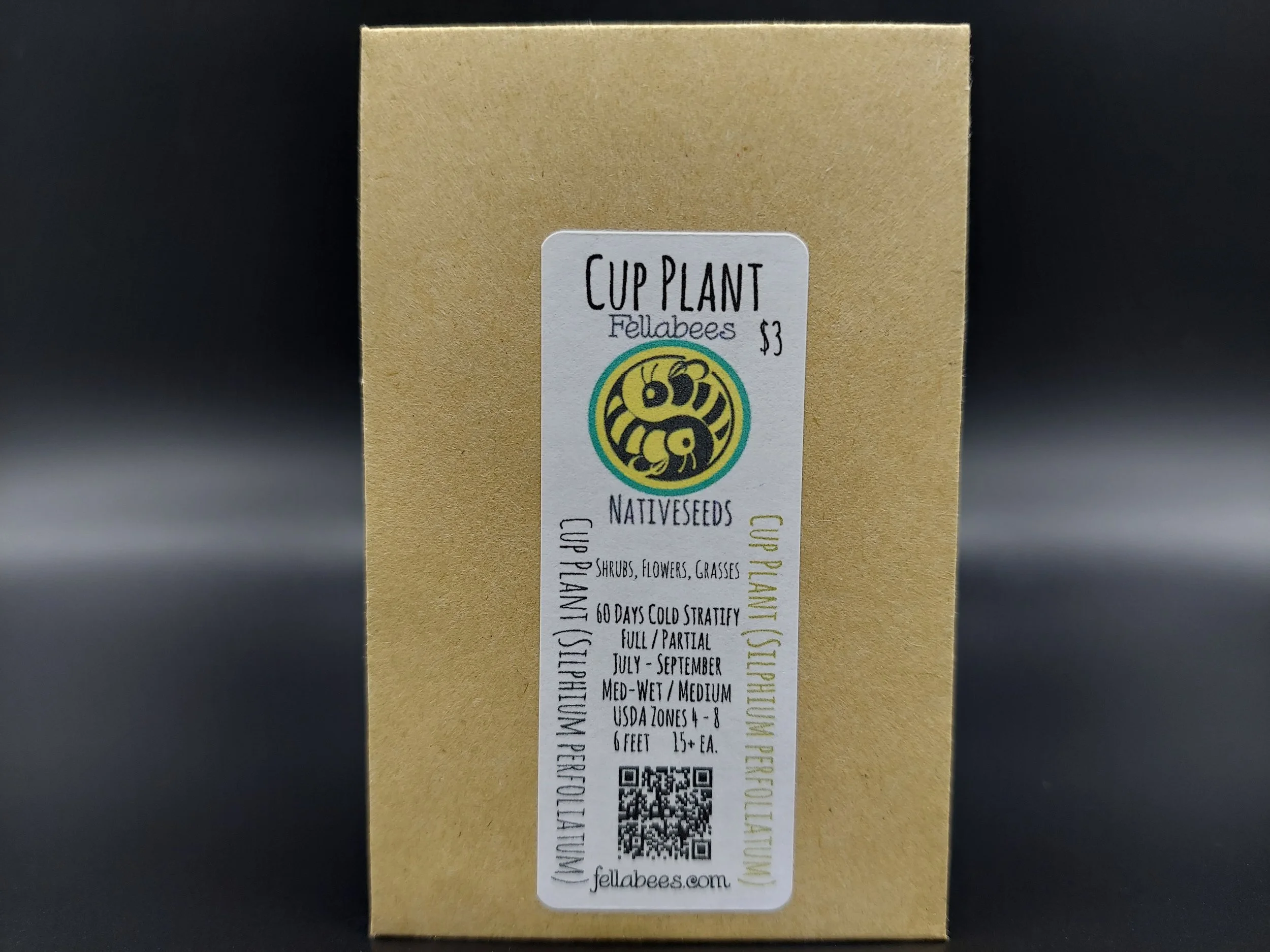 Image 2 of 8
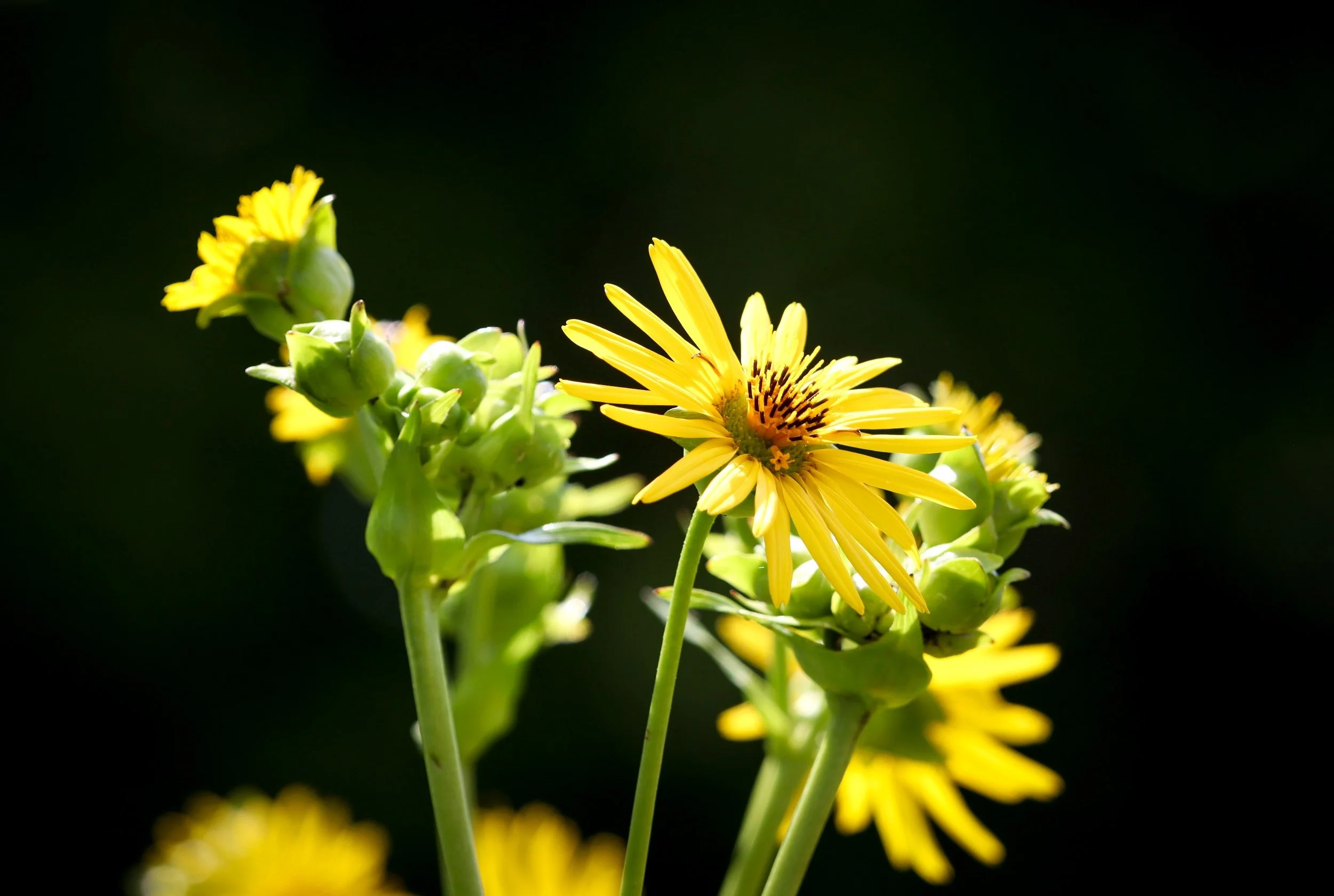 Image 3 of 8
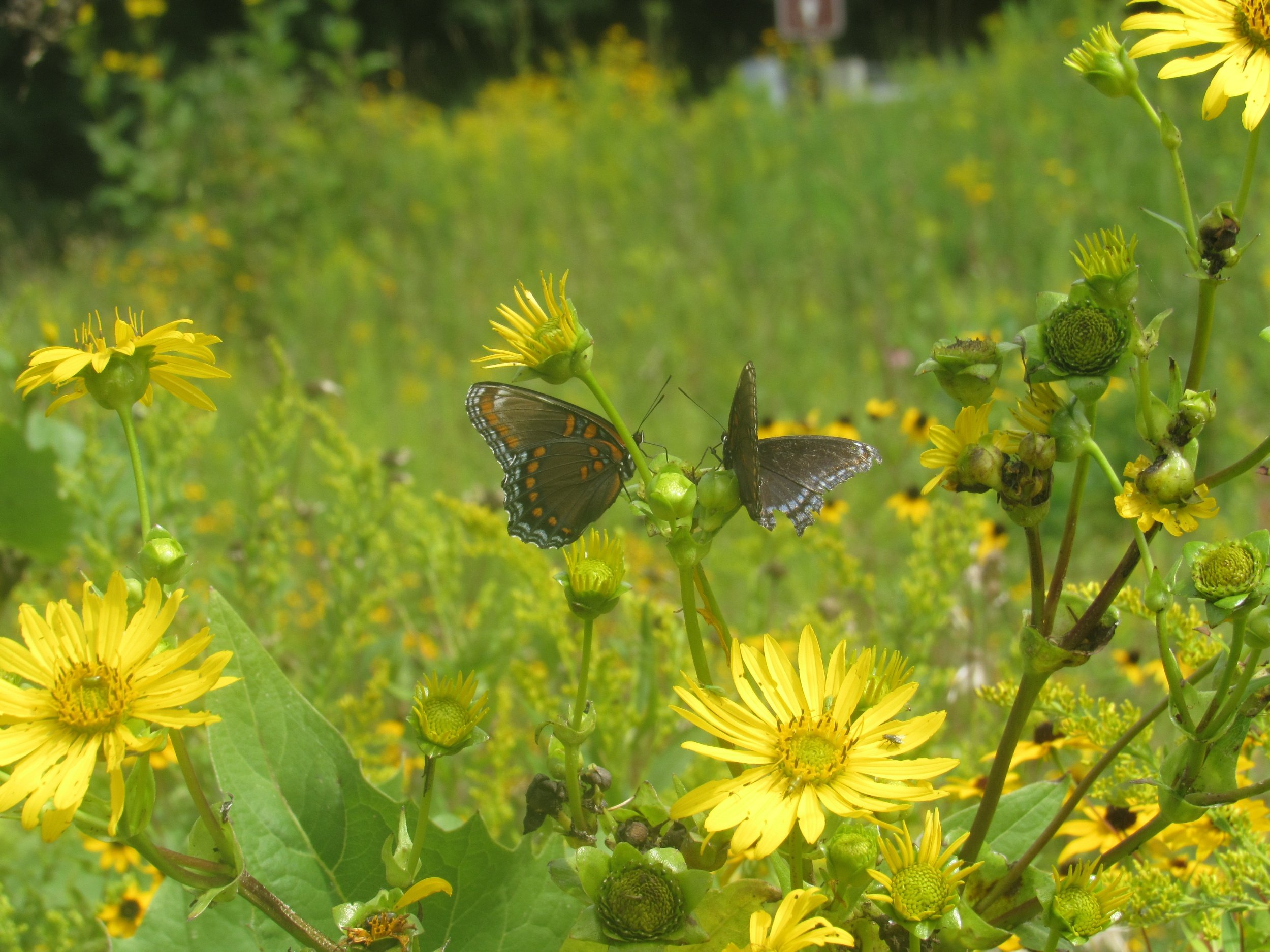 Image 4 of 8
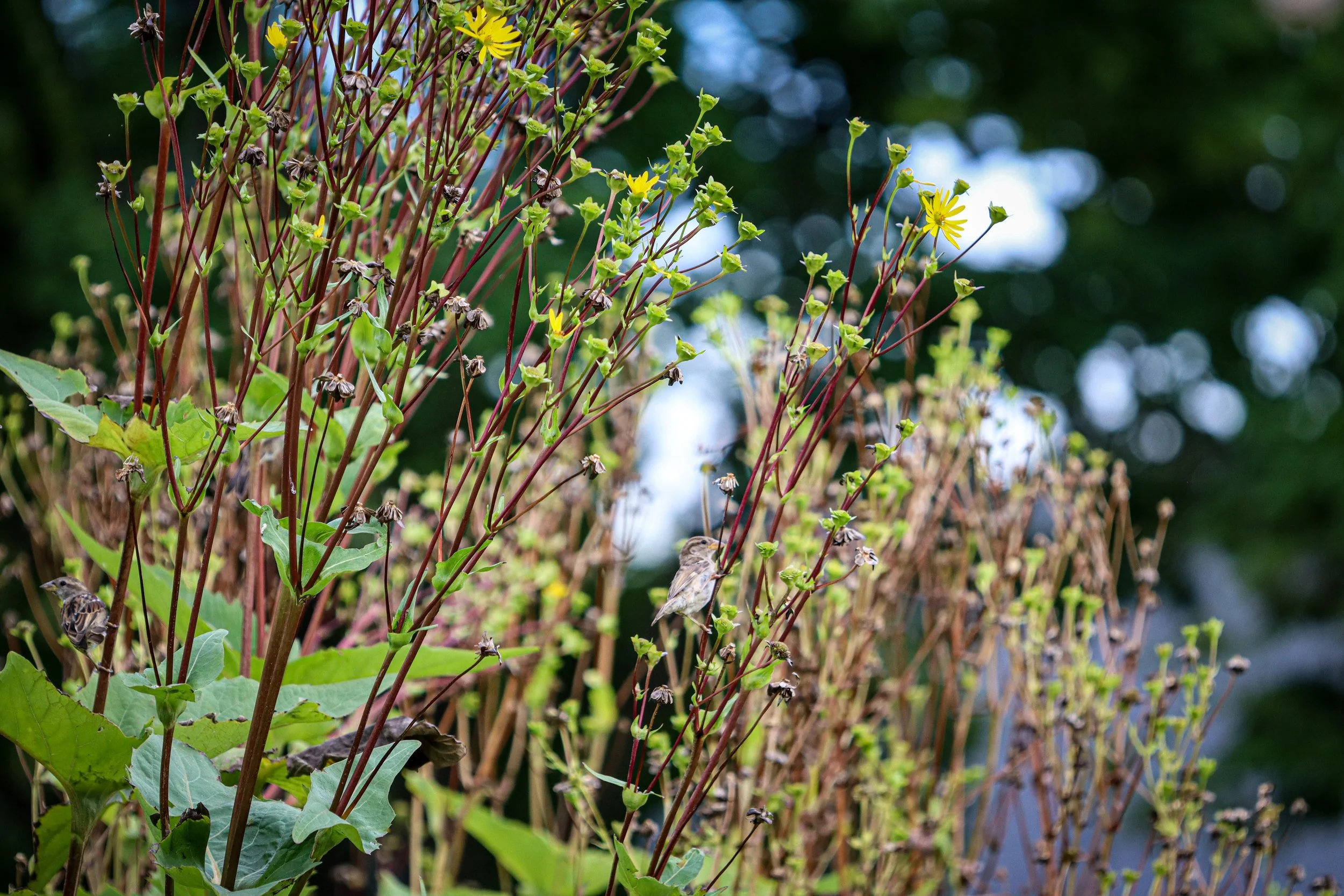 Image 5 of 8
 Image 6 of 8
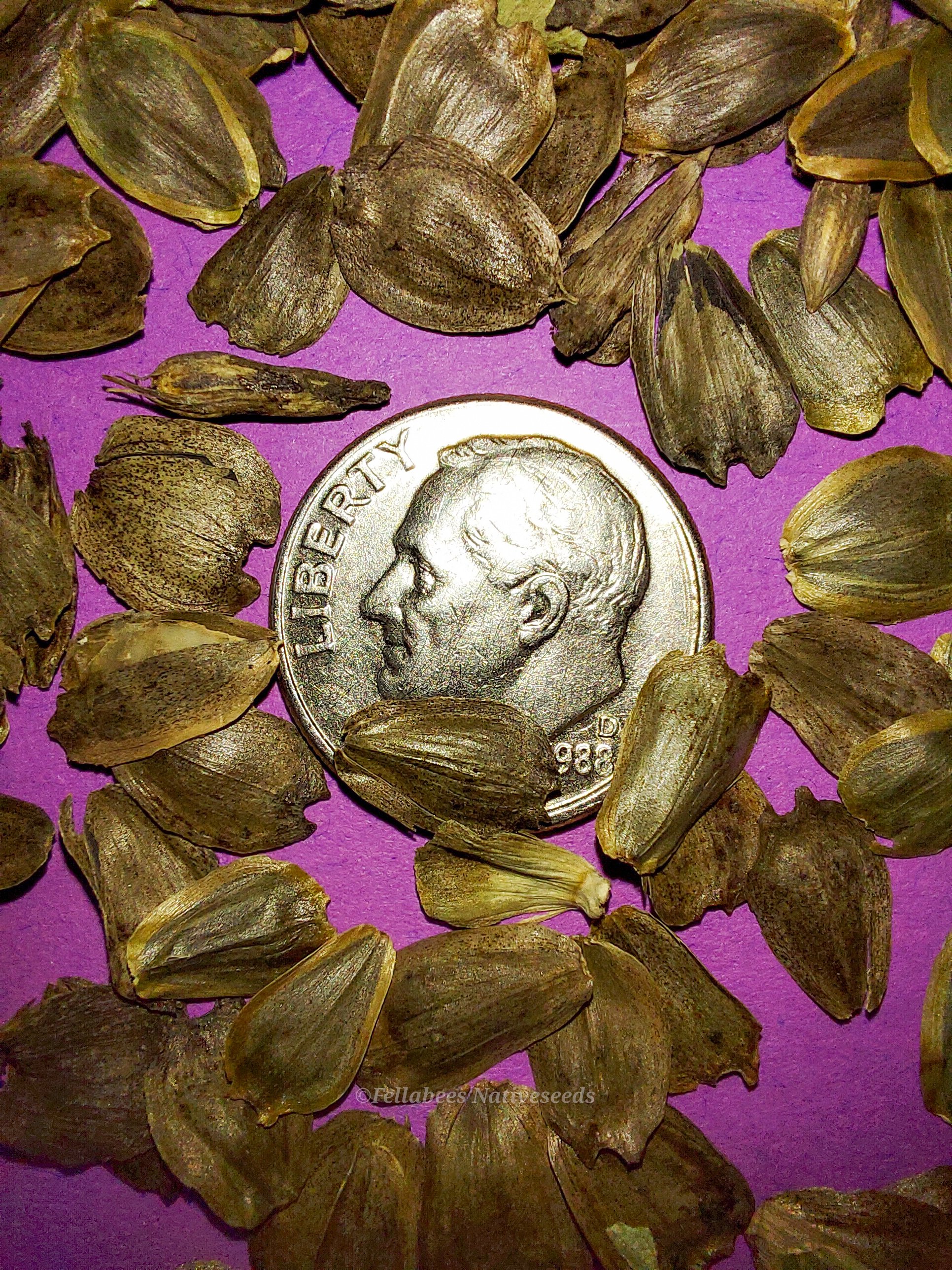 Image 7 of 8
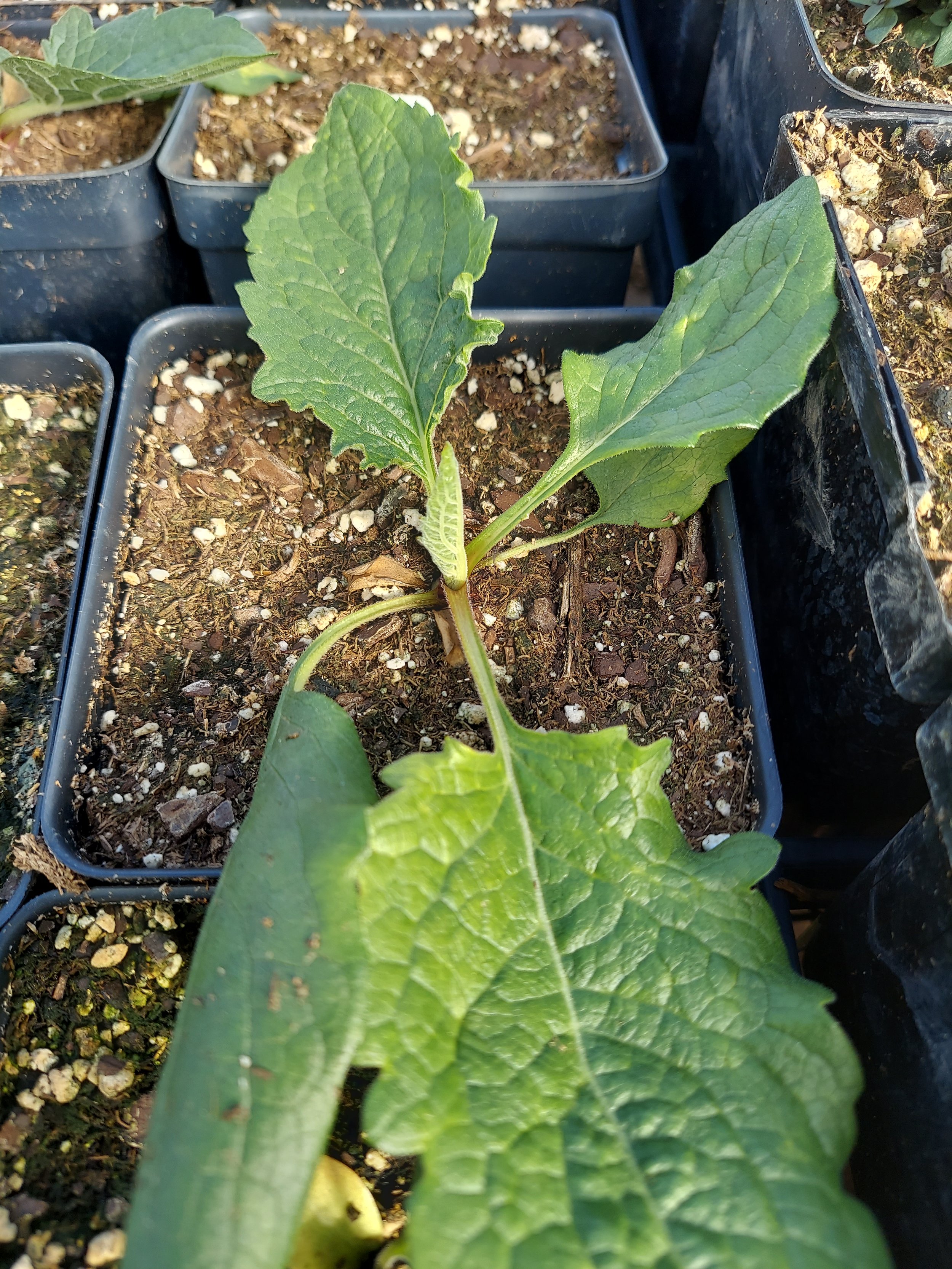 Image 8 of 8