Sale Price:
$2.00
Original Price:
$3.00
Prairie Dock (Silphium terebinthinaceum)
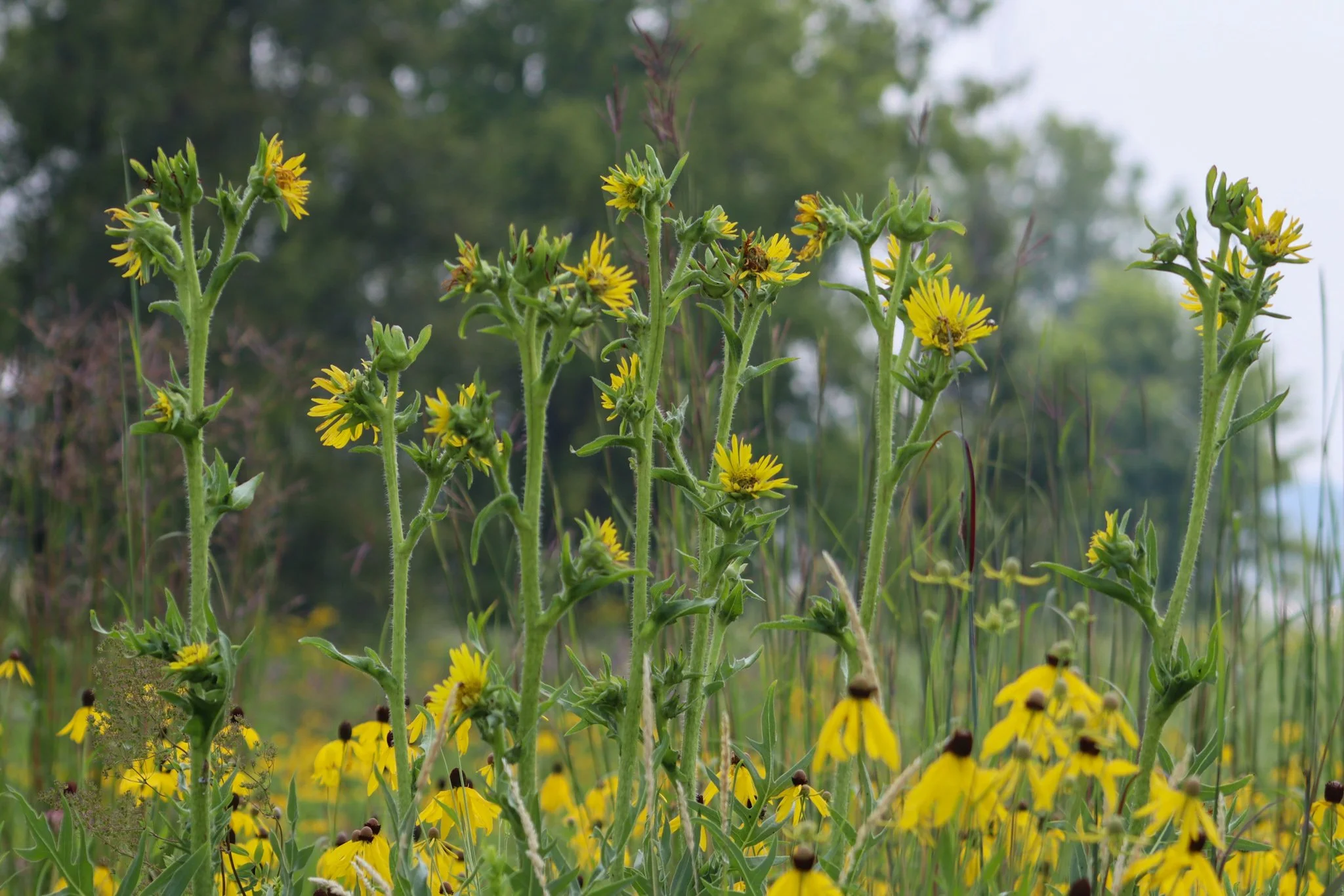
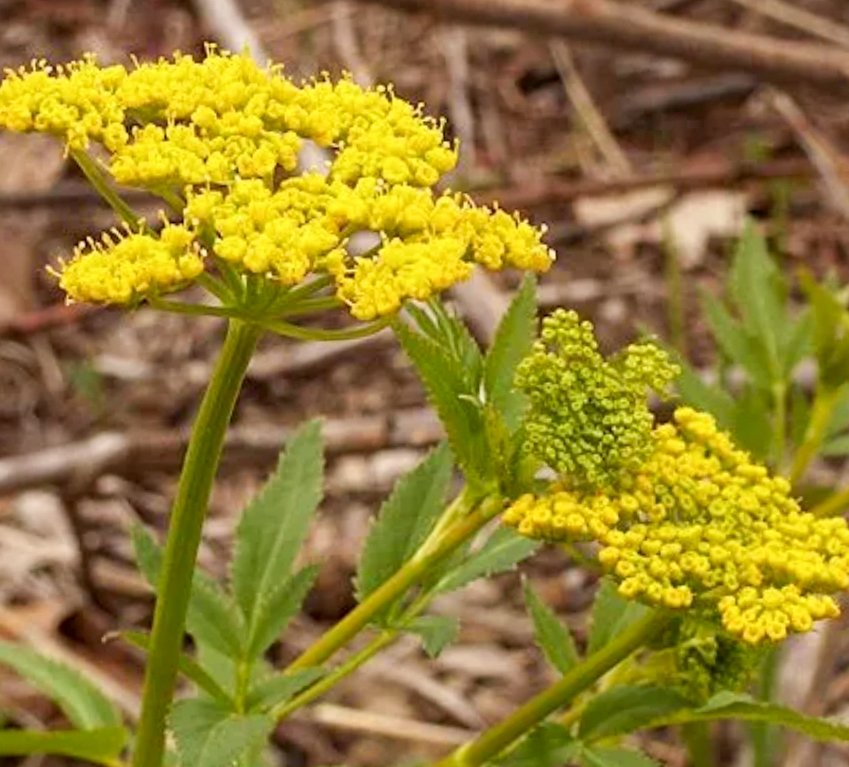
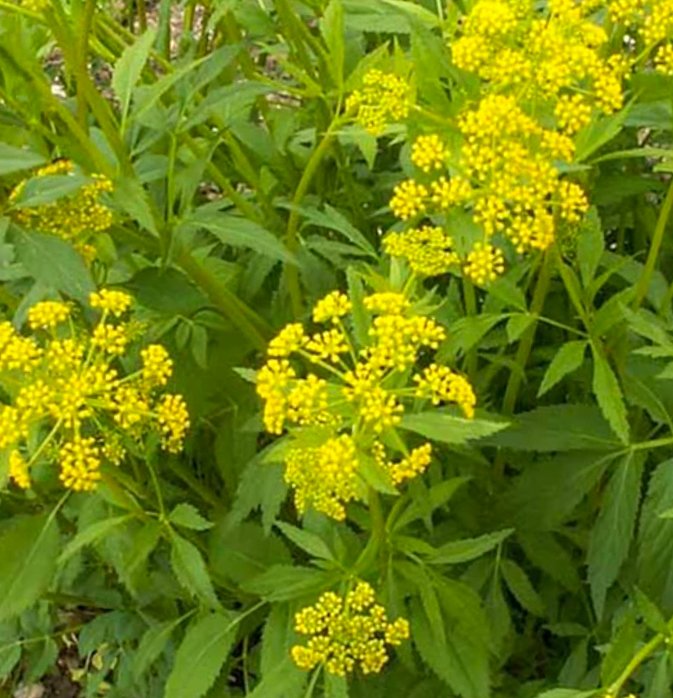
Silphium terebinthinaceum is the scientific name for the species more commonly called Prairie Dock, a tall, coarse-leaved perennial that belongs to the Asteraceae family, which also includes sunflowers, daisies, and asters. Native to central and eastern North America, it thrives in prairies, open woodlands, and roadside habitats and is valued for its large basal leaves, sturdy flower stalks, and pollinator-friendly yellow blooms.
The leaves are rough-textured, spade-shaped, and oriented vertically in a generally north–south direction, a suite of traits that provide important adaptations for survival in the prairie climate. One study found that the majority of prairie dock's leaves were aligned within about 15° of true North and also maintained an orientation roughly 60° from the horizontal. This combination of north–south alignment and pronounced vertical orientation appears to function as a mechanism for keeping leaf temperatures lower at midday, thereby reducing water loss and conserving moisture under hot, sunny conditions. In addition to thermal regulation, this distinctive leaf arrangement allows the plant to intercept sunlight more effectively for photosynthesis, improving the efficiency with which it produces and stores carbon. As a dicot adapted to drought-prone environments, prairie dock also develops a characteristically large, deep taproot capable of penetrating to depths of at least 14 feet as it searches for reliable access to the water table.
Prairie Dock is native in the United States from Iowa, Missouri, and Arkansas to the west, Wisconsin to the north, Virginia to the east, and Mississippi, Alabama, and Georgia to the south. In Canada, it is native to Ontario, where it is considered critically imperiled. The preferred habitats of Silphium terebinthinaceum include rich black soil prairies as well as gravelly, shrub, and hill prairies. It is also commonly found growing along roadsides and railroad corridors, though populations in these areas are frequently threatened or eliminated by heavy herbicide use and other disturbances.
Prairie Dock also plays an outsized role for many native bee species and other pollinators. The plant’s large, sturdy rosettes and dense ground-level canopy create sheltered microhabitats at the soil surface. Ground-nesting native bees including many solitary species take advantage of these conditions by locating nests in the loosened, protected soil beneath or at the base of prairie dock plants. Some bees may use plant parts (dried leaves or stems) as structural material for nest linings or partitions. In addition, the tall flowering stems with large, composite flowers provide an abundant, visible nectar and pollen resource during bloom, attracting a wide range of foraging bees. The combination of nesting habitat and foraging resources means Silphium terebinthinaceum functions as a resource hub: it supports local bee life cycles directly (nest sites and materials) and indirectly (food), thereby enhancing pollination services for surrounding plant communities.
Prairie Dock is valuable for restoration and pollinator plantings. Its disturbance tolerance makes it reliable in degraded or heavily used sites. Deep roots and sturdy leaves improve soil stability and drought resistance. Adding Silphium to prairies, roadsides, or pollinator gardens boosts nesting habitat and supports native bees, enhancing pollination and landscape resilience.
Plant Details
USDA Zones: 4-8
Germination Needs: 60 Days Cold Stratification
Life Cycle: Perennial
Sun Exposure: Full to Partial
Soil Moisture: Medium-Wet, Medium, Medium-Dry
Plant Spacing: 2-4 feet
Height: 9 feet
Bloom time: July, August, September
Bloom Color: Yellow
Advantages:
Pollinator Favorite: butterflies, moths, bees, wasps, beetles
Bird Favorite: seeds, insects, fruit, nectar, nesting, perches.
Deer Resistant: Yes
Excellent in the home landscape!
Native to: Wisconsin, Iowa, Illinois, Indiana, Michigan, Ohio, New York, West Virginia, Virginia, Kentucky, Tennessee, North Carolina, South Carolina, Georgia, Alabama, Mississippi, Arkansas, Missouri, and Nebraska.
.
.
Packet quantities:
We pride ourselves on ethical, hands on, ecological management, using no mechanical or chemical methods whatsoever.
All of our native seed is hand reared, hand picked, and hand packed from native prairies under our exclusive management, never breaking chain of custody from the field until it is sent to you. Each packet is hand prepared for shipment by us, directly.
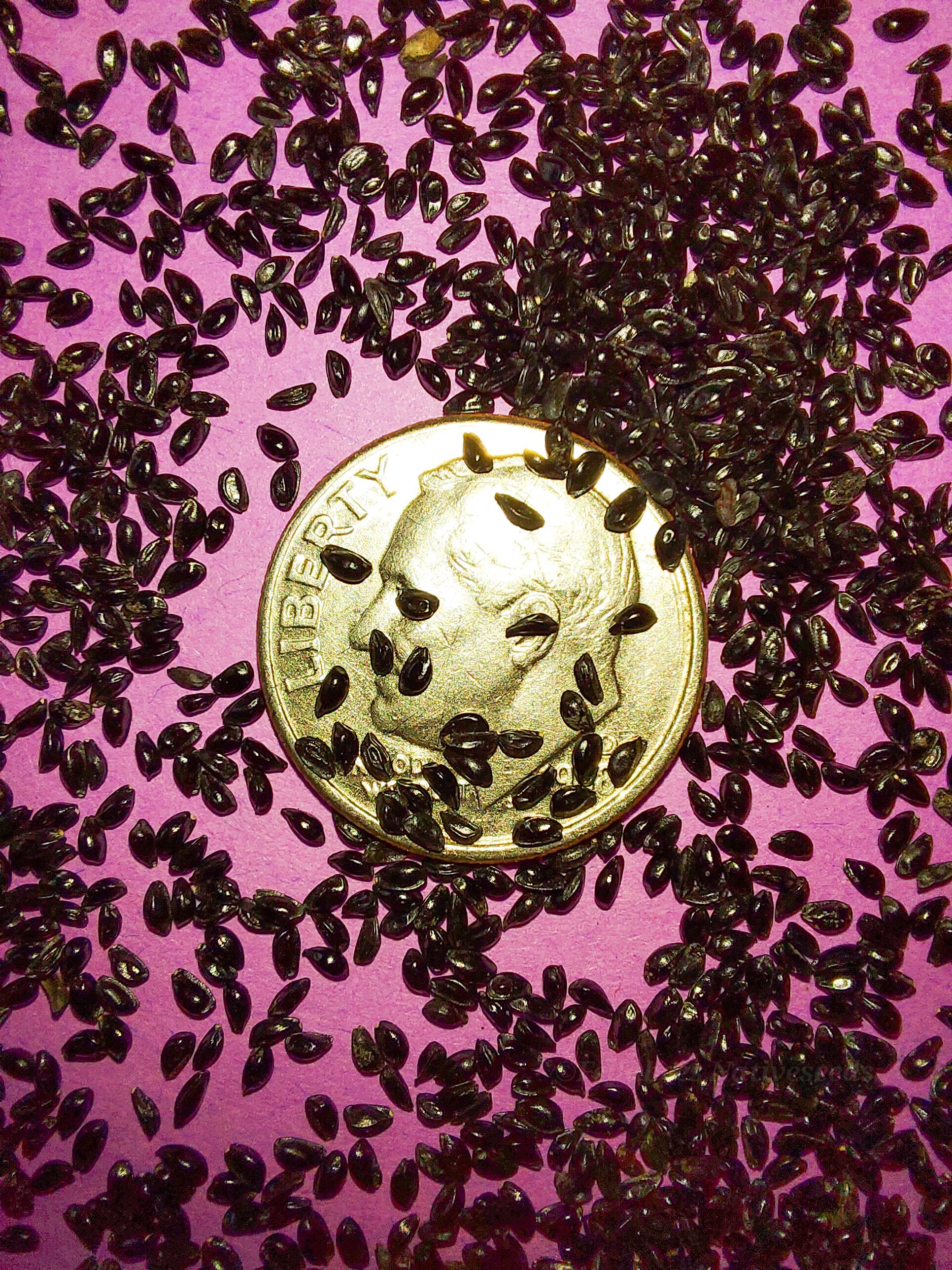
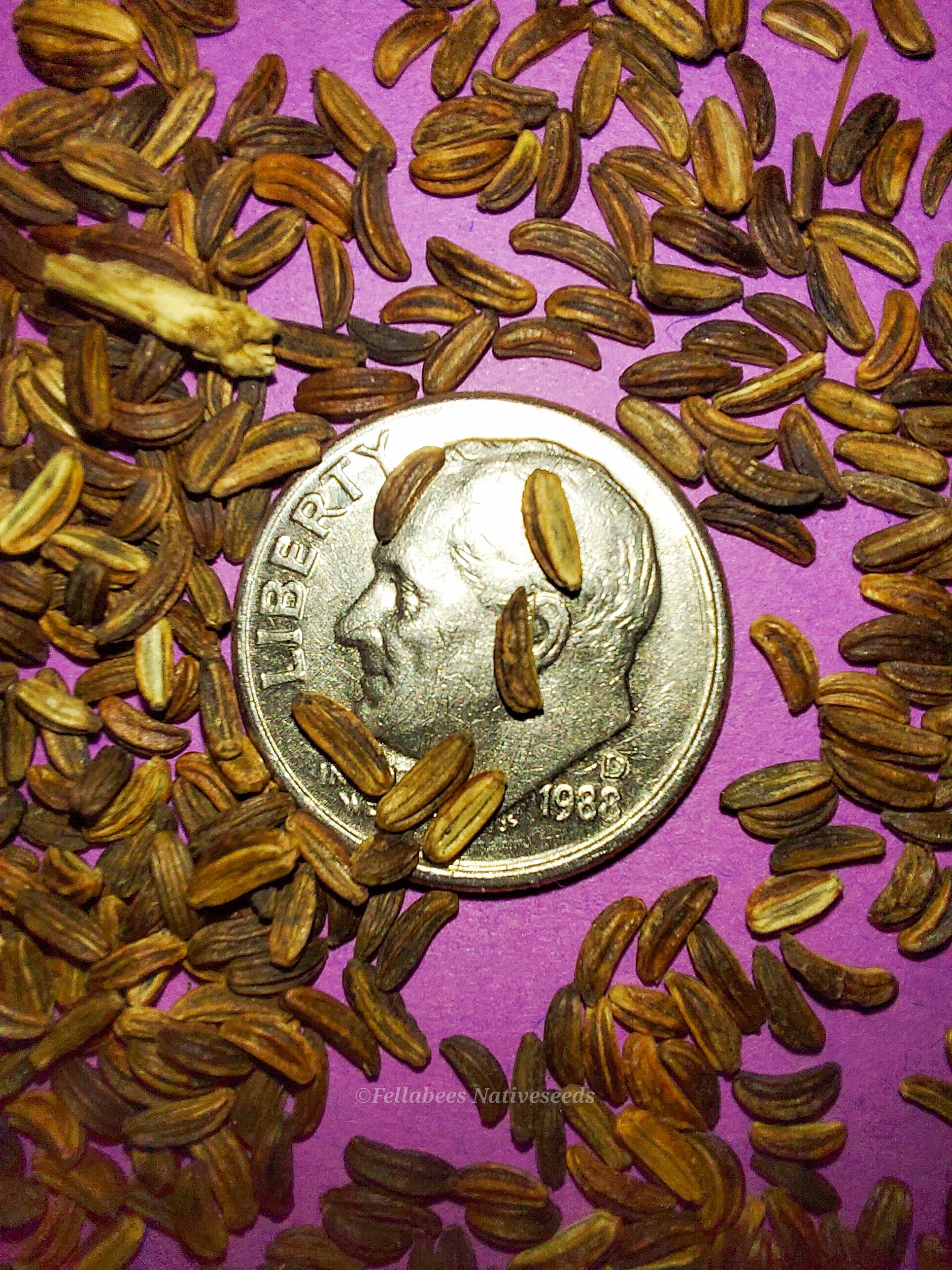
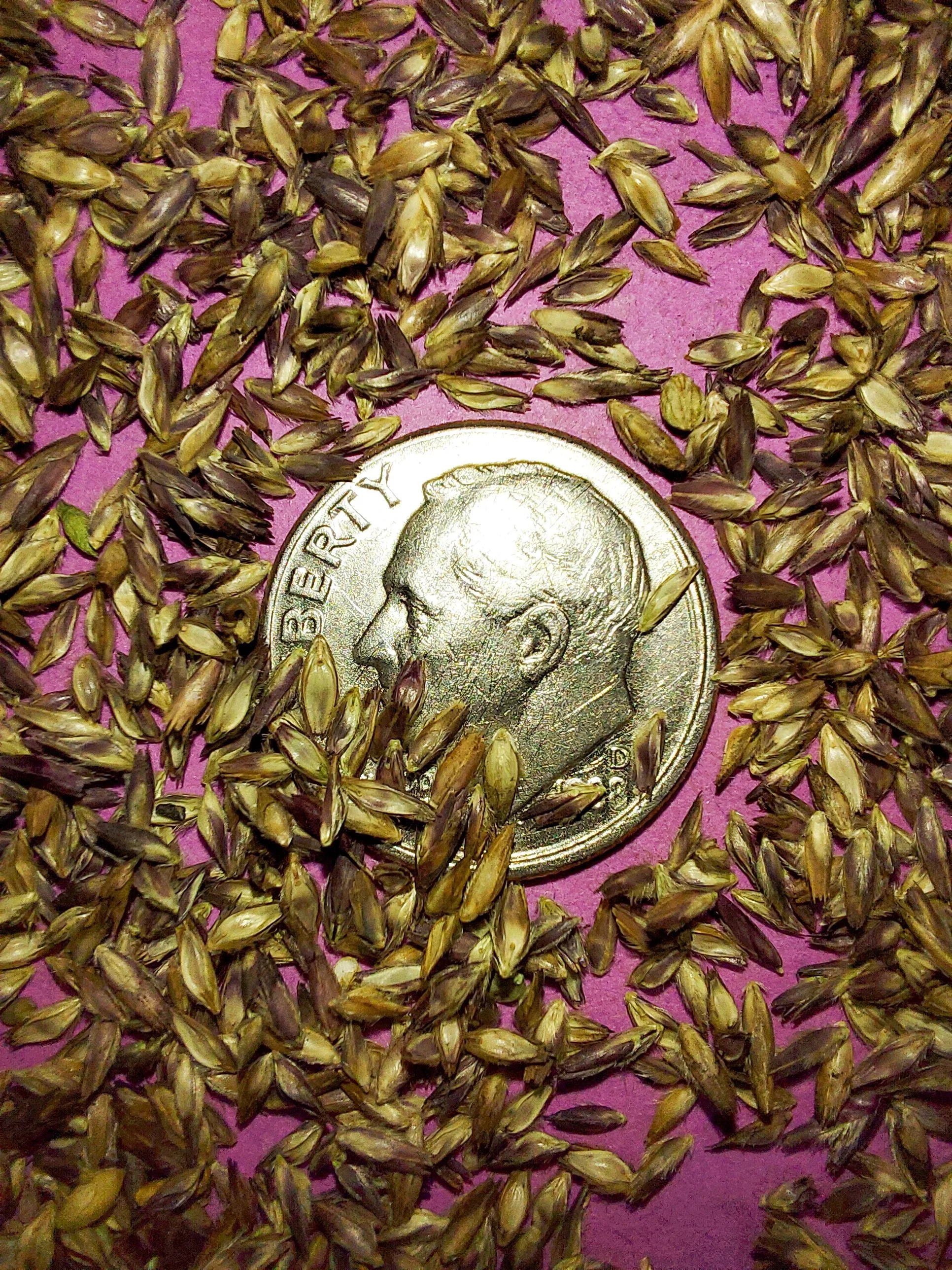
Small seed species will contain greater than 20-25 seed
Large seed species will contain greater than 10-15 seed
It is our mission to spread the wealth of native plant and pollinator ecological sustainability and educate back yard gardeners as well as corporate and government entities in how to germinate, grow, and benefit from native synergies.
Thank you for your support, it is because of you, that we can grow together to do, what we do. 🐛🦋🐝🐞🌾🌱🌼🧡
Prairie Dock (Silphium terebinthinaceum)
Silphium terebinthinaceum is the scientific name for the species more commonly called Prairie Dock, a tall, coarse-leaved perennial that belongs to the Asteraceae family, which also includes sunflowers, daisies, and asters. Native to central and eastern North America, it thrives in prairies, open woodlands, and roadside habitats and is valued for its large basal leaves, sturdy flower stalks, and pollinator-friendly yellow blooms.
The leaves are rough-textured, spade-shaped, and oriented vertically in a generally north–south direction, a suite of traits that provide important adaptations for survival in the prairie climate. One study found that the majority of prairie dock's leaves were aligned within about 15° of true North and also maintained an orientation roughly 60° from the horizontal. This combination of north–south alignment and pronounced vertical orientation appears to function as a mechanism for keeping leaf temperatures lower at midday, thereby reducing water loss and conserving moisture under hot, sunny conditions. In addition to thermal regulation, this distinctive leaf arrangement allows the plant to intercept sunlight more effectively for photosynthesis, improving the efficiency with which it produces and stores carbon. As a dicot adapted to drought-prone environments, prairie dock also develops a characteristically large, deep taproot capable of penetrating to depths of at least 14 feet as it searches for reliable access to the water table.
Prairie Dock is native in the United States from Iowa, Missouri, and Arkansas to the west, Wisconsin to the north, Virginia to the east, and Mississippi, Alabama, and Georgia to the south. In Canada, it is native to Ontario, where it is considered critically imperiled. The preferred habitats of Silphium terebinthinaceum include rich black soil prairies as well as gravelly, shrub, and hill prairies. It is also commonly found growing along roadsides and railroad corridors, though populations in these areas are frequently threatened or eliminated by heavy herbicide use and other disturbances.
Prairie Dock also plays an outsized role for many native bee species and other pollinators. The plant’s large, sturdy rosettes and dense ground-level canopy create sheltered microhabitats at the soil surface. Ground-nesting native bees including many solitary species take advantage of these conditions by locating nests in the loosened, protected soil beneath or at the base of prairie dock plants. Some bees may use plant parts (dried leaves or stems) as structural material for nest linings or partitions. In addition, the tall flowering stems with large, composite flowers provide an abundant, visible nectar and pollen resource during bloom, attracting a wide range of foraging bees. The combination of nesting habitat and foraging resources means Silphium terebinthinaceum functions as a resource hub: it supports local bee life cycles directly (nest sites and materials) and indirectly (food), thereby enhancing pollination services for surrounding plant communities.
Prairie Dock is valuable for restoration and pollinator plantings. Its disturbance tolerance makes it reliable in degraded or heavily used sites. Deep roots and sturdy leaves improve soil stability and drought resistance. Adding Silphium to prairies, roadsides, or pollinator gardens boosts nesting habitat and supports native bees, enhancing pollination and landscape resilience.
Plant Details
USDA Zones: 4-8
Germination Needs: 60 Days Cold Stratification
Life Cycle: Perennial
Sun Exposure: Full to Partial
Soil Moisture: Medium-Wet, Medium, Medium-Dry
Plant Spacing: 2-4 feet
Height: 9 feet
Bloom time: July, August, September
Bloom Color: Yellow
Advantages:
Pollinator Favorite: butterflies, moths, bees, wasps, beetles
Bird Favorite: seeds, insects, fruit, nectar, nesting, perches.
Deer Resistant: Yes
Excellent in the home landscape!
Native to: Wisconsin, Iowa, Illinois, Indiana, Michigan, Ohio, New York, West Virginia, Virginia, Kentucky, Tennessee, North Carolina, South Carolina, Georgia, Alabama, Mississippi, Arkansas, Missouri, and Nebraska.
.
.
Packet quantities:
We pride ourselves on ethical, hands on, ecological management, using no mechanical or chemical methods whatsoever.
All of our native seed is hand reared, hand picked, and hand packed from native prairies under our exclusive management, never breaking chain of custody from the field until it is sent to you. Each packet is hand prepared for shipment by us, directly.
Small seed species will contain greater than 20-25 seed
Large seed species will contain greater than 10-15 seed
It is our mission to spread the wealth of native plant and pollinator ecological sustainability and educate back yard gardeners as well as corporate and government entities in how to germinate, grow, and benefit from native synergies.
Thank you for your support, it is because of you, that we can grow together to do, what we do. 🐛🦋🐝🐞🌾🌱🌼🧡
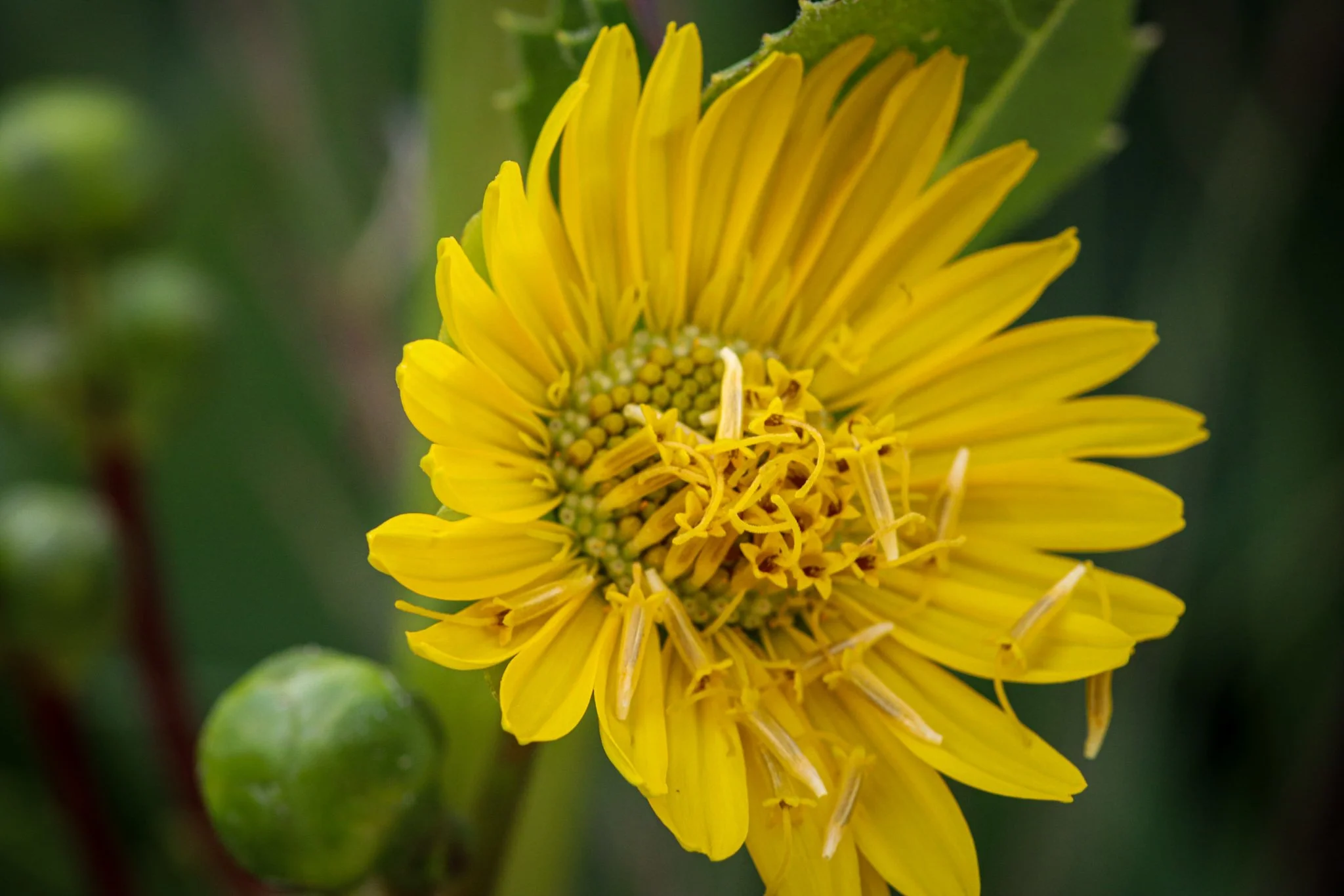 Image 1 of 4
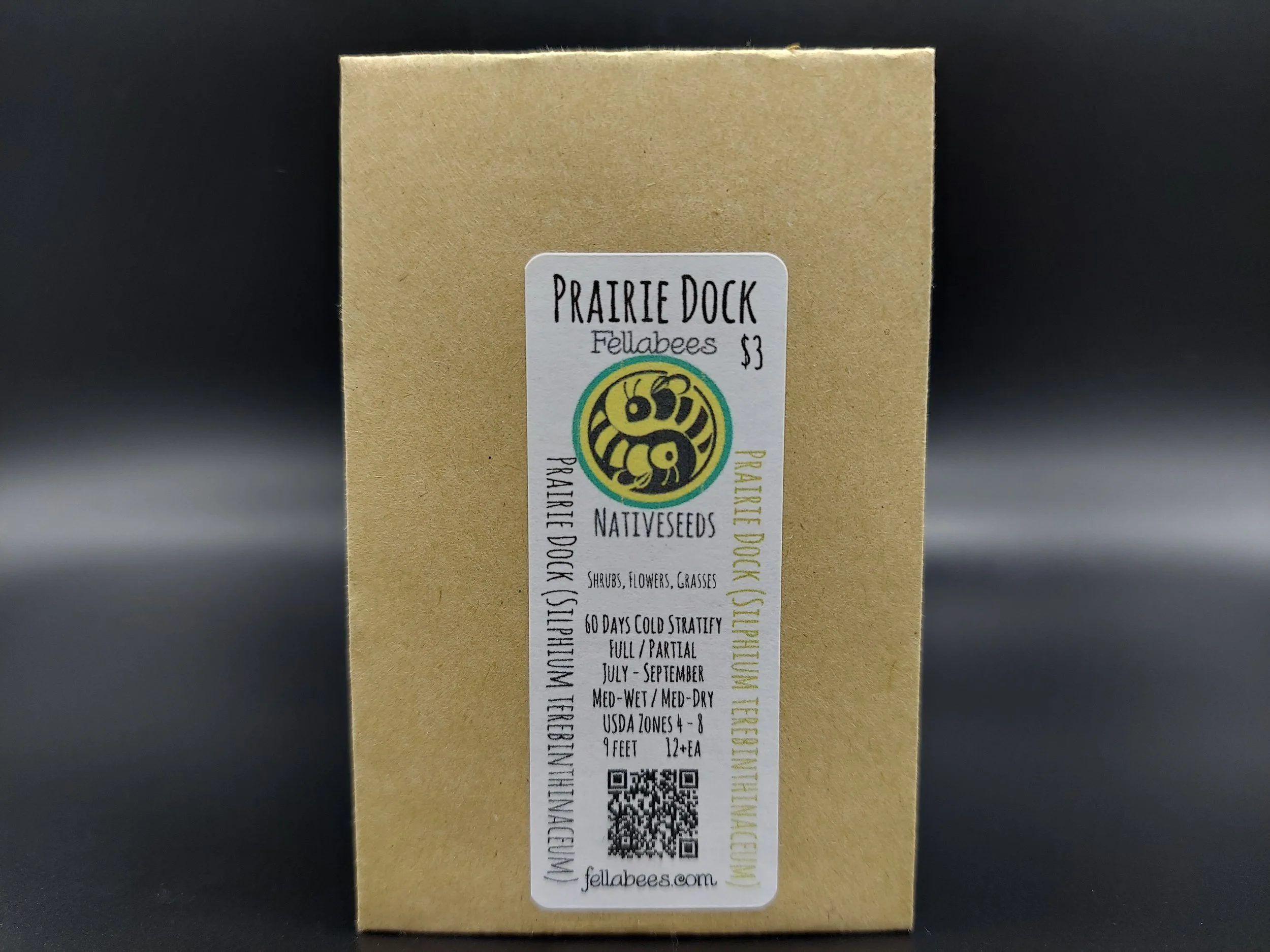 Image 2 of 4
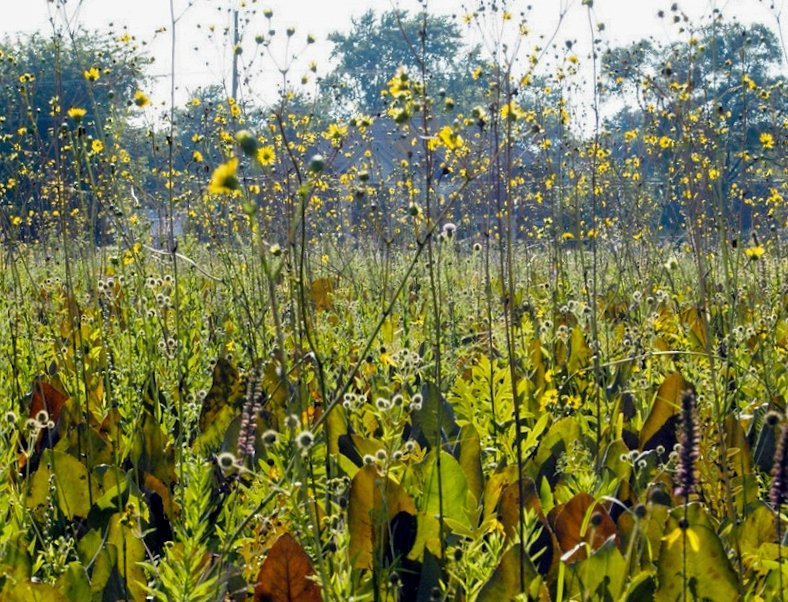 Image 3 of 4
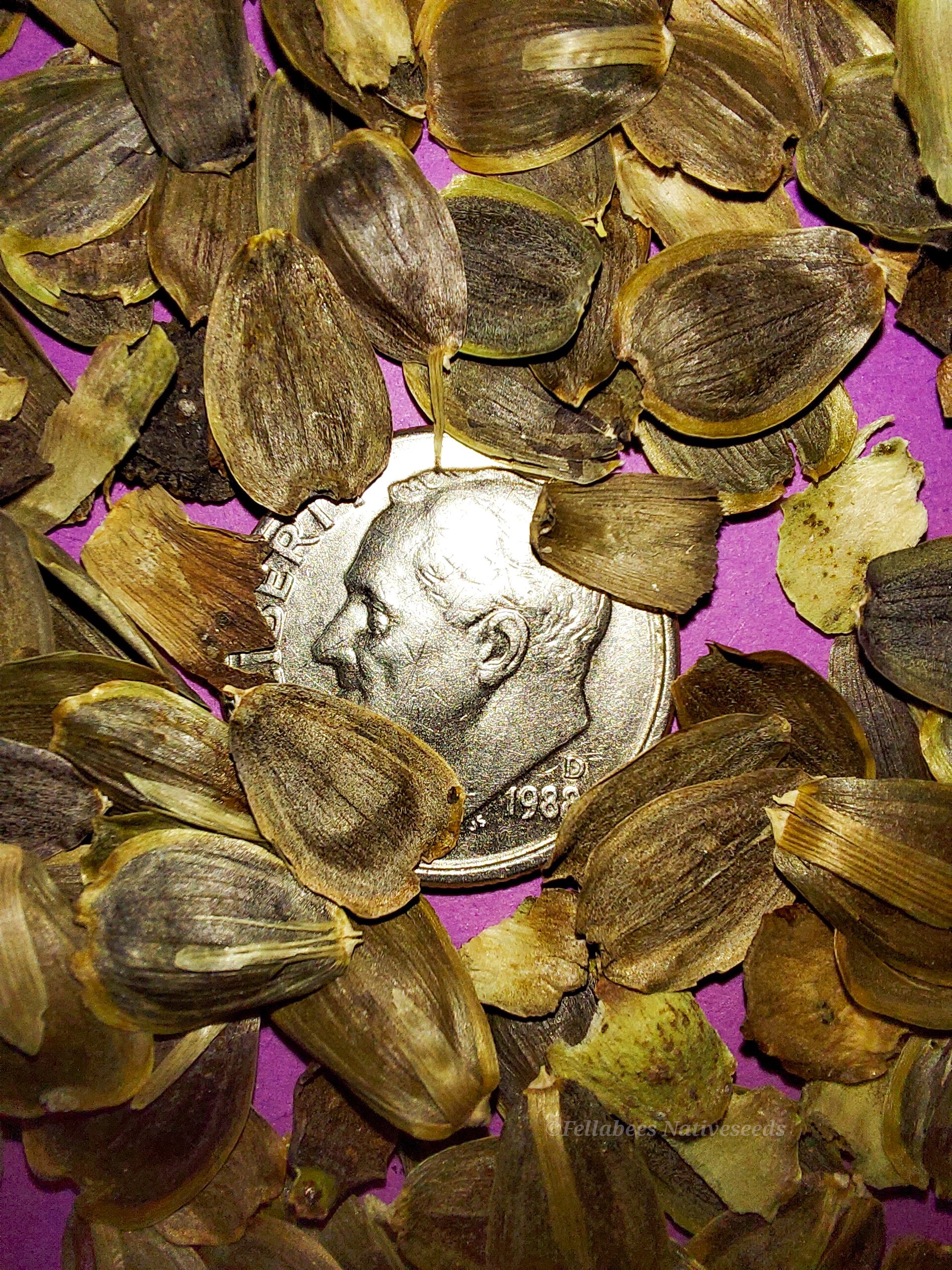 Image 4 of 4