Sale Price:
$0.75
Original Price:
$3.00
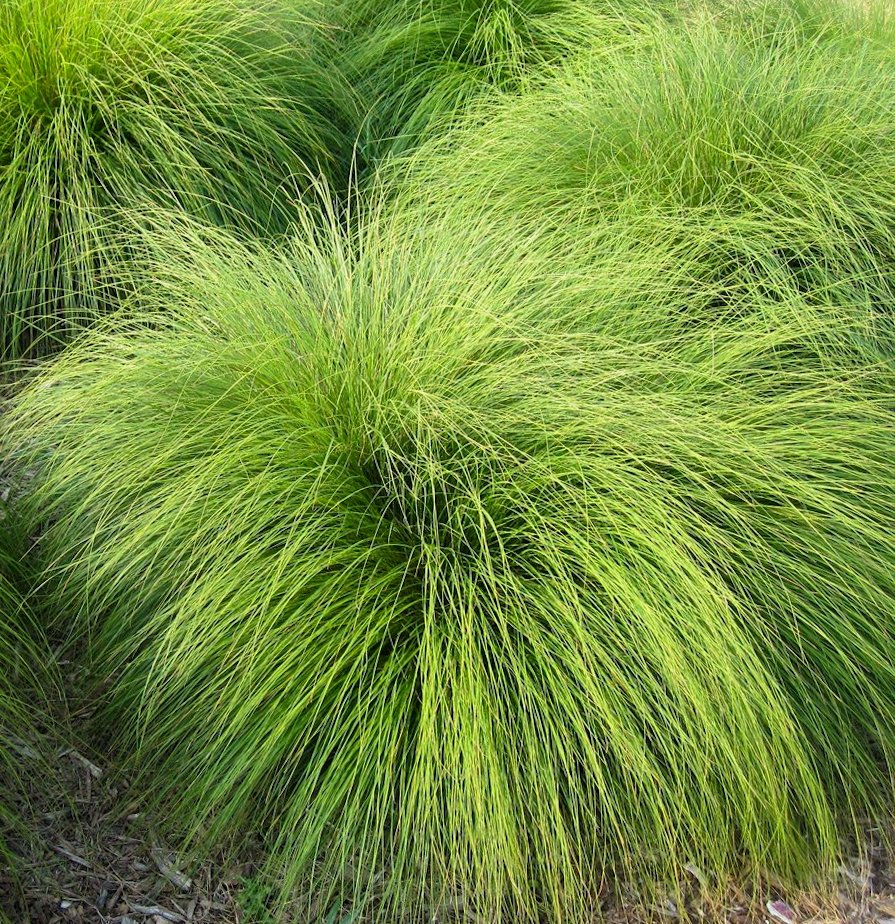
Rough Dropseed (Sporobolus compositus)
Sporobolus compositus is the scientific name for a native North American prairie grass species more commonly known as Rough Dropseed, Composite Dropseed, Meadow Dropseed or Tall Dropseed. It typically grows between two and four feet tall and is widespread across the Great Plains and in the majority of U.S. states, absent only from Maine, Georgia, Florida, California, and Oregon.
Sporobolus compositus (Rough Dropseed) is a warm-season native bunchgrass that delivers important faunal and ecological benefits across prairie restorations, roadsides, and pollinator-friendly yards. Its dense, tufted growth and finely textured foliage provide year-round habitat structure: in summer it offers cover and nesting sites for small mammals and ground-nesting birds; in winter the persistent seedheads and stems supply shelter and foraging substrate for overwintering insects and seed-eating birds just as its showier cousin Prairie Dropseed (Sporobolus heterolepis).
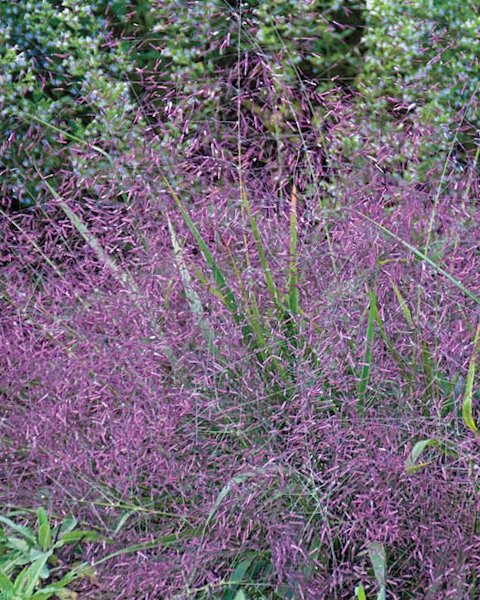
The plant’s open seed panicles produce abundant, small seeds that are a reliable food source for granivorous songbirds, sparrows, and gamebirds during late summer and fall. Seed availability at a time when other grasses have already dispersed seeds helps sustain wildlife through migration and into colder months. Larval and adult insects use the foliage and stems for feeding and refuge; in turn those insects support insectivorous birds and predatory arthropods, reinforcing local food webs.
Ecologically, Sporobolus compositus contributes strong soil-stabilizing roots and deep fibrous crowns that reduce erosion and improve soil structure. As a warm-season grass, it complements cool-season species in mixed native plantings, increasing seasonal diversity in growth and resource availability. Its tolerance for dry, disturbed, and alkaline soils makes it valuable for reclaiming marginal sites and creating low-input plantings that still support wildlife.
Because it establishes as a bunchgrass rather than a sod-former, it maintains interstitial space for forbs and other natives, enhancing plant diversity and the pollinator resources those forb species provide. Overall, composite dropseed is a resilient, wildlife-friendly grass that supports seed-eating birds, small mammals, insects, and the broader ecological functions of native prairie and naturalized landscapes.
Plant Details
USDA Zones: 3-9
Germination Needs: Needs no special treatment.
Life Cycle: Perennial
Sun Exposure: Full Sun
Soil Moisture: Medium, Medium-Dry, Dry
Plant Spacing: ½ foot
Height: 3 feet
Bloom time: August, September, October
Bloom Color: Green / White
Advantages:
Bird Favorite: seeds, insects, fruit, nectar, nesting, perches.
Deer Resistant: Yes
Native to : Wisconsin, Minnesota, Iowa, Illinois, Indiana, Michigan, Ohio, Pennsylvania, New York, Vermont, Massachusetts, Rhode Island, Connecticut, Delaware, Maryland, New Jersey, West Virginia, Virginia, Kentucky, Tennessee, North Carolina, South Carolina, Alabama, Mississippi, Louisiana, Arkansas, Missouri, Texas, Oklahoma, Kansas, Nebraska, South Dakota, North Dakota, Montana, Wyoming, Colorado, New Mexico, Arizona, Utah, Nevada, Idaho, and Washington State.
This species is considered present but rare in several counties of the states of Washington State, Idaho, Nevada, South Carolina, North Carolina, Virginia, Maryland, New Jersey, Rhode Island, and Vermont.
This plant is considered to be extirpated (locally extinct) in several counties of the states of Montana, and Delaware.
.
.
Packet quantities:
We pride ourselves on ethical, hands on, ecological management, using no mechanical or chemical methods whatsoever.
All of our native seed is hand reared, hand picked, and hand packed from native prairies under our exclusive management, never breaking chain of custody from the field until it is sent to you. Each packet is hand prepared for shipment by us, directly.
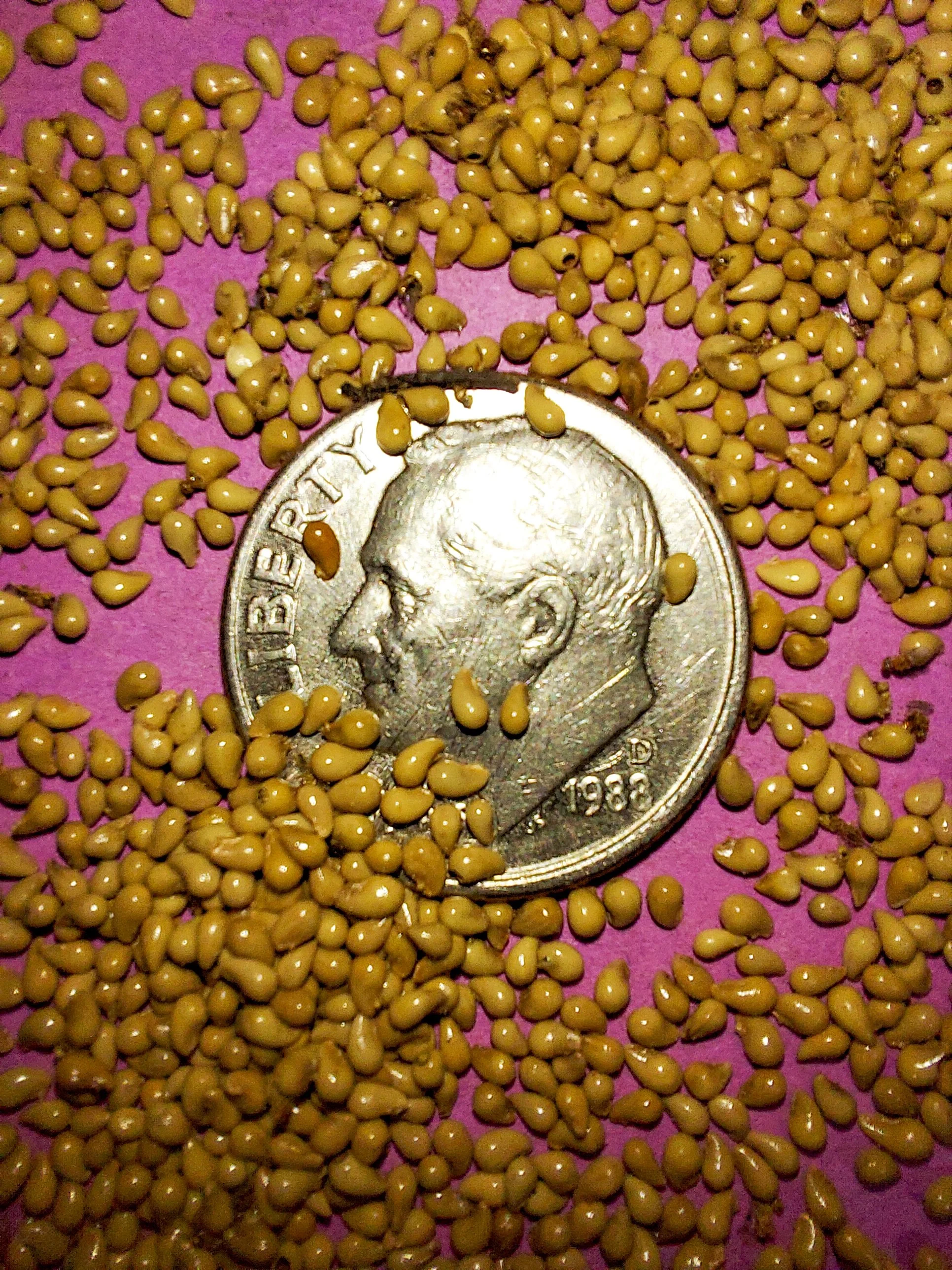
Small seed species will contain greater than 20-25 seed
Large seed species will contain greater than 10-15 seed
All packets are individually marked at the bottom of the front label with expected count, however most if not all packets will have many more than the minimum count by default.
It is our mission to spread the wealth of native plant and pollinator ecological sustainability and educate back yard gardeners as well as corporate and government entities in how to germinate, grow, and benefit from native synergies.
Thank you for your support, it is because of you, that we can grow together to do, what we do. 🐛🦋🐝🐞🌾🌱🌼🧡
Rough Dropseed (Sporobolus compositus)
Sporobolus compositus is the scientific name for a native North American prairie grass species more commonly known as Rough Dropseed, Composite Dropseed, Meadow Dropseed or Tall Dropseed. It typically grows between two and four feet tall and is widespread across the Great Plains and in the majority of U.S. states, absent only from Maine, Georgia, Florida, California, and Oregon.
Sporobolus compositus (Rough Dropseed) is a warm-season native bunchgrass that delivers important faunal and ecological benefits across prairie restorations, roadsides, and pollinator-friendly yards. Its dense, tufted growth and finely textured foliage provide year-round habitat structure: in summer it offers cover and nesting sites for small mammals and ground-nesting birds; in winter the persistent seedheads and stems supply shelter and foraging substrate for overwintering insects and seed-eating birds just as its showier cousin Prairie Dropseed (Sporobolus heterolepis).
The plant’s open seed panicles produce abundant, small seeds that are a reliable food source for granivorous songbirds, sparrows, and gamebirds during late summer and fall. Seed availability at a time when other grasses have already dispersed seeds helps sustain wildlife through migration and into colder months. Larval and adult insects use the foliage and stems for feeding and refuge; in turn those insects support insectivorous birds and predatory arthropods, reinforcing local food webs.
Ecologically, Sporobolus compositus contributes strong soil-stabilizing roots and deep fibrous crowns that reduce erosion and improve soil structure. As a warm-season grass, it complements cool-season species in mixed native plantings, increasing seasonal diversity in growth and resource availability. Its tolerance for dry, disturbed, and alkaline soils makes it valuable for reclaiming marginal sites and creating low-input plantings that still support wildlife.
Because it establishes as a bunchgrass rather than a sod-former, it maintains interstitial space for forbs and other natives, enhancing plant diversity and the pollinator resources those forb species provide. Overall, composite dropseed is a resilient, wildlife-friendly grass that supports seed-eating birds, small mammals, insects, and the broader ecological functions of native prairie and naturalized landscapes.
Plant Details
USDA Zones: 3-9
Germination Needs: Needs no special treatment.
Life Cycle: Perennial
Sun Exposure: Full Sun
Soil Moisture: Medium, Medium-Dry, Dry
Plant Spacing: ½ foot
Height: 3 feet
Bloom time: August, September, October
Bloom Color: Green / White
Advantages:
Bird Favorite: seeds, insects, fruit, nectar, nesting, perches.
Deer Resistant: Yes
Native to : Wisconsin, Minnesota, Iowa, Illinois, Indiana, Michigan, Ohio, Pennsylvania, New York, Vermont, Massachusetts, Rhode Island, Connecticut, Delaware, Maryland, New Jersey, West Virginia, Virginia, Kentucky, Tennessee, North Carolina, South Carolina, Alabama, Mississippi, Louisiana, Arkansas, Missouri, Texas, Oklahoma, Kansas, Nebraska, South Dakota, North Dakota, Montana, Wyoming, Colorado, New Mexico, Arizona, Utah, Nevada, Idaho, and Washington State.
This species is considered present but rare in several counties of the states of Washington State, Idaho, Nevada, South Carolina, North Carolina, Virginia, Maryland, New Jersey, Rhode Island, and Vermont.
This plant is considered to be extirpated (locally extinct) in several counties of the states of Montana, and Delaware.
.
.
Packet quantities:
We pride ourselves on ethical, hands on, ecological management, using no mechanical or chemical methods whatsoever.
All of our native seed is hand reared, hand picked, and hand packed from native prairies under our exclusive management, never breaking chain of custody from the field until it is sent to you. Each packet is hand prepared for shipment by us, directly.
Small seed species will contain greater than 20-25 seed
Large seed species will contain greater than 10-15 seed
All packets are individually marked at the bottom of the front label with expected count, however most if not all packets will have many more than the minimum count by default.
It is our mission to spread the wealth of native plant and pollinator ecological sustainability and educate back yard gardeners as well as corporate and government entities in how to germinate, grow, and benefit from native synergies.
Thank you for your support, it is because of you, that we can grow together to do, what we do. 🐛🦋🐝🐞🌾🌱🌼🧡
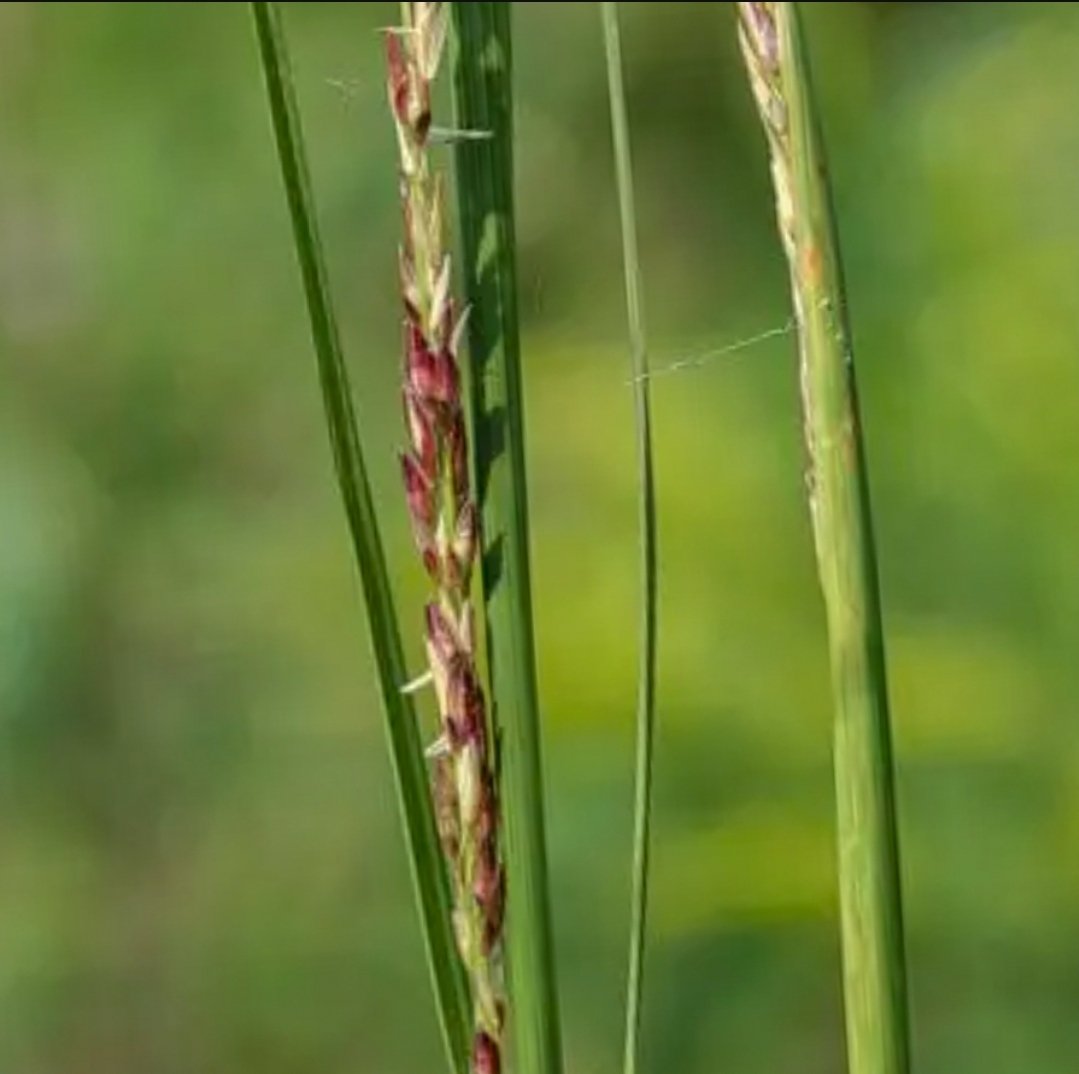 Image 1 of 5
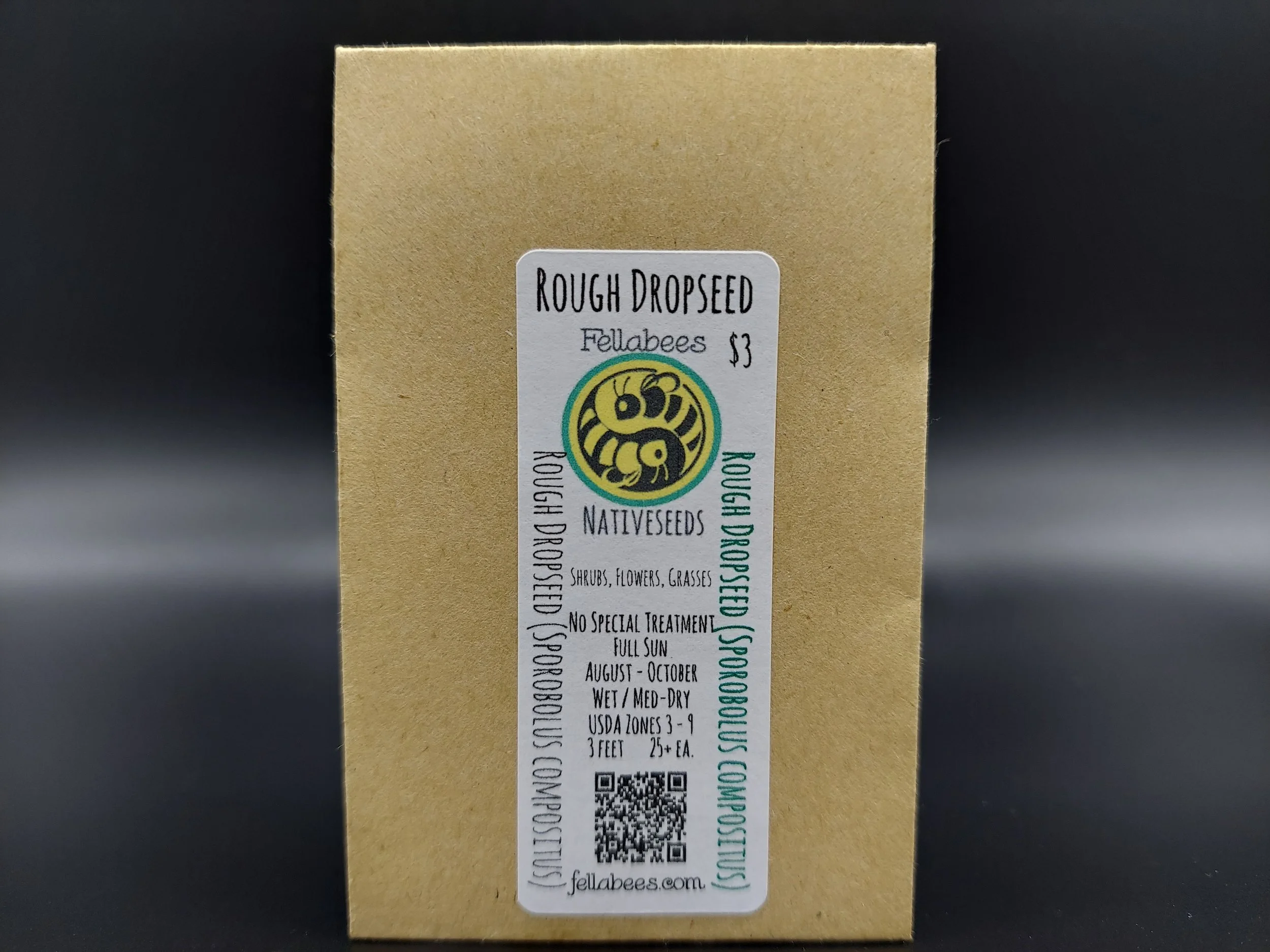 Image 2 of 5
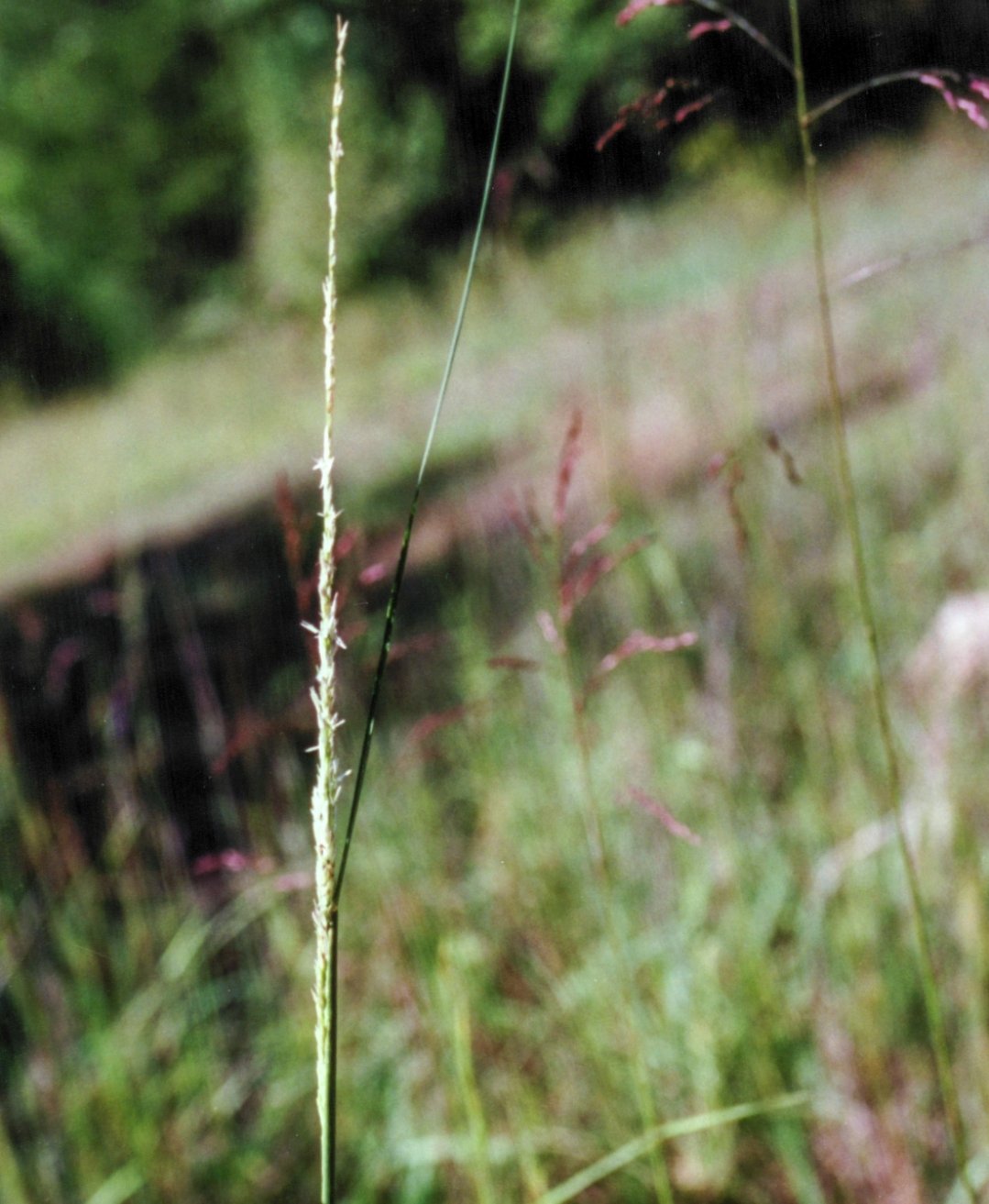 Image 3 of 5
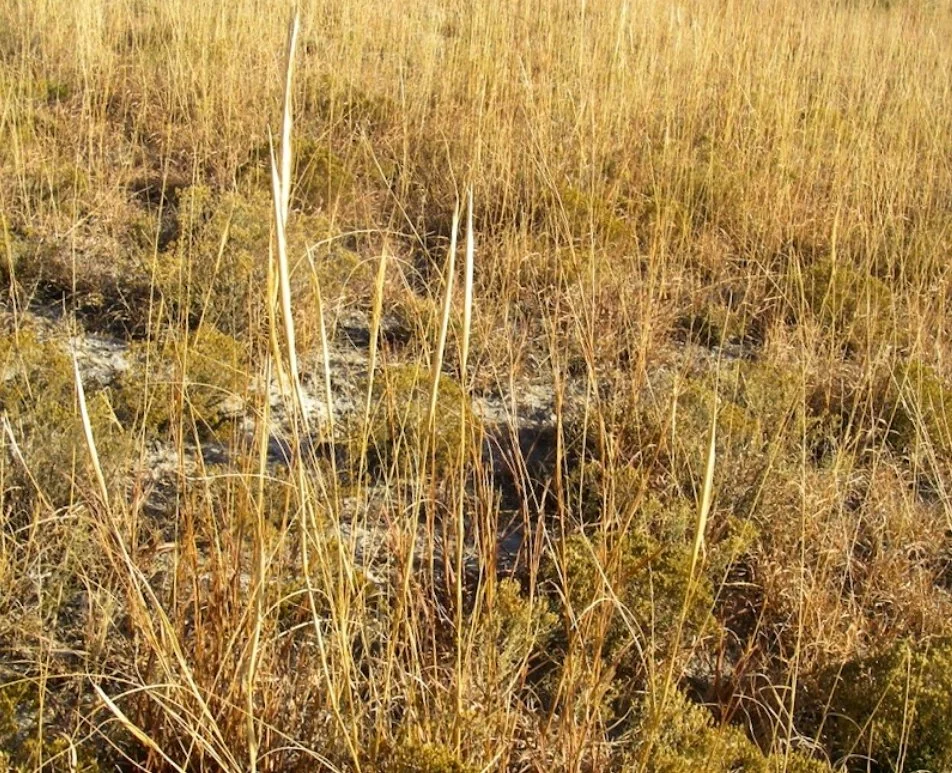 Image 4 of 5
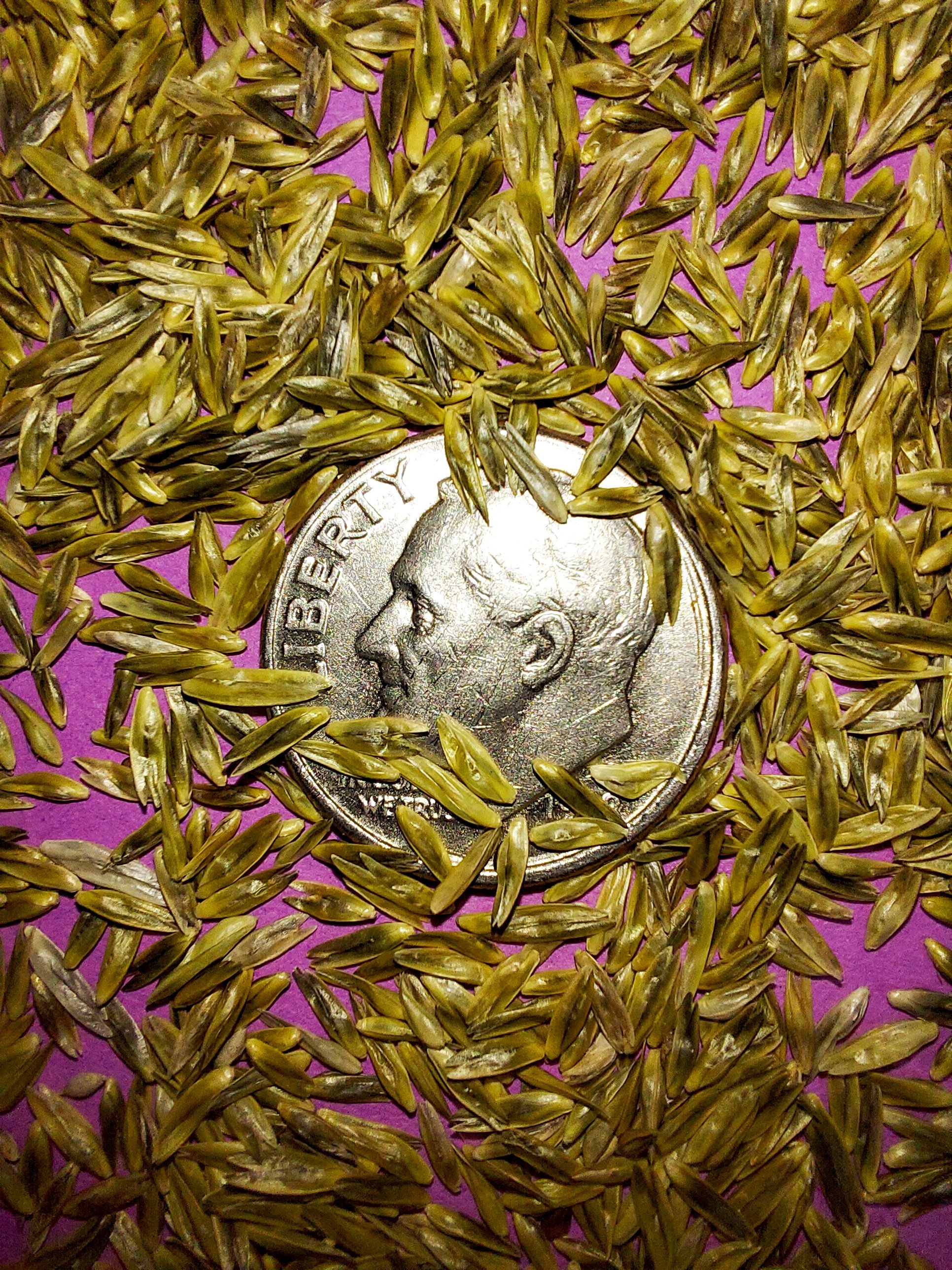 Image 5 of 5