Sale Price:
$2.00
Original Price:
$3.00
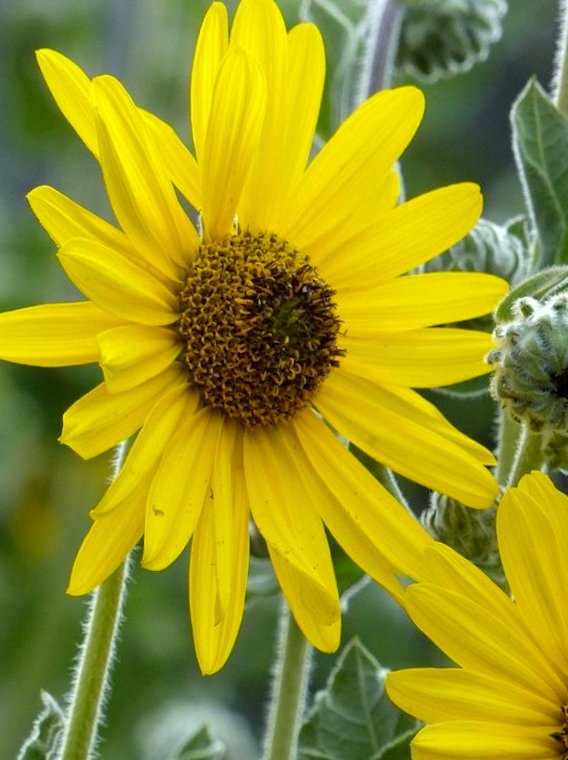
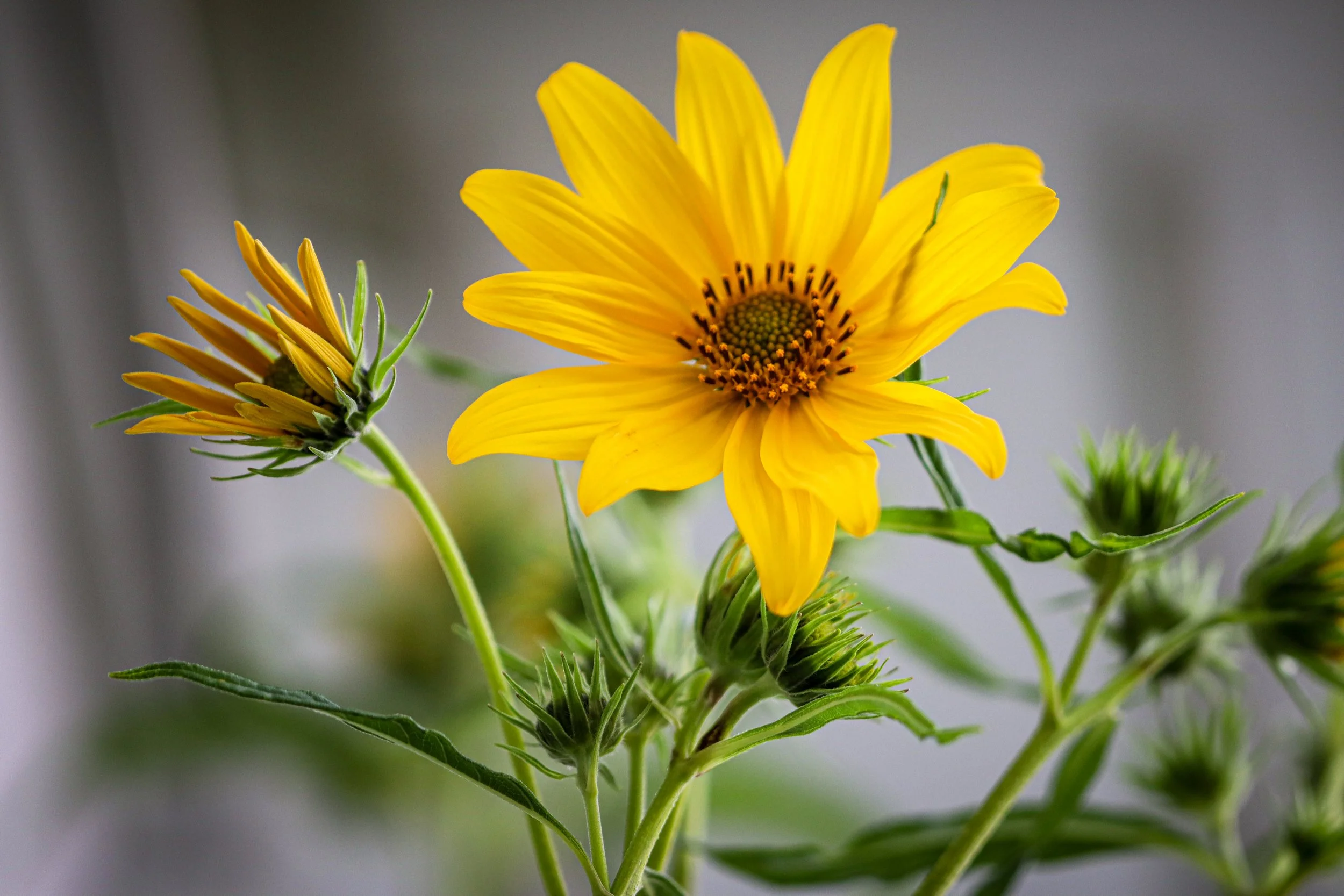
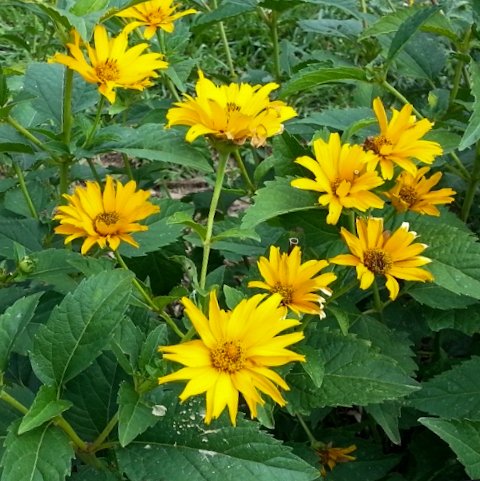
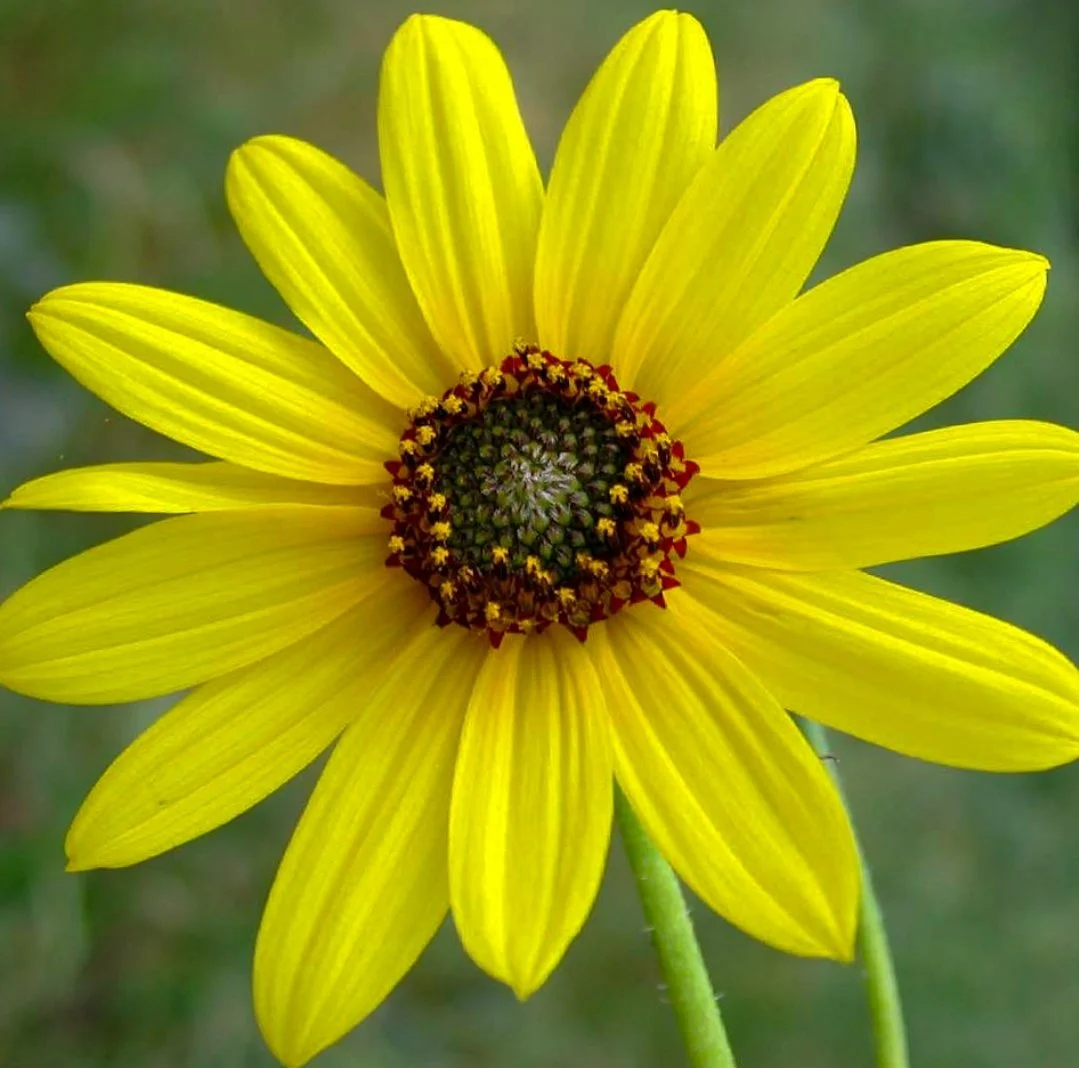
Sawtooth Sunflower (Helianthus grosseserratus)
Helianthus grosseserratus is the scientific name for the native species more commonly known as Sawtooth Sunflower. Helianthus grosseserratus supports ecosystems by providing abundant late-summer and fall nectar for pollinators such as bees, butterflies, hummingbirds and native wasps while its large composite heads produce seeds favored by birds such as goldfinches and sparrows; its tall, clump-forming growth and coarse foliage offer shelter and nesting substrate for small mammals and ground‑nesting birds, help stabilize soils along streambanks and disturbed sites, and contribute to prairie and edge habitat diversity.
The species’ deep roots improve soil structure and water infiltration, increase drought resilience in plant communities, and its robust flowering displays can enhance pollinator foraging networks, boosting reproductive success of co-flowering native plants.
Additionally, Sawtooth Sunflower hosts specialist insects like sunflower moths and various leaf beetles that in turn feed insectivorous birds and predatory insects, integrating the plant into multiple trophic levels and supporting overall ecosystem function.
Plant Details
USDA Zones: 3-9
Germination Needs: 30 Days Cold Stratification
Life Cycle: Perennial
Sun Exposure: Full to Partial
Soil Moisture: Medium-Wet, Medium, Medium-Dry
Plant Spacing: 2 feet or more
Height: 8 feet
Bloom time: August, September, October
Bloom Color: Yellow
Advantages:
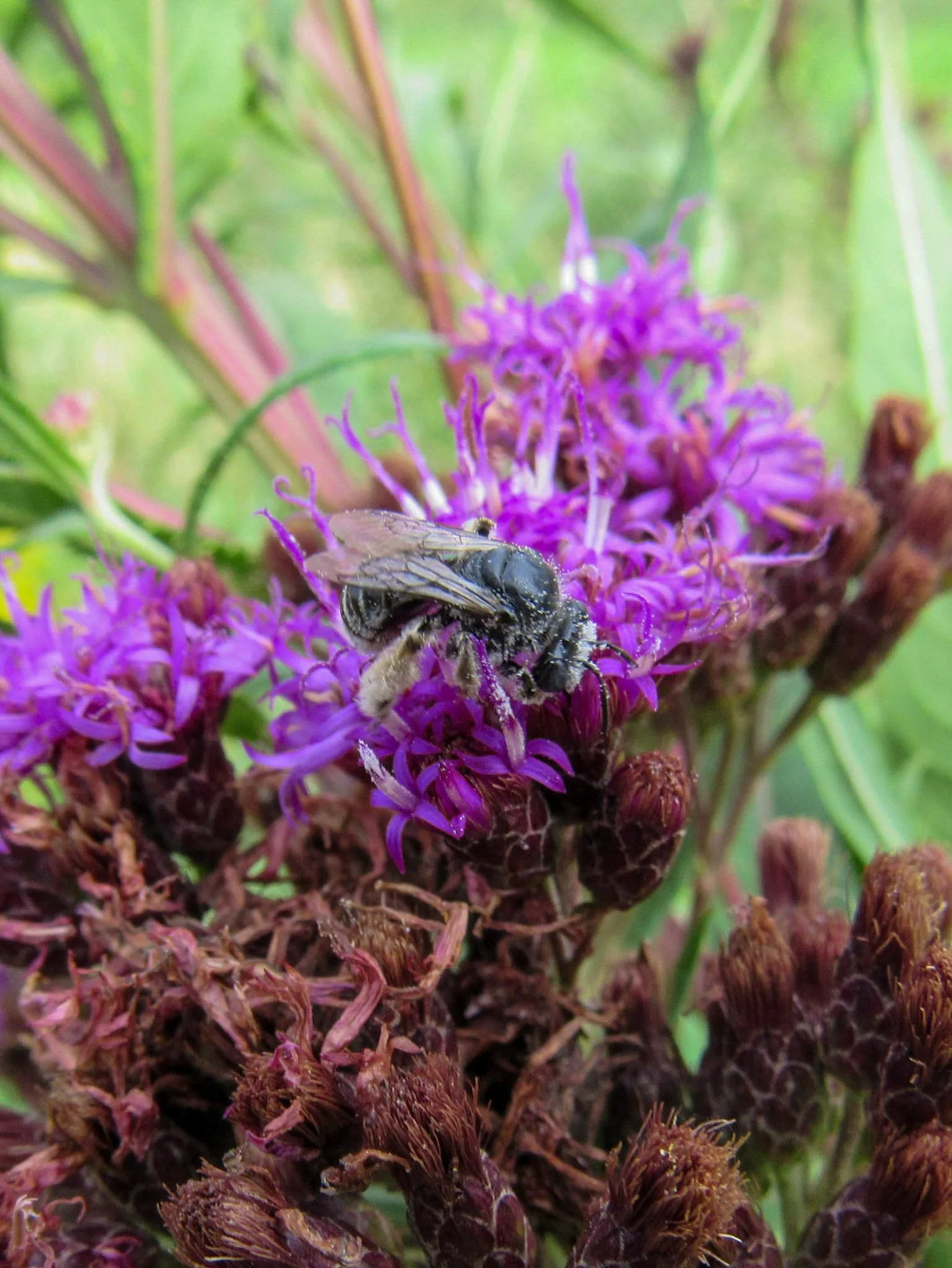
Pollinator Favorite: butterflies, moths, bees, wasps, beetles
Bird Favorite: seeds, insects, fruit, nectar, nesting, perches.
Deer Resistant: To a limited degree. This native plant is appealing to many species and can become a target to herbivory. But the tenacity of this perennial will outlive them in time.
Native to/or present in: Wisconsin, Minnesota, Iowa, Illinois, Indiana, Michigan, Ohio, Pennsylvania, New York, Vermont, New Hampshire, Maine, Massachusetts, Connecticut, Delaware, Maryland, New Jersey, West Virginia, Virginia, Kentucky, Tennessee, North Carolina, Georgia, Alabama, Mississippi, Louisiana, Arkansas, Missouri, Texas, Oklahoma, Kansas, Nebraska, South Dakota, North Dakota, and Washington State.
.
.
Packet quantities:
We pride ourselves on ethical, hands on, ecological management, using no mechanical or chemical methods whatsoever.
All of our native seed is hand reared, hand picked, and hand packed from native prairies under our exclusive management, never breaking chain of custody from the field until it is sent to you. Each packet is hand prepared for shipment by us, directly.
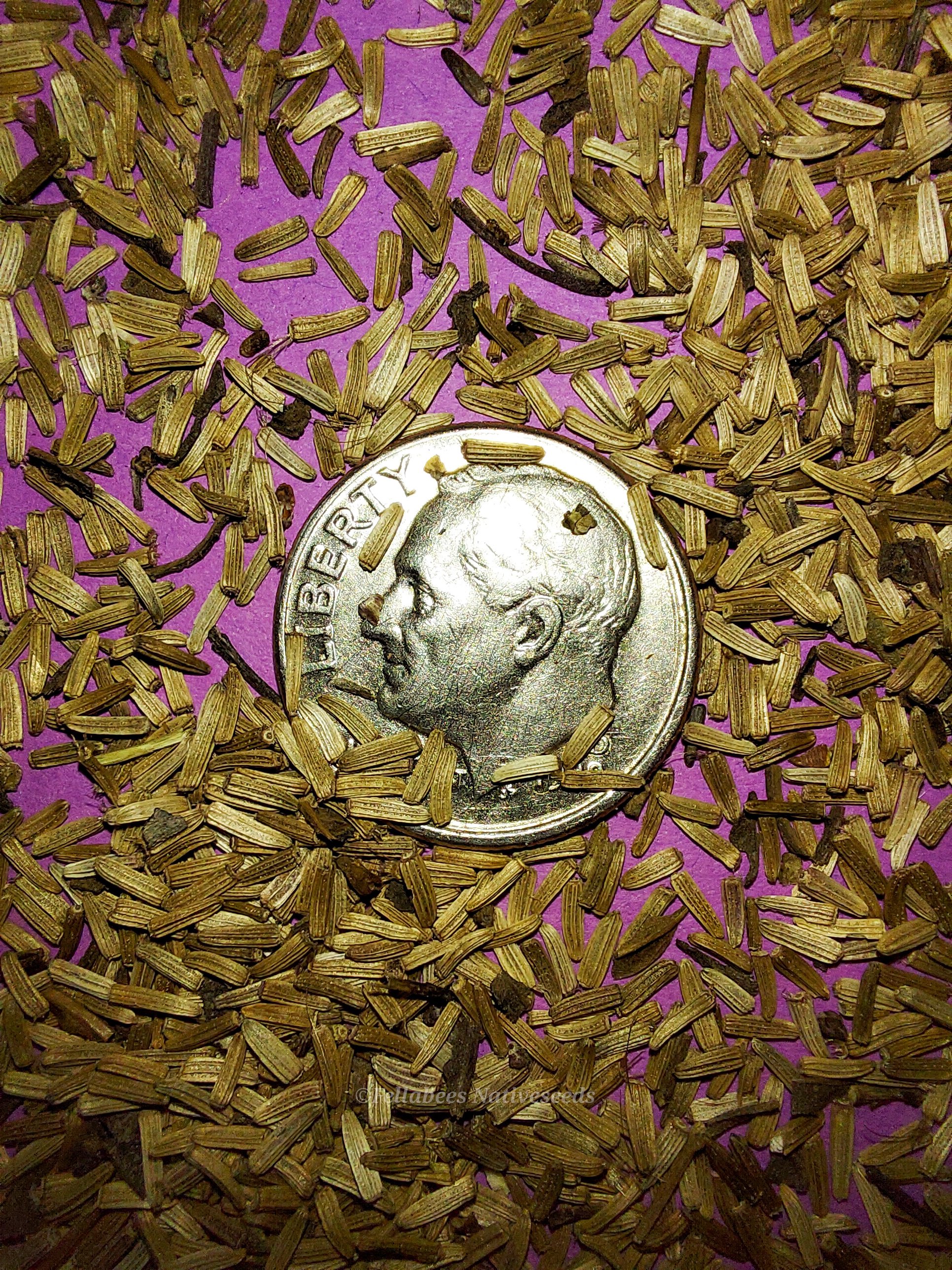
Small seed species will contain greater than 20-25 seed
Large seed species will contain greater than 10-15 seed
It is our mission to spread the wealth of native plant and pollinator ecological sustainability, and educate back yard gardeners as well as corporate and government entities in how to germinate, grow, and benefit from native synergies.
Thank you for your support, it is because of you, that we can grow together to do, what we do. 🐛🦋🐝🐞🌾🌱🌼🧡
Sawtooth Sunflower (Helianthus grosseserratus)
Helianthus grosseserratus is the scientific name for the native species more commonly known as Sawtooth Sunflower. Helianthus grosseserratus supports ecosystems by providing abundant late-summer and fall nectar for pollinators such as bees, butterflies, hummingbirds and native wasps while its large composite heads produce seeds favored by birds such as goldfinches and sparrows; its tall, clump-forming growth and coarse foliage offer shelter and nesting substrate for small mammals and ground‑nesting birds, help stabilize soils along streambanks and disturbed sites, and contribute to prairie and edge habitat diversity.
The species’ deep roots improve soil structure and water infiltration, increase drought resilience in plant communities, and its robust flowering displays can enhance pollinator foraging networks, boosting reproductive success of co-flowering native plants.
Additionally, Sawtooth Sunflower hosts specialist insects like sunflower moths and various leaf beetles that in turn feed insectivorous birds and predatory insects, integrating the plant into multiple trophic levels and supporting overall ecosystem function.
Plant Details
USDA Zones: 3-9
Germination Needs: 30 Days Cold Stratification
Life Cycle: Perennial
Sun Exposure: Full to Partial
Soil Moisture: Medium-Wet, Medium, Medium-Dry
Plant Spacing: 2 feet or more
Height: 8 feet
Bloom time: August, September, October
Bloom Color: Yellow
Advantages:
Pollinator Favorite: butterflies, moths, bees, wasps, beetles
Bird Favorite: seeds, insects, fruit, nectar, nesting, perches.
Deer Resistant: To a limited degree. This native plant is appealing to many species and can become a target to herbivory. But the tenacity of this perennial will outlive them in time.
Native to/or present in: Wisconsin, Minnesota, Iowa, Illinois, Indiana, Michigan, Ohio, Pennsylvania, New York, Vermont, New Hampshire, Maine, Massachusetts, Connecticut, Delaware, Maryland, New Jersey, West Virginia, Virginia, Kentucky, Tennessee, North Carolina, Georgia, Alabama, Mississippi, Louisiana, Arkansas, Missouri, Texas, Oklahoma, Kansas, Nebraska, South Dakota, North Dakota, and Washington State.
.
.
Packet quantities:
We pride ourselves on ethical, hands on, ecological management, using no mechanical or chemical methods whatsoever.
All of our native seed is hand reared, hand picked, and hand packed from native prairies under our exclusive management, never breaking chain of custody from the field until it is sent to you. Each packet is hand prepared for shipment by us, directly.
Small seed species will contain greater than 20-25 seed
Large seed species will contain greater than 10-15 seed
It is our mission to spread the wealth of native plant and pollinator ecological sustainability, and educate back yard gardeners as well as corporate and government entities in how to germinate, grow, and benefit from native synergies.
Thank you for your support, it is because of you, that we can grow together to do, what we do. 🐛🦋🐝🐞🌾🌱🌼🧡
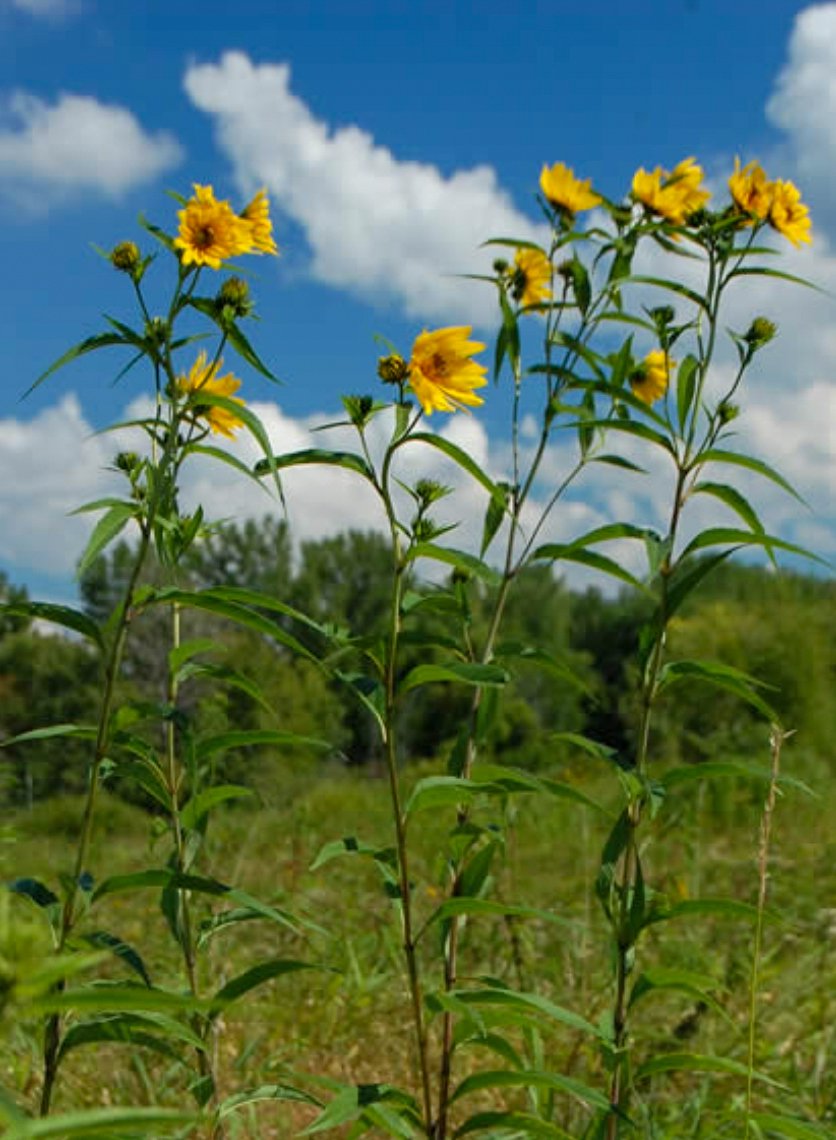 Image 1 of 6
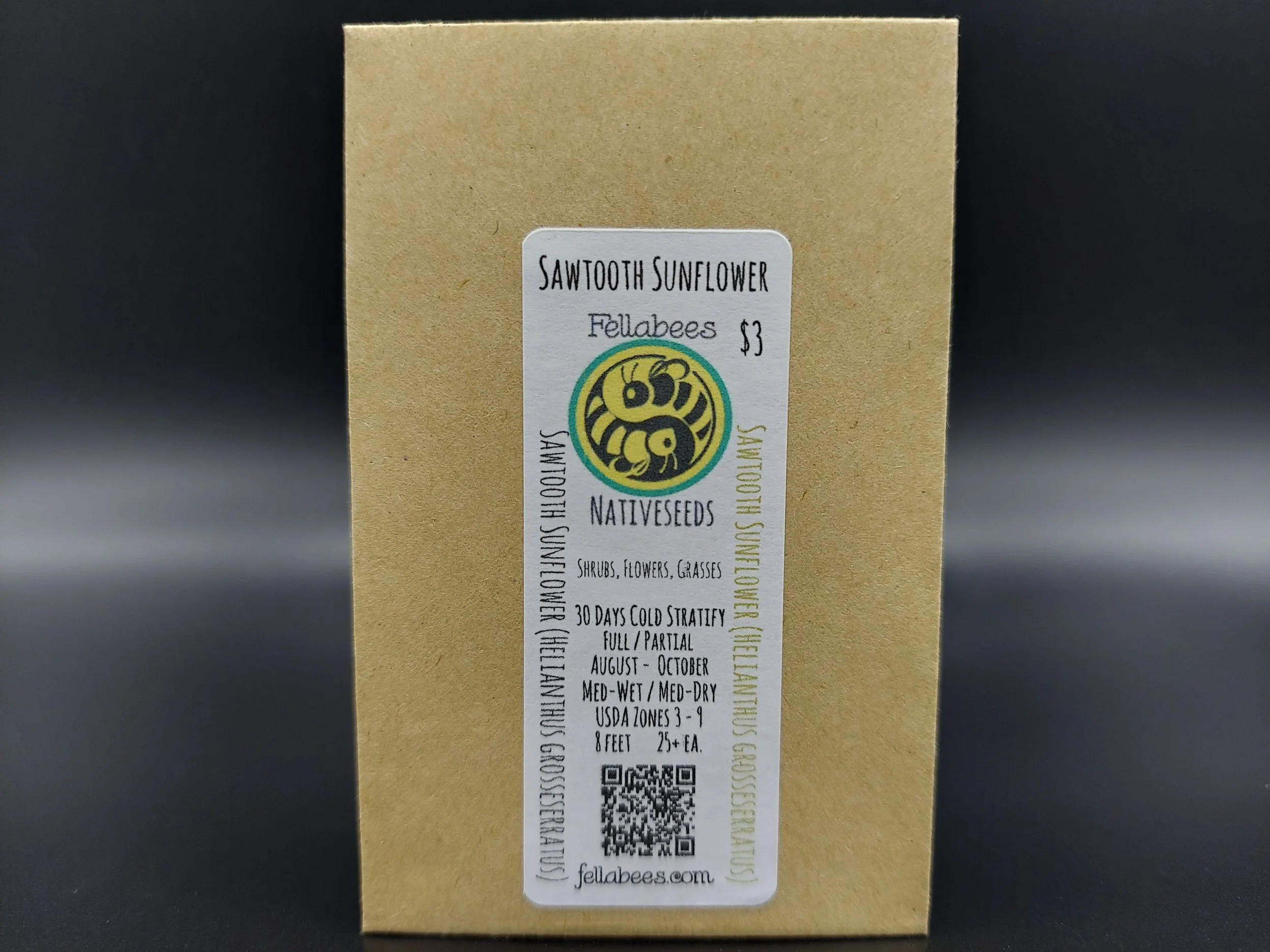 Image 2 of 6
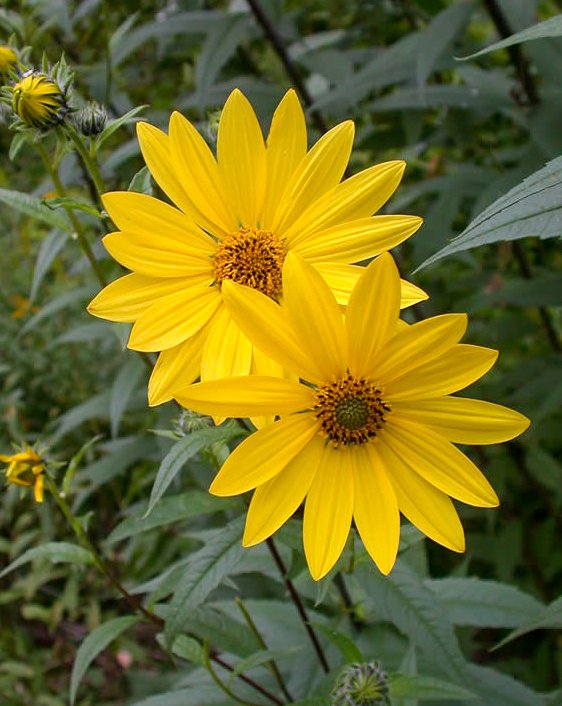 Image 3 of 6
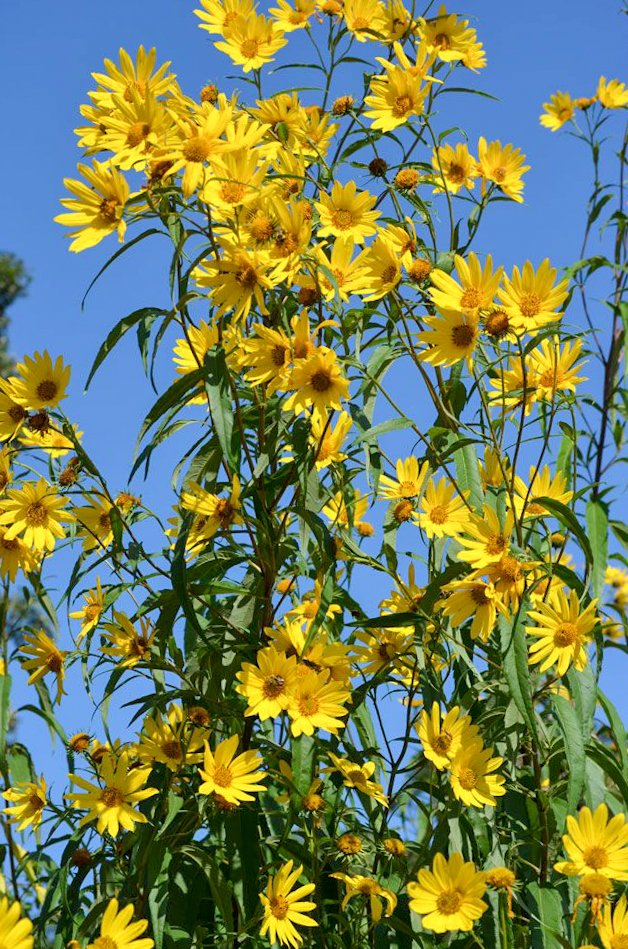 Image 4 of 6
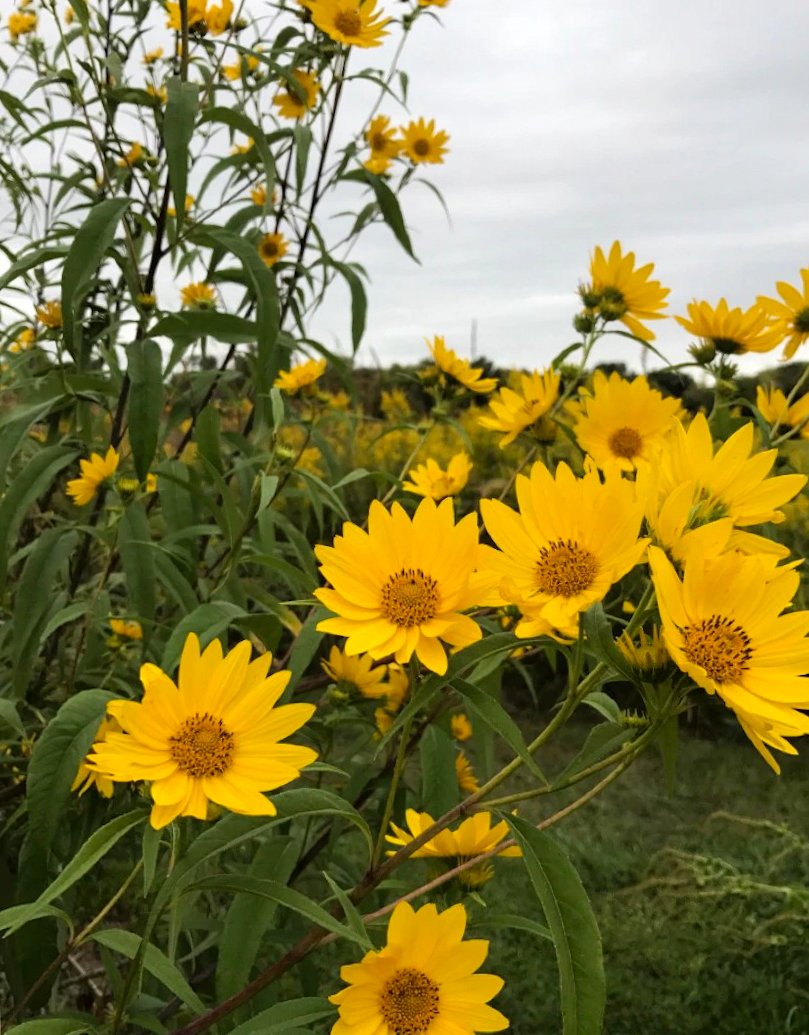 Image 5 of 6
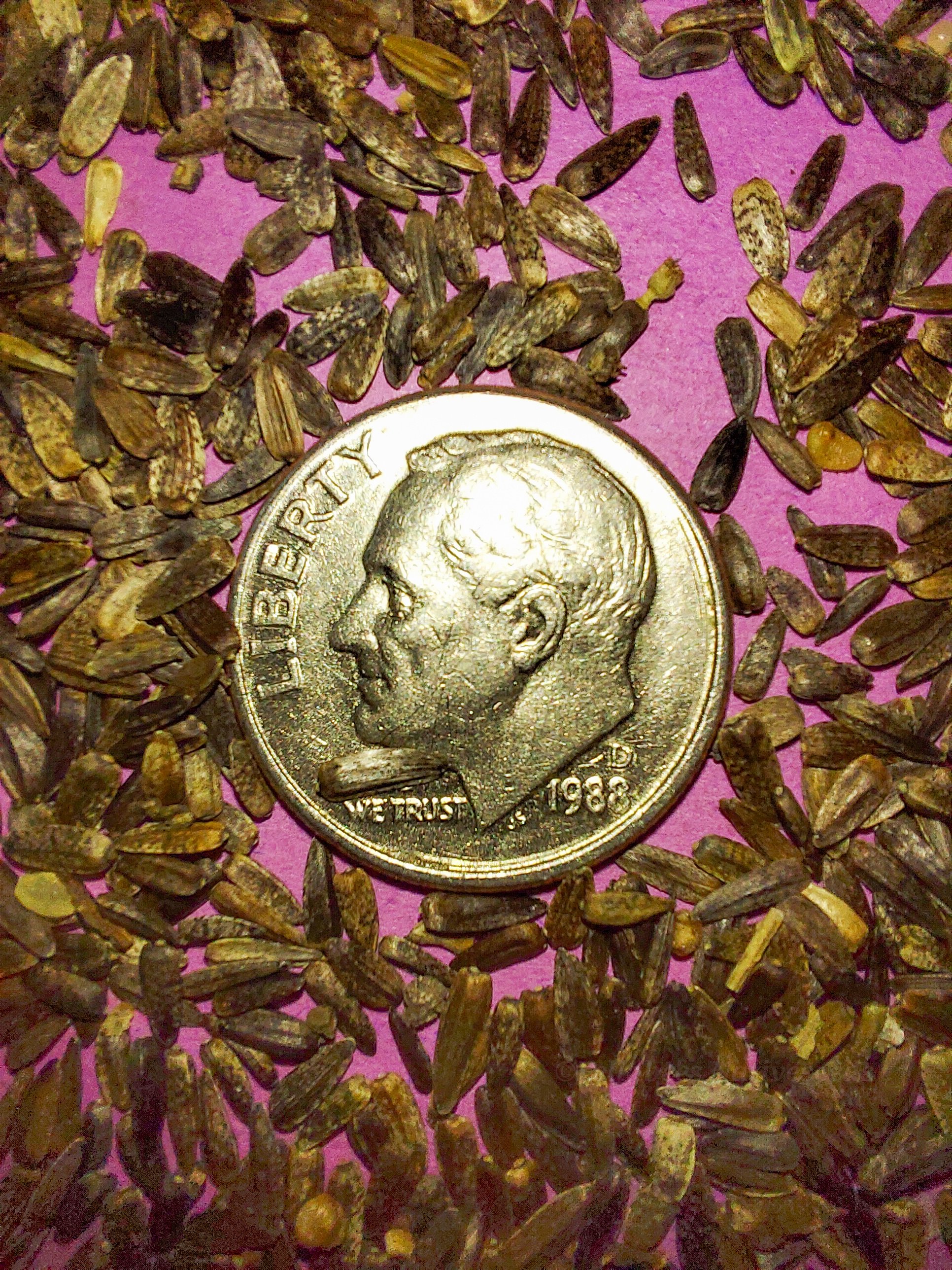 Image 6 of 6