Switchgrass (Panicum virgatum)
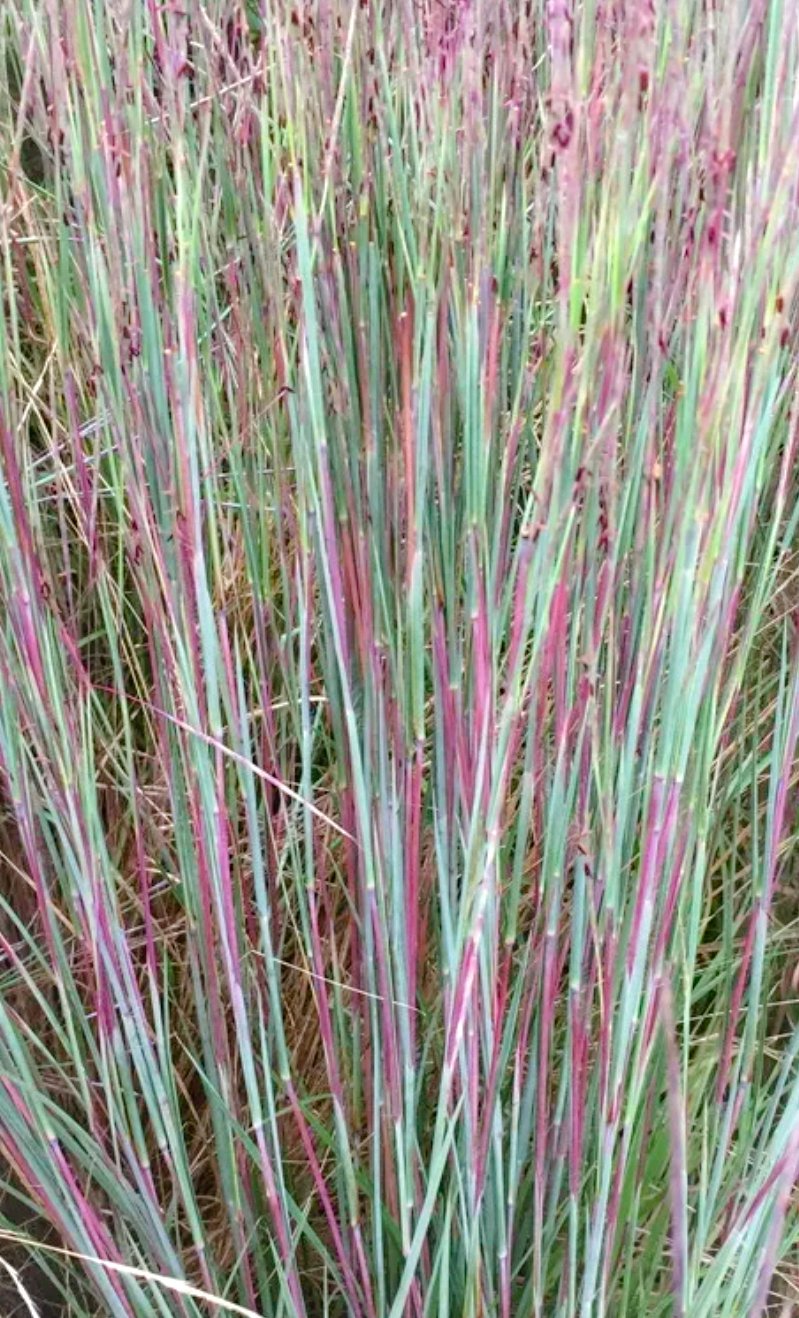
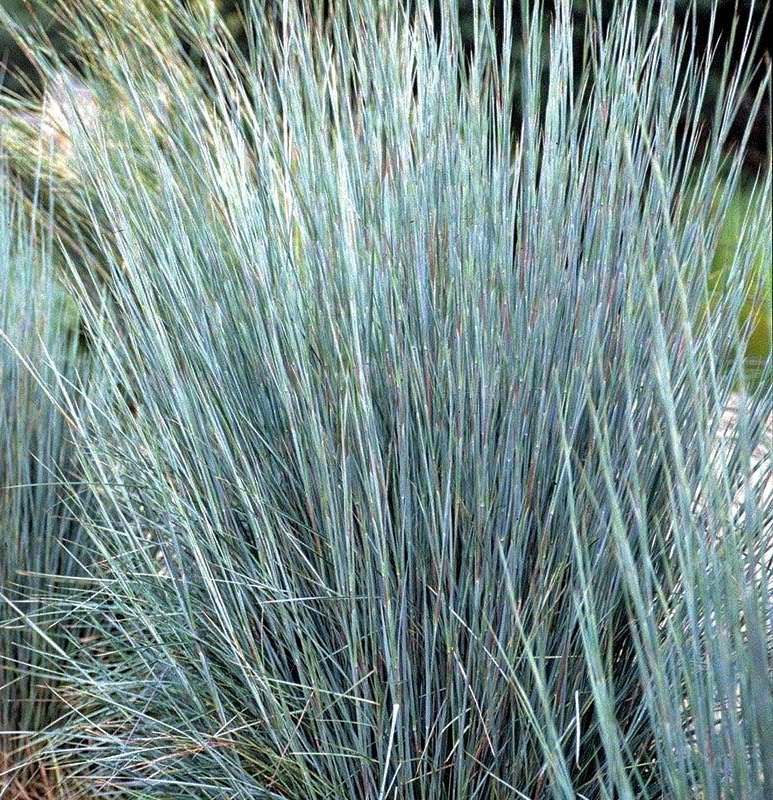
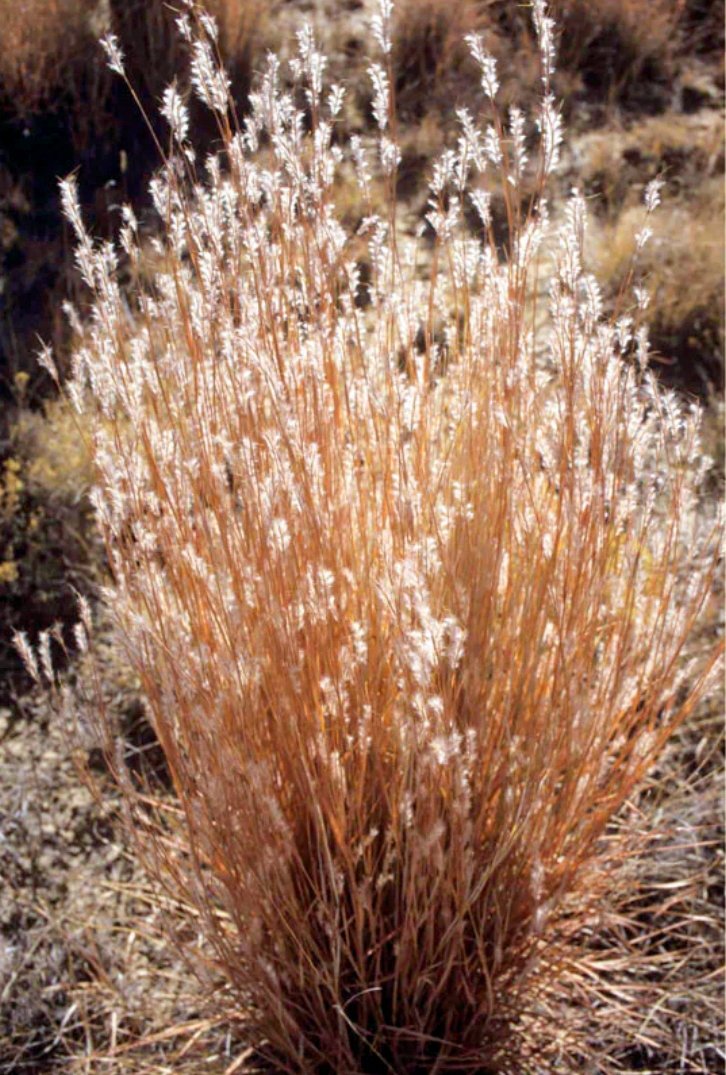
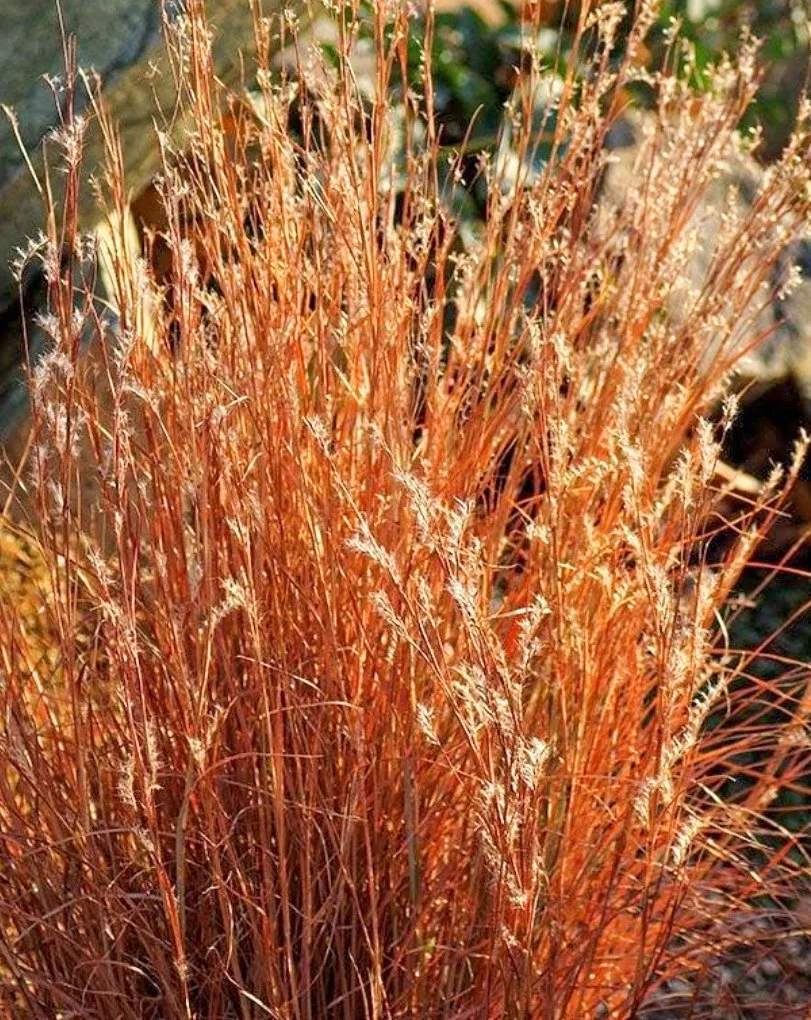
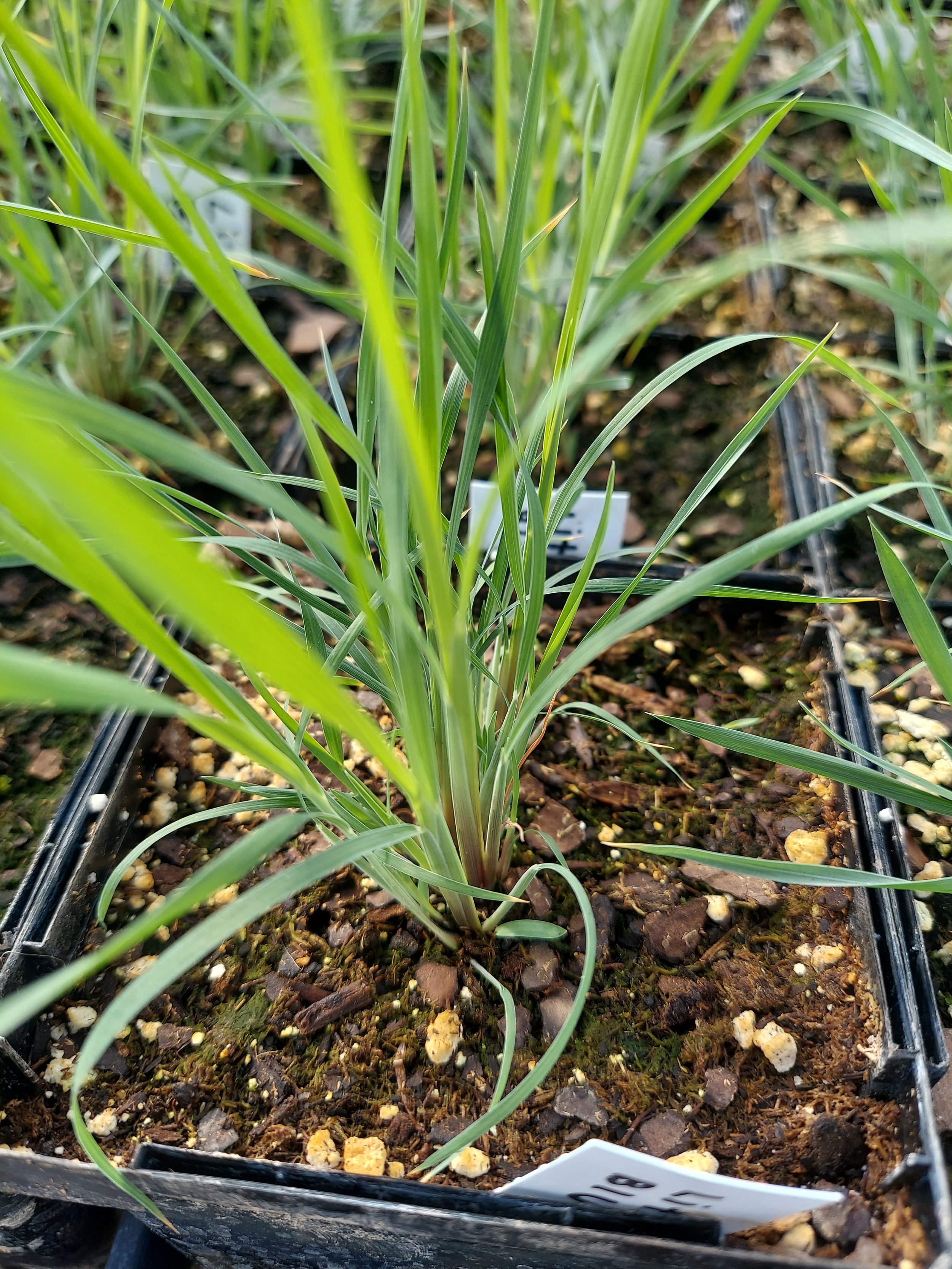
Panicum virgatum is the scientific name for the dynamic native grass species more commonly known as switchgrass. Panicum virgatum is a perennial, warm-season bunchgrass native to North America, where it occurs naturally from about 55°N latitude in Canada southwards through the United States and into parts of northern Mexico. Switchgrass is one of the dominant, long-lived species of the central North American tallgrass prairie and can commonly be found in remnant prairie fragments, in native grass pastures, and naturalized along roadsides and disturbed sites. It is valued and used for a wide range of purposes, including soil conservation and erosion control, forage and hay production for livestock, cover and habitat for game species, as an attractive ornamental grass in landscape plantings, in phytoremediation and habitat restoration projects, for fiber production, and increasingly as a source of biomass for electricity and heat production as well as for biosequestration of atmospheric carbon dioxide.
Other common names for switchgrass include Tall Panic Grass, Wobsqua grass, Blackbent, Tall Prairiegrass, Wild redtop, Thatch Grass, and Virginia Switchgrass.
Switchgrass is often found growing with other diverse grass species such as Big Bluestem (Andropogon gerardii), Indian Grass (Sorghastrum nutans), Little Bluestem (Schizachyrium scoparium) and Virginia Wild Rye (Elymus virginicus).
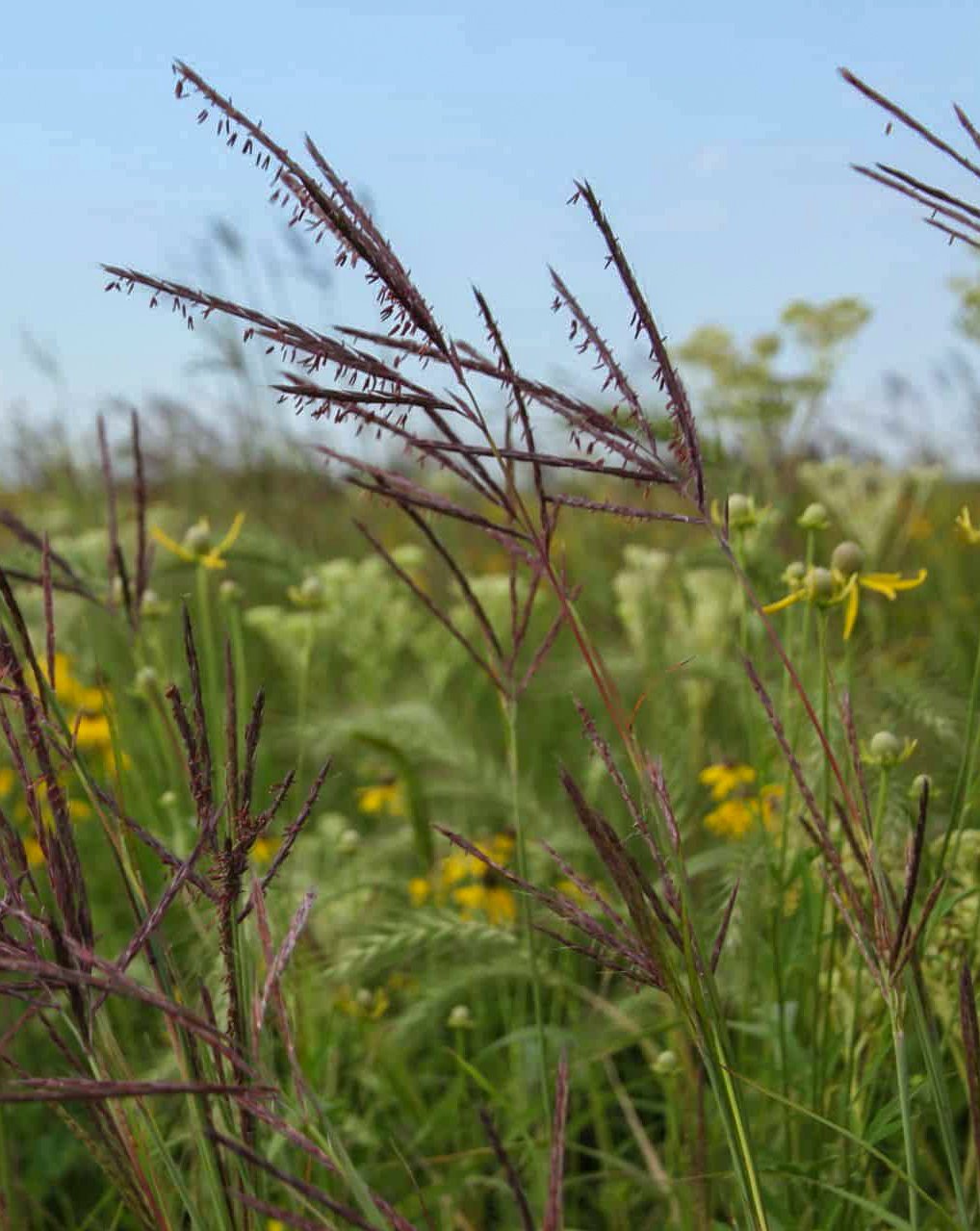
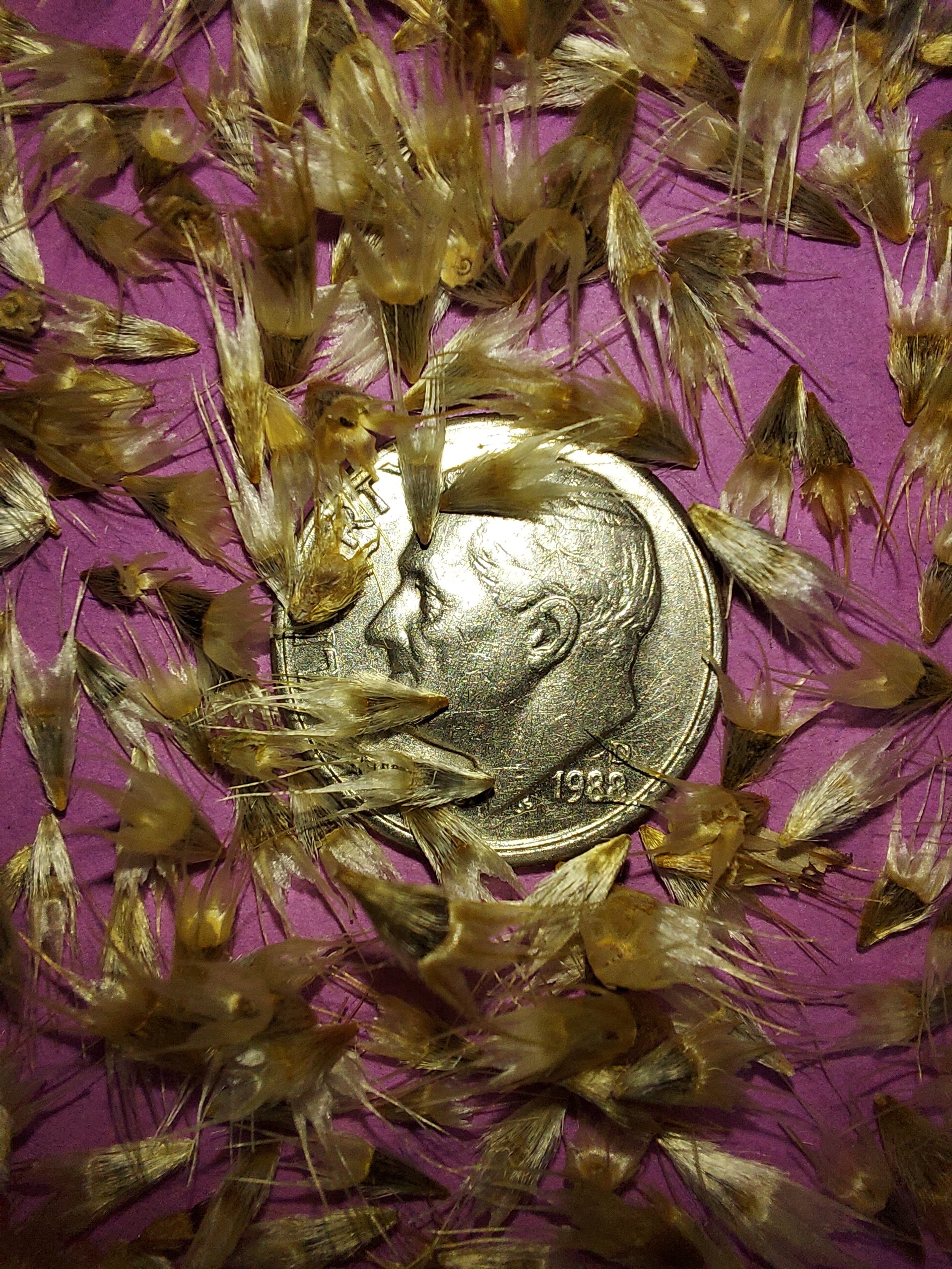
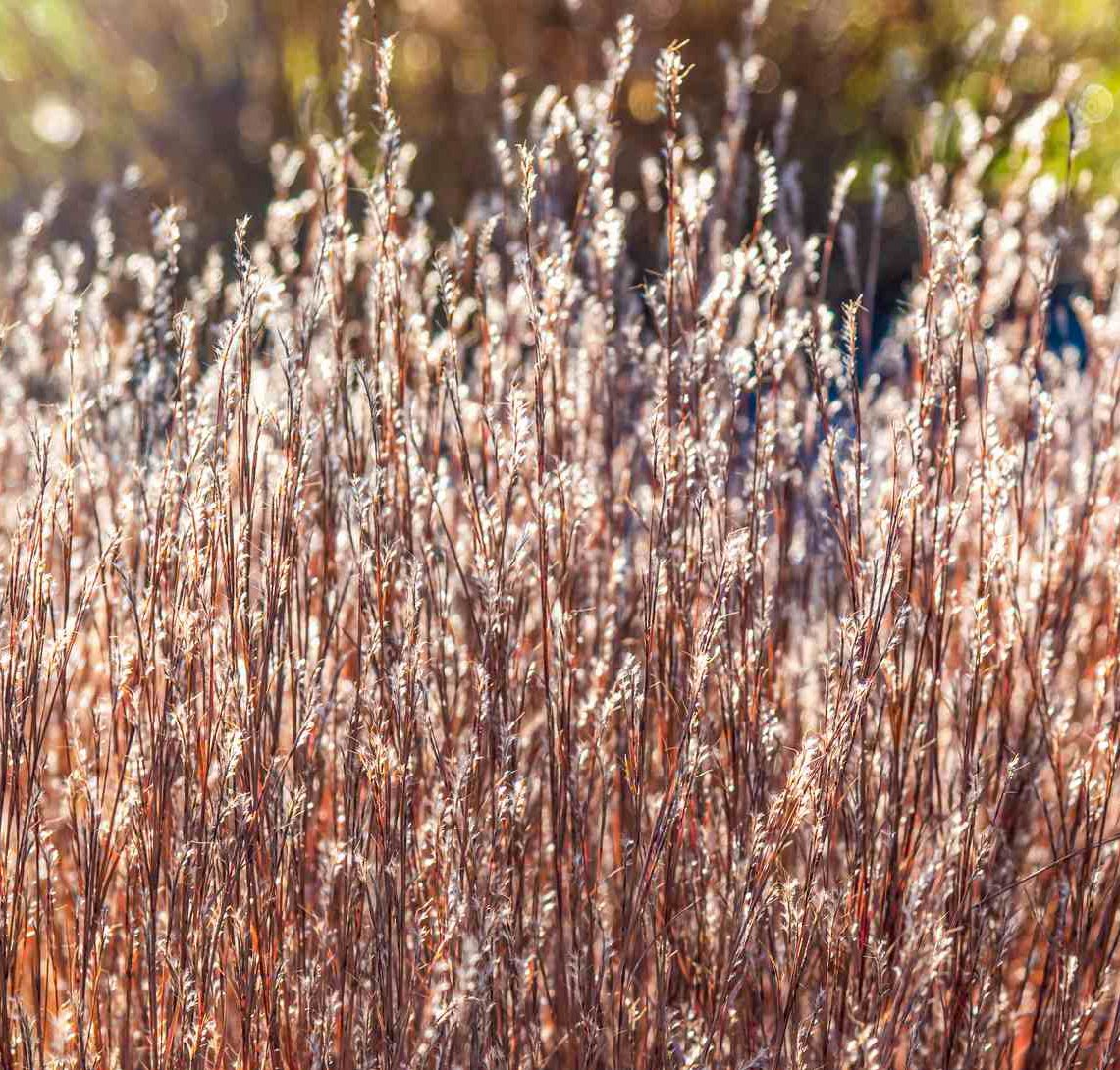
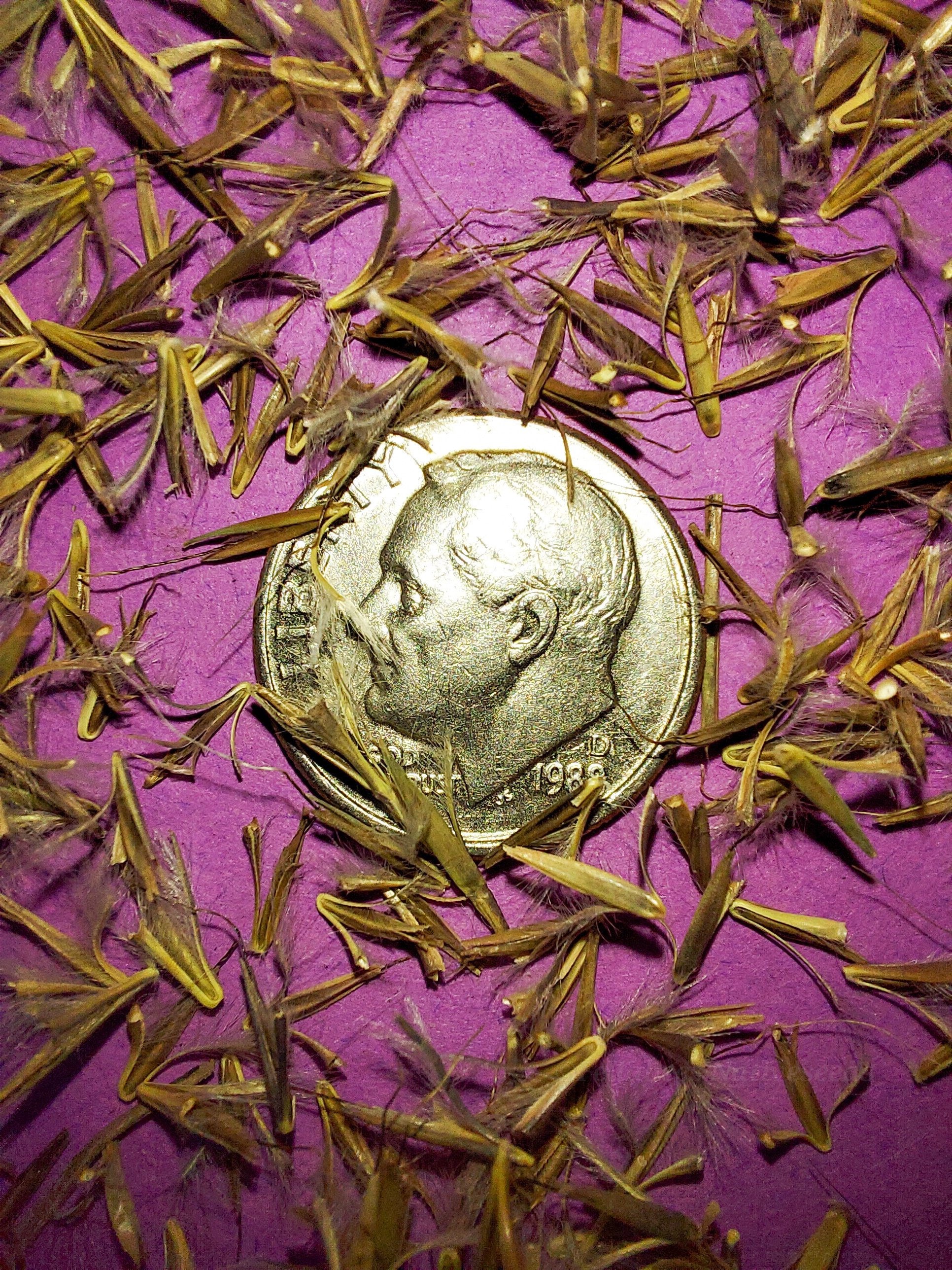
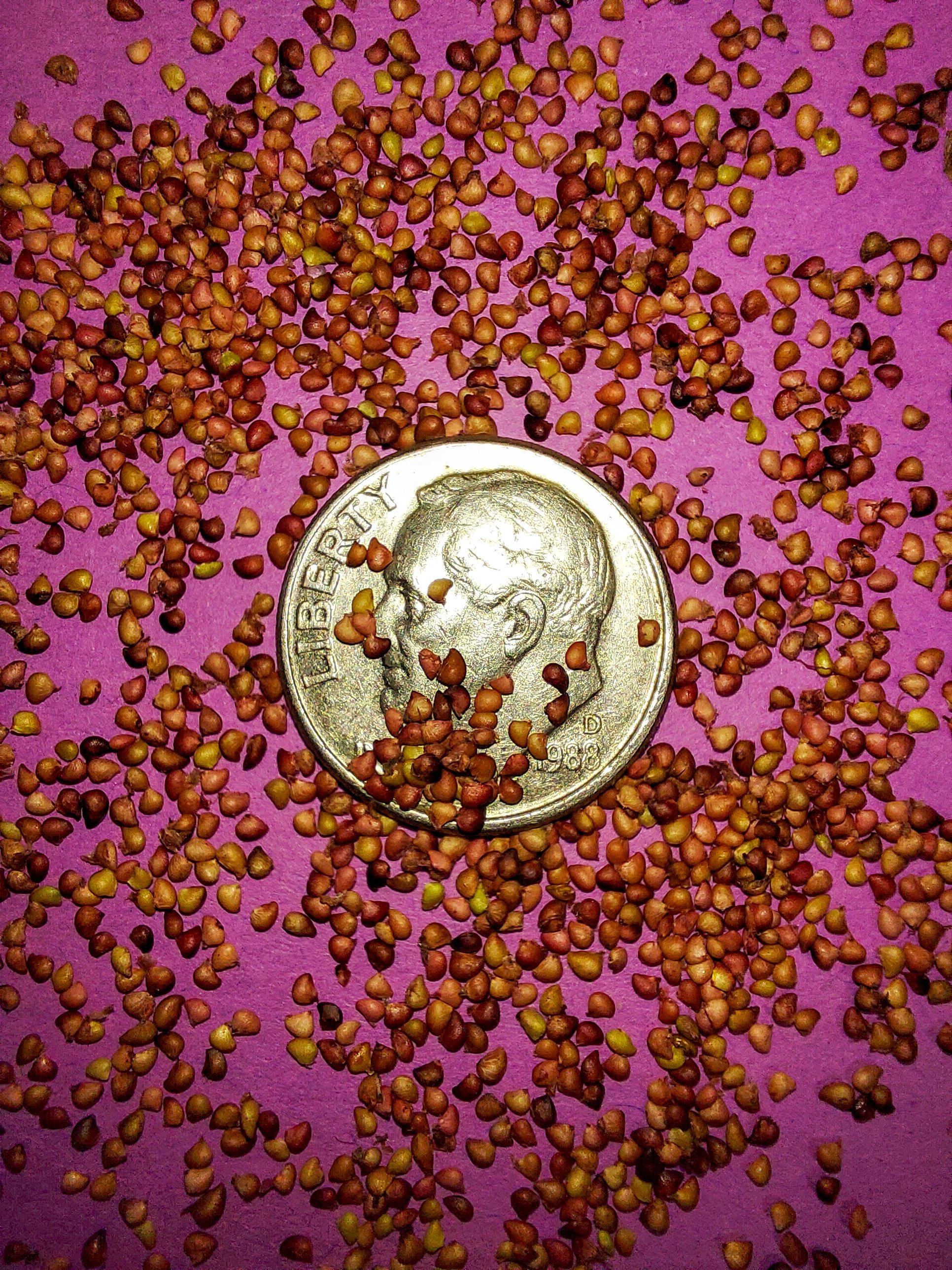
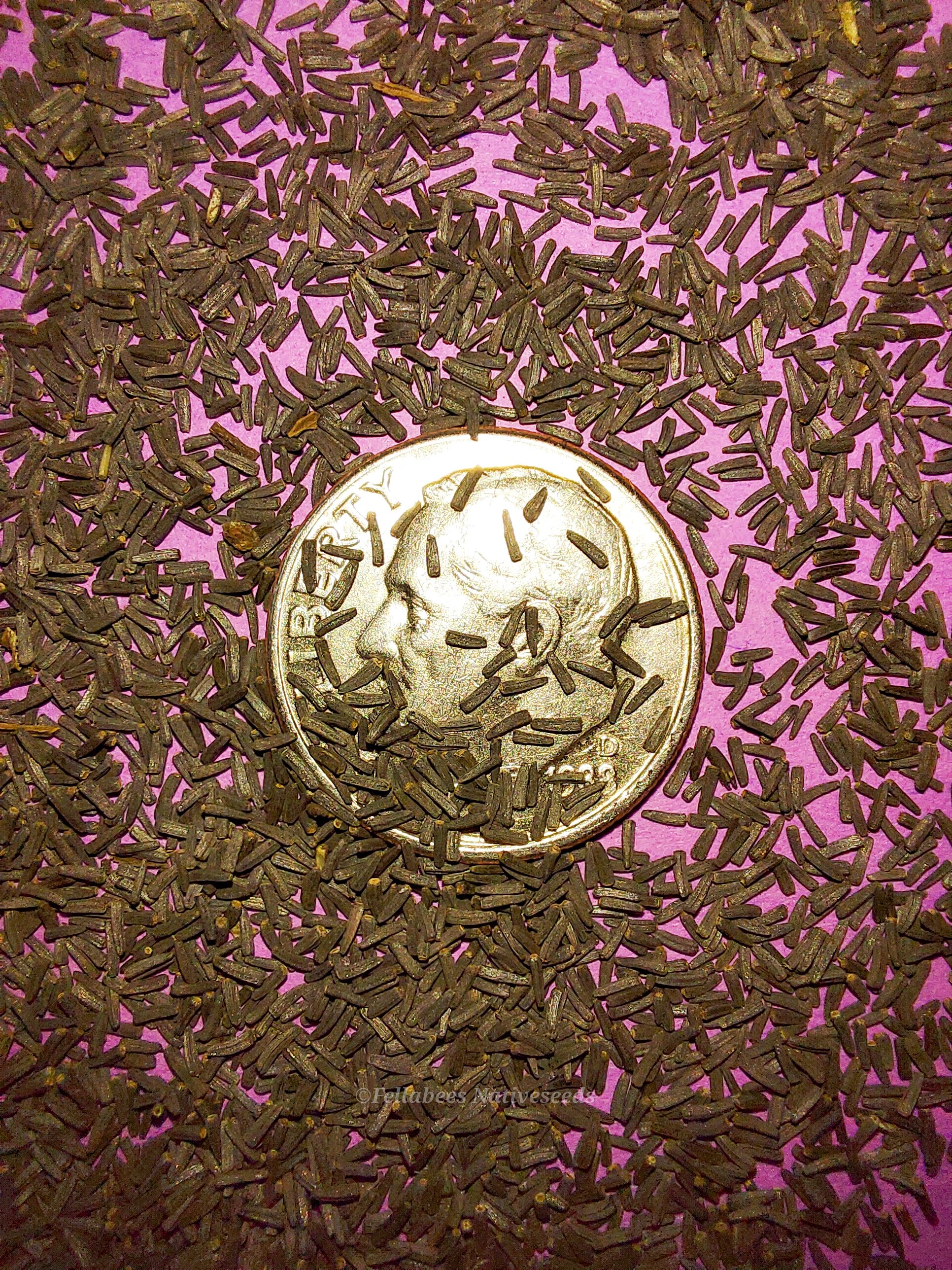
When ripe, the seeds sometimes take on a soft pink or dull-purple tinge, eventually turning golden brown alongside the plant’s foliage in the fall. Switchgrass is a perennial, self-seeding crop, meaning growers typically do not need to replant or reseed after each annual season. Once established, a healthy switchgrass stand can persist for ten years or more, providing long-term cover and yield.
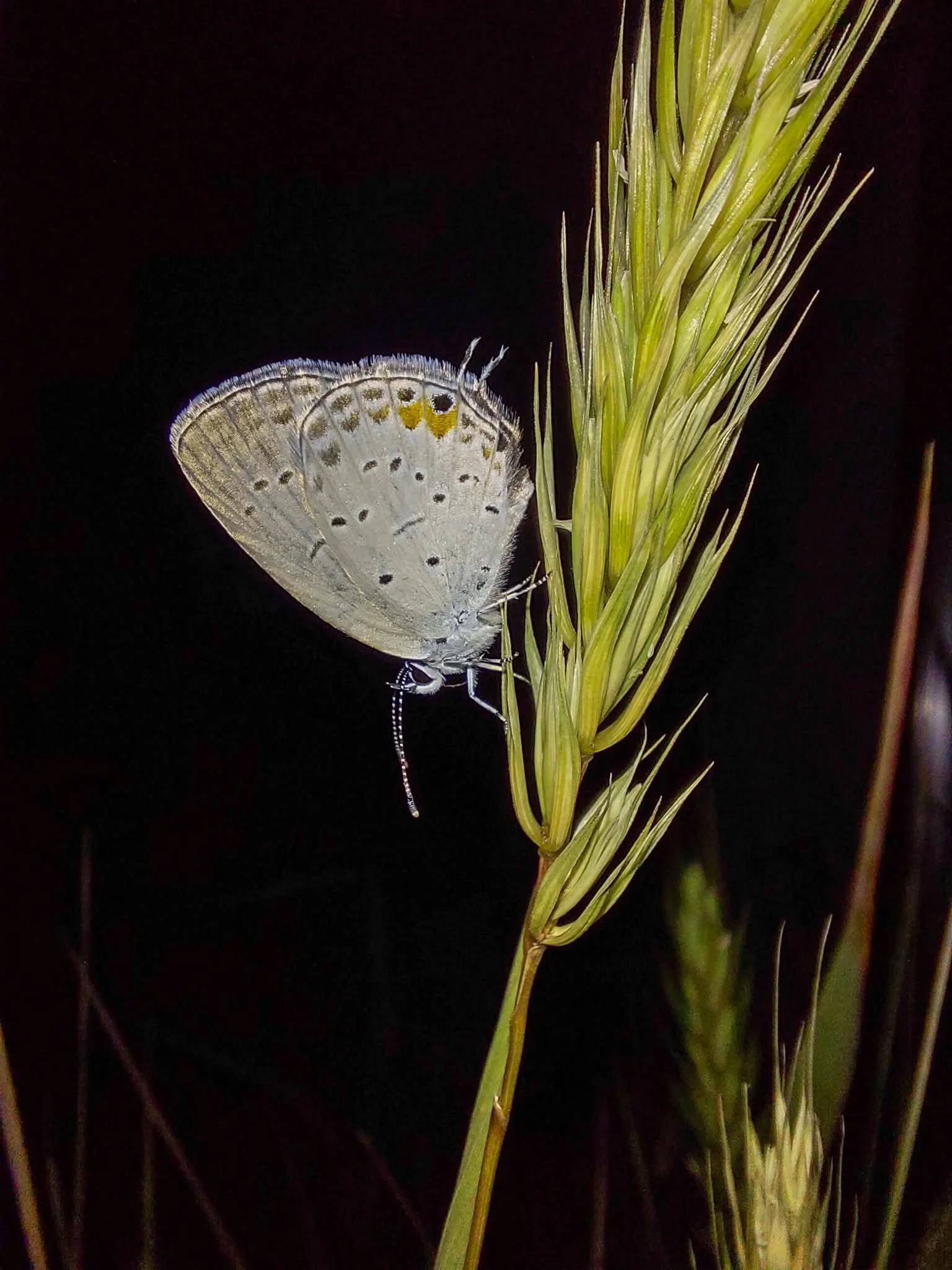
Switchgrass plays host to several species of pollinators The Pink Streak Moth (Dargida rubripennis) and many Skippers such as the Hobomok Skipper (Lon hobomok), Tawny-edged Skipper (Polites themistocles) and Delaware Skipper (Atrytone logan).
Many native insect species benefit from Panicum virgatum (Switchgrass) are Skipper Butterflies such as the Leonard's Skipper (Hesperia leonardus), Indian Skipper (Hesperia sassacus), and Northern Broken Dash (Wallengrenia egeremet). Various species of the Flexamia genus of Leafhopper, who are threatened in their native range, as well as the more secure genus Graminella . Larvae of grass leaf-miner moths such as Cycloplasis panicifoliella, not to mention other species like gall flies, stink bugs, aphids, and grasshoppers. These insects are known to feed on the foliage and seeds of switchgrass, making it an important host plant for various species of butterflies and moths.
Switchgrass is a major resource for birds and mammals, providing dense cover and protective nesting material, as well as high-value food that supports myriad wildlife across the changing seasons.
Plant Details:
USDA Zones: 3 - 9
Germination Needs: No Treatment Needed
Life Cycle: Perennial
Sun Exposure: Full to Partial
Soil Moisture: Medium-Wet, Medium, Medium-Dry, Dry
Plant Spacing: 2 - 4 feet
Height: 4 feet
Bloom time: July, August, September
Bloom Color: Green/Pink
Advantages:
Pollinator Favorite: butterflies, moths, bees, wasps, beetles
Bird Favorite: seeds, insects, fruit, nectar, nesting, perches.
Deer Resistant: Yes
Native to: Wisconsin, Minnesota, Iowa, Illinois, Indiana, Michigan, Ohio, Pennsylvania, New York, Vermont, New Hampshire, Maine, Massachusetts, Rhode Island, Connecticut, Delaware, Maryland, New Jersey, West Virginia, Virginia, Kentucky, Tennessee, North Carolina, South Carolina, Georgia, Florida, Alabama, Mississippi, Louisiana, Arkansas, Missouri, Texas, Oklahoma, Kansas, Nebraska, South Dakota, North Dakota, Montana, Wyoming, Colorado, New Mexico, Arizona, Utah, Nevada and Idaho.
This species is considered present but rare in several counties of the states of Vermont, Connecticut and Idaho.
Seed Count: 25+
.
.
Packet quantities:
We pride ourselves on ethical, hands on, ecological management, using no mechanical or chemical methods whatsoever.
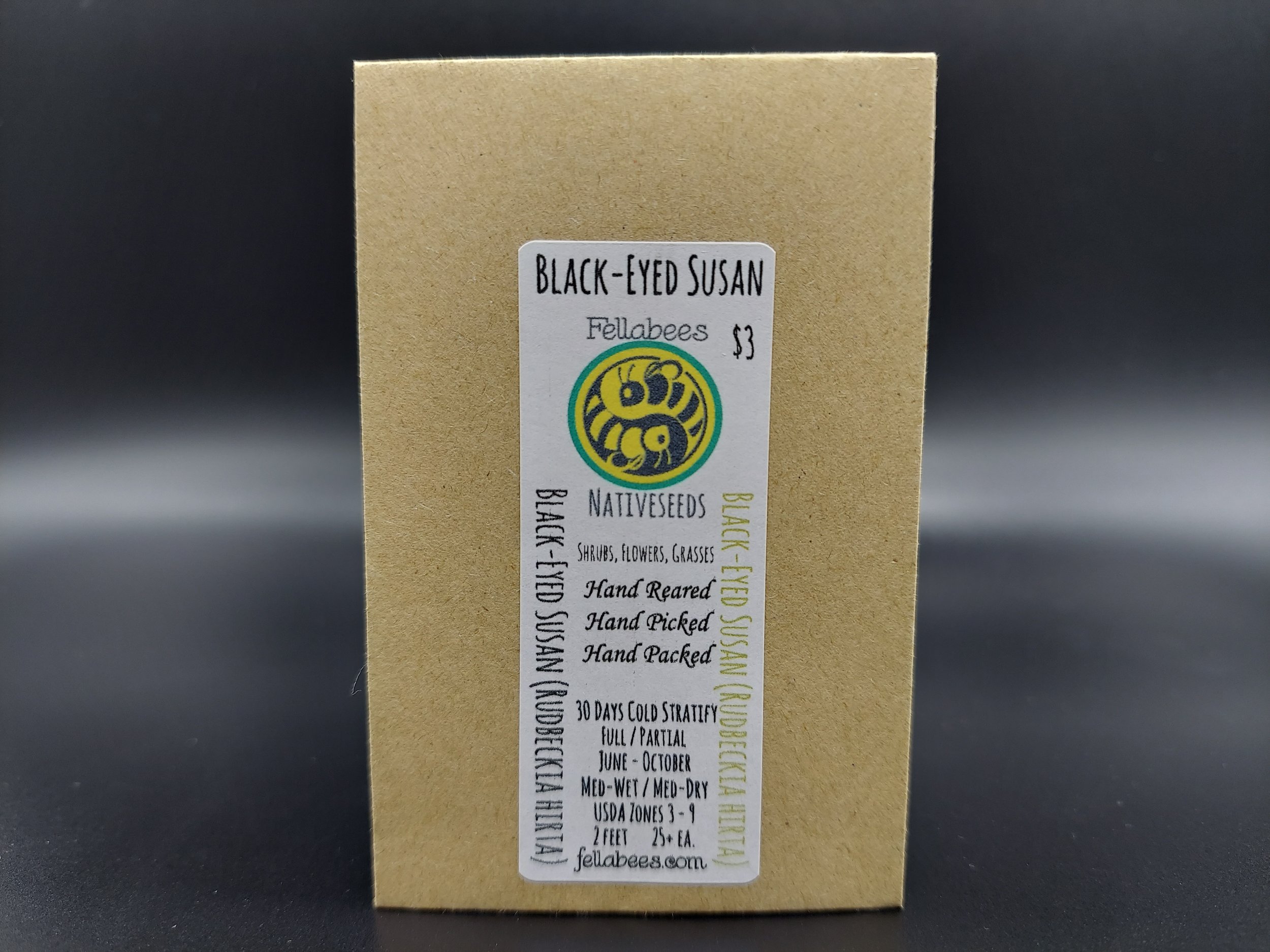
All of our native seed is hand reared, hand-picked, and hand packed from native prairies under our exclusive management, never breaking chain of custody from the field until it is sent to you. Each packet is hand prepared for shipment by us, directly.
Small seed species will contain greater than 20-25 seed
Large seed species will contain greater than 10-15 seed
All packets are individually marked at the bottom of the front label with expected count, however most if not all packets will have many more than the minimum count by default.
It is our mission to spread the wealth of native plant and pollinator ecological sustainability and educate back yard gardeners as well as corporate and government entities in how to germinate, grow, and benefit from native synergies.
Thank you for your support, it is because of you, that we can grow together to do, what we do. 🐛🦋🐝🐞🌾🌱🌼🧡
Switchgrass (Panicum virgatum)
Panicum virgatum is the scientific name for the dynamic native grass species more commonly known as switchgrass. Panicum virgatum is a perennial, warm-season bunchgrass native to North America, where it occurs naturally from about 55°N latitude in Canada southwards through the United States and into parts of northern Mexico. Switchgrass is one of the dominant, long-lived species of the central North American tallgrass prairie and can commonly be found in remnant prairie fragments, in native grass pastures, and naturalized along roadsides and disturbed sites. It is valued and used for a wide range of purposes, including soil conservation and erosion control, forage and hay production for livestock, cover and habitat for game species, as an attractive ornamental grass in landscape plantings, in phytoremediation and habitat restoration projects, for fiber production, and increasingly as a source of biomass for electricity and heat production as well as for biosequestration of atmospheric carbon dioxide.
Other common names for switchgrass include Tall Panic Grass, Wobsqua grass, Blackbent, Tall Prairiegrass, Wild redtop, Thatch Grass, and Virginia Switchgrass.
Switchgrass is often found growing with other diverse grass species such as Big Bluestem (Andropogon gerardii), Indian Grass (Sorghastrum nutans), Little Bluestem (Schizachyrium scoparium) and Virginia Wild Rye (Elymus virginicus).
When ripe, the seeds sometimes take on a soft pink or dull-purple tinge, eventually turning golden brown alongside the plant’s foliage in the fall. Switchgrass is a perennial, self-seeding crop, meaning growers typically do not need to replant or reseed after each annual season. Once established, a healthy switchgrass stand can persist for ten years or more, providing long-term cover and yield.
Switchgrass plays host to several species of pollinators The Pink Streak Moth (Dargida rubripennis) and many Skippers such as the Hobomok Skipper (Lon hobomok), Tawny-edged Skipper (Polites themistocles) and Delaware Skipper (Atrytone logan).
Many native insect species benefit from Panicum virgatum (Switchgrass) are Skipper Butterflies such as the Leonard's Skipper (Hesperia leonardus), Indian Skipper (Hesperia sassacus), and Northern Broken Dash (Wallengrenia egeremet). Various species of the Flexamia genus of Leafhopper, who are threatened in their native range, as well as the more secure genus Graminella . Larvae of grass leaf-miner moths such as Cycloplasis panicifoliella, not to mention other species like gall flies, stink bugs, aphids, and grasshoppers. These insects are known to feed on the foliage and seeds of switchgrass, making it an important host plant for various species of butterflies and moths.
Switchgrass is a major resource for birds and mammals, providing dense cover and protective nesting material, as well as high-value food that supports myriad wildlife across the changing seasons.
Plant Details:
USDA Zones: 3 - 9
Germination Needs: No Treatment Needed
Life Cycle: Perennial
Sun Exposure: Full to Partial
Soil Moisture: Medium-Wet, Medium, Medium-Dry, Dry
Plant Spacing: 2 - 4 feet
Height: 4 feet
Bloom time: July, August, September
Bloom Color: Green/Pink
Advantages:
Pollinator Favorite: butterflies, moths, bees, wasps, beetles
Bird Favorite: seeds, insects, fruit, nectar, nesting, perches.
Deer Resistant: Yes
Native to: Wisconsin, Minnesota, Iowa, Illinois, Indiana, Michigan, Ohio, Pennsylvania, New York, Vermont, New Hampshire, Maine, Massachusetts, Rhode Island, Connecticut, Delaware, Maryland, New Jersey, West Virginia, Virginia, Kentucky, Tennessee, North Carolina, South Carolina, Georgia, Florida, Alabama, Mississippi, Louisiana, Arkansas, Missouri, Texas, Oklahoma, Kansas, Nebraska, South Dakota, North Dakota, Montana, Wyoming, Colorado, New Mexico, Arizona, Utah, Nevada and Idaho.
This species is considered present but rare in several counties of the states of Vermont, Connecticut and Idaho.
Seed Count: 25+
.
.
Packet quantities:
We pride ourselves on ethical, hands on, ecological management, using no mechanical or chemical methods whatsoever.
All of our native seed is hand reared, hand-picked, and hand packed from native prairies under our exclusive management, never breaking chain of custody from the field until it is sent to you. Each packet is hand prepared for shipment by us, directly.
Small seed species will contain greater than 20-25 seed
Large seed species will contain greater than 10-15 seed
All packets are individually marked at the bottom of the front label with expected count, however most if not all packets will have many more than the minimum count by default.
It is our mission to spread the wealth of native plant and pollinator ecological sustainability and educate back yard gardeners as well as corporate and government entities in how to germinate, grow, and benefit from native synergies.
Thank you for your support, it is because of you, that we can grow together to do, what we do. 🐛🦋🐝🐞🌾🌱🌼🧡
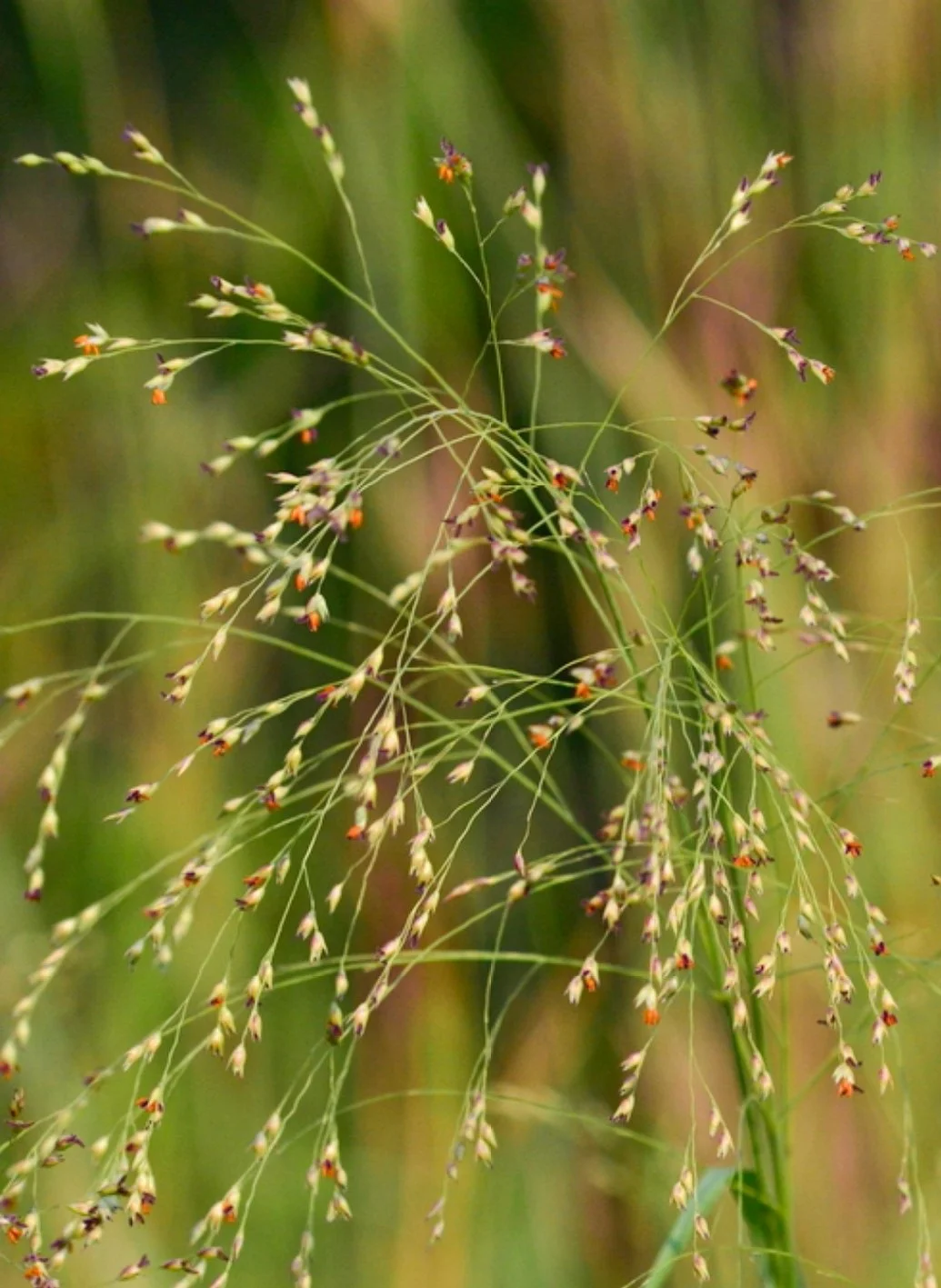 Image 1 of 6
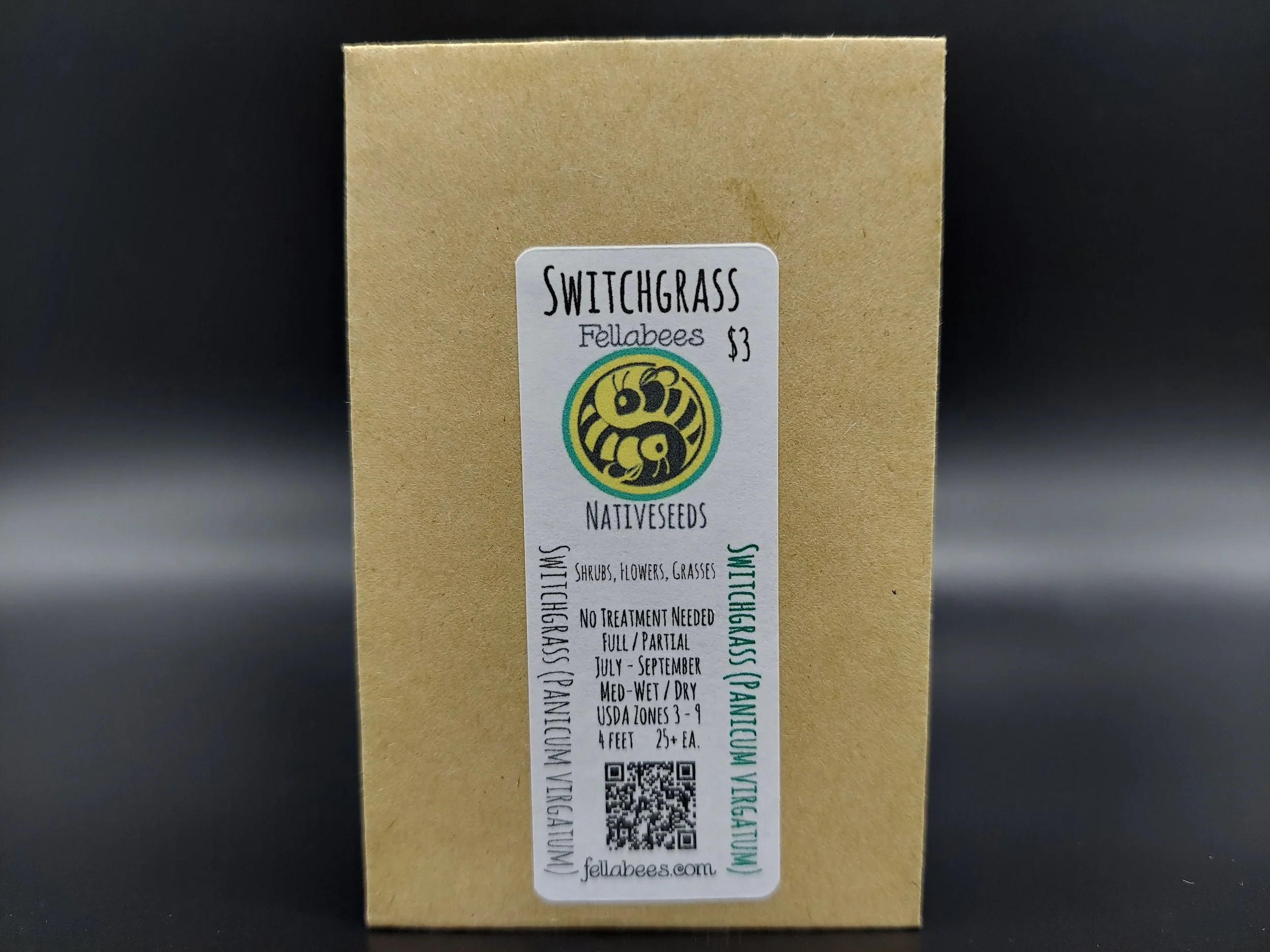 Image 2 of 6
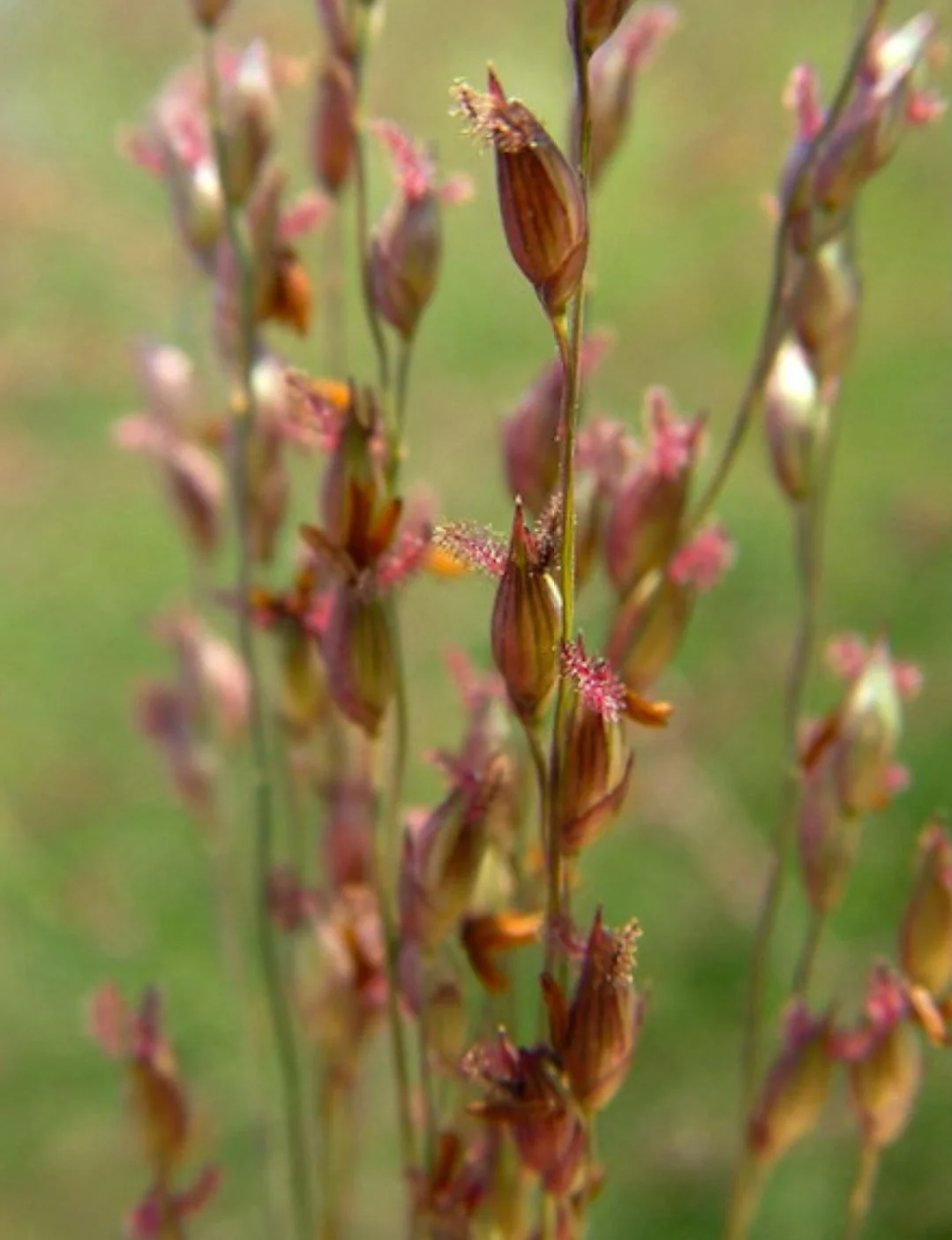 Image 3 of 6
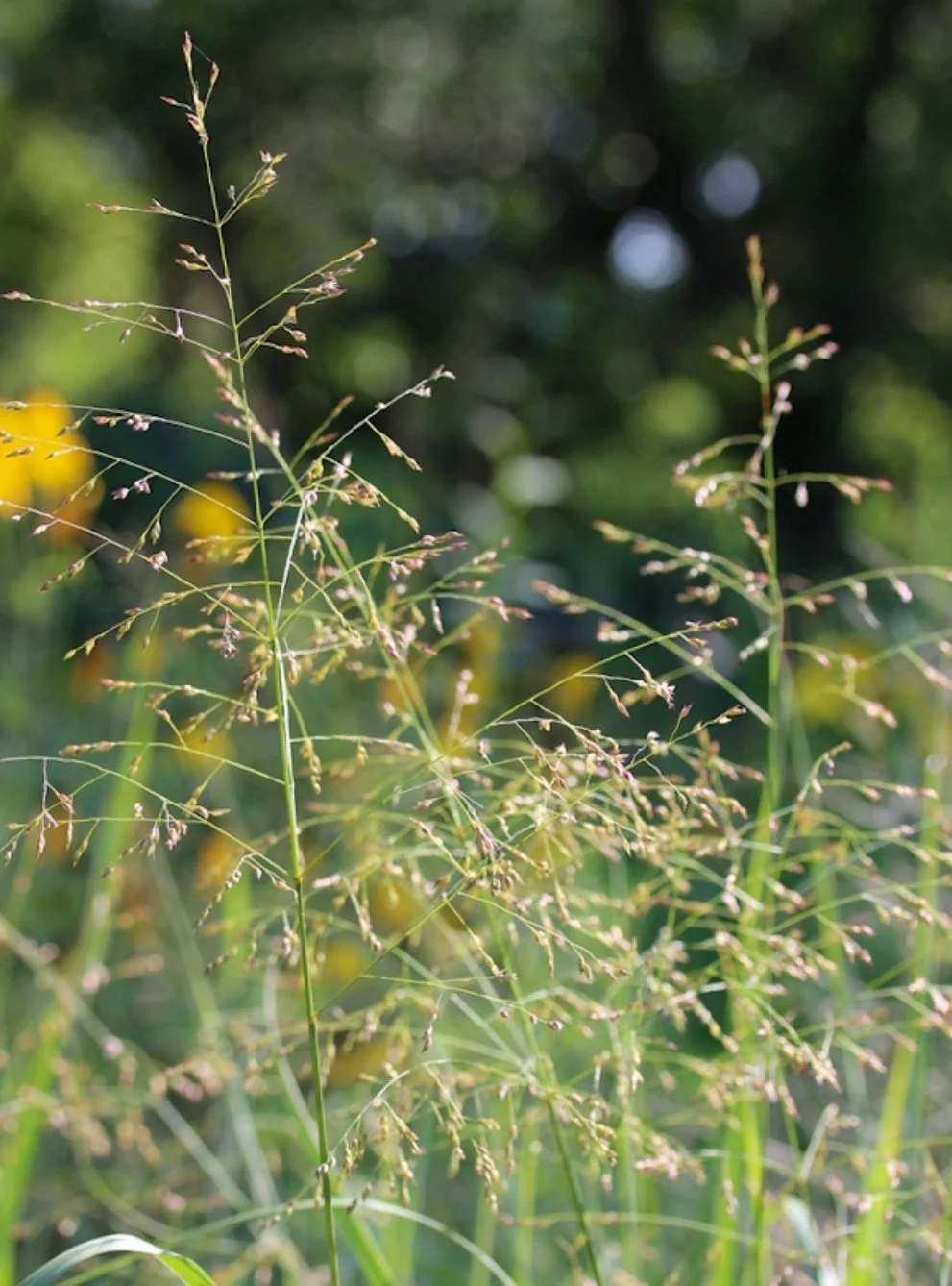 Image 4 of 6
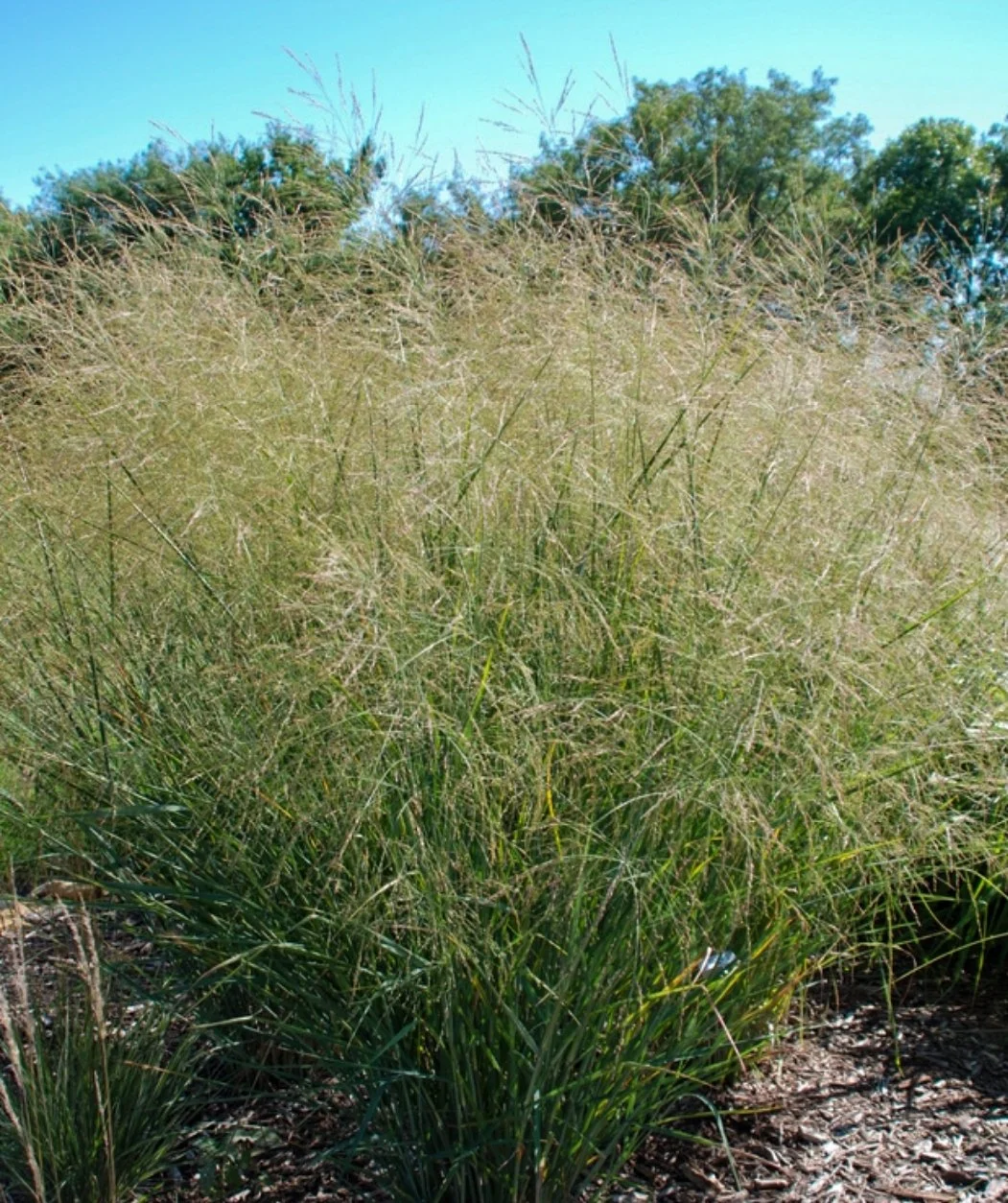 Image 5 of 6
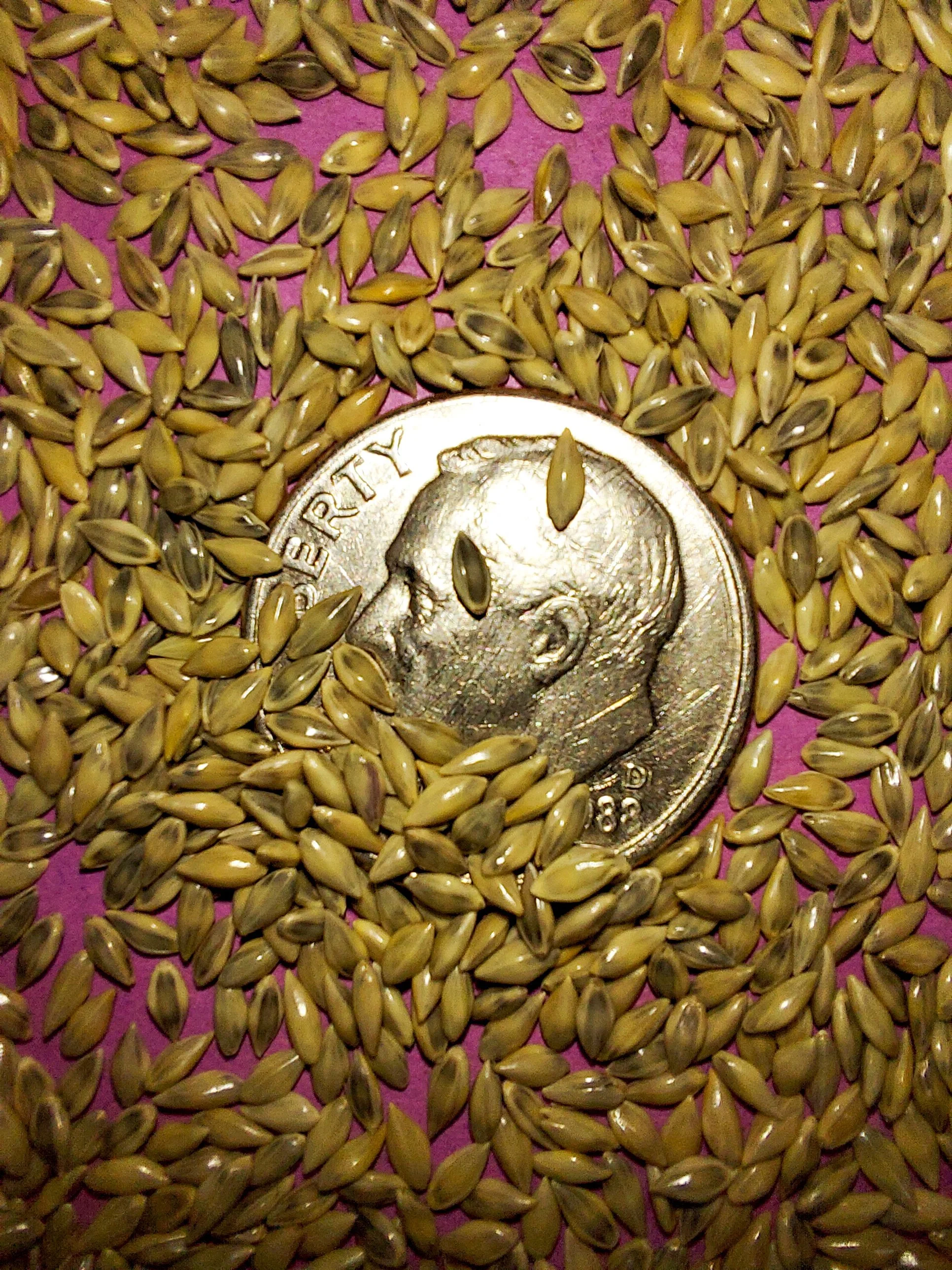 Image 6 of 6