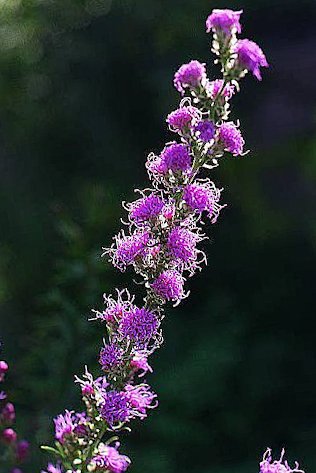
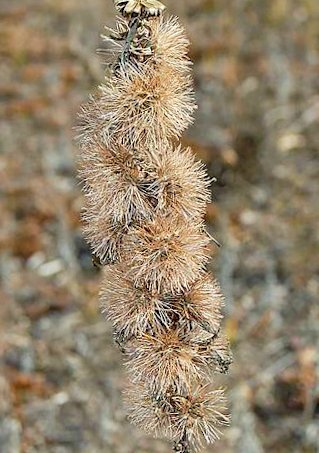
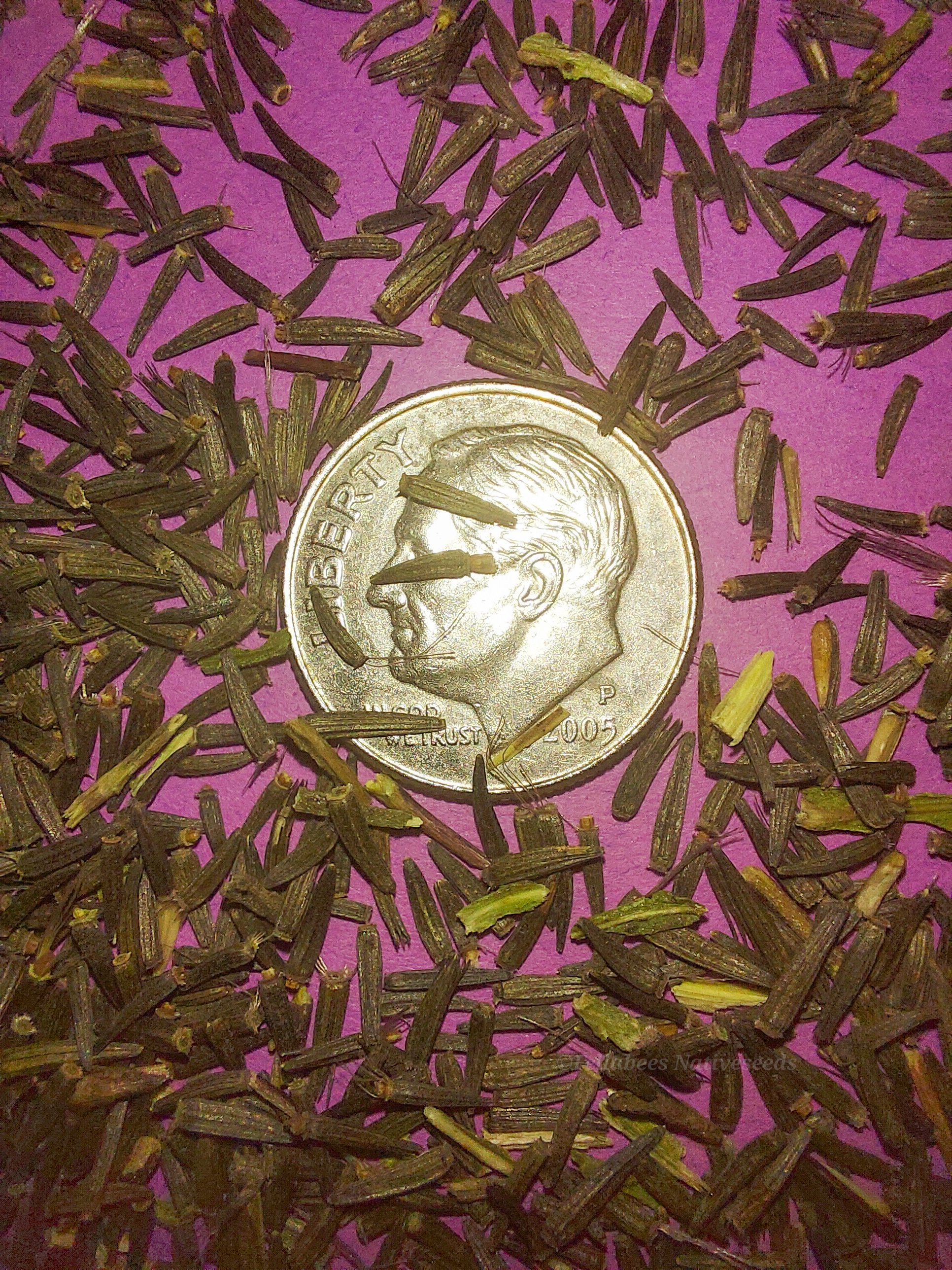
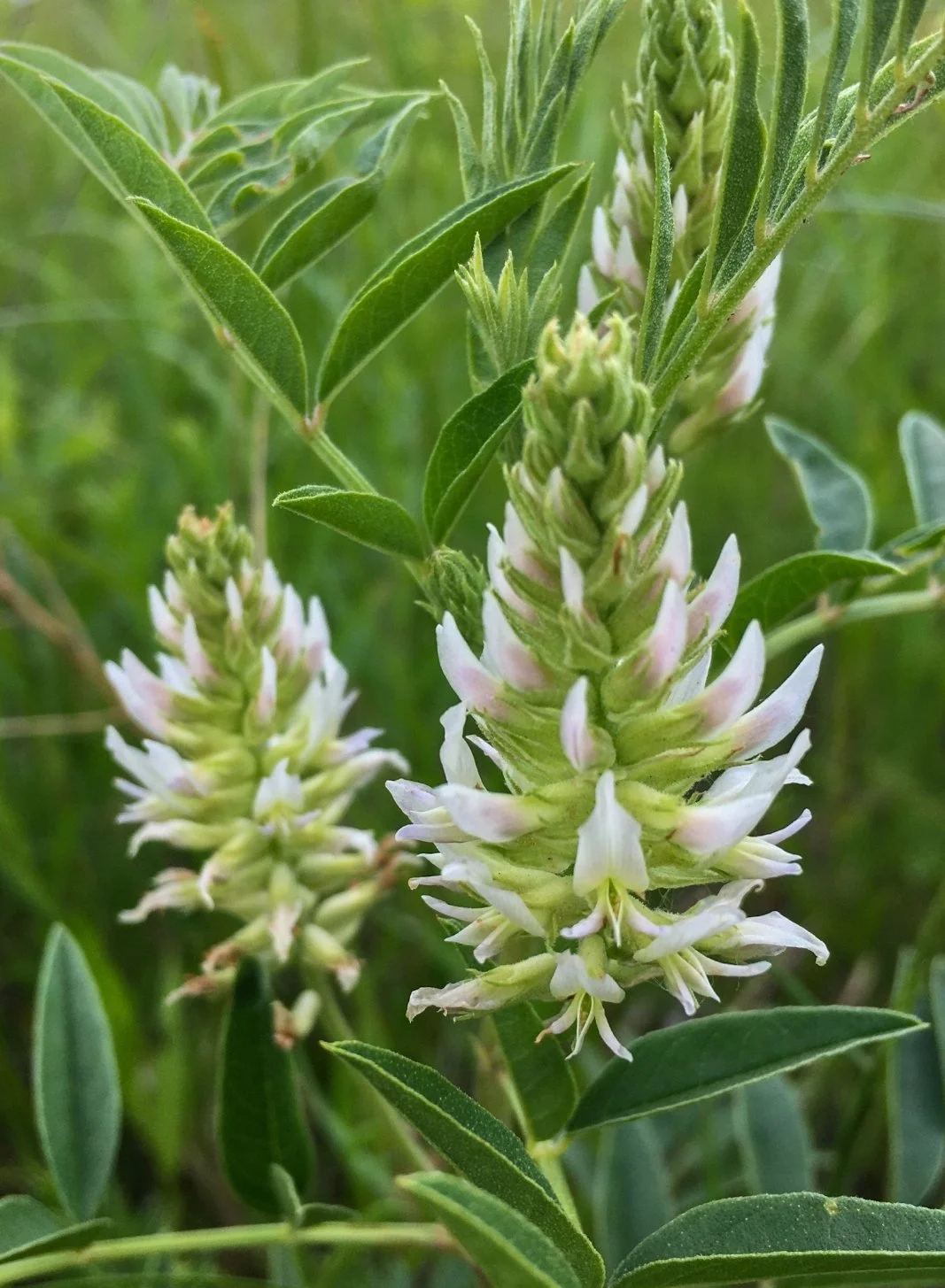
White Camas (Anticlea elegans)
Anticlea elegans is the scientific name for the species more commonly known as White Camas, Mountain Death Camas, Elegant Camas, Glaucous Death-Camas, or simply Death Camas. It is a Trillium relative in the flowering plant family Melanthiaceae. Three distinct subspecies are recognized: Anticlea elegans subsp. elegans, the type subspecies, together with Anticlea elegans subsp. glauca and Anticlea elegans subsp. vaginata. Anticlea elegans subsp. vaginata likely arose through a vicariance event at the end of the Pleistocene, and for the last 11,000+ years its populations are now genetically drifting apart. Glacial refugia in at least five U.S. states formerly hosted populations of Anticlea elegans subsp. glauca, although two of those populations are now extirpated (locally extinct). The species is native across most of North America, being absent only from California and the Baja California peninsula, the deep southeastern United States, and the far northern reaches of Canada.
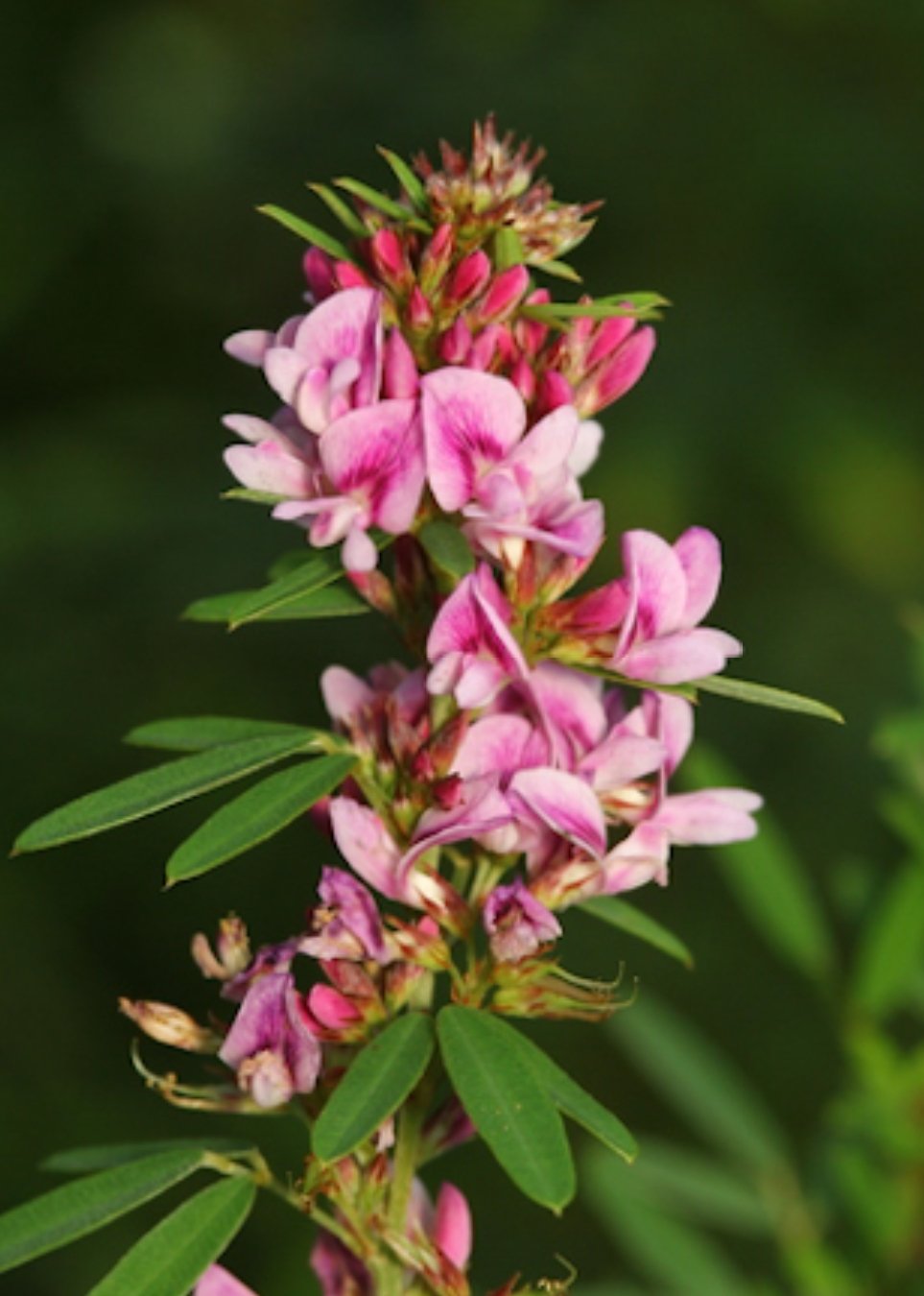
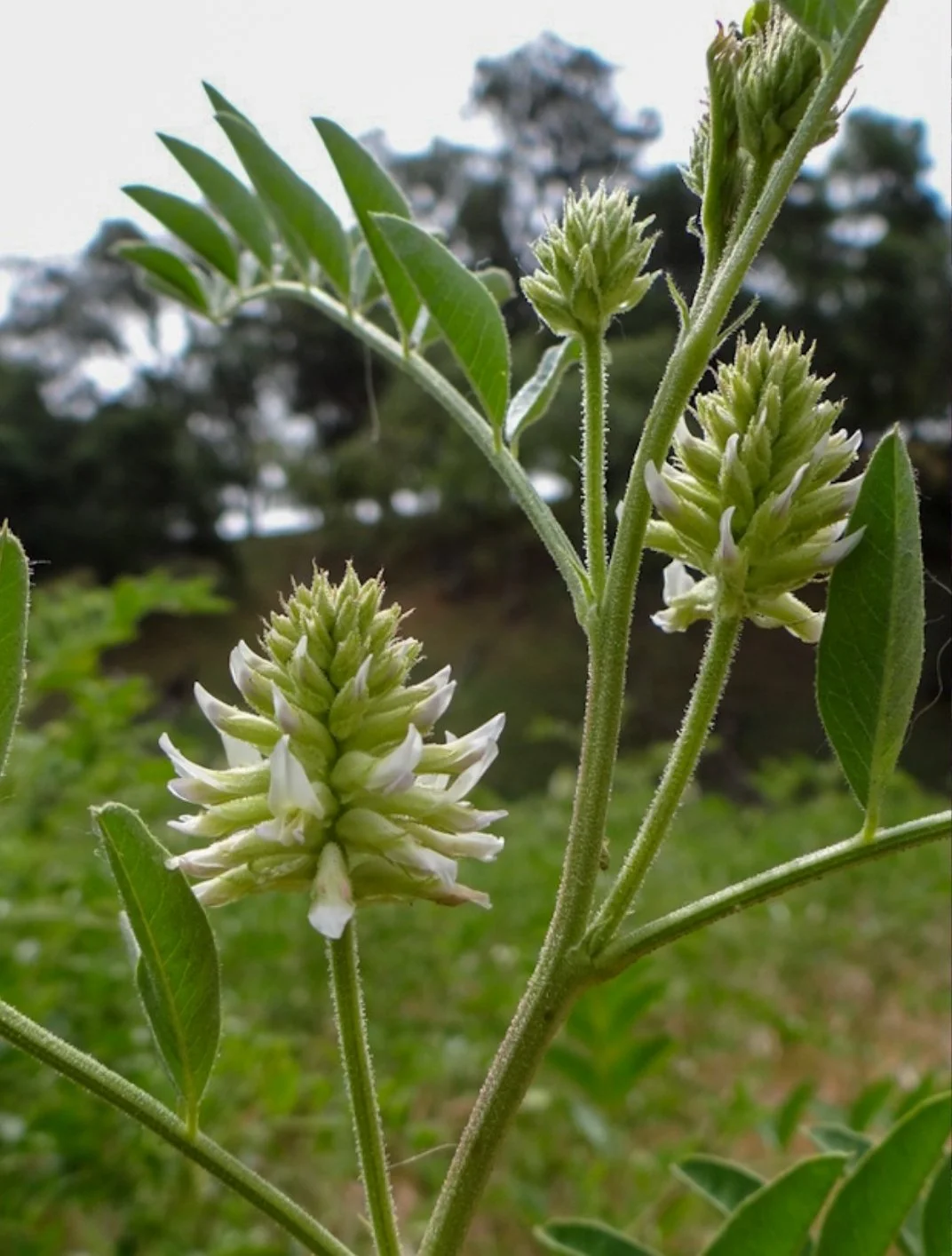
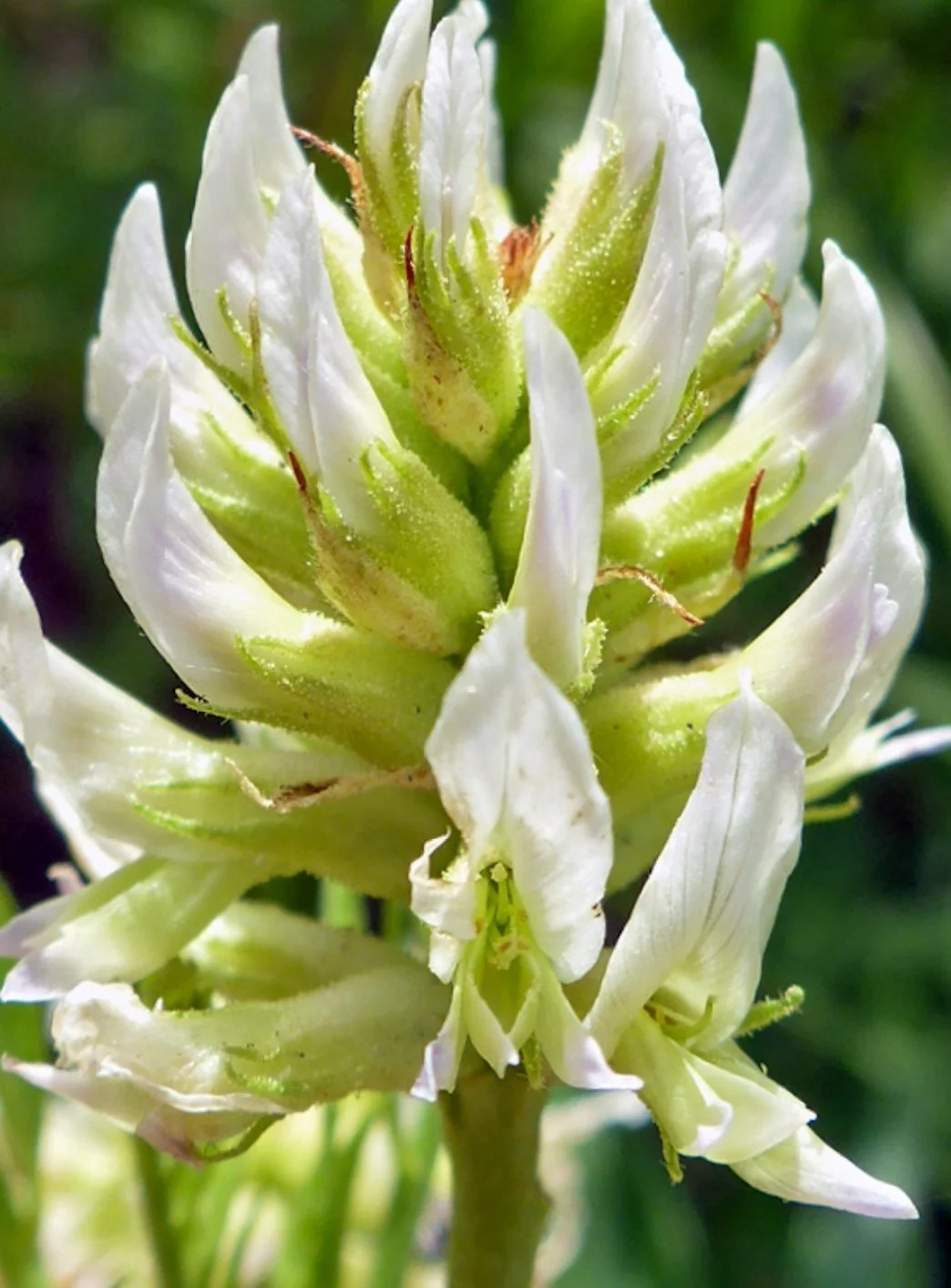
Anticlea elegans typically features gracefully arching, lanceolate leaves that can grow up to about 24 inches long. The leaves are arranged in a neat rosette pattern, showcasing a bright green to slightly glaucous hue, with prominent, parallel venation that adds noticeable texture and structural interest to the foliage. The flowering season occurs in late spring to early summer, when the plant sends up slender, upright flower spikes that can reach heights of approximately 3 feet or a little more. Each spike is adorned with numerous small, tubular flowers that are usually white to pale lavender and open in succession. Anticlea elegans thrives in moist, shaded environments. It is commonly found in deciduous forests, along stream banks, and in other damp woodland areas. The plant prefers well-drained, rich, organic soils with a high moisture retention capacity, yet can tolerate moderate drought and dry seasons.
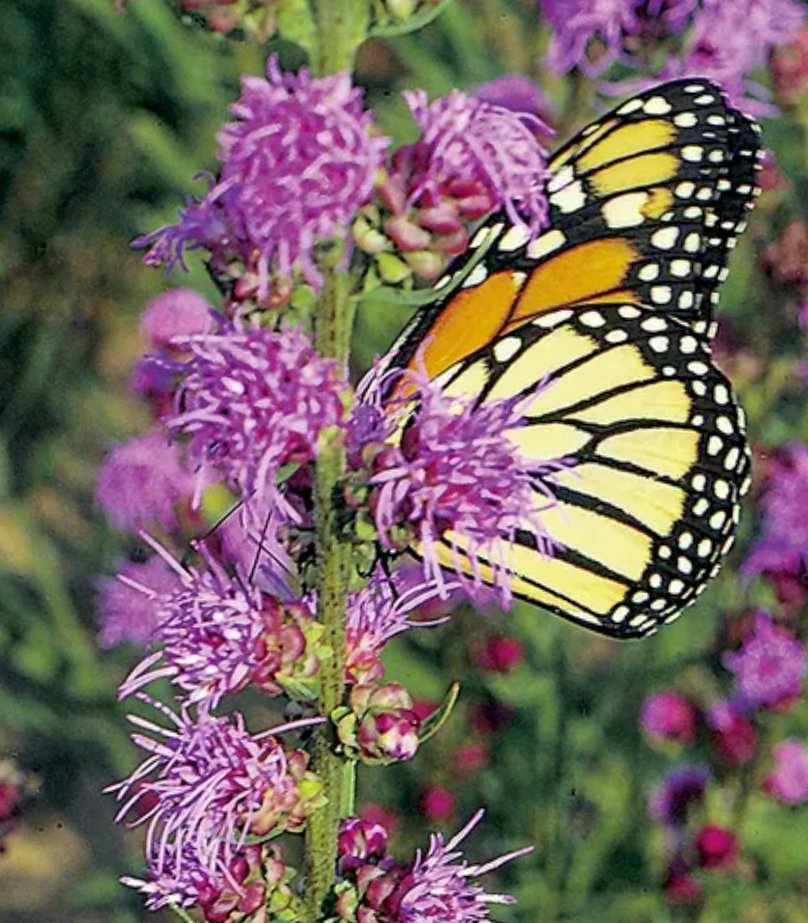
White Camas appears to have few documented pollinators aside from flies and the occasional butterfly, yet the species manages to be pollinated nonetheless, and it may be due to nocturnal moths that are immune to the plant’s toxicity. There is however one specialist Mining Bee of the Andrenidae family, known commonly as the Death Camas Bee (Andrena astragali) that is quite likely to be the only bee in modernity that can still tolerate the White Camas toxin, zygacine.
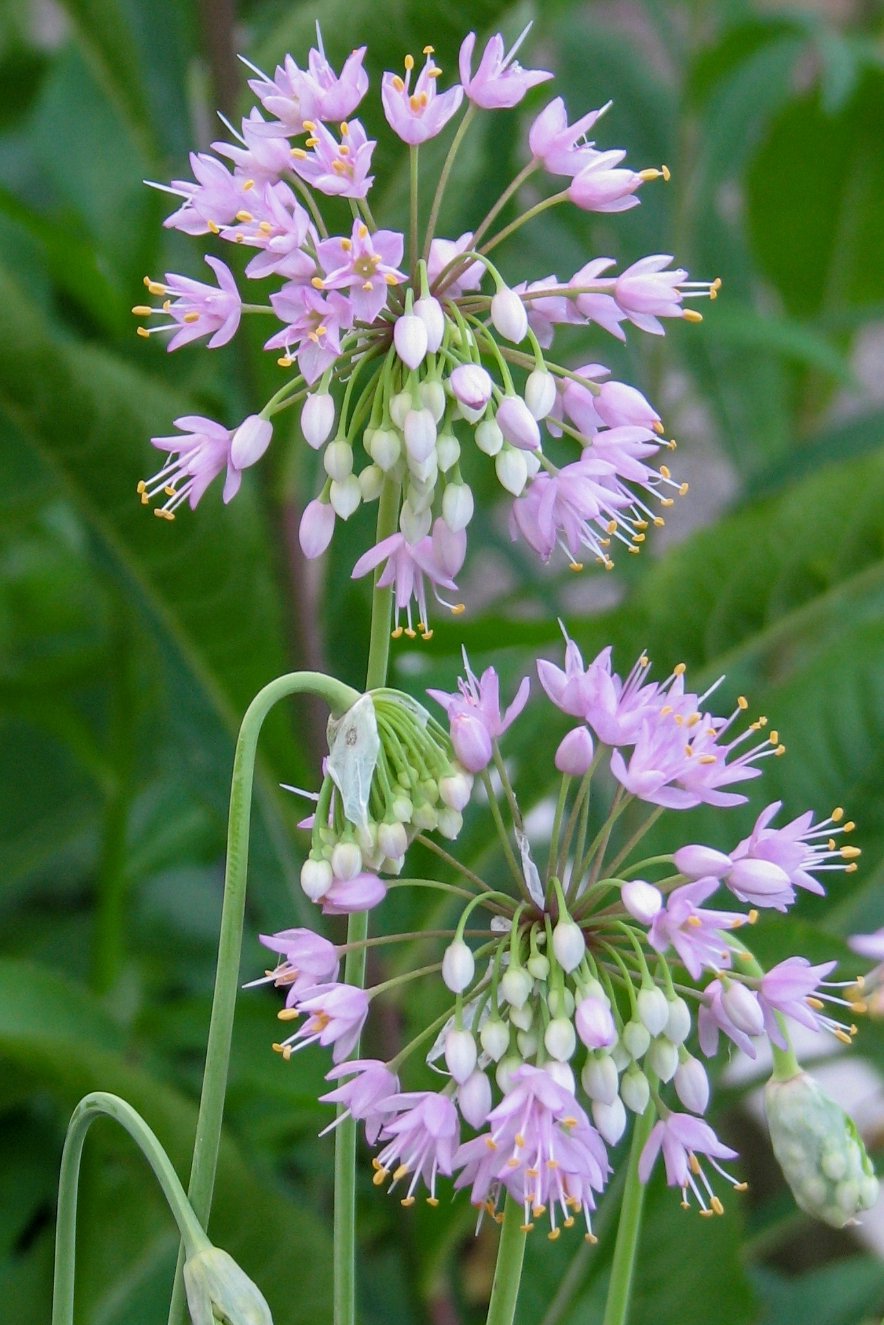
Zygacine is a steroidal alkaloid found in members of the genera Toxicoscordion, Zigadenus, Stenanthium, and Anticlea, all belonging to the family Melanthiaceae. These plants are commonly known and generally referred to as White or Death Camas, a name that reflects their toxic nature. Death camas is widespread across North America and often serves as the cause of accidental poisoning in outdoor enthusiasts and grazing livestock because it can resemble other edible, bulb-bearing plants such as Prairie Onion (Allium stellatum). Unlike true onions, however, the White Camas plant lacks the characteristic onion odor and has a distinctly bitter taste. Consumption of zygacine produces severe, often rapidly progressing symptoms and can be lethal.
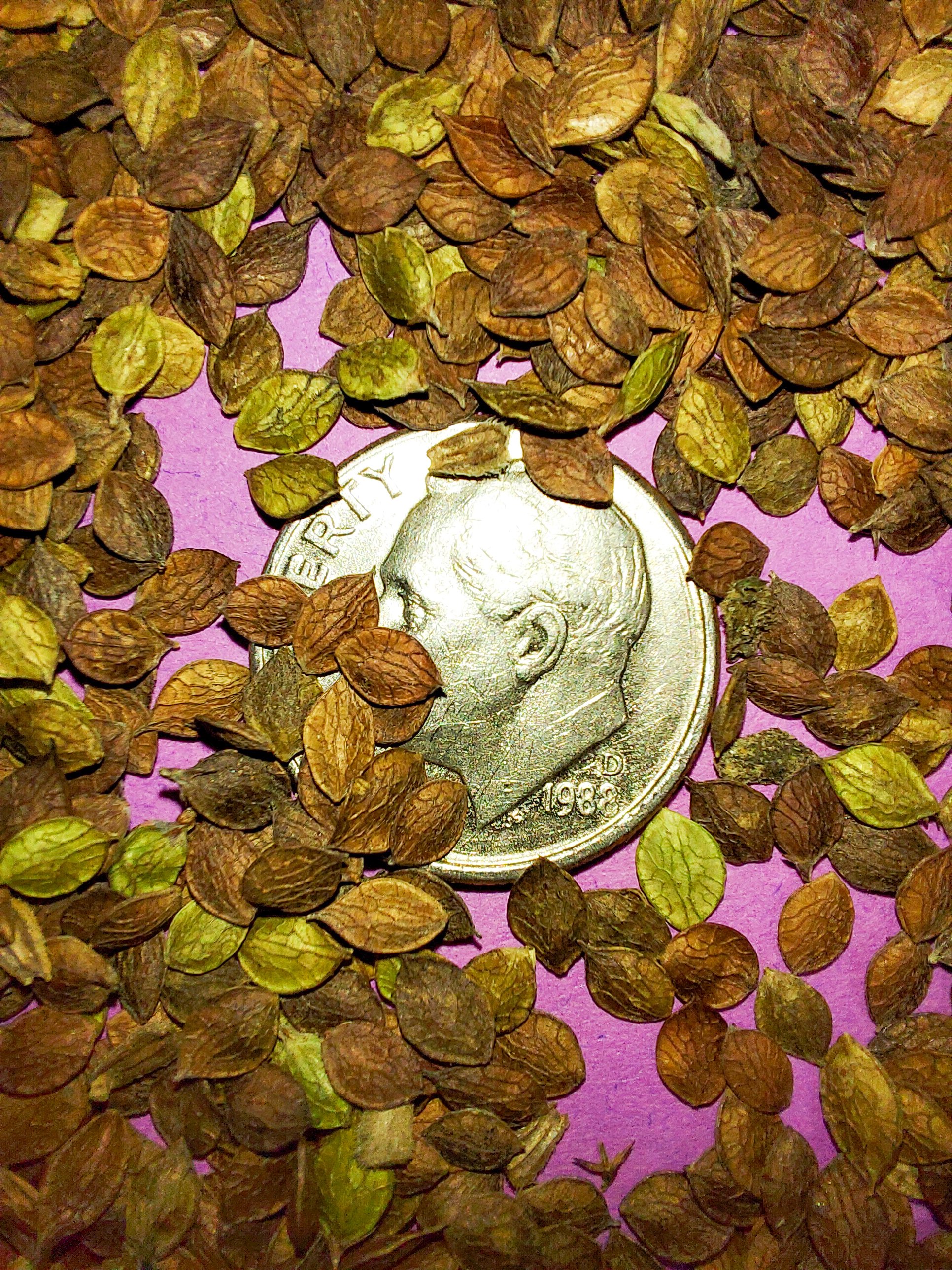
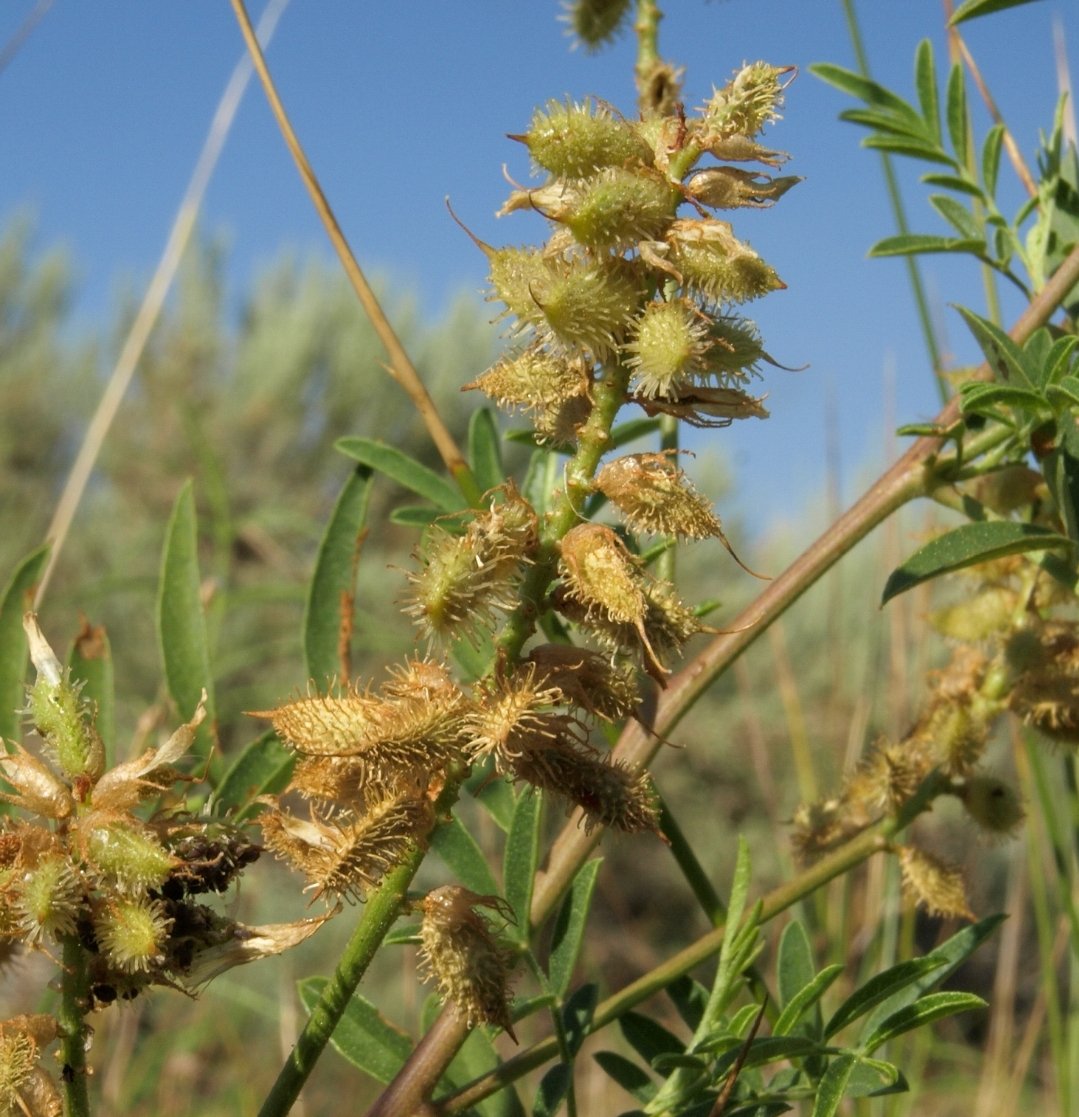
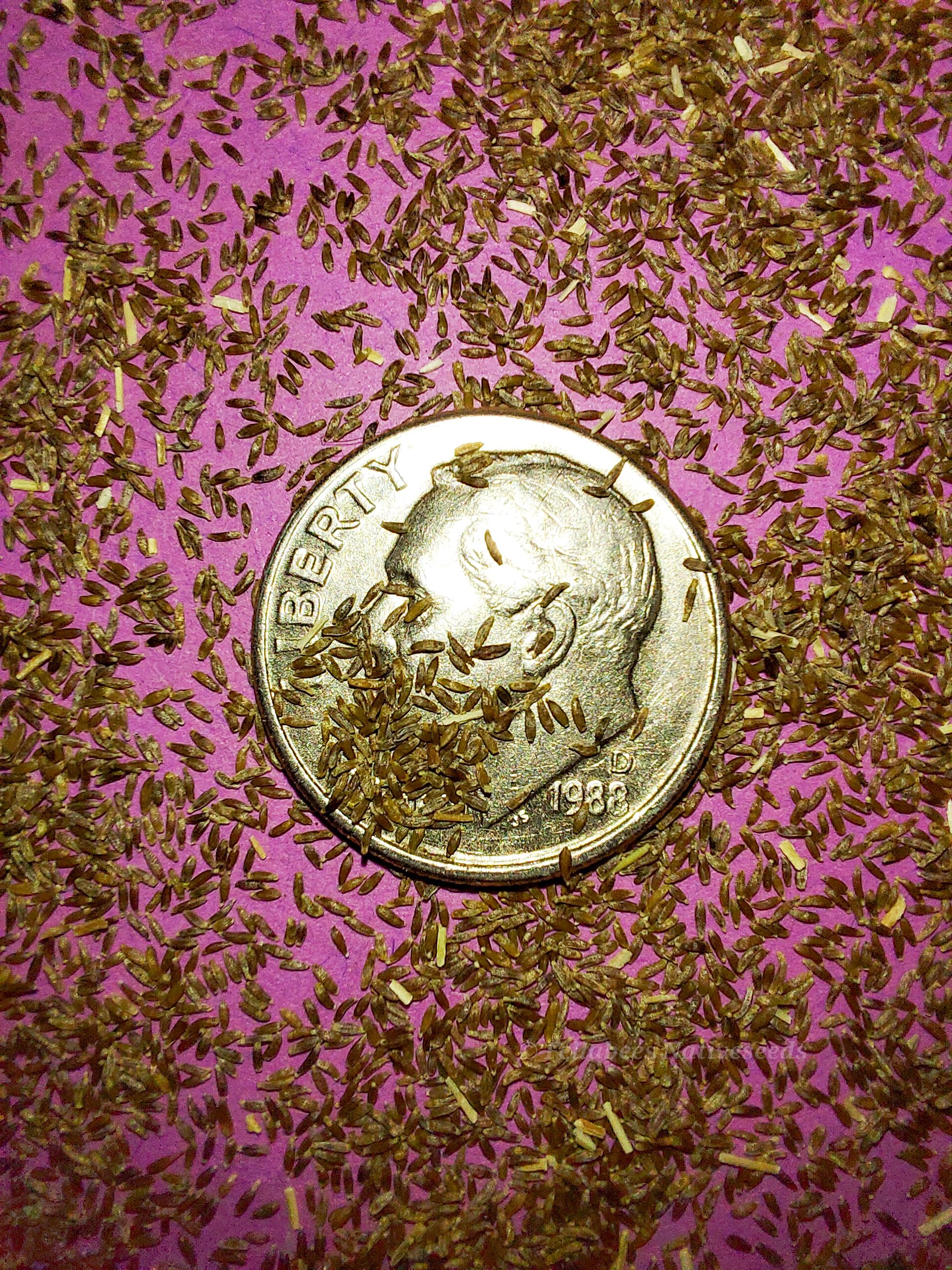
The blossoms are attractive to a variety of pollinators, including bees, butterflies, moths and flies making the species a valuable component in native plantings and pollinator-friendly gardens. After flowering, Anticlea elegans produces small seed capsules that contain numerous tiny, flat seeds. These lightweight seeds are carried by the wind and can be scattered over surrounding areas, helping the plant to establish and propagate in suitable habitats.
The plants compounds make it exceptionally distasteful for deer and rabbit herbivory, making it an ideal plant near species that are more likely to be browsed within its preferred habitat.
Disclaimer: Do NOT consume, use, or otherwise handle any plant in nature without being absolutely sure of its toxicity or edibility, or by having the species properly identified by an expert on the species. You are solely responsible for your knowledge set, and any consequences of its lacking.
Plant Details:
USDA Zones: 3 - 7
Germination Needs: Needs 60 Days Cold-Moist Stratification. Does best when sown directly outdoors in fall.
Life Cycle: Perennial
Sun Exposure: Full to Partial
Soil Moisture: Medium-Wet, Medium, Medium-Dry, Dry
Plant Spacing: 1 -2 feet
Height: 3 feet
Bloom time: May, June
Bloom Color: White
Advantages:
Pollinator Favorite: butterflies, moths, bees, flies
Bird Favorite: seeds, insects, fruit, nectar, nesting, perches.
Deer Resistant: Yes, very.
Native to: Wisconsin, Minnesota, Iowa, Illinois, Michigan, Ohio, Pennsylvania, New York, Vermont, West Virginia, Virginia, Tennessee, North Carolina, Texas, Missouri, Nebraska, South Dakota, North Dakota, Montana, Wyoming, Colorado, New Mexico, Arizona, Utah, Nevada, Idaho, Washington State and Oregon.
This species is considered present but rare in several counties of the states of Illinois, Indiana, Ohio, Pennsylvania, West Virginia, North Carolina, Missouri, Texas and Washington State.
This species is considered to be extirpated (locally extinct) in several counties of the states of Vermont and Nebraska.
Seed Count: 20+
.
.
Packet quantities:
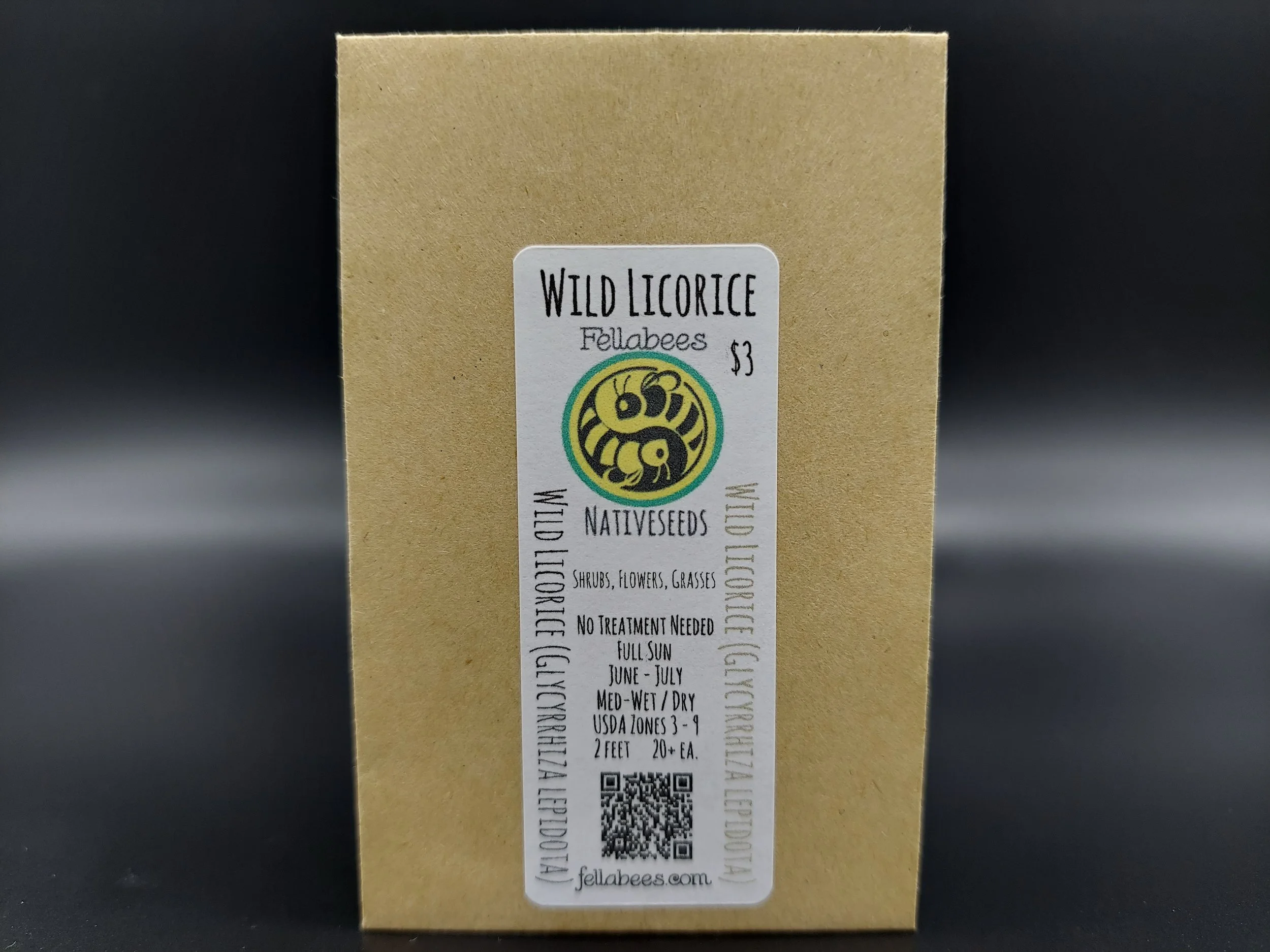
We pride ourselves on ethical, hands on, ecological management, using no mechanical or chemical methods whatsoever.
All of our native seed is hand reared, hand-picked, and hand packed from native prairies under our exclusive management, never breaking chain of custody from the field until it is sent to you. Each packet is hand prepared for shipment by us, directly.
Small seed species will contain greater than 20-25 seed
Large seed species will contain greater than 10-15 seed
All packets are individually marked at the bottom of the front label with expected count, however most if not all packets will have many more than the minimum count by default.
It is our mission to spread the wealth of native plant and pollinator ecological sustainability and educate back yard gardeners as well as corporate and government entities in how to germinate, grow, and benefit from native synergies.
Thank you for your support, it is because of you, that we can grow together to do, what we do. 🐛🦋🐝🐞🌾🌱🌼🧡
White Camas (Anticlea elegans)
Anticlea elegans is the scientific name for the species more commonly known as White Camas, Mountain Death Camas, Elegant Camas, Glaucous Death-Camas, or simply Death Camas. It is a Trillium relative in the flowering plant family Melanthiaceae. Three distinct subspecies are recognized: Anticlea elegans subsp. elegans, the type subspecies, together with Anticlea elegans subsp. glauca and Anticlea elegans subsp. vaginata. Anticlea elegans subsp. vaginata likely arose through a vicariance event at the end of the Pleistocene, and for the last 11,000+ years its populations are now genetically drifting apart. Glacial refugia in at least five U.S. states formerly hosted populations of Anticlea elegans subsp. glauca, although two of those populations are now extirpated (locally extinct). The species is native across most of North America, being absent only from California and the Baja California peninsula, the deep southeastern United States, and the far northern reaches of Canada.
Anticlea elegans typically features gracefully arching, lanceolate leaves that can grow up to about 24 inches long. The leaves are arranged in a neat rosette pattern, showcasing a bright green to slightly glaucous hue, with prominent, parallel venation that adds noticeable texture and structural interest to the foliage. The flowering season occurs in late spring to early summer, when the plant sends up slender, upright flower spikes that can reach heights of approximately 3 feet or a little more. Each spike is adorned with numerous small, tubular flowers that are usually white to pale lavender and open in succession. Anticlea elegans thrives in moist, shaded environments. It is commonly found in deciduous forests, along stream banks, and in other damp woodland areas. The plant prefers well-drained, rich, organic soils with a high moisture retention capacity, yet can tolerate moderate drought and dry seasons.
White Camas appears to have few documented pollinators aside from flies and the occasional butterfly, yet the species manages to be pollinated nonetheless, and it may be due to nocturnal moths that are immune to the plant’s toxicity. There is however one specialist Mining Bee of the Andrenidae family, known commonly as the Death Camas Bee (Andrena astragali) that is quite likely to be the only bee in modernity that can still tolerate the White Camas toxin, zygacine.
Zygacine is a steroidal alkaloid found in members of the genera Toxicoscordion, Zigadenus, Stenanthium, and Anticlea, all belonging to the family Melanthiaceae. These plants are commonly known and generally referred to as White or Death Camas, a name that reflects their toxic nature. Death camas is widespread across North America and often serves as the cause of accidental poisoning in outdoor enthusiasts and grazing livestock because it can resemble other edible, bulb-bearing plants such as Prairie Onion (Allium stellatum). Unlike true onions, however, the White Camas plant lacks the characteristic onion odor and has a distinctly bitter taste. Consumption of zygacine produces severe, often rapidly progressing symptoms and can be lethal.
The blossoms are attractive to a variety of pollinators, including bees, butterflies, moths and flies making the species a valuable component in native plantings and pollinator-friendly gardens. After flowering, Anticlea elegans produces small seed capsules that contain numerous tiny, flat seeds. These lightweight seeds are carried by the wind and can be scattered over surrounding areas, helping the plant to establish and propagate in suitable habitats.
The plants compounds make it exceptionally distasteful for deer and rabbit herbivory, making it an ideal plant near species that are more likely to be browsed within its preferred habitat.
Disclaimer: Do NOT consume, use, or otherwise handle any plant in nature without being absolutely sure of its toxicity or edibility, or by having the species properly identified by an expert on the species. You are solely responsible for your knowledge set, and any consequences of its lacking.
Plant Details:
USDA Zones: 3 - 7
Germination Needs: Needs 60 Days Cold-Moist Stratification. Does best when sown directly outdoors in fall.
Life Cycle: Perennial
Sun Exposure: Full to Partial
Soil Moisture: Medium-Wet, Medium, Medium-Dry, Dry
Plant Spacing: 1 -2 feet
Height: 3 feet
Bloom time: May, June
Bloom Color: White
Advantages:
Pollinator Favorite: butterflies, moths, bees, flies
Bird Favorite: seeds, insects, fruit, nectar, nesting, perches.
Deer Resistant: Yes, very.
Native to: Wisconsin, Minnesota, Iowa, Illinois, Michigan, Ohio, Pennsylvania, New York, Vermont, West Virginia, Virginia, Tennessee, North Carolina, Texas, Missouri, Nebraska, South Dakota, North Dakota, Montana, Wyoming, Colorado, New Mexico, Arizona, Utah, Nevada, Idaho, Washington State and Oregon.
This species is considered present but rare in several counties of the states of Illinois, Indiana, Ohio, Pennsylvania, West Virginia, North Carolina, Missouri, Texas and Washington State.
This species is considered to be extirpated (locally extinct) in several counties of the states of Vermont and Nebraska.
Seed Count: 20+
.
.
Packet quantities:
We pride ourselves on ethical, hands on, ecological management, using no mechanical or chemical methods whatsoever.
All of our native seed is hand reared, hand-picked, and hand packed from native prairies under our exclusive management, never breaking chain of custody from the field until it is sent to you. Each packet is hand prepared for shipment by us, directly.
Small seed species will contain greater than 20-25 seed
Large seed species will contain greater than 10-15 seed
All packets are individually marked at the bottom of the front label with expected count, however most if not all packets will have many more than the minimum count by default.
It is our mission to spread the wealth of native plant and pollinator ecological sustainability and educate back yard gardeners as well as corporate and government entities in how to germinate, grow, and benefit from native synergies.
Thank you for your support, it is because of you, that we can grow together to do, what we do. 🐛🦋🐝🐞🌾🌱🌼🧡
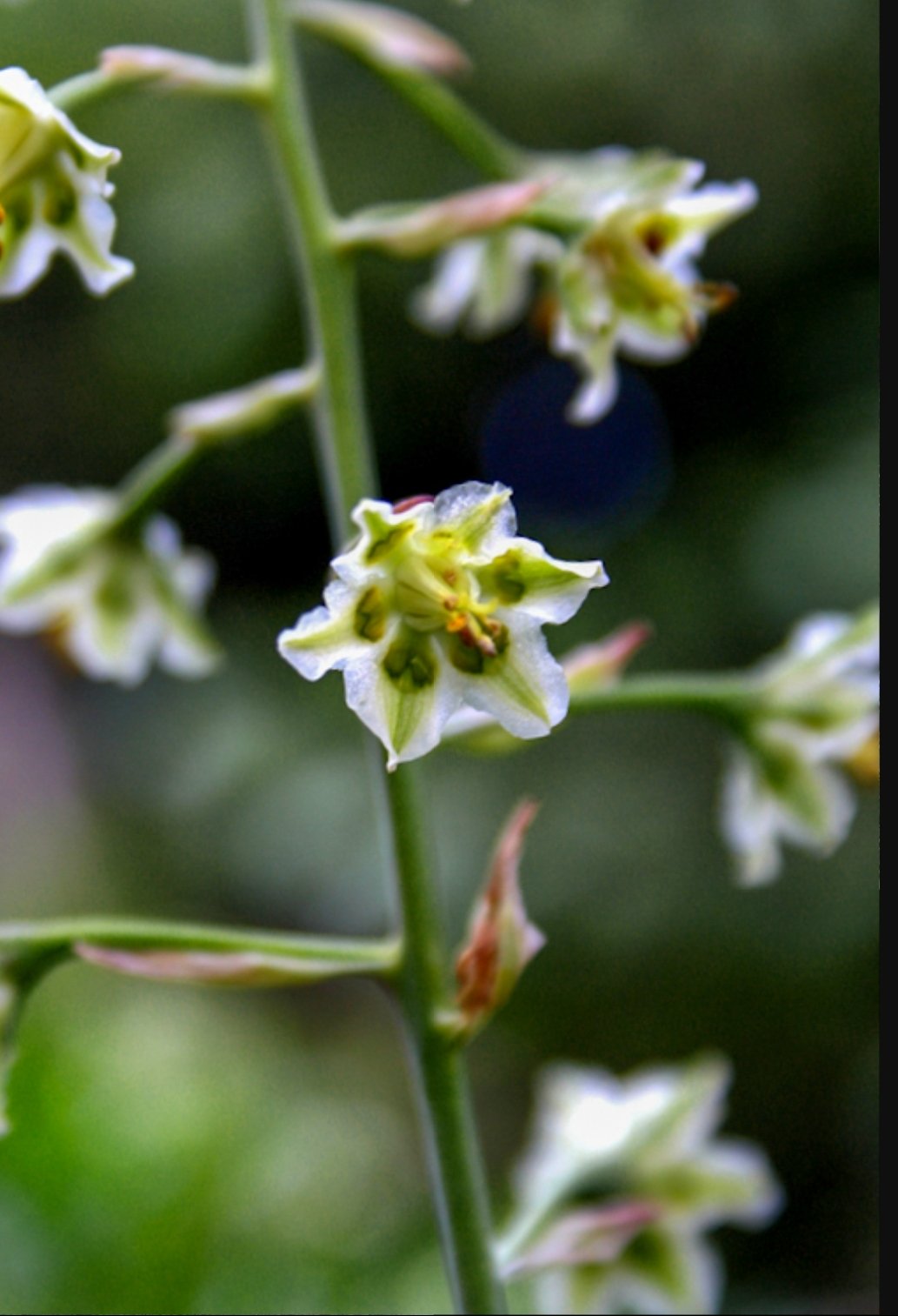 Image 1 of 6
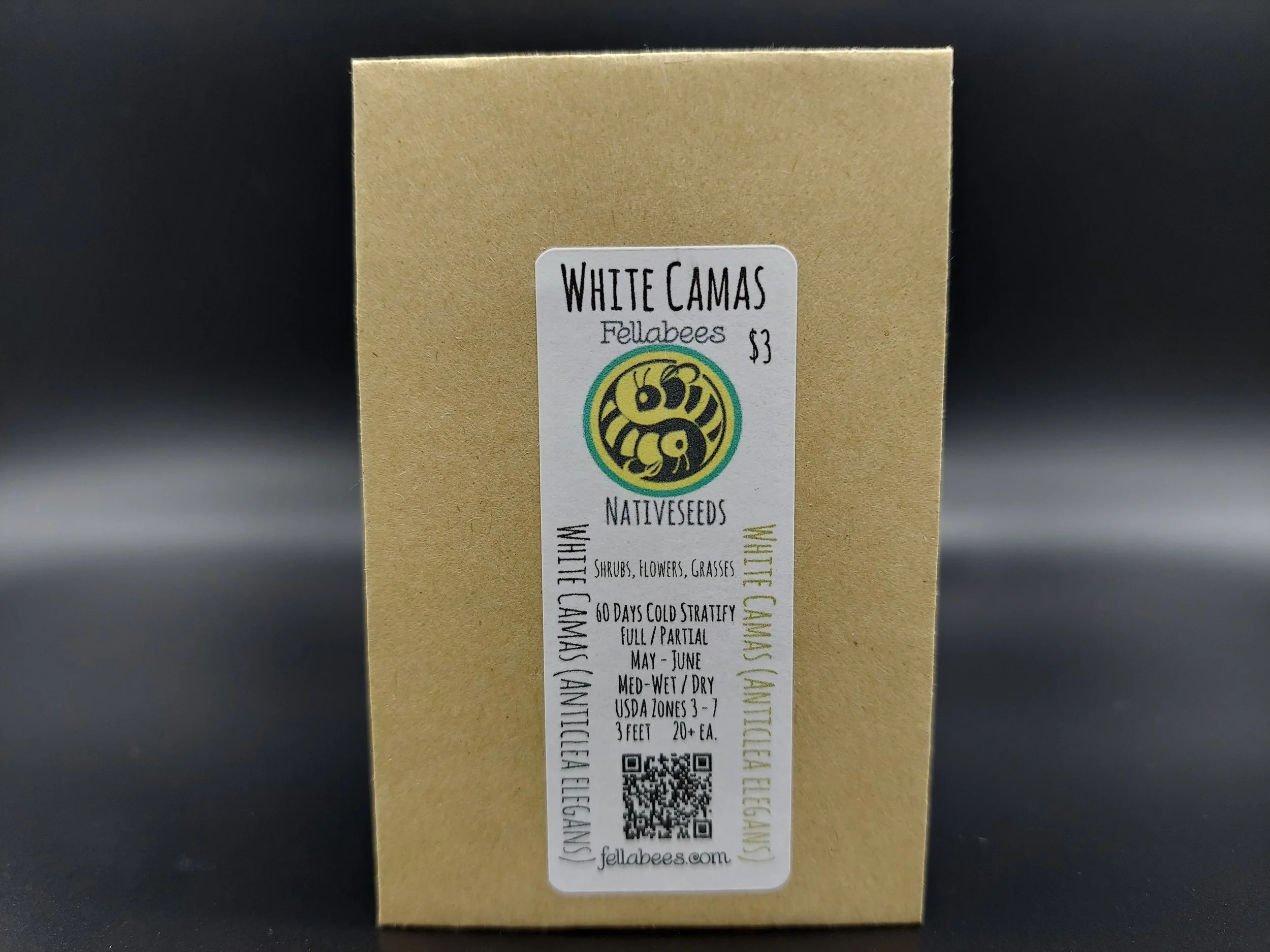 Image 2 of 6
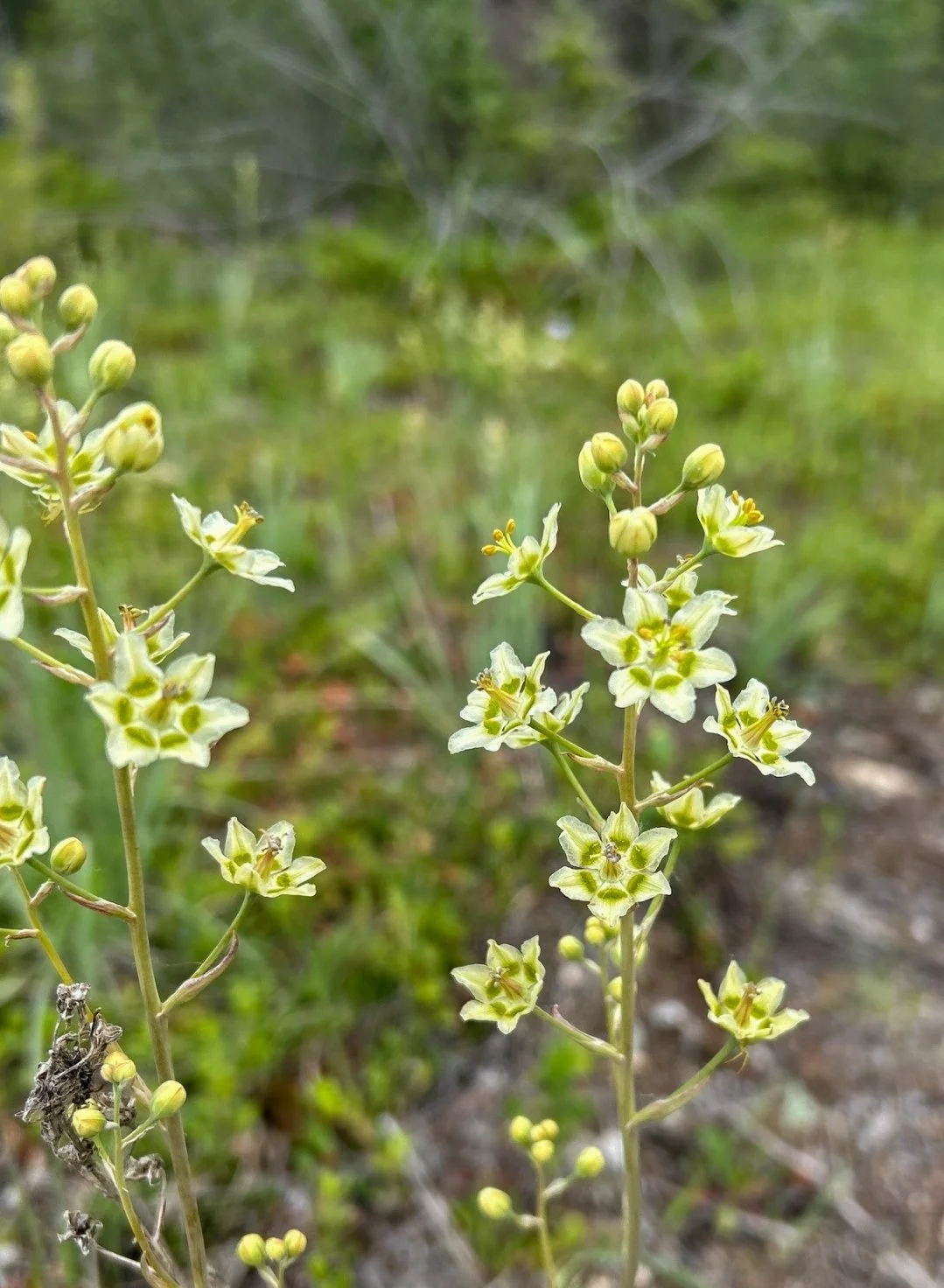 Image 3 of 6
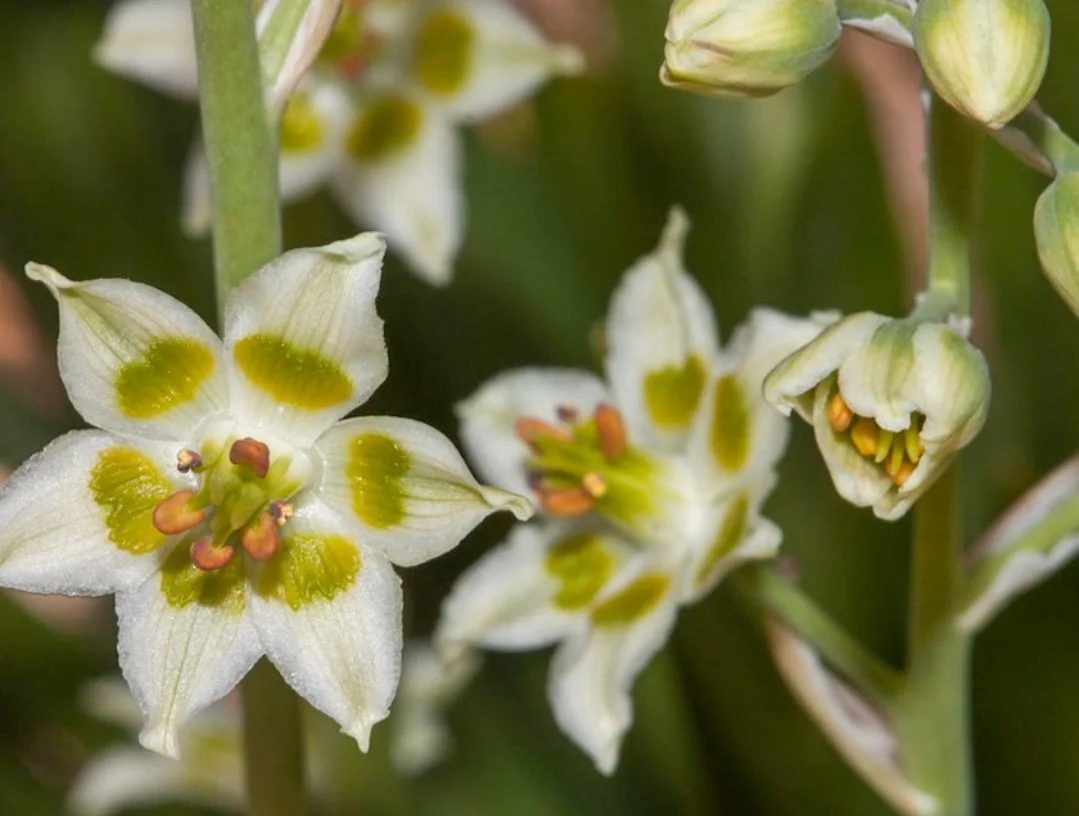 Image 4 of 6
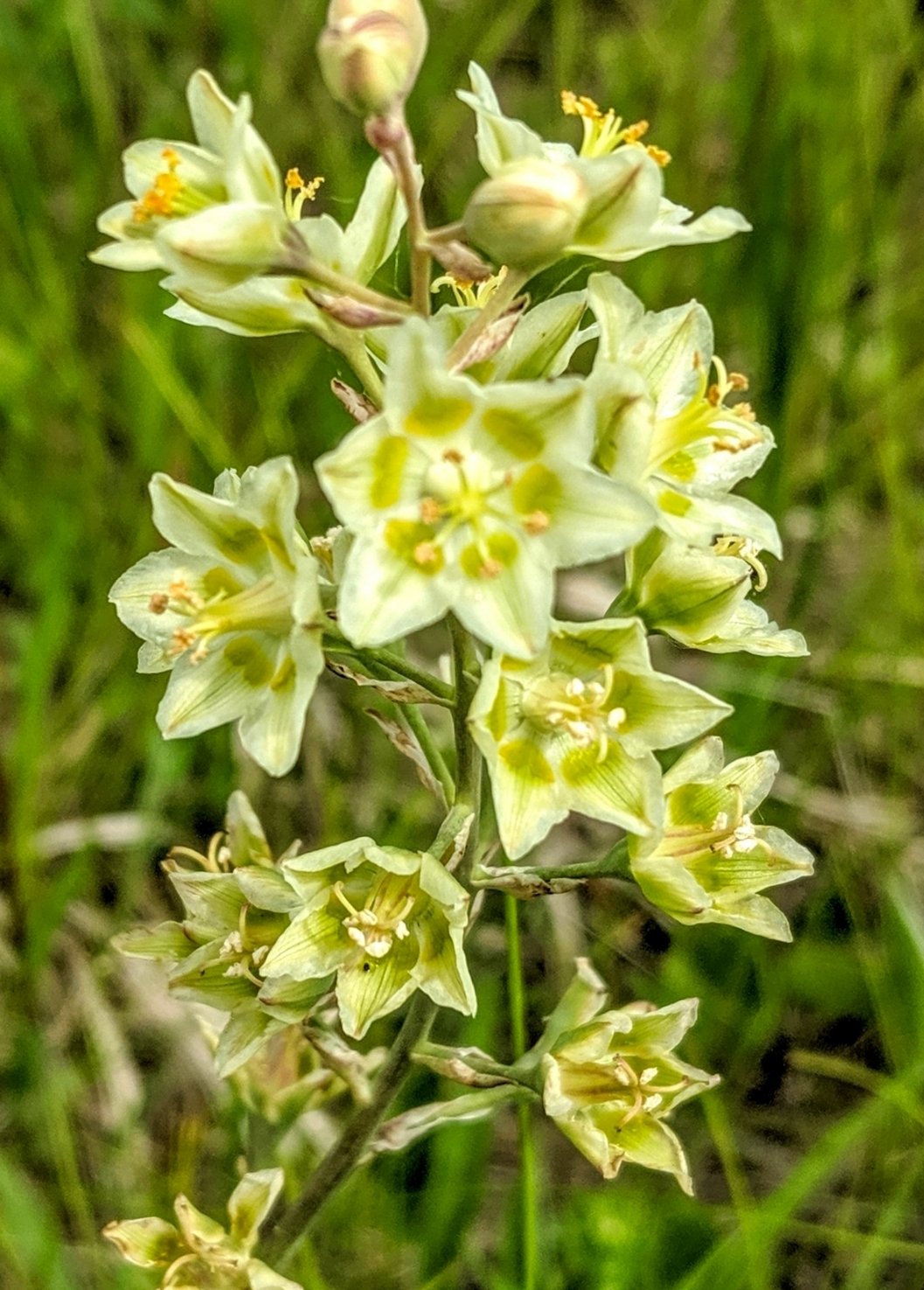 Image 5 of 6
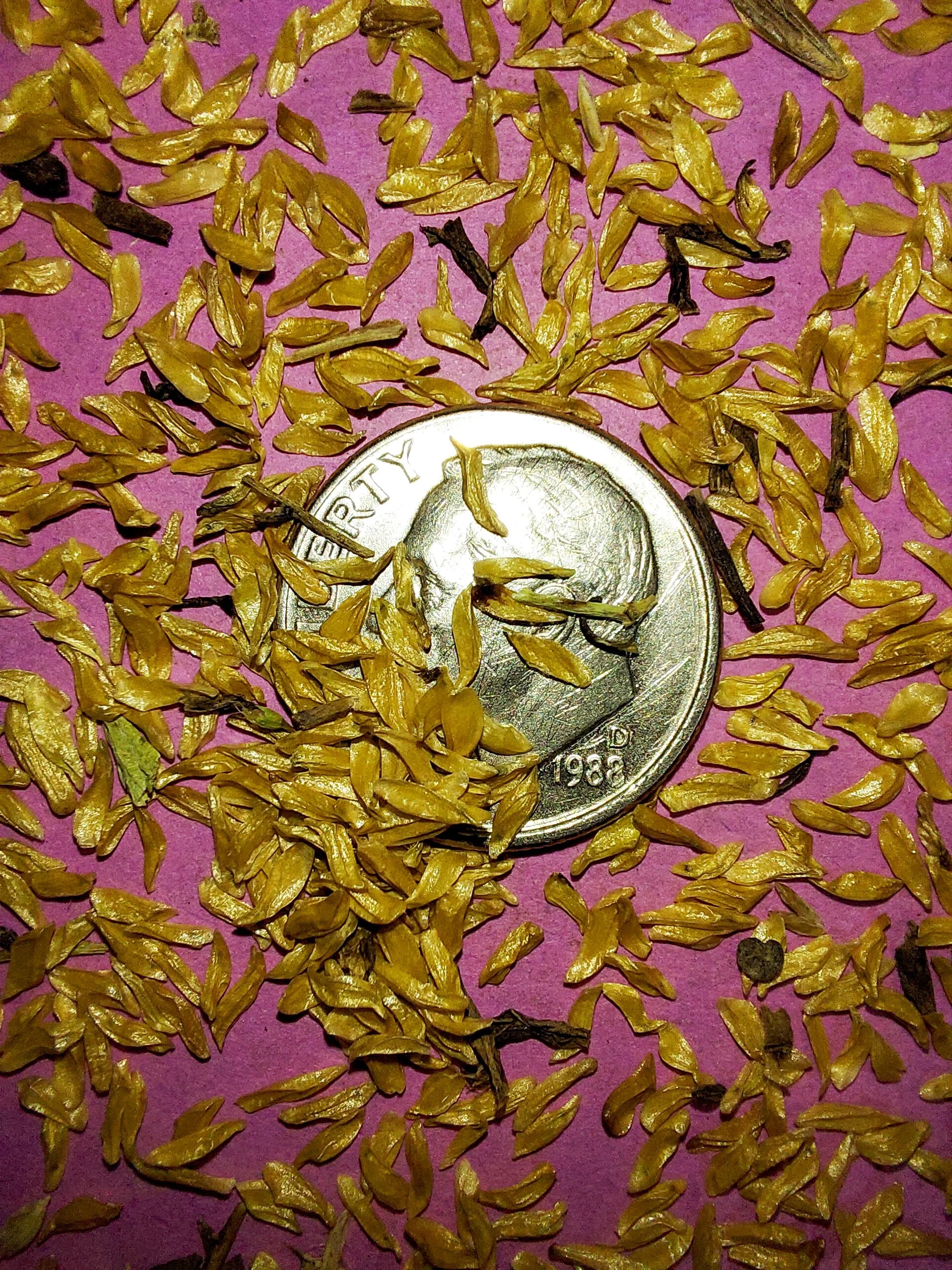 Image 6 of 6