Sale Price:
$1.50
Original Price:
$3.00
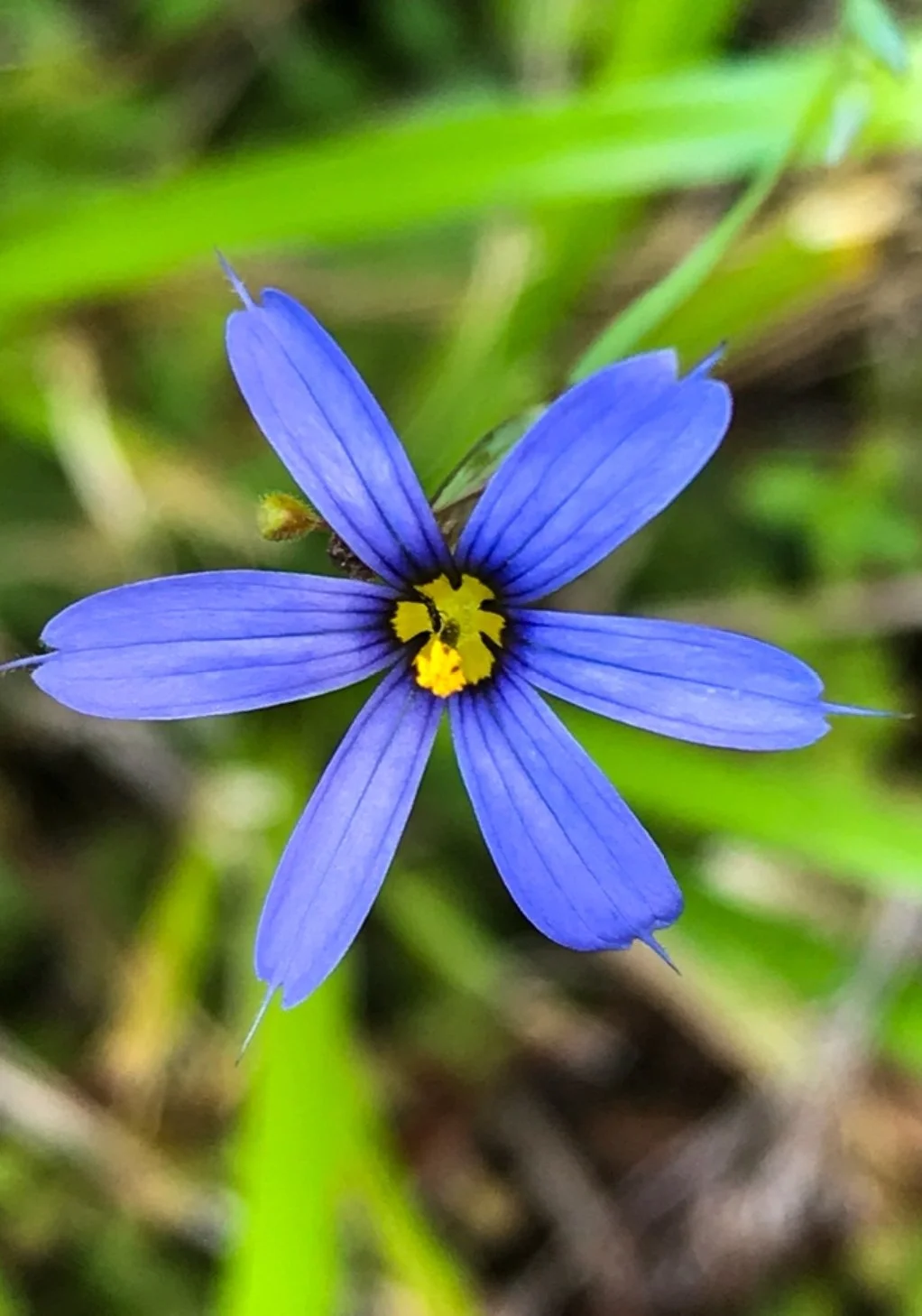
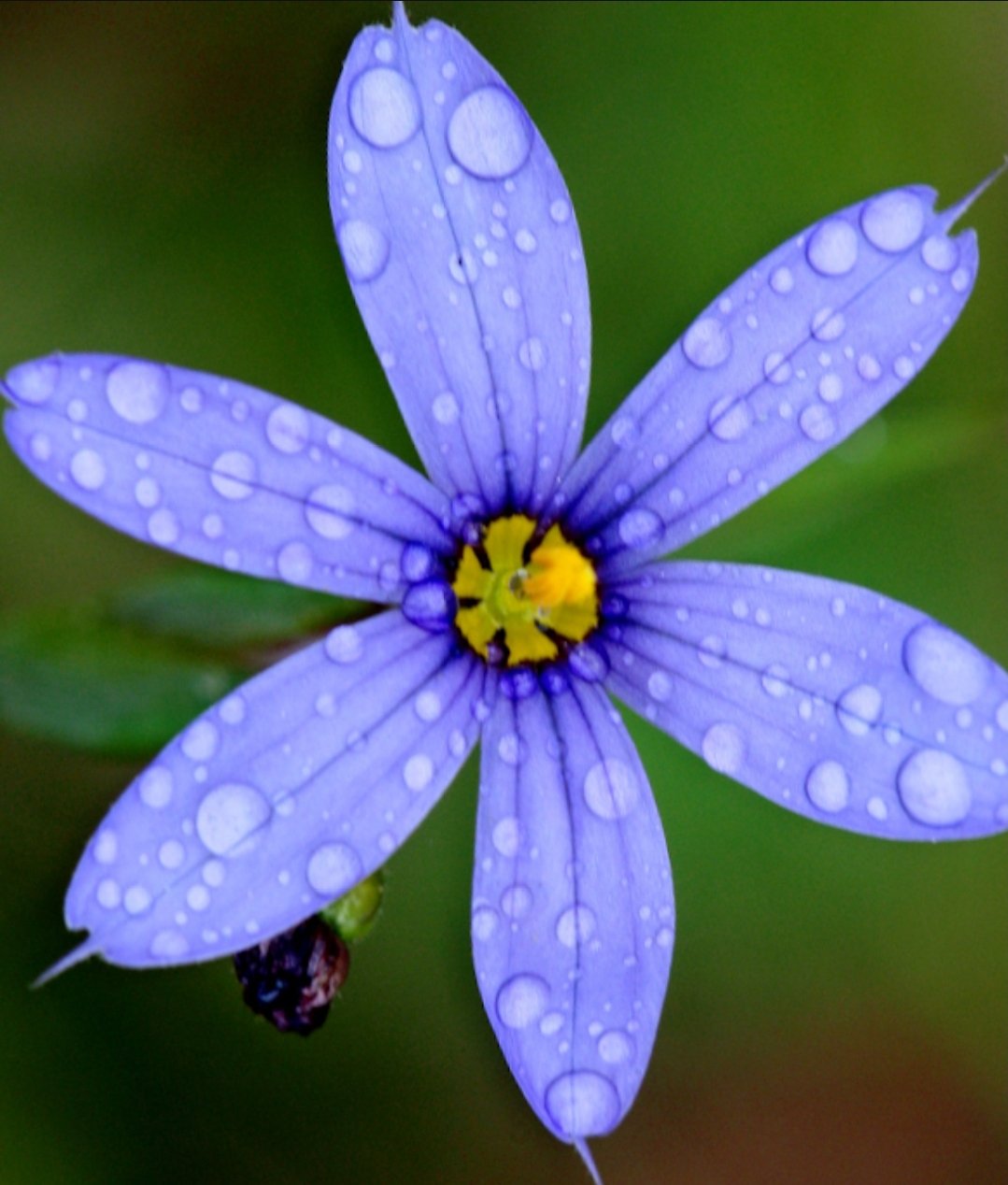
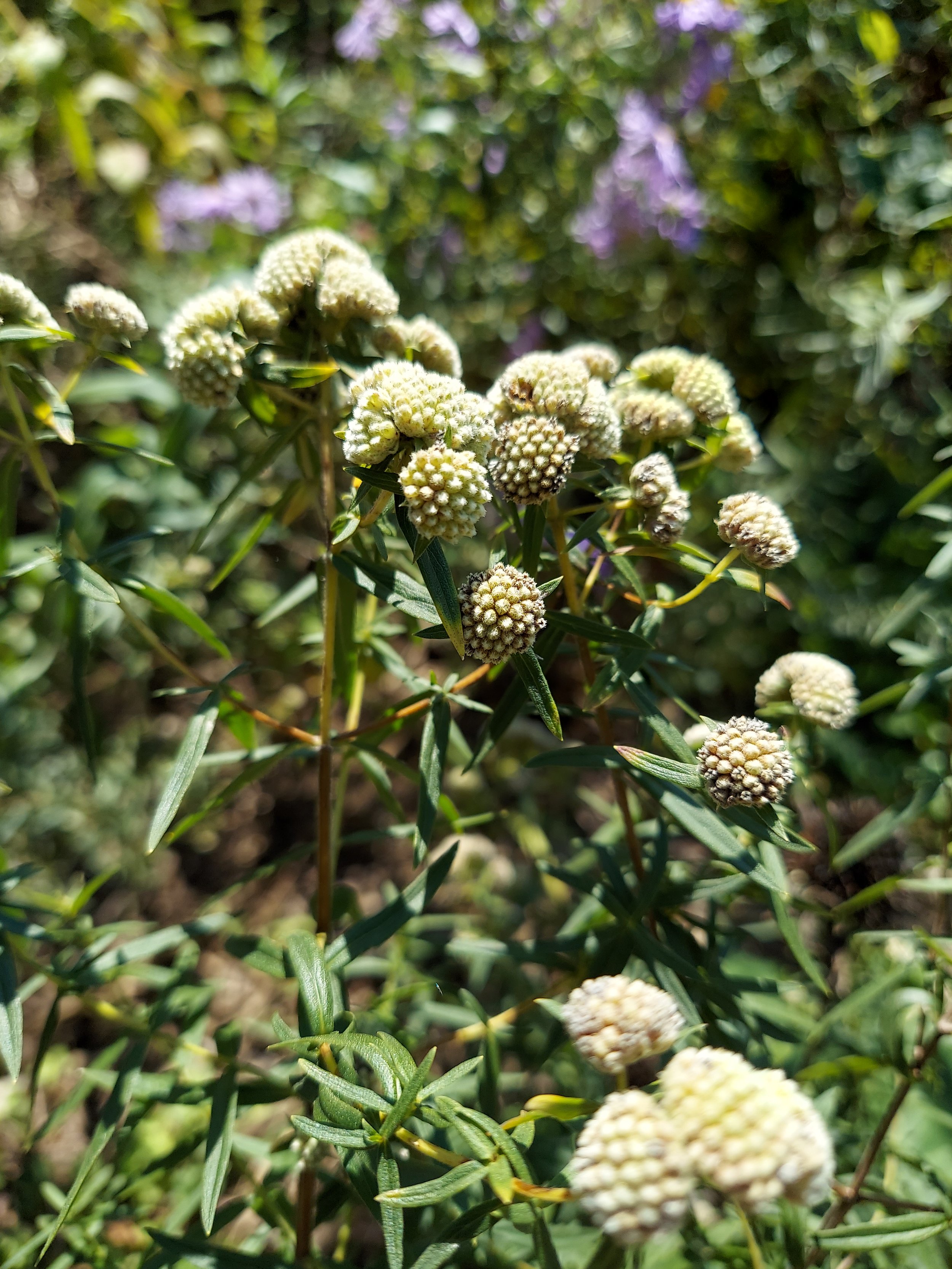
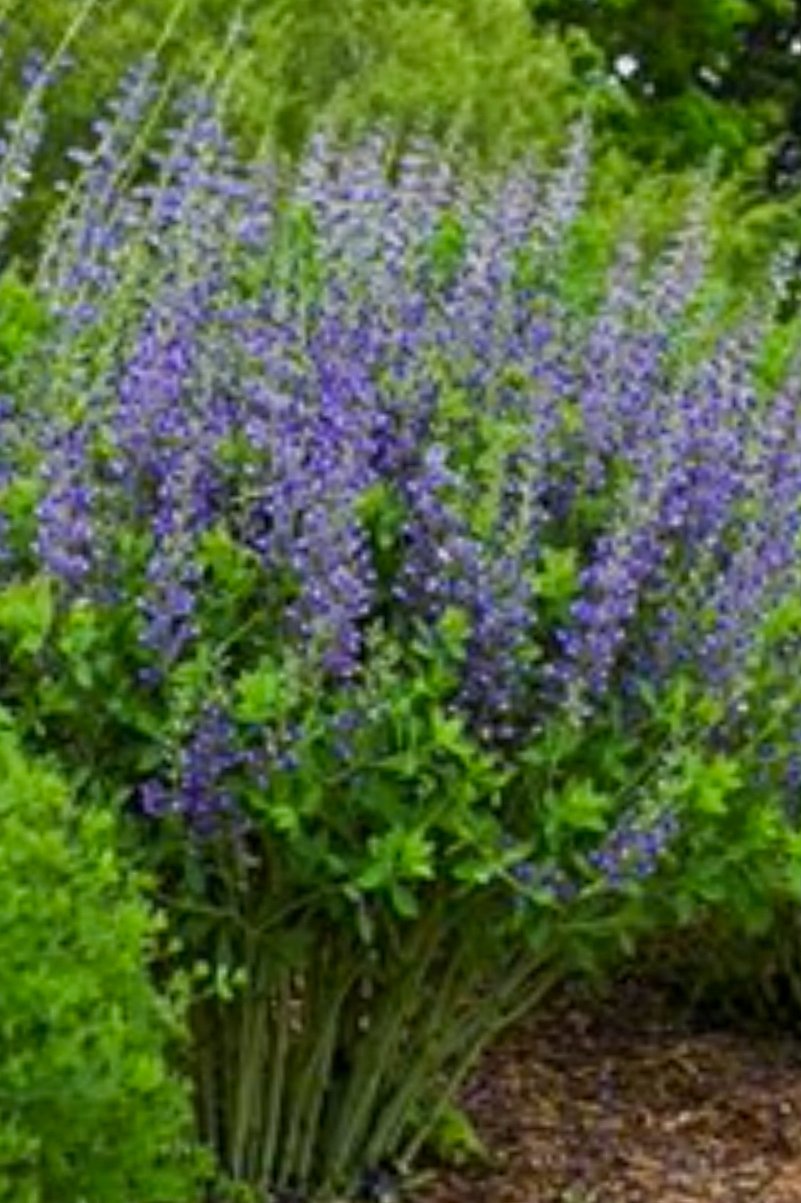
Willow Aster (Symphyotrichum praealtum)
Symphyotrichum praealtum is the scientific name for the native species more commonly known as Willow Aster or Willowleaf Aster, and is a perennial wildflower of the aster family (Asteraceae).
Characterized by its narrow, willow-like leaves and clusters of daisy-like, lavender to pale purple flower heads that bloom in late summer to autumn. Beyond its attractive form and extended fall bloom, Willow Aster provides notable ecological benefits and supports a diverse suite of wildlife.
Ecological benefits
Late-season nectar and pollen source: Blooming into fall, Willow Aster supplies vital nectar and pollen when many other floral resources have declined. This timing helps sustain migratory and resident pollinators during a critical period for fattening, reproduction, and overwinter preparation.
Pollinator network support: By extending the flowering calendar, Willow Aster helps maintain continuity in local pollinator foraging networks, reducing temporal resource gaps that can stress insect populations.
Soil stabilization and low maintenance: As a perennial with fibrous roots, Willow Aster contributes to soil structure and erosion control on slopes and prairie restorations, requiring minimal inputs once established and fitting well into low-maintenance, native plantings.
Biodiversity enhancement: Incorporating Willow Aster into restorations, prairie mixes, and naturalized landscapes increases plant species diversity and structural heterogeneity, which in turn supports more resilient ecological communities and improves habitat quality for multiple trophic levels.
Pollination services and ecosystem function: By supporting pollinators, Willow Aster indirectly aids pollination of nearby native plants, contributing to broader ecosystem services such as fruit set and seed production across the landscape.
Faunal associations
Bees: Willow Aster is visited by a wide range of native bees, including bumble bees (Bombus spp.), solitary bees (e.g., Andrena and Halictidae species). Its late-season blooms are especially important for bees building reserves before winter or during migration.
Butterflies and moths: Adult butterflies and some moth species visit Willow Aster for nectar. It can be an important fuel stop for migrating monarchs and other long-distance flyers on autumnal journeys.
Other pollinators: Hoverflies (Syrphidae), wasps, and various fly species commonly forage on the composite flower heads for nectar and pollen, contributing to pollination and food-web dynamics.
Herbivores and seed eaters: While not typically a preferred forage plant for large herbivores, small mammals and birds may consume seeds or use the plant for cover. Seed-feeding insects and caterpillars may also use it at various life stages.
Predators and parasitoids: By attracting a broad assemblage of herbivores and pollinators, Willow Aster supports predators (e.g., spiders, predatory beetles) and parasitoid wasps, enhancing biological control agents within native plantings and restorations.
Habitat and shelter: The plant’s upright stems and foliage provide microhabitat and shelter for insects and small invertebrates, and its presence in mixed stands contributes to the structural diversity used by ground-nesting bees and other invertebrates.
Planting considerations for ecological value
Site selection: Willow Aster prefers full sun to partial shade and well-drained soils; placing it where blooms will be accessible to pollinators maximizes its value.
Mixes and companions: Pairing Willow Aster with summer- and fall-blooming natives (e.g., goldenrods, late-blooming Rudbeckia, and native grasses) creates continuous floral resources and structural diversity attractive to a wider range of fauna.
Pesticide avoidance: Minimizing or eliminating pesticide use in plantings that include Willow Aster preserves the beneficial insects it supports and maintains ecological function.
Management: Allowing plants to remain through fall and into winter (leaving seedheads until spring) benefits birds and overwintering insects; periodic cutting back in late winter or early spring supports healthy perennial cycles without disrupting habitat for overwintering organisms.
In restoration, prairie, and pollinator-friendly gardens, Symphyotrichum praealtum functions as a late-season keystone resource, bridging seasonal resource gaps, supporting diverse pollinator communities, and contributing to resilient, functioning ecosystems.
Plant Details
USDA Zones: 3-9
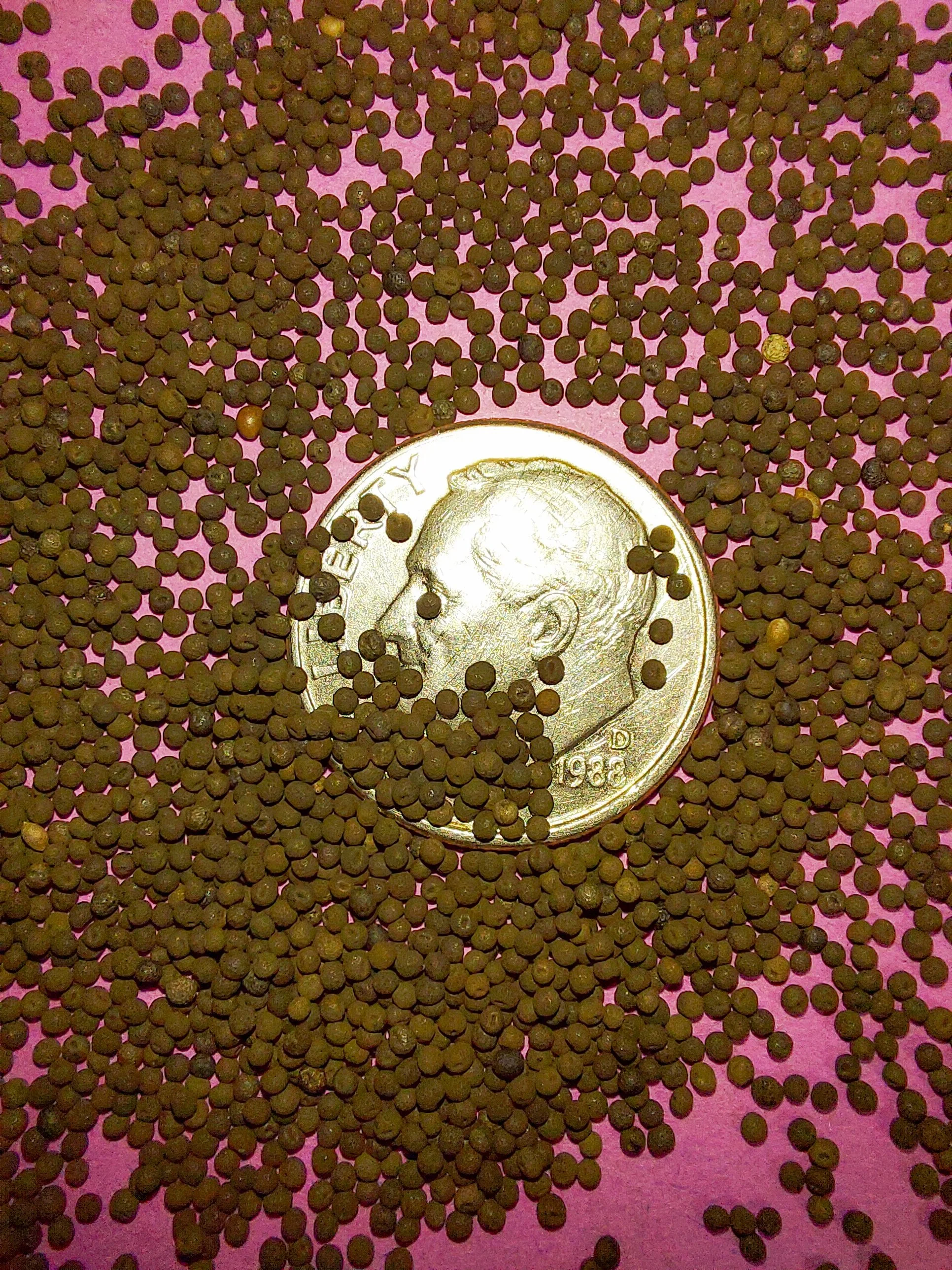
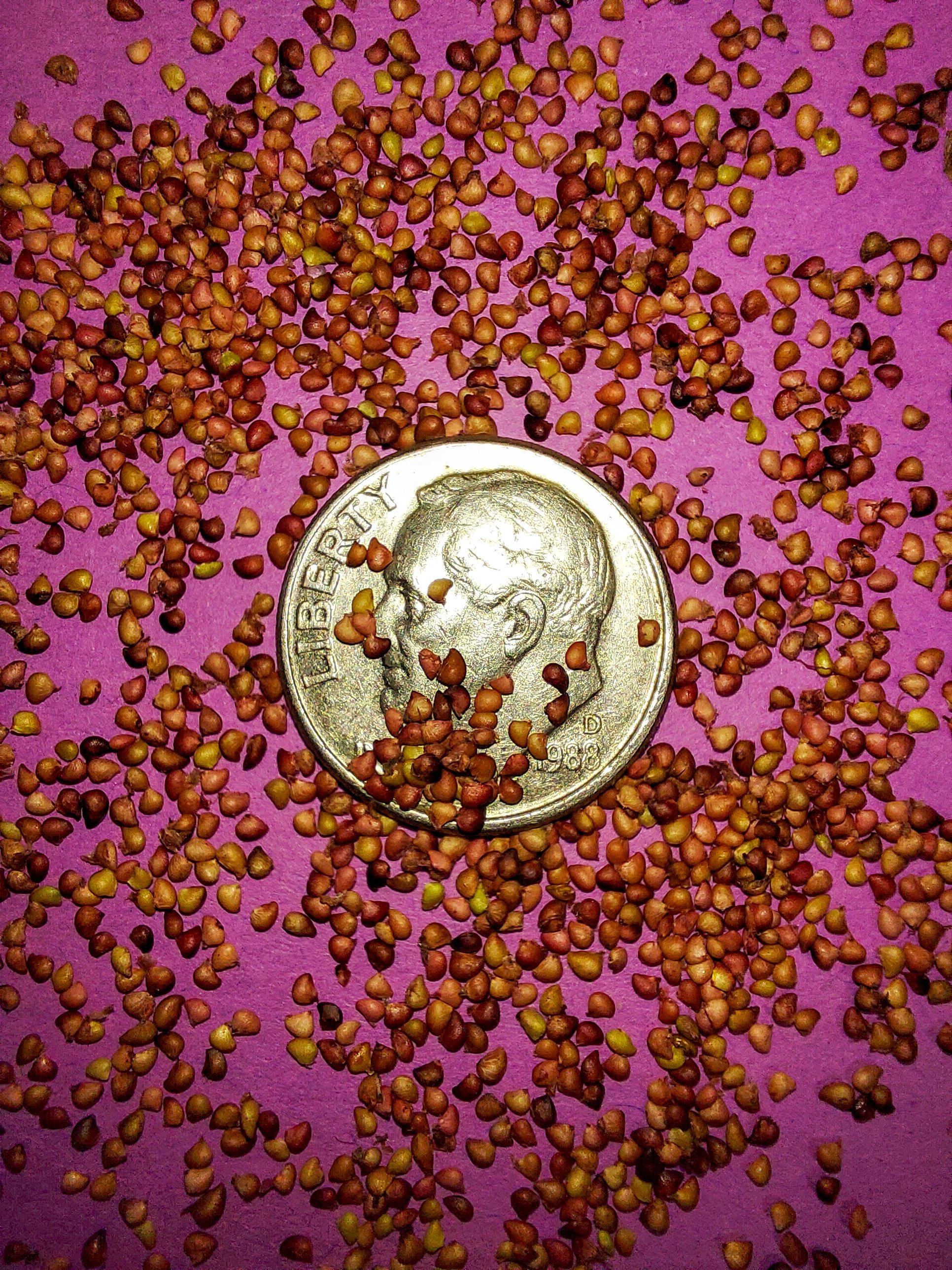
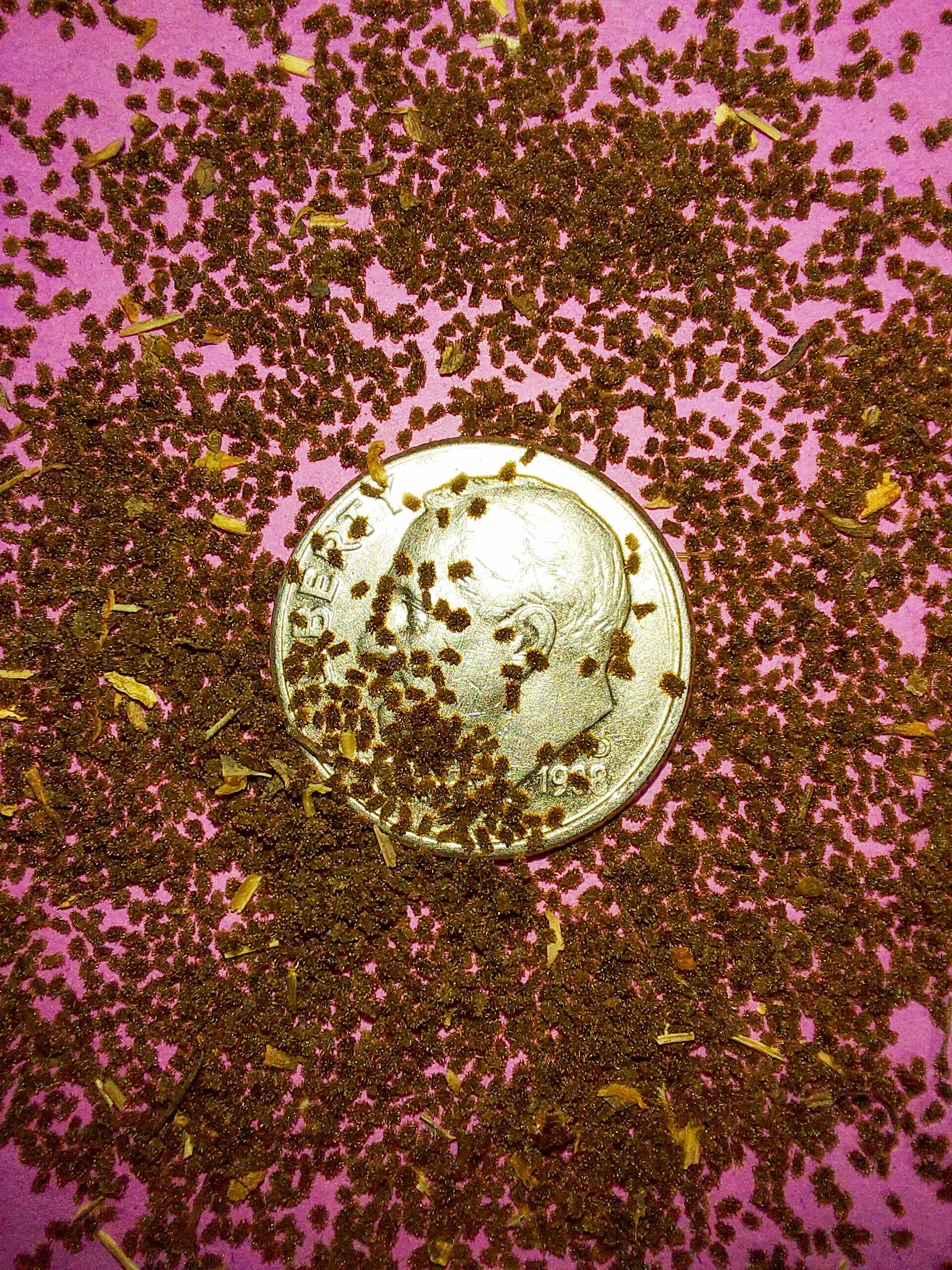
Germination Needs: 30 Days Cold Stratification, Seeds are small and requires light to germinate. Surface sow and bottom water.
Life Cycle: Perennial
Sun Exposure: Full to Partial
Soil Moisture: Wet, Medium-Wet, Medium
Plant Spacing: 2-3 feet
Height: 3 feet
Bloom time: September, October
Bloom Color: Blue
Advantages :
Pollinator Favorite: butterflies, moths, bees, wasps, beetles
Bird Favorite: seeds, insects, fruit, nectar, nesting, perches.
Deer Resistant: No
Native to: Wisconsin, Minnesota, Iowa, Illinois, Indiana, Michigan, Ohio, Pennsylvania, New York, New Hampshire, Massachusetts, Connecticut, New Jersey, Maryland, West Virginia, Virginia, Kentucky, Tennessee, Georgia, Florida, Alabama, Mississippi, Louisiana, Arkansas, Missouri, Texas, Oklahoma, Kansas, Nebraska, South Dakota, North Dakota, Colorado, and New Mexico.
Thisplant is considered present but rare in several counties of the states of Michigan, Pennsylvania, Massachusetts, Maryland, West Virginia, Tennessee, Georgia, Florida, Colorado and South Dakota.
.
.
Packet quantities:
We pride ourselves on ethical, hands on, ecological management, using no mechanical or chemical methods whatsoever.
All of our native seed is hand reared, hand picked, and hand packed from native prairies under our exclusive management, never breaking chain of custody from the field until it is sent to you. Each packet is hand prepared for shipment by us, directly.
Small seed species will contain greater than 20-25 seed
Large seed species will contain greater than 10-15 seed
All packets are individually marked at the bottom of the front label with expected count, however most if not all packets will have many more than the minimum count by default.
It is our mission to spread the wealth of native plant and pollinator ecological sustainability, and educate back yard gardeners as well as corporate and government entities in how to germinate, grow, and benefit from native synergies.
Thank you for your support, it is because of you, that we can grow together to do, what we do.🐛🦋🐝🐞🌾🌱🌼🧡
Willow Aster (Symphyotrichum praealtum)
Symphyotrichum praealtum is the scientific name for the native species more commonly known as Willow Aster or Willowleaf Aster, and is a perennial wildflower of the aster family (Asteraceae).
Characterized by its narrow, willow-like leaves and clusters of daisy-like, lavender to pale purple flower heads that bloom in late summer to autumn. Beyond its attractive form and extended fall bloom, Willow Aster provides notable ecological benefits and supports a diverse suite of wildlife.
Ecological benefits
Late-season nectar and pollen source: Blooming into fall, Willow Aster supplies vital nectar and pollen when many other floral resources have declined. This timing helps sustain migratory and resident pollinators during a critical period for fattening, reproduction, and overwinter preparation.
Pollinator network support: By extending the flowering calendar, Willow Aster helps maintain continuity in local pollinator foraging networks, reducing temporal resource gaps that can stress insect populations.
Soil stabilization and low maintenance: As a perennial with fibrous roots, Willow Aster contributes to soil structure and erosion control on slopes and prairie restorations, requiring minimal inputs once established and fitting well into low-maintenance, native plantings.
Biodiversity enhancement: Incorporating Willow Aster into restorations, prairie mixes, and naturalized landscapes increases plant species diversity and structural heterogeneity, which in turn supports more resilient ecological communities and improves habitat quality for multiple trophic levels.
Pollination services and ecosystem function: By supporting pollinators, Willow Aster indirectly aids pollination of nearby native plants, contributing to broader ecosystem services such as fruit set and seed production across the landscape.
Faunal associations
Bees: Willow Aster is visited by a wide range of native bees, including bumble bees (Bombus spp.), solitary bees (e.g., Andrena and Halictidae species). Its late-season blooms are especially important for bees building reserves before winter or during migration.
Butterflies and moths: Adult butterflies and some moth species visit Willow Aster for nectar. It can be an important fuel stop for migrating monarchs and other long-distance flyers on autumnal journeys.
Other pollinators: Hoverflies (Syrphidae), wasps, and various fly species commonly forage on the composite flower heads for nectar and pollen, contributing to pollination and food-web dynamics.
Herbivores and seed eaters: While not typically a preferred forage plant for large herbivores, small mammals and birds may consume seeds or use the plant for cover. Seed-feeding insects and caterpillars may also use it at various life stages.
Predators and parasitoids: By attracting a broad assemblage of herbivores and pollinators, Willow Aster supports predators (e.g., spiders, predatory beetles) and parasitoid wasps, enhancing biological control agents within native plantings and restorations.
Habitat and shelter: The plant’s upright stems and foliage provide microhabitat and shelter for insects and small invertebrates, and its presence in mixed stands contributes to the structural diversity used by ground-nesting bees and other invertebrates.
Planting considerations for ecological value
Site selection: Willow Aster prefers full sun to partial shade and well-drained soils; placing it where blooms will be accessible to pollinators maximizes its value.
Mixes and companions: Pairing Willow Aster with summer- and fall-blooming natives (e.g., goldenrods, late-blooming Rudbeckia, and native grasses) creates continuous floral resources and structural diversity attractive to a wider range of fauna.
Pesticide avoidance: Minimizing or eliminating pesticide use in plantings that include Willow Aster preserves the beneficial insects it supports and maintains ecological function.
Management: Allowing plants to remain through fall and into winter (leaving seedheads until spring) benefits birds and overwintering insects; periodic cutting back in late winter or early spring supports healthy perennial cycles without disrupting habitat for overwintering organisms.
In restoration, prairie, and pollinator-friendly gardens, Symphyotrichum praealtum functions as a late-season keystone resource, bridging seasonal resource gaps, supporting diverse pollinator communities, and contributing to resilient, functioning ecosystems.
Plant Details
USDA Zones: 3-9
Germination Needs: 30 Days Cold Stratification, Seeds are small and requires light to germinate. Surface sow and bottom water.
Life Cycle: Perennial
Sun Exposure: Full to Partial
Soil Moisture: Wet, Medium-Wet, Medium
Plant Spacing: 2-3 feet
Height: 3 feet
Bloom time: September, October
Bloom Color: Blue
Advantages :
Pollinator Favorite: butterflies, moths, bees, wasps, beetles
Bird Favorite: seeds, insects, fruit, nectar, nesting, perches.
Deer Resistant: No
Native to: Wisconsin, Minnesota, Iowa, Illinois, Indiana, Michigan, Ohio, Pennsylvania, New York, New Hampshire, Massachusetts, Connecticut, New Jersey, Maryland, West Virginia, Virginia, Kentucky, Tennessee, Georgia, Florida, Alabama, Mississippi, Louisiana, Arkansas, Missouri, Texas, Oklahoma, Kansas, Nebraska, South Dakota, North Dakota, Colorado, and New Mexico.
Thisplant is considered present but rare in several counties of the states of Michigan, Pennsylvania, Massachusetts, Maryland, West Virginia, Tennessee, Georgia, Florida, Colorado and South Dakota.
.
.
Packet quantities:
We pride ourselves on ethical, hands on, ecological management, using no mechanical or chemical methods whatsoever.
All of our native seed is hand reared, hand picked, and hand packed from native prairies under our exclusive management, never breaking chain of custody from the field until it is sent to you. Each packet is hand prepared for shipment by us, directly.
Small seed species will contain greater than 20-25 seed
Large seed species will contain greater than 10-15 seed
All packets are individually marked at the bottom of the front label with expected count, however most if not all packets will have many more than the minimum count by default.
It is our mission to spread the wealth of native plant and pollinator ecological sustainability, and educate back yard gardeners as well as corporate and government entities in how to germinate, grow, and benefit from native synergies.
Thank you for your support, it is because of you, that we can grow together to do, what we do.🐛🦋🐝🐞🌾🌱🌼🧡
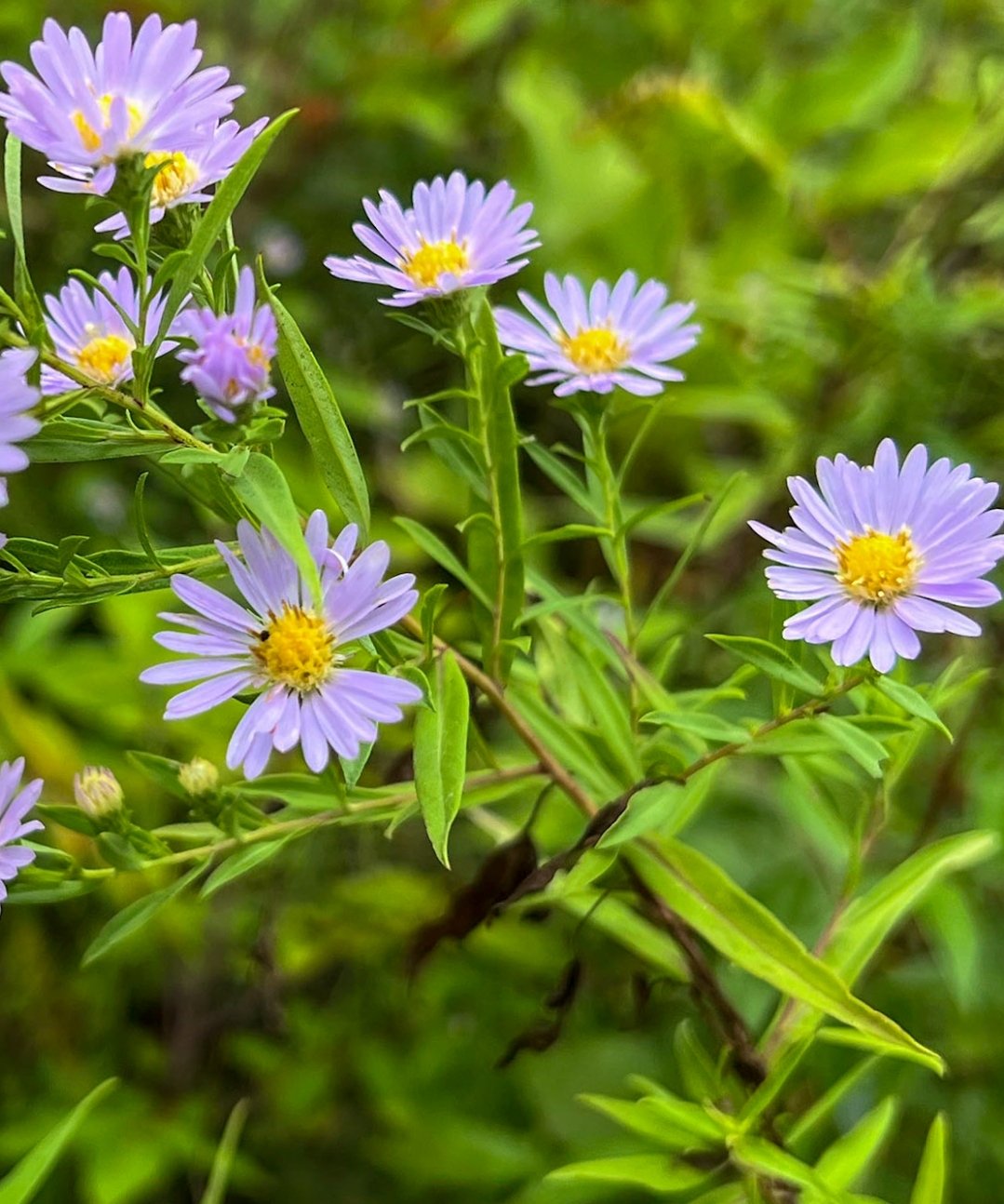 Image 1 of 5
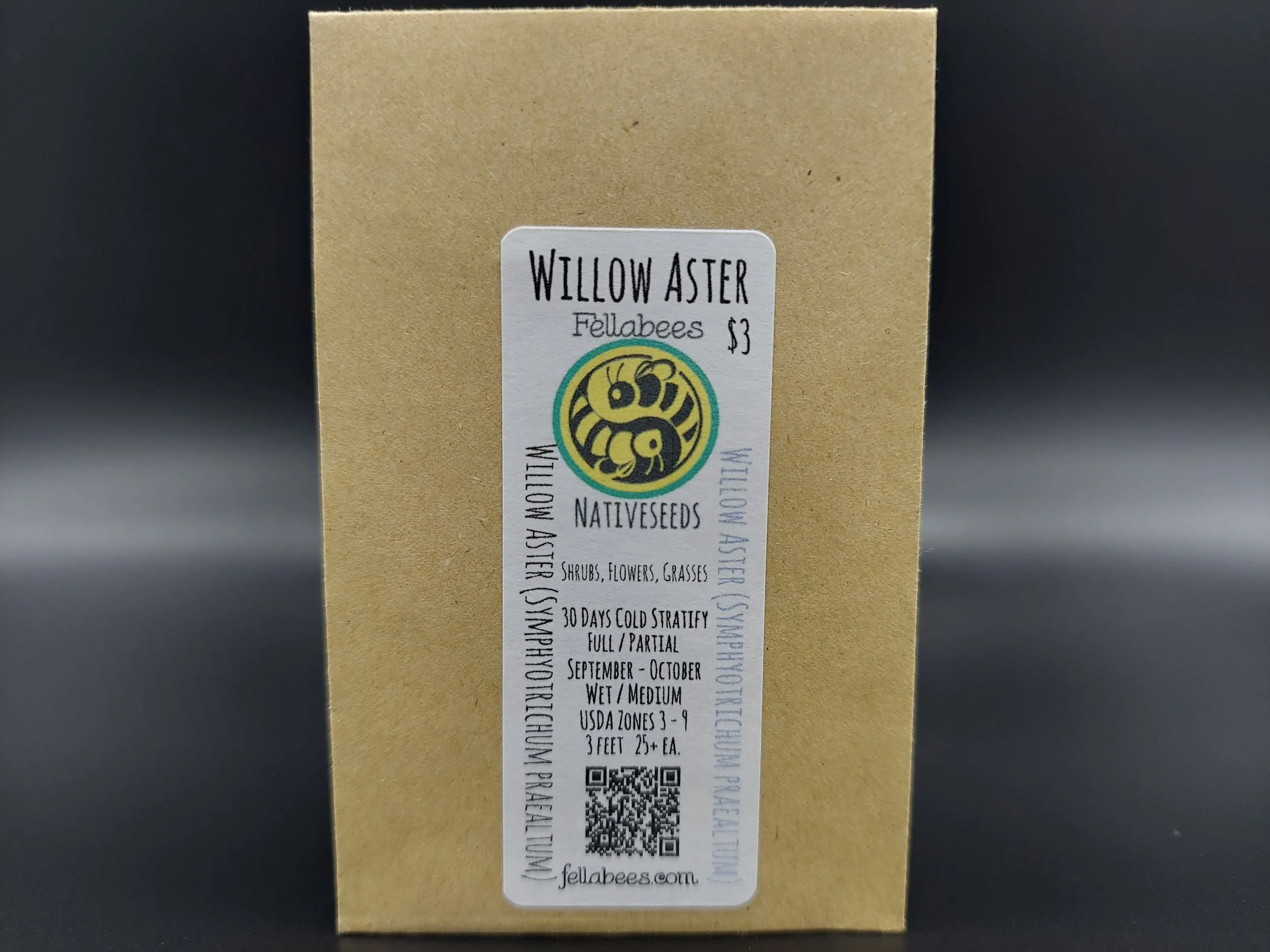 Image 2 of 5
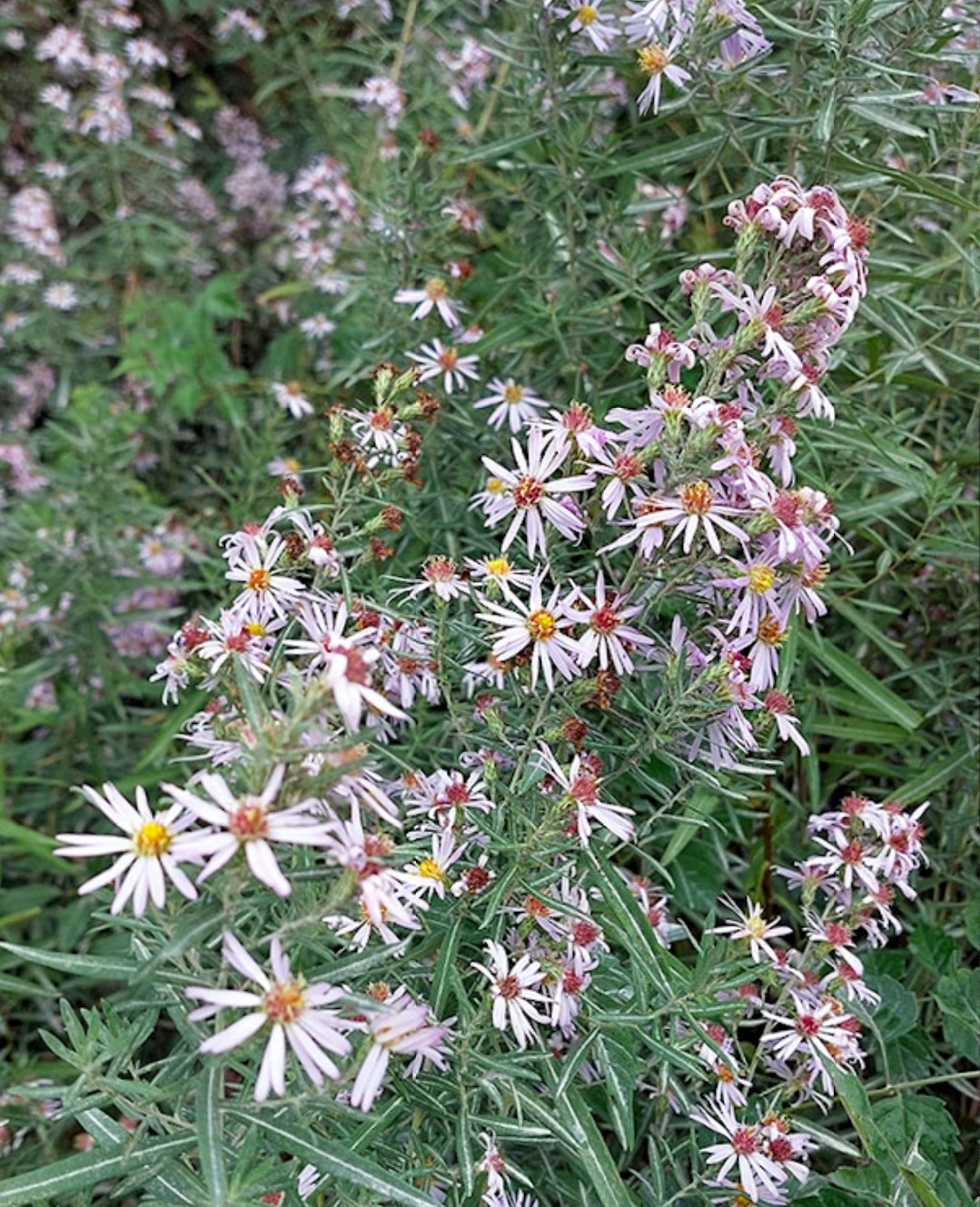 Image 3 of 5
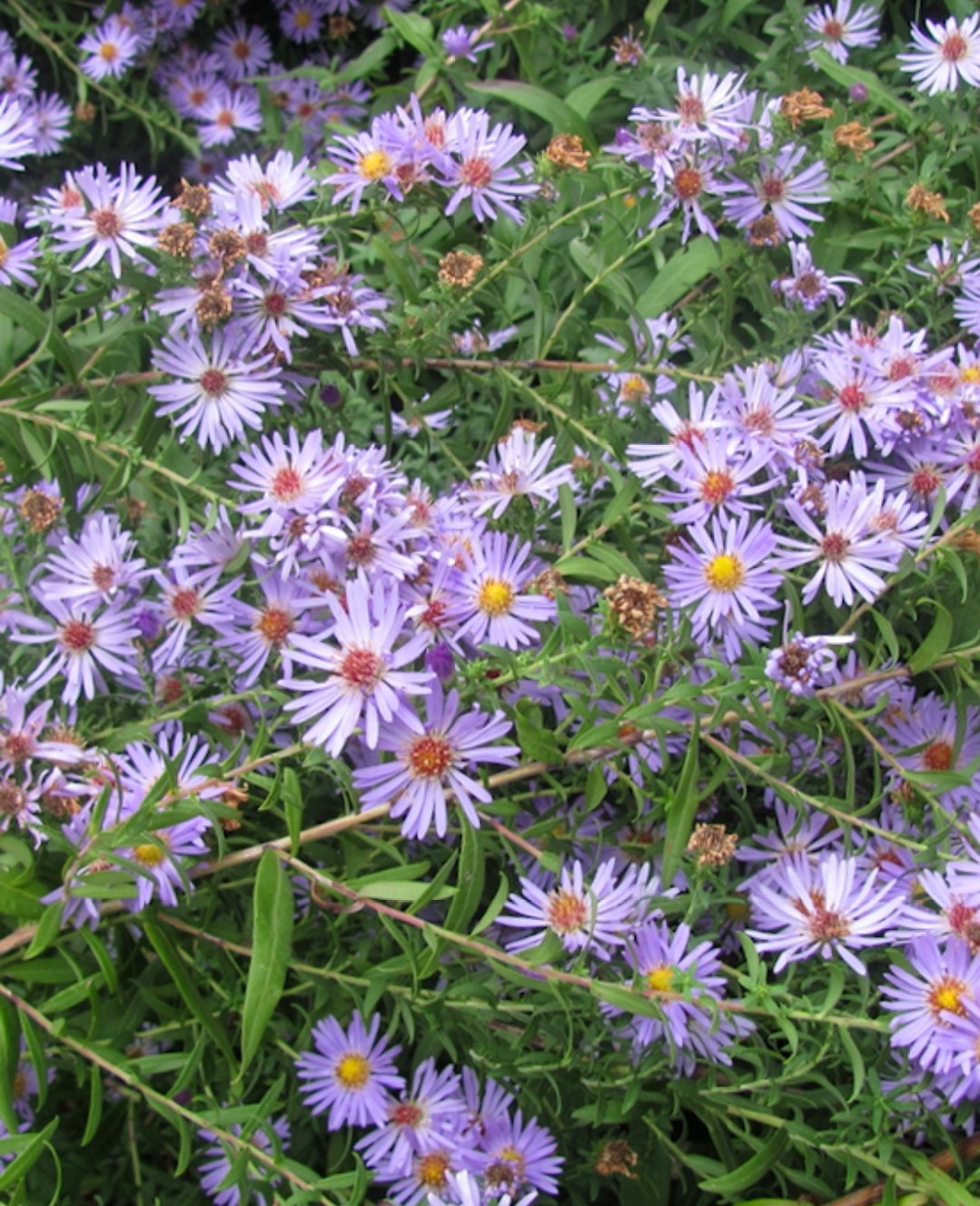 Image 4 of 5
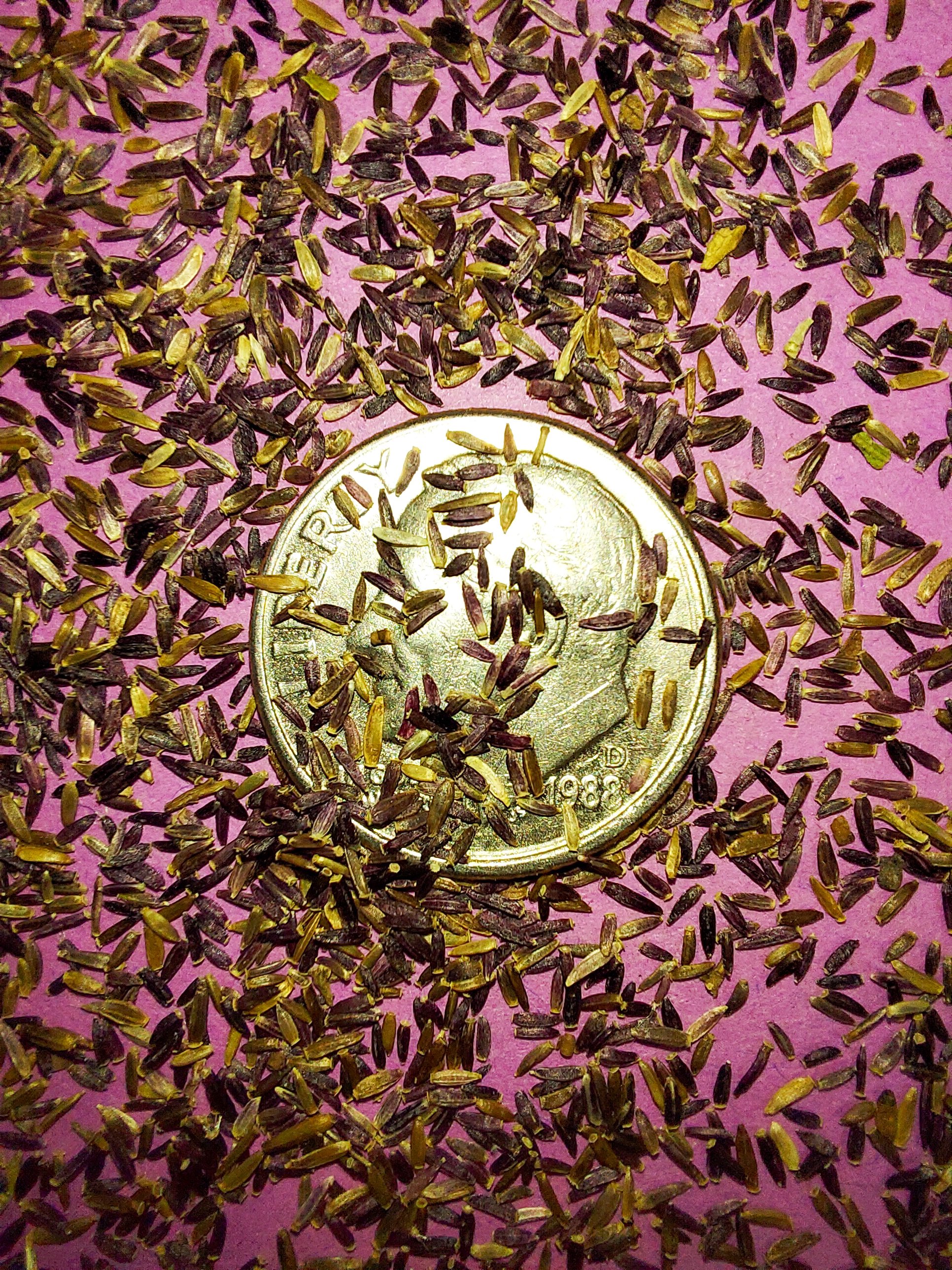 Image 5 of 5