Sale Price:
$2.00
Original Price:
$3.00
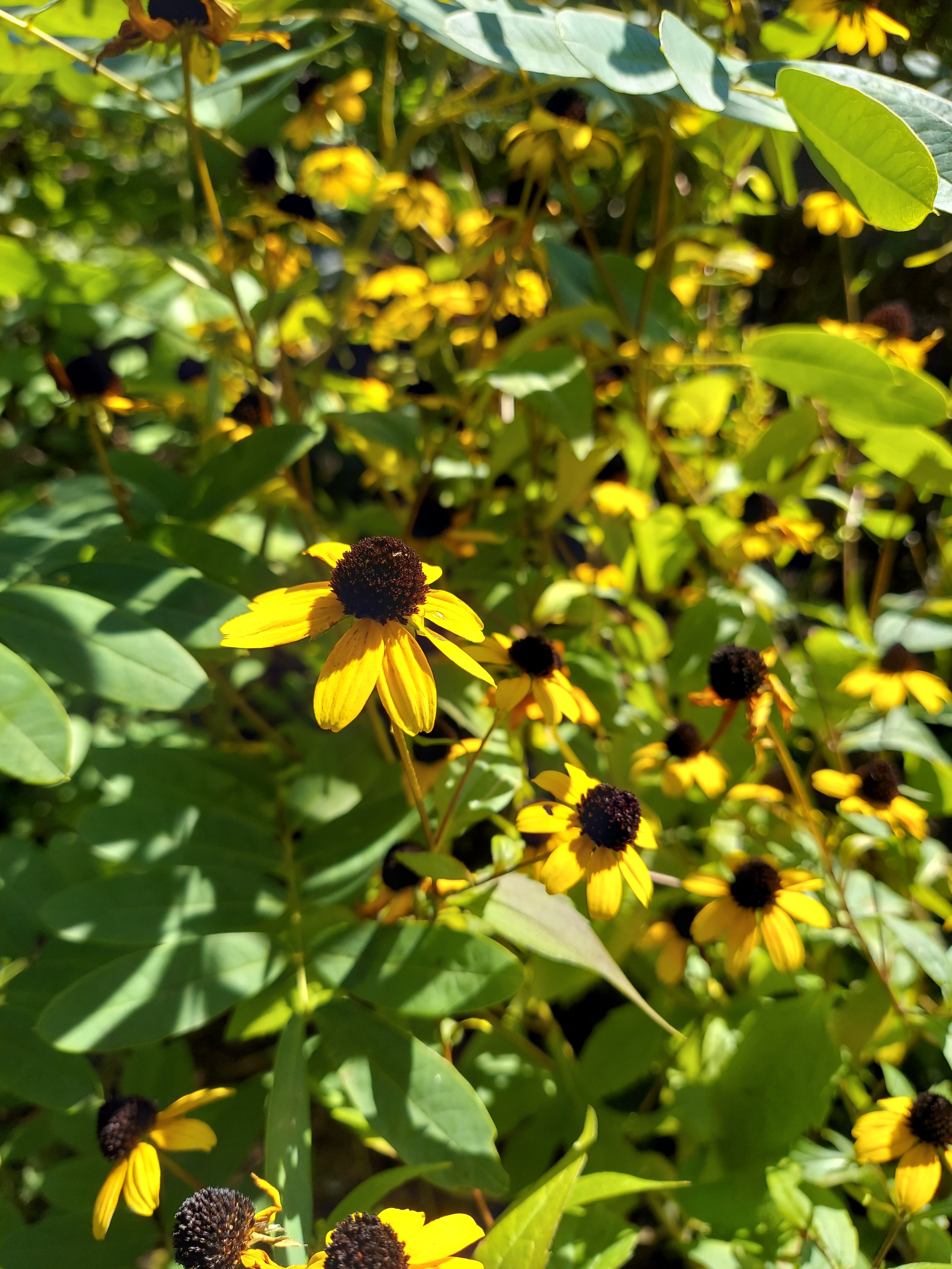
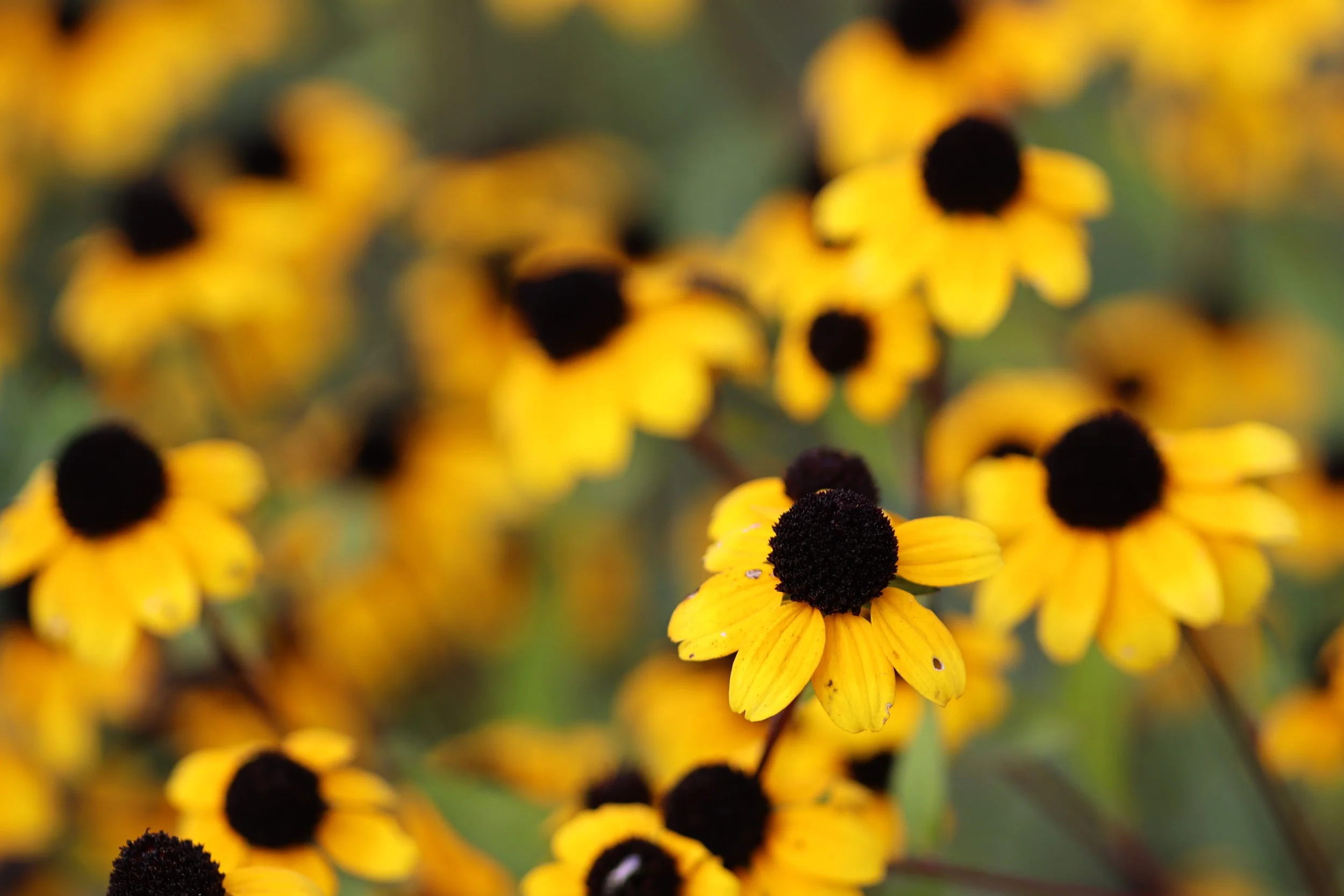
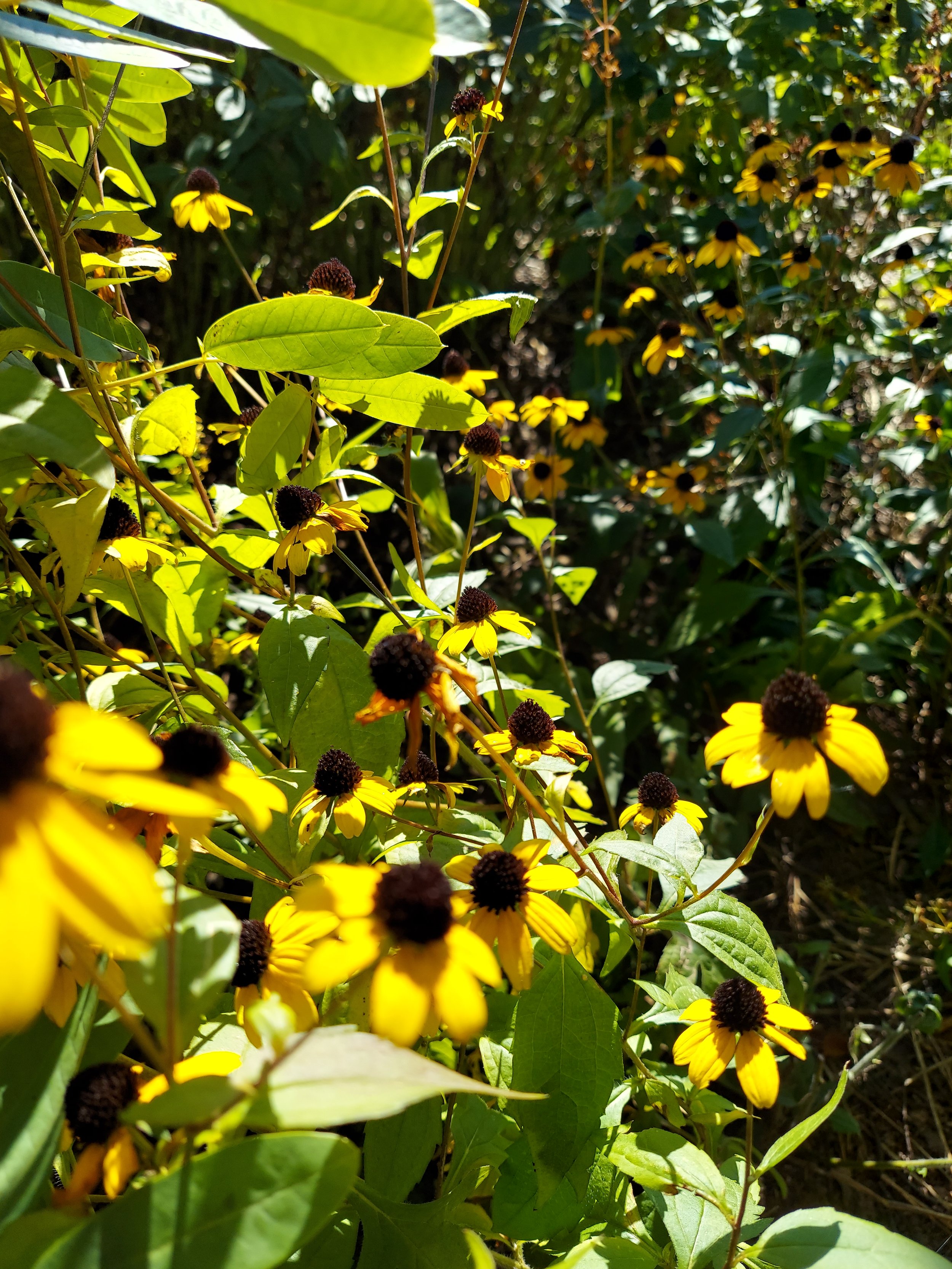
Long-Headed Coneflower (Ratibida columnifera)
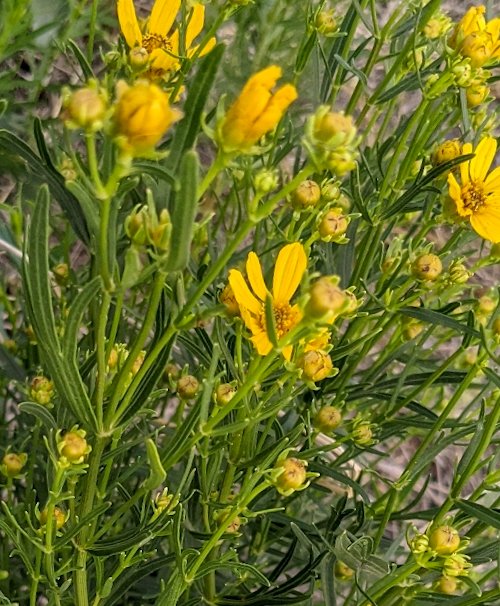
Ratibida columnifera is the scientific name for the native species more commonly known as Long-Headed Coneflower, Upright Prairie Coneflower, Rocketflower, and Longhead Prairie Coneflower. It is a perennial flowering plant in the genus Ratibida, within the family Asteraceae. Native to much of North America, Long‑headed Coneflower is most often found inhabiting prairies, open plains, roadsides, and other disturbed or sunny sites where it readily establishes.
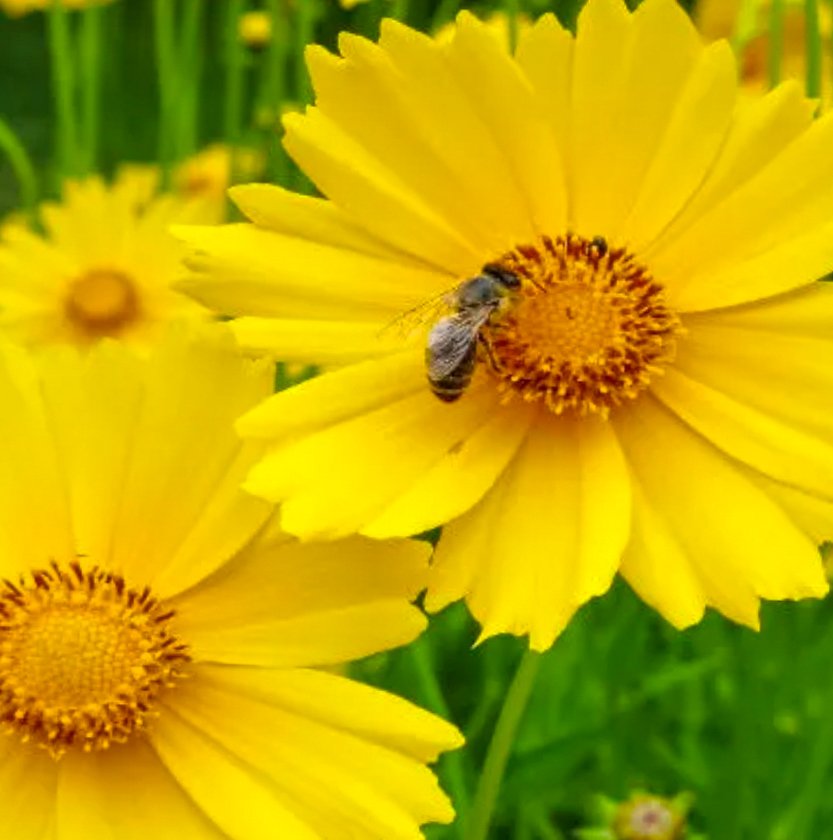
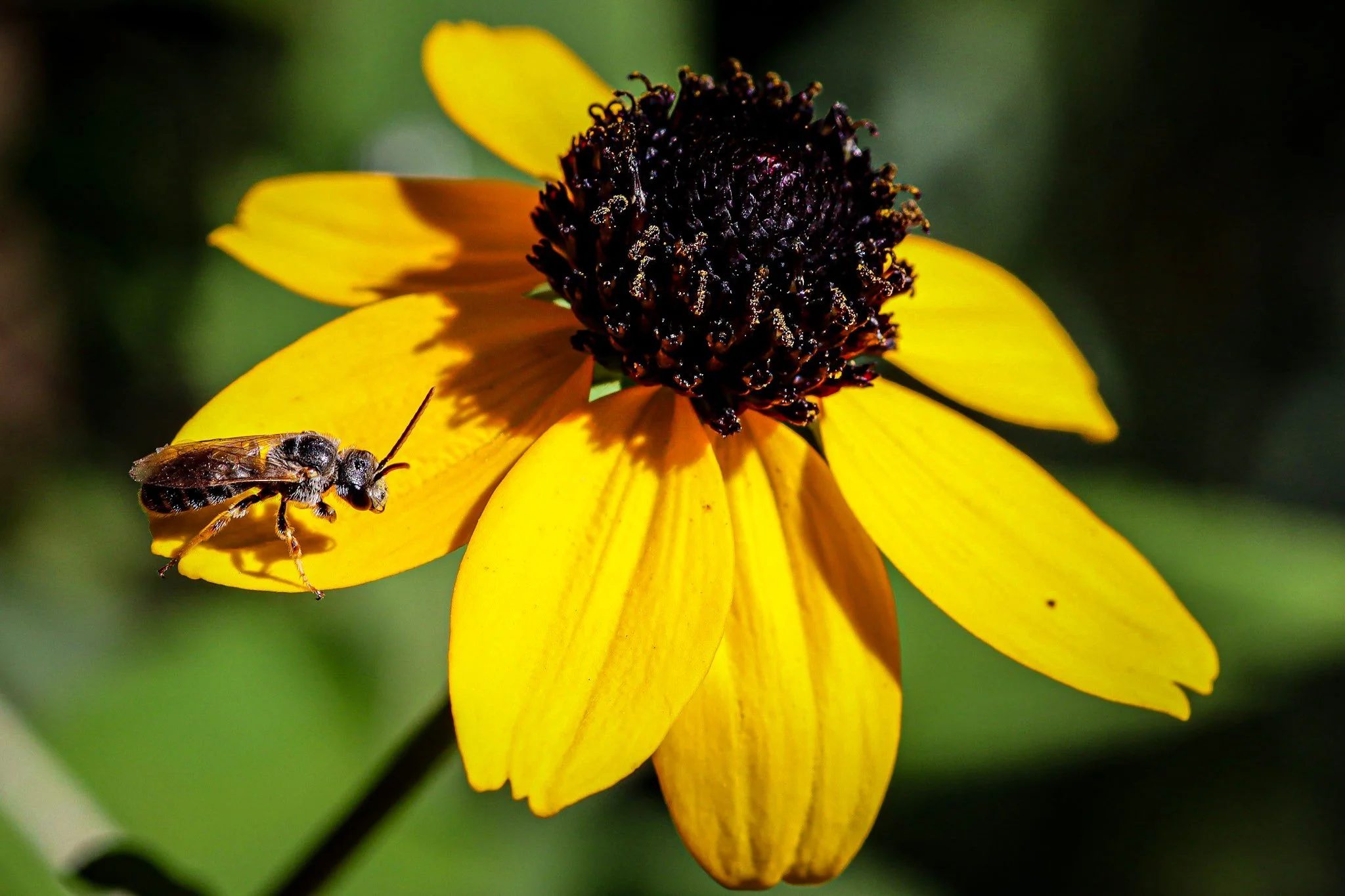
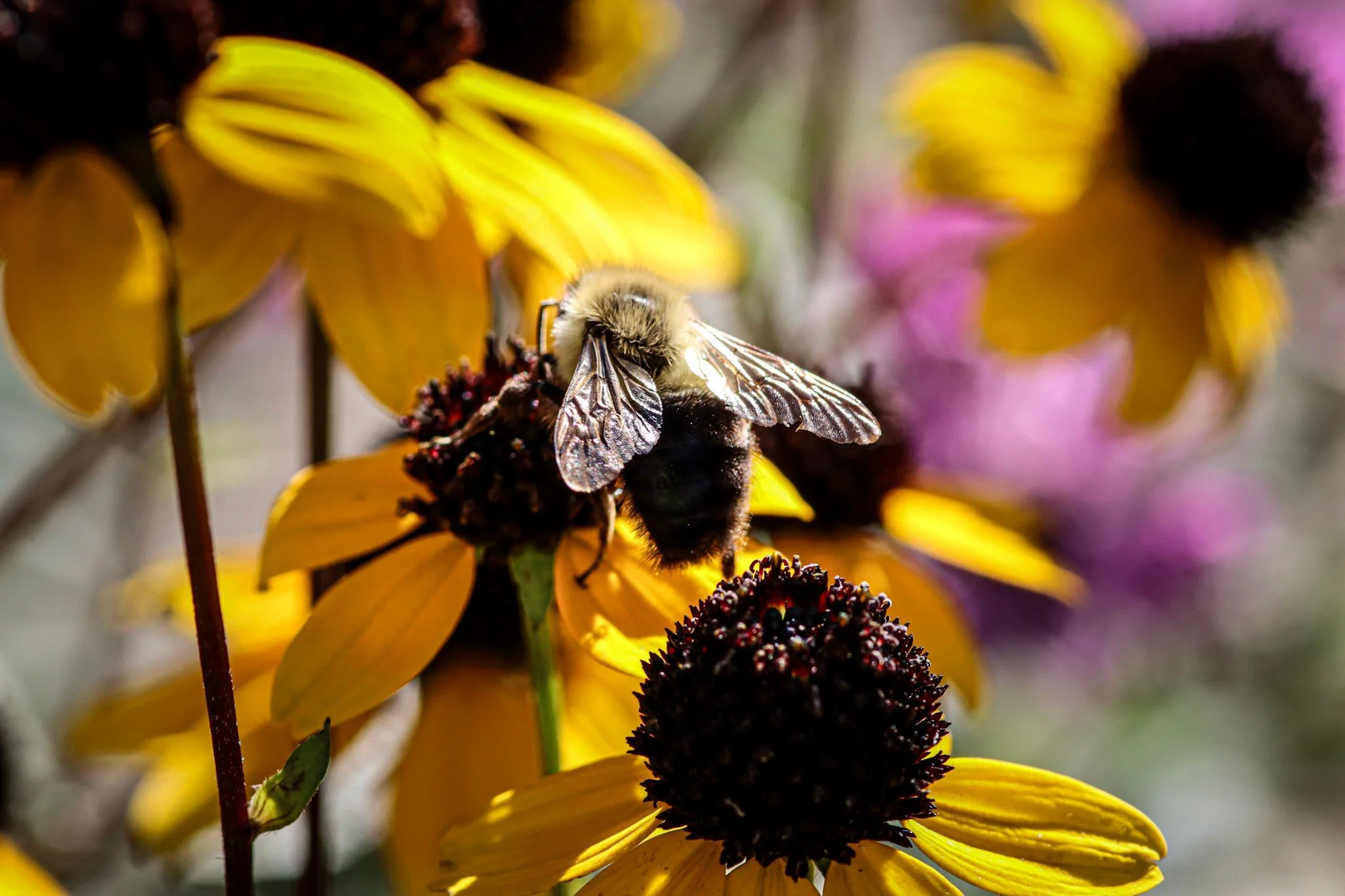
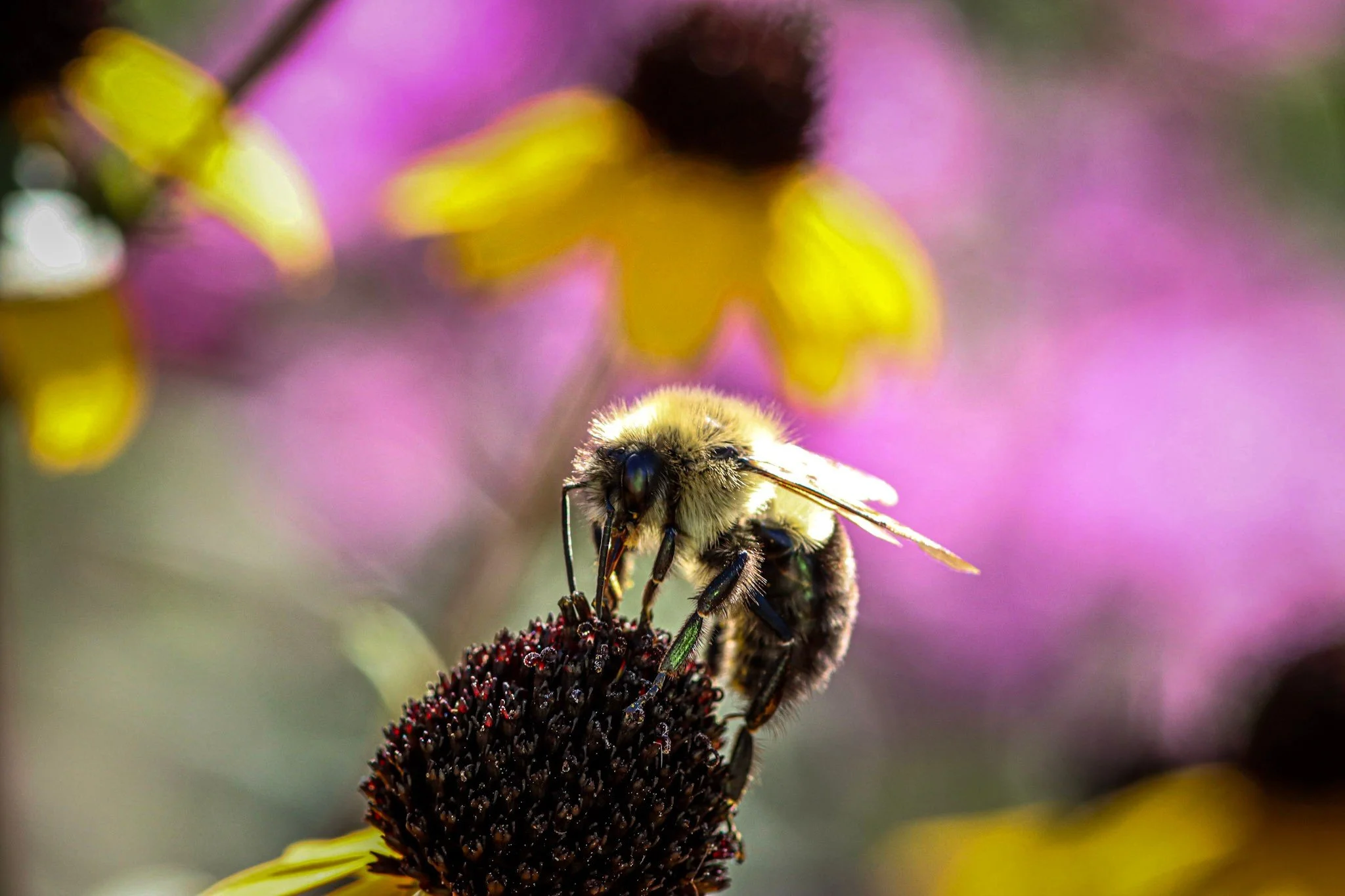
Long-headed Coneflower attracts loads of pollinators, primarily Bees, Syrphid Flies and Hoverflies, with the occasional wasp and other nectar and resin collecting insects drawn to the plant’s generous offerings. Nearly impervious to disease, this resilient species performs beautifully both in the prairie and the home garden. Its long bloom period makes it an excellent cornerstone plant near vegetable or herb beds, where it reliably brings native pollinators that can help boost yields, native pollinators are often more efficient and better adapted to this task than any non-native species.
Plant Details
USDA Zones: 3-9
Germination Needs: 30 Days Cold Stratification,
Life Cycle: Perennial
Sun Exposure: Full to Partial
Soil Moisture: Medium, Medium-Dry, Dry
Plant Spacing: 1-2 feet
Height: 3 feet
Bloom time: June, July, August
Bloom Color: Yellow
Advantages:
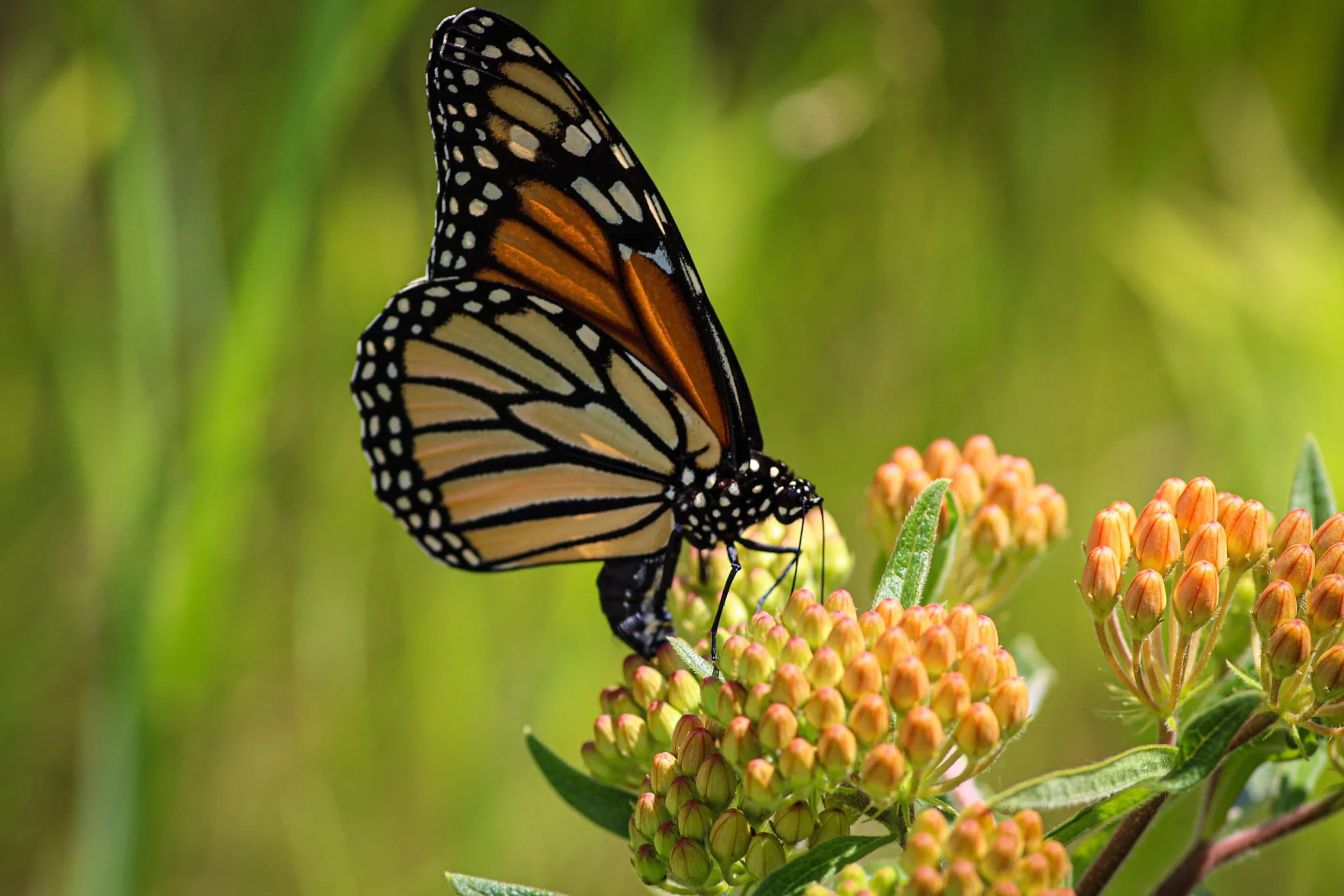
Pollinator Favorite: butterflies, moths, bees, wasps, beetles
Bird Favorite: seeds, insects, fruit, nectar, nesting, perches.
Deer Resistant: No
Excellent in the home landscape!
Native to: Wisconsin, Minnesota, Iowa, Illinois, Indiana, Michigan, Ohio, Pennsylvania, New York, Massachusetts, Connecticut, Delaware, West Virginia, Kentucky, Tennessee, North Carolina, South Carolina, Georgia, Florida, Alabama, Mississippi, Louisiana, Arkansas, Missouri, Texas, Oklahoma, Kansas, Nebraska, South Dakota, North Dakota, Montana, Wyoming, Colorado, New Mexico, Arizona, Utah, Idaho, and California.
.
.
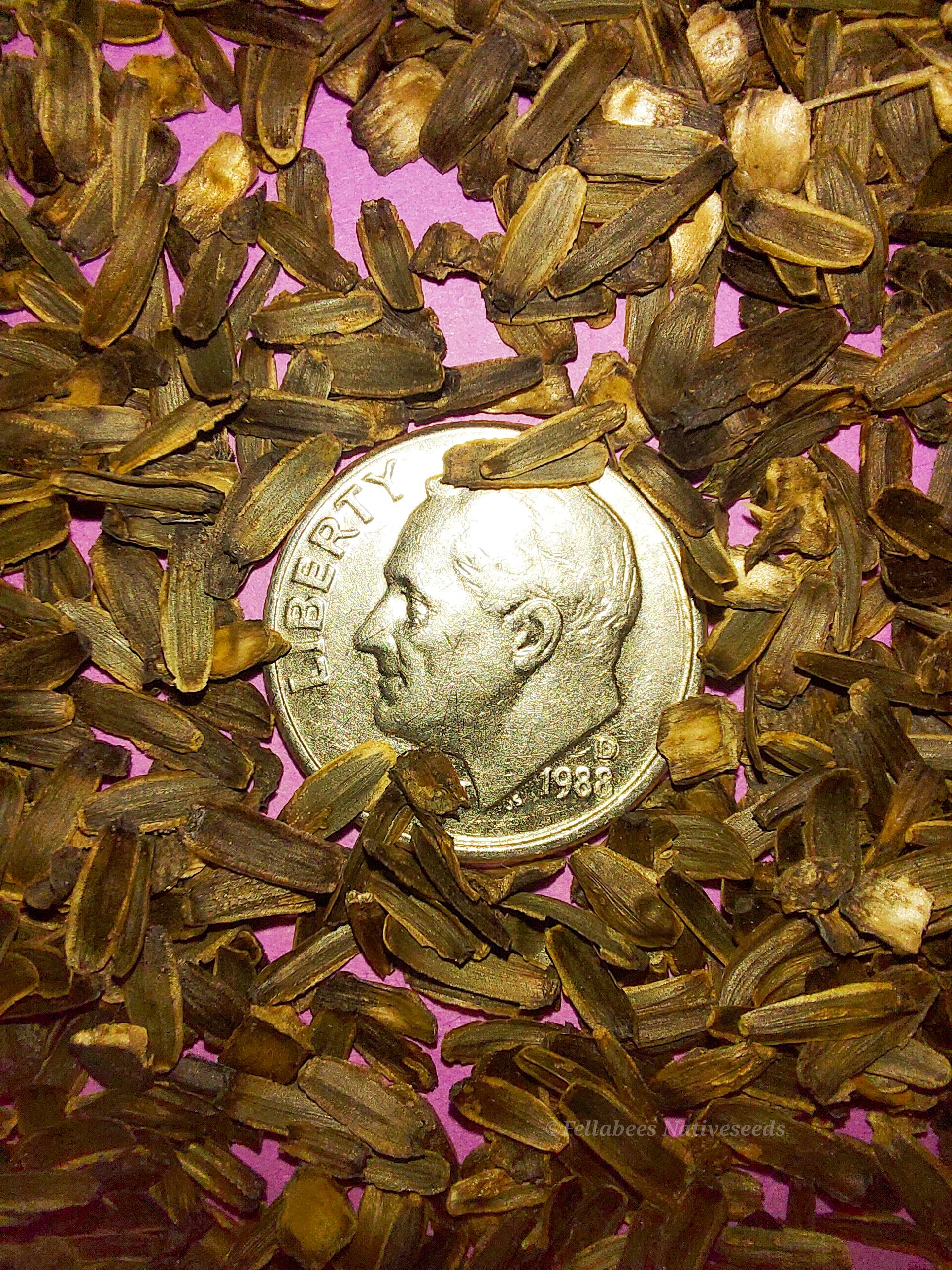
Packet quantities:
We pride ourselves on ethical, hands on, ecological management, using no mechanical or chemical methods whatsoever.
All of our native seed is hand reared, hand picked, and hand packed from native prairies under our exclusive management, never breaking chain of custody from the field until it is sent to you. Each packet is hand prepared for shipment by us, directly.
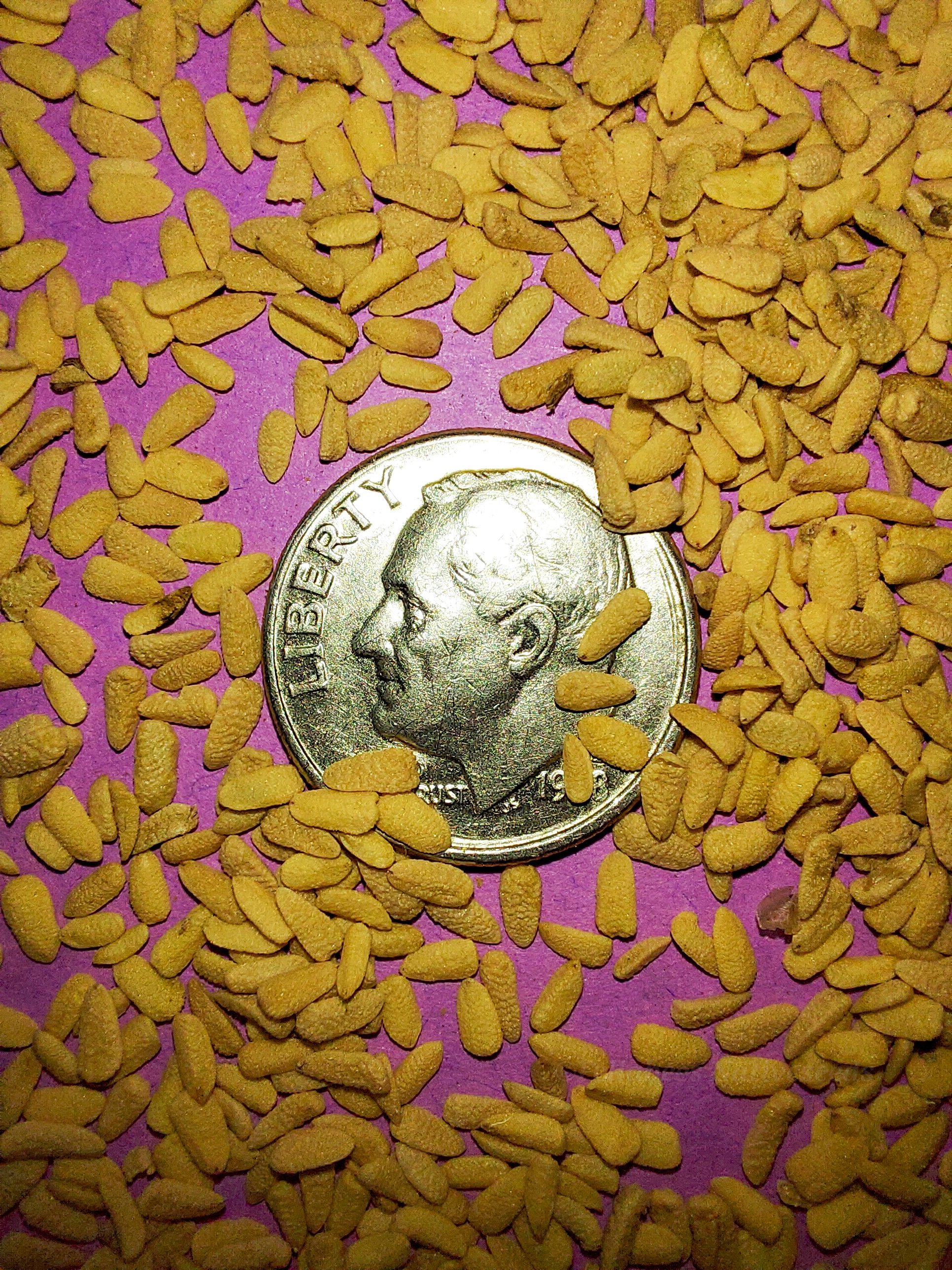
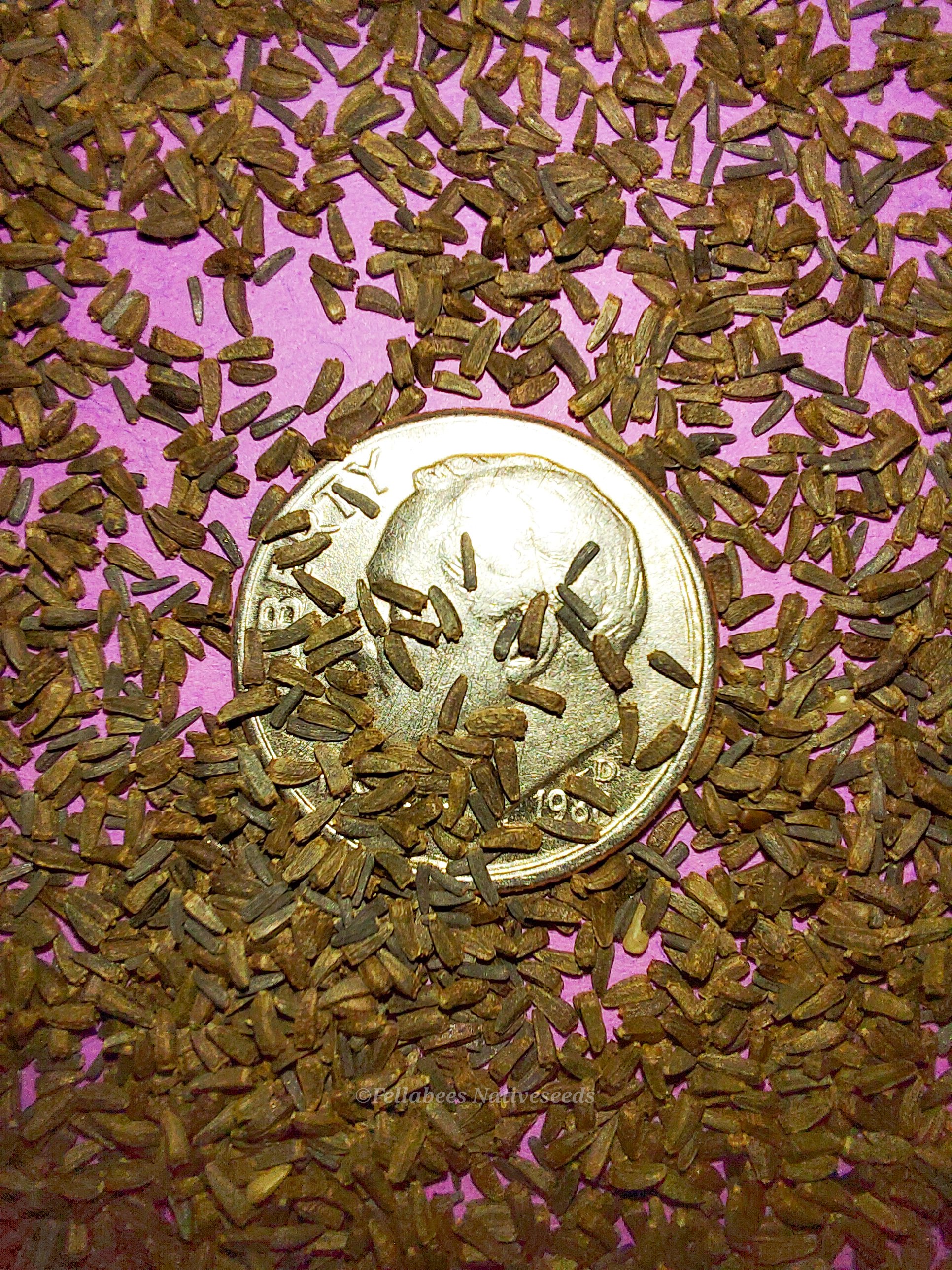
Small seed species will contain greater than 20-25 seed
Large seed species will contain greater than 10-15 seed
It is our mission to spread the wealth of native plant and pollinator ecological sustainability, and educate back yard gardeners as well as corporate and government entities in how to germinate, grow, and benefit from native synergies.
Thank you for your support, it is because of you, that we can grow together to do, what we do. 🐛🦋🐝🐞🌾🌱🌼🧡
Long-Headed Coneflower (Ratibida columnifera)
Ratibida columnifera is the scientific name for the native species more commonly known as Long-Headed Coneflower, Upright Prairie Coneflower, Rocketflower, and Longhead Prairie Coneflower. It is a perennial flowering plant in the genus Ratibida, within the family Asteraceae. Native to much of North America, Long‑headed Coneflower is most often found inhabiting prairies, open plains, roadsides, and other disturbed or sunny sites where it readily establishes.
Long-headed Coneflower attracts loads of pollinators, primarily Bees, Syrphid Flies and Hoverflies, with the occasional wasp and other nectar and resin collecting insects drawn to the plant’s generous offerings. Nearly impervious to disease, this resilient species performs beautifully both in the prairie and the home garden. Its long bloom period makes it an excellent cornerstone plant near vegetable or herb beds, where it reliably brings native pollinators that can help boost yields, native pollinators are often more efficient and better adapted to this task than any non-native species.
Plant Details
USDA Zones: 3-9
Germination Needs: 30 Days Cold Stratification,
Life Cycle: Perennial
Sun Exposure: Full to Partial
Soil Moisture: Medium, Medium-Dry, Dry
Plant Spacing: 1-2 feet
Height: 3 feet
Bloom time: June, July, August
Bloom Color: Yellow
Advantages:
Pollinator Favorite: butterflies, moths, bees, wasps, beetles
Bird Favorite: seeds, insects, fruit, nectar, nesting, perches.
Deer Resistant: No
Excellent in the home landscape!
Native to: Wisconsin, Minnesota, Iowa, Illinois, Indiana, Michigan, Ohio, Pennsylvania, New York, Massachusetts, Connecticut, Delaware, West Virginia, Kentucky, Tennessee, North Carolina, South Carolina, Georgia, Florida, Alabama, Mississippi, Louisiana, Arkansas, Missouri, Texas, Oklahoma, Kansas, Nebraska, South Dakota, North Dakota, Montana, Wyoming, Colorado, New Mexico, Arizona, Utah, Idaho, and California.
.
.
Packet quantities:
We pride ourselves on ethical, hands on, ecological management, using no mechanical or chemical methods whatsoever.
All of our native seed is hand reared, hand picked, and hand packed from native prairies under our exclusive management, never breaking chain of custody from the field until it is sent to you. Each packet is hand prepared for shipment by us, directly.
Small seed species will contain greater than 20-25 seed
Large seed species will contain greater than 10-15 seed
It is our mission to spread the wealth of native plant and pollinator ecological sustainability, and educate back yard gardeners as well as corporate and government entities in how to germinate, grow, and benefit from native synergies.
Thank you for your support, it is because of you, that we can grow together to do, what we do. 🐛🦋🐝🐞🌾🌱🌼🧡
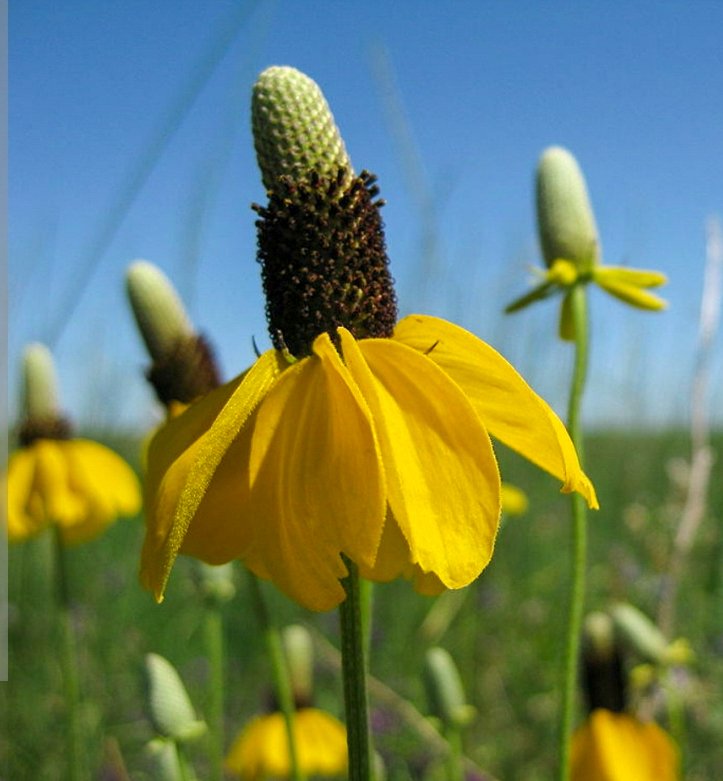 Image 1 of 7
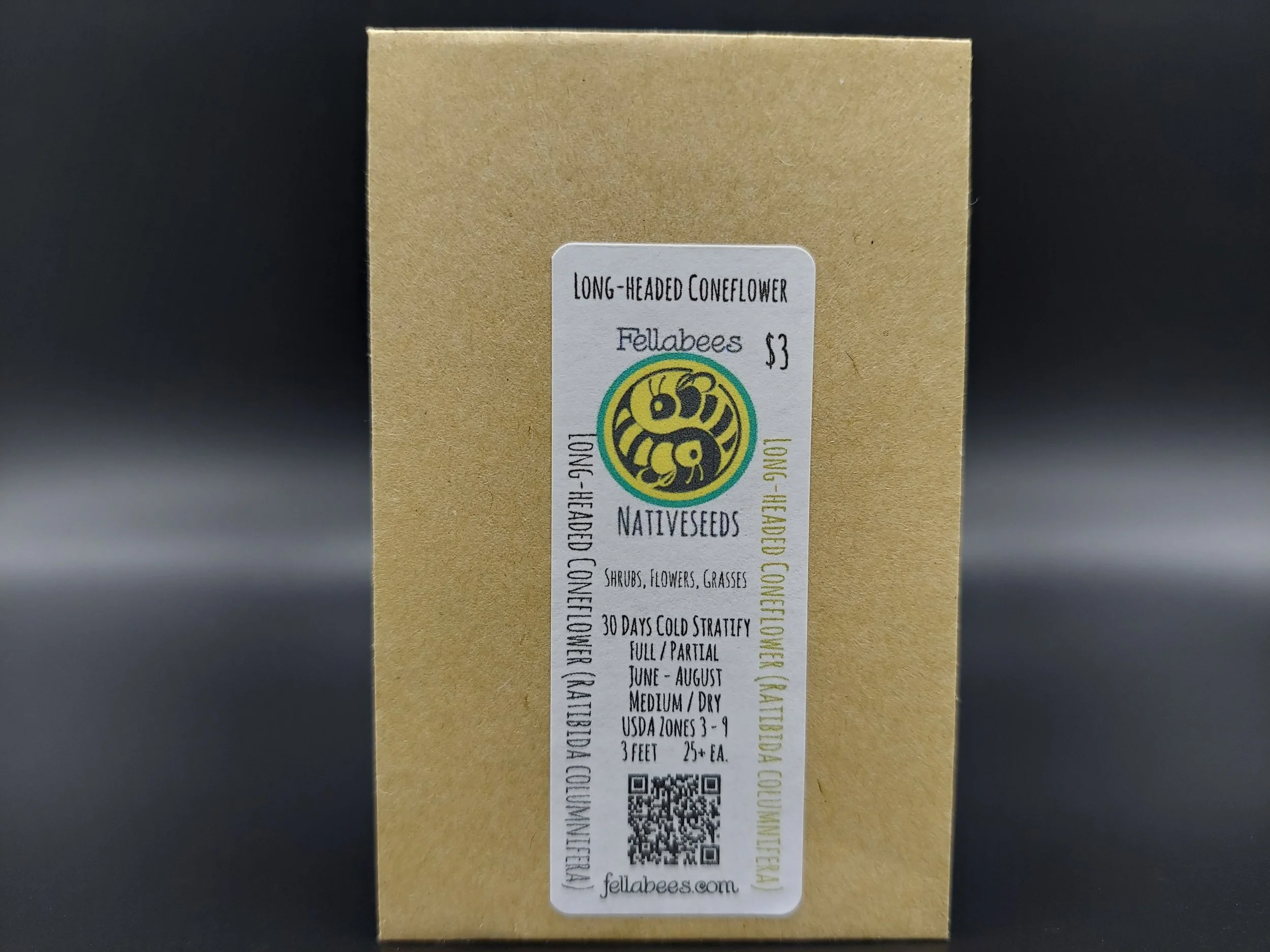 Image 2 of 7
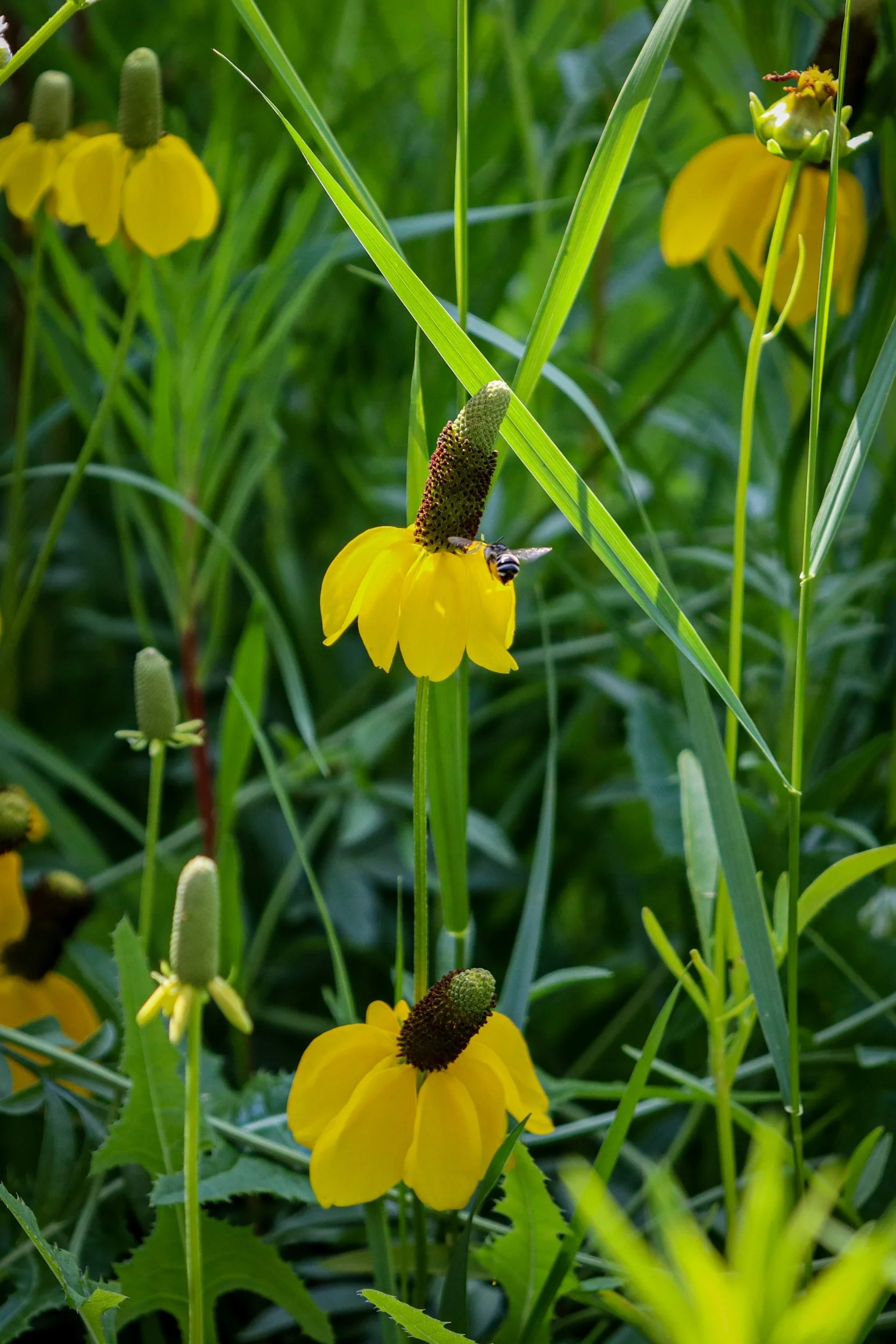 Image 3 of 7
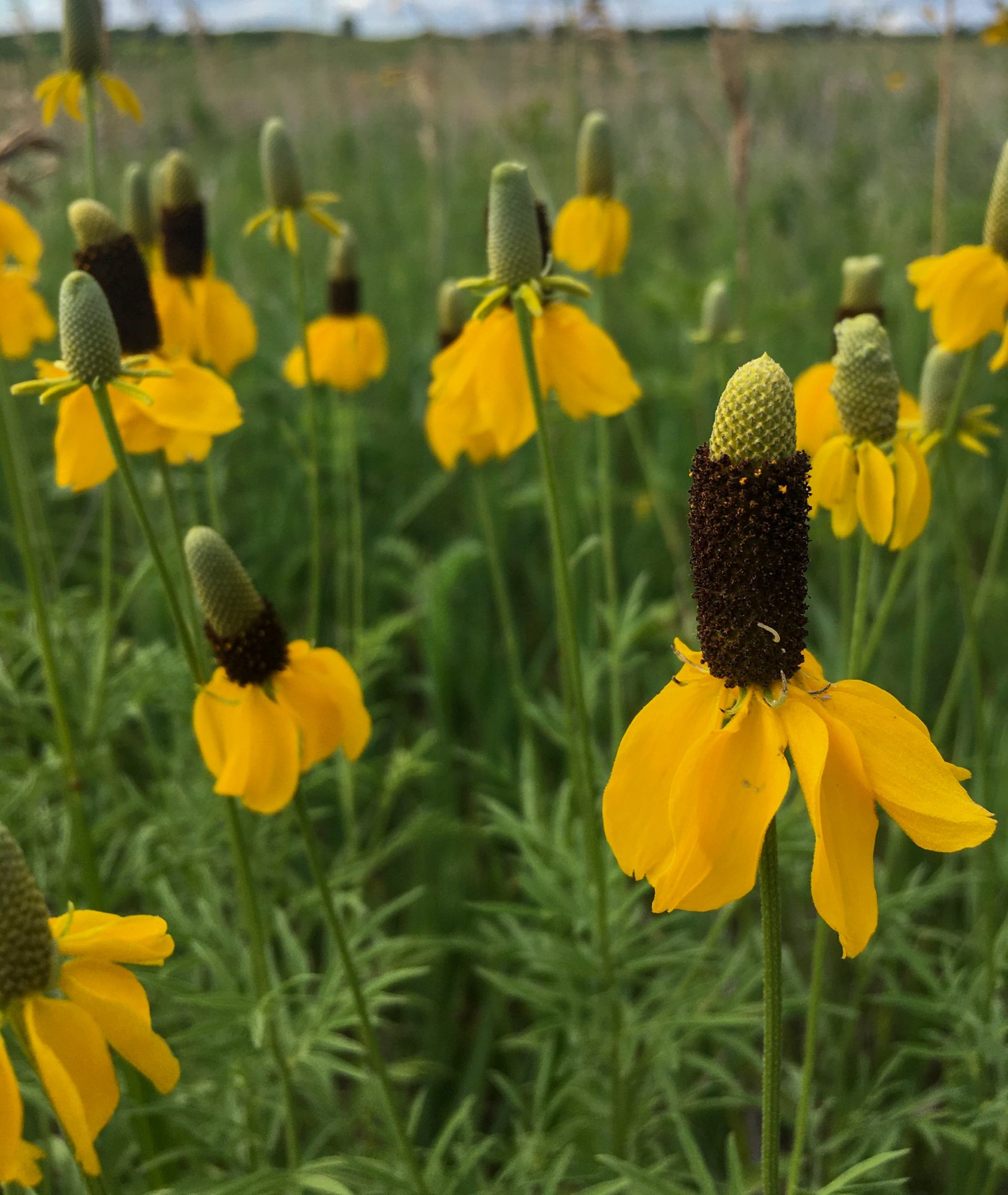 Image 4 of 7
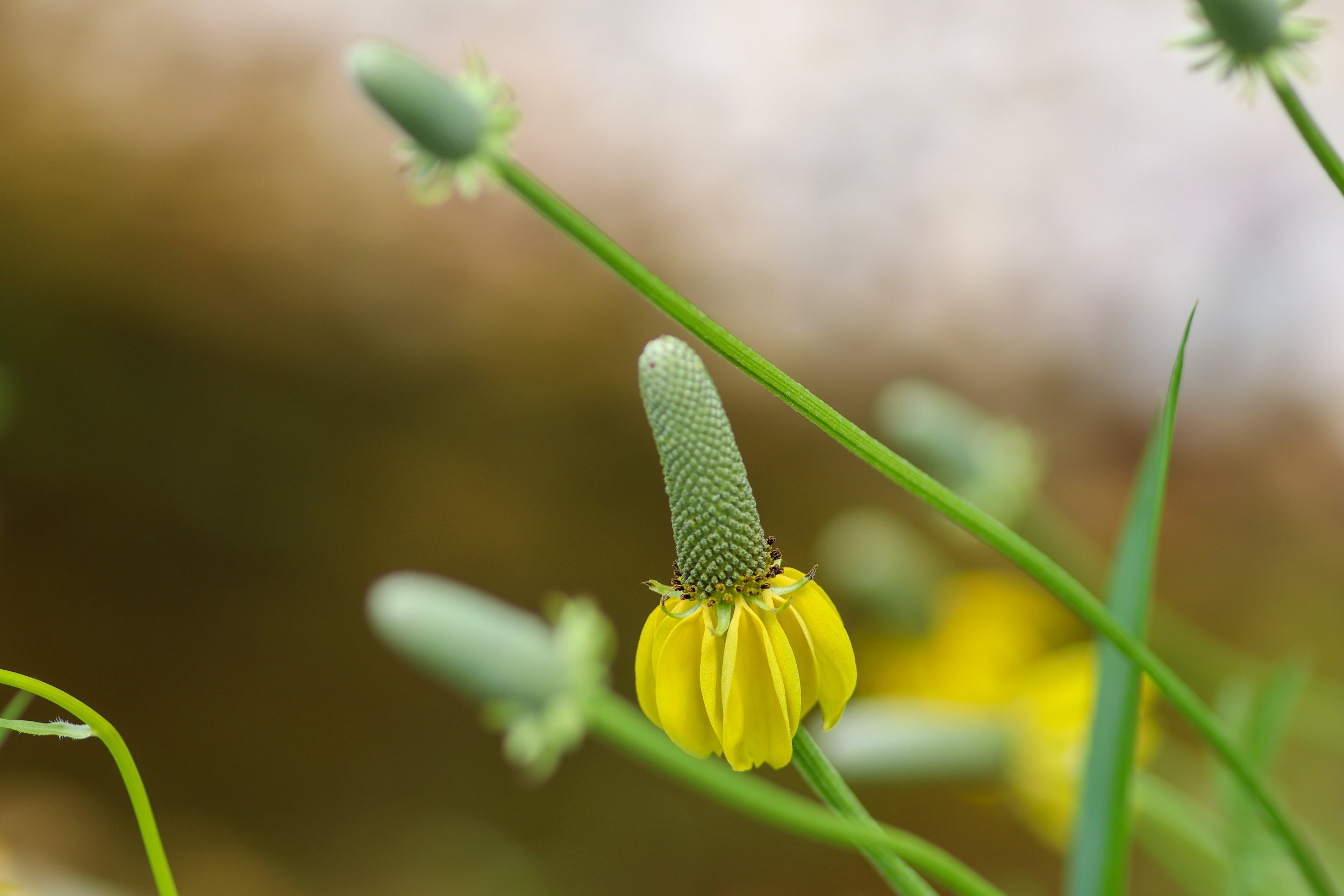 Image 5 of 7
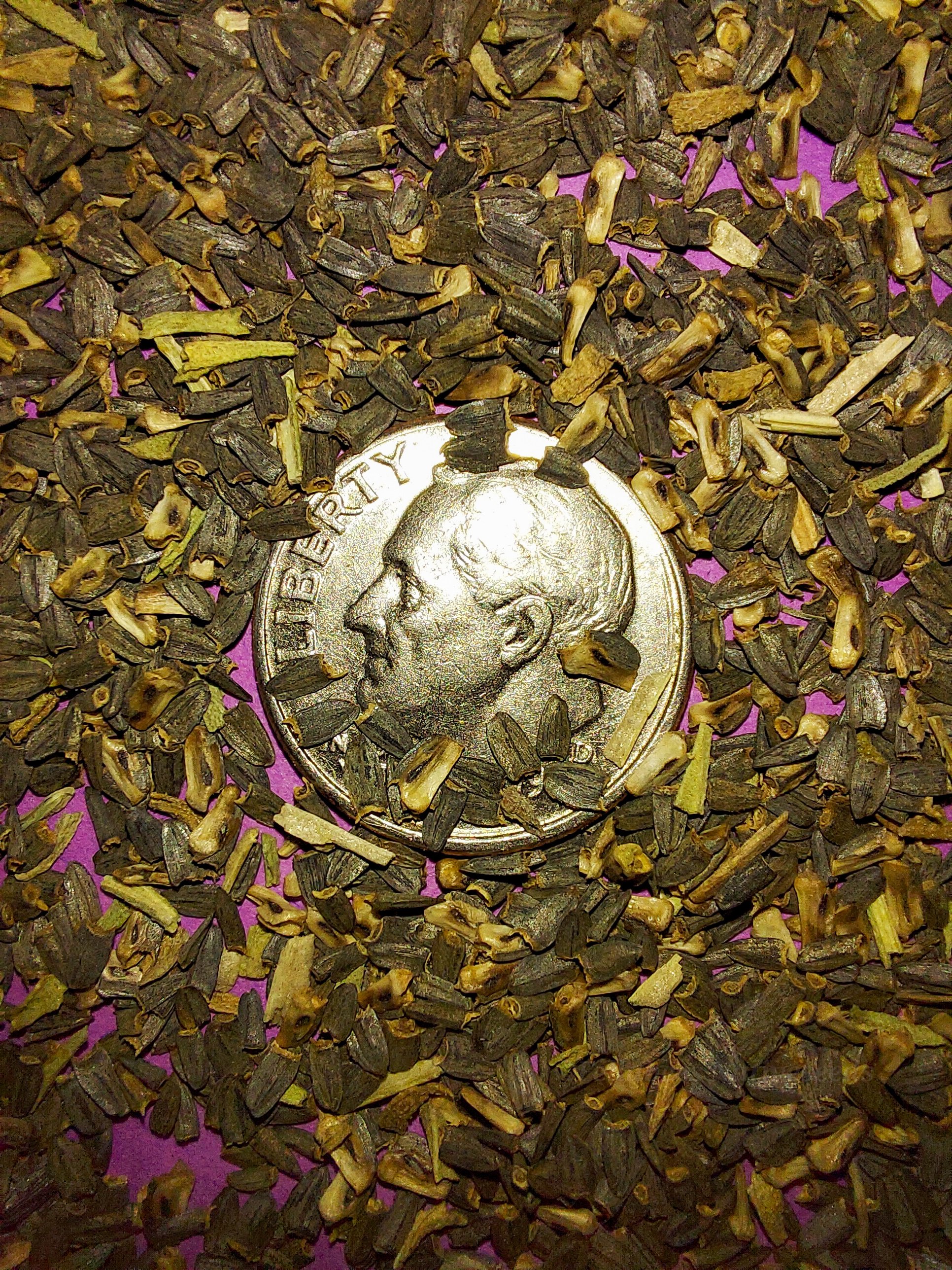 Image 6 of 7
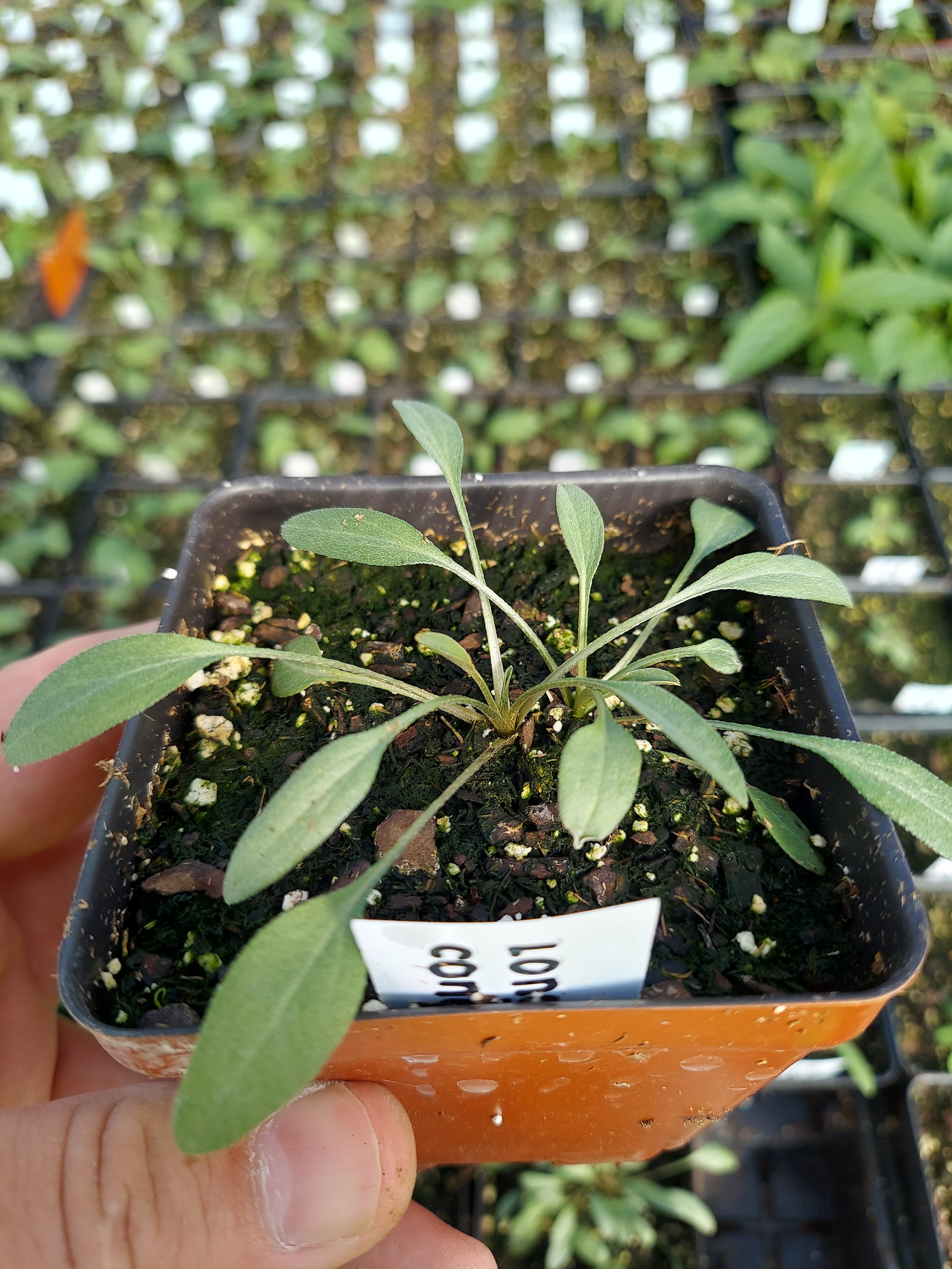 Image 7 of 7