Sale Price:
$1.50
Original Price:
$3.00
Pale Purple Coneflower (Echinacea pallida)
Echinacea pallida is the scientific name for the species more commonly called Pale Purple Coneflower, is a native species of herbaceous perennial plant in the sunflower family, Asteraceae.
The stately beauty of Pale Purple Coneflower in its natural setting is unparalleled. As one of the tallest of the Coneflowers its seed heads appear to bob while the pale pink, drooping petals flutter gracefully in the wind beneath, beckoning every eye nearby to witness its presence on the prairie.
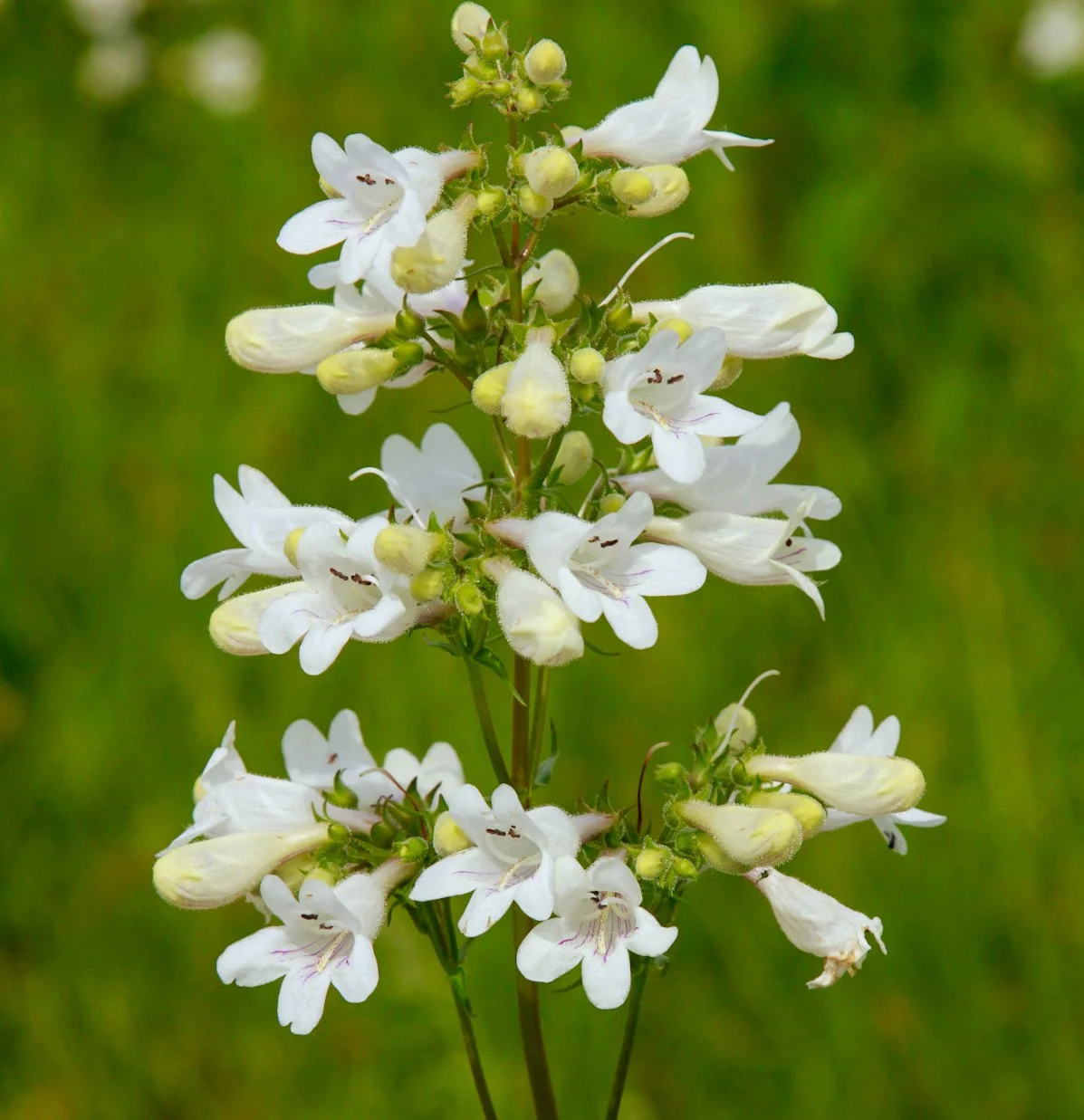
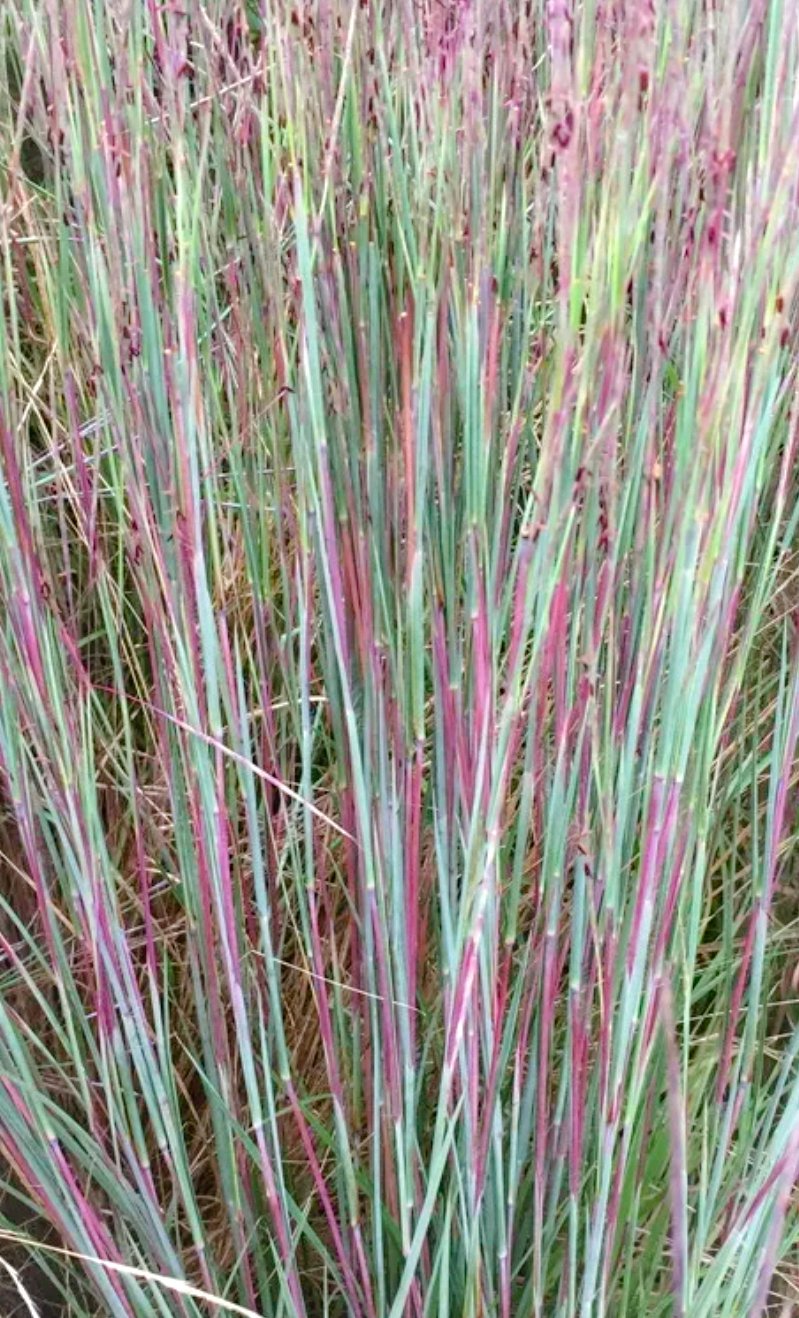
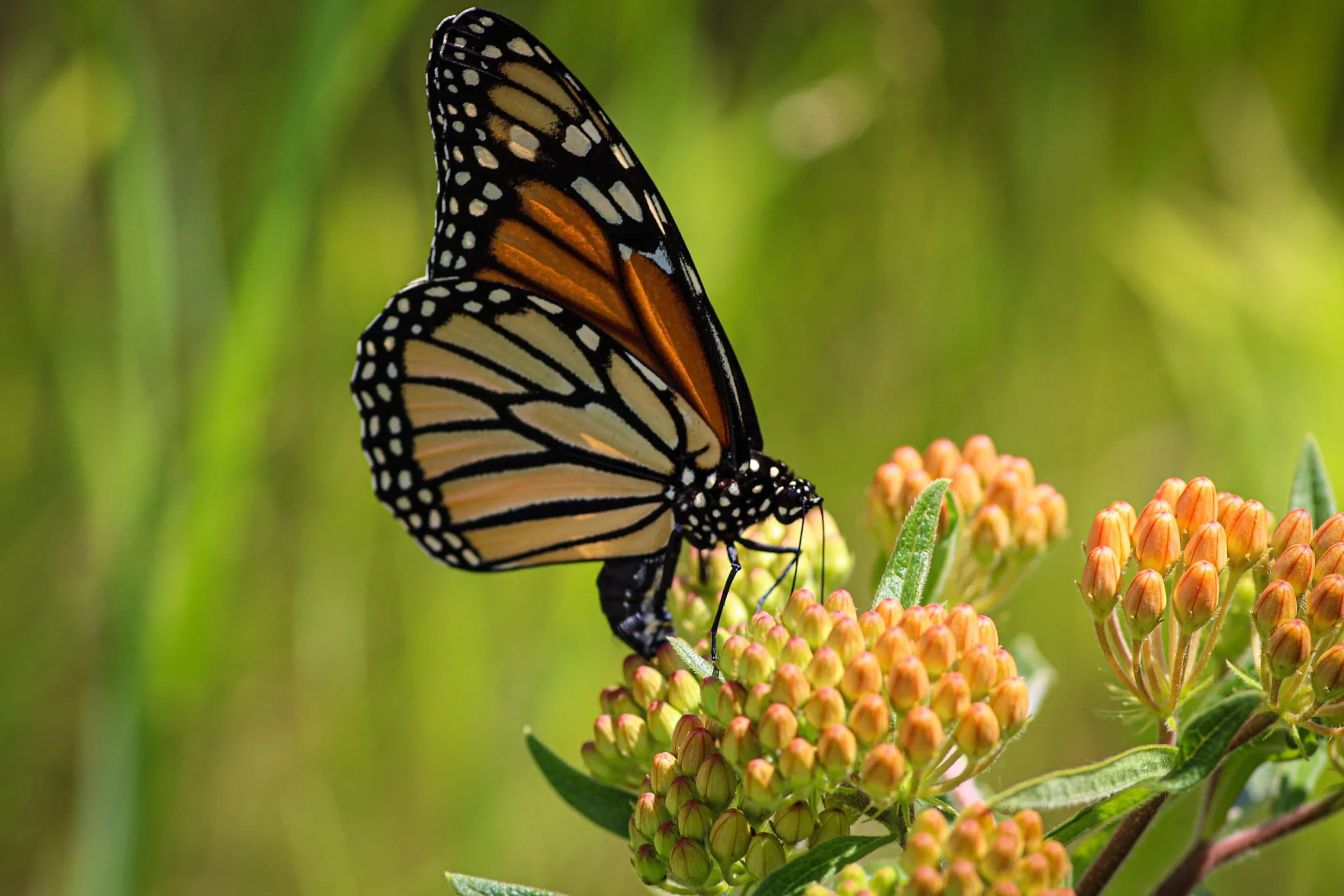
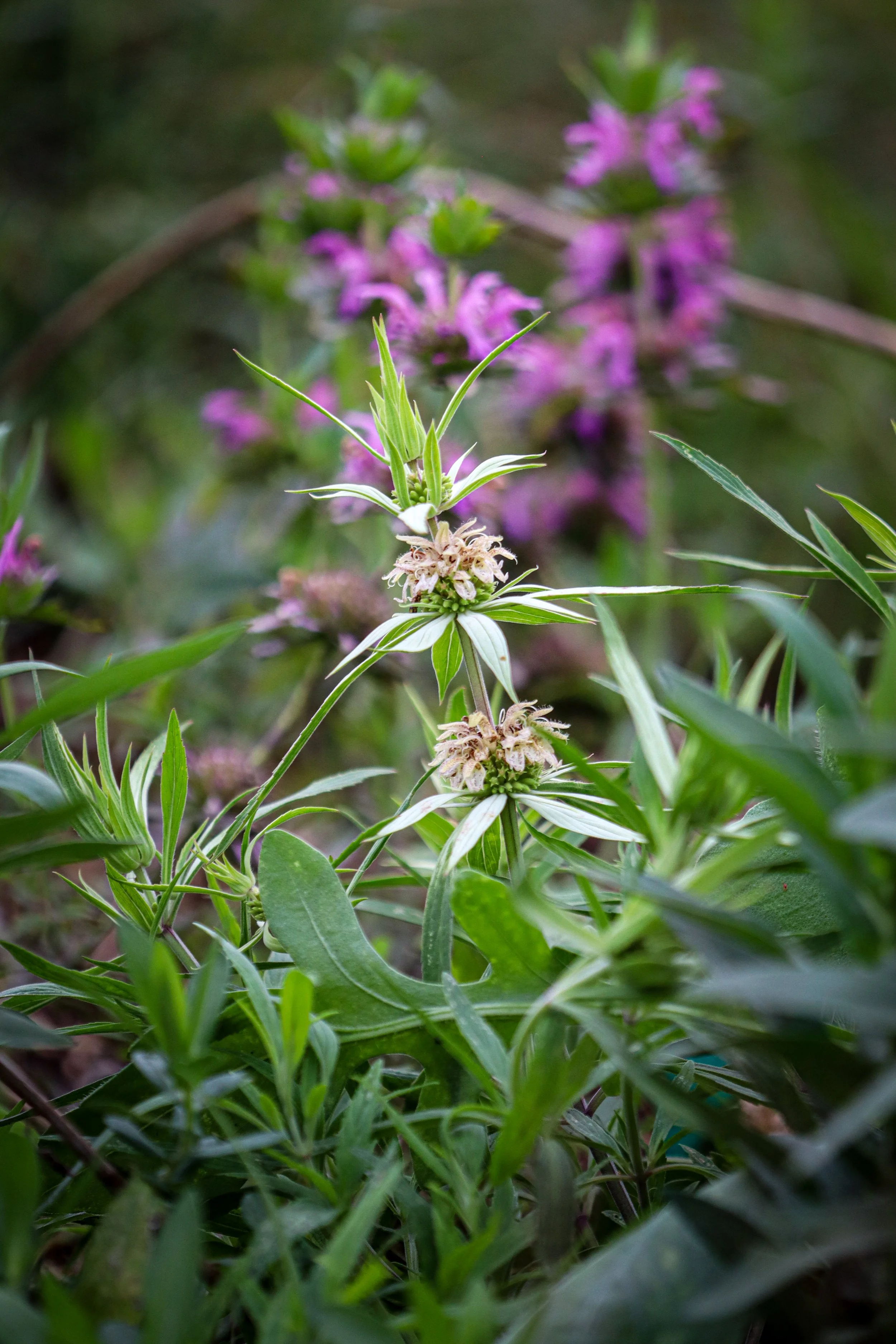
Combined with medium height grasses like Little Bluestem (Schizachyrium scoparium) and June Grass (Koeleria macrantha) and other flowering species like Common Spiderwort (Tradescantia ohiensis), Butterfly Milkweed (Asclepias tuberosa), Foxglove Beardtongue (Penstemon digitalis) and Dotted Mint (Monarda punctata), Pale Purple Coneflower truly makes a stunning visual statement.
Sometimes grown in herb gardens and for claimed but unproven medicinal attributes. It’s presence within its historical native range of the central region of the United States has become increasingly fractured and has been a target of plant poachers to the detriment of its specialist pollinators and its interconnected ecosystem.
Pale Purple Coneflower is a larval host to the Silvery Checkerspot Butterfly and has several specialist bees such as Mining Bee species Andrena beameri, Andrena helianthiformis and Pseudopanurgus albitarsis who depend on the species for their lifecycle, and in turn assure the proliferation of the species.
Many other generalist pollinators are attracted to Pale Purple Coneflower due to its exceptionally long, early spring bloom period such as Long-horned Bees (Melissodes spp), Sweat Bees (Halictus spp), Green Sweat Bees (Agapostemon spp.), Leafcutter Bees (Megachile spp.), Bumble Bees (Bombus spp.) and butterflies such as American Lady (Vanessa virginiensis), Red Admiral (Vanessa atalanta), Great Spangled Fritillary (Speyeria cybele) and Eastern Tiger Swallowtail (Papilio glaucus).
Pale Purple Coneflower is found in the Mississippi Valley, the southeastern Great Plains, and the regions south of Lake Michigan. Most of the known remnant populations are in regions from southern Wisconsin and Iowa south to Louisiana and eastern Texas, with many of them likely from being reintroductions after near extirpation (local extinction) events at the hands of humans in the Southeastern United States, New England, New York, Michigan, and Ontario.
The states of Wisconsin, and Tennessee list the species as threatened, mostly due to habitat loss and above-mentioned poaching for its roots, which are made into scientifically unproven/undocumented herbal remedies.
Plant Details
USDA Zones: 3-8
Germination Needs: 90 Day Cold-Moist Stratification
Life Cycle: Perennial
Sun Exposure: Full to Partial
Soil Moisture: Medium, Medium-Dry, Dry
Spacing: 1-1½ feet
Height: 3 feet
Bloom Time: June, July
Bloom Color: Pink
Advantages:
Pollinator Favorite: butterflies, moths, bees, wasps, beetles
Bird Favorite: seeds, insects, fruit, nectar, nesting, perches.
Deer Resistant: Yes
Excellent in the home landscape!
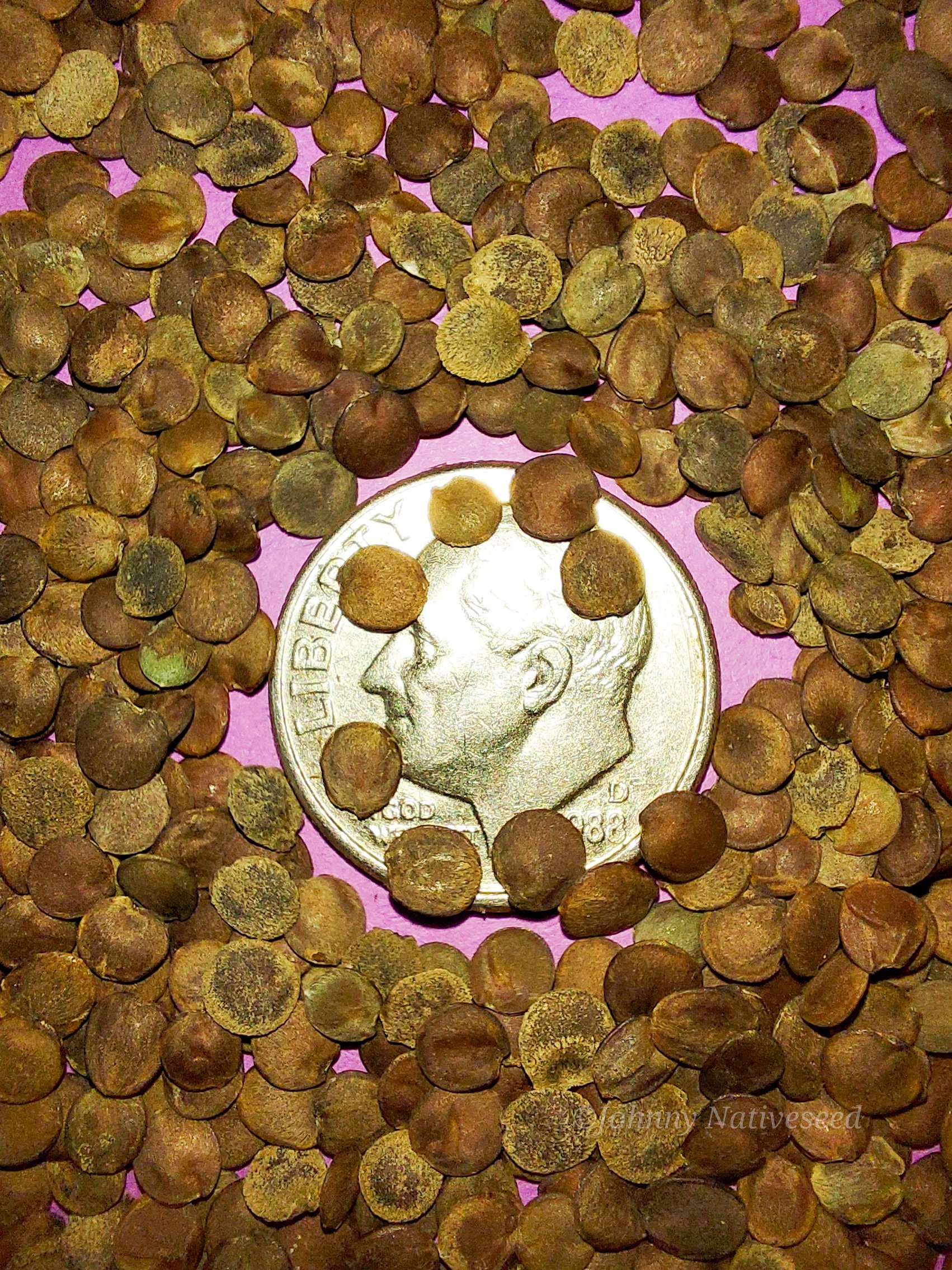
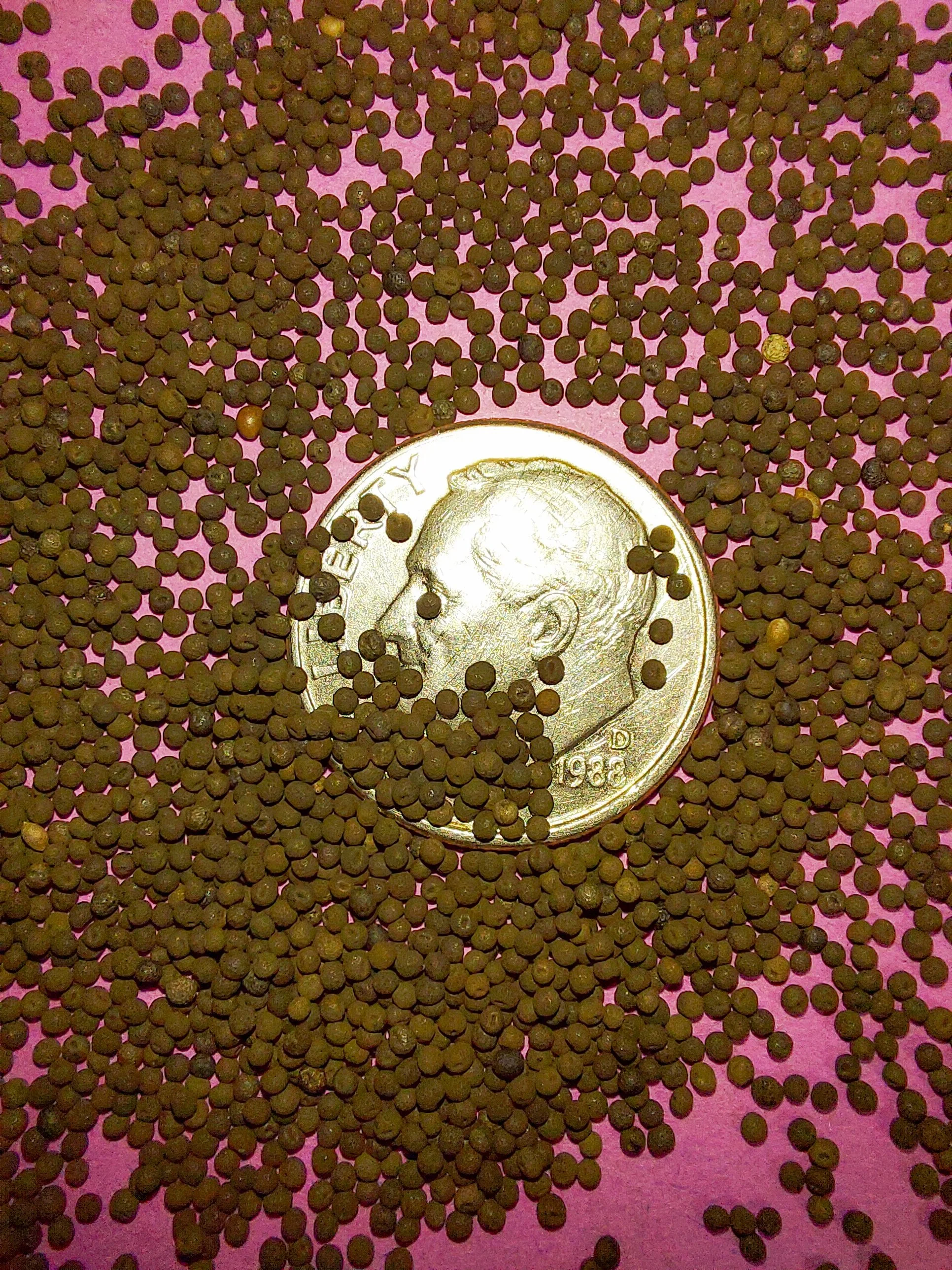
Seed Count 25+
Native to: Wisconsin, Iowa, Illinois, Indiana, Michigan, New York, Maine, Massachusetts, Rhode Island, Connecticut, Maryland, Virginia, Kentucky, Tennessee, North Carolina, South Carolina, Georgia, Alabama, Mississippi, Louisiana, Arkansas, Missouri, Texas, Oklahoma, Kansas, and Nebraska.
This plant is considered present but rare in several counties of the states of Wisconsin and Nebraska.
.
.
Packet quantities:
We pride ourselves on ethical, hands on, ecological management, using no mechanical or chemical methods whatsoever.
All of our native seed is hand reared, hand picked, and hand packed from native prairies under our exclusive management, never breaking chain of custody from the field until it is sent to you. Each packet is hand prepared for shipment by us, directly.
Small seed species will contain greater than 20-25 seed
Large seed species will contain greater than 10-15 seed
It is our mission to spread the wealth of native plant and pollinator ecological sustainability, and educate back yard gardeners as well as corporate and government entities in how to germinate, grow, and benefit from native synergies.
Thank you for your support, it is because of you, that we can grow together to do, what we do. 🐛🦋🐝🐞🌾🌱🌼🧡
Pale Purple Coneflower (Echinacea pallida)
Echinacea pallida is the scientific name for the species more commonly called Pale Purple Coneflower, is a native species of herbaceous perennial plant in the sunflower family, Asteraceae.
The stately beauty of Pale Purple Coneflower in its natural setting is unparalleled. As one of the tallest of the Coneflowers its seed heads appear to bob while the pale pink, drooping petals flutter gracefully in the wind beneath, beckoning every eye nearby to witness its presence on the prairie.
Combined with medium height grasses like Little Bluestem (Schizachyrium scoparium) and June Grass (Koeleria macrantha) and other flowering species like Common Spiderwort (Tradescantia ohiensis), Butterfly Milkweed (Asclepias tuberosa), Foxglove Beardtongue (Penstemon digitalis) and Dotted Mint (Monarda punctata), Pale Purple Coneflower truly makes a stunning visual statement.
Sometimes grown in herb gardens and for claimed but unproven medicinal attributes. It’s presence within its historical native range of the central region of the United States has become increasingly fractured and has been a target of plant poachers to the detriment of its specialist pollinators and its interconnected ecosystem.
Pale Purple Coneflower is a larval host to the Silvery Checkerspot Butterfly and has several specialist bees such as Mining Bee species Andrena beameri, Andrena helianthiformis and Pseudopanurgus albitarsis who depend on the species for their lifecycle, and in turn assure the proliferation of the species.
Many other generalist pollinators are attracted to Pale Purple Coneflower due to its exceptionally long, early spring bloom period such as Long-horned Bees (Melissodes spp), Sweat Bees (Halictus spp), Green Sweat Bees (Agapostemon spp.), Leafcutter Bees (Megachile spp.), Bumble Bees (Bombus spp.) and butterflies such as American Lady (Vanessa virginiensis), Red Admiral (Vanessa atalanta), Great Spangled Fritillary (Speyeria cybele) and Eastern Tiger Swallowtail (Papilio glaucus).
Pale Purple Coneflower is found in the Mississippi Valley, the southeastern Great Plains, and the regions south of Lake Michigan. Most of the known remnant populations are in regions from southern Wisconsin and Iowa south to Louisiana and eastern Texas, with many of them likely from being reintroductions after near extirpation (local extinction) events at the hands of humans in the Southeastern United States, New England, New York, Michigan, and Ontario.
The states of Wisconsin, and Tennessee list the species as threatened, mostly due to habitat loss and above-mentioned poaching for its roots, which are made into scientifically unproven/undocumented herbal remedies.
Plant Details
USDA Zones: 3-8
Germination Needs: 90 Day Cold-Moist Stratification
Life Cycle: Perennial
Sun Exposure: Full to Partial
Soil Moisture: Medium, Medium-Dry, Dry
Spacing: 1-1½ feet
Height: 3 feet
Bloom Time: June, July
Bloom Color: Pink
Advantages:
Pollinator Favorite: butterflies, moths, bees, wasps, beetles
Bird Favorite: seeds, insects, fruit, nectar, nesting, perches.
Deer Resistant: Yes
Excellent in the home landscape!
Seed Count 25+
Native to: Wisconsin, Iowa, Illinois, Indiana, Michigan, New York, Maine, Massachusetts, Rhode Island, Connecticut, Maryland, Virginia, Kentucky, Tennessee, North Carolina, South Carolina, Georgia, Alabama, Mississippi, Louisiana, Arkansas, Missouri, Texas, Oklahoma, Kansas, and Nebraska.
This plant is considered present but rare in several counties of the states of Wisconsin and Nebraska.
.
.
Packet quantities:
We pride ourselves on ethical, hands on, ecological management, using no mechanical or chemical methods whatsoever.
All of our native seed is hand reared, hand picked, and hand packed from native prairies under our exclusive management, never breaking chain of custody from the field until it is sent to you. Each packet is hand prepared for shipment by us, directly.
Small seed species will contain greater than 20-25 seed
Large seed species will contain greater than 10-15 seed
It is our mission to spread the wealth of native plant and pollinator ecological sustainability, and educate back yard gardeners as well as corporate and government entities in how to germinate, grow, and benefit from native synergies.
Thank you for your support, it is because of you, that we can grow together to do, what we do. 🐛🦋🐝🐞🌾🌱🌼🧡
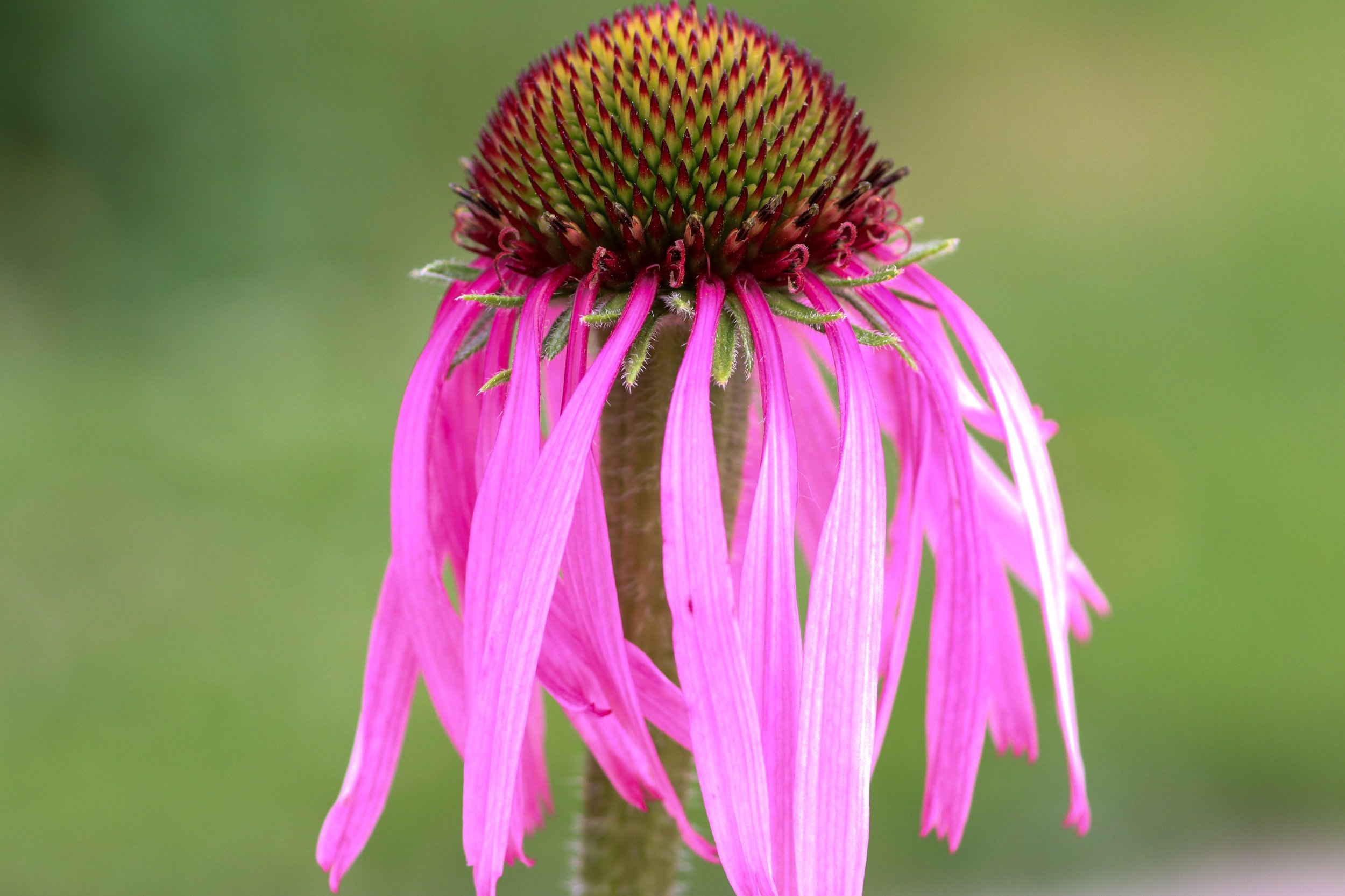 Image 1 of 9
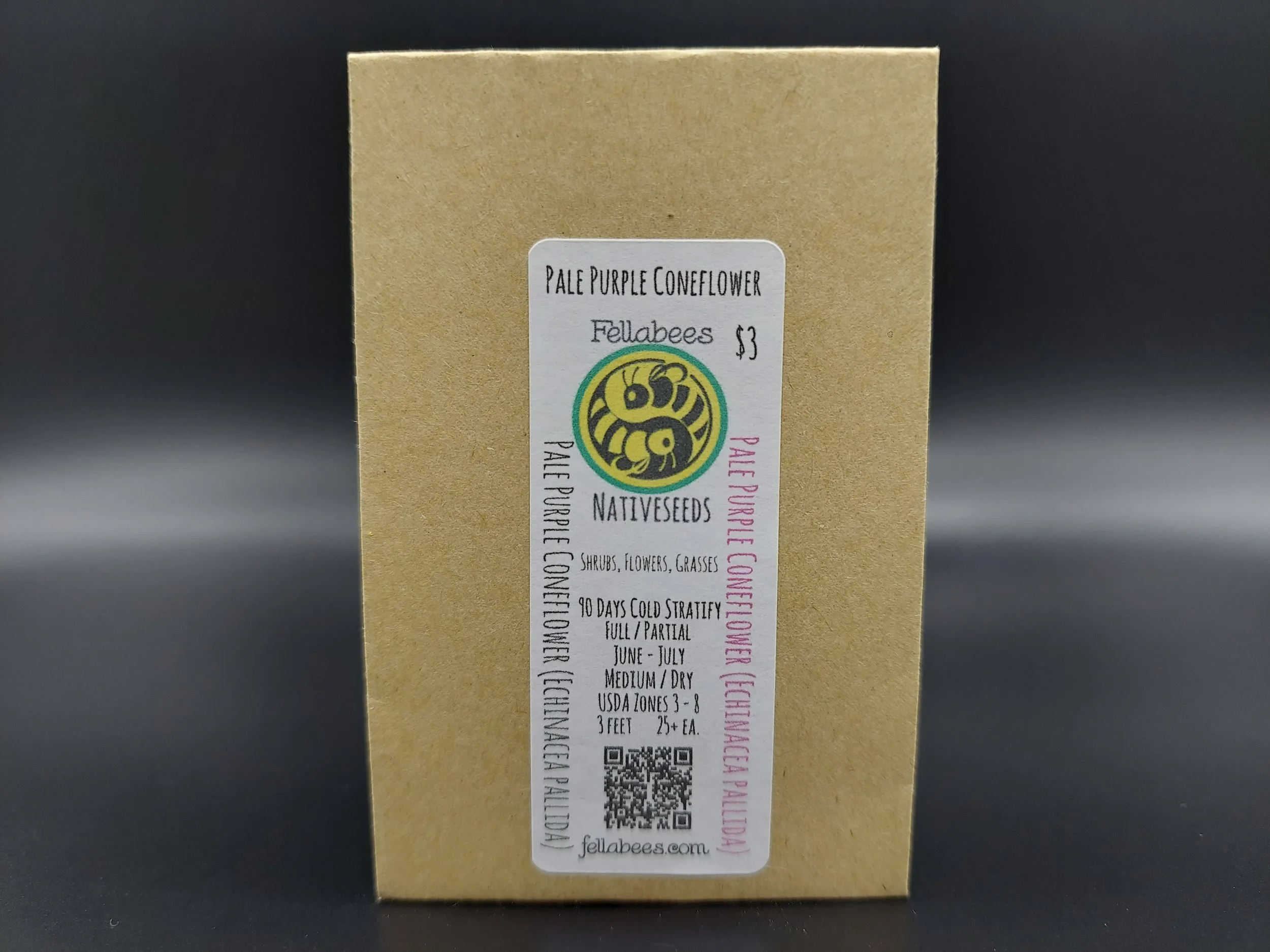 Image 2 of 9
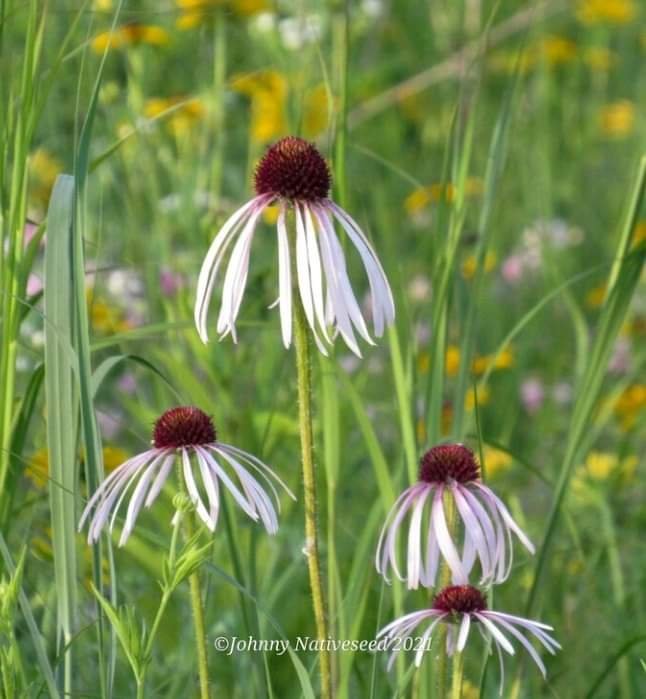 Image 3 of 9
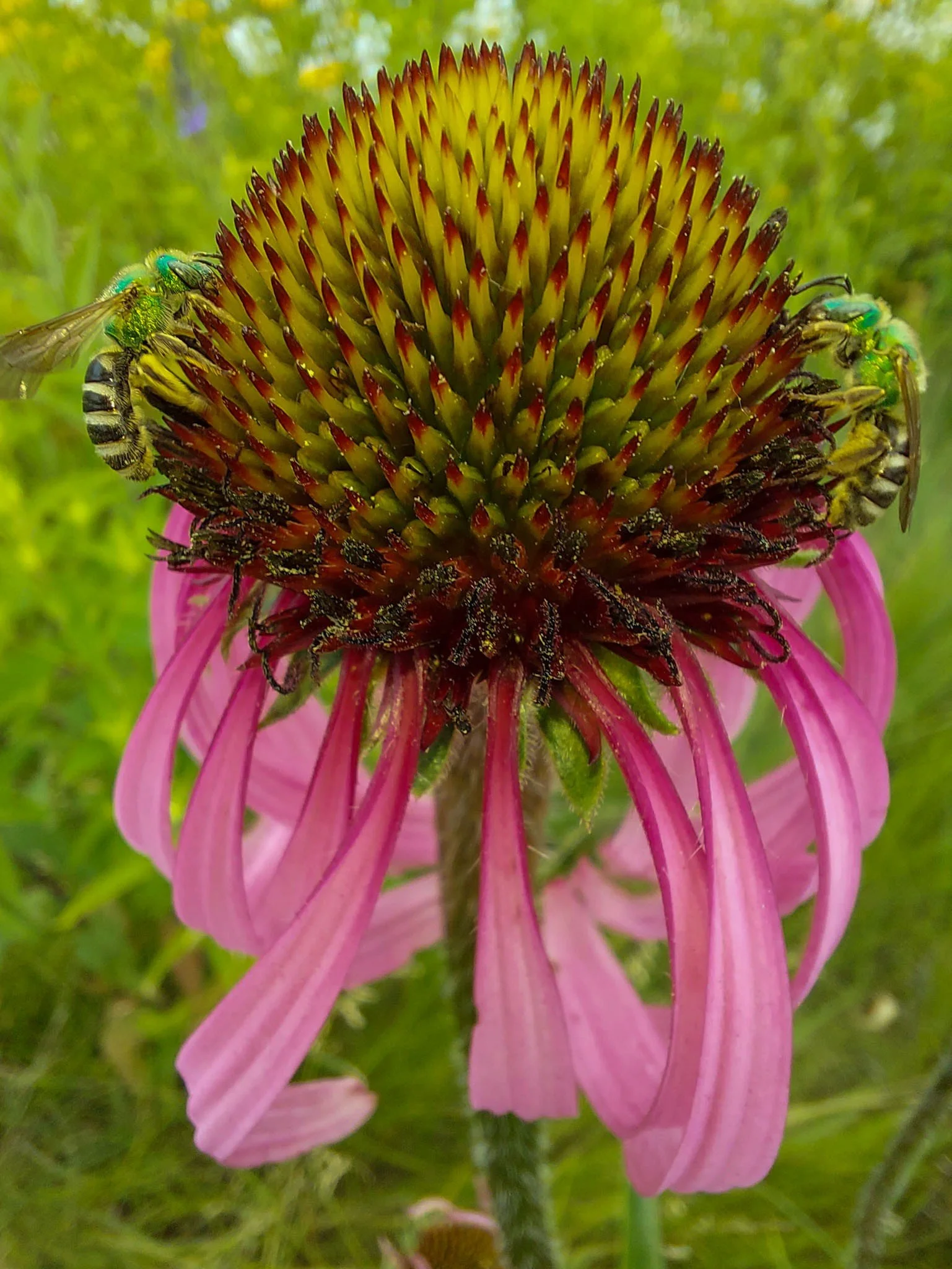 Image 4 of 9
 Image 5 of 9
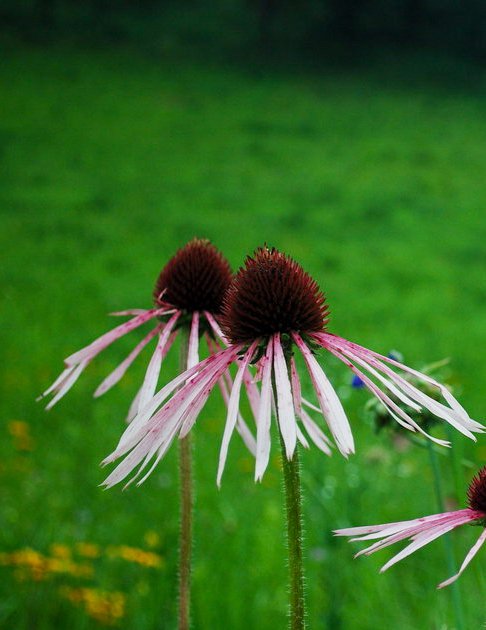 Image 6 of 9
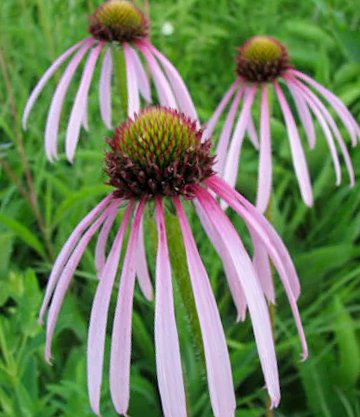 Image 7 of 9
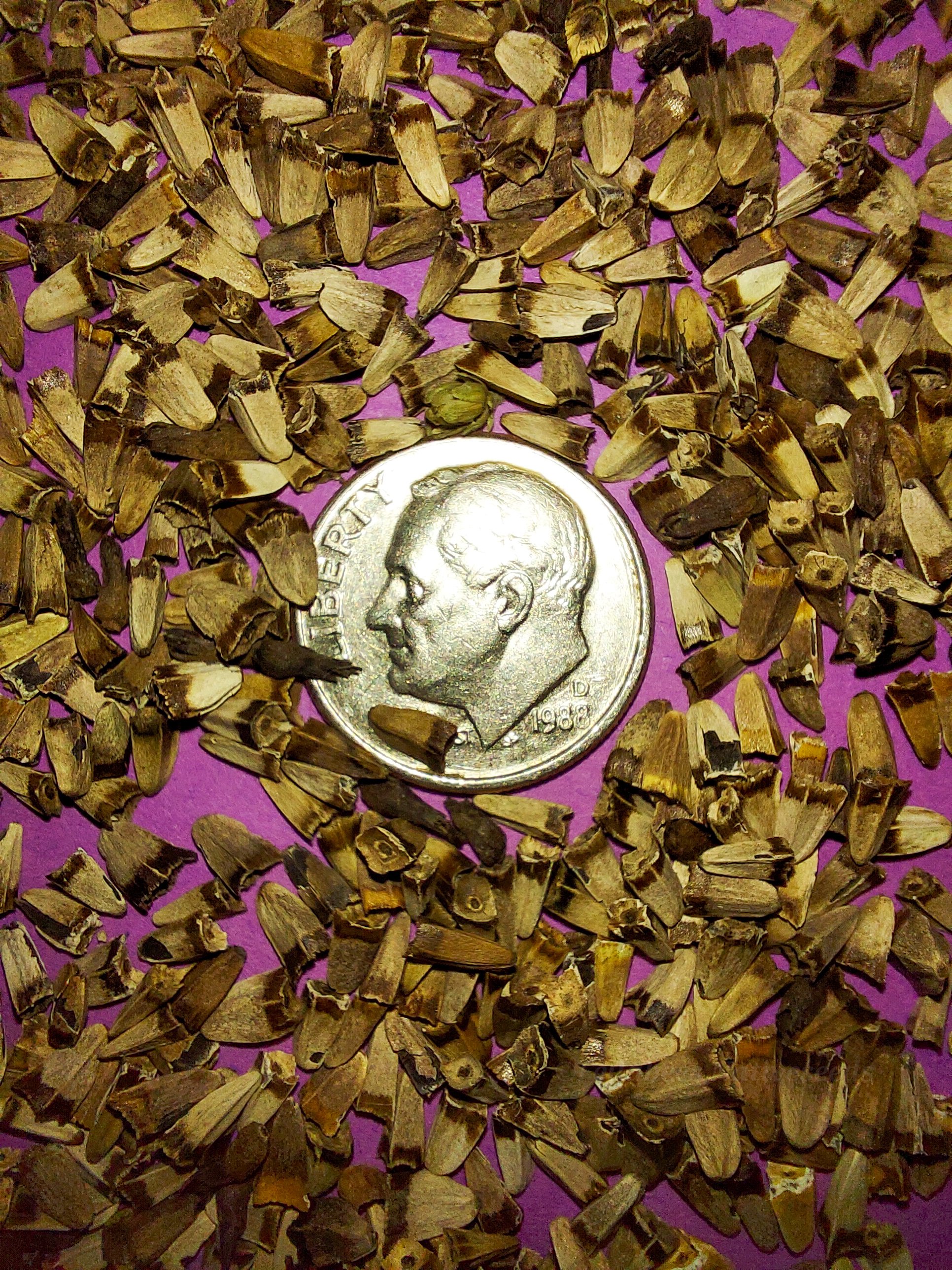 Image 8 of 9
 Image 9 of 9