Sale Price:
$2.00
Original Price:
$3.00
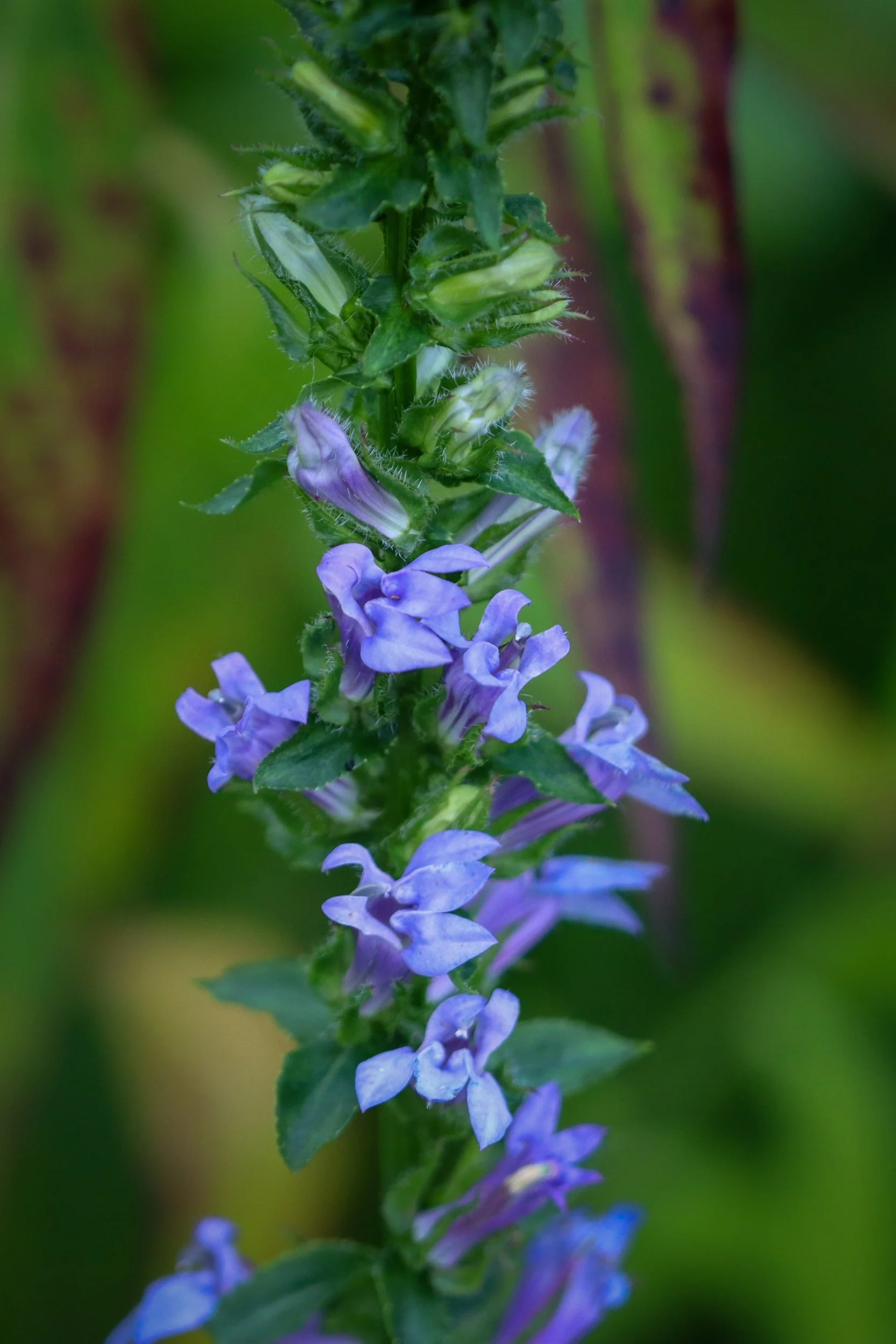
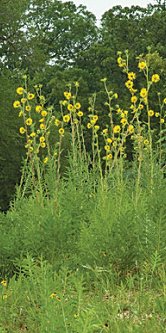
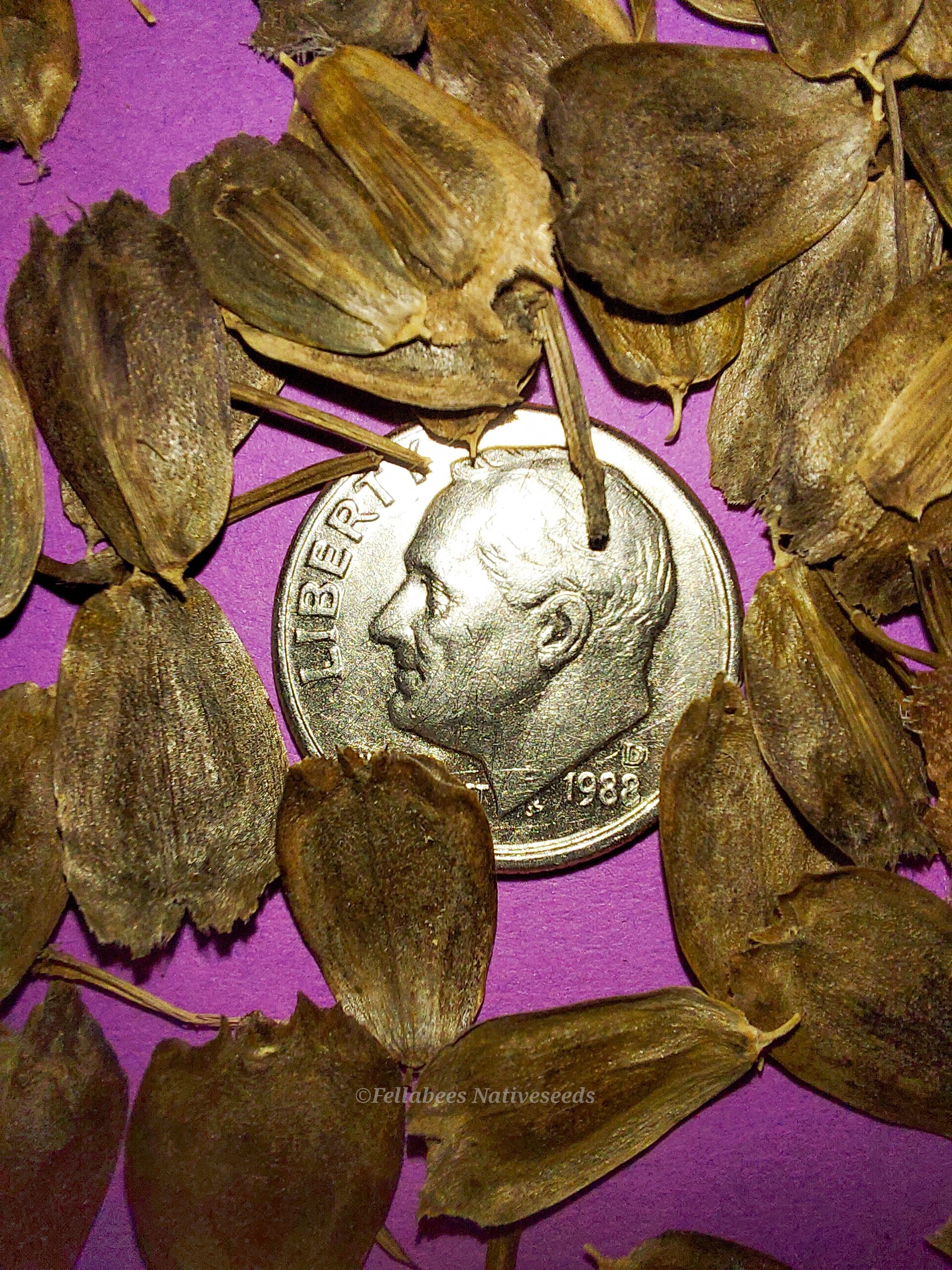
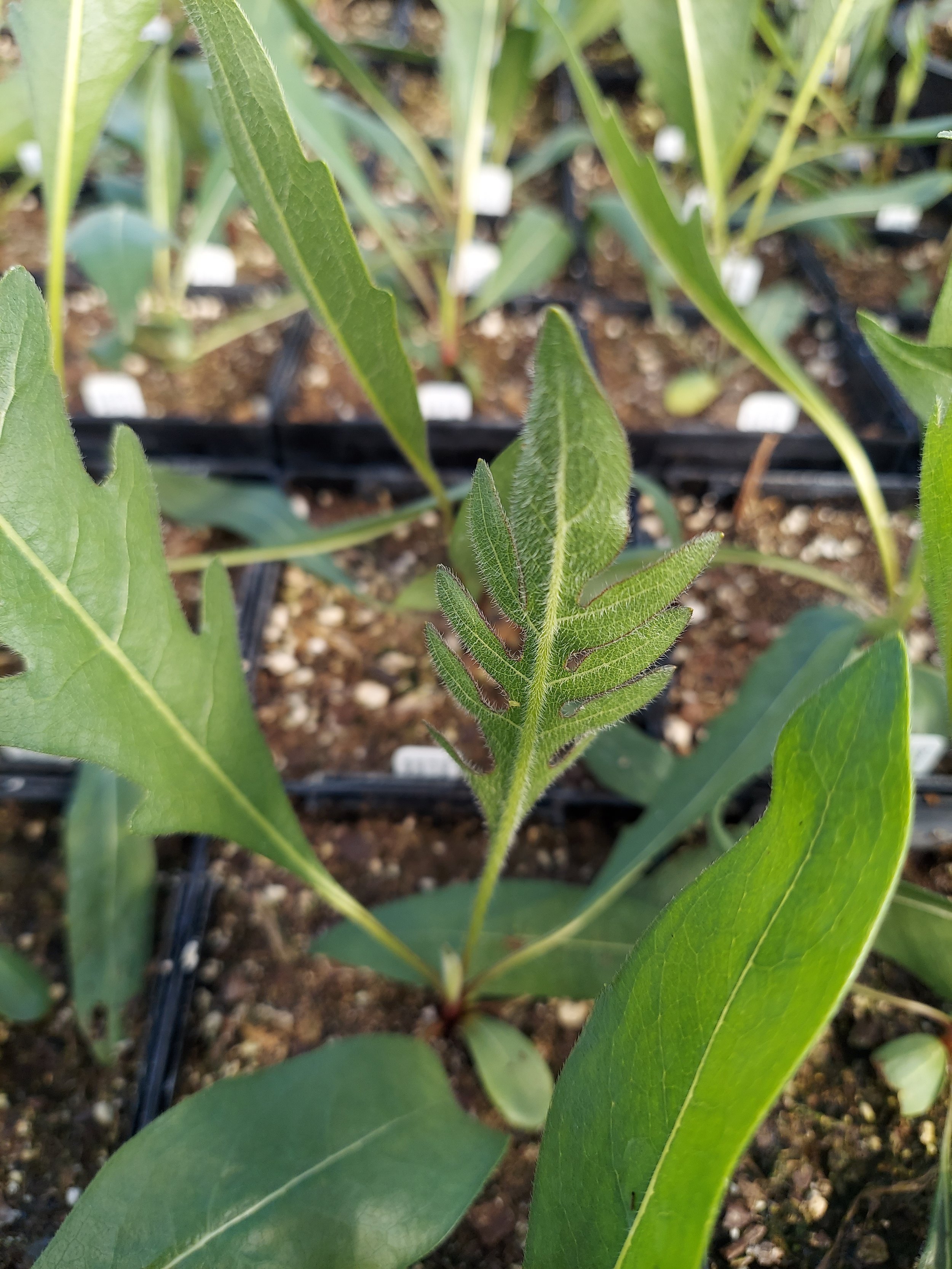
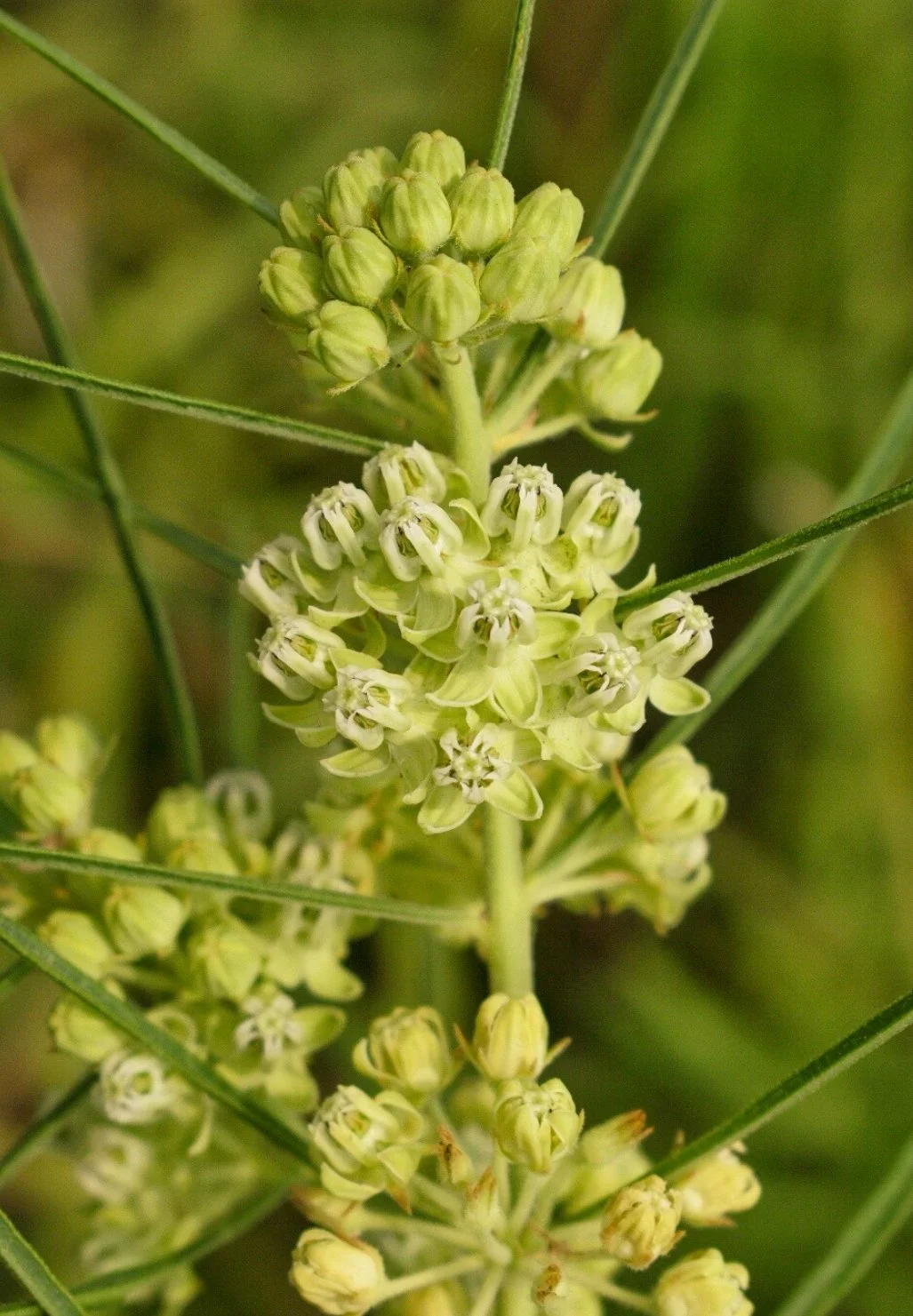
Pale Spiked Lobelia (Lobelia spicata)
Lobelia spicata is the scientific name for the species more commonly called Pale Spiked Lobelia as with Cardinal Flower and Great Blue Lobelia it is a flowering plant in the Bellflower family.
Native to North America, Pale Spiked Lobelia is widespread in southern Canada and the eastern United States. It is found in a variety of sunny and semi-shade habitats, including prairies, glades, woodlands, and disturbed areas. Tolerant of drier situations than the above-mentioned cousins, lower leaves may yellow and fall of in severe drought, but if spoiled with water more likely to flop over.
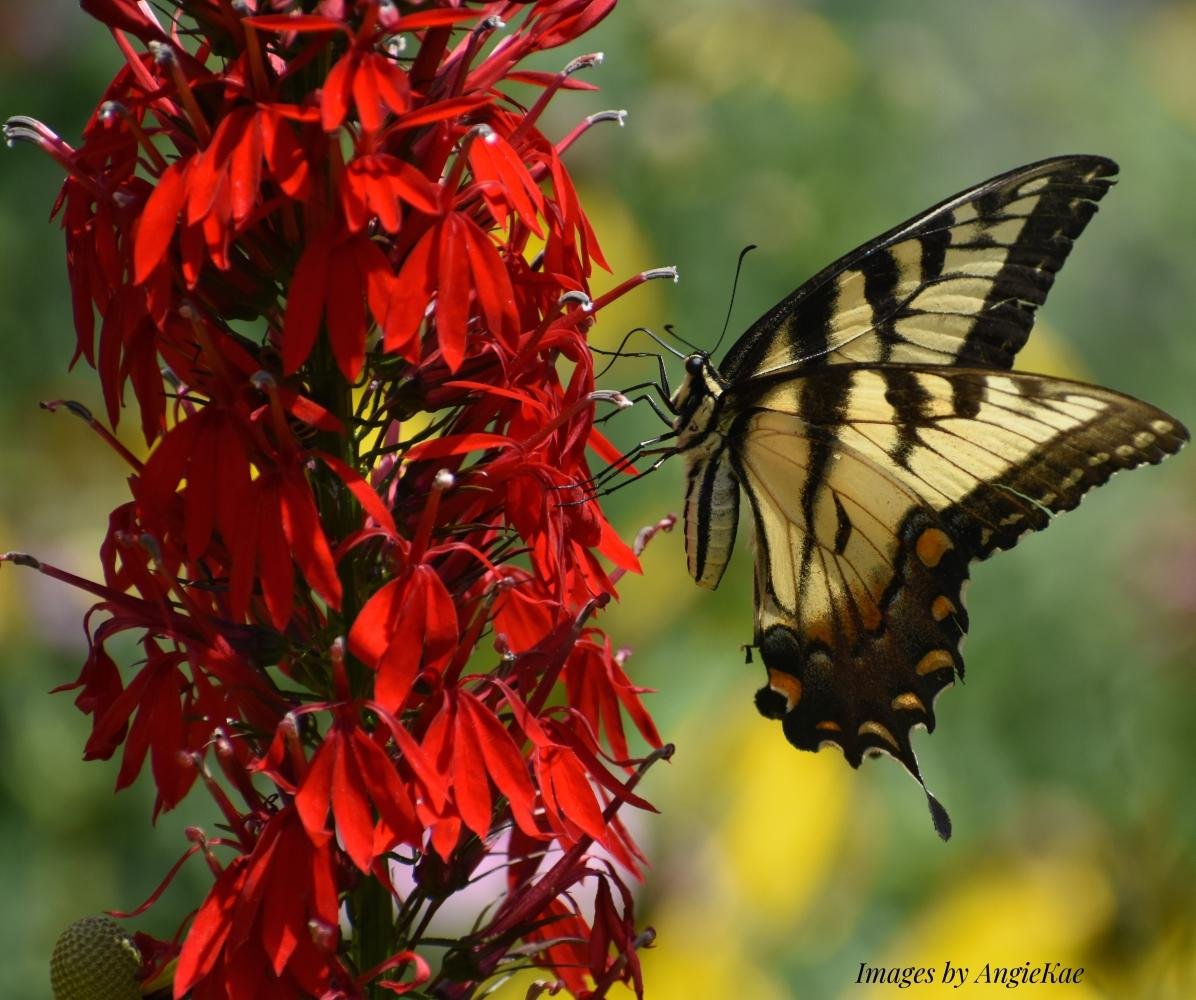
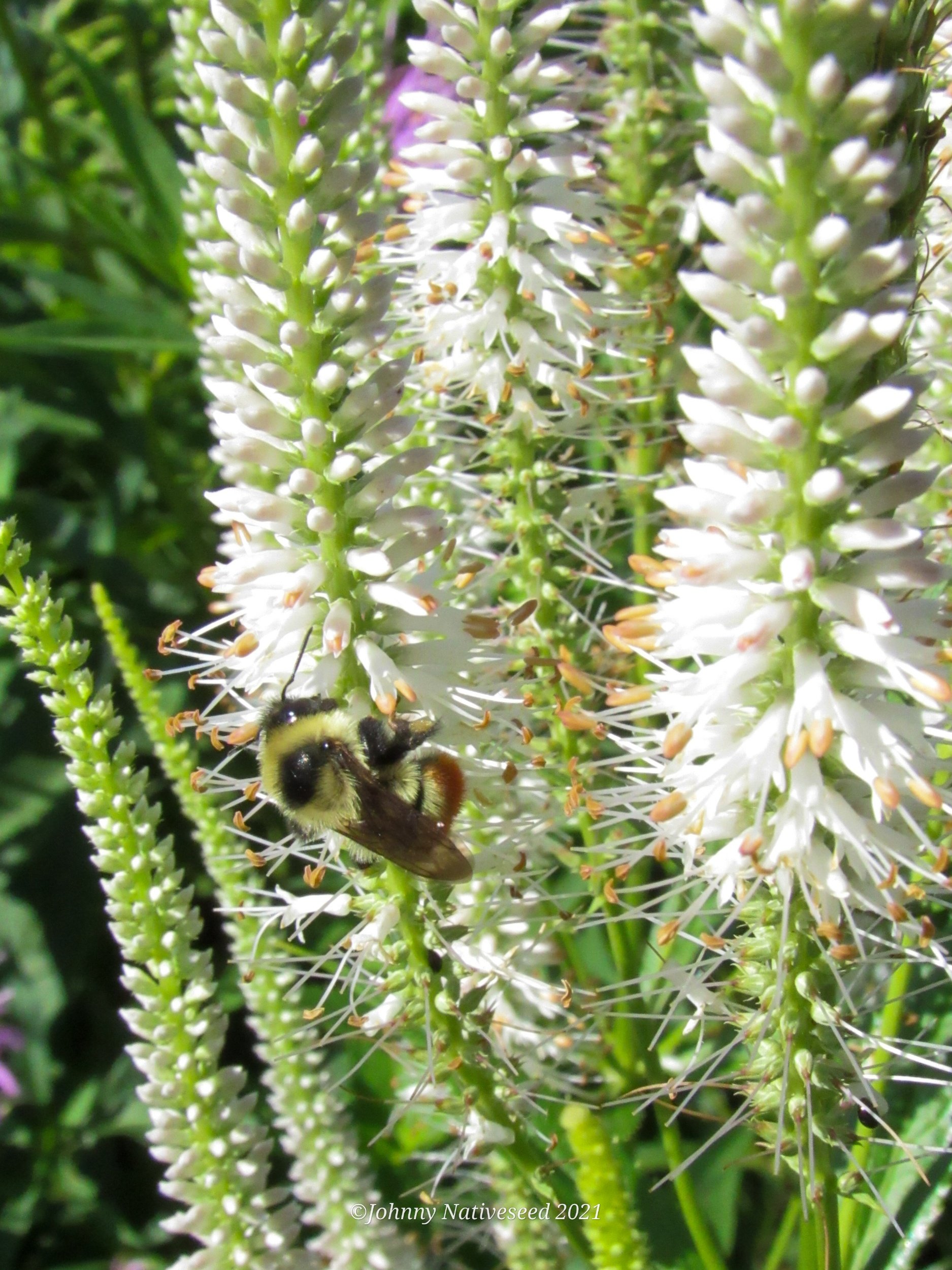
Aside from daring and adventurous hummingbirds, the flowers of Pale Spiked Lobelia attract long-tongued bees including little Carpenter bees (Ceratina spp.), Miner bees (Melissodes spp.), Mason bees (Osmia spp.), and Leaf Cutter bees (Megachile spp.), which readily probe the blooms for nectar. Small butterflies and skippers also visit the flowers occasionally, though they are probably less effective at transferring pollen than the bees. All of these insects are mainly seeking nectar, making the plant an important food source for local pollinators. The leaves and stems contain a watery white latex that is toxic, so most mammalian herbivores are less likely to browse this plant compared with nearby vegetation.
Plant Details
USDA Zones: 4-9
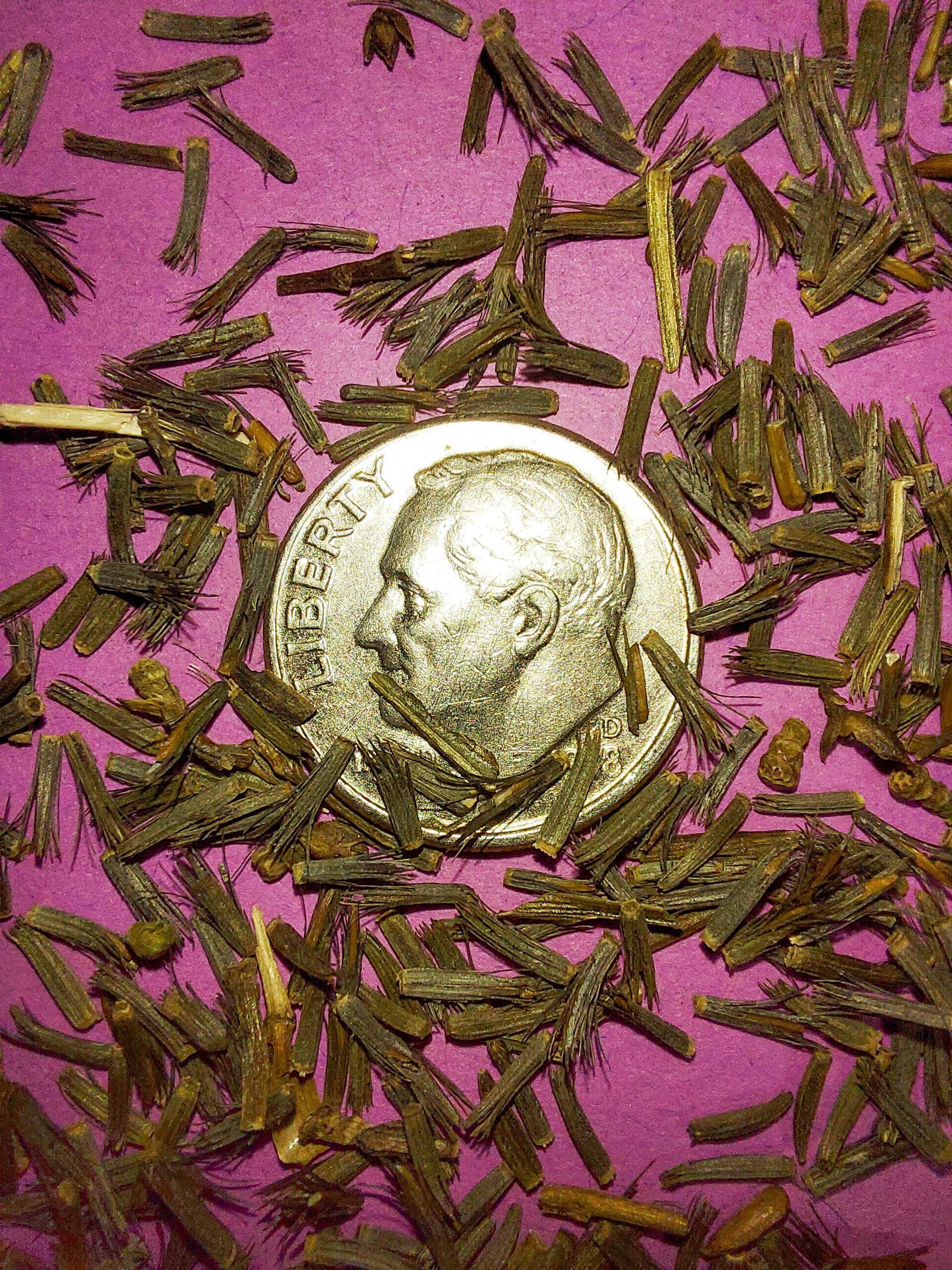
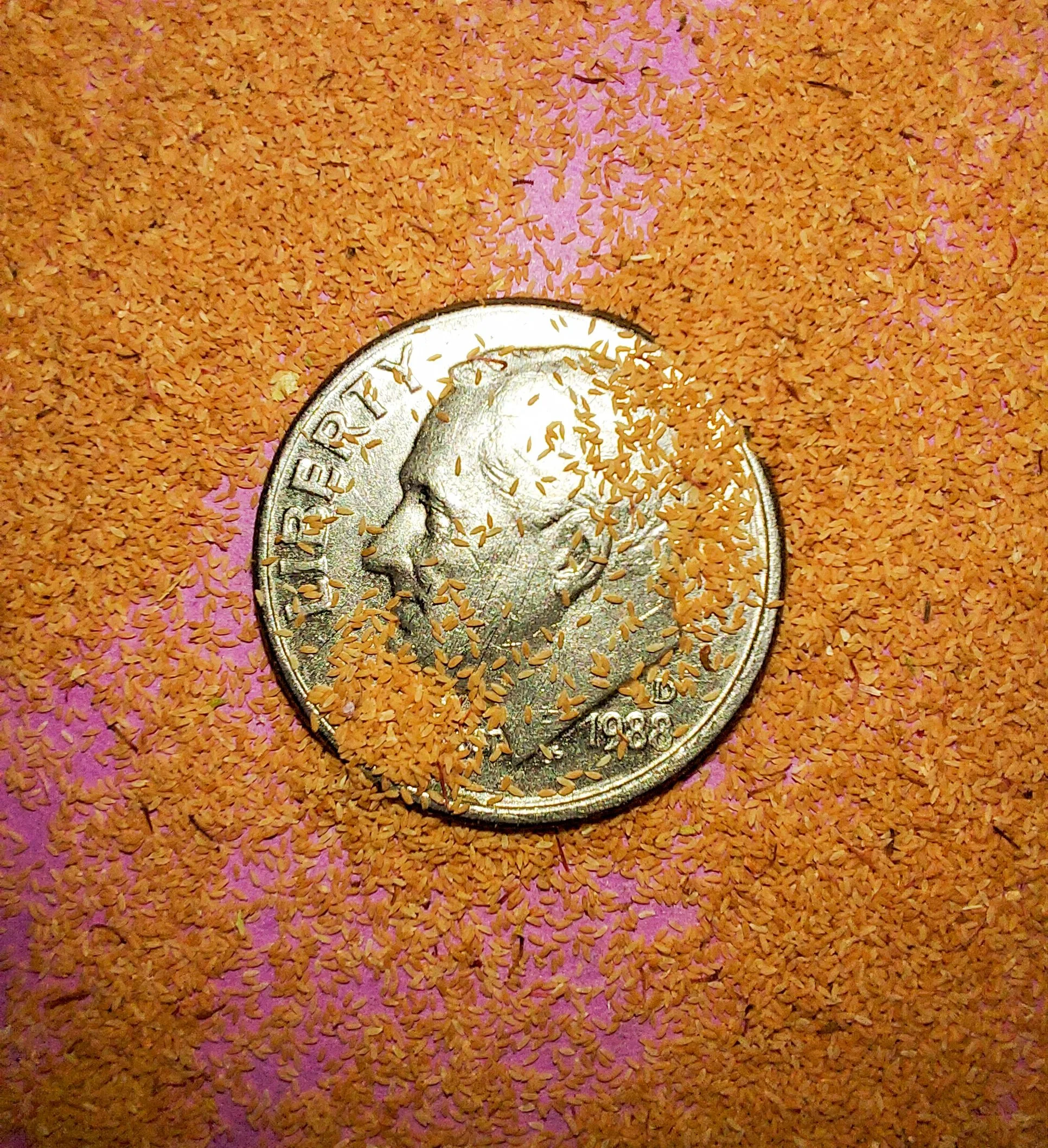
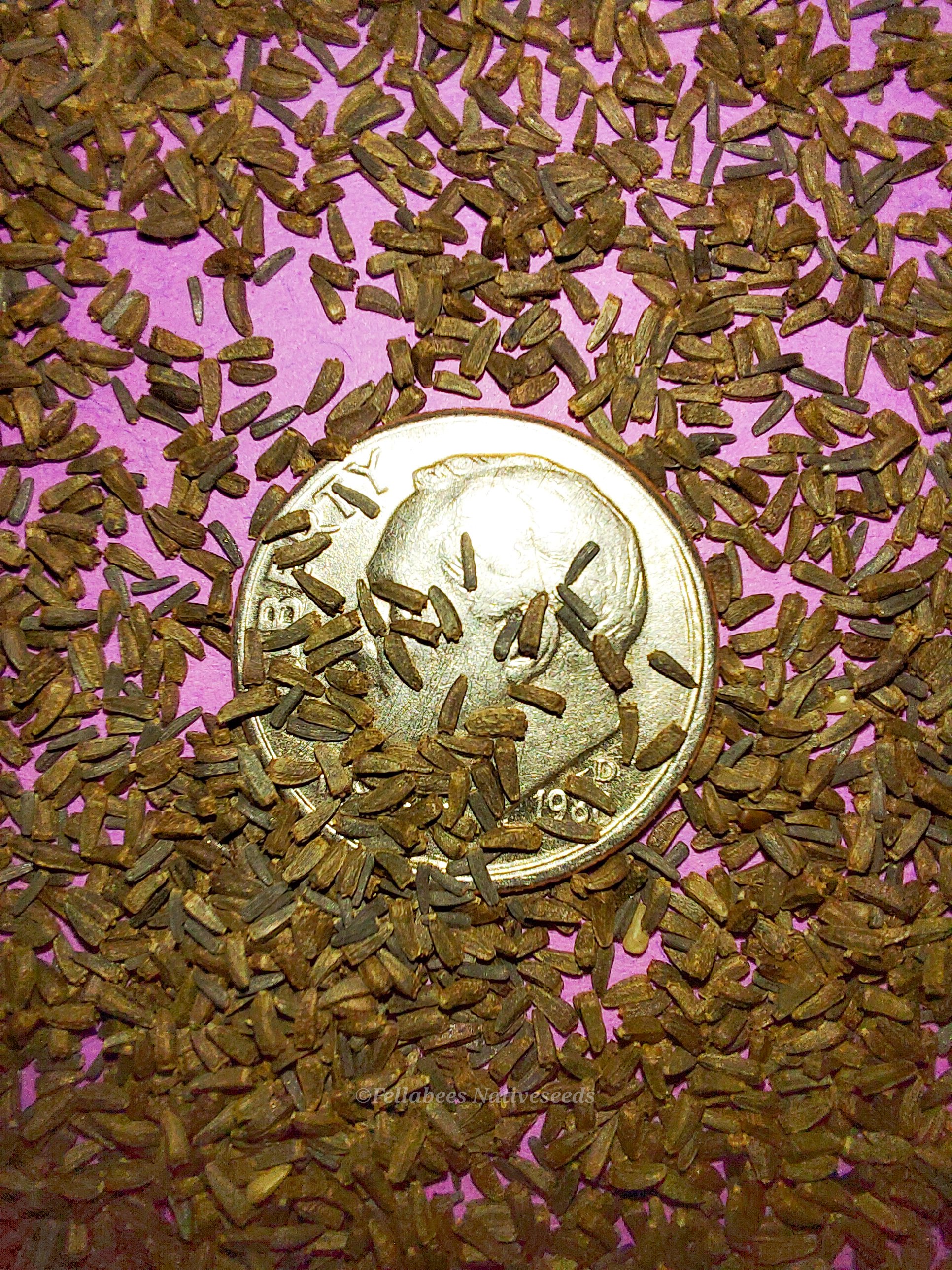
Germination Needs: 60 Days Cold Stratification, Seeds are very small and benefit from light to germinate. Surface sow and bottom water.
Life Cycle: Perennial
Sun Exposure: Full, Partial
Soil Moisture: Medium-Wet, Medium, Medium-Dry
Plant Spacing: 12-18 inches
Height: 2 feet
Bloom time: May, June, July, August
Bloom Color: Purple/White
Advantages:
Pollinator Favorite: butterflies, moths, bees, wasps, beetles
Bird Favorite: seeds, insects, fruit, nectar, nesting, perches.
Deer Resistant: Yes
Native to: Wisconsin, Minnesota, Iowa, Illinois, Indiana, Michigan, Ohio, Pennsylvania, New York, Vermont, New Hampshire, Maine, Massachusetts, Rhode Island, Connecticut, Delaware, Maryland, New Jersey, West Virginia, Virginia, Kentucky, Tennessee, North Carolina, South Carolina, Georgia, Alabama, Mississippi, Louisiana, Arkansas, Missouri, Texas, Oklahoma, Kansas, Nebraska, South Dakota, North Dakota, and Montana.
This species is considered present but rare in several counties of the states of Montana, Texas, and Delaware.
.
.
Packet quantities:
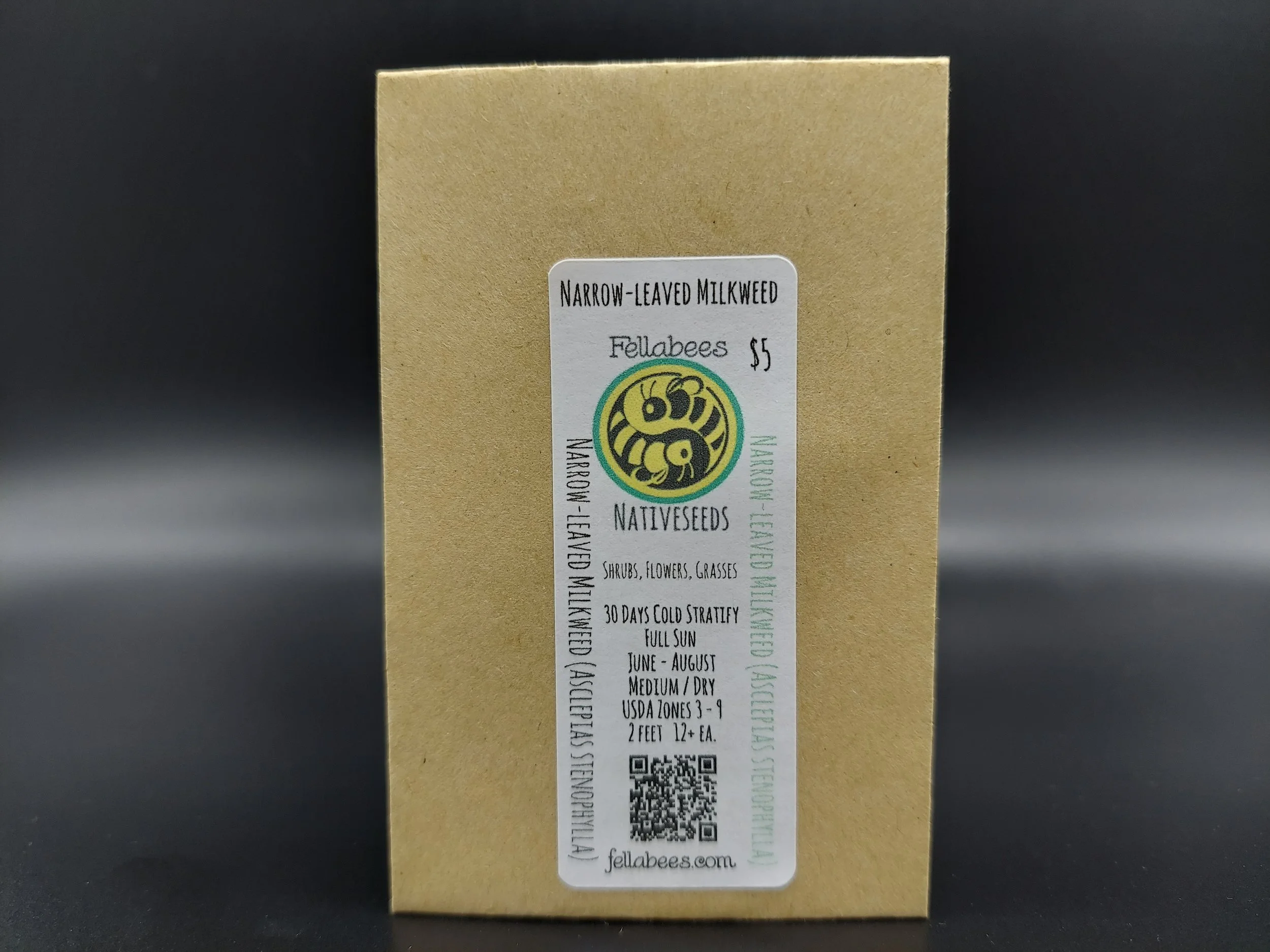
We pride ourselves on ethical, hands on, ecological management, using no mechanical or chemical methods whatsoever.
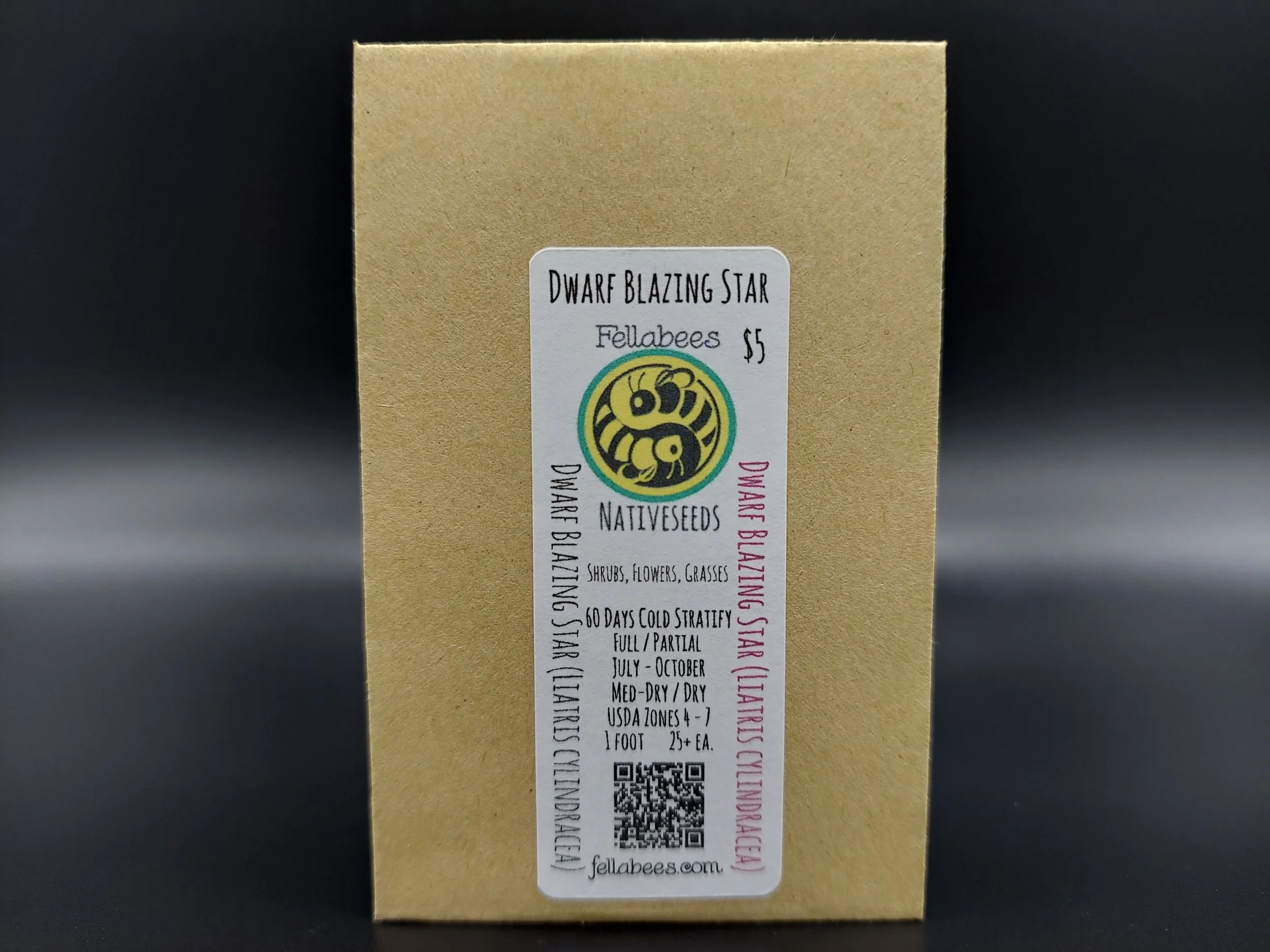
All of our native seed is hand reared, hand picked, and hand packed from native prairies under our exclusive management, never breaking chain of custody from the field until it is sent to you. Each packet is hand prepared for shipment by us, directly.
Small seed species will contain greater than 20-25 seed
Large seed species will contain greater than 10-15 seed
All packets are individually marked at the bottom of the front label with expected count, however most if not all packets will have many more than the minimum count by default.
It is our mission to spread the wealth of native plant and pollinator ecological sustainability, and educate back yard gardeners as well as corporate and government entities in how to germinate, grow, and benefit from native synergies.
Thank you for your support, it is because of you, that we can grow together to do, what we do. 🐛🦋🐝🐞🌾🌱🌼🧡
Pale Spiked Lobelia (Lobelia spicata)
Lobelia spicata is the scientific name for the species more commonly called Pale Spiked Lobelia as with Cardinal Flower and Great Blue Lobelia it is a flowering plant in the Bellflower family.
Native to North America, Pale Spiked Lobelia is widespread in southern Canada and the eastern United States. It is found in a variety of sunny and semi-shade habitats, including prairies, glades, woodlands, and disturbed areas. Tolerant of drier situations than the above-mentioned cousins, lower leaves may yellow and fall of in severe drought, but if spoiled with water more likely to flop over.
Aside from daring and adventurous hummingbirds, the flowers of Pale Spiked Lobelia attract long-tongued bees including little Carpenter bees (Ceratina spp.), Miner bees (Melissodes spp.), Mason bees (Osmia spp.), and Leaf Cutter bees (Megachile spp.), which readily probe the blooms for nectar. Small butterflies and skippers also visit the flowers occasionally, though they are probably less effective at transferring pollen than the bees. All of these insects are mainly seeking nectar, making the plant an important food source for local pollinators. The leaves and stems contain a watery white latex that is toxic, so most mammalian herbivores are less likely to browse this plant compared with nearby vegetation.
Plant Details
USDA Zones: 4-9
Germination Needs: 60 Days Cold Stratification, Seeds are very small and benefit from light to germinate. Surface sow and bottom water.
Life Cycle: Perennial
Sun Exposure: Full, Partial
Soil Moisture: Medium-Wet, Medium, Medium-Dry
Plant Spacing: 12-18 inches
Height: 2 feet
Bloom time: May, June, July, August
Bloom Color: Purple/White
Advantages:
Pollinator Favorite: butterflies, moths, bees, wasps, beetles
Bird Favorite: seeds, insects, fruit, nectar, nesting, perches.
Deer Resistant: Yes
Native to: Wisconsin, Minnesota, Iowa, Illinois, Indiana, Michigan, Ohio, Pennsylvania, New York, Vermont, New Hampshire, Maine, Massachusetts, Rhode Island, Connecticut, Delaware, Maryland, New Jersey, West Virginia, Virginia, Kentucky, Tennessee, North Carolina, South Carolina, Georgia, Alabama, Mississippi, Louisiana, Arkansas, Missouri, Texas, Oklahoma, Kansas, Nebraska, South Dakota, North Dakota, and Montana.
This species is considered present but rare in several counties of the states of Montana, Texas, and Delaware.
.
.
Packet quantities:
We pride ourselves on ethical, hands on, ecological management, using no mechanical or chemical methods whatsoever.
All of our native seed is hand reared, hand picked, and hand packed from native prairies under our exclusive management, never breaking chain of custody from the field until it is sent to you. Each packet is hand prepared for shipment by us, directly.
Small seed species will contain greater than 20-25 seed
Large seed species will contain greater than 10-15 seed
All packets are individually marked at the bottom of the front label with expected count, however most if not all packets will have many more than the minimum count by default.
It is our mission to spread the wealth of native plant and pollinator ecological sustainability, and educate back yard gardeners as well as corporate and government entities in how to germinate, grow, and benefit from native synergies.
Thank you for your support, it is because of you, that we can grow together to do, what we do. 🐛🦋🐝🐞🌾🌱🌼🧡
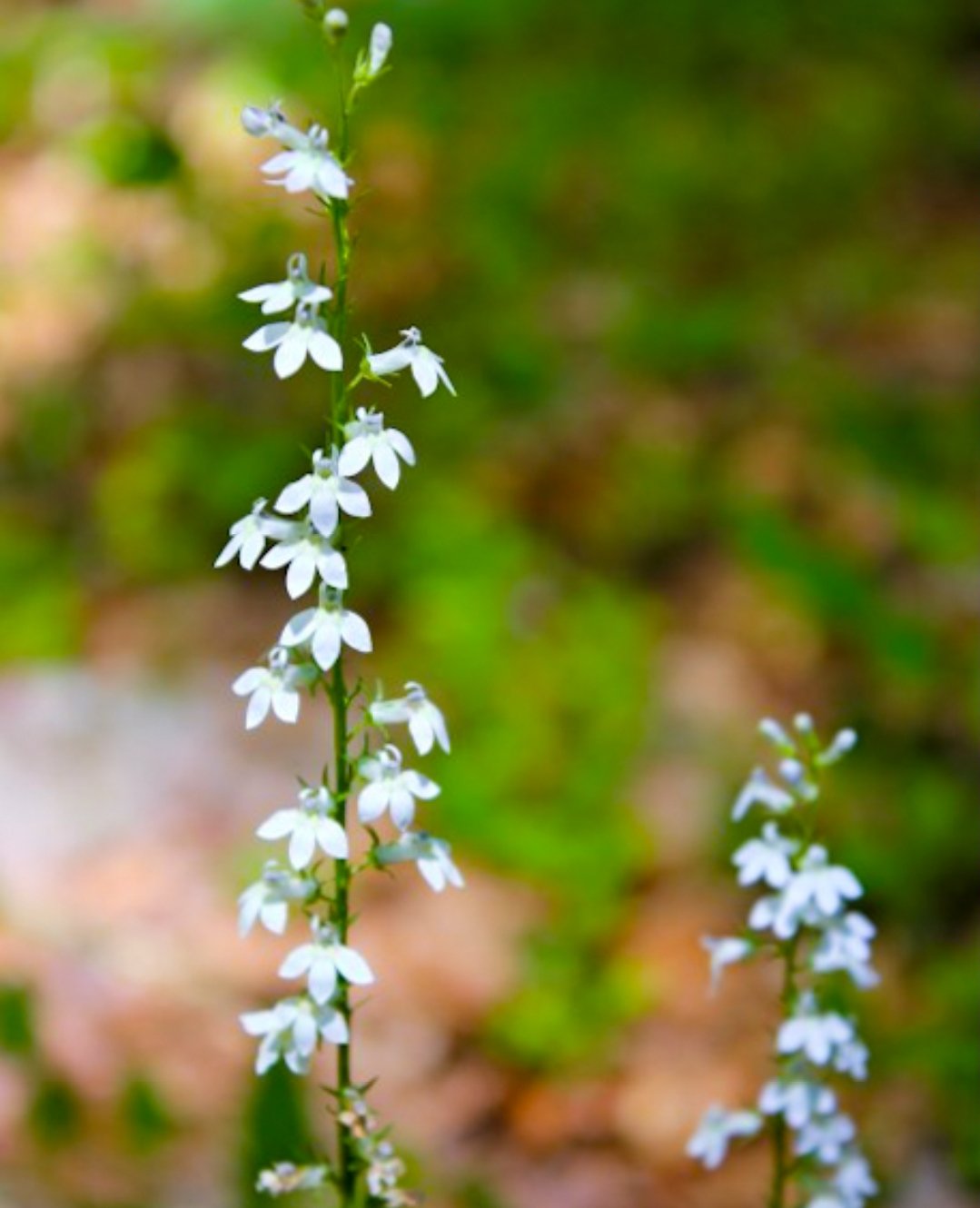 Image 1 of 6
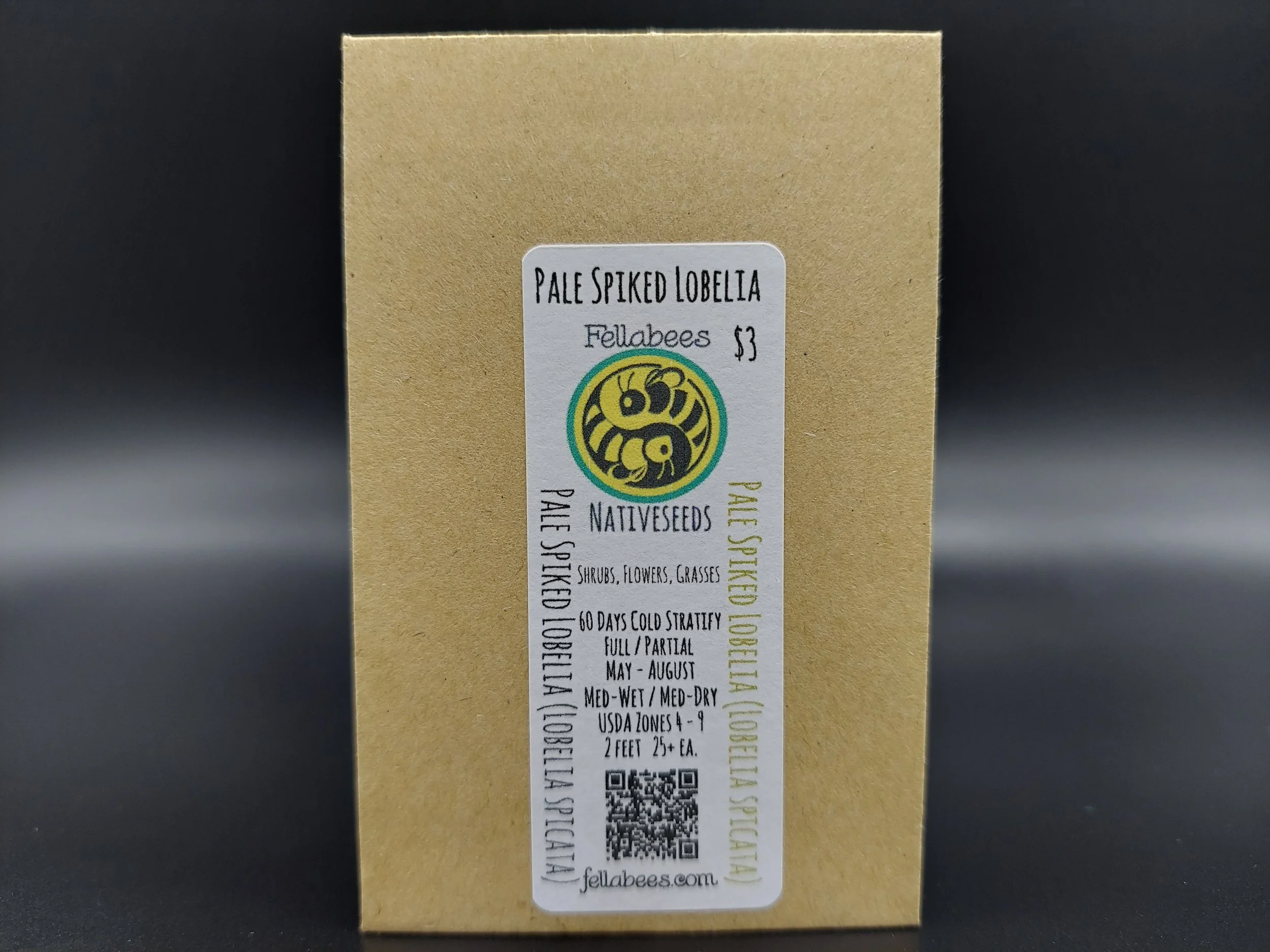 Image 2 of 6
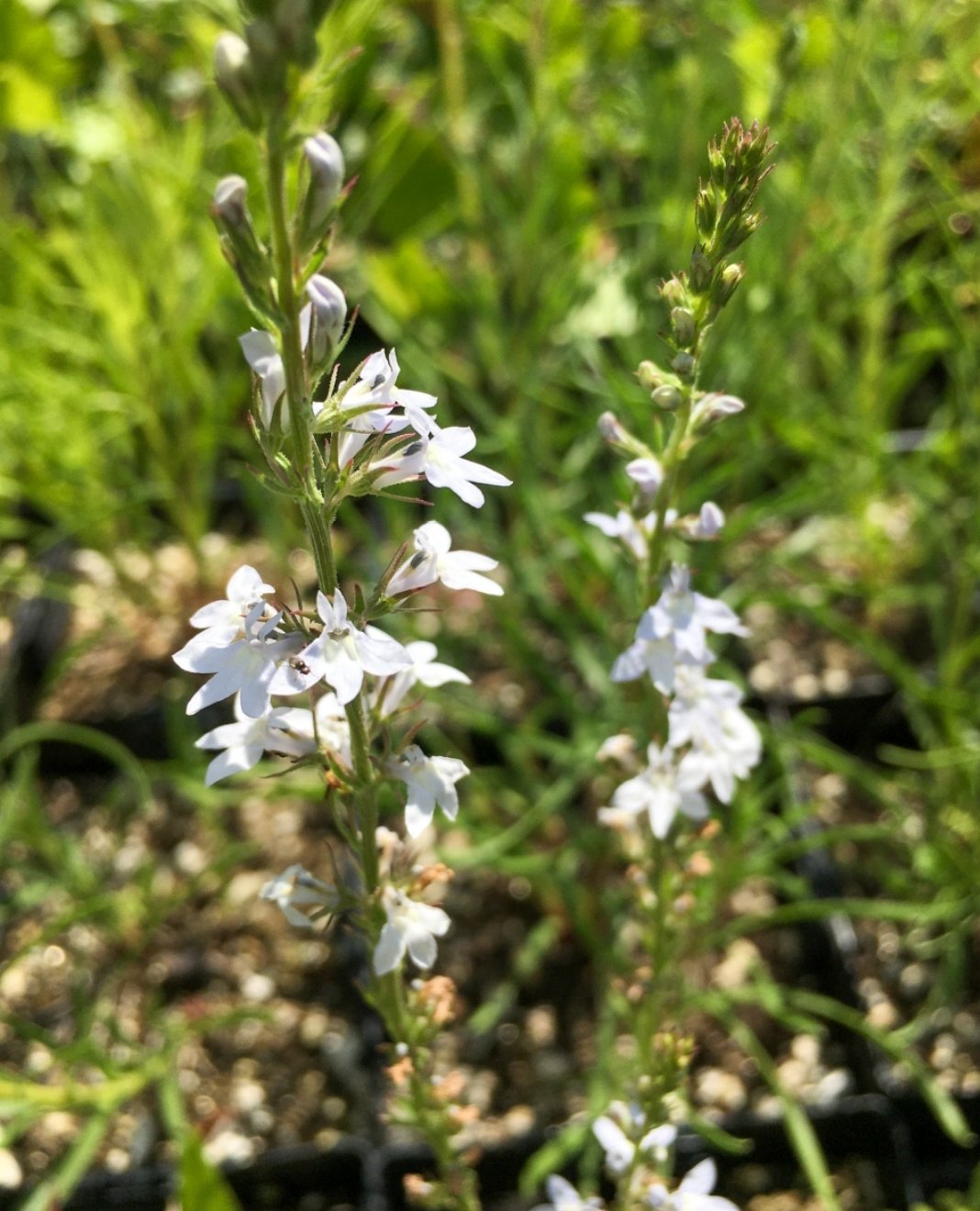 Image 3 of 6
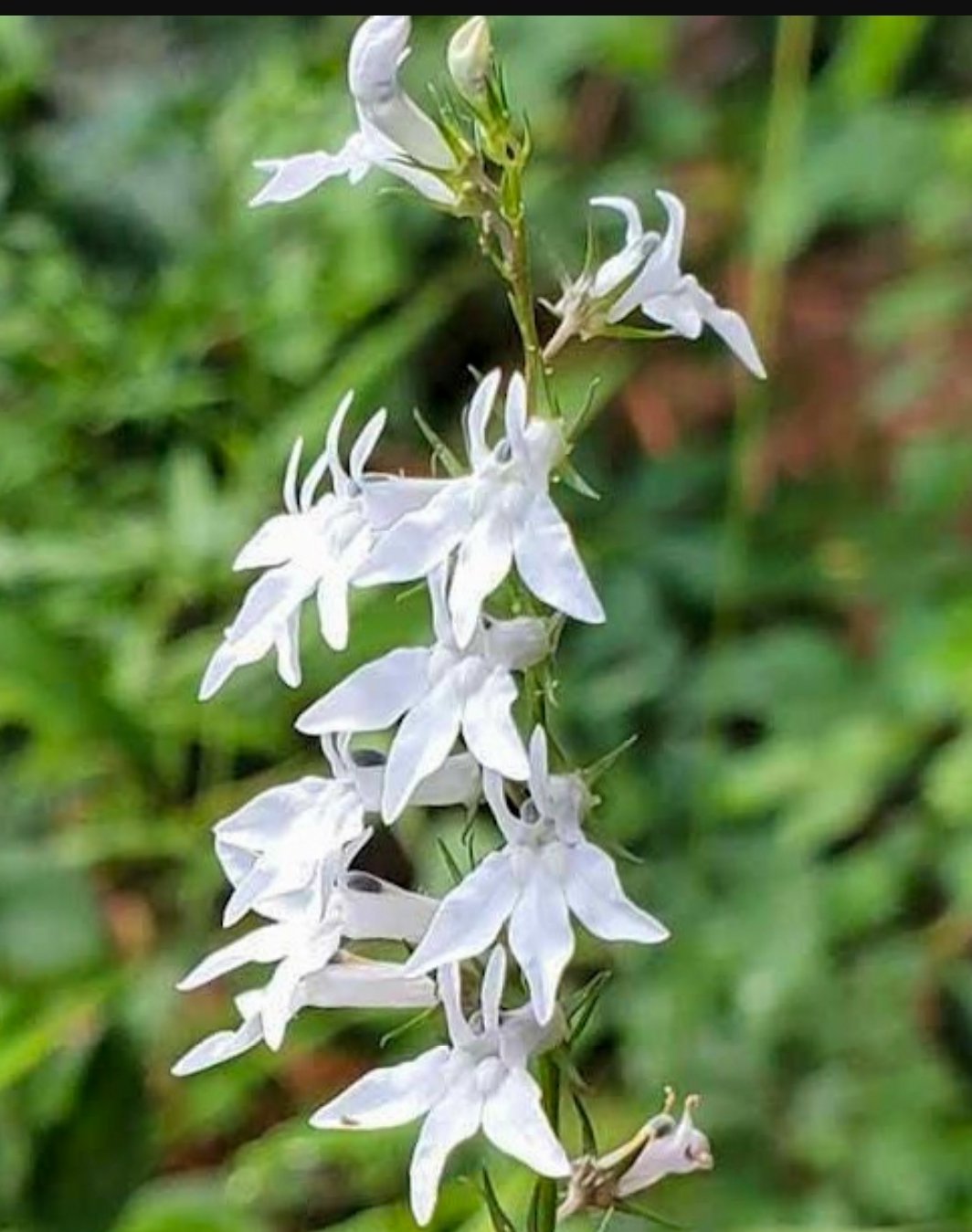 Image 4 of 6
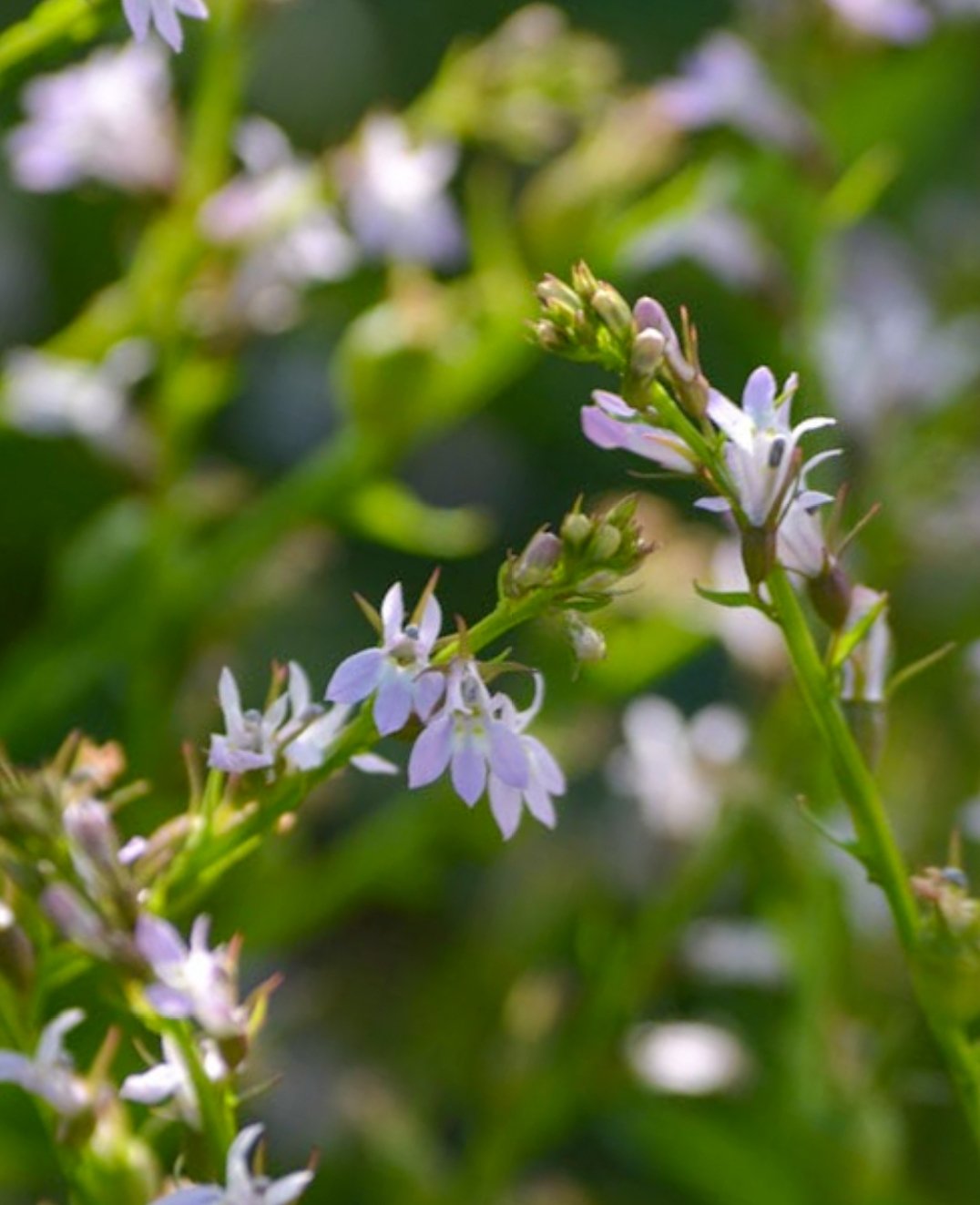 Image 5 of 6
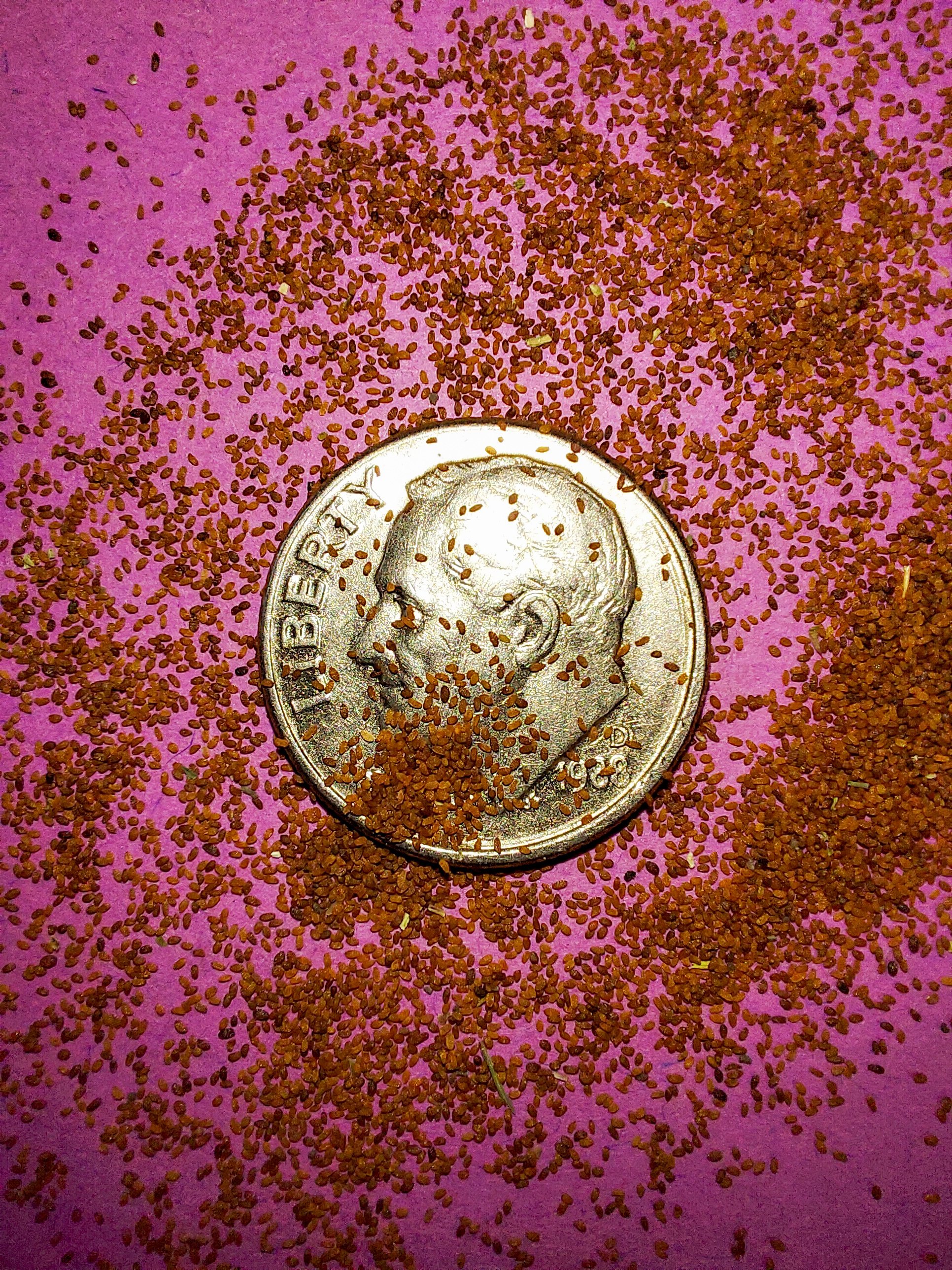 Image 6 of 6