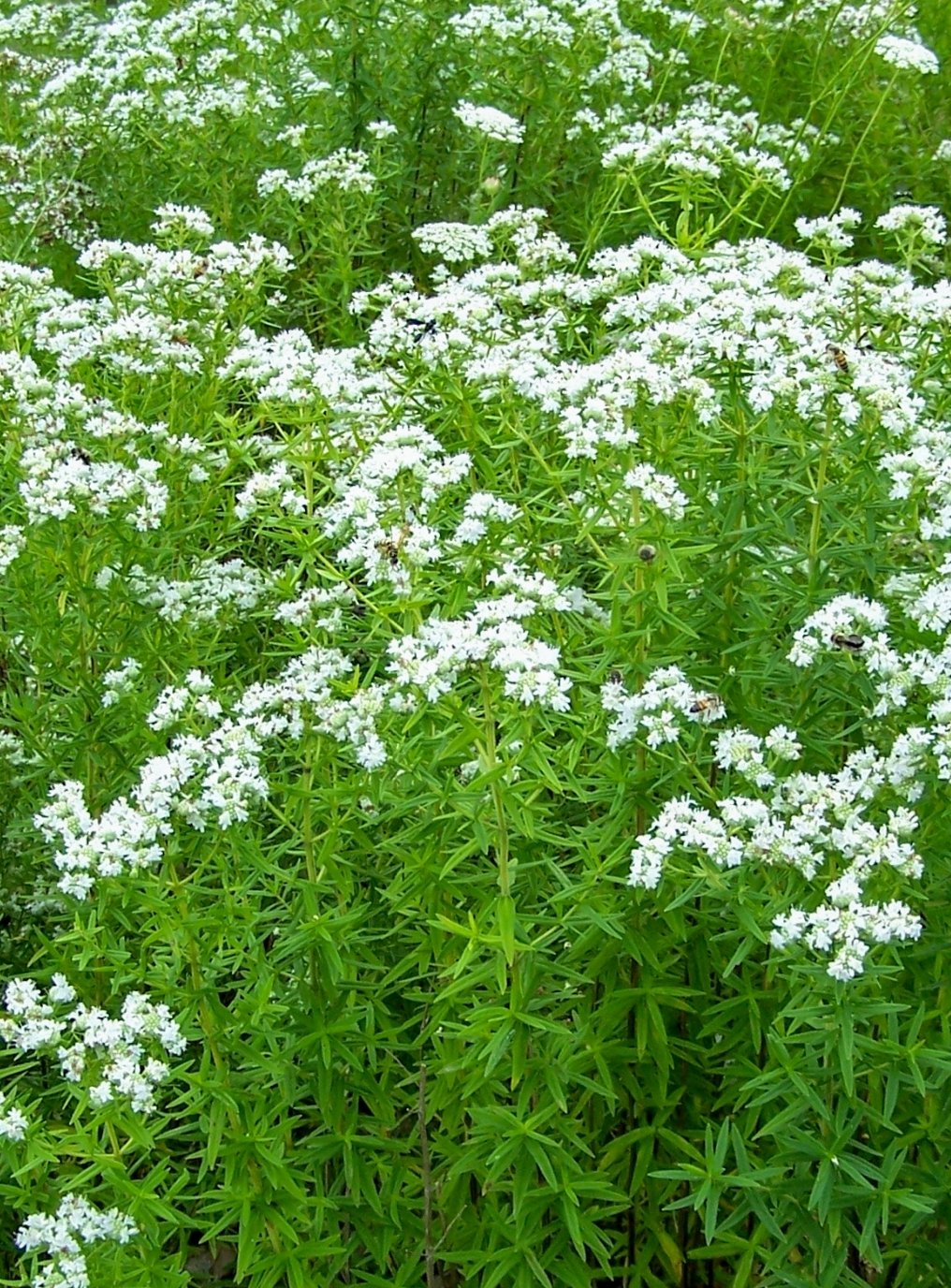
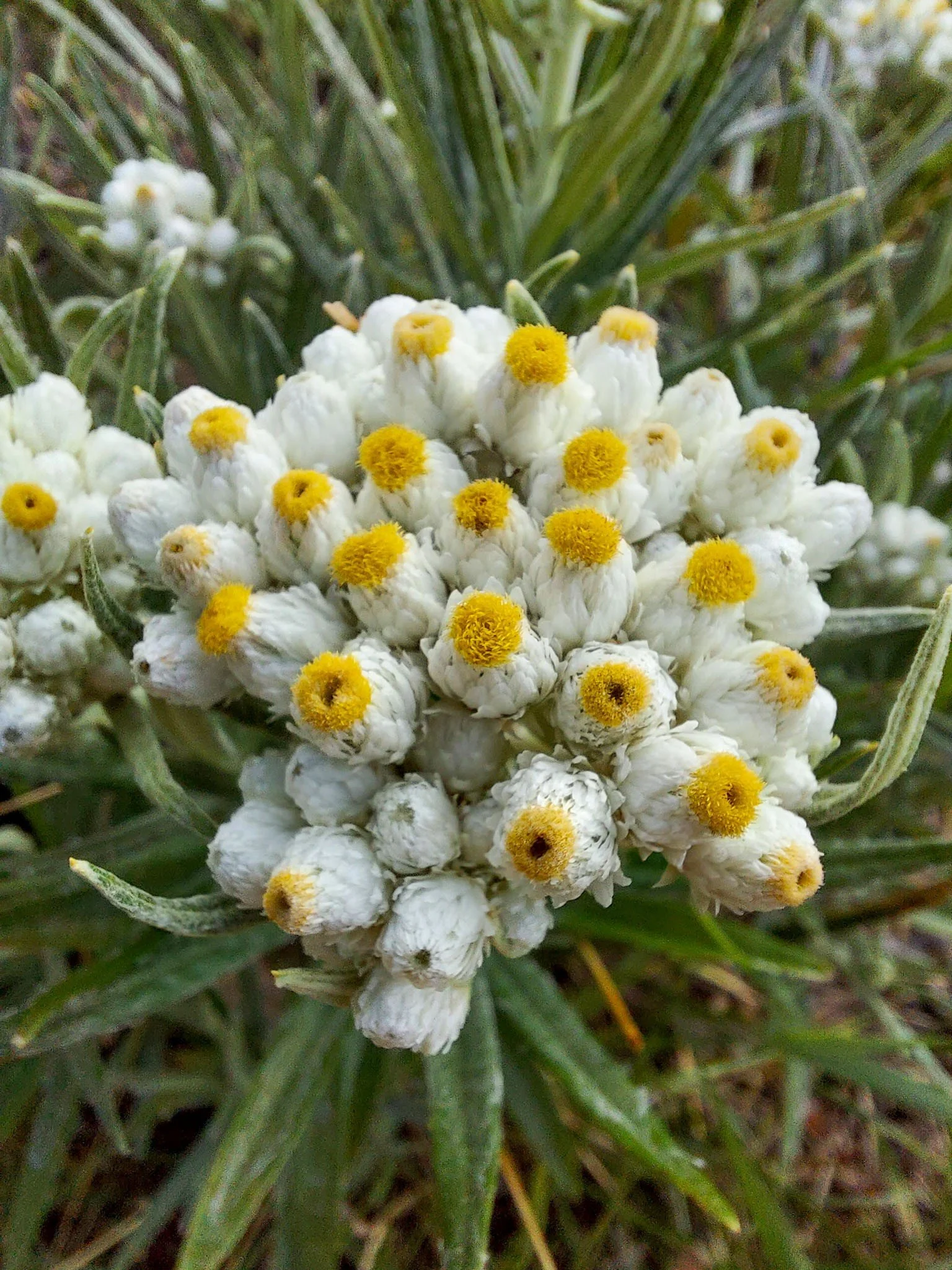
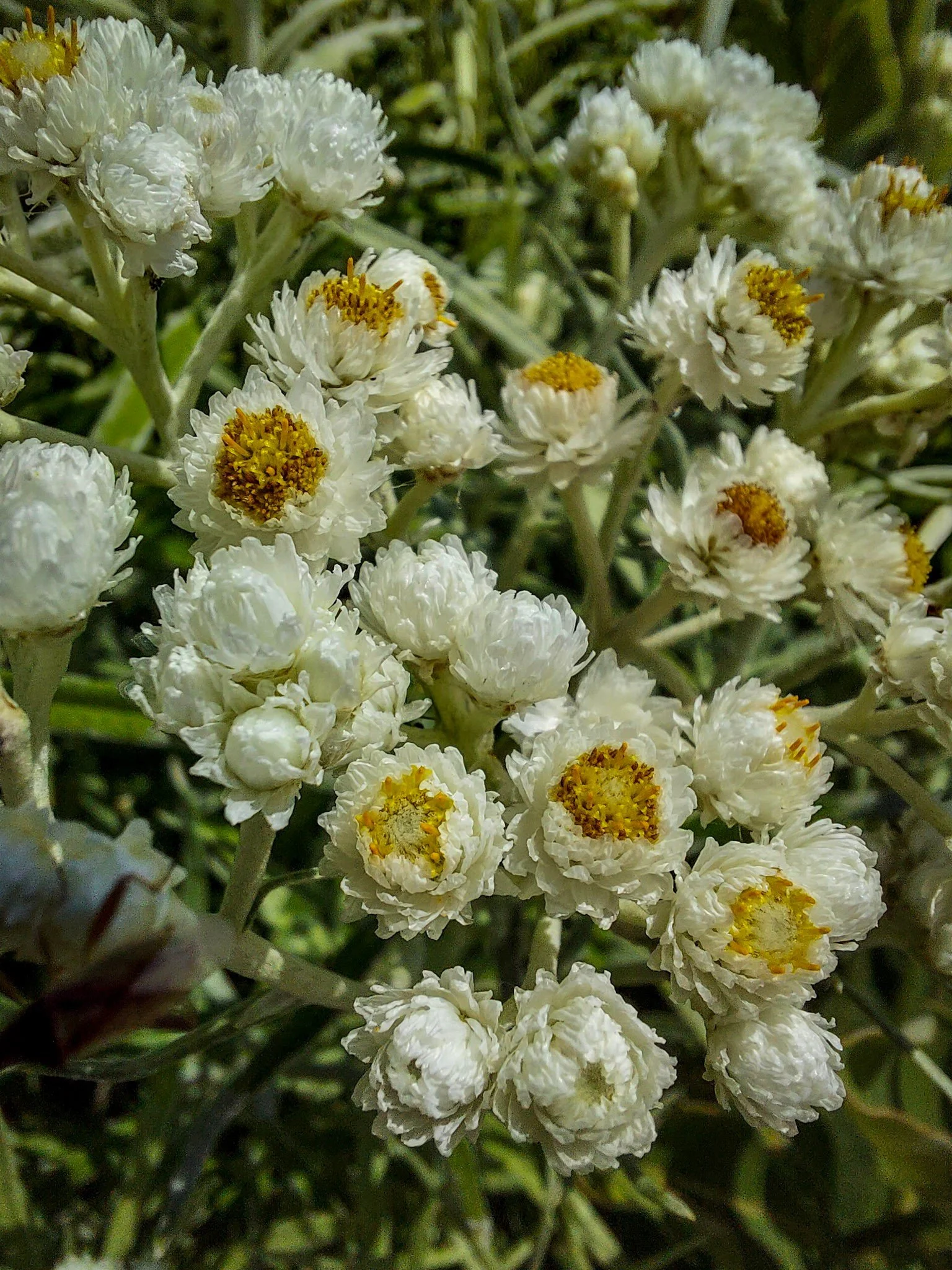
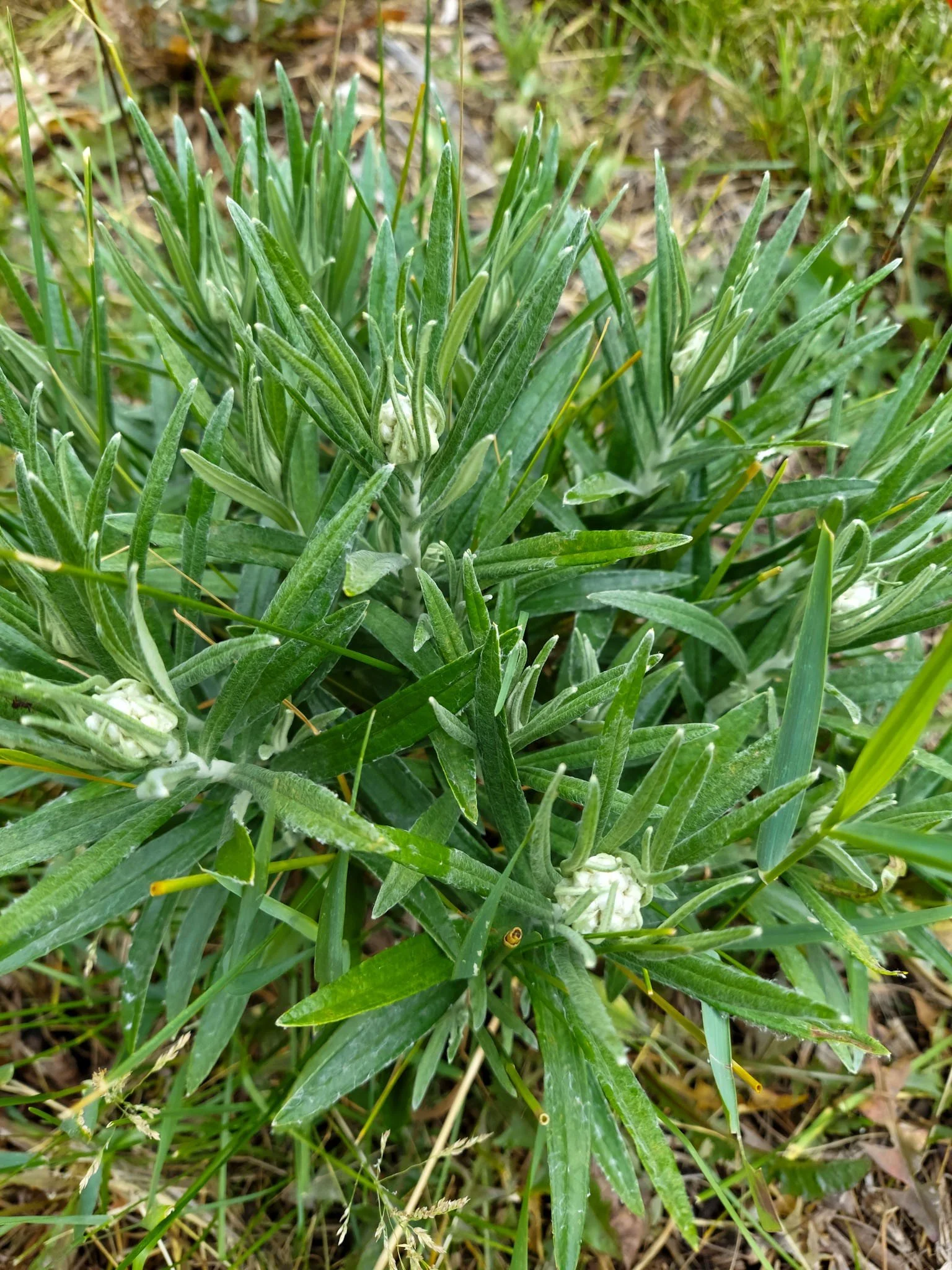
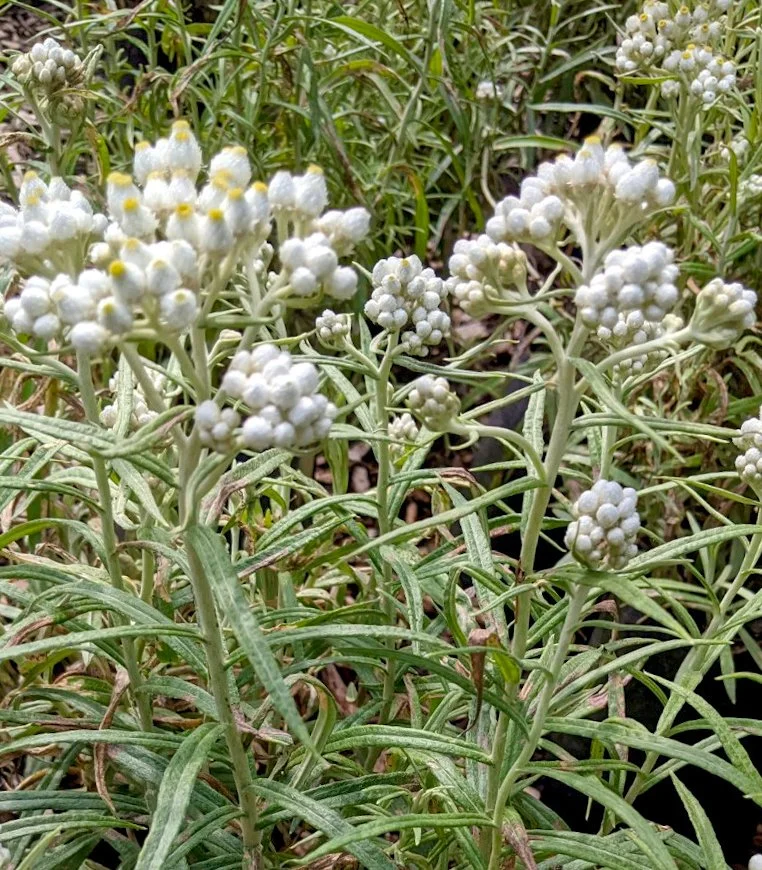
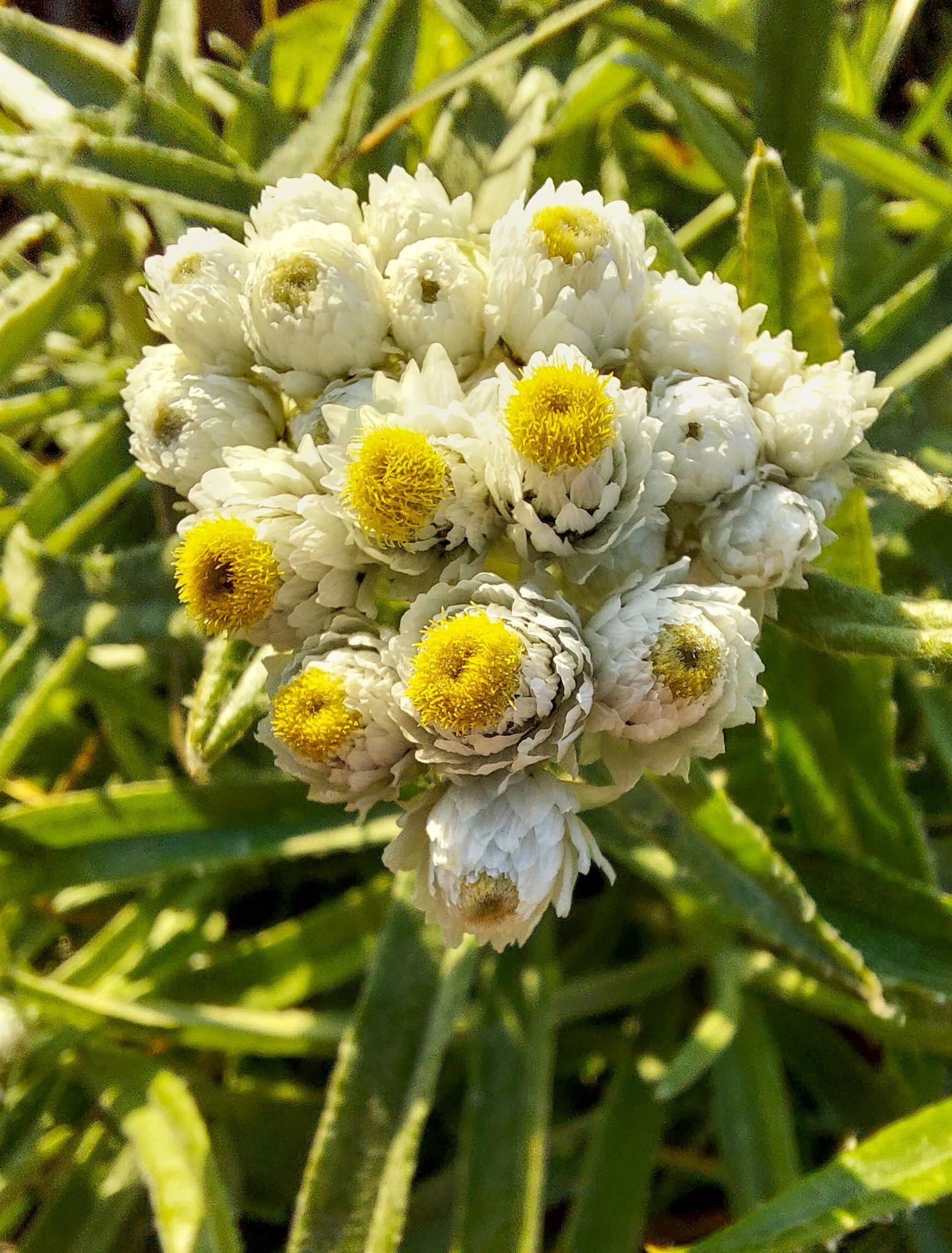
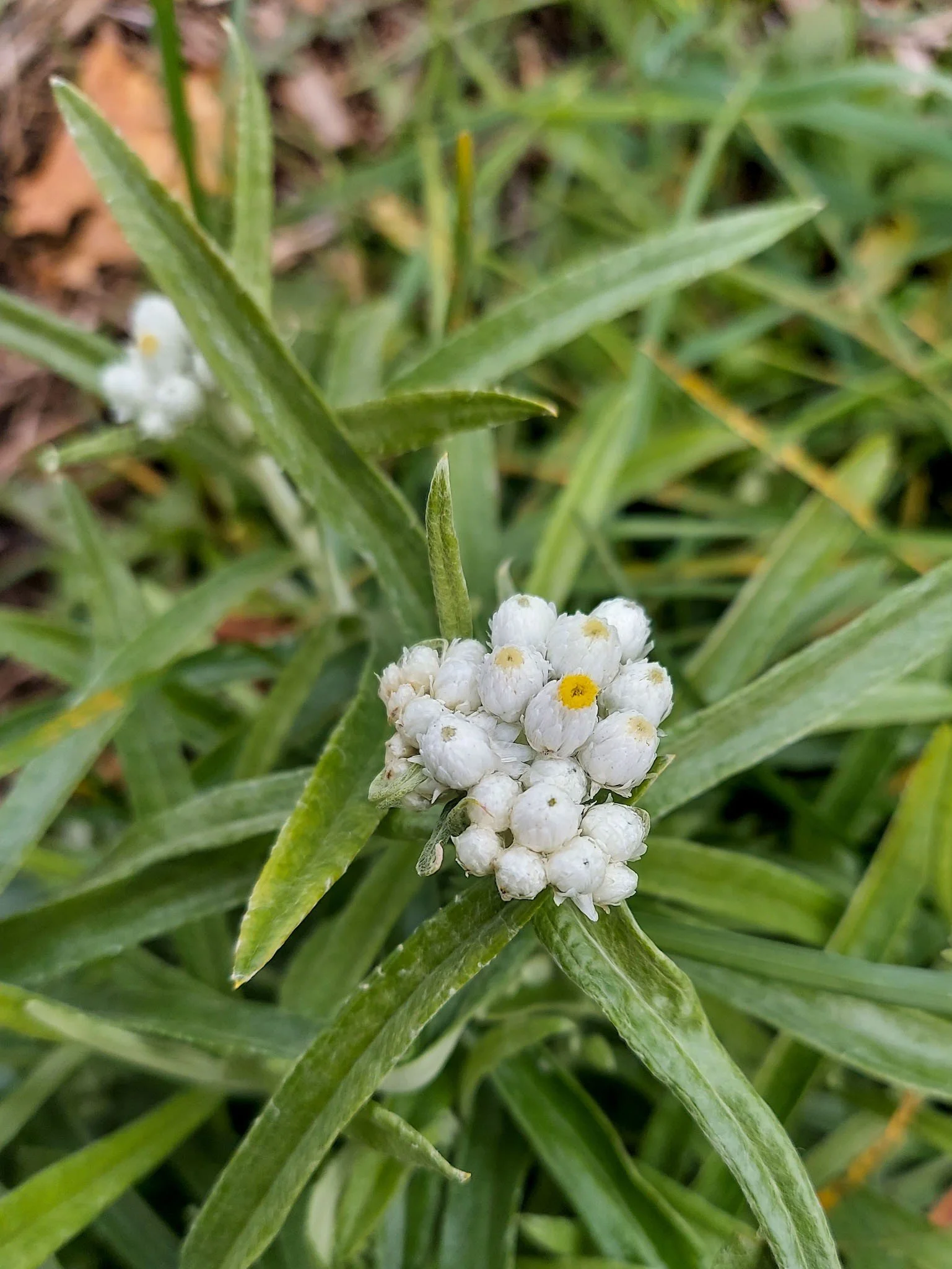
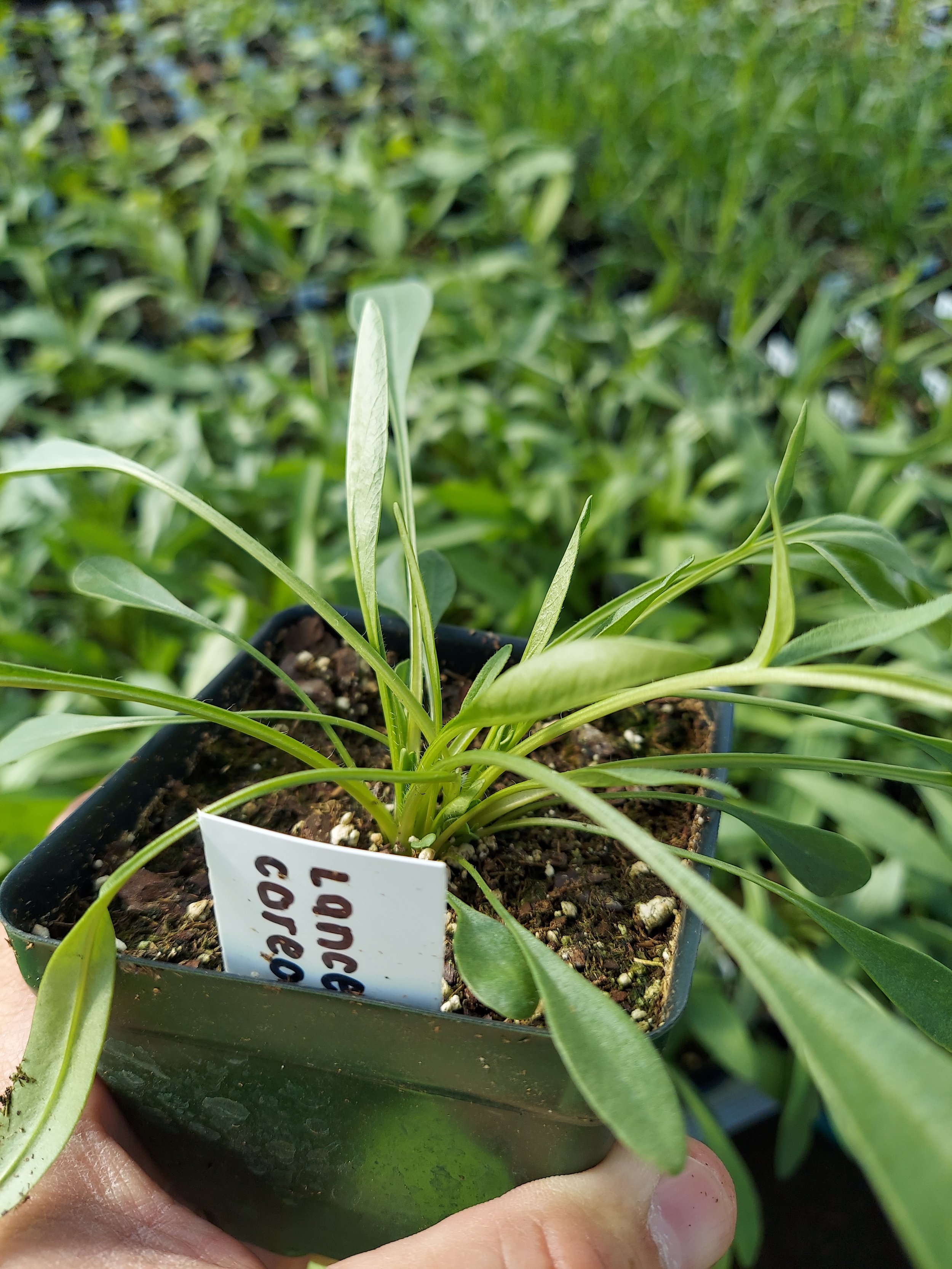
Drymocallis arguta is the scientific name for the herbaceous plant more commonly known as Tall Cinquefoil, Prairie Cinquefoil, or Sticky Cinquefoil and is a perennial native to North America.
The vast majority of native cinquefoil are quite low growing, leading to this common name being a bit on the nose when it manages to stretch out to the maximum of 3 ft 4 inches that we’ve seen it at.
The flowers of Tall Cinquefoil are arranged in a tight cluster on a long stem that can range anywhere from 1–3 feet tall. They are strawberry-like, with five white or cream petals, five-pointed green sepals tucked between the petals, and a rounded head of pistils in the center surrounded by more than 20 stamens forming a noticeable ring. A small ring below the pistils secretes nectar, attracting many pollinators to its blooms.
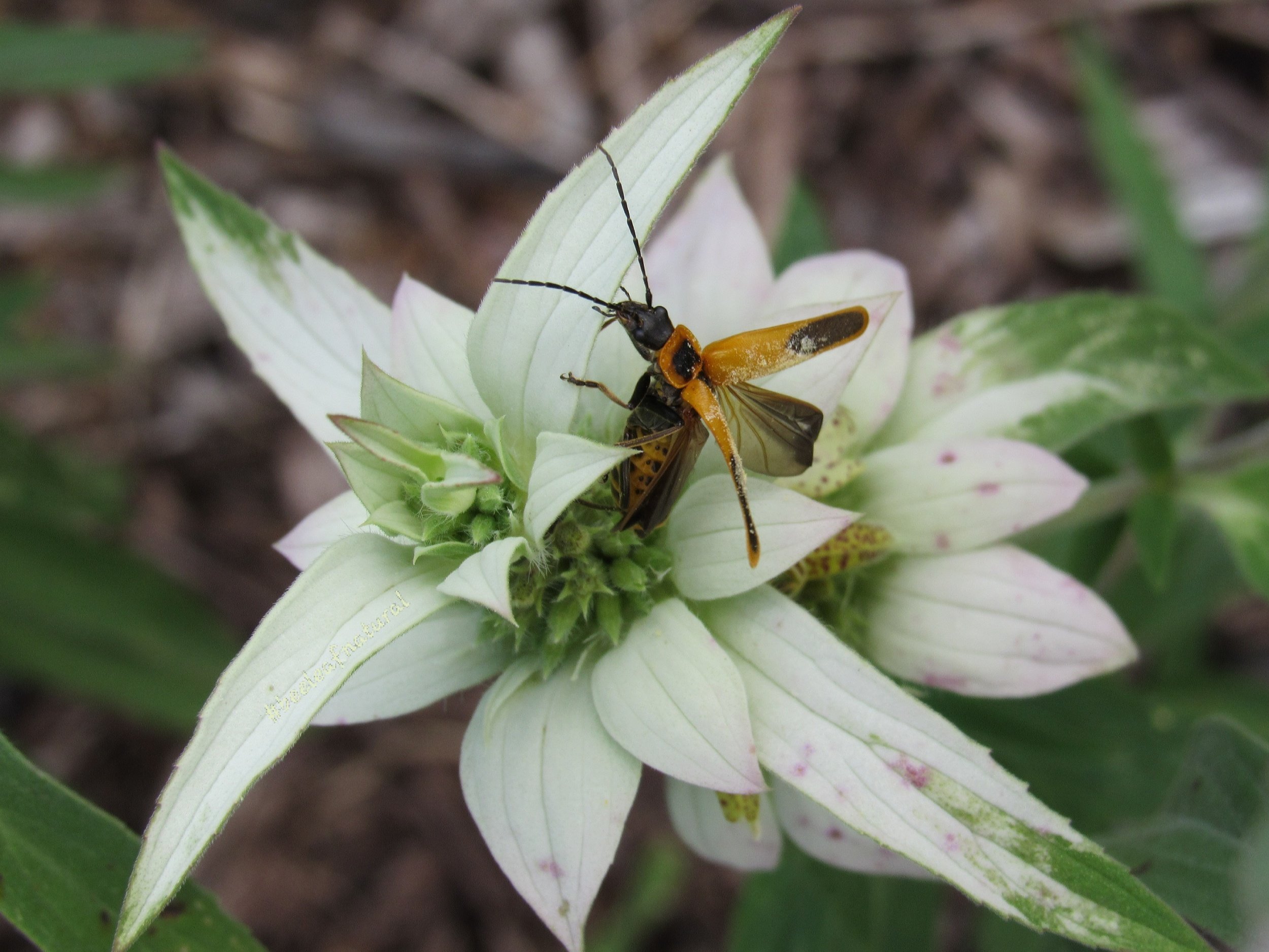
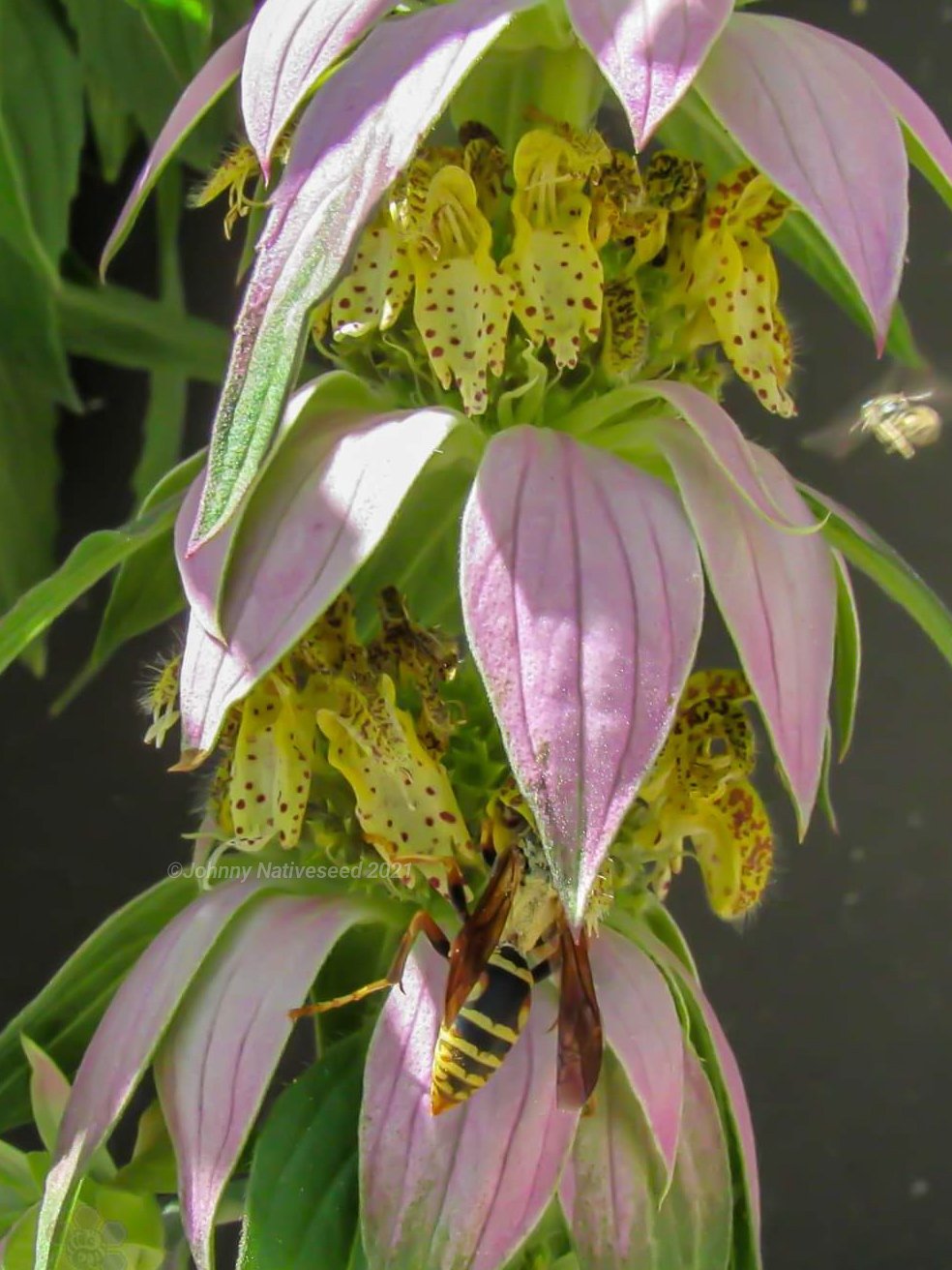
Tall Cinquefoil is a favorite of many small bees such as Yellow-Faced Bees (Hylaeus spp), Mining Bees (Andrena spp), Beewolves (Philanthus spp), Small Carpenter Bees (Ceratina spp), Green Sweat Bees (Agapostemon spp) and Small Sweat Bees (Lasioglossum spp) as well as Syrphid Flies (Toxomerus spp), ants and moths.
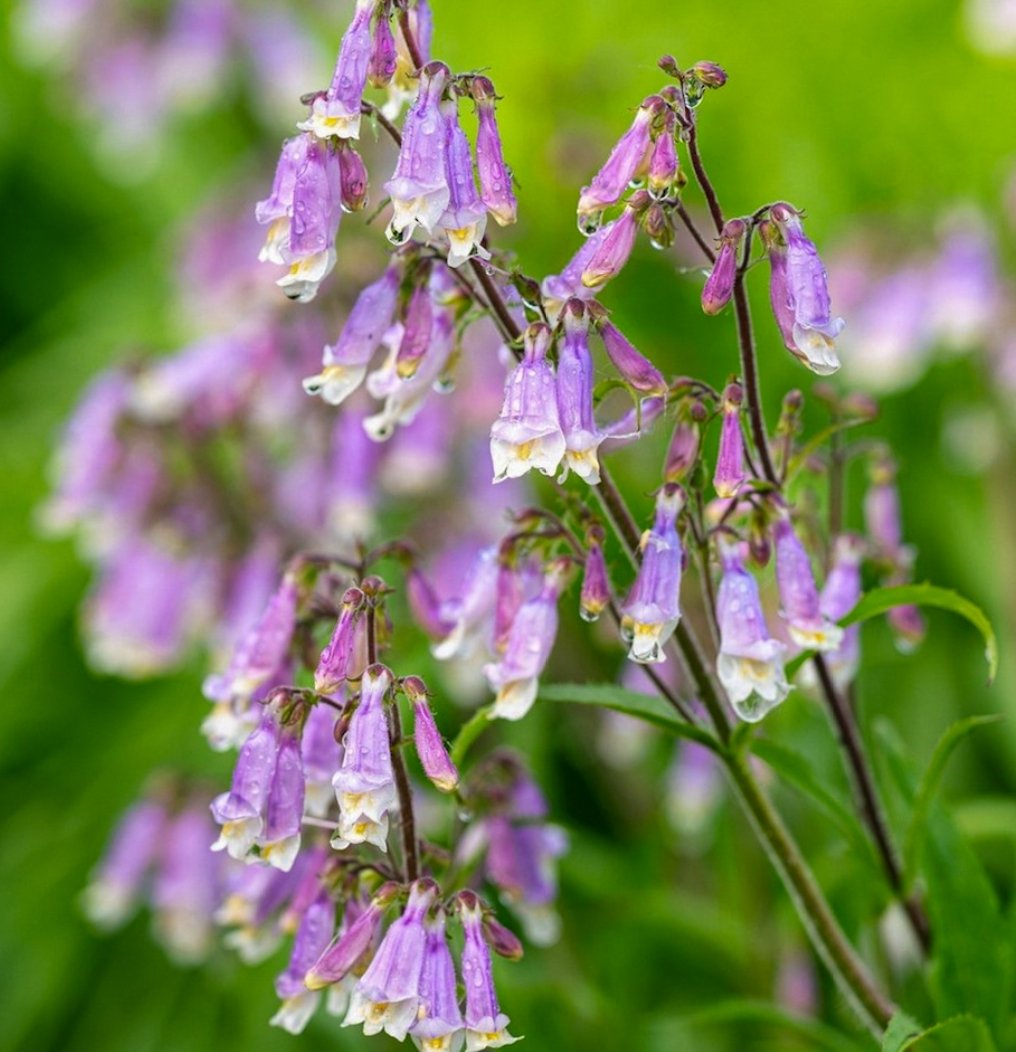
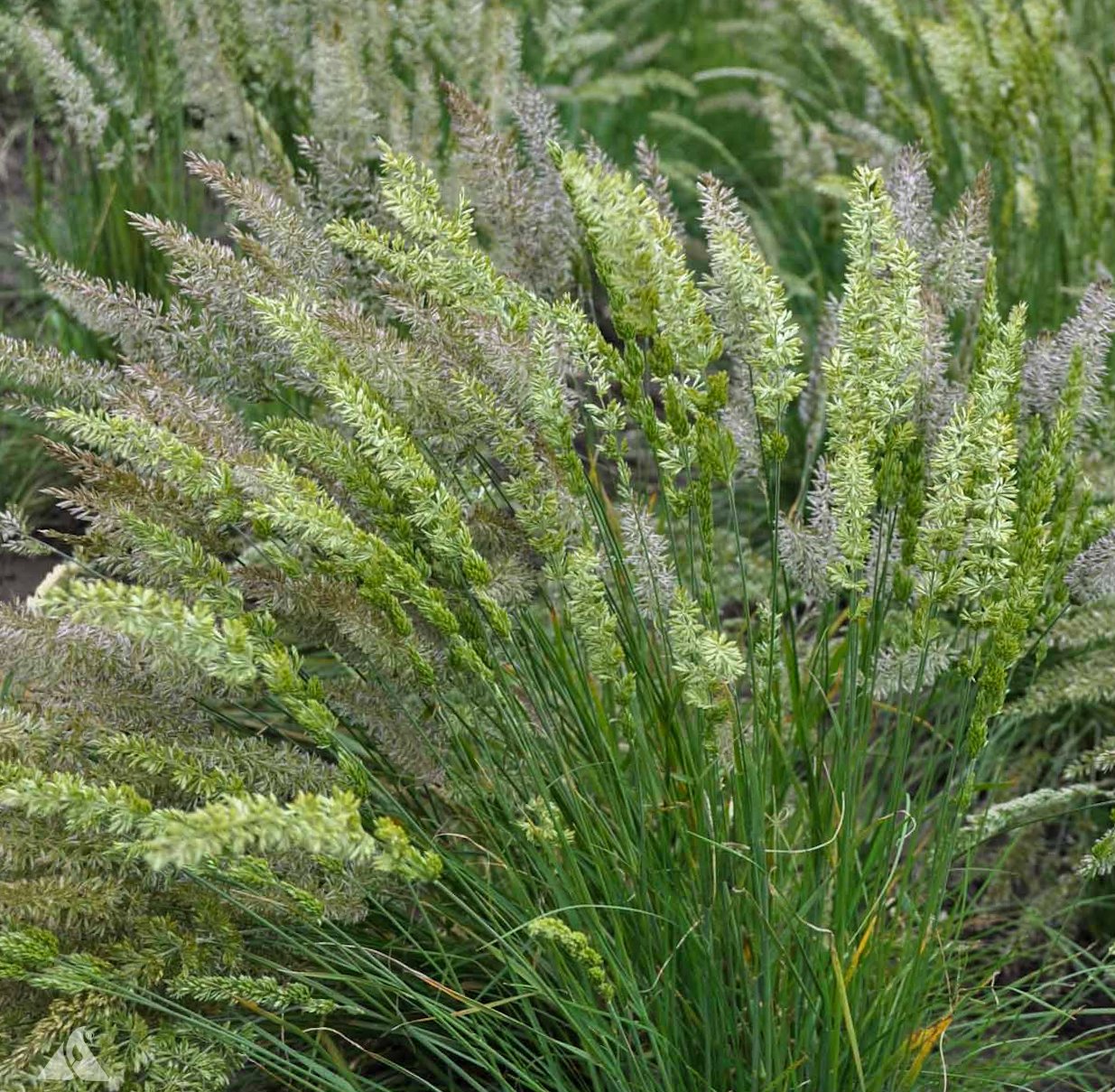
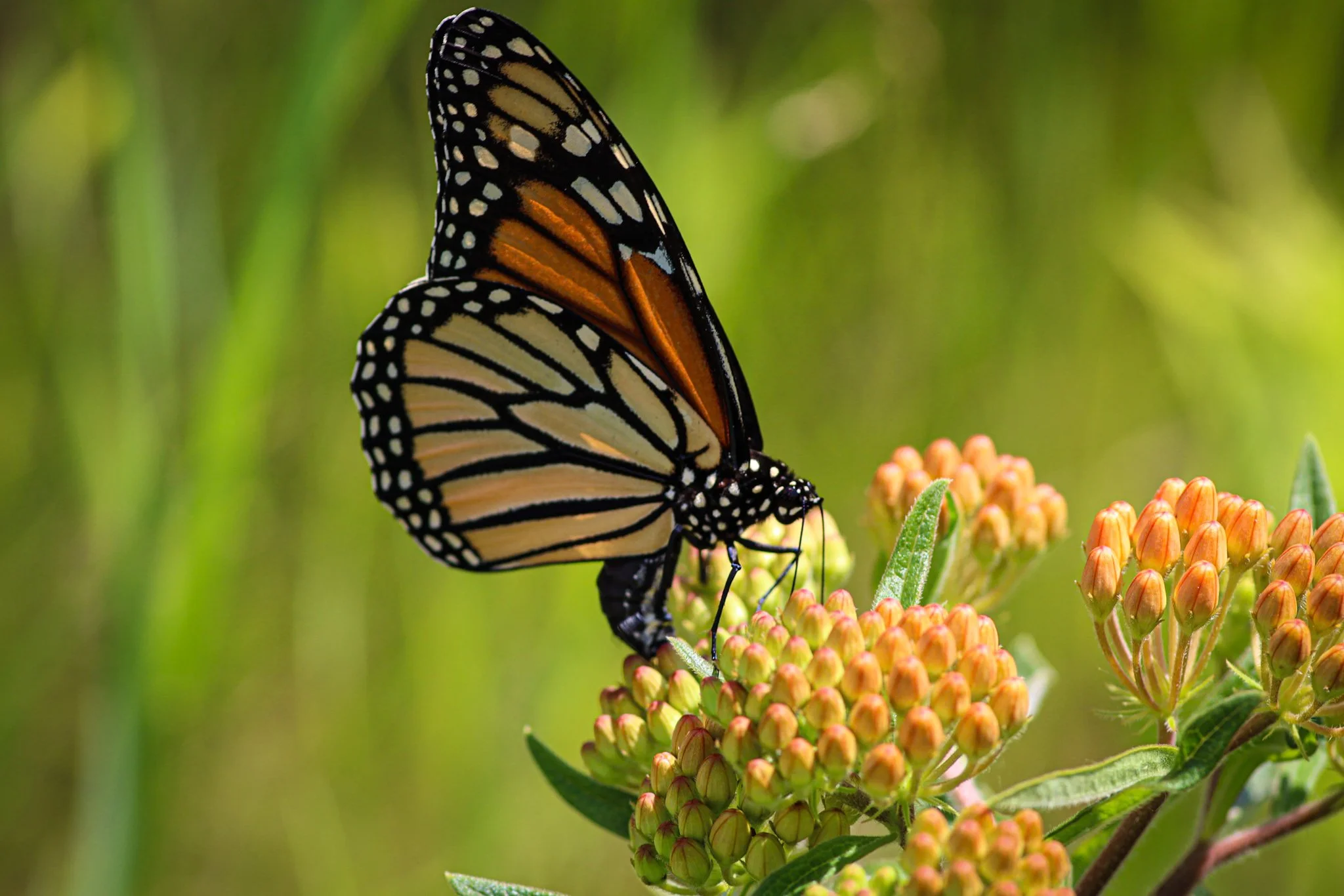
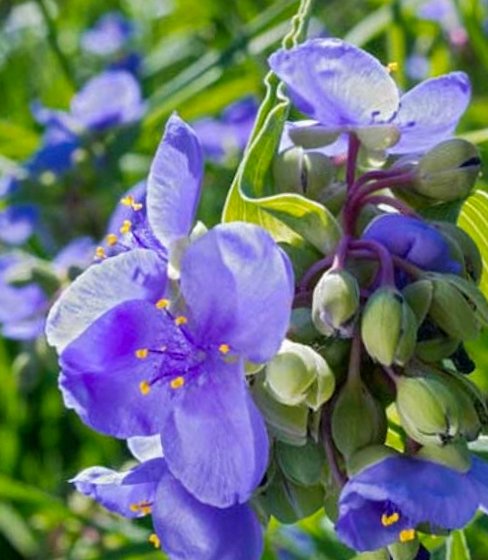
With a strong central taproot and well-behaved rhizomatous habits, this plant is ideal for the dry sandy, loamy, light clay soil environments. Once established Tall Cinquefoil is exceptionally drought tolerant. Given this habitat, Tall Cinquefoil pairs exceptionally well with other short dry loving species such as Butterfly Milkweed (Asclepias tuberosa), Common Spiderwort (Tradescantia ohiensis), Pale Purple Coneflower (Echinacea pallida), June Grass (Koeleria macrantha), Path Rush (Juncus tenuis), Hairy Beardtongue (Penstemon hirsutus), and Prairie Smoke (Geum triflorum)
Plant Details:
USDA Zones: 3 - 7
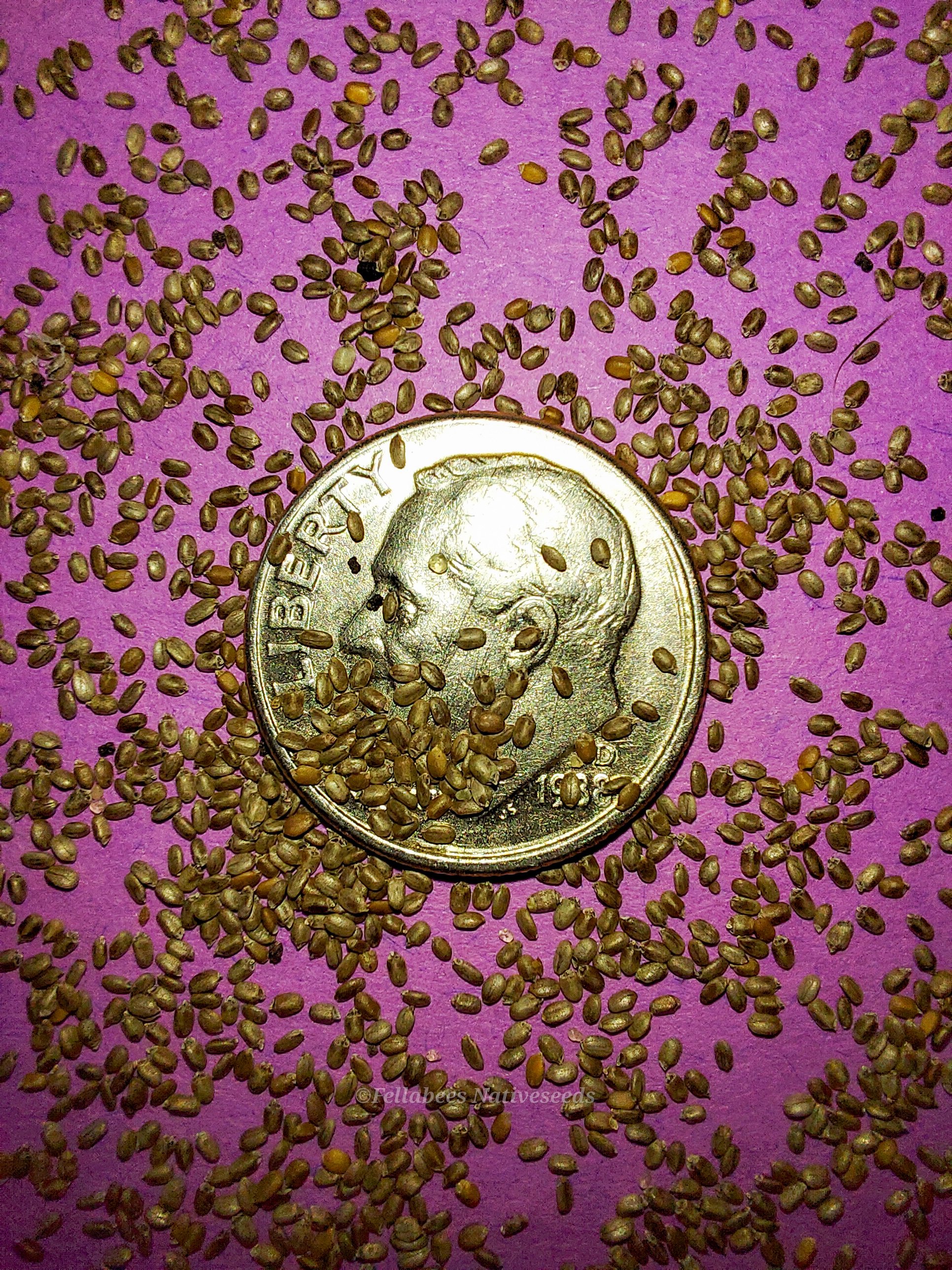
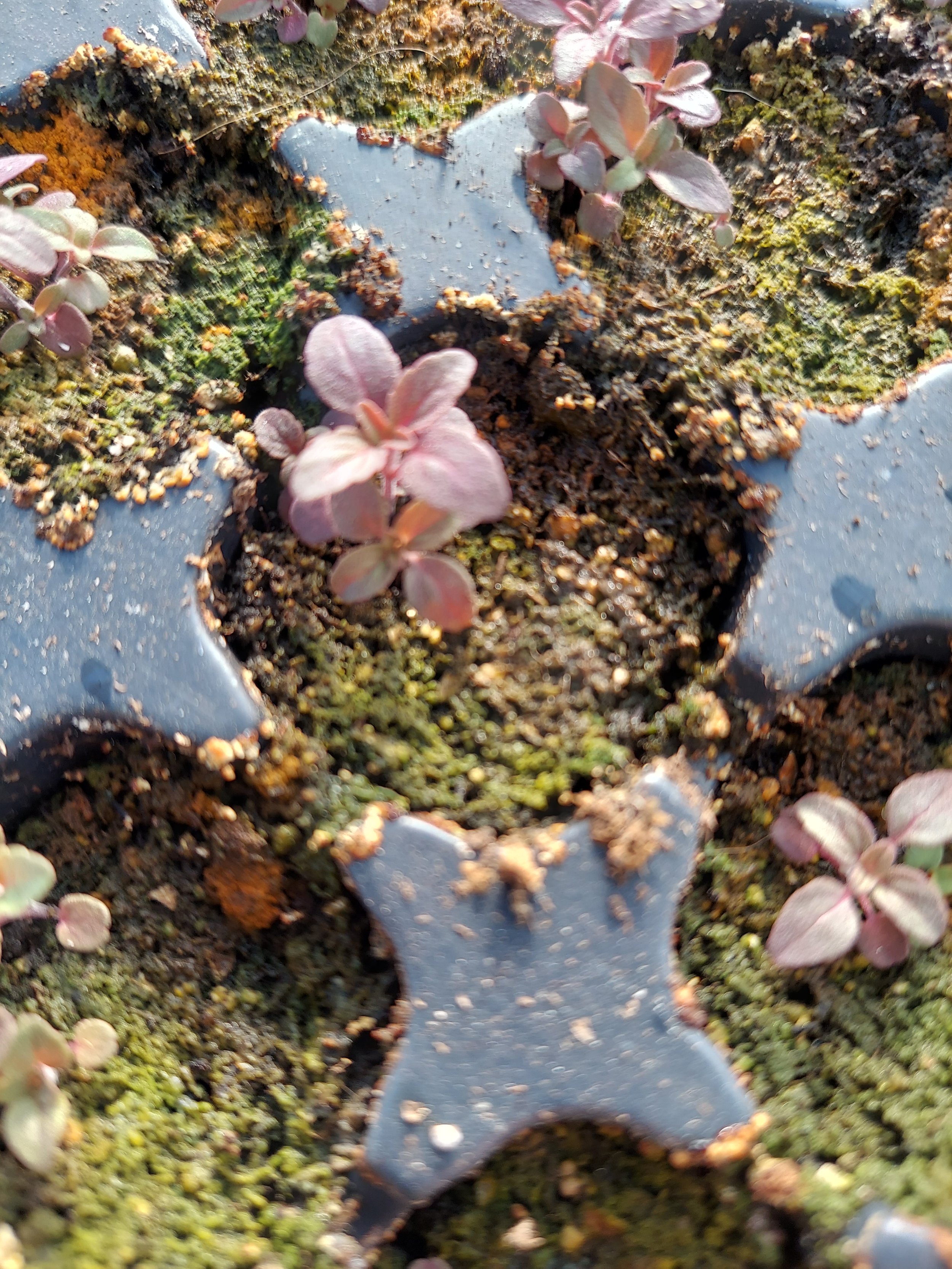
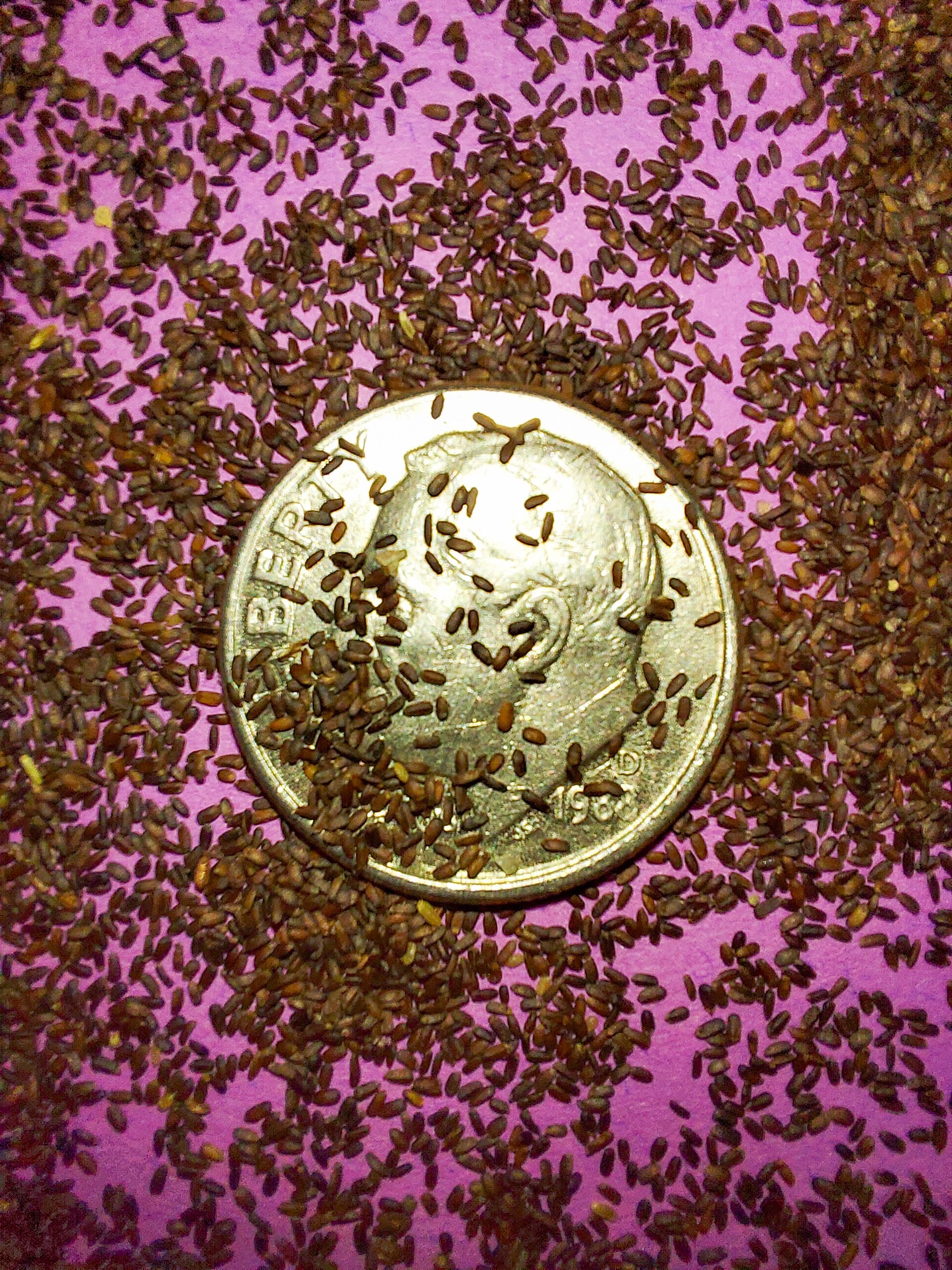
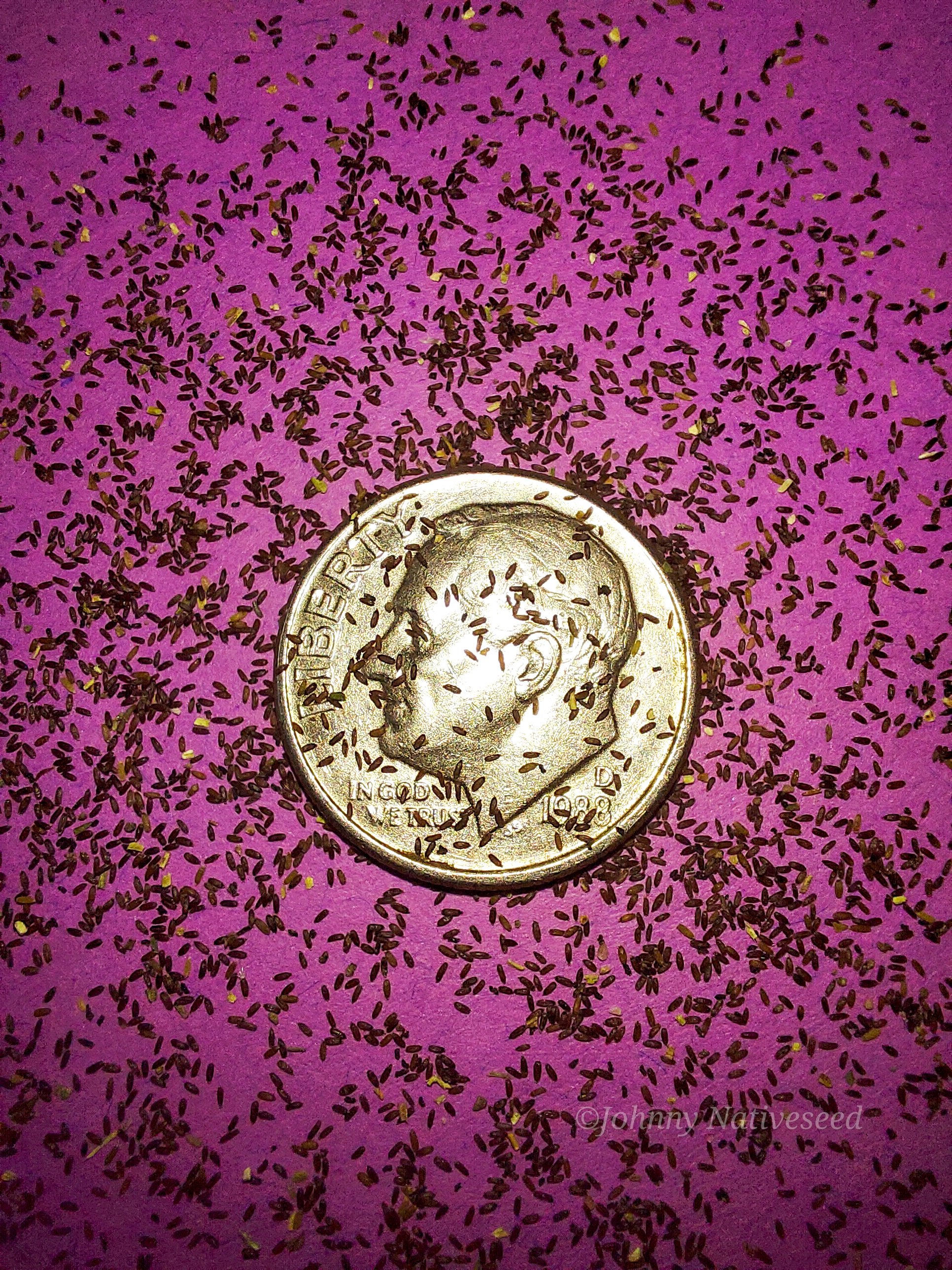
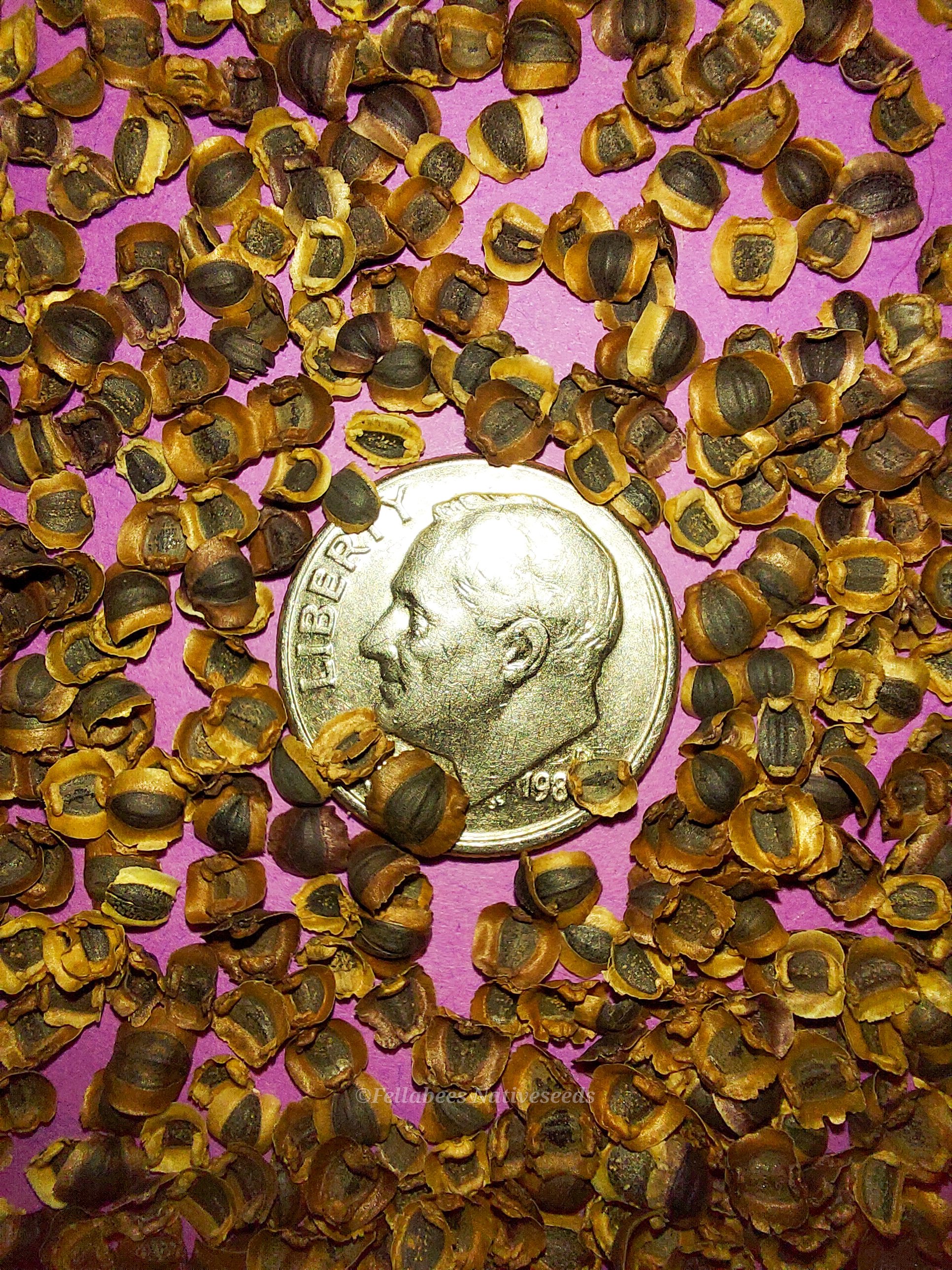
Germination Needs: Needs 60 Days Cold Moist Stratification and germinates best in cool soil. Seed is quite small and benefits from light to germinate, simply surface sow and bottom water where possible, or lightly mist soil surface to keep moist.
Life Cycle: Perennial
Sun Exposure: Full to Partial
Soil Moisture: Medium-Dry, Dry
Plant Spacing: 1 - 1½ feet
Height: 2 feet
Bloom time: June, July, August, September
Bloom Color: White
Advantages:
Pollinator Favorite: butterflies, moths, bees, wasps, beetles
Bird Favorite: seeds, insects, fruit, nectar, nesting, perches.
Deer Resistant: Yes
Native to: Wisconsin, Minnesota, Iowa, Illinois, Indiana, Michigan, Ohio, Pennsylvania, New York, Vermont, New Hampshire, Maine, Massachusetts, Connecticut, Delaware, Maryland, New Jersey, West Virginia, Virginia, Arkansas, Missouri, Oklahoma, Kansas, Nebraska, South Dakota, North Dakota, Montana, Wyoming, Colorado and New Mexico.
This species is considered present but rare in several counties of the states of Ohio, Pennsylvania, Vermont, Connecticut, New Jersey, Virginia, Arkansas, and Oklahoma.
This species is considered to be extirpated (locally extinct) in several counties of the state of Maryland.
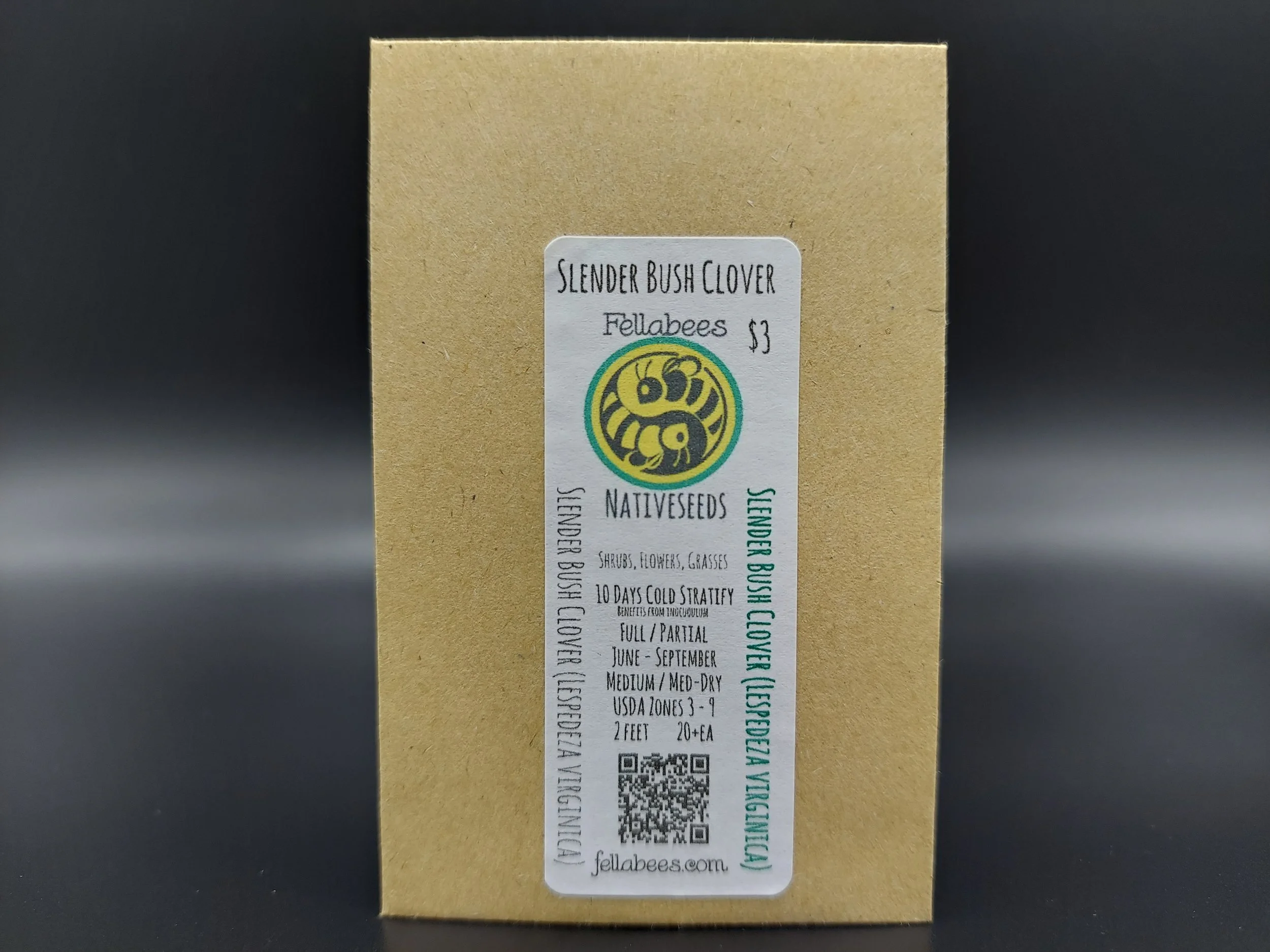
Seed Count: 25+
.
.
Packet quantities:
We pride ourselves on ethical, hands on, ecological management, using no mechanical or chemical methods whatsoever.
All of our native seed is hand reared, hand-picked, and hand packed from native prairies under our exclusive management, never breaking chain of custody from the field until it is sent to you. Each packet is hand prepared for shipment by us, directly.
Small seed species will contain greater than 20-25 seed
Large seed species will contain greater than 10-15 seed
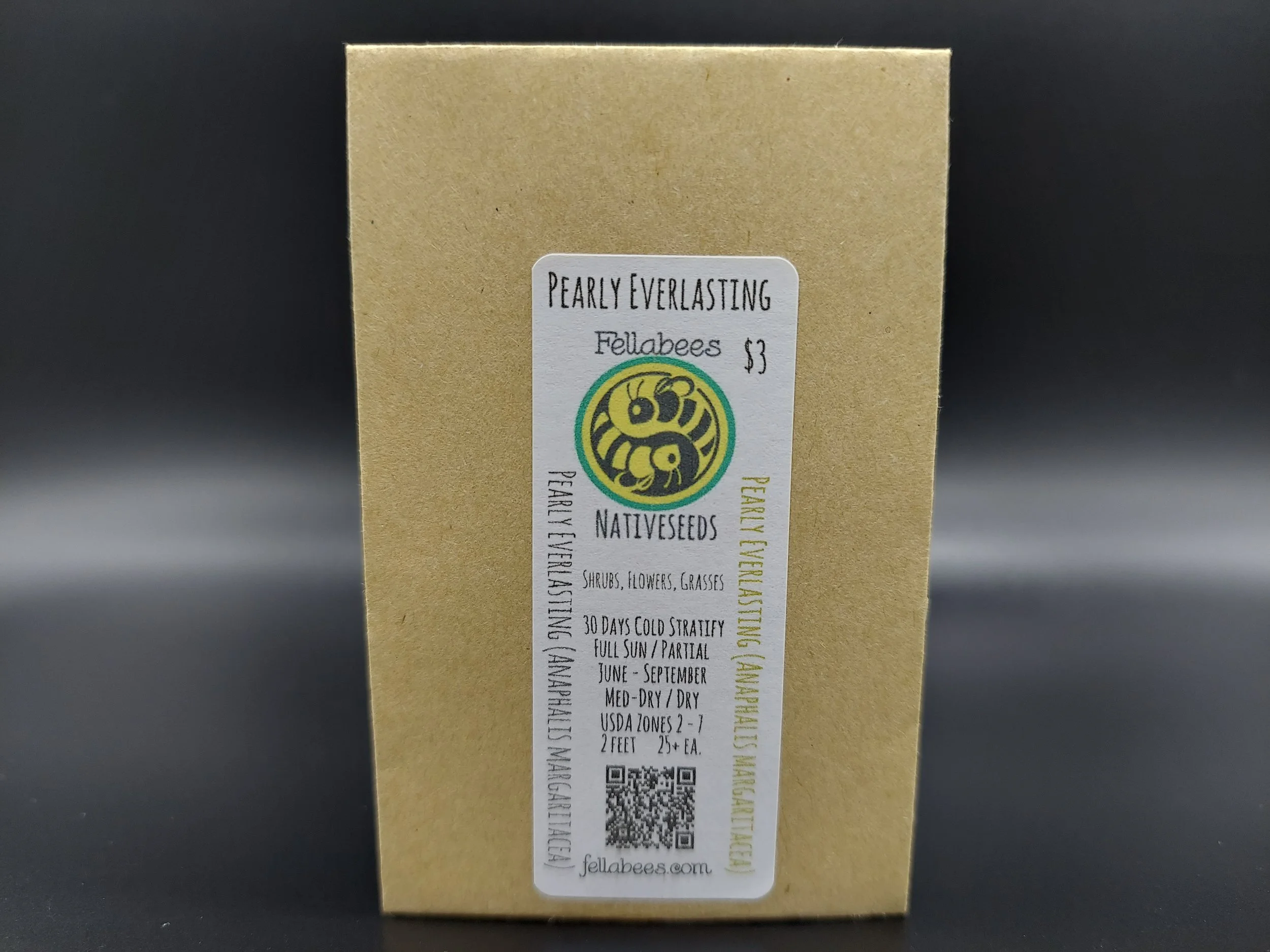
All packets are individually marked at the bottom of the front label with expected count, however most if not all packets will have many more than the minimum count by default.
It is our mission to spread the wealth of native plant and pollinator ecological sustainability and educate back yard gardeners as well as corporate and government entities in how to germinate, grow, and benefit from native synergies.
Thank you for your support, it is because of you, that we can grow together to do, what we do. 🐛🦋🐝🐞🌾🌱🌼🧡
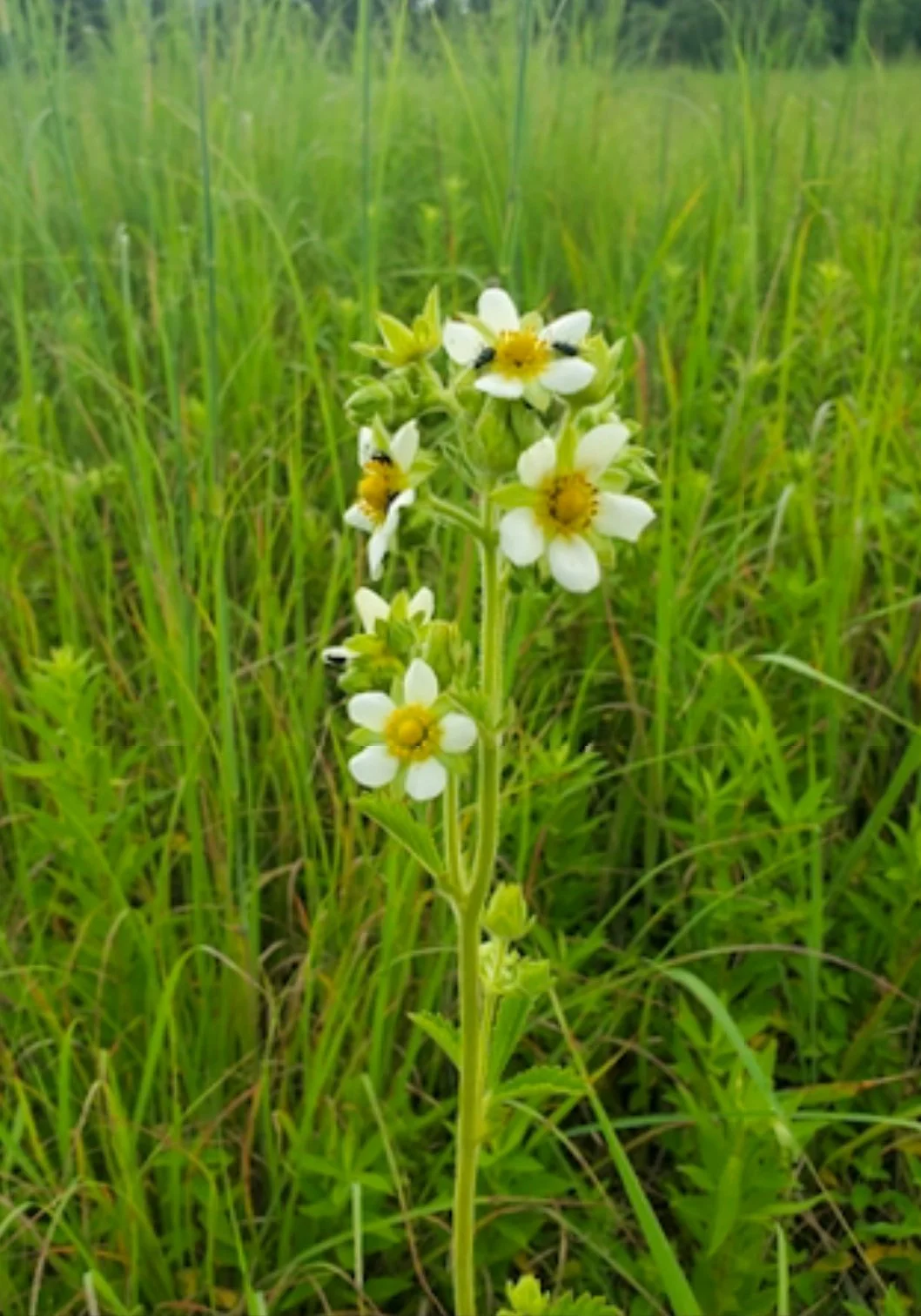 Image 1 of 5
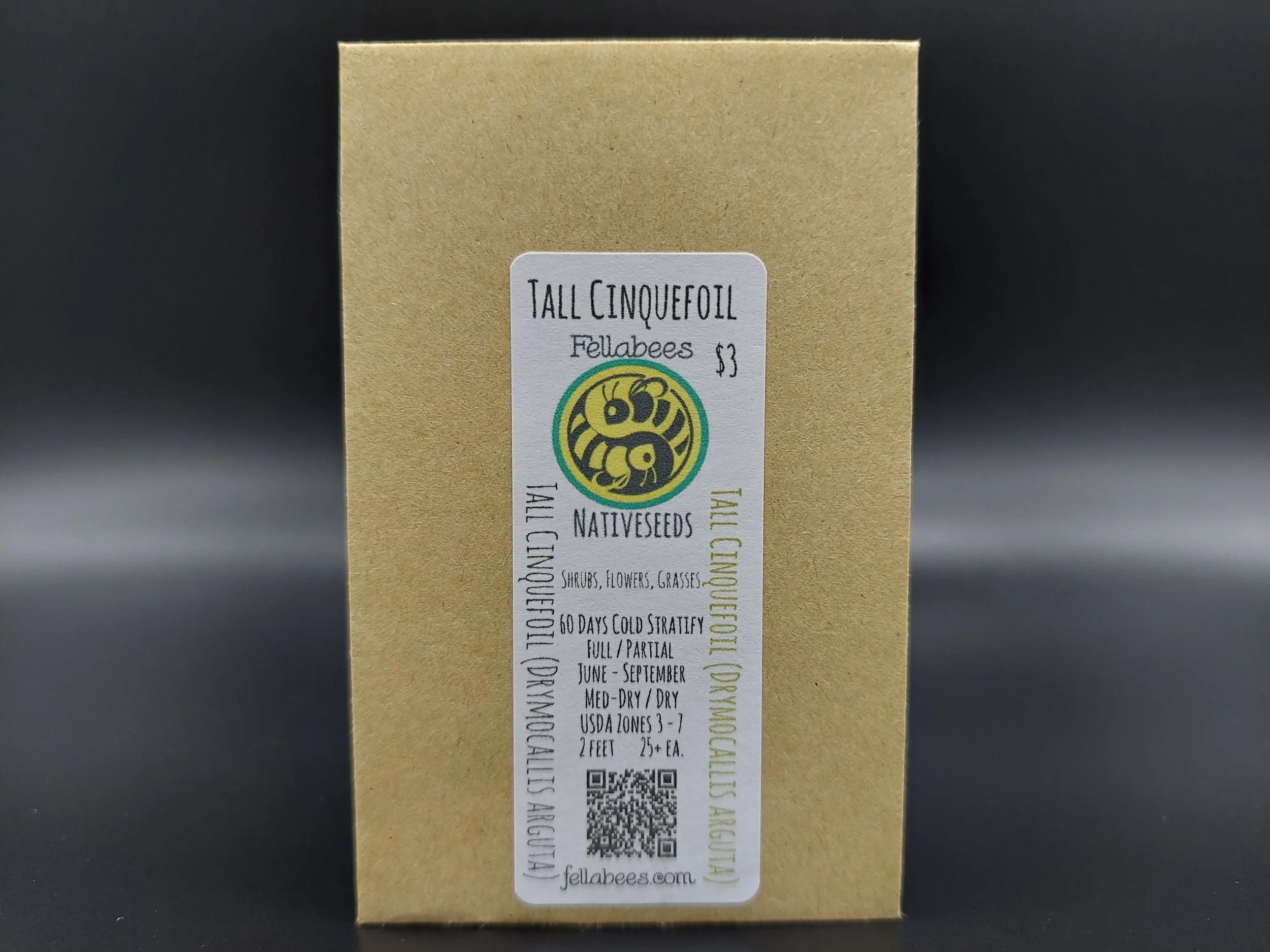 Image 2 of 5
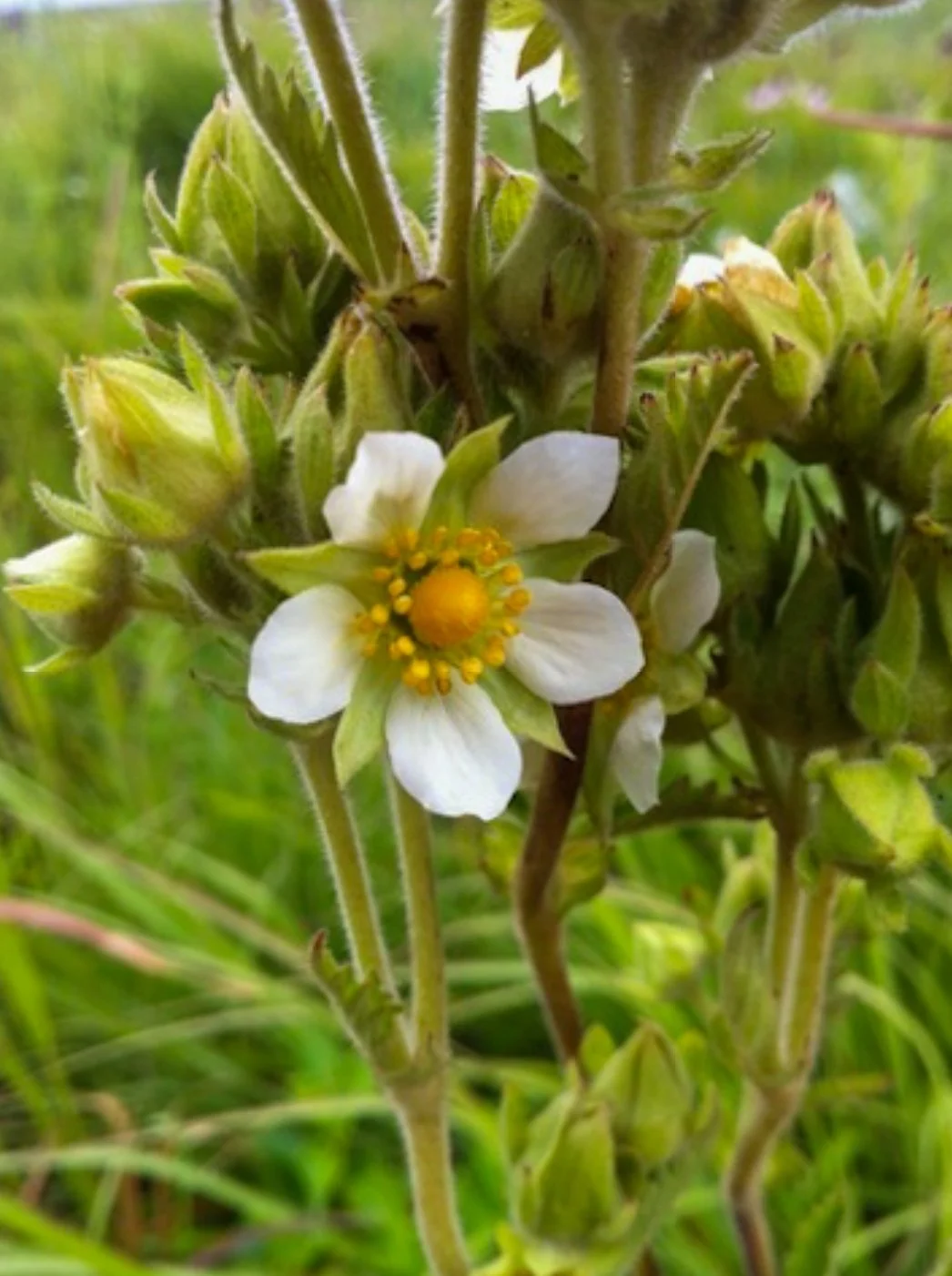 Image 3 of 5
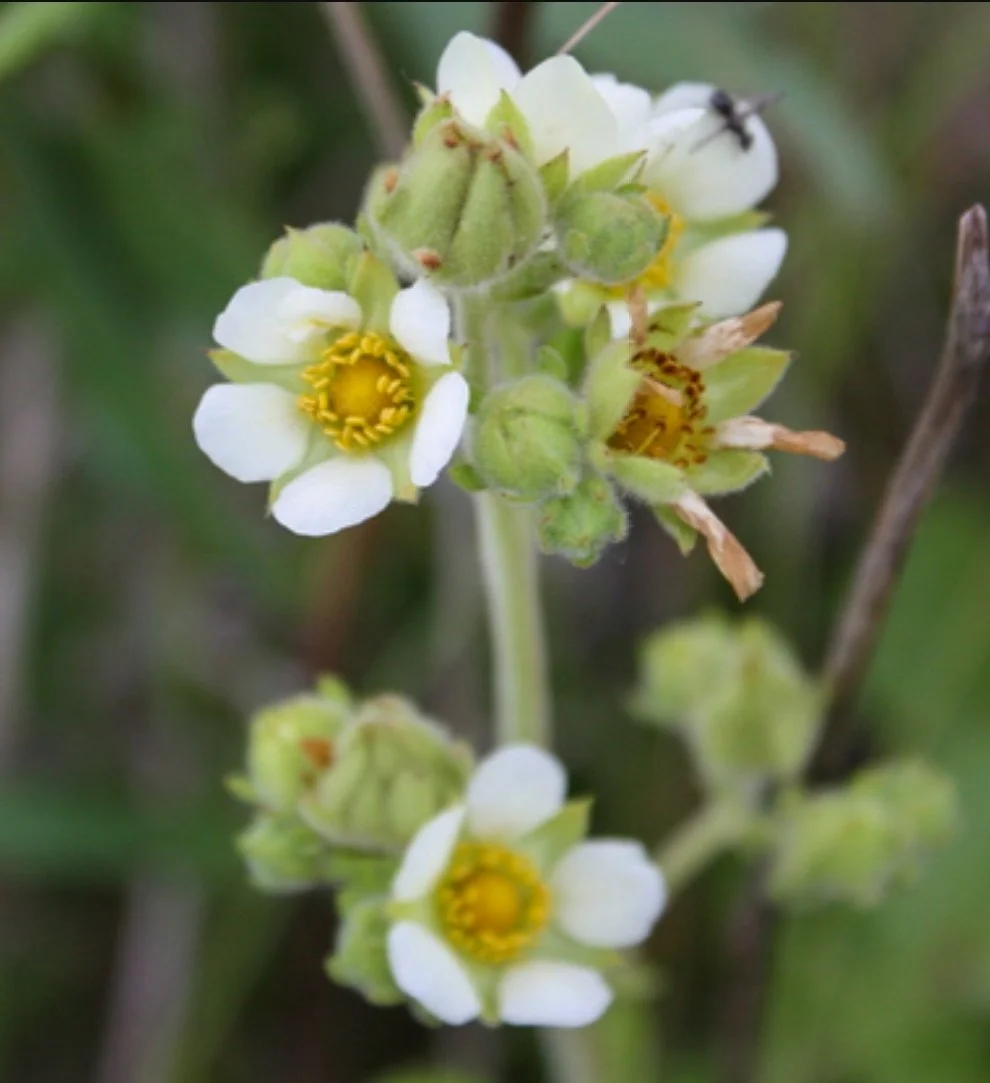 Image 4 of 5
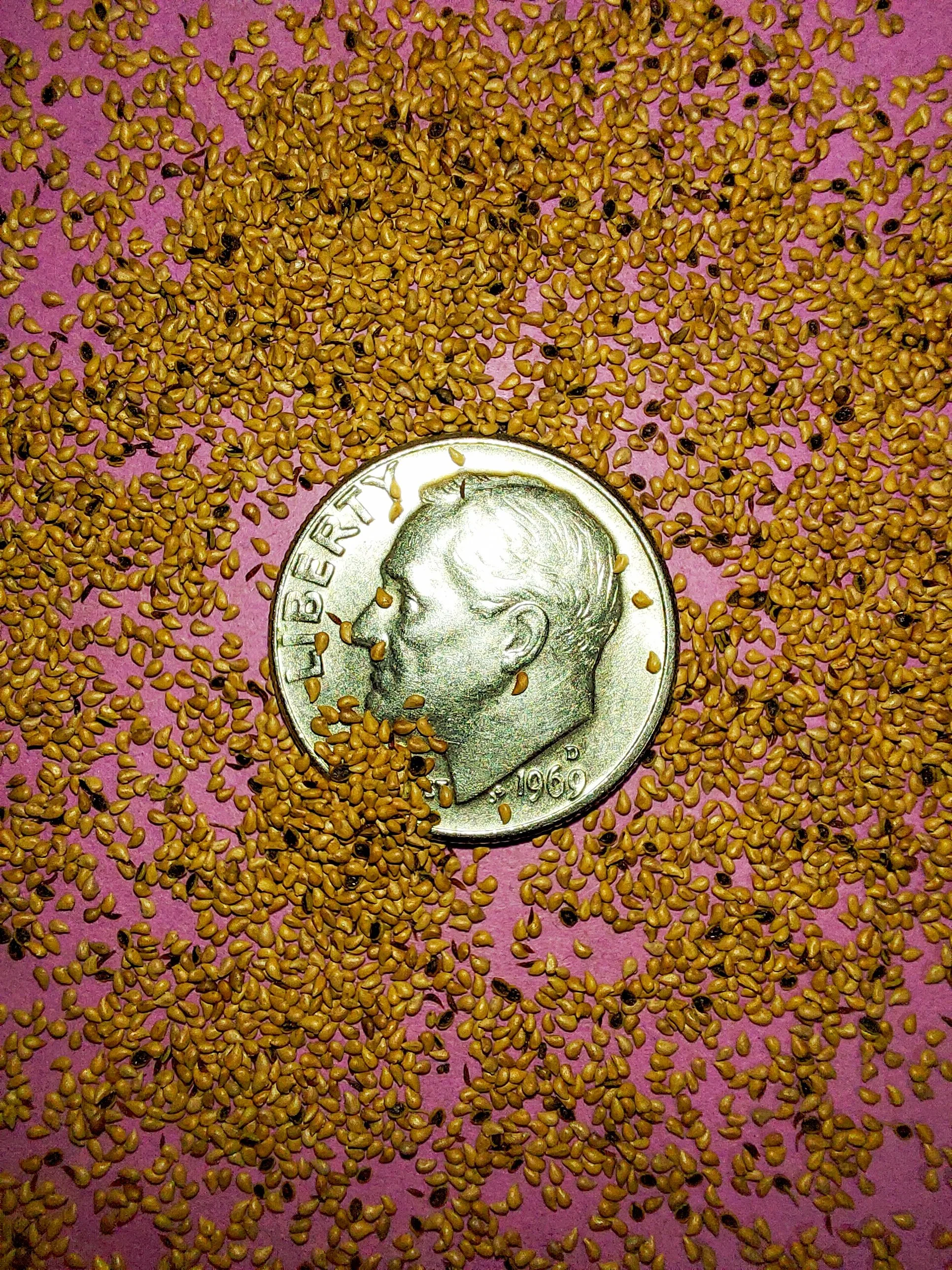 Image 5 of 5