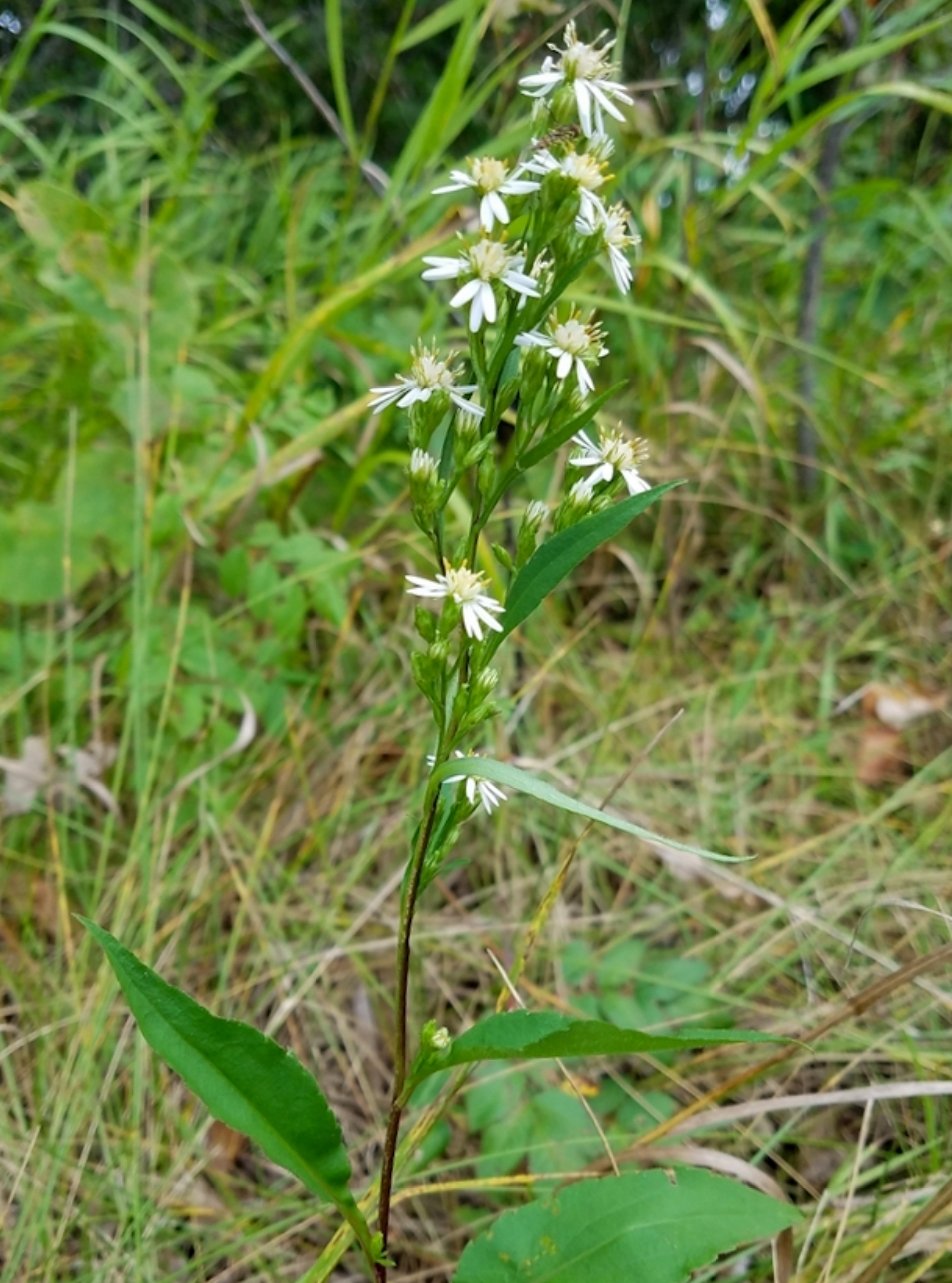
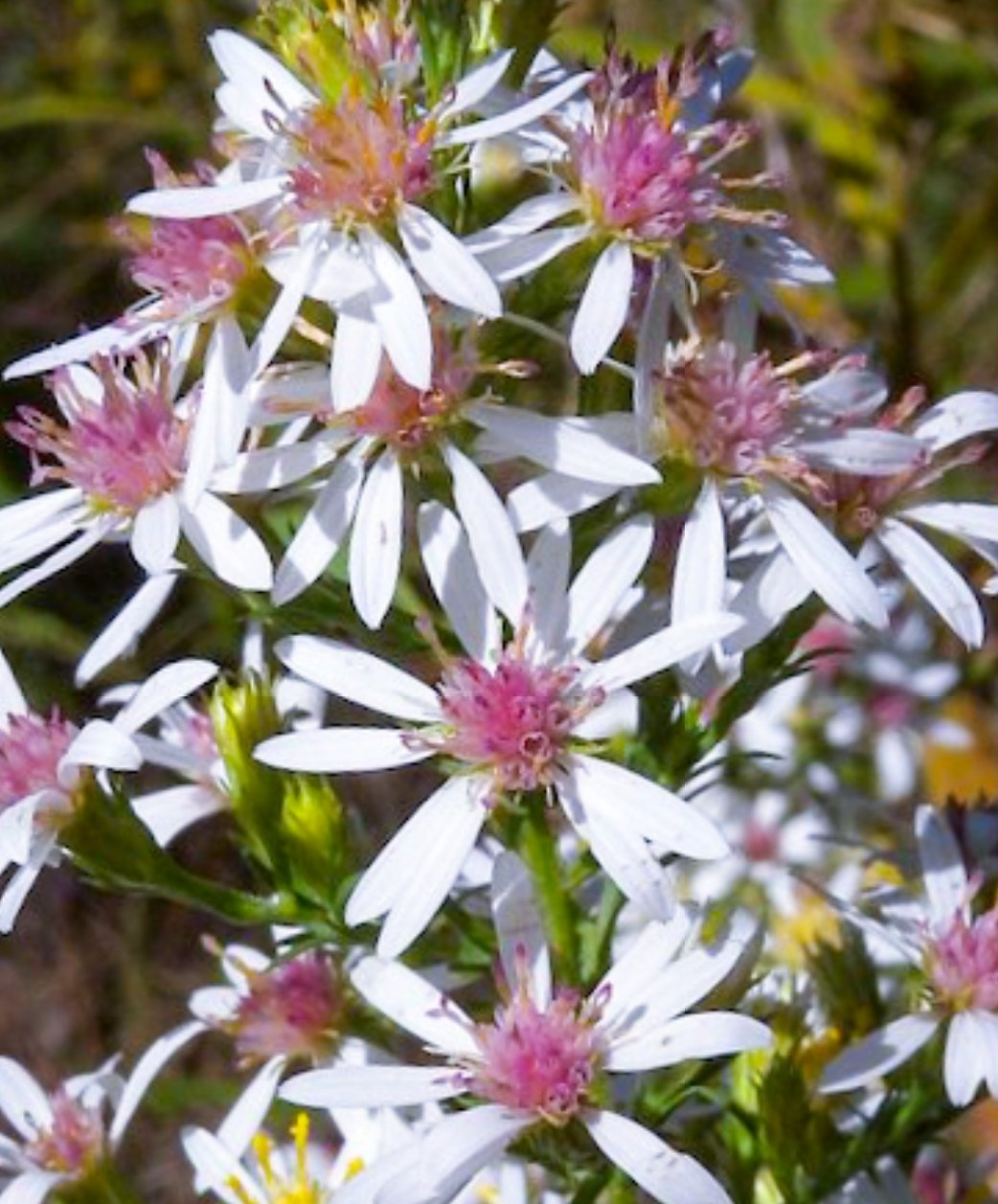
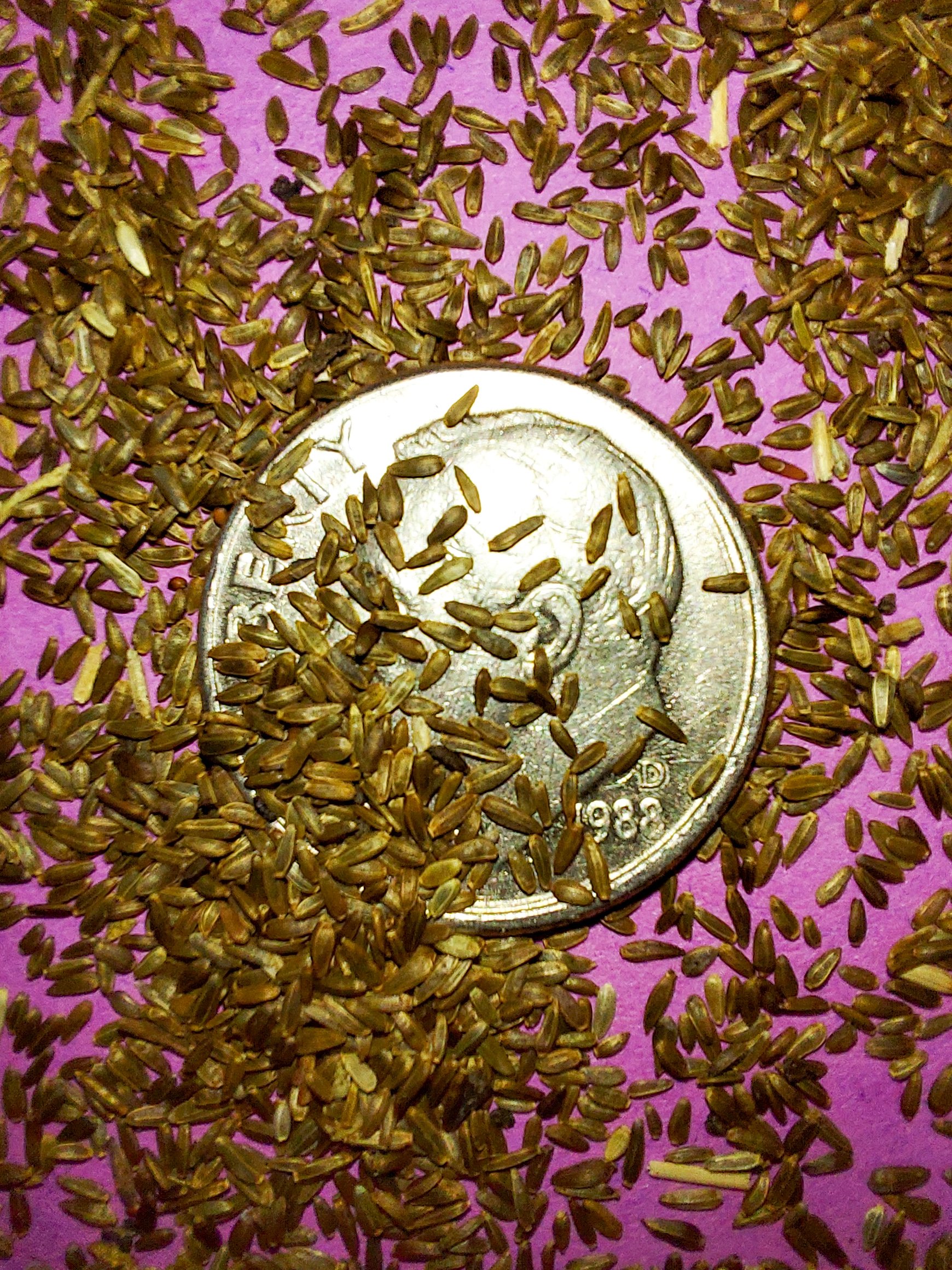
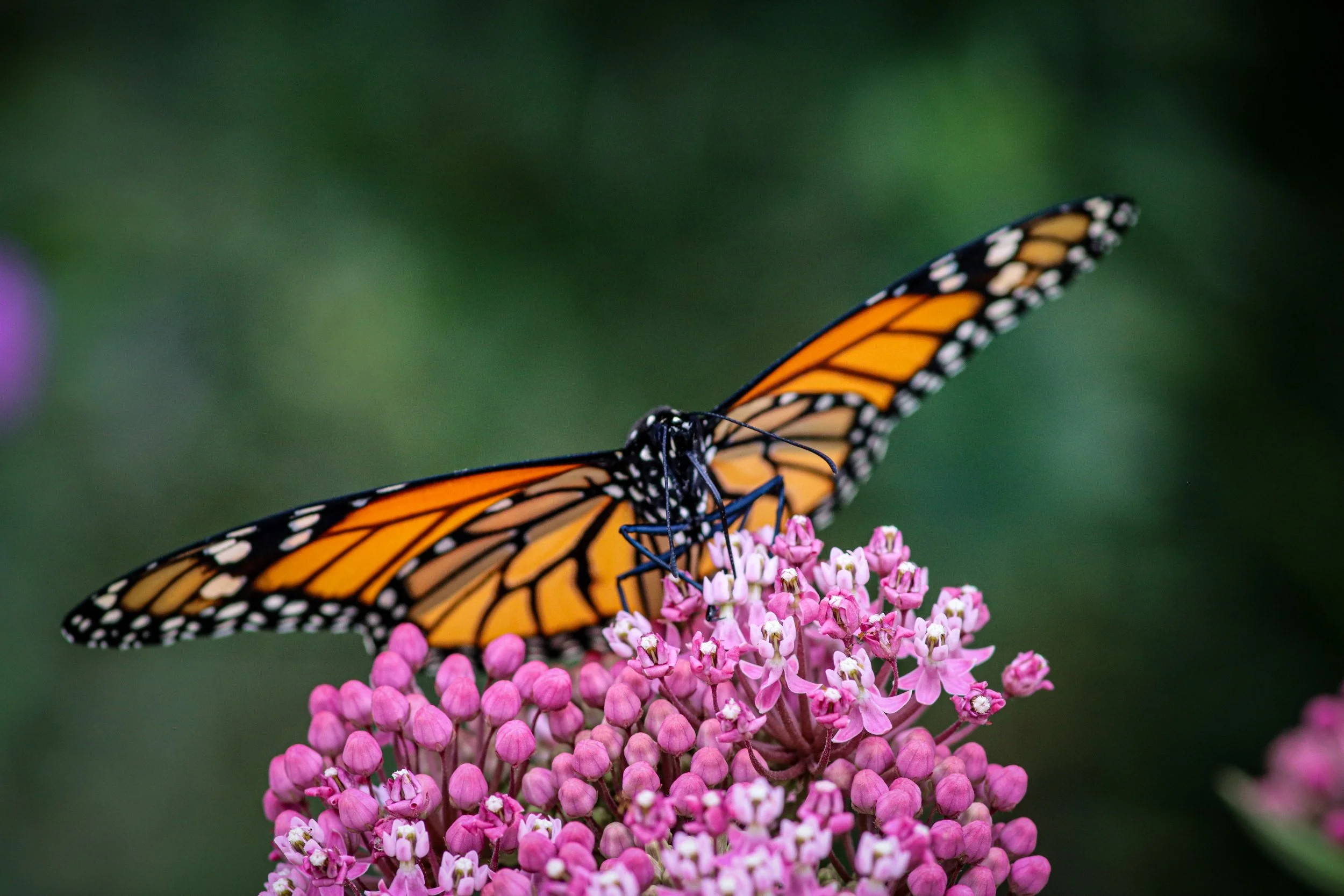
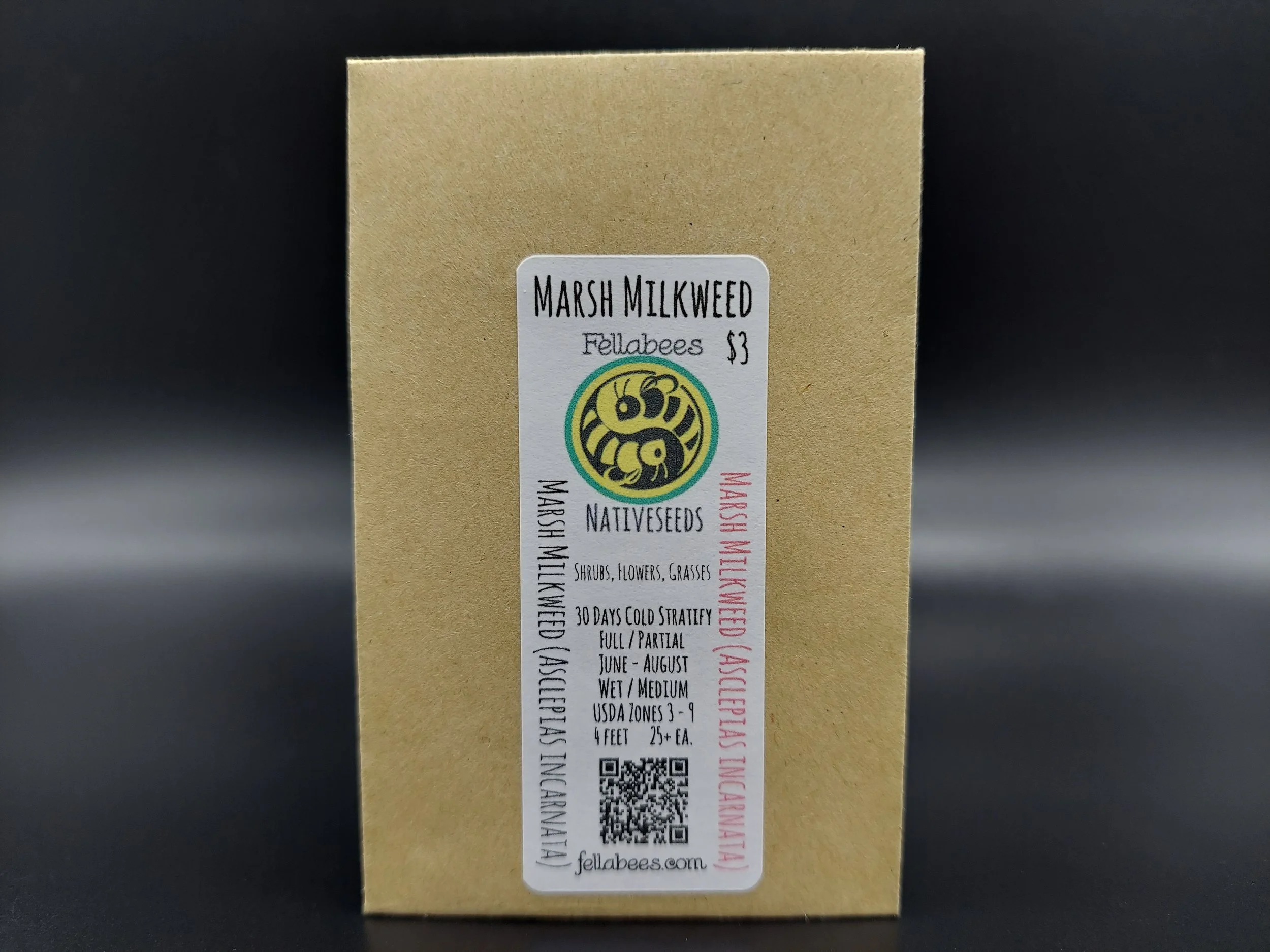
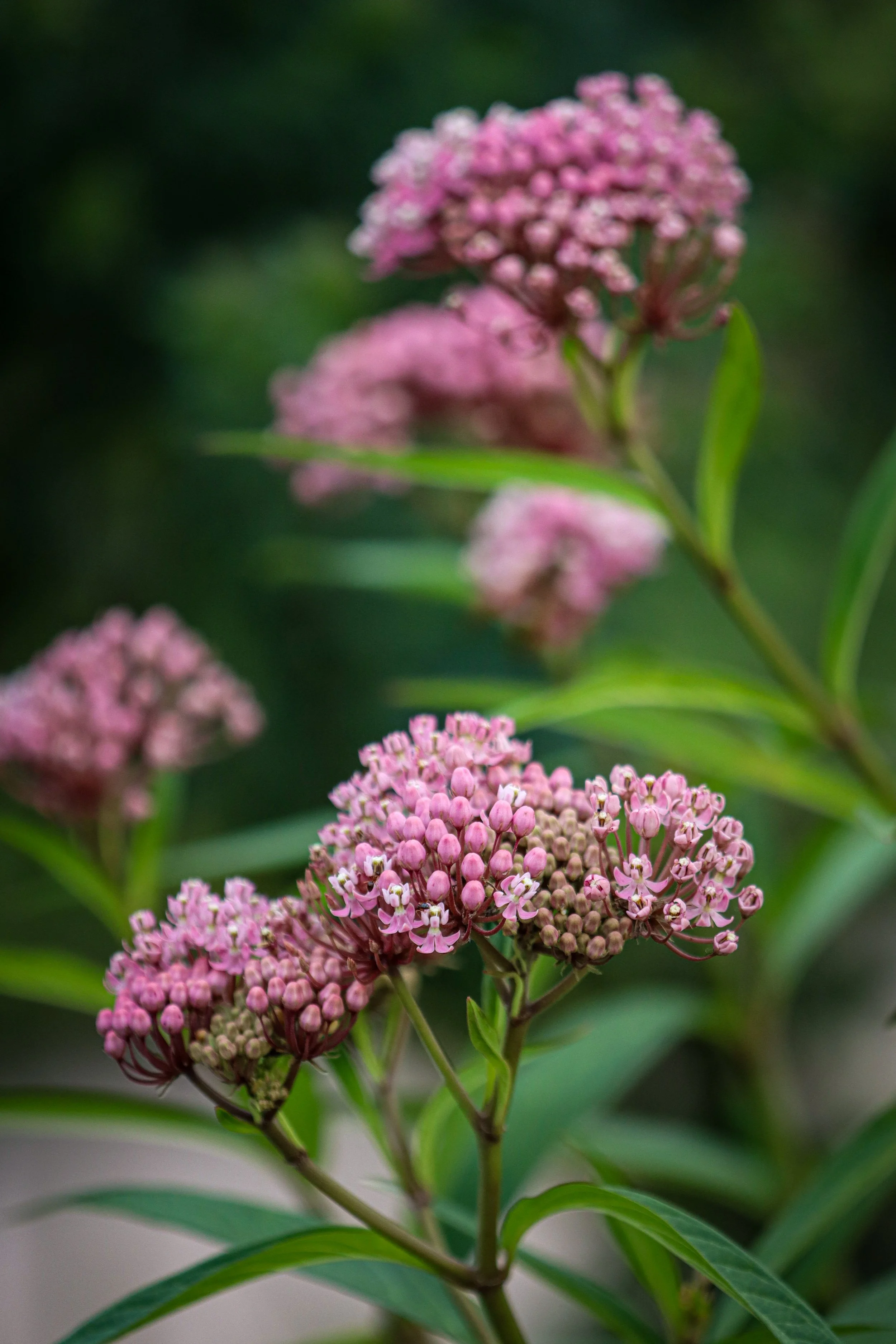
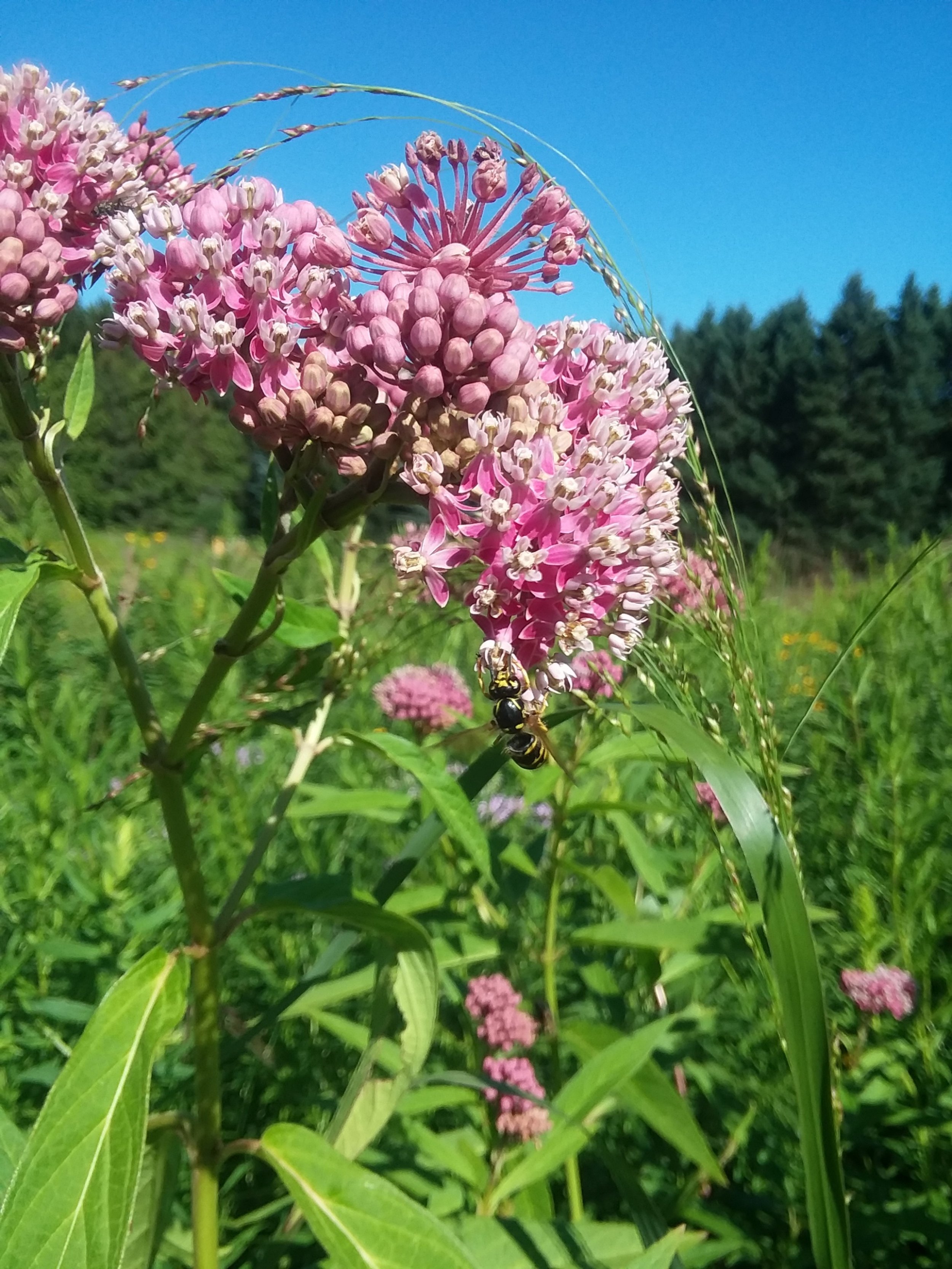
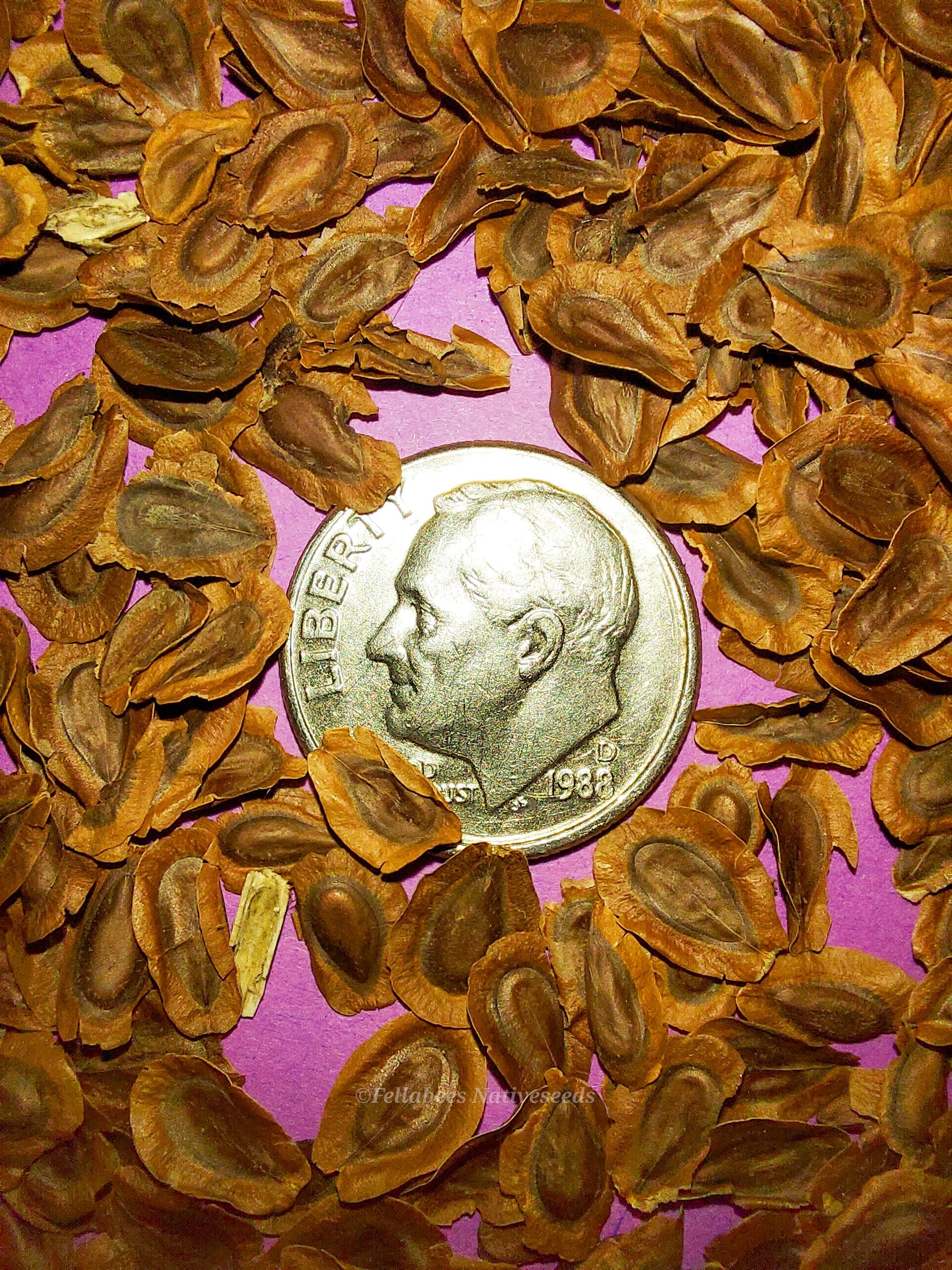
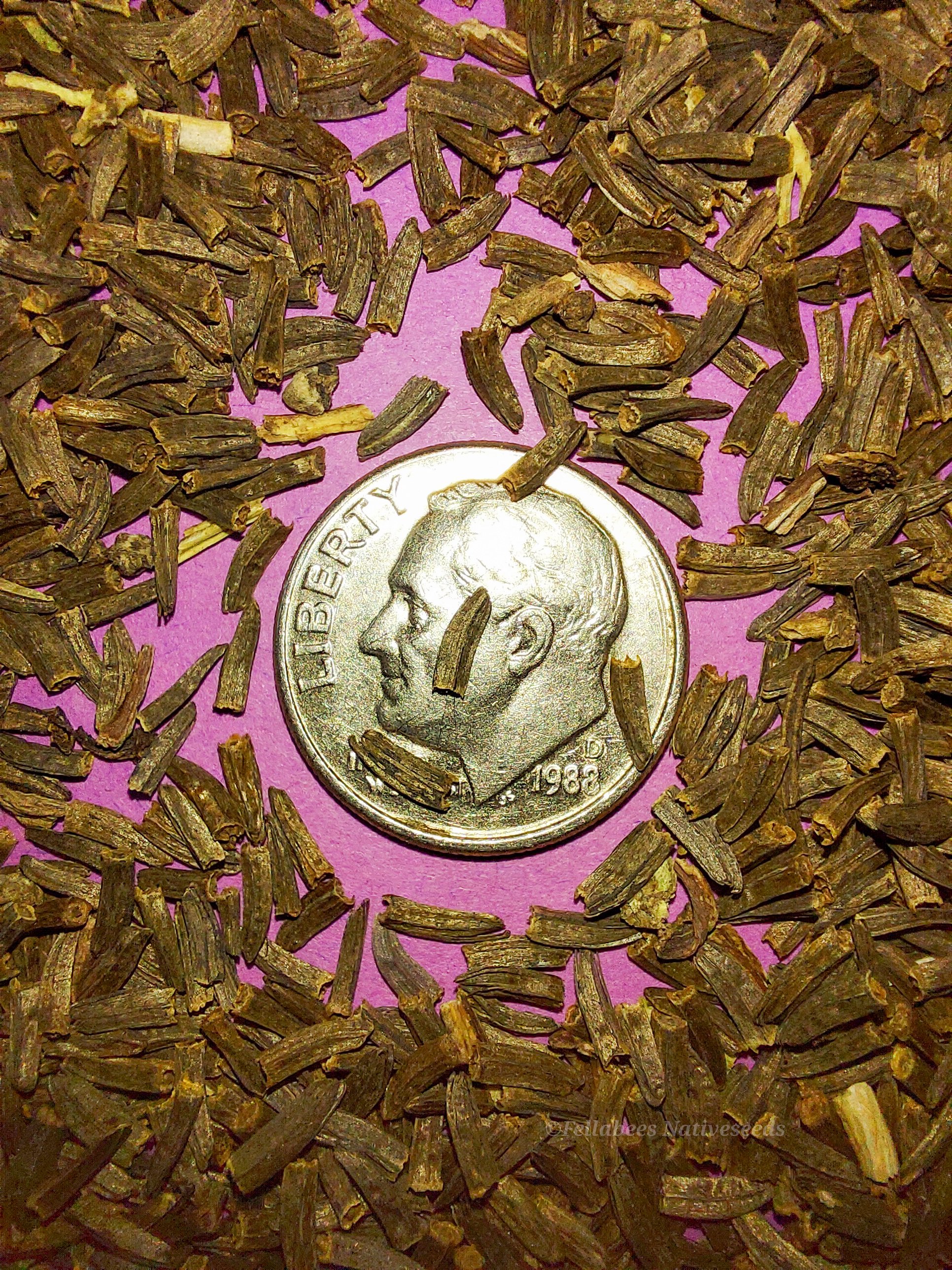
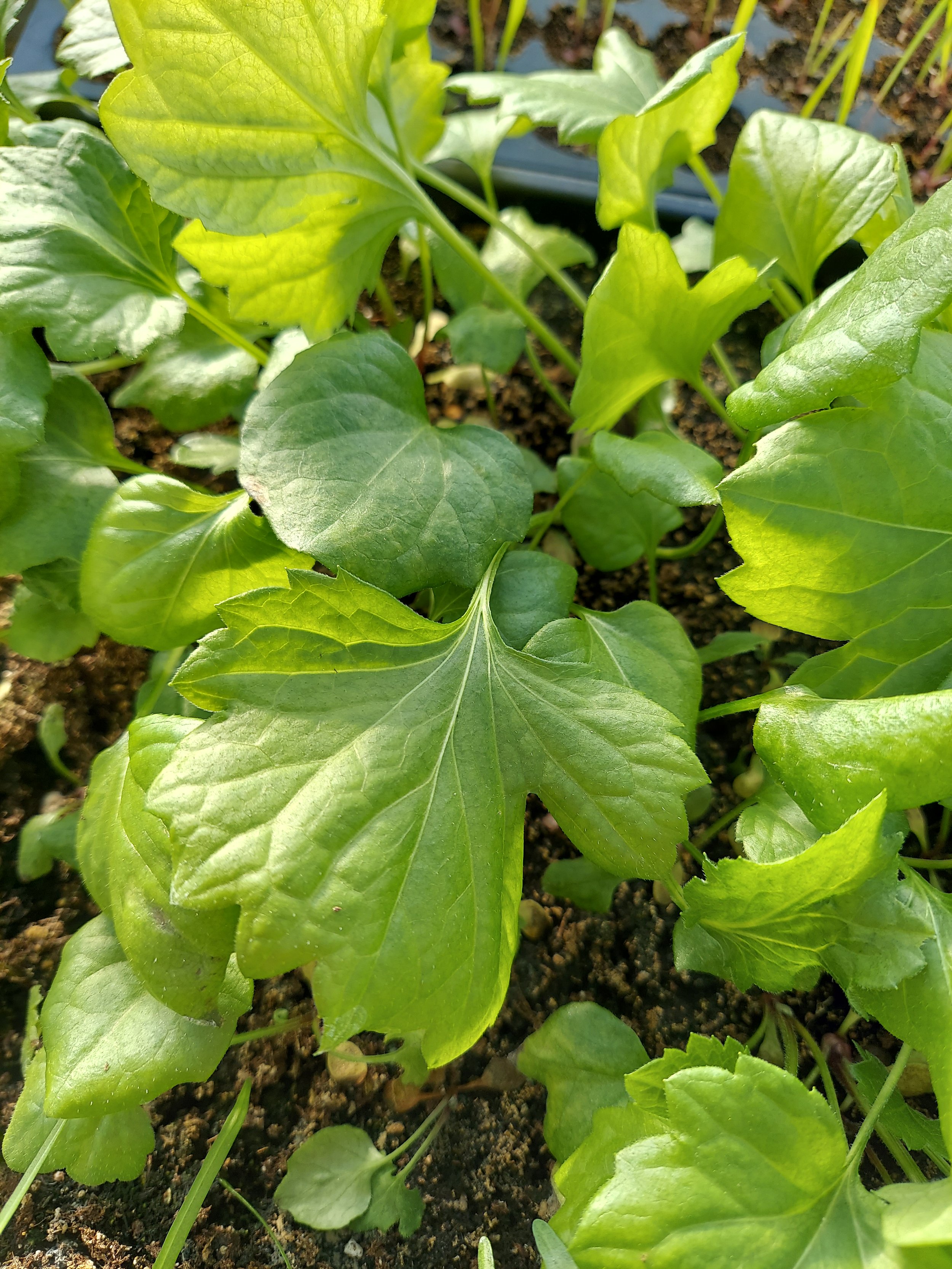
Wild Hyacinth (Camassia scilloides)
Camassia scilloides is the scientific name for the ephemeral perennial herb more commonly called Wild Hyacinth, Atlantic Camas, or Eastern Camas. Native to the eastern half of North America, it occurs across Ontario and throughout many parts of the eastern United States, where it favors moist meadows, open woods, and prairies during its seasonal growth and bloom.
The species produces inflorescences reaching up to two feet tall that arise from a bulb only about 0.39–1.18 inches wide. It bears a few narrow leaves, each measuring roughly 7.9–23.6 inches long. The showy flowers feature light blue to whitish tepals and conspicuous yellow anthers. The fruit is a green to brown capsule up to about a centimeter long, distinctly divided into three chambers.
A single Wild Hyacinth can produce well over 100 flowers in a single season! The nectar and pollen of Camassia scilloides provide important food for bees, butterflies, and other early-season pollinators, including bumblebees and mining bees that emerge in spring. These blooms help support pollinator populations and brighten spring meadows with their graceful spikes of blue.
The bulbs of Camassia scilloides are an important food source for small mammals and native rodents, and the seeds may be eaten by ground-feeding birds. Native Americans and early European settlers used the wild hyacinth as a food source, consuming the boiled, baked, or even raw underground bulbs of this plant. Their similar appearance to the deadly White Camas (Anticlea elegans) did mislead a fair number of settlers, however, since only wild hyacinth is edible. Armed with that knowledge, interplanting the two species can be a strategically sound way to reduce intense herbivory on wild hyacinth patches by rodents and other foragers. Just avoid harvesting or eating from such mixed patches yourself, or you risk the same fate that befell some settlers in the past.
In natural ecosystems, Wild Hyacinth contributes to the biodiversity of open woods and prairies, thriving especially in areas where spring sunlight reaches the forest floor before trees fully leaf out in late spring. The plant goes dormant by midsummer, conserving energy in its underground bulb to survive drier, hotter months and re-emerging the following year. Once established, it gradually forms small, self-sustaining colonies through slow bulb division and occasional natural reseeding, creating gentle drifts of blooms over time. Ideal for woodland edges, savannas, and moist prairie plantings, Wild Hyacinth provides soft spring color and important ecological value to native landscapes and pollinators. Camassia scilloides is a timeless native perennial that connects early-season beauty with lasting habitat value, making it a valuable and resilient addition to any native plant community.
This species is slow to establish from seed, and it can take up to four years before bulbs become mature enough to reliably push up flowers. If you’re patient, seed is the most economical way to establish new colonies of Wild Hyacinth, since purchasing bulbs can run around $6 each and potted plants often cost about $10 each when bought during the spring bloom.
Plant Details:
USDA Zones: 4 - 8
Germination Needs: 90 Days Cold-Moist Stratification. Best Sown Direct Outdoors in Late Fall through Mid-Winter
Life Cycle: Perennial
Sun Exposure: Full to Partial
Soil Moisture: Medium-Wet, Medium, Medium-Dry
Plant Spacing: 8 - 12 inches
Height: 2 feet
Bloom time: May, June
Bloom Color: Blue
Advantages:
Pollinator Favorite: butterflies, moths, bees, wasps, beetles
Bird Favorite: seeds, insects, fruit, nectar, nesting, perches.
Deer Resistant: No
Native to: Wisconsin, Iowa, Illinois, Indiana, Michigan, Ohio, Pennsylvania, Maryland, West Virginia, Virginia, Kentucky, Tennessee, North Carolina, South Carolina, Georgia, Alabama, Mississippi, Louisiana, Arkansas, Missouri, Texas, and Oklahoma.
This species is considered present but rare in several counties of the states of Wisconsin, Michigan, Pennsylvania, Virginia, North Carolina, South Carolina, Mississippi, and Louisiana.
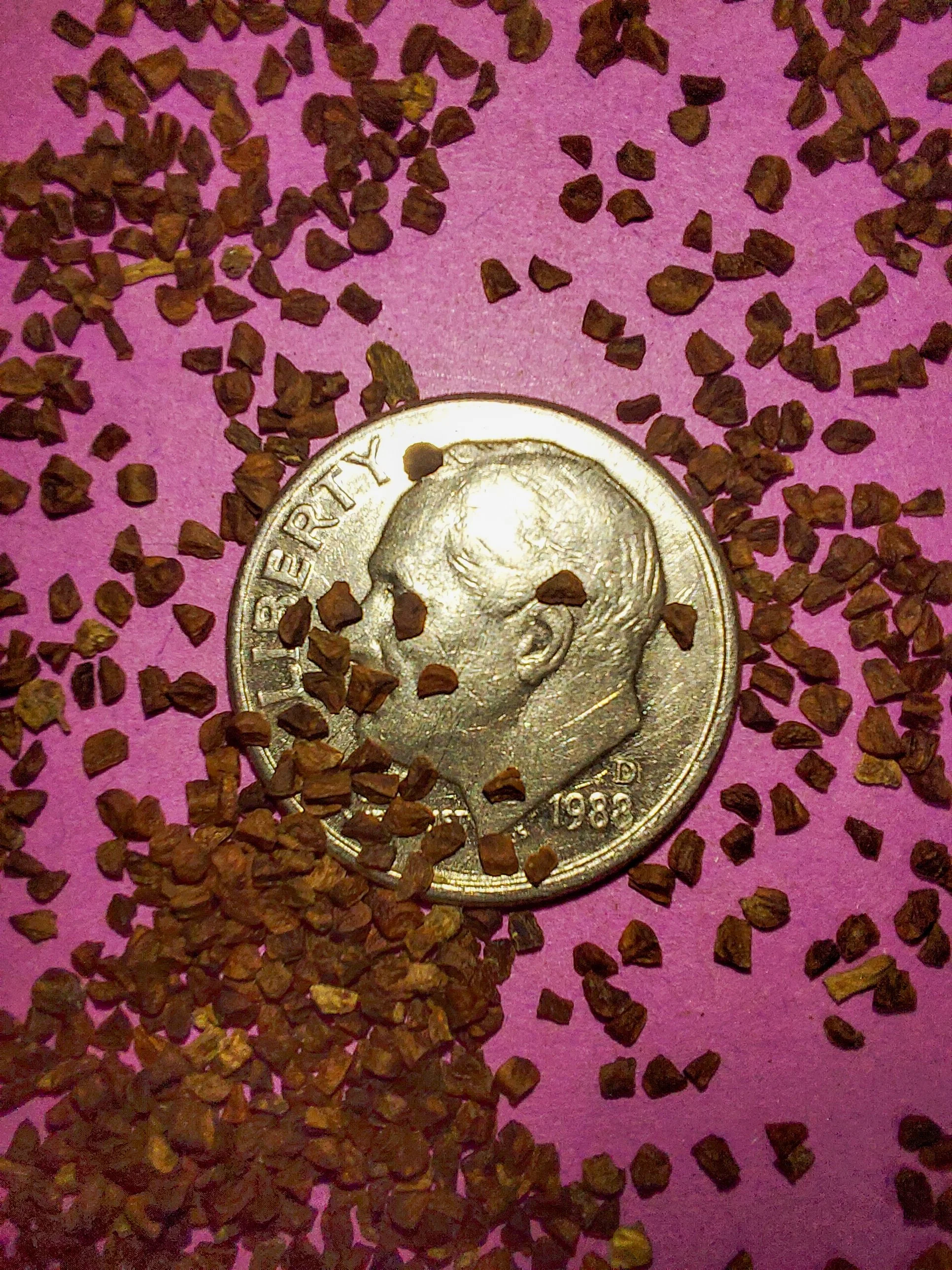
Seed Count: 20+
.
.
Packet quantities:
We pride ourselves on ethical, hands on, ecological management, using no mechanical or chemical methods whatsoever.
All of our native seed is hand reared, hand-picked, and hand packed from native prairies under our exclusive management, never breaking chain of custody from the field until it is sent to you. Each packet is hand prepared for shipment by us, directly.
Small seed species will contain greater than 20-25 seed
Large seed species will contain greater than 10-15 seed
All packets are individually marked at the bottom of the front label with expected count, however most if not all packets will have many more than the minimum count by default.
It is our mission to spread the wealth of native plant and pollinator ecological sustainability and educate back yard gardeners as well as corporate and government entities in how to germinate, grow, and benefit from native synergies.
Thank you for your support, it is because of you, that we can grow together to do, what we do. 🐛🦋🐝🐞🌾🌱🌼🧡
Wild Hyacinth (Camassia scilloides)
Camassia scilloides is the scientific name for the ephemeral perennial herb more commonly called Wild Hyacinth, Atlantic Camas, or Eastern Camas. Native to the eastern half of North America, it occurs across Ontario and throughout many parts of the eastern United States, where it favors moist meadows, open woods, and prairies during its seasonal growth and bloom.
The species produces inflorescences reaching up to two feet tall that arise from a bulb only about 0.39–1.18 inches wide. It bears a few narrow leaves, each measuring roughly 7.9–23.6 inches long. The showy flowers feature light blue to whitish tepals and conspicuous yellow anthers. The fruit is a green to brown capsule up to about a centimeter long, distinctly divided into three chambers.
A single Wild Hyacinth can produce well over 100 flowers in a single season! The nectar and pollen of Camassia scilloides provide important food for bees, butterflies, and other early-season pollinators, including bumblebees and mining bees that emerge in spring. These blooms help support pollinator populations and brighten spring meadows with their graceful spikes of blue.
The bulbs of Camassia scilloides are an important food source for small mammals and native rodents, and the seeds may be eaten by ground-feeding birds. Native Americans and early European settlers used the wild hyacinth as a food source, consuming the boiled, baked, or even raw underground bulbs of this plant. Their similar appearance to the deadly White Camas (Anticlea elegans) did mislead a fair number of settlers, however, since only wild hyacinth is edible. Armed with that knowledge, interplanting the two species can be a strategically sound way to reduce intense herbivory on wild hyacinth patches by rodents and other foragers. Just avoid harvesting or eating from such mixed patches yourself, or you risk the same fate that befell some settlers in the past.
In natural ecosystems, Wild Hyacinth contributes to the biodiversity of open woods and prairies, thriving especially in areas where spring sunlight reaches the forest floor before trees fully leaf out in late spring. The plant goes dormant by midsummer, conserving energy in its underground bulb to survive drier, hotter months and re-emerging the following year. Once established, it gradually forms small, self-sustaining colonies through slow bulb division and occasional natural reseeding, creating gentle drifts of blooms over time. Ideal for woodland edges, savannas, and moist prairie plantings, Wild Hyacinth provides soft spring color and important ecological value to native landscapes and pollinators. Camassia scilloides is a timeless native perennial that connects early-season beauty with lasting habitat value, making it a valuable and resilient addition to any native plant community.
This species is slow to establish from seed, and it can take up to four years before bulbs become mature enough to reliably push up flowers. If you’re patient, seed is the most economical way to establish new colonies of Wild Hyacinth, since purchasing bulbs can run around $6 each and potted plants often cost about $10 each when bought during the spring bloom.
Plant Details:
USDA Zones: 4 - 8
Germination Needs: 90 Days Cold-Moist Stratification. Best Sown Direct Outdoors in Late Fall through Mid-Winter
Life Cycle: Perennial
Sun Exposure: Full to Partial
Soil Moisture: Medium-Wet, Medium, Medium-Dry
Plant Spacing: 8 - 12 inches
Height: 2 feet
Bloom time: May, June
Bloom Color: Blue
Advantages:
Pollinator Favorite: butterflies, moths, bees, wasps, beetles
Bird Favorite: seeds, insects, fruit, nectar, nesting, perches.
Deer Resistant: No
Native to: Wisconsin, Iowa, Illinois, Indiana, Michigan, Ohio, Pennsylvania, Maryland, West Virginia, Virginia, Kentucky, Tennessee, North Carolina, South Carolina, Georgia, Alabama, Mississippi, Louisiana, Arkansas, Missouri, Texas, and Oklahoma.
This species is considered present but rare in several counties of the states of Wisconsin, Michigan, Pennsylvania, Virginia, North Carolina, South Carolina, Mississippi, and Louisiana.
Seed Count: 20+
.
.
Packet quantities:
We pride ourselves on ethical, hands on, ecological management, using no mechanical or chemical methods whatsoever.
All of our native seed is hand reared, hand-picked, and hand packed from native prairies under our exclusive management, never breaking chain of custody from the field until it is sent to you. Each packet is hand prepared for shipment by us, directly.
Small seed species will contain greater than 20-25 seed
Large seed species will contain greater than 10-15 seed
All packets are individually marked at the bottom of the front label with expected count, however most if not all packets will have many more than the minimum count by default.
It is our mission to spread the wealth of native plant and pollinator ecological sustainability and educate back yard gardeners as well as corporate and government entities in how to germinate, grow, and benefit from native synergies.
Thank you for your support, it is because of you, that we can grow together to do, what we do. 🐛🦋🐝🐞🌾🌱🌼🧡
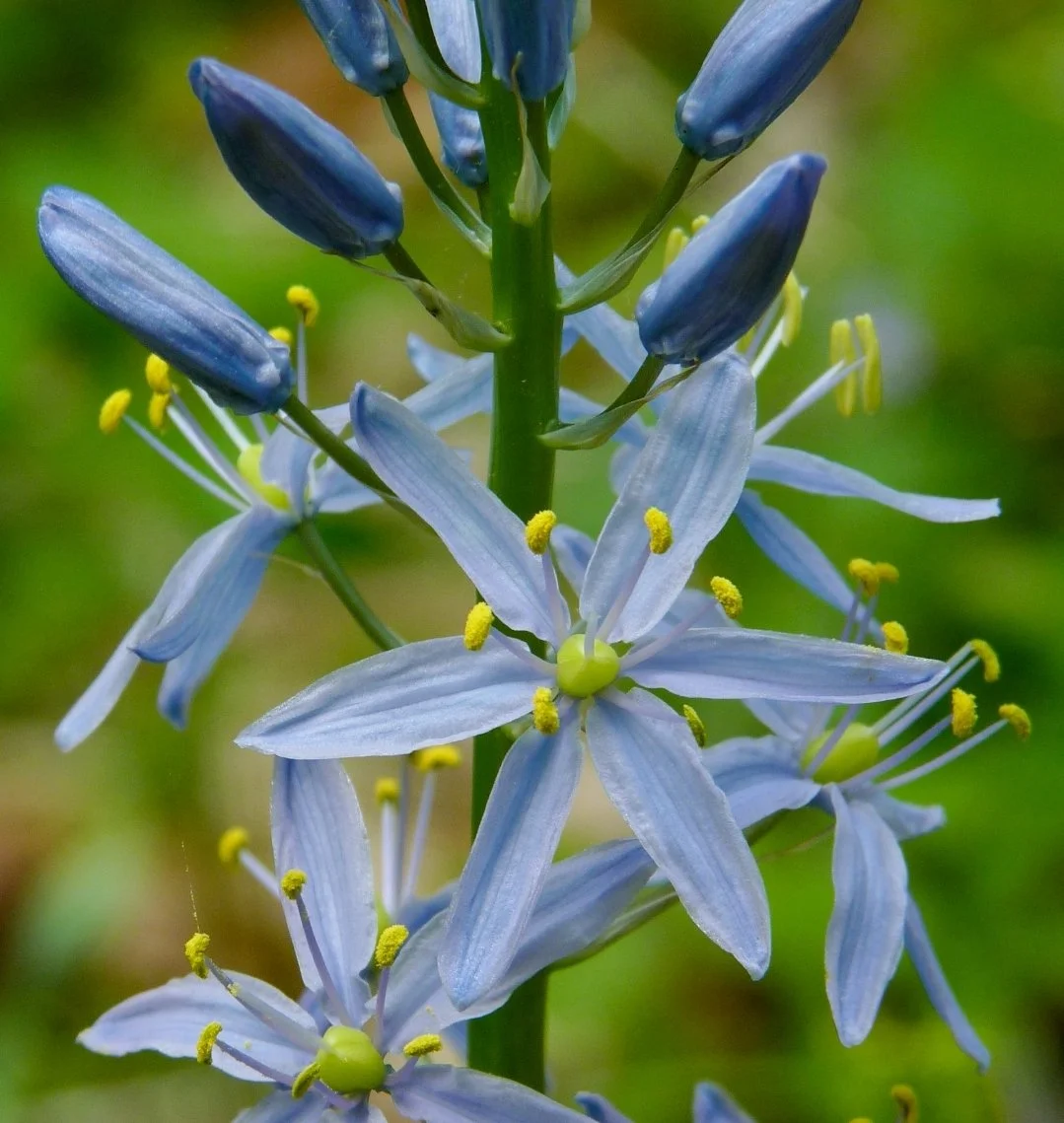 Image 1 of 6
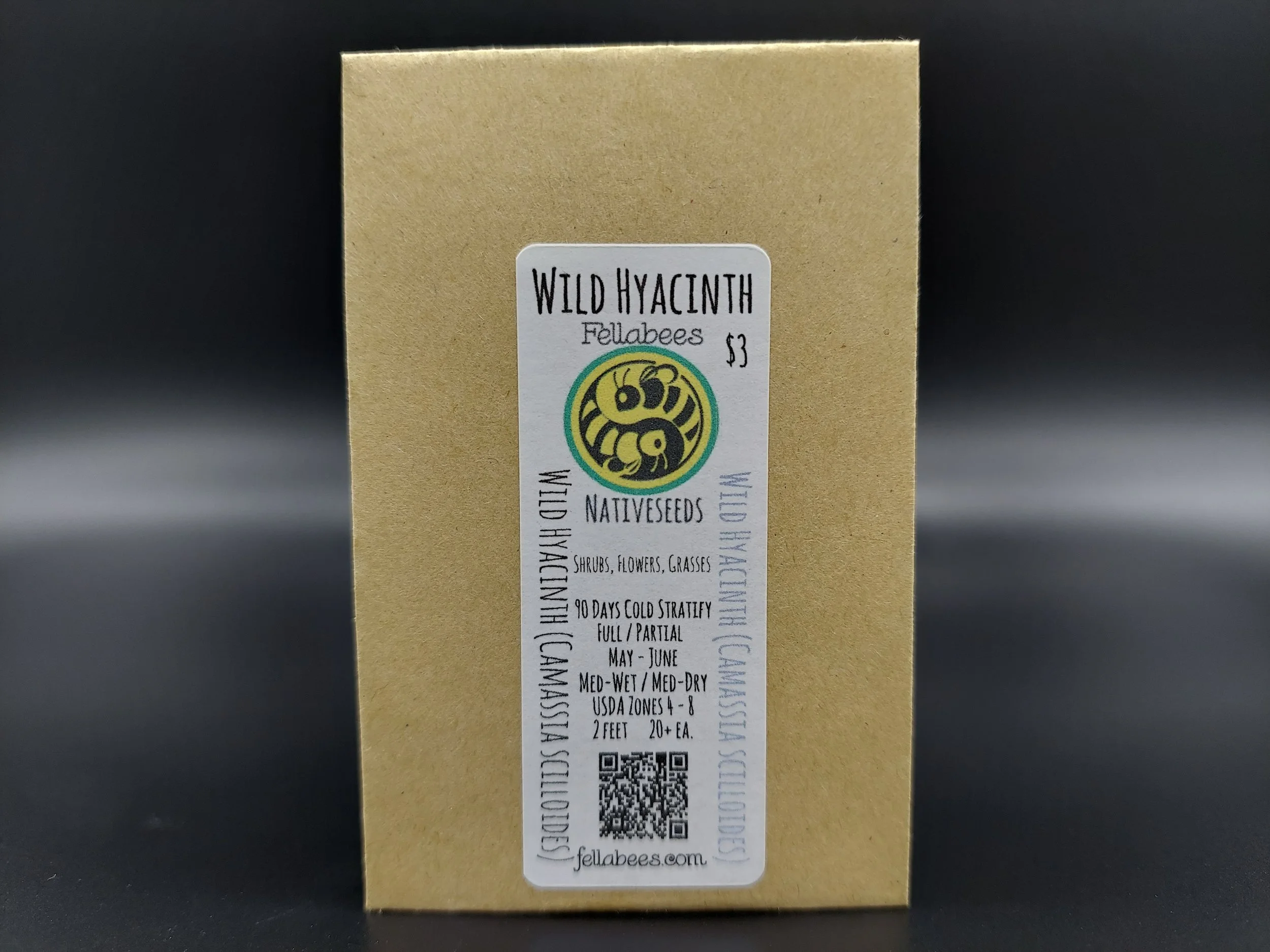 Image 2 of 6
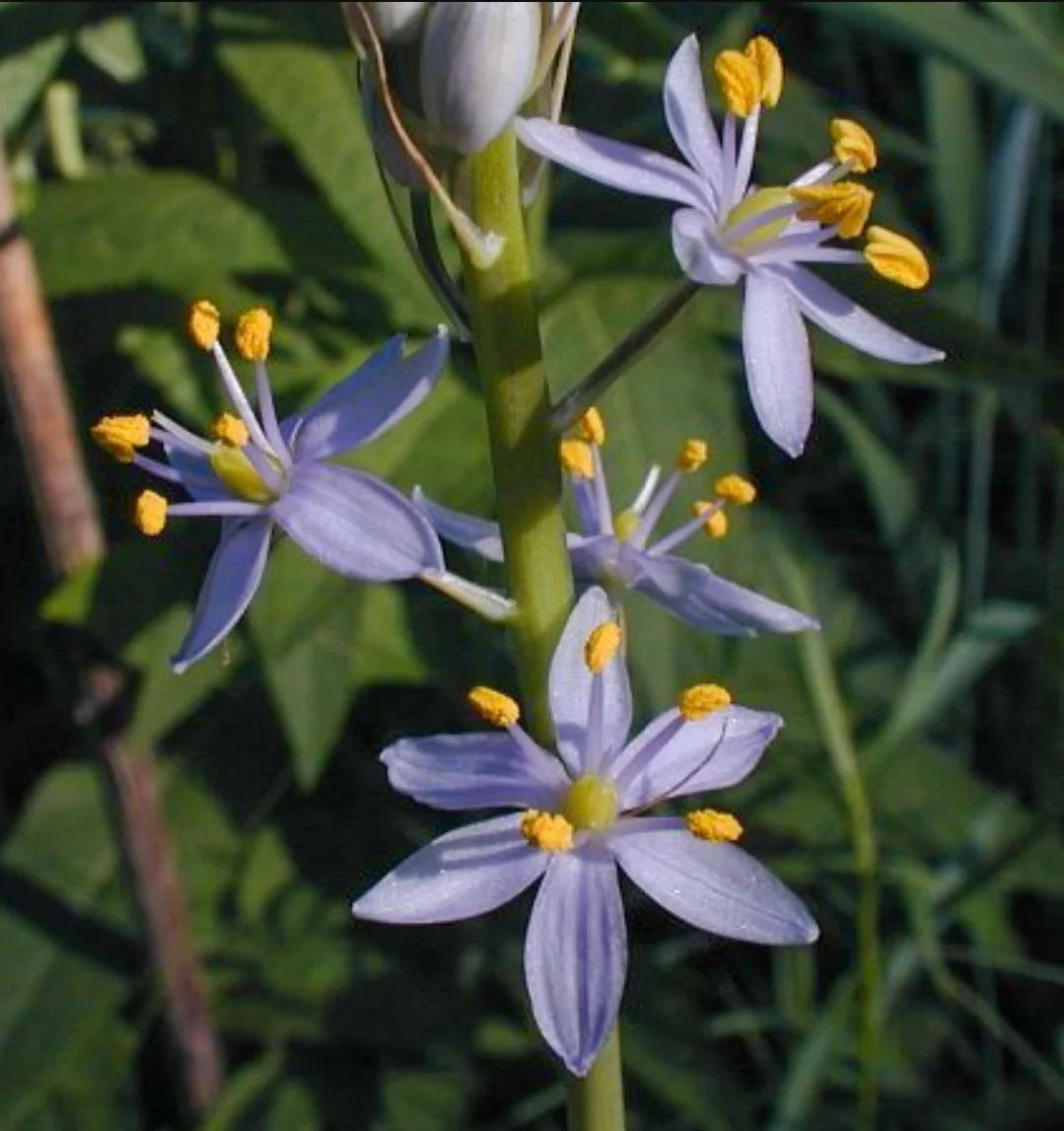 Image 3 of 6
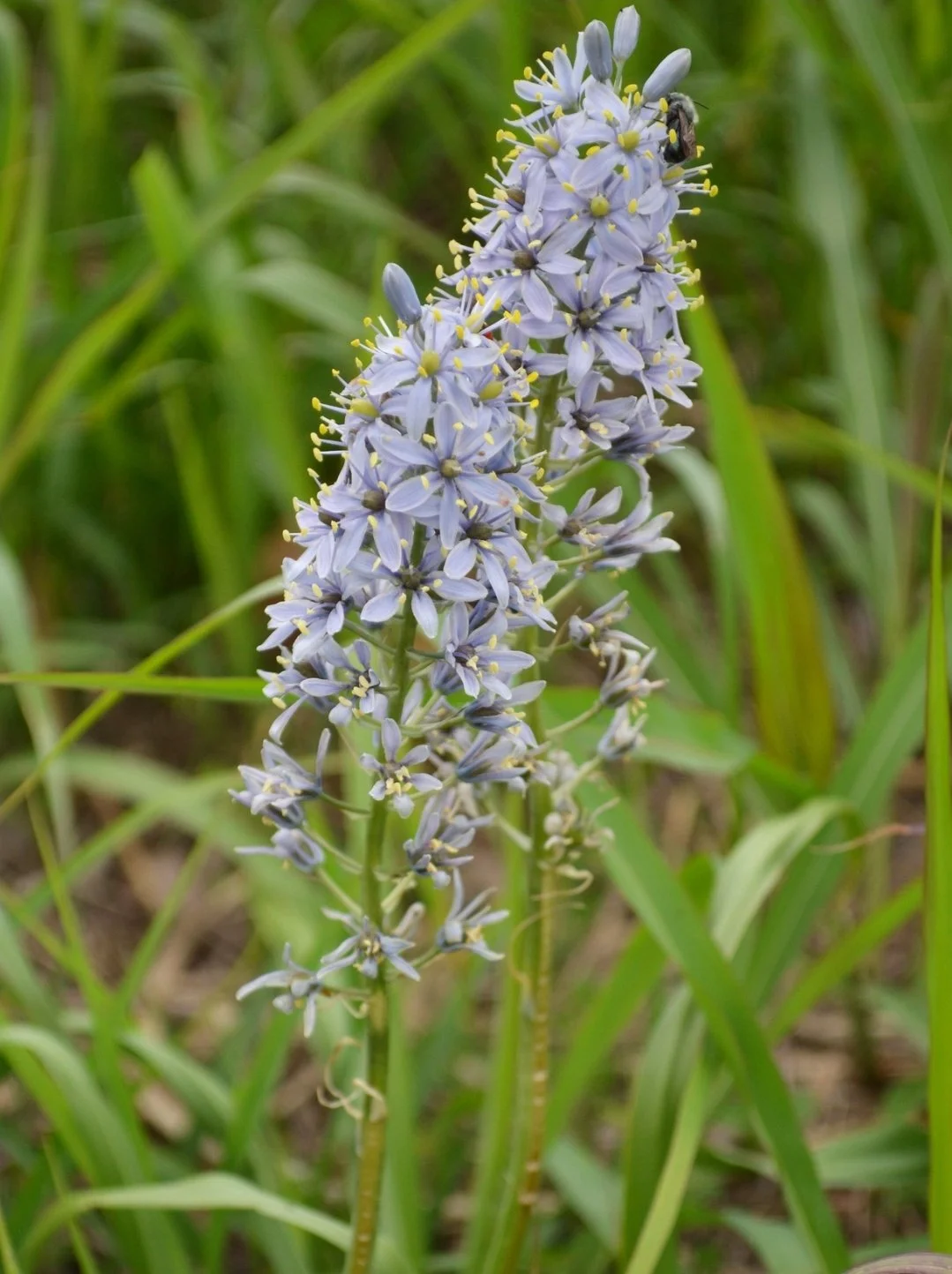 Image 4 of 6
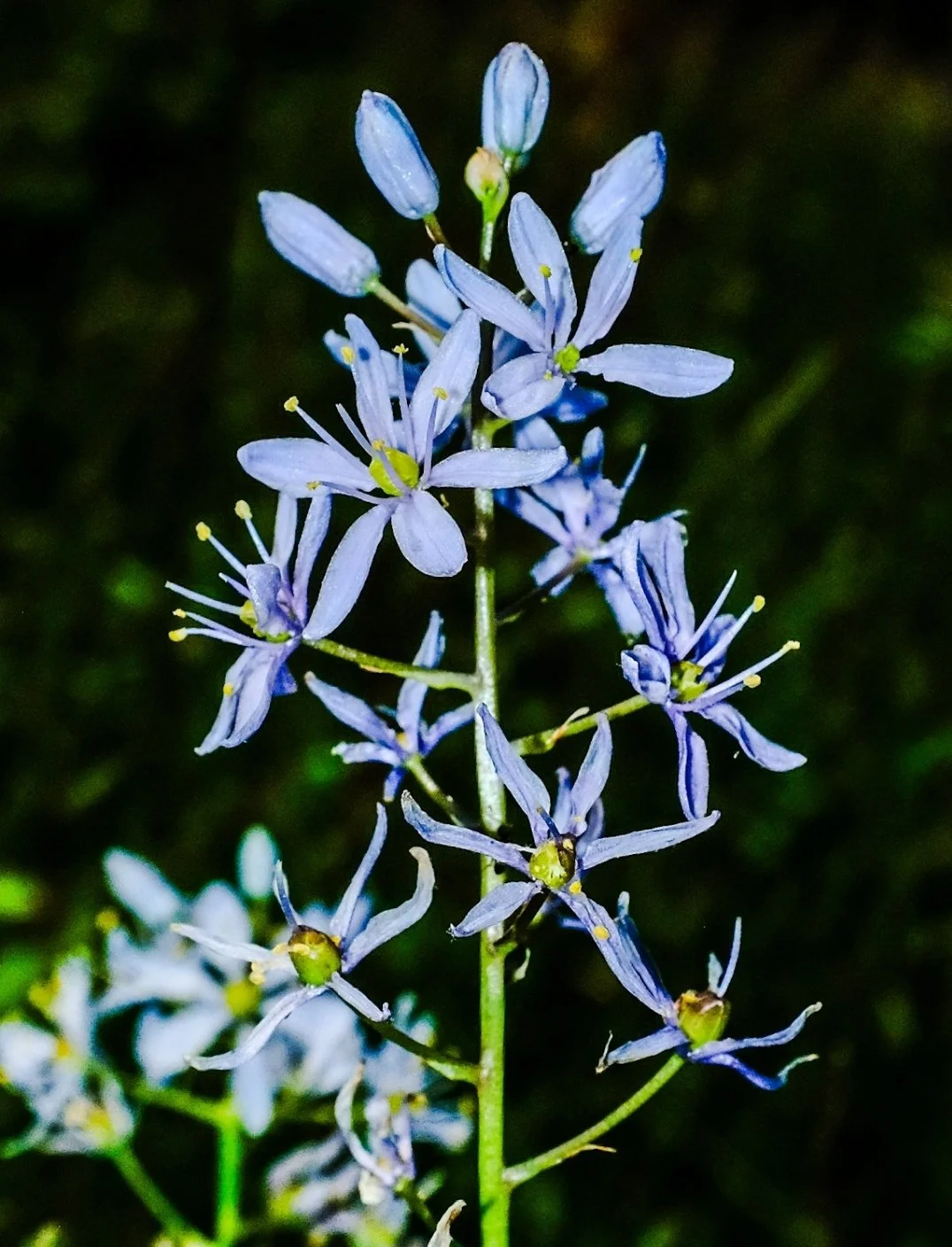 Image 5 of 6
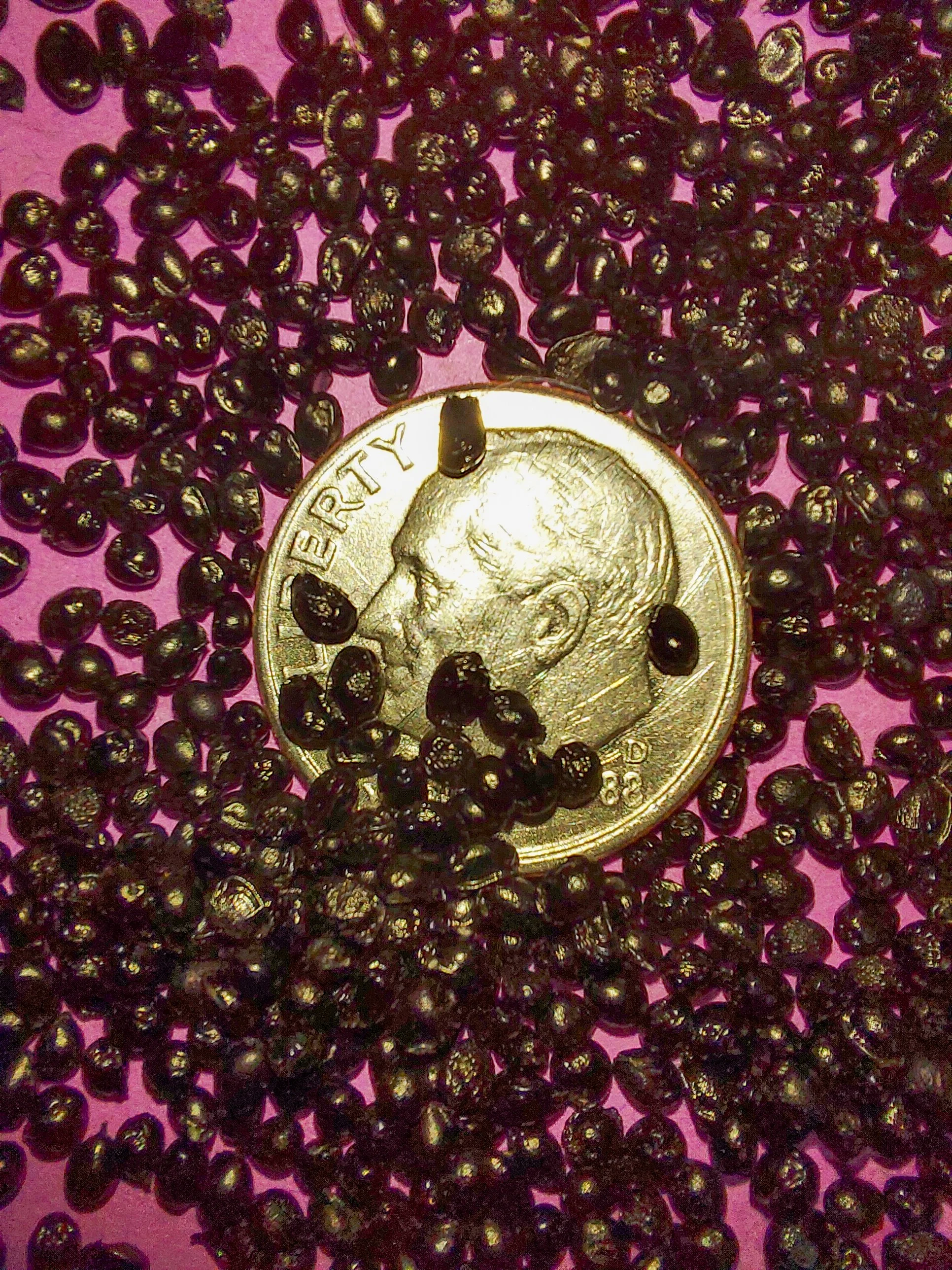 Image 6 of 6