Compass Plant (Silphium laciniatum)
Silphium laciniatum is the scientific name for the long-lived native species more commonly known as Compass Plant.
Compass plant is native to North America. It grows in Ontario and across the eastern and central United States, reaching as far west as New Mexico. Other common names are prairie compass plant, pilotweed, polarplant, gumweed, cut-leaf silphium, and turpentine plant. It’s a rosinweed in the Silphium genus.
The name "compass plant" comes from its leaf orientation. Large leaves grow vertically with tips pointing north or south and flat sides facing east and west. New leaves start randomly but twist within two or three weeks to stand vertically. Morning sun position affects which way they twist. This vertical east–west orientation cuts solar radiation and gives better water-use efficiency than horizontal or north–south leaves.
Native people learned to navigate the open prairie simply by feeling the leaves beneath their feet and hands. The plant also served a variety of practical and cultural uses among different Native American groups. Its bitter, resinous sap could be collected and fashioned into a chewy gum. The Pawnee brewed a soothing tisane (herbal tea) from parts of the plant. Many groups dried and burned the root as a protective charm during storms and lightning, incorporating it into their ceremonial practices.
Many birds and mammals feed on the fruits of the plant. The eastern kingbird perches on the tall plant to watch for insect prey.
Compass Plant supports many rich faunal and ecological benefits across prairie and pollinator-friendly landscapes.
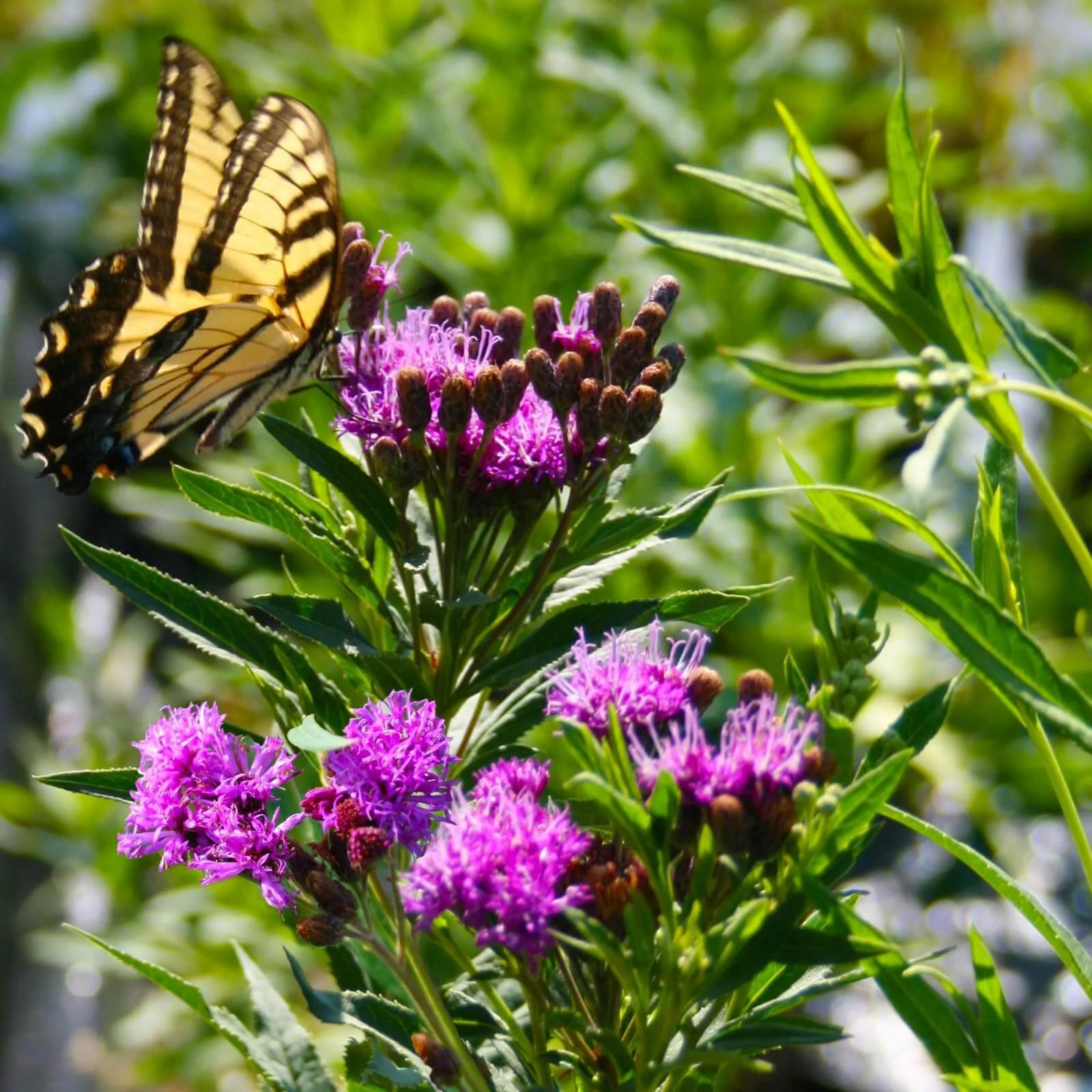
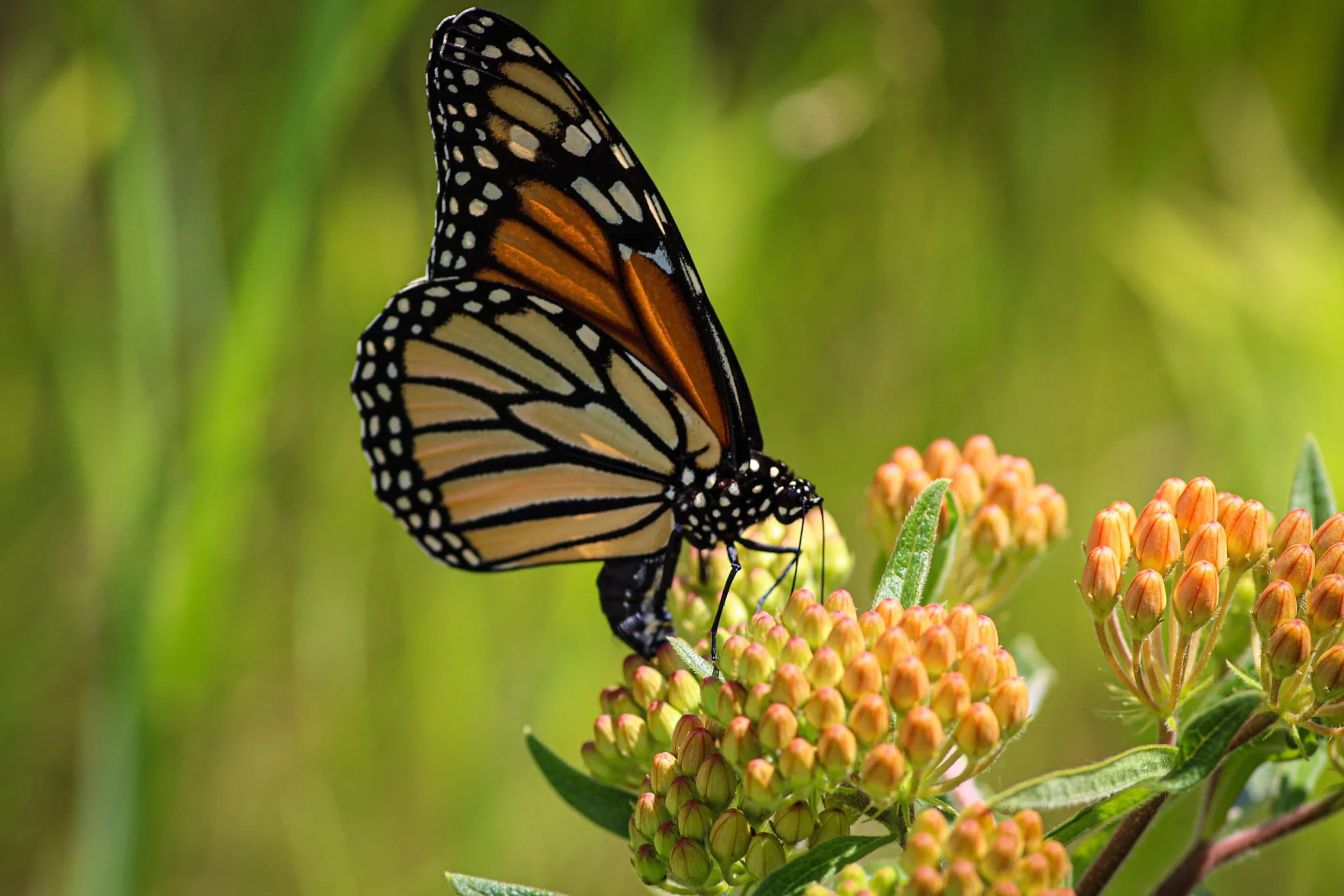
Compass Plant’s large, sunflower-like blooms produce lots of nectar and pollen that attract and support native bees, bumblebees, Monarchs, Swallowtails, and many other pollinators from mid- to late summer. Its tall, deep-rooted perennial growth stabilizes soil, improves water absorption, and builds organic matter, helping prevent erosion and survive drought. The rough, lobed leaves and strong stems provide habitat and nesting material for ground-nesting bees, insects, and small animals, and the seeds feed birds and small mammals in late summer and fall.
Compass Plant supports specialized insect herbivores and parasitoids that contribute to food-web complexity and greater ecosystem resilience, and because it coexists well with other prairie forbs and grasses it enhances plant community diversity, promotes longer flowering seasons, and helps restore native pollinator networks and ecological function in degraded or fragmented habitats.
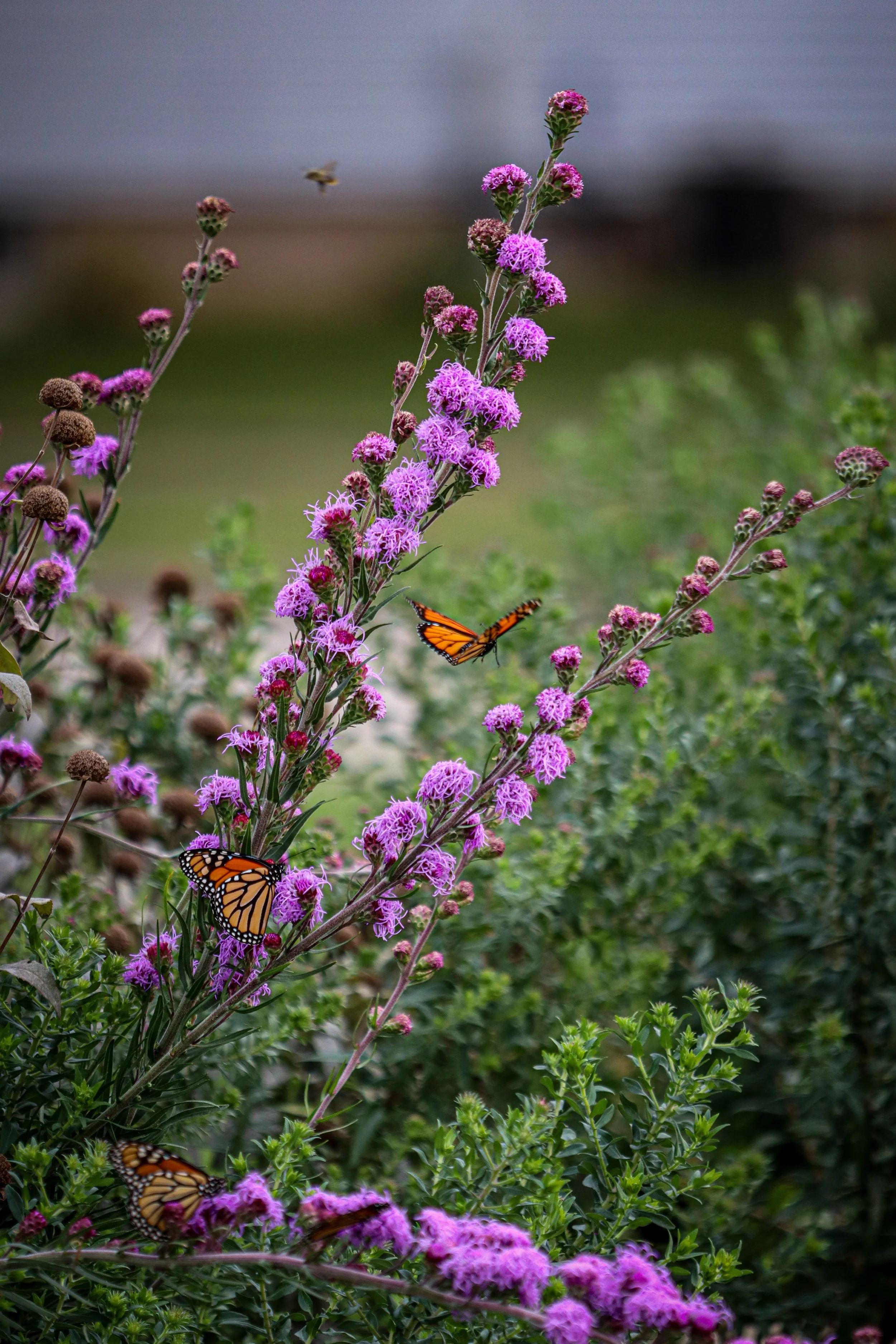
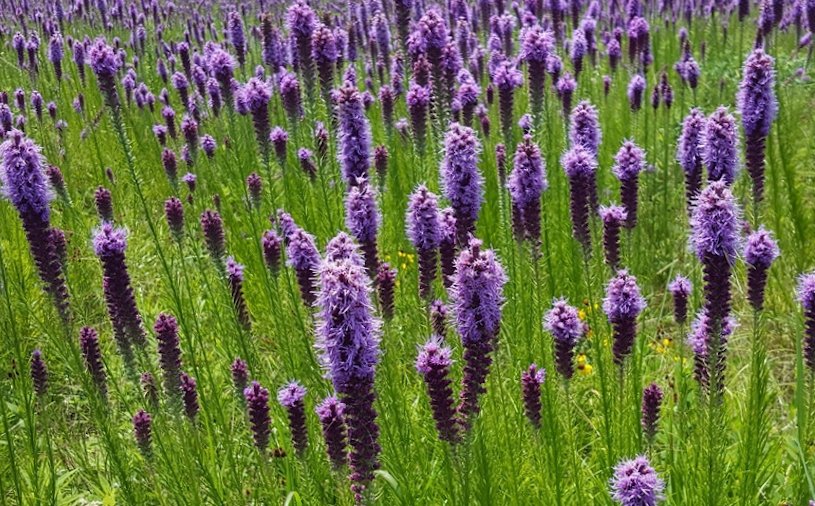
Compass Plant pairs well with Common Ironweed, Joe Pye Weed, Boneset and especially Blazing Stars such as Prairie Blazing Star and Meadow Blazing Star
Plant Details
USDA Zones: 3-9
Germination Needs: 60 Days Cold Stratification
Life Cycle: Perennial
Sun Exposure: Full to Partial
Soil Moisture: Medium-Wet, Medium, Medium-Dry, Dry.
Plant Spacing: 3-4 feet
Height: 8 feet
Bloom time: June, July, August, September
Bloom Color: Yellow
Advantages
Pollinator Favorite: butterflies, moths, bees, wasps, beetles
Bird Favorite: seeds, insects, fruit, nectar, nesting, perches.
Deer Resistant: Yes
Excellent in the home landscape!
Native to: Wisconsin, Minnesota, Iowa, Illinois, Indiana, Michigan, Ohio, Kentucky, Tennessee, Alabama, Mississippi, Louisiana, Arkansas, Missouri, Texas, Oklahoma, Kansas, Nebraska, South Dakota and Colorado.
This species is considered present but rare in several counties of the states of Michigan, Ohio, Kentucky, Tennessee and South Dakota.
This species is considered to be extirpated (locally extinct) in several counties of Colorado.
This species is considered present but introduced in several counties of the states of Pennsylvania, New York, Virginia and New Mexico.
.
.
Packet quantities:
We pride ourselves on ethical, hands on, ecological management, using no mechanical or chemical methods whatsoever.
All of our native seed is hand reared, hand picked, and hand packed from native prairies under our exclusive management, never breaking chain of custody from the field until it is sent to you. Each packet is hand prepared for shipment by us, directly.
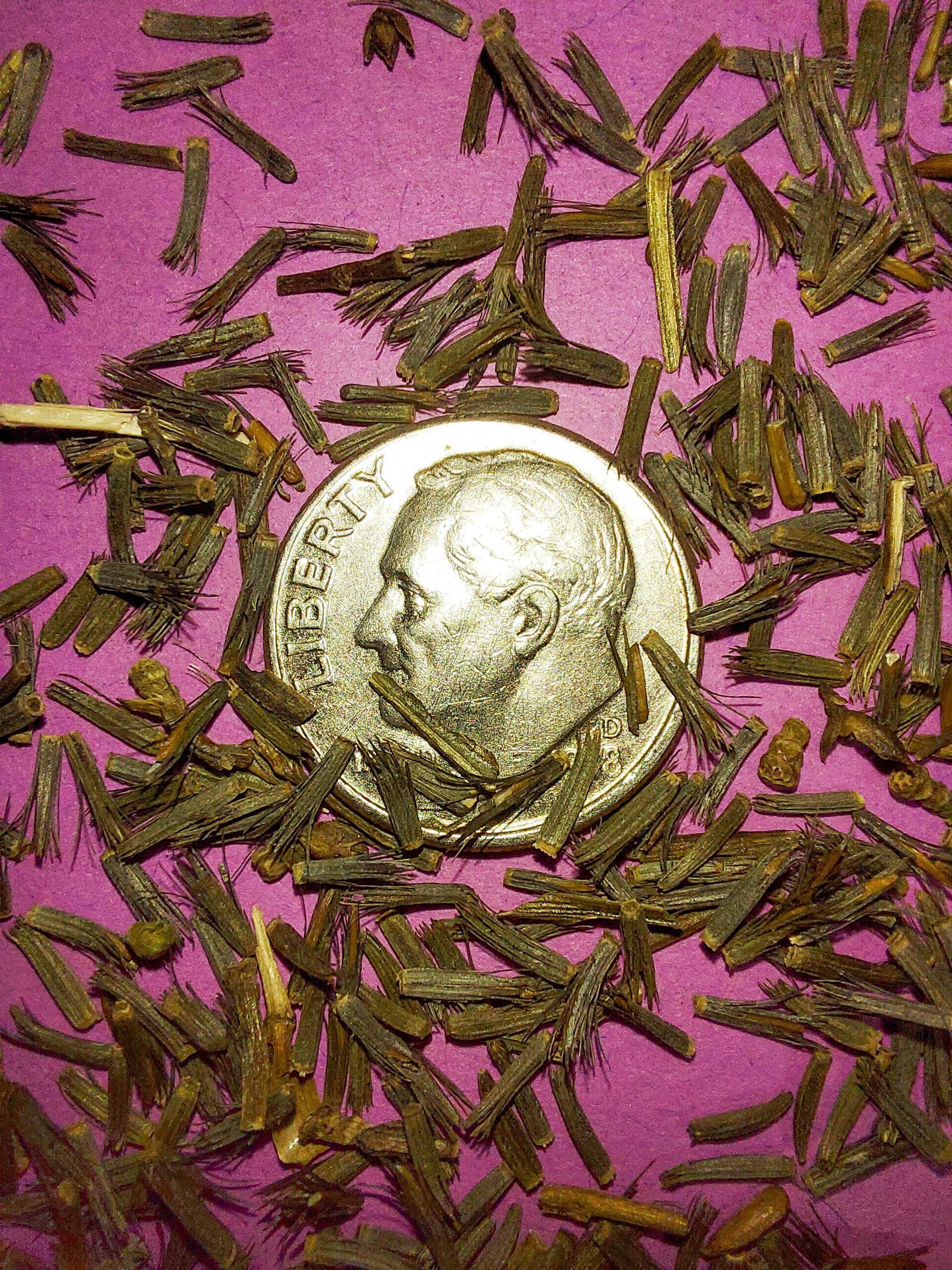
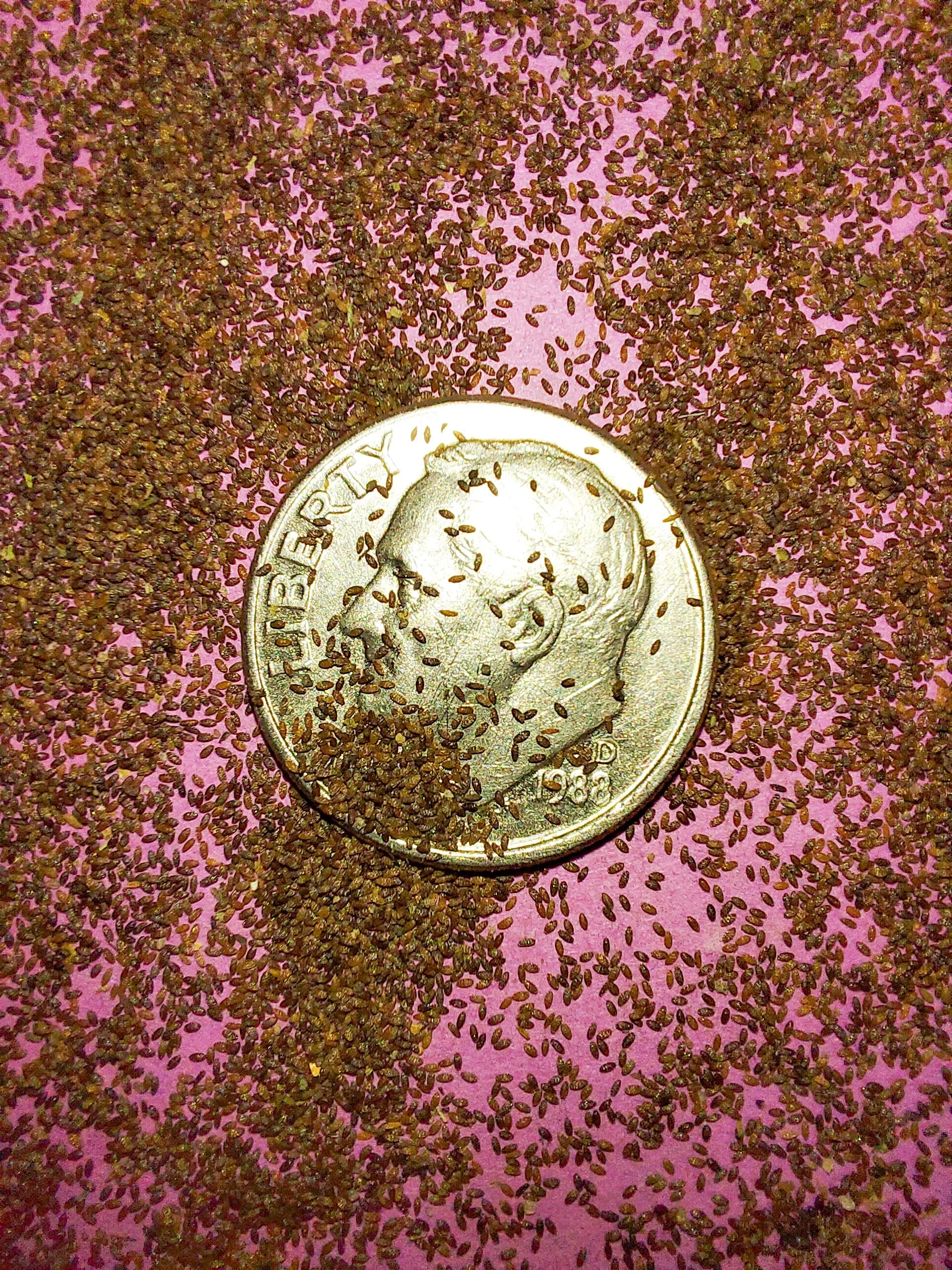
Small seed species will contain greater than 20-25 seed
Large seed species will contain greater than 10-15 seed
It is our mission to spread the wealth of native plant and pollinator ecological sustainability, and educate back yard gardeners as well as corporate and government entities in how to germinate, grow, and benefit from native synergies.
Thank you for your support, it is because of you, that we can grow together to do, what we do. 🐛🦋🐝🐞🌾🌱🌼🧡
Compass Plant (Silphium laciniatum)
Silphium laciniatum is the scientific name for the long-lived native species more commonly known as Compass Plant.
Compass plant is native to North America. It grows in Ontario and across the eastern and central United States, reaching as far west as New Mexico. Other common names are prairie compass plant, pilotweed, polarplant, gumweed, cut-leaf silphium, and turpentine plant. It’s a rosinweed in the Silphium genus.
The name "compass plant" comes from its leaf orientation. Large leaves grow vertically with tips pointing north or south and flat sides facing east and west. New leaves start randomly but twist within two or three weeks to stand vertically. Morning sun position affects which way they twist. This vertical east–west orientation cuts solar radiation and gives better water-use efficiency than horizontal or north–south leaves.
Native people learned to navigate the open prairie simply by feeling the leaves beneath their feet and hands. The plant also served a variety of practical and cultural uses among different Native American groups. Its bitter, resinous sap could be collected and fashioned into a chewy gum. The Pawnee brewed a soothing tisane (herbal tea) from parts of the plant. Many groups dried and burned the root as a protective charm during storms and lightning, incorporating it into their ceremonial practices.
Many birds and mammals feed on the fruits of the plant. The eastern kingbird perches on the tall plant to watch for insect prey.
Compass Plant supports many rich faunal and ecological benefits across prairie and pollinator-friendly landscapes.
Compass Plant’s large, sunflower-like blooms produce lots of nectar and pollen that attract and support native bees, bumblebees, Monarchs, Swallowtails, and many other pollinators from mid- to late summer. Its tall, deep-rooted perennial growth stabilizes soil, improves water absorption, and builds organic matter, helping prevent erosion and survive drought. The rough, lobed leaves and strong stems provide habitat and nesting material for ground-nesting bees, insects, and small animals, and the seeds feed birds and small mammals in late summer and fall.
Compass Plant supports specialized insect herbivores and parasitoids that contribute to food-web complexity and greater ecosystem resilience, and because it coexists well with other prairie forbs and grasses it enhances plant community diversity, promotes longer flowering seasons, and helps restore native pollinator networks and ecological function in degraded or fragmented habitats.
Compass Plant pairs well with Common Ironweed, Joe Pye Weed, Boneset and especially Blazing Stars such as Prairie Blazing Star and Meadow Blazing Star
Plant Details
USDA Zones: 3-9
Germination Needs: 60 Days Cold Stratification
Life Cycle: Perennial
Sun Exposure: Full to Partial
Soil Moisture: Medium-Wet, Medium, Medium-Dry, Dry.
Plant Spacing: 3-4 feet
Height: 8 feet
Bloom time: June, July, August, September
Bloom Color: Yellow
Advantages
Pollinator Favorite: butterflies, moths, bees, wasps, beetles
Bird Favorite: seeds, insects, fruit, nectar, nesting, perches.
Deer Resistant: Yes
Excellent in the home landscape!
Native to: Wisconsin, Minnesota, Iowa, Illinois, Indiana, Michigan, Ohio, Kentucky, Tennessee, Alabama, Mississippi, Louisiana, Arkansas, Missouri, Texas, Oklahoma, Kansas, Nebraska, South Dakota and Colorado.
This species is considered present but rare in several counties of the states of Michigan, Ohio, Kentucky, Tennessee and South Dakota.
This species is considered to be extirpated (locally extinct) in several counties of Colorado.
This species is considered present but introduced in several counties of the states of Pennsylvania, New York, Virginia and New Mexico.
.
.
Packet quantities:
We pride ourselves on ethical, hands on, ecological management, using no mechanical or chemical methods whatsoever.
All of our native seed is hand reared, hand picked, and hand packed from native prairies under our exclusive management, never breaking chain of custody from the field until it is sent to you. Each packet is hand prepared for shipment by us, directly.
Small seed species will contain greater than 20-25 seed
Large seed species will contain greater than 10-15 seed
It is our mission to spread the wealth of native plant and pollinator ecological sustainability, and educate back yard gardeners as well as corporate and government entities in how to germinate, grow, and benefit from native synergies.
Thank you for your support, it is because of you, that we can grow together to do, what we do. 🐛🦋🐝🐞🌾🌱🌼🧡
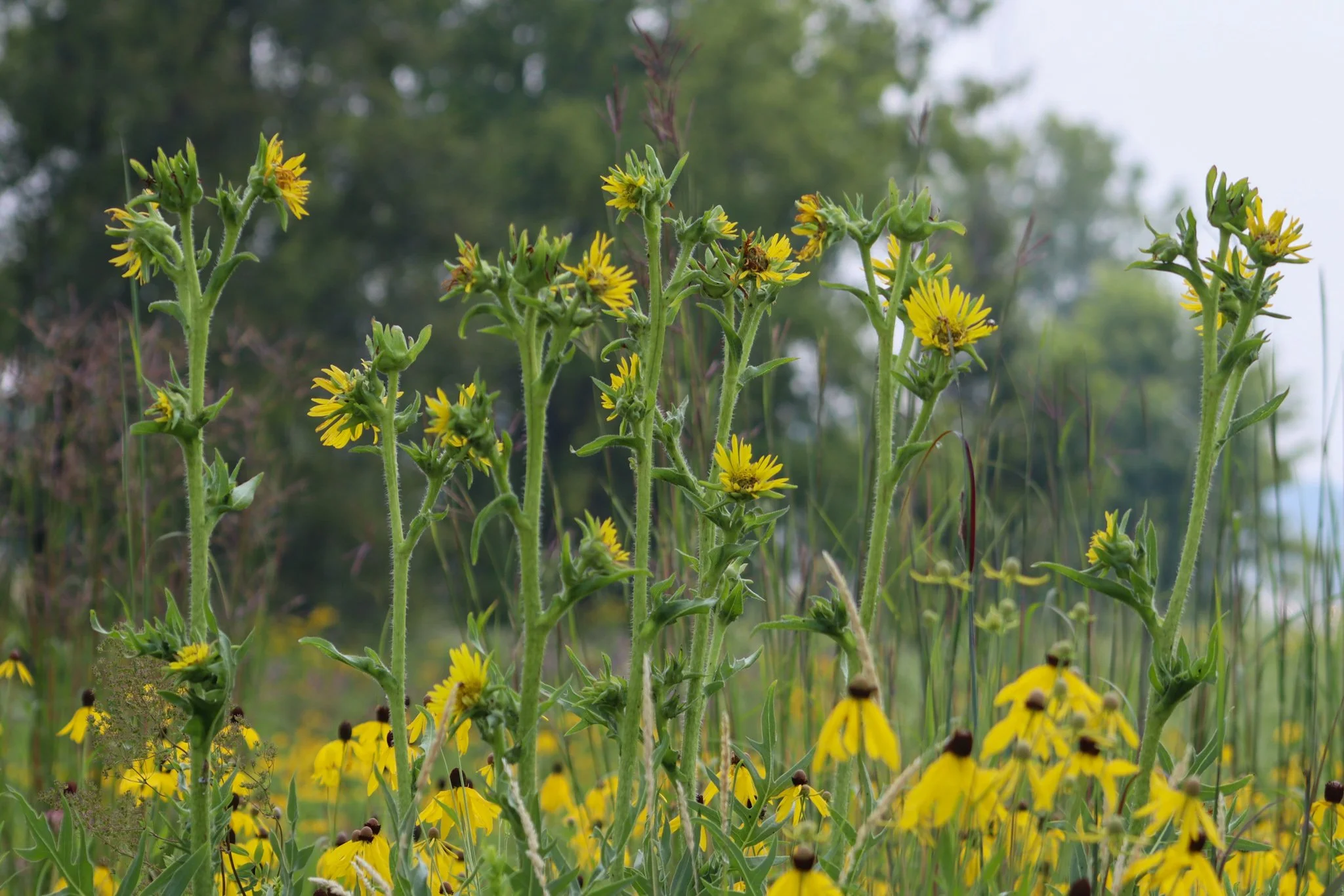 Image 1 of 7
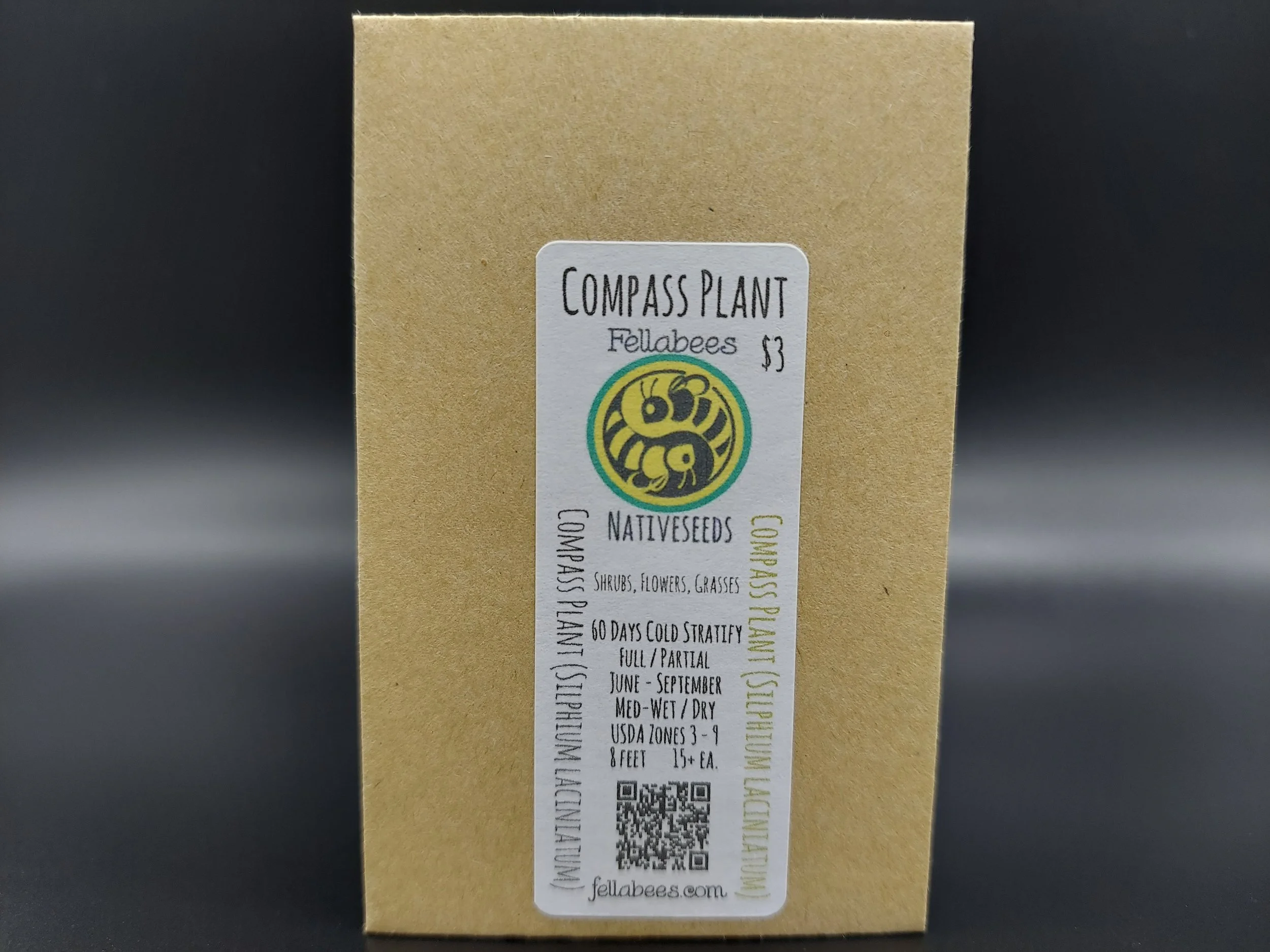 Image 2 of 7
 Image 3 of 7
 Image 4 of 7
 Image 5 of 7
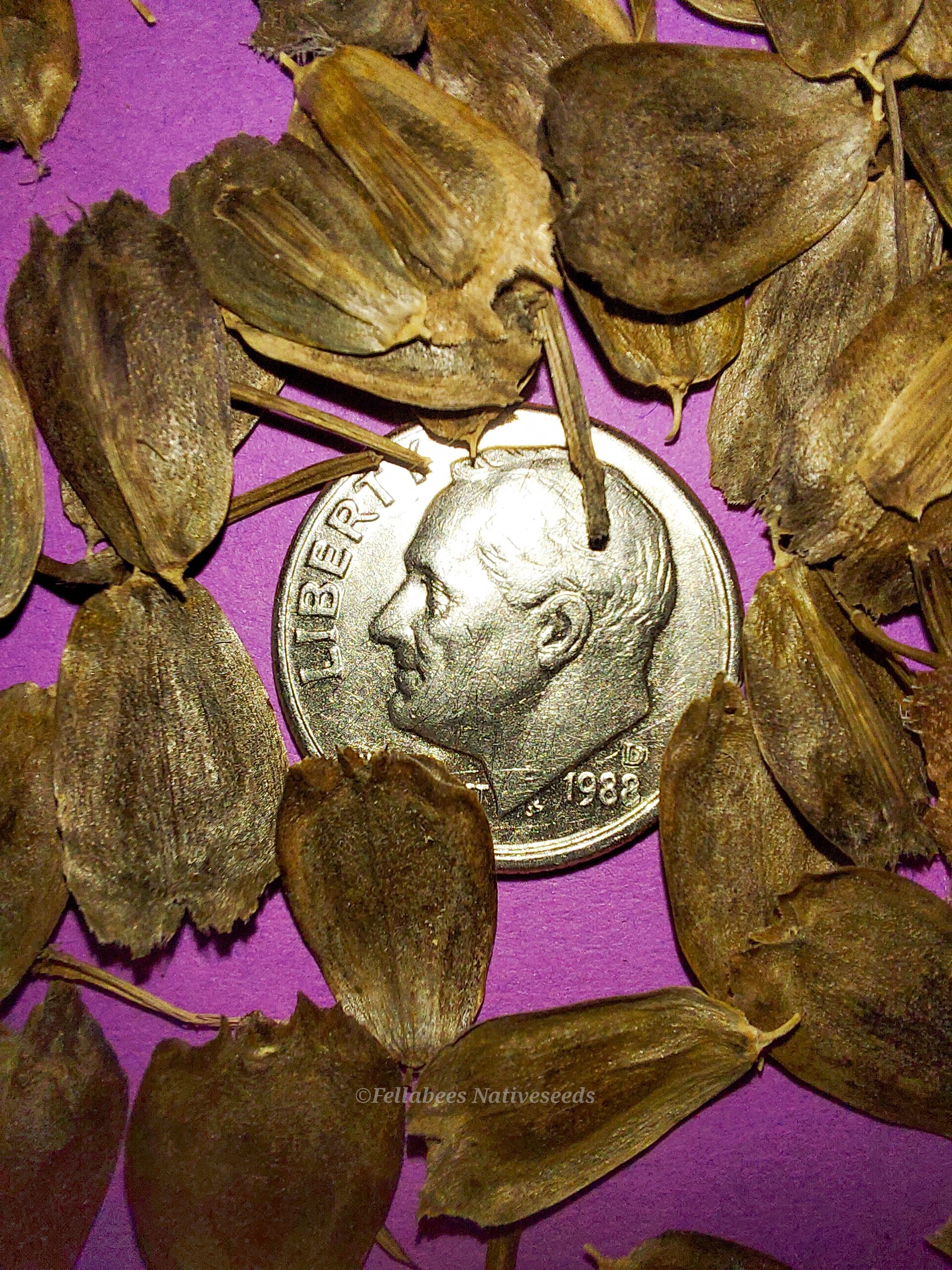 Image 6 of 7
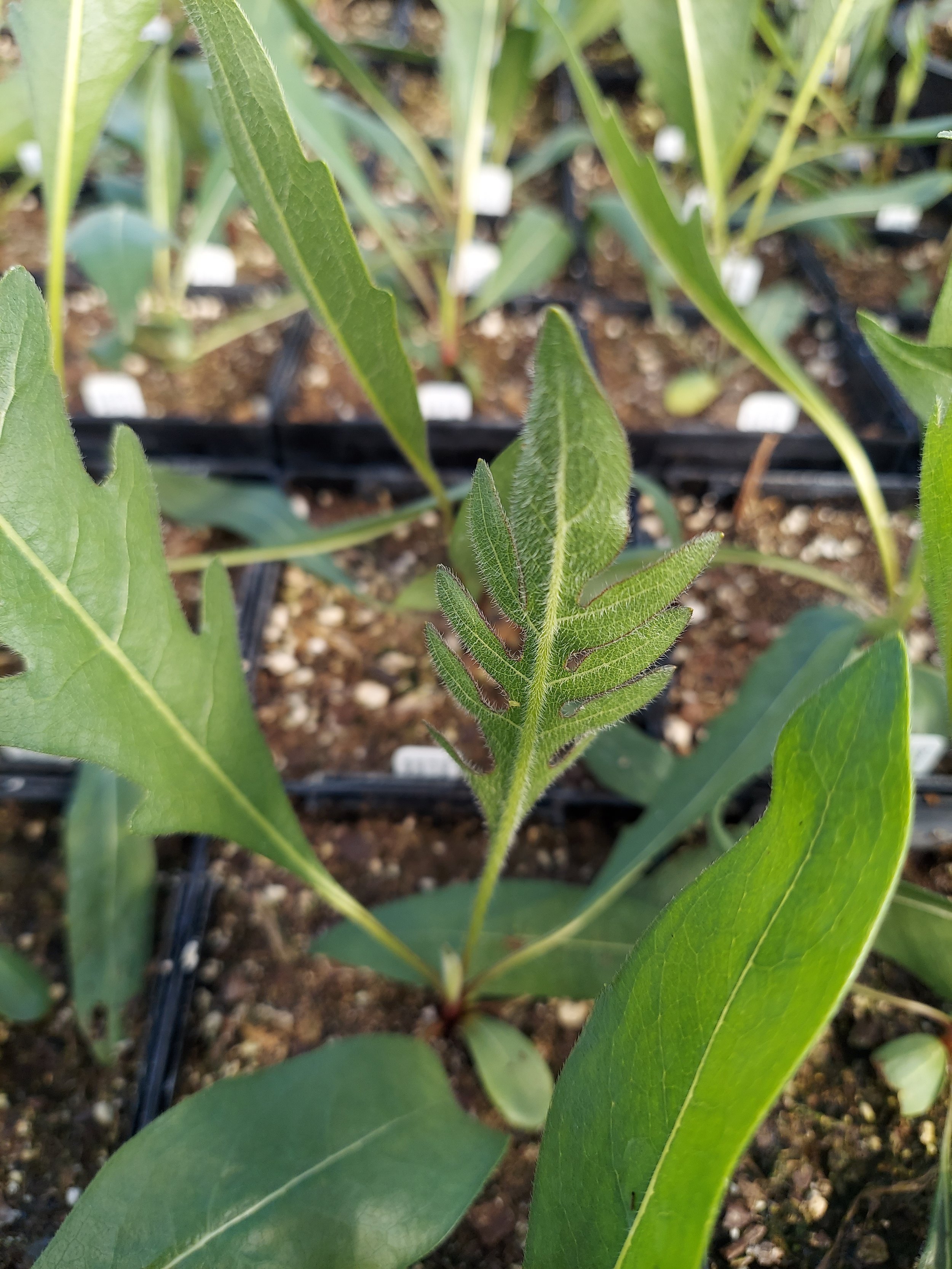 Image 7 of 7