Sale Price:
$2.50
Original Price:
$5.00
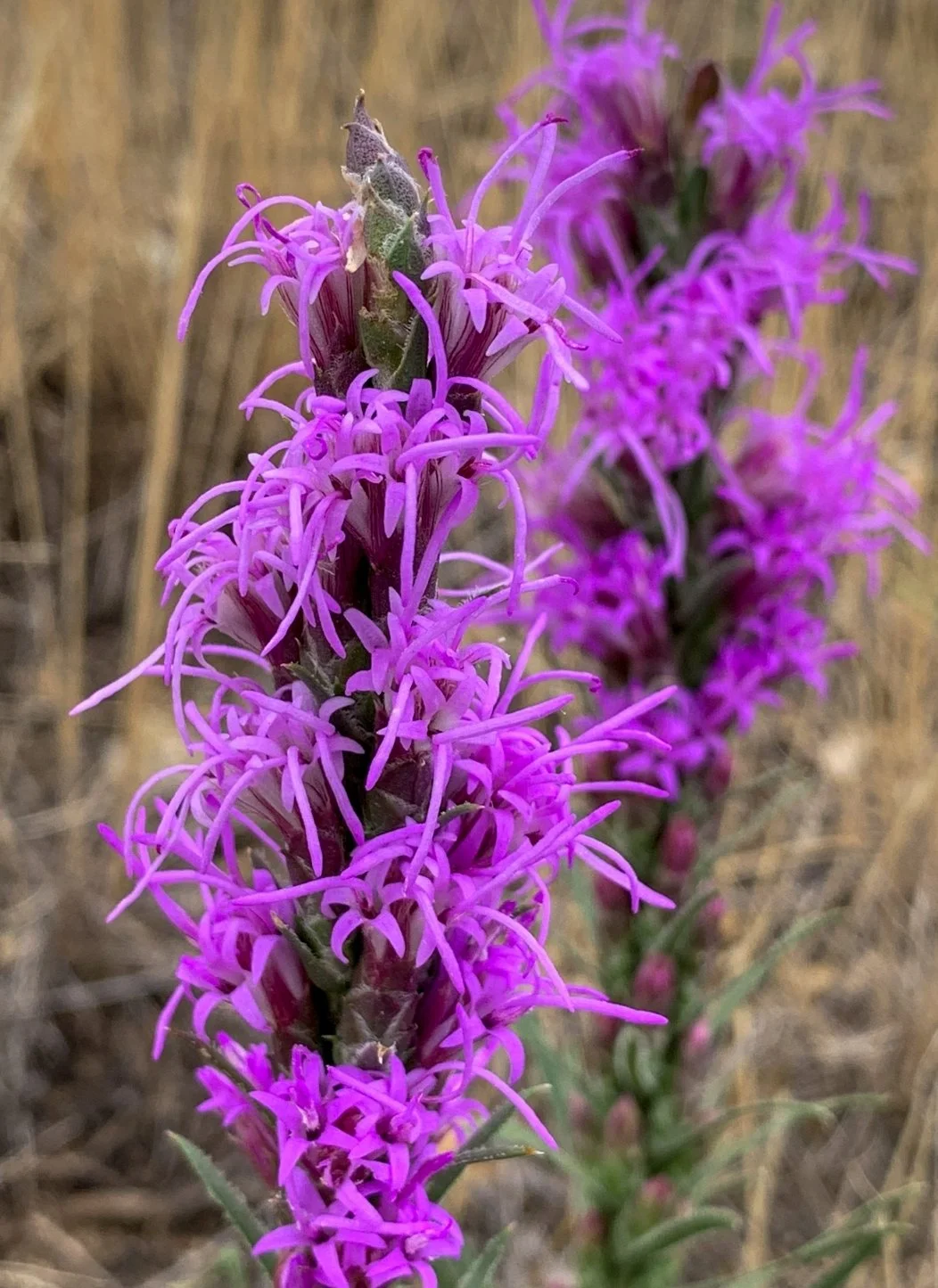
Dwarf Blazing Star (Liatris cylindracea)
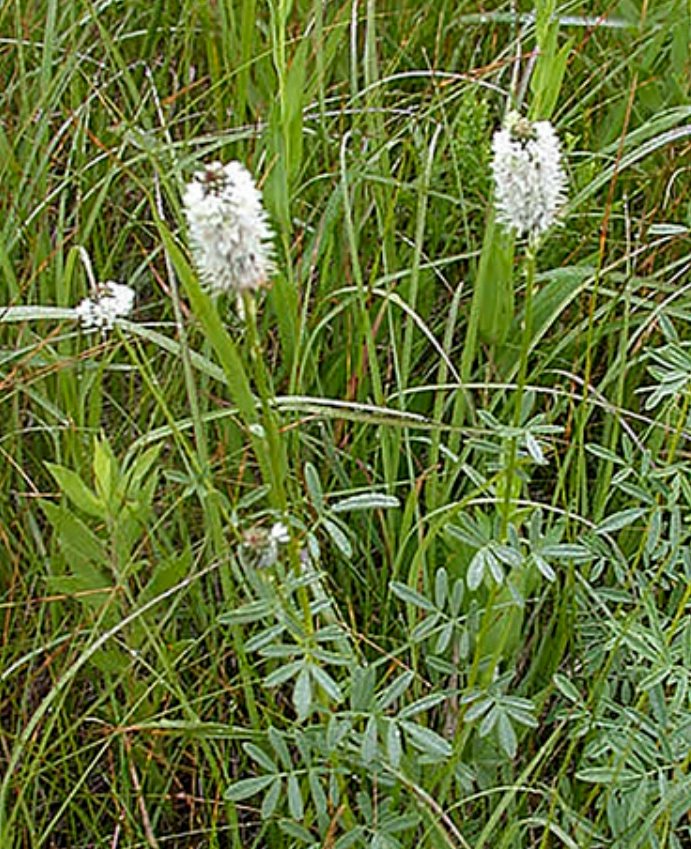
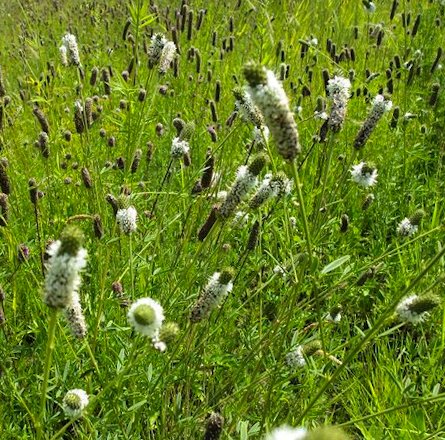
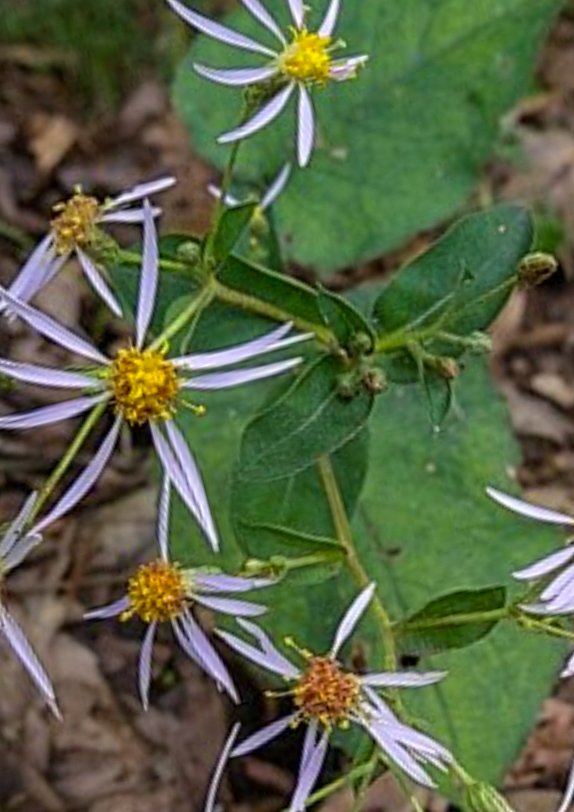
Liatris cylindracea is the scientific name for the plant more commonly known as Dwarf Blazing Star, Barrelhead Blazing Star, Cylindrical Blazing Star, or Ontario Blazing Star, and it is a species in the Asteraceae family. Dwarf Blazing Star is native to eastern North America, with its populations most heavily concentrated in the Midwestern United States. It inhabits a variety of open, well-drained sites, including prairies, limestone and sandstone outcroppings, bluffs, barrens, glades, woodlands, and dunes, and is notably found in distinctive landscapes such as the Niagara Escarpment and the Driftless Region of Wisconsin.
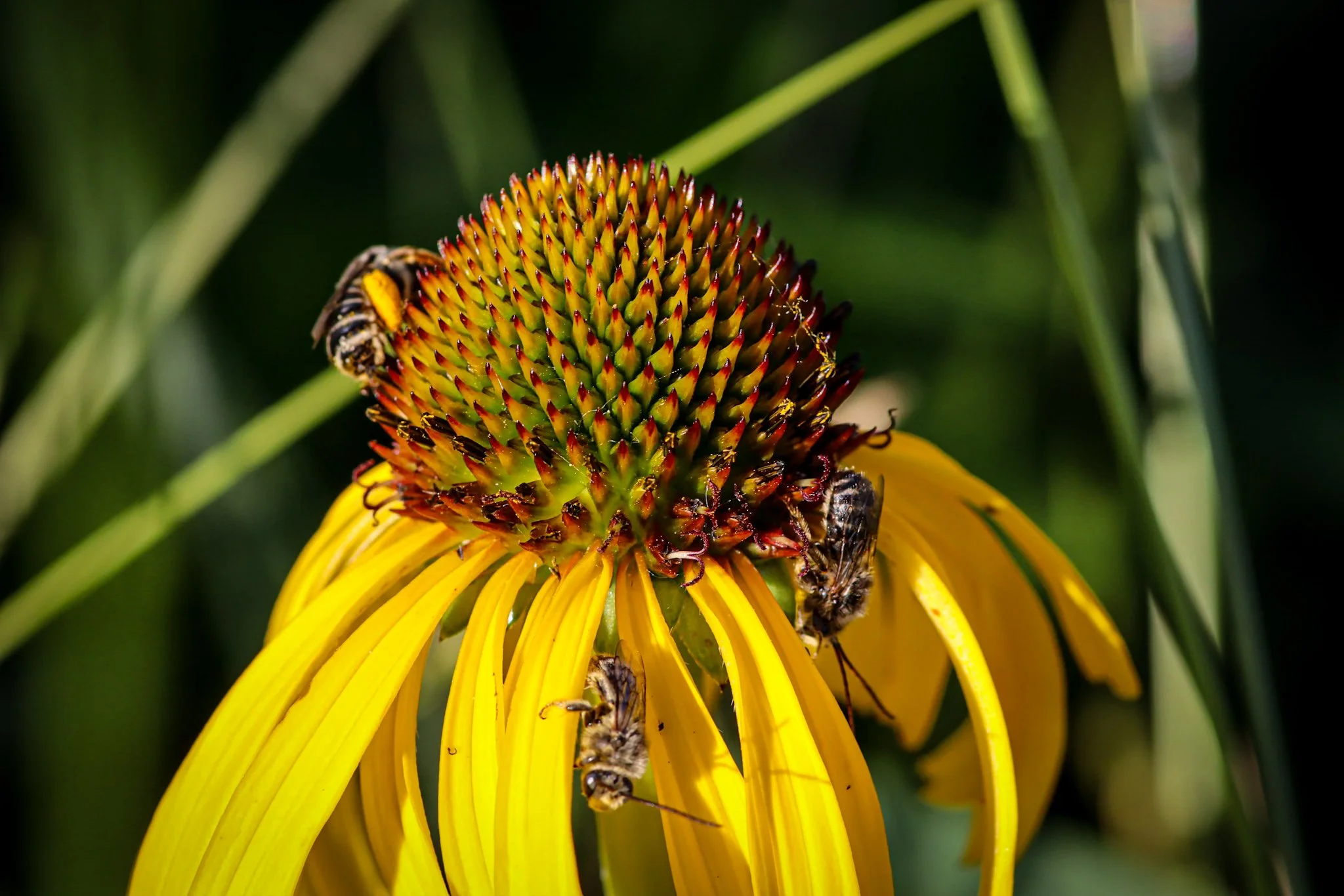
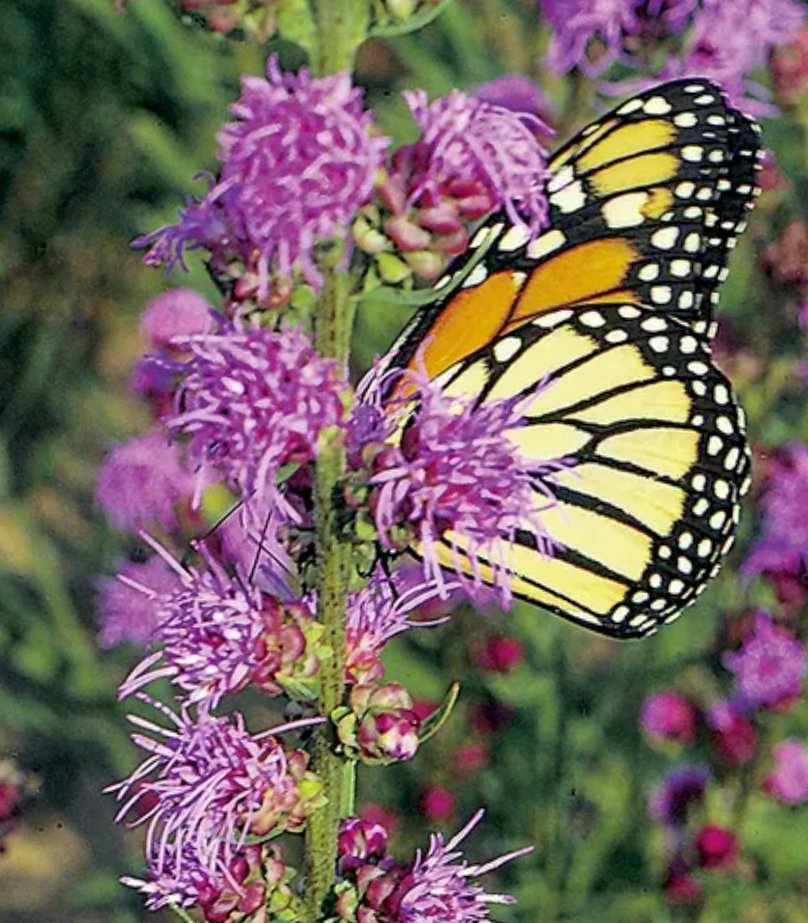
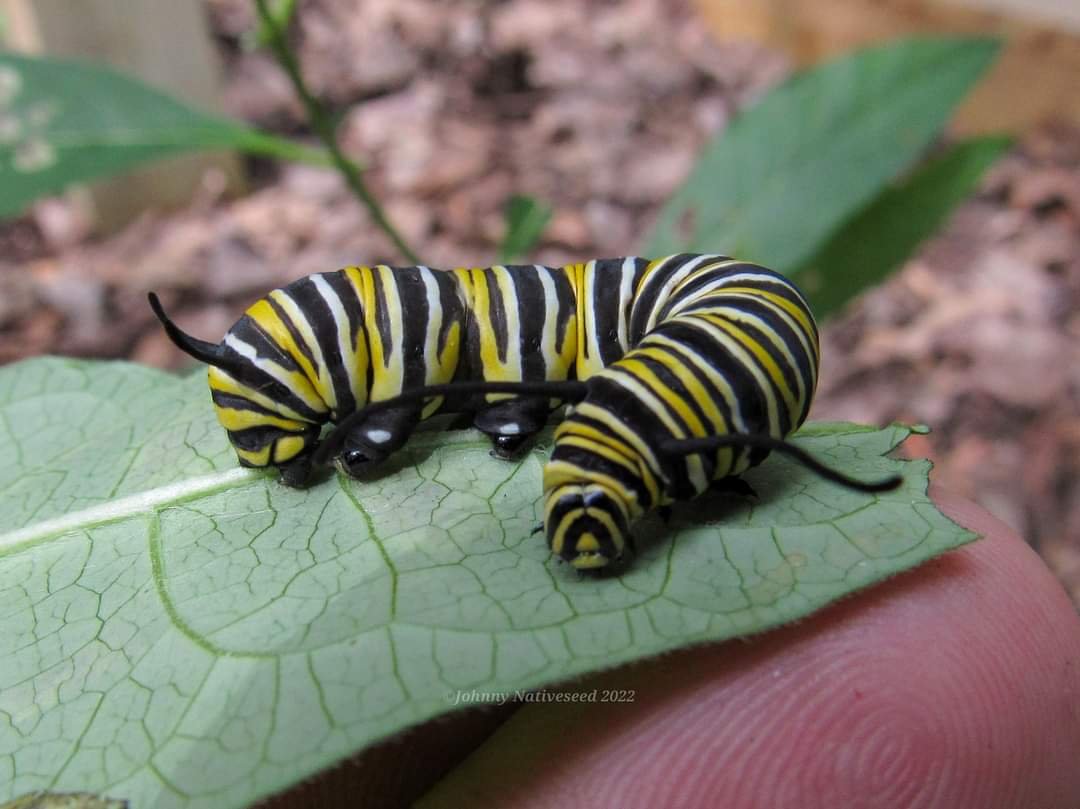
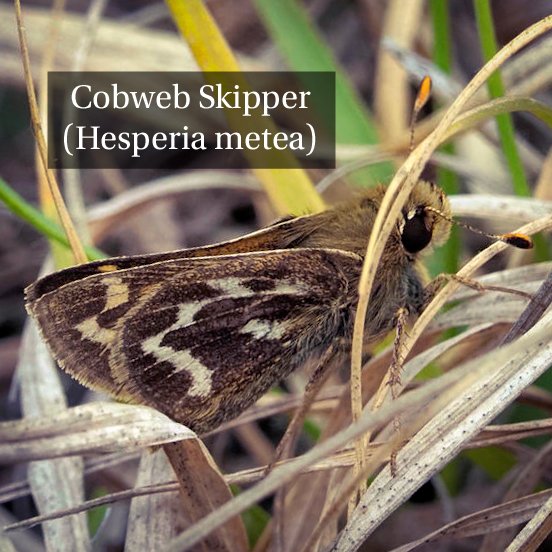
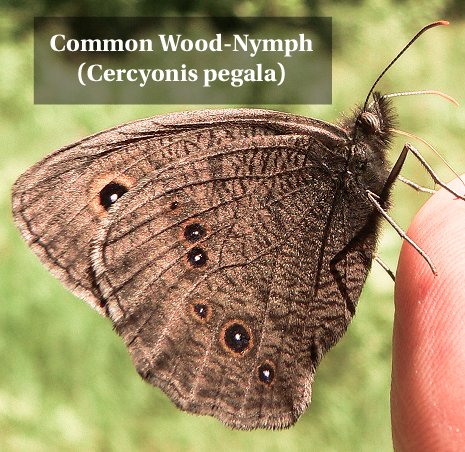
Dwarf Blazing Star thrives in well-drained soils and prefers a temperate climate with hot summers and cold winters. While it is not only visually stunning but also offers significant ecological benefits. It serves as a valuable resource for various pollinators, including bees such as Bumble Bees (Bombus spp.), Green Sweat Bees (Agapostemon spp.), and Leafcutter Bees (Megachile spp.) and Long-horned Bees (Melissodes spp.) as well as plethora of butterflies such as Common Wood Nymphs (Cercyonis pegala), Great Spangled Fritillary (Speyeria cybele), Painted Lady (Vanessa cardui), Monarchs (Danaus plexippus), and Tiger Moths (Grammia arge), not to mention Swallowtails, Sulphurs, and many Skippers. Hummingbirds are common visitors too, stopping for long sips of nectar.
All native Liatris are major pollinator magnets and pairing them with your particular landscape and soil structure is crucial to long-term success! For drier, sandy areas choose Dwarf Blazing Star, Rough Blazing Star (Liatris aspera), and/or Dotted Blazing Star (Liatris punctata), for medium moisture, clay or loamy soils choose Prairie Blazing Star (Liatris pycnostachya), for damp to wet soils, choose Meadow Blazing Star (Liatris ligulistylis) and/or Marsh Blazing Star (Liatris spicata)!
Despite Dwarf Blazing Star's short stature, it develops a deep and robust root system that aids significantly in soil stabilization, helps reduce erosion, and supports long-term soil health. Additionally, the plant’s clumping growth habit enables it to expand via its root system, forming dense stands in appropriate habitats. These denser patches contribute to a more stable ecosystem, bolster habitat structure, and enhance the overall resilience of the environment. Liatris cylindracea is therefore a critically important species for restoring native plant communities, serving as a cornerstone for supporting local wildlife, improving habitat quality, and adding enduring beauty to prairie and meadow landscapes.
Plant Details
USDA Zones: 4-7
Germination Needs: 60 Days Cold Stratification
Life Cycle: Perennial
Sun Exposure: Full to Partial
Soil Moisture: Medium-Dry, Dry
Plant Spacing: 6-12 inches
Height: 1 foot
Bloom time: July, August, September, October
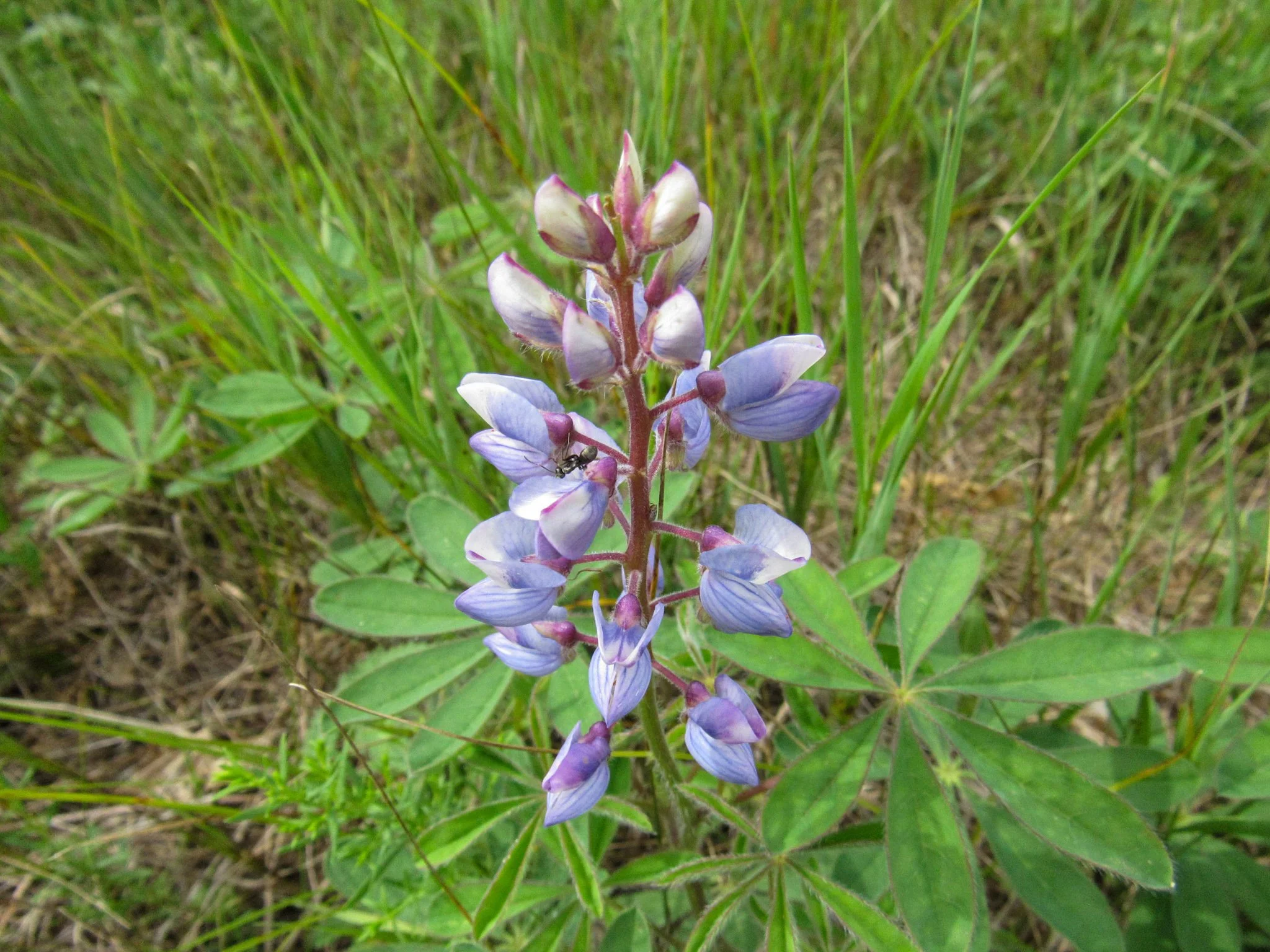
Bloom Color: Purple
Advantages:
Pollinator Favorite: butterflies, moths, bees, wasps, beetles
Bird Favorite: seeds, insects, fruit, nectar, nesting, perches.
Deer Resistant: Yes
Native to : Wisconsin, Minnesota, Michigan, Iowa, Illinois, Indiana, Ohio, New York, Massachusetts, Delaware, Kentucky, Tennessee, Georgia, Alabama, Mississippi, Arkansas, Missouri, Oklahoma, and Kansas.
This species is considered present but rare in several counties of the states of New York, Ohio, Kentucky, Tennessee, Alabama, and Mississippi.
.
.
Packet quantities:
We pride ourselves on ethical, hands on, ecological management, using no mechanical or chemical methods whatsoever.
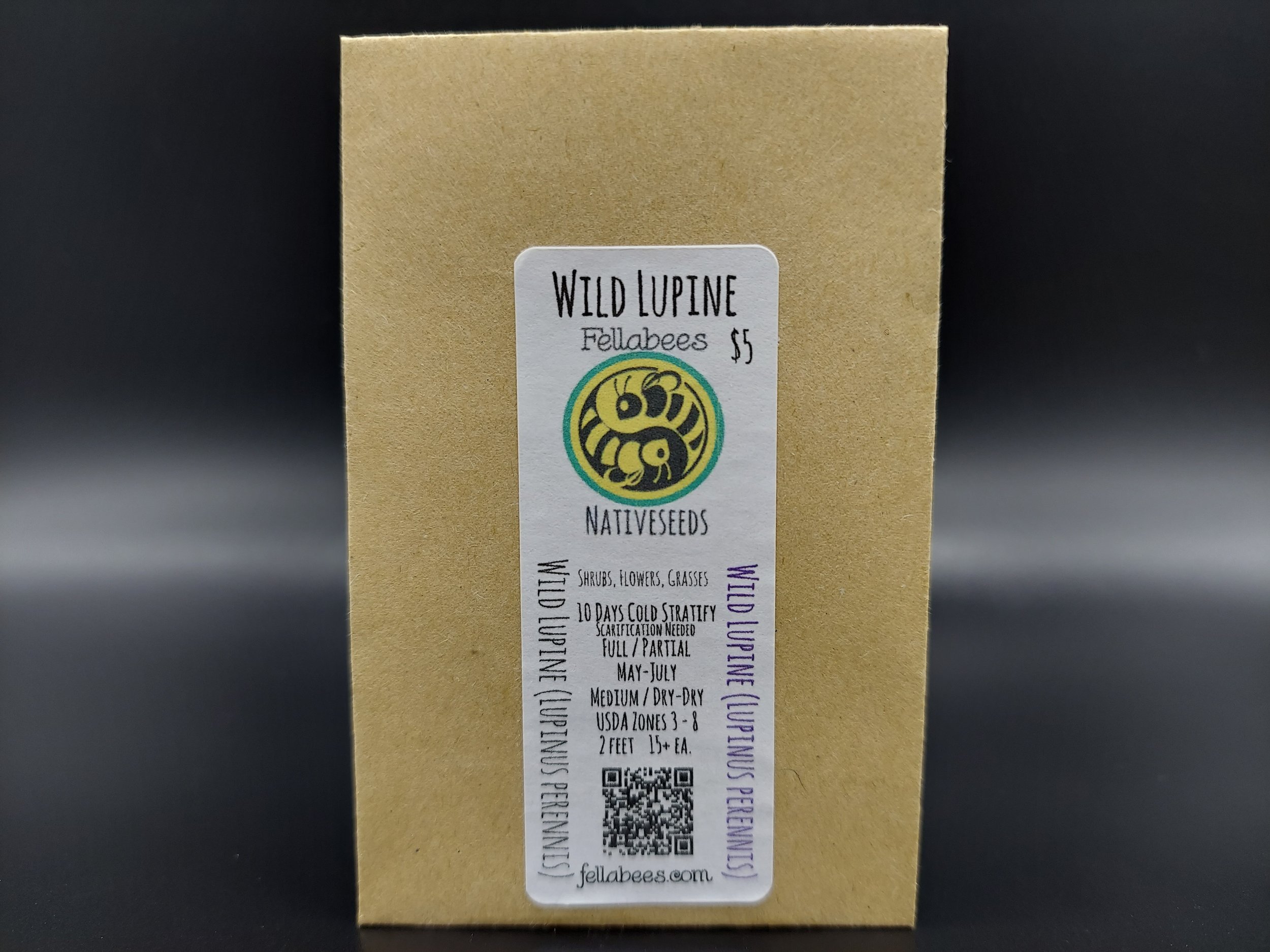
All of our native seed is hand reared, hand picked, and hand packed from native prairies under our exclusive management, never breaking chain of custody from the field until it is sent to you. Each packet is hand prepared for shipment by us, directly.
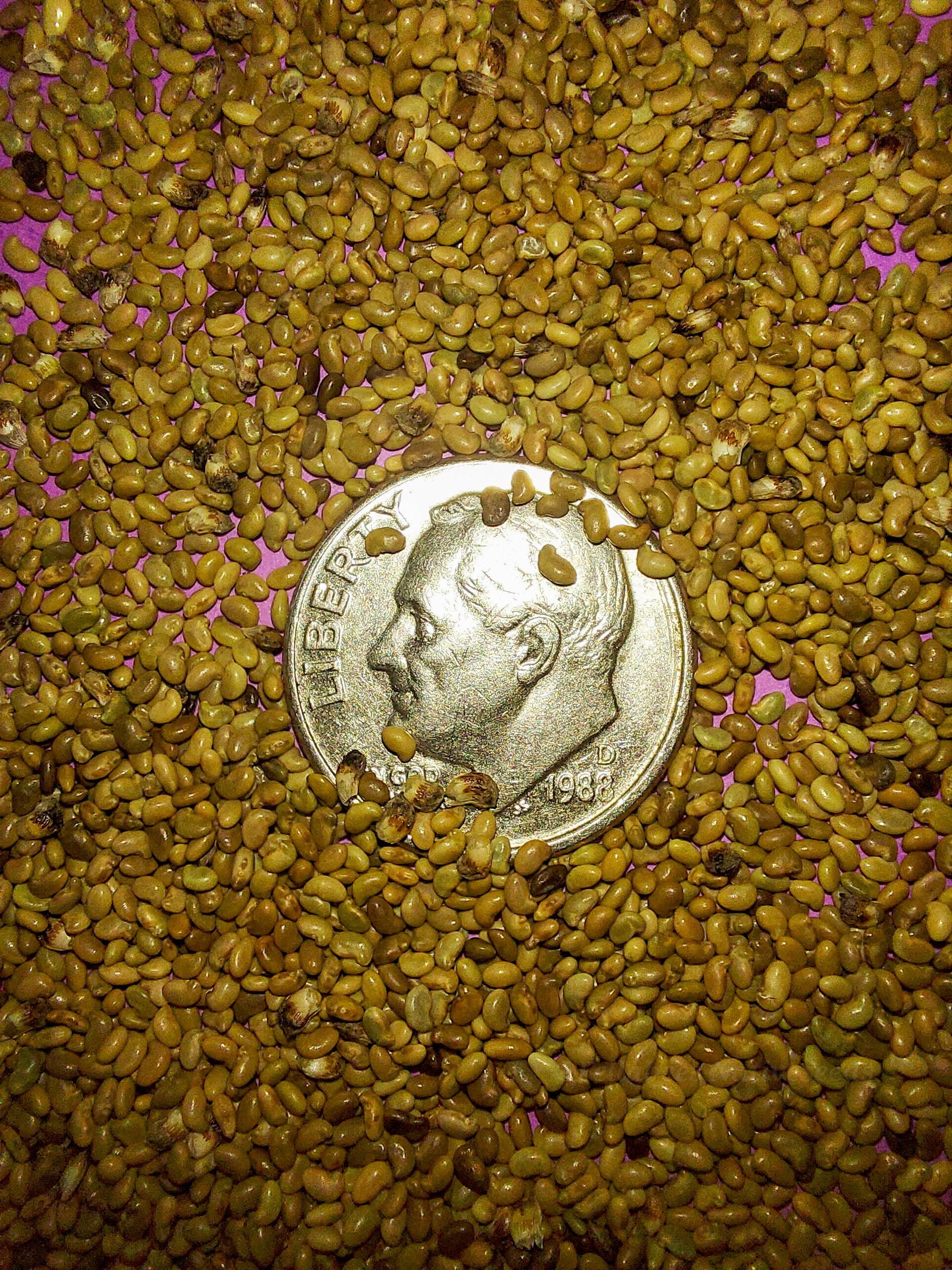
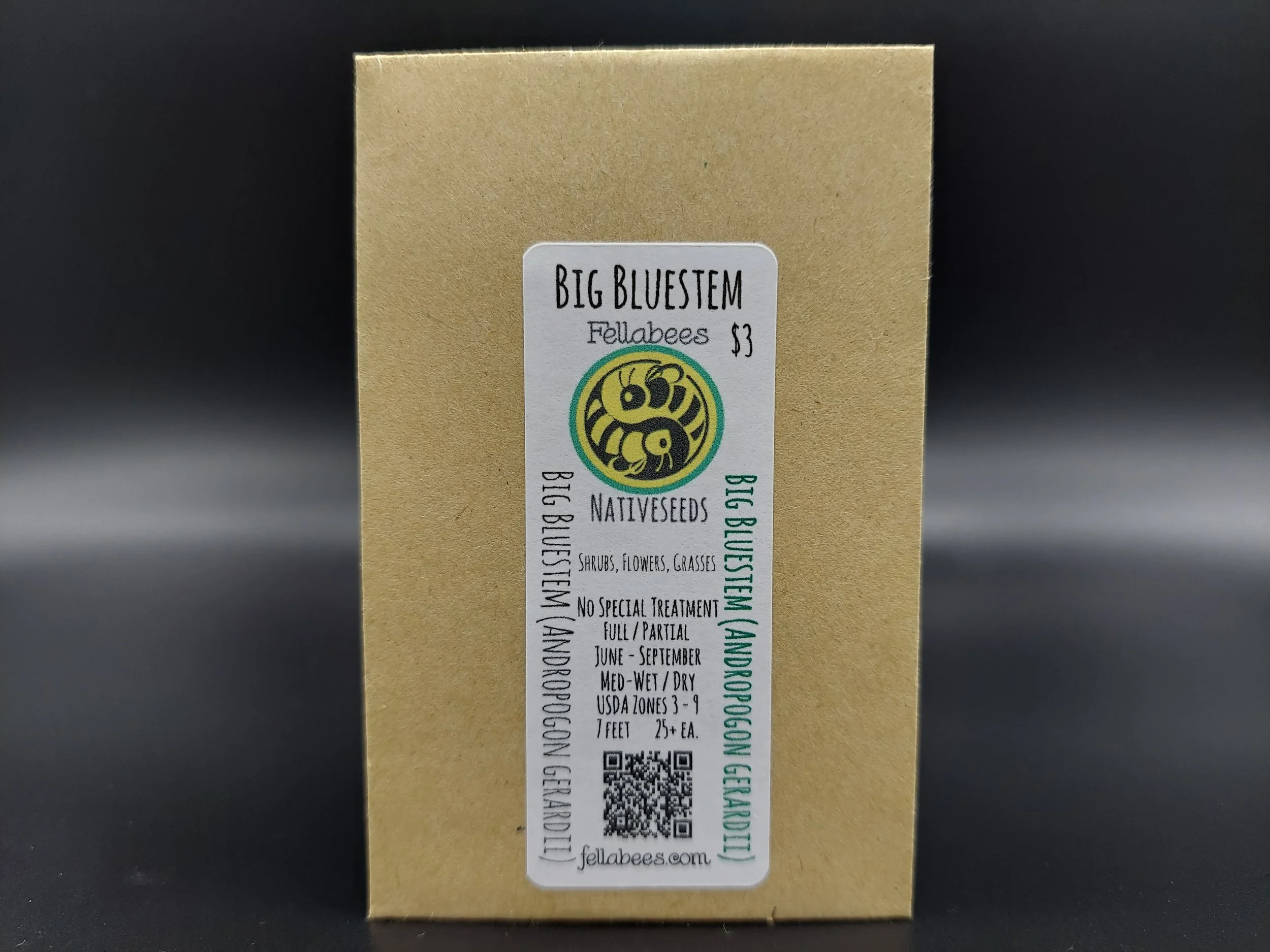
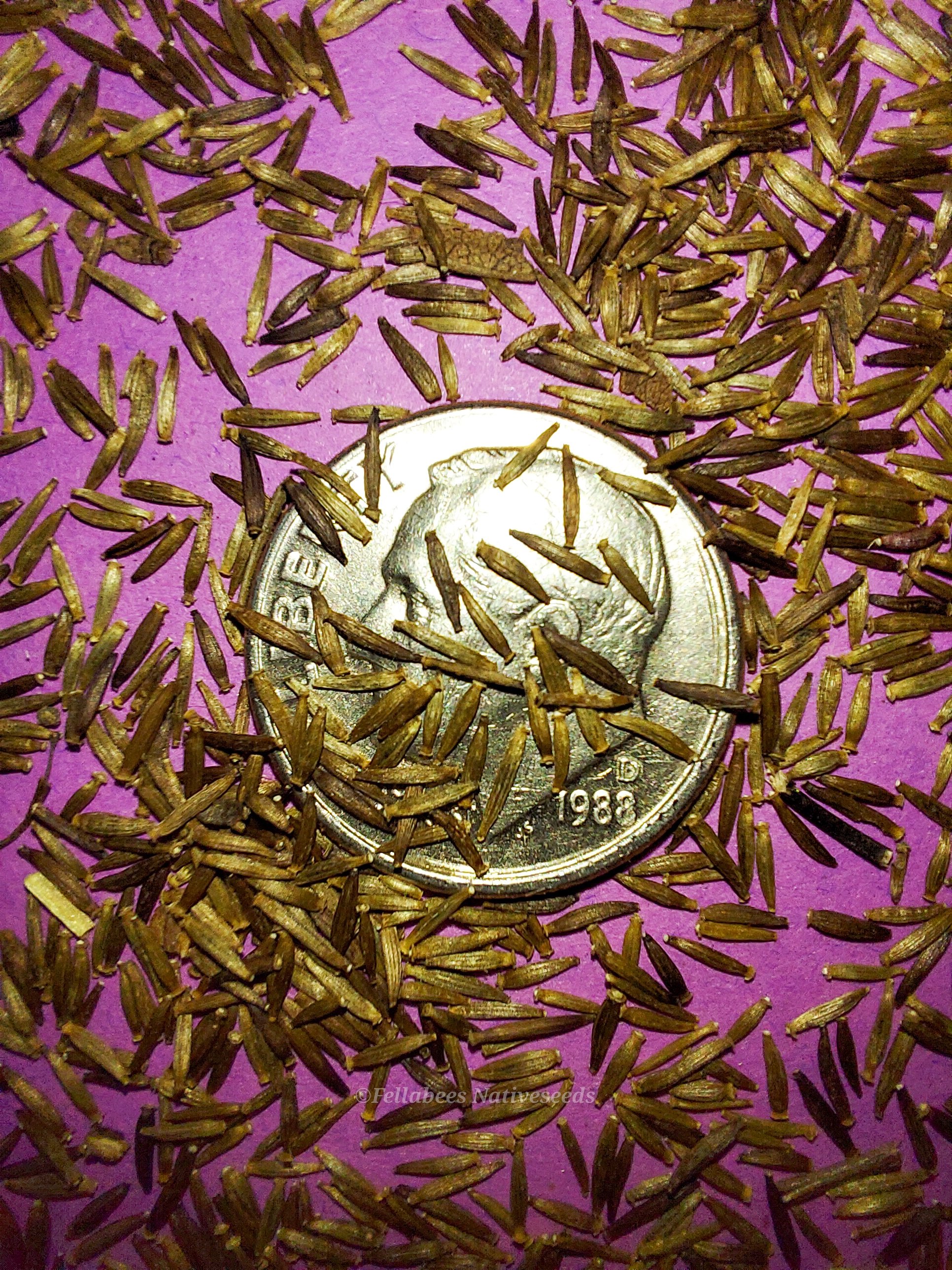
Small seed species will contain greater than 20-25 seed
Large seed species will contain greater than 10-15 seed
All packets are individually marked at the bottom of the front label with expected count, however most if not all packets will have many more than the minimum count by default.
It is our mission to spread the wealth of native plant and pollinator ecological sustainability and educate back yard gardeners as well as corporate and government entities in how to germinate, grow, and benefit from native synergies.
Thank you for your support, it is because of you, that we can grow together to do, what we do. 🐛🦋🐝🐞🌾🌱🌼🧡
Dwarf Blazing Star (Liatris cylindracea)
Liatris cylindracea is the scientific name for the plant more commonly known as Dwarf Blazing Star, Barrelhead Blazing Star, Cylindrical Blazing Star, or Ontario Blazing Star, and it is a species in the Asteraceae family. Dwarf Blazing Star is native to eastern North America, with its populations most heavily concentrated in the Midwestern United States. It inhabits a variety of open, well-drained sites, including prairies, limestone and sandstone outcroppings, bluffs, barrens, glades, woodlands, and dunes, and is notably found in distinctive landscapes such as the Niagara Escarpment and the Driftless Region of Wisconsin.
Dwarf Blazing Star thrives in well-drained soils and prefers a temperate climate with hot summers and cold winters. While it is not only visually stunning but also offers significant ecological benefits. It serves as a valuable resource for various pollinators, including bees such as Bumble Bees (Bombus spp.), Green Sweat Bees (Agapostemon spp.), and Leafcutter Bees (Megachile spp.) and Long-horned Bees (Melissodes spp.) as well as plethora of butterflies such as Common Wood Nymphs (Cercyonis pegala), Great Spangled Fritillary (Speyeria cybele), Painted Lady (Vanessa cardui), Monarchs (Danaus plexippus), and Tiger Moths (Grammia arge), not to mention Swallowtails, Sulphurs, and many Skippers. Hummingbirds are common visitors too, stopping for long sips of nectar.
All native Liatris are major pollinator magnets and pairing them with your particular landscape and soil structure is crucial to long-term success! For drier, sandy areas choose Dwarf Blazing Star, Rough Blazing Star (Liatris aspera), and/or Dotted Blazing Star (Liatris punctata), for medium moisture, clay or loamy soils choose Prairie Blazing Star (Liatris pycnostachya), for damp to wet soils, choose Meadow Blazing Star (Liatris ligulistylis) and/or Marsh Blazing Star (Liatris spicata)!
Despite Dwarf Blazing Star's short stature, it develops a deep and robust root system that aids significantly in soil stabilization, helps reduce erosion, and supports long-term soil health. Additionally, the plant’s clumping growth habit enables it to expand via its root system, forming dense stands in appropriate habitats. These denser patches contribute to a more stable ecosystem, bolster habitat structure, and enhance the overall resilience of the environment. Liatris cylindracea is therefore a critically important species for restoring native plant communities, serving as a cornerstone for supporting local wildlife, improving habitat quality, and adding enduring beauty to prairie and meadow landscapes.
Plant Details
USDA Zones: 4-7
Germination Needs: 60 Days Cold Stratification
Life Cycle: Perennial
Sun Exposure: Full to Partial
Soil Moisture: Medium-Dry, Dry
Plant Spacing: 6-12 inches
Height: 1 foot
Bloom time: July, August, September, October
Bloom Color: Purple
Advantages:
Pollinator Favorite: butterflies, moths, bees, wasps, beetles
Bird Favorite: seeds, insects, fruit, nectar, nesting, perches.
Deer Resistant: Yes
Native to : Wisconsin, Minnesota, Michigan, Iowa, Illinois, Indiana, Ohio, New York, Massachusetts, Delaware, Kentucky, Tennessee, Georgia, Alabama, Mississippi, Arkansas, Missouri, Oklahoma, and Kansas.
This species is considered present but rare in several counties of the states of New York, Ohio, Kentucky, Tennessee, Alabama, and Mississippi.
.
.
Packet quantities:
We pride ourselves on ethical, hands on, ecological management, using no mechanical or chemical methods whatsoever.
All of our native seed is hand reared, hand picked, and hand packed from native prairies under our exclusive management, never breaking chain of custody from the field until it is sent to you. Each packet is hand prepared for shipment by us, directly.
Small seed species will contain greater than 20-25 seed
Large seed species will contain greater than 10-15 seed
All packets are individually marked at the bottom of the front label with expected count, however most if not all packets will have many more than the minimum count by default.
It is our mission to spread the wealth of native plant and pollinator ecological sustainability and educate back yard gardeners as well as corporate and government entities in how to germinate, grow, and benefit from native synergies.
Thank you for your support, it is because of you, that we can grow together to do, what we do. 🐛🦋🐝🐞🌾🌱🌼🧡
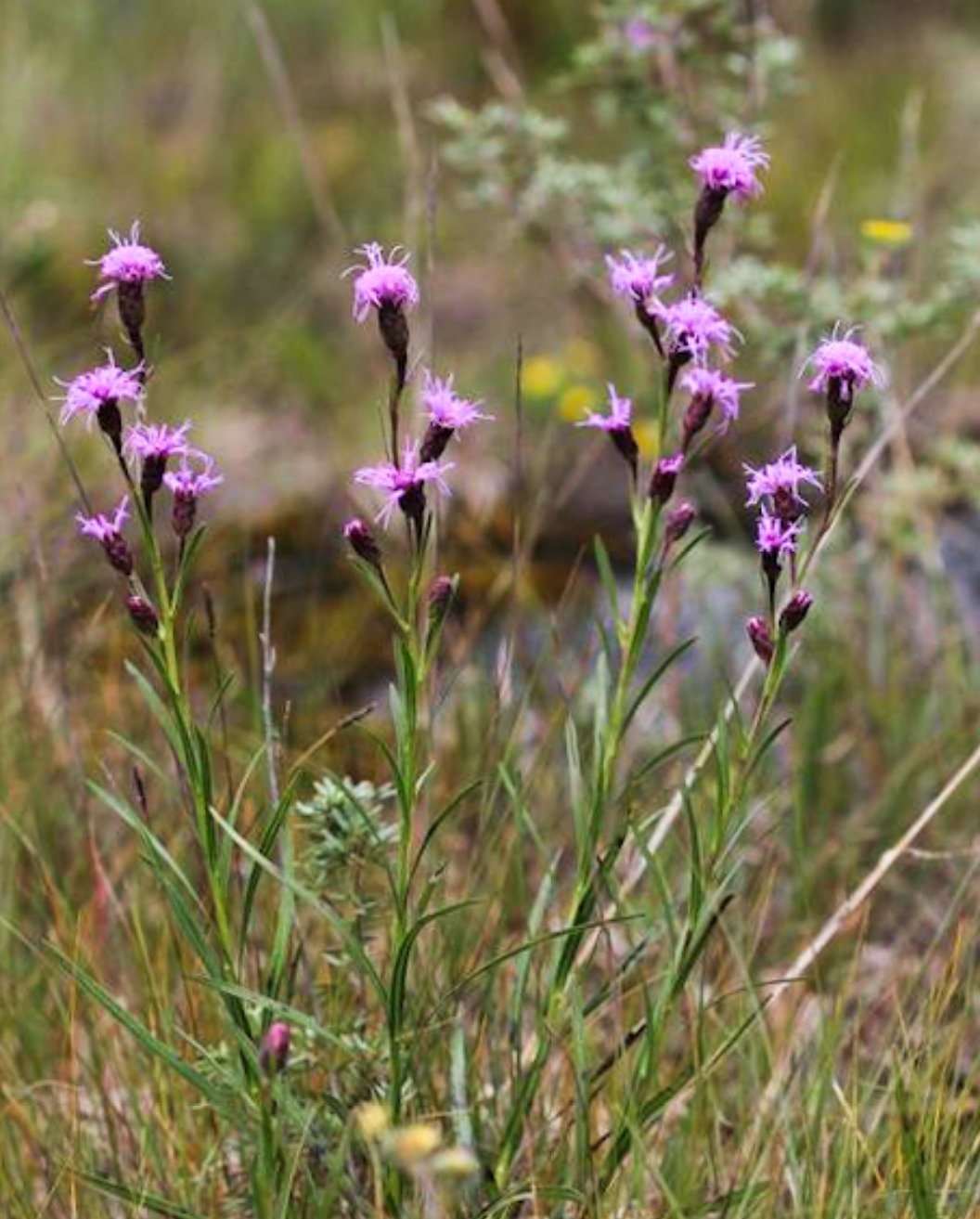 Image 1 of 5
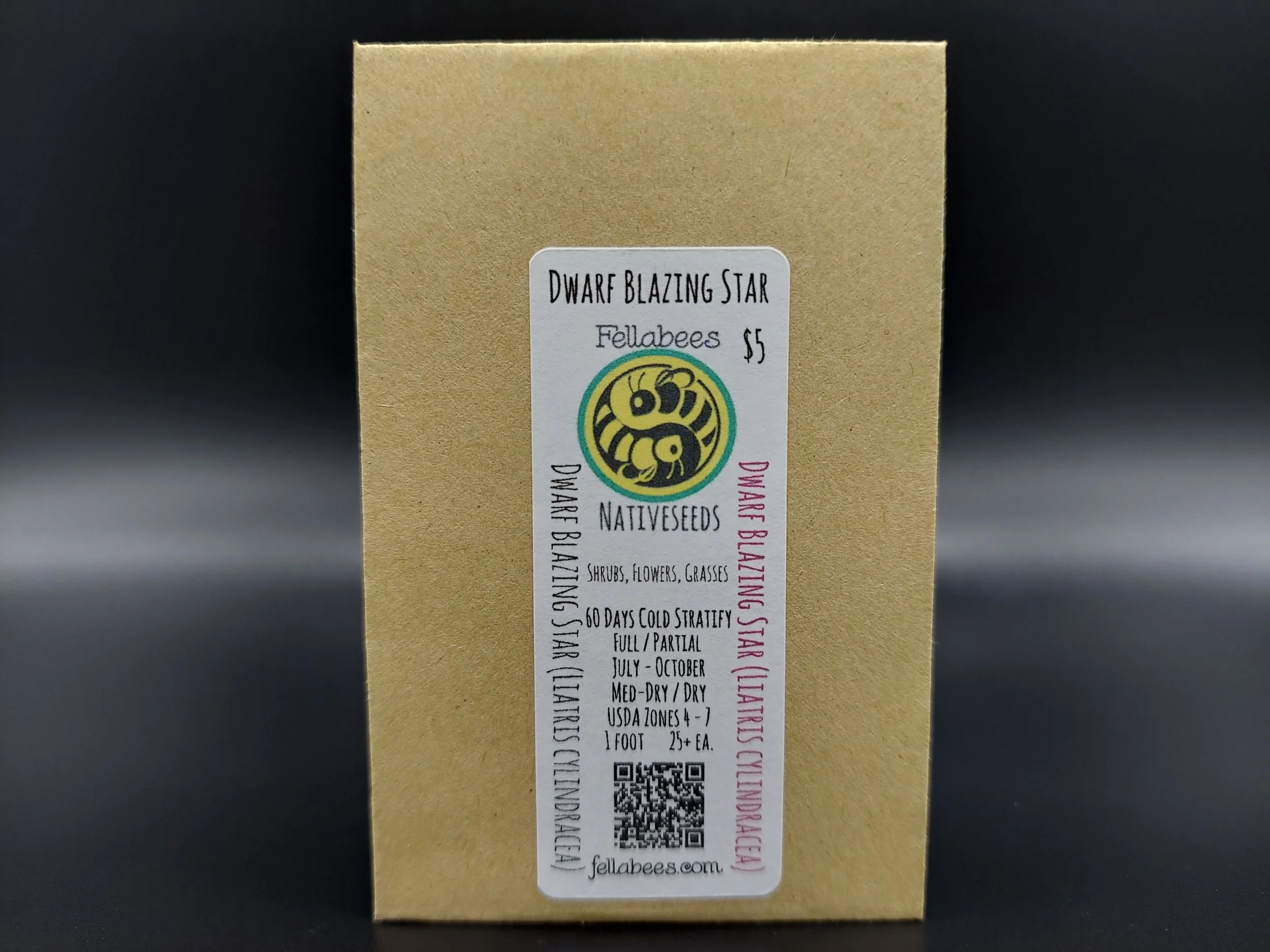 Image 2 of 5
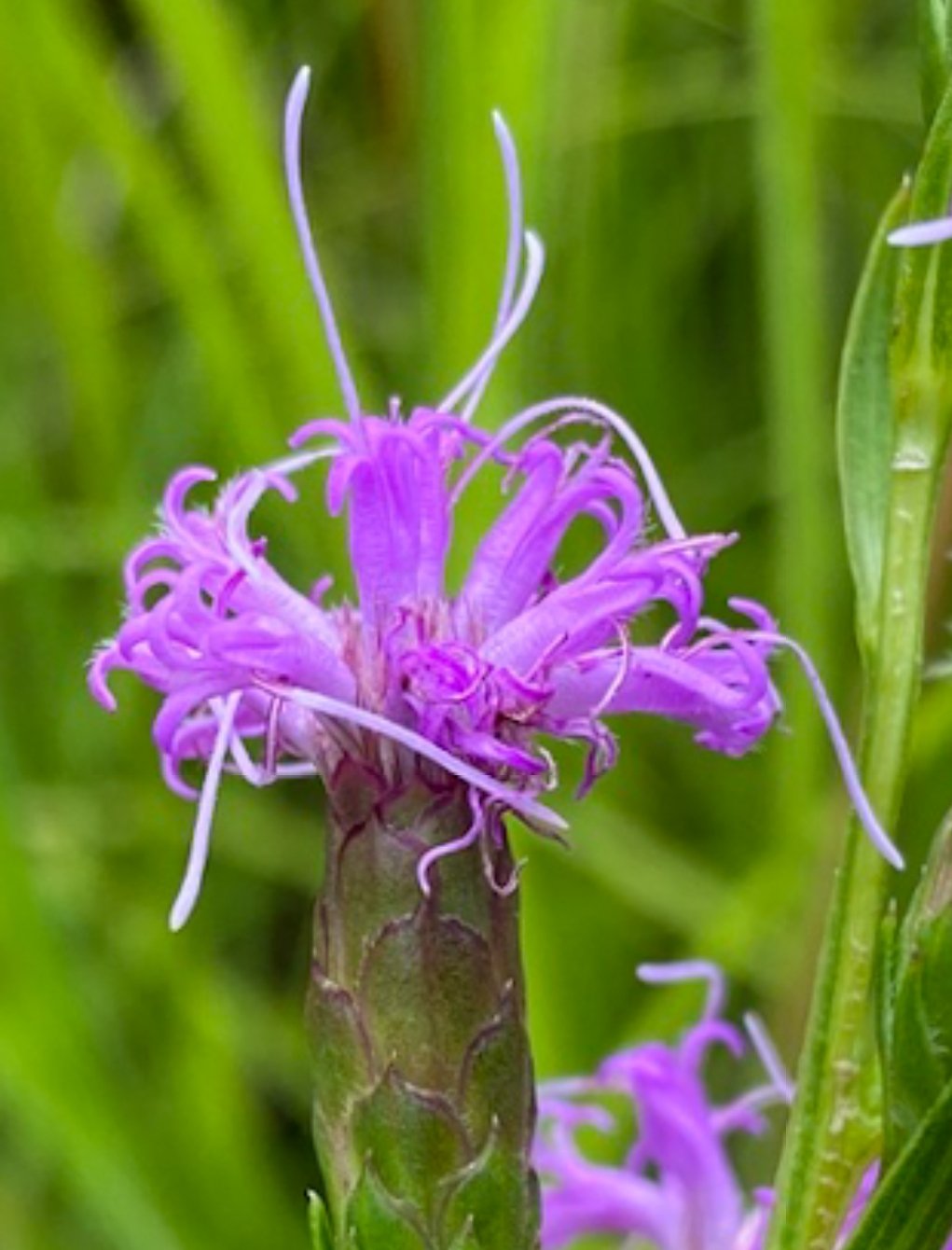 Image 3 of 5
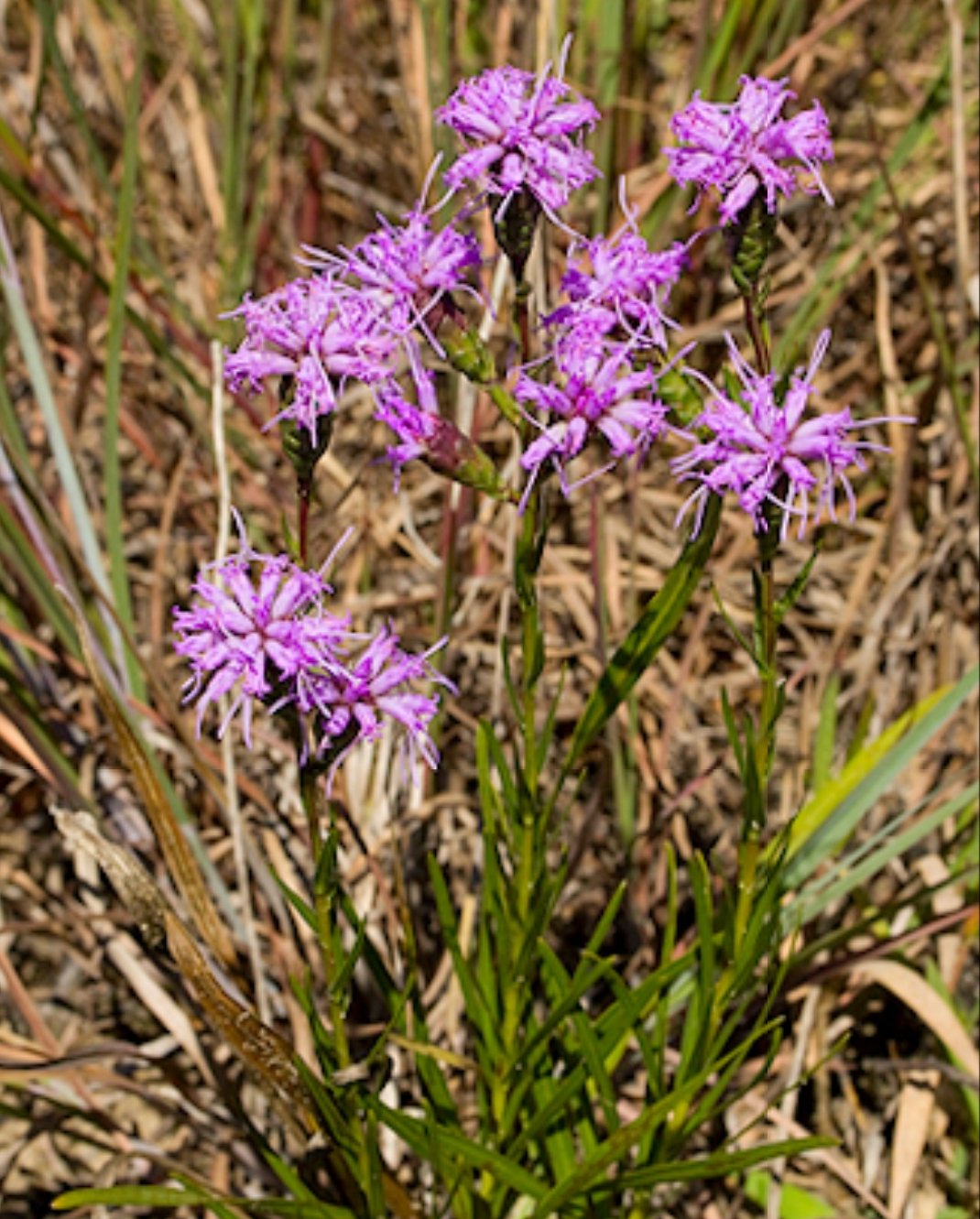 Image 4 of 5
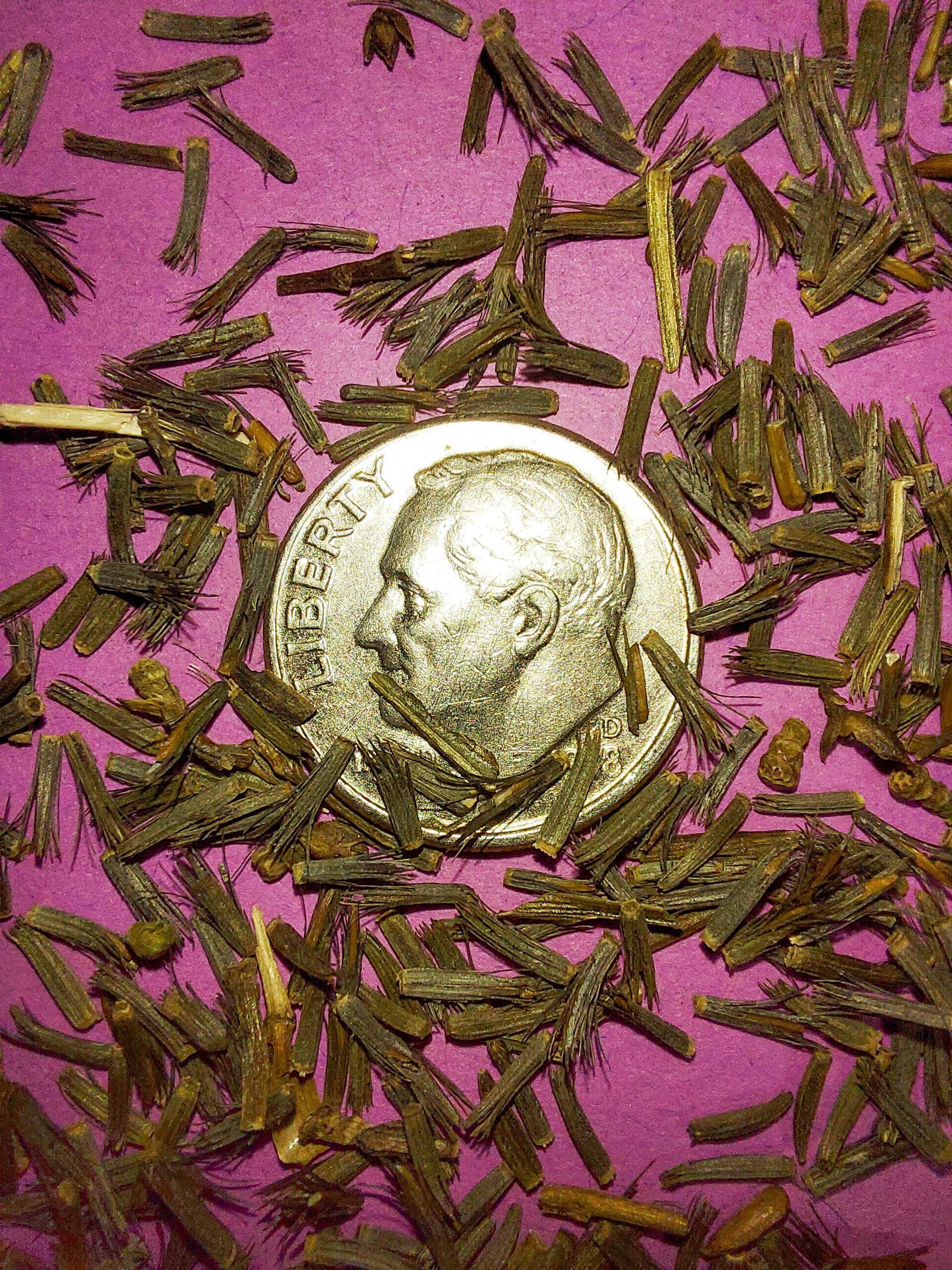 Image 5 of 5