Sale Price:
$1.00
Original Price:
$3.00
Plains Oval Sedge (Carex brevior)
Carex brevior is the scientific name for the plant more commonly called Plains Oval Sedge or Shortbeak Sedge. This sedge species is native across a broad swath of North America and occurs in nearly every state of the contiguous United States, with the exceptions of California, Nevada, Utah, Louisiana, Florida, and South Carolina.
Carex brevior is a native sedge well-suited to a variety of mesic to dry-mesic habitats, including prairies, open woodlands, roadsides, and disturbed sites. Its ecological advantages include dense, fibrous roots and rhizomes that stabilize soil and reduce erosion, especially on slopes and compacted urban soils. The plant’s clumping habit and persistent leaf litter improve soil structure and organic matter, enhance water infiltration, and moderate surface temperatures—benefits that support resilience during drought and heavy rain events. As a relatively low-maintenance perennial, C. brevior establishes quickly and competes effectively with aggressive nonnative species, helping restore native groundcover and ecosystem function.
Faunal associations:
Pollinators: Like many sedges, C. brevior is primarily wind-pollinated and does not rely on animal pollinators, but sedge-dominated microhabitats support nearby pollinator networks by providing structural diversity and nesting materials.
Birds: Seeds are eaten by various granivorous birds, including sparrows and upland game birds; the dense clumps offer protective cover and nesting substrate for ground- and shrub-nesting species.
Small mammals: Seed and spring growth provide forage for mice, voles and others, tussocks offer shelter and travel corridors that reduce predation risk.
Invertebrates: The foliage and litter layer host diverse arthropods—beetles, spiders and other insects serving as prey for birds and small mammals. Sedge patches can support specialized herbivores and detritivores that aid nutrient cycling.
Amphibians and reptiles: Moist sedge stands near wet depressions offer cool, shaded refuges and hunting grounds for frogs, salamanders, and small snakes.
Management notes: Incorporating Carex brevior into restorations or mixed native plantings promotes structural diversity at the ground layer, increases habitat complexity, and supports food webs without requiring pollinator-dependent management. Its tolerance for a range of light and soil conditions makes it a practical choice for stabilizing sites and enhancing faunal habitat in prairie and woodland edge projects.
Plant Details
USDA Zones: 3-8
Germination Needs: 60 Days Cold Stratification
Life Cycle: Perennial
Sun Exposure: Full, Partial, Shade
Soil Moisture: Medium-Wet, Medium, Medium-Dry, Dry.
Plant Spacing: 6-10 inches
Height: 2 feet
Bloom time: June, July
Bloom Color: Green/Brown
Advantages:
Bird Favorite: seeds, insects, fruit, nectar, nesting, perches.
Deer Resistant: Yes
Native to: Wisconsin, Minnesota, Michigan, Ohio, Pennsylvania, New York, Vermont, New Hampshire, Maine, Massachusetts, Rhode Island, Connecticut, Delaware, Maryland, New Jersey, West Virginia, Virginia, Kentucky, Tennessee, North Carolina, Georgia, Alabama, Mississippi, Arkansas, Missouri, Texas, Oklahoma, Kansas, Nebraska, South Dakota, North Dakota, Montana, Wyoming, Colorado, New Mexico, Arizona, Idaho, Oregon, and Washington State.
This plant is considered present but rare in several counties of the states of Vermont, Pennsylvania, North Carolina, Georgia, and Alabama.
This plant is considered extirpated (locally extinct) in one county of the state of Delaware.
Seed Count 25+
.
.
Packet quantities:
We pride ourselves on ethical, hands on, ecological management, using no mechanical or chemical methods whatsoever.
All of our native seed is hand reared, hand picked, and hand packed from native prairies under our exclusive management, never breaking chain of custody from the field until it is sent to you. Each packet is hand prepared for shipment by us, directly.
Small seed species will contain greater than 20-25 seed
Large seed species will contain greater than 10-15 seed
All packets are individually marked at the bottom of the front label with expected count, however most if not all packets will have many more than the minimum count by default.
It is our mission to spread the wealth of native plant and pollinator ecological sustainability and educate back yard gardeners as well as corporate and government entities in how to germinate, grow, and benefit from native synergies.
Thank you for your support, it is because of you, that we can grow together to do, what we do. 🐛🦋🐝🐞🌾🌱🌼🧡
Plains Oval Sedge (Carex brevior)
Carex brevior is the scientific name for the plant more commonly called Plains Oval Sedge or Shortbeak Sedge. This sedge species is native across a broad swath of North America and occurs in nearly every state of the contiguous United States, with the exceptions of California, Nevada, Utah, Louisiana, Florida, and South Carolina.
Carex brevior is a native sedge well-suited to a variety of mesic to dry-mesic habitats, including prairies, open woodlands, roadsides, and disturbed sites. Its ecological advantages include dense, fibrous roots and rhizomes that stabilize soil and reduce erosion, especially on slopes and compacted urban soils. The plant’s clumping habit and persistent leaf litter improve soil structure and organic matter, enhance water infiltration, and moderate surface temperatures—benefits that support resilience during drought and heavy rain events. As a relatively low-maintenance perennial, C. brevior establishes quickly and competes effectively with aggressive nonnative species, helping restore native groundcover and ecosystem function.
Faunal associations:
Pollinators: Like many sedges, C. brevior is primarily wind-pollinated and does not rely on animal pollinators, but sedge-dominated microhabitats support nearby pollinator networks by providing structural diversity and nesting materials.
Birds: Seeds are eaten by various granivorous birds, including sparrows and upland game birds; the dense clumps offer protective cover and nesting substrate for ground- and shrub-nesting species.
Small mammals: Seed and spring growth provide forage for mice, voles and others, tussocks offer shelter and travel corridors that reduce predation risk.
Invertebrates: The foliage and litter layer host diverse arthropods—beetles, spiders and other insects serving as prey for birds and small mammals. Sedge patches can support specialized herbivores and detritivores that aid nutrient cycling.
Amphibians and reptiles: Moist sedge stands near wet depressions offer cool, shaded refuges and hunting grounds for frogs, salamanders, and small snakes.
Management notes: Incorporating Carex brevior into restorations or mixed native plantings promotes structural diversity at the ground layer, increases habitat complexity, and supports food webs without requiring pollinator-dependent management. Its tolerance for a range of light and soil conditions makes it a practical choice for stabilizing sites and enhancing faunal habitat in prairie and woodland edge projects.
Plant Details
USDA Zones: 3-8
Germination Needs: 60 Days Cold Stratification
Life Cycle: Perennial
Sun Exposure: Full, Partial, Shade
Soil Moisture: Medium-Wet, Medium, Medium-Dry, Dry.
Plant Spacing: 6-10 inches
Height: 2 feet
Bloom time: June, July
Bloom Color: Green/Brown
Advantages:
Bird Favorite: seeds, insects, fruit, nectar, nesting, perches.
Deer Resistant: Yes
Native to: Wisconsin, Minnesota, Michigan, Ohio, Pennsylvania, New York, Vermont, New Hampshire, Maine, Massachusetts, Rhode Island, Connecticut, Delaware, Maryland, New Jersey, West Virginia, Virginia, Kentucky, Tennessee, North Carolina, Georgia, Alabama, Mississippi, Arkansas, Missouri, Texas, Oklahoma, Kansas, Nebraska, South Dakota, North Dakota, Montana, Wyoming, Colorado, New Mexico, Arizona, Idaho, Oregon, and Washington State.
This plant is considered present but rare in several counties of the states of Vermont, Pennsylvania, North Carolina, Georgia, and Alabama.
This plant is considered extirpated (locally extinct) in one county of the state of Delaware.
Seed Count 25+
.
.
Packet quantities:
We pride ourselves on ethical, hands on, ecological management, using no mechanical or chemical methods whatsoever.
All of our native seed is hand reared, hand picked, and hand packed from native prairies under our exclusive management, never breaking chain of custody from the field until it is sent to you. Each packet is hand prepared for shipment by us, directly.
Small seed species will contain greater than 20-25 seed
Large seed species will contain greater than 10-15 seed
All packets are individually marked at the bottom of the front label with expected count, however most if not all packets will have many more than the minimum count by default.
It is our mission to spread the wealth of native plant and pollinator ecological sustainability and educate back yard gardeners as well as corporate and government entities in how to germinate, grow, and benefit from native synergies.
Thank you for your support, it is because of you, that we can grow together to do, what we do. 🐛🦋🐝🐞🌾🌱🌼🧡
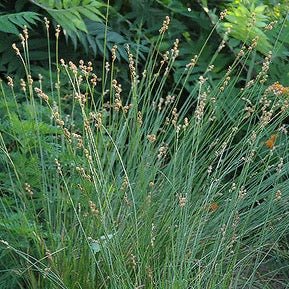 Image 1 of 6
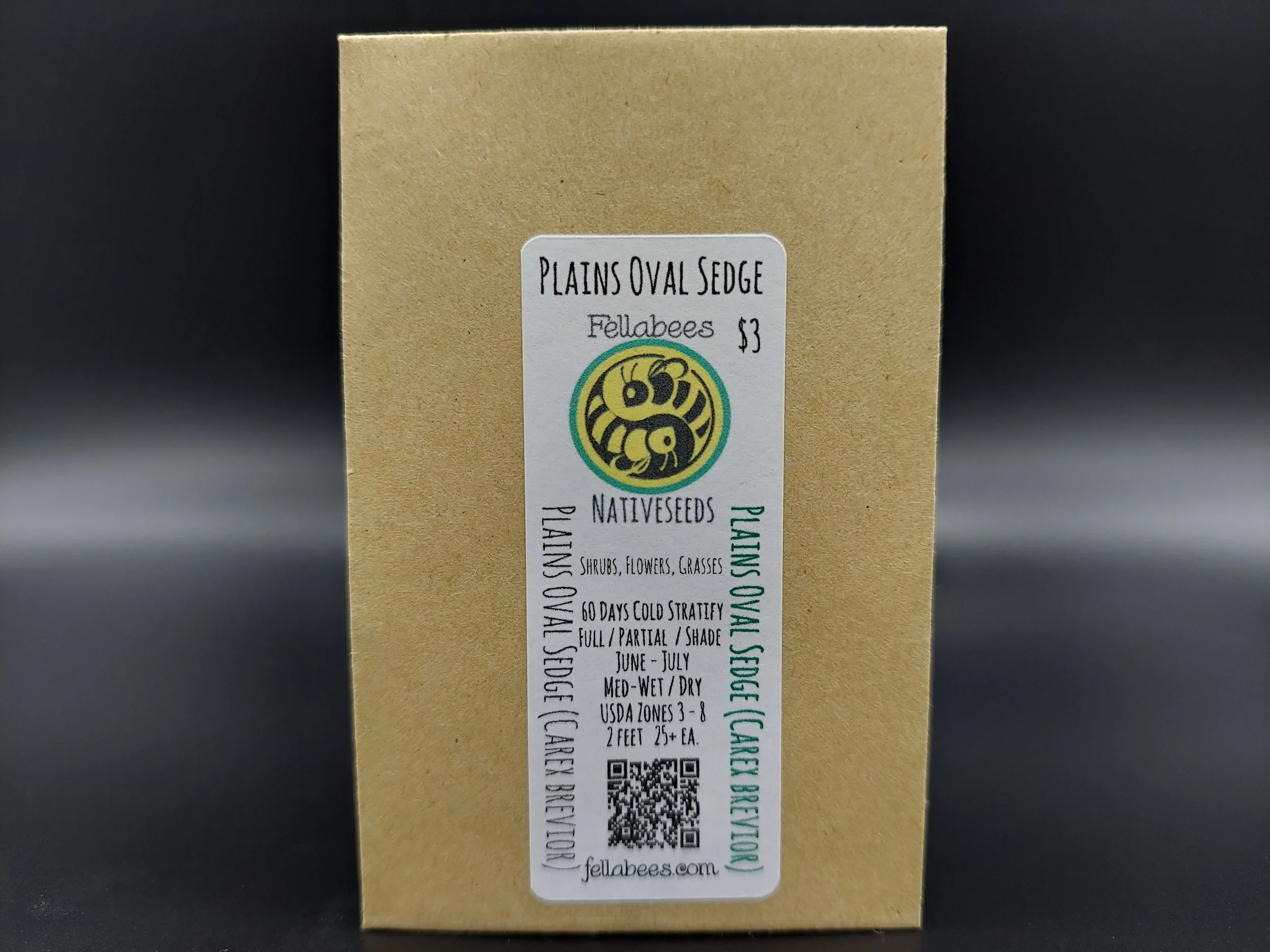 Image 2 of 6
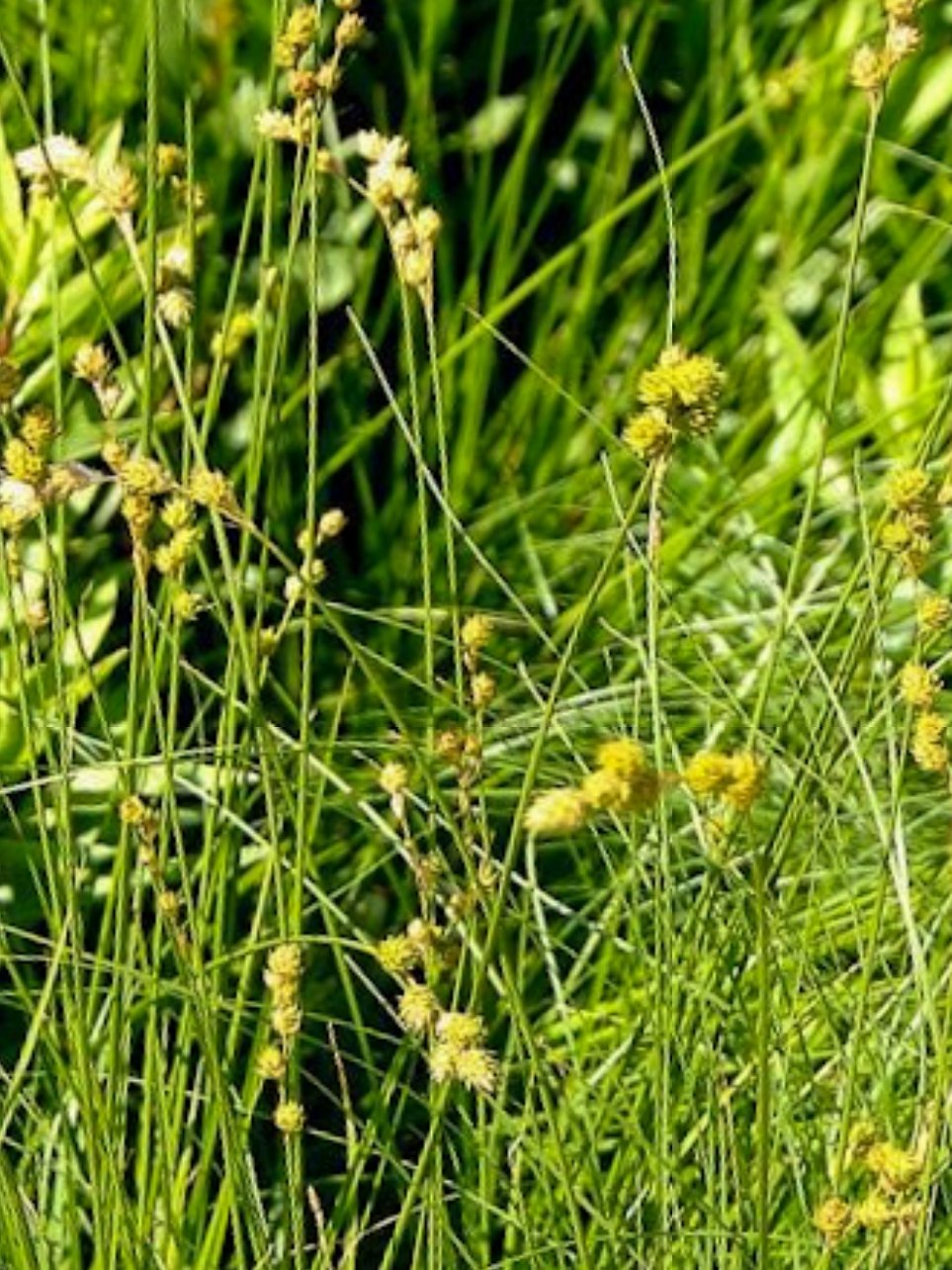 Image 3 of 6
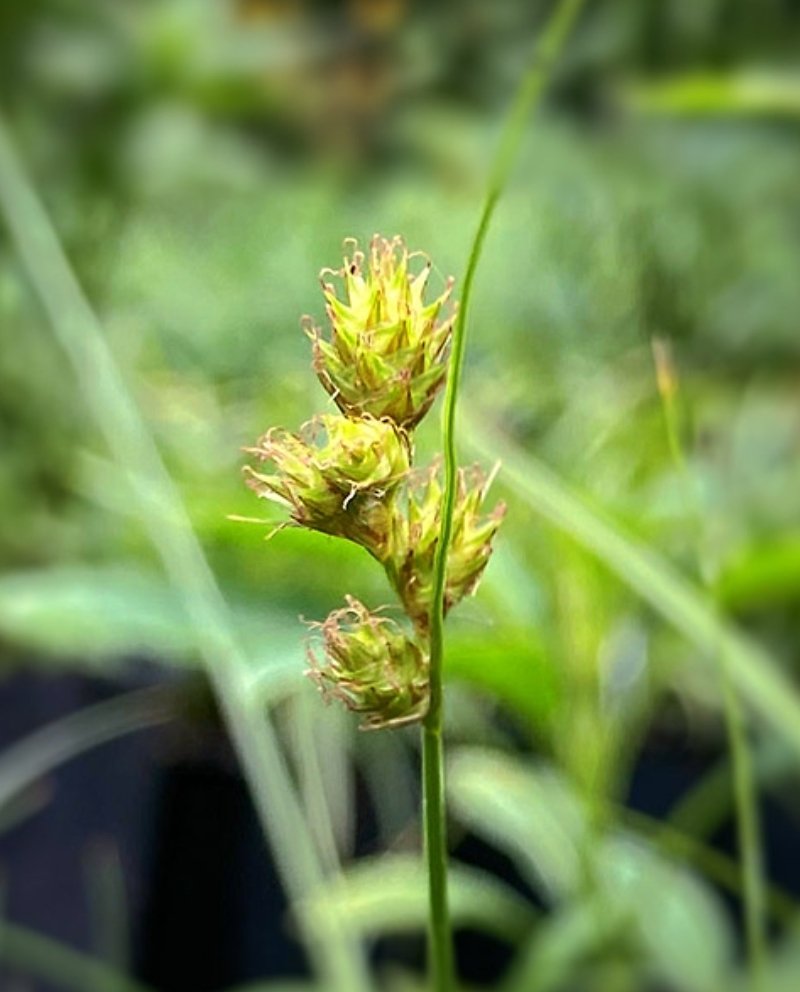 Image 4 of 6
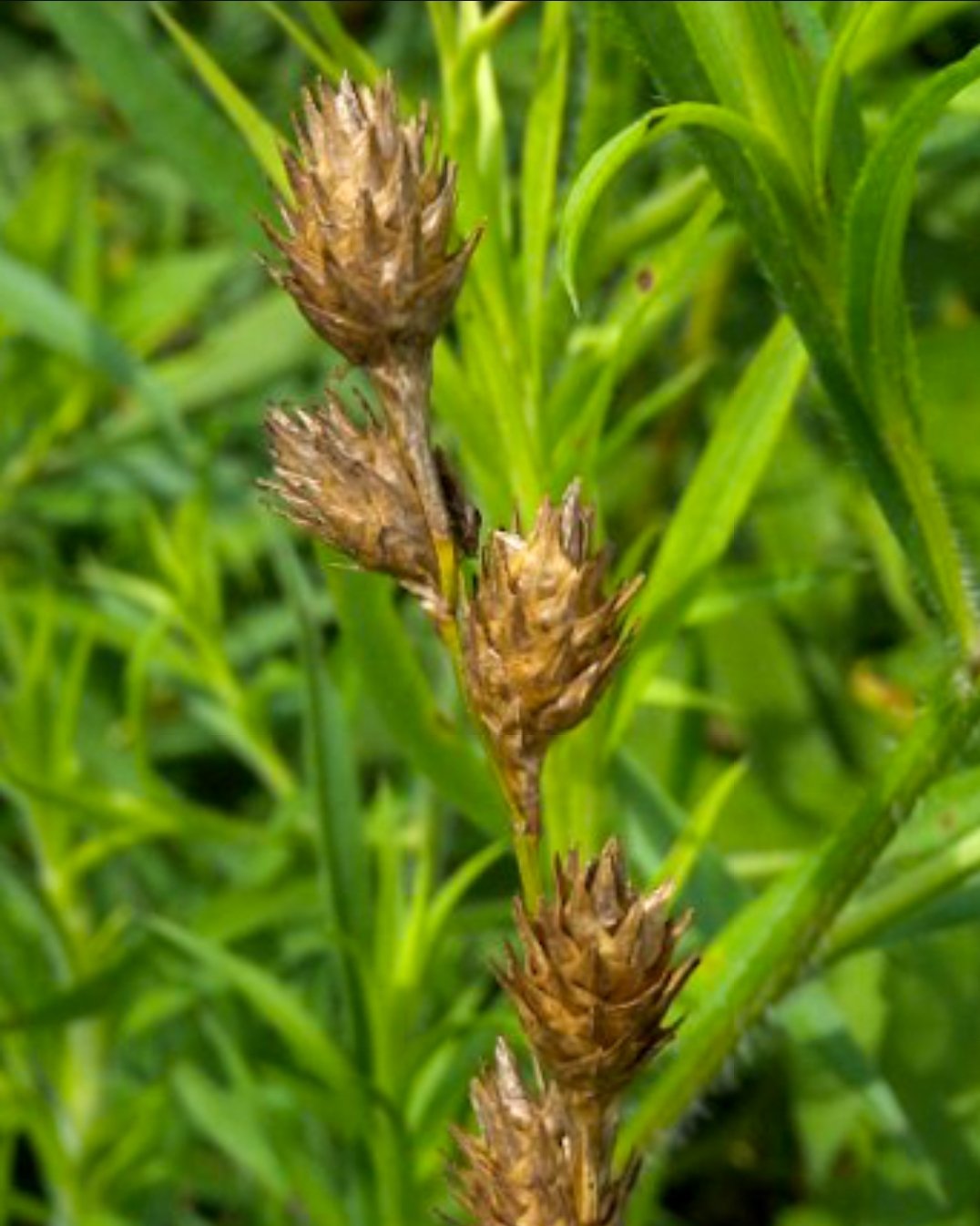 Image 5 of 6
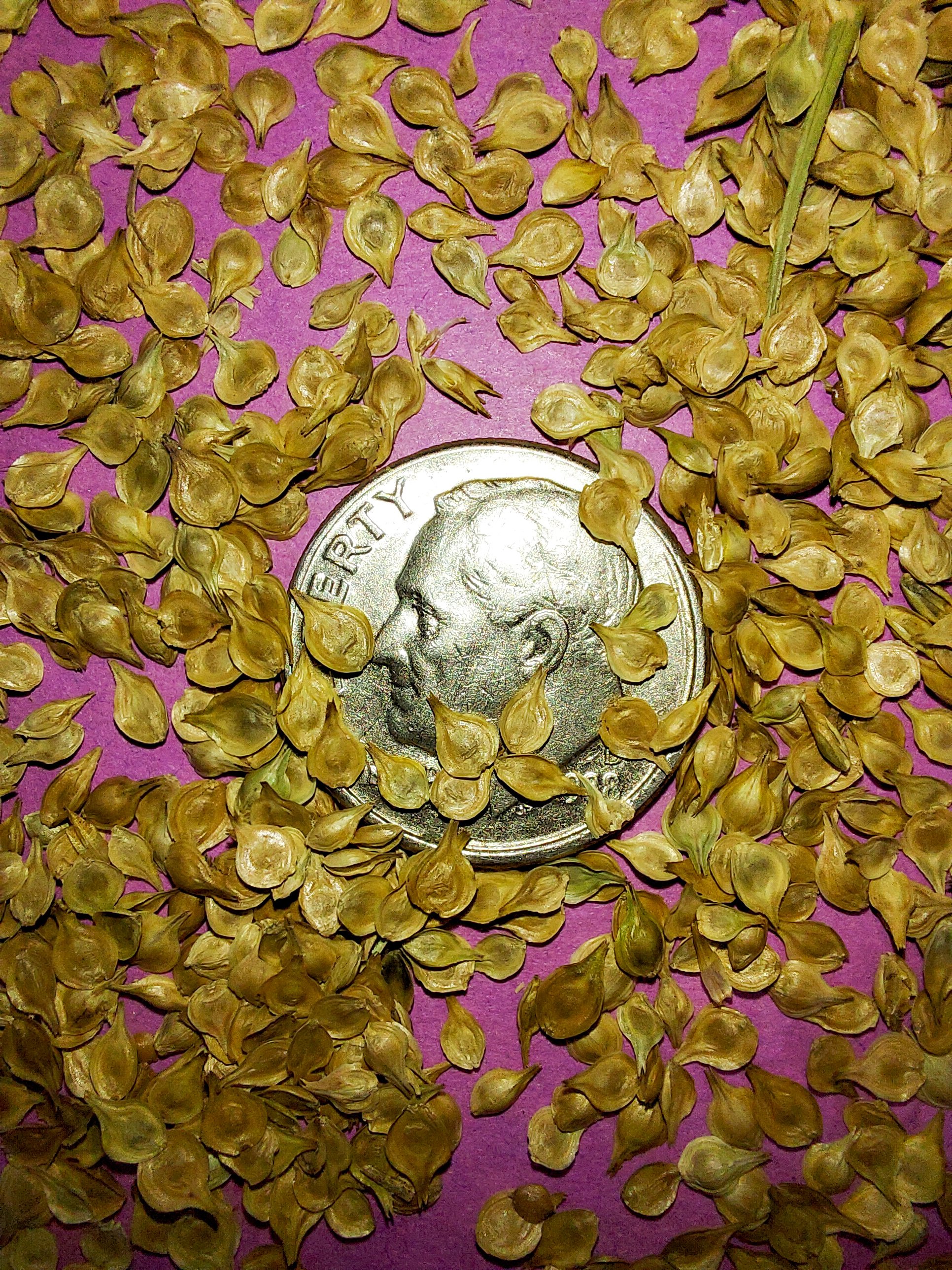 Image 6 of 6