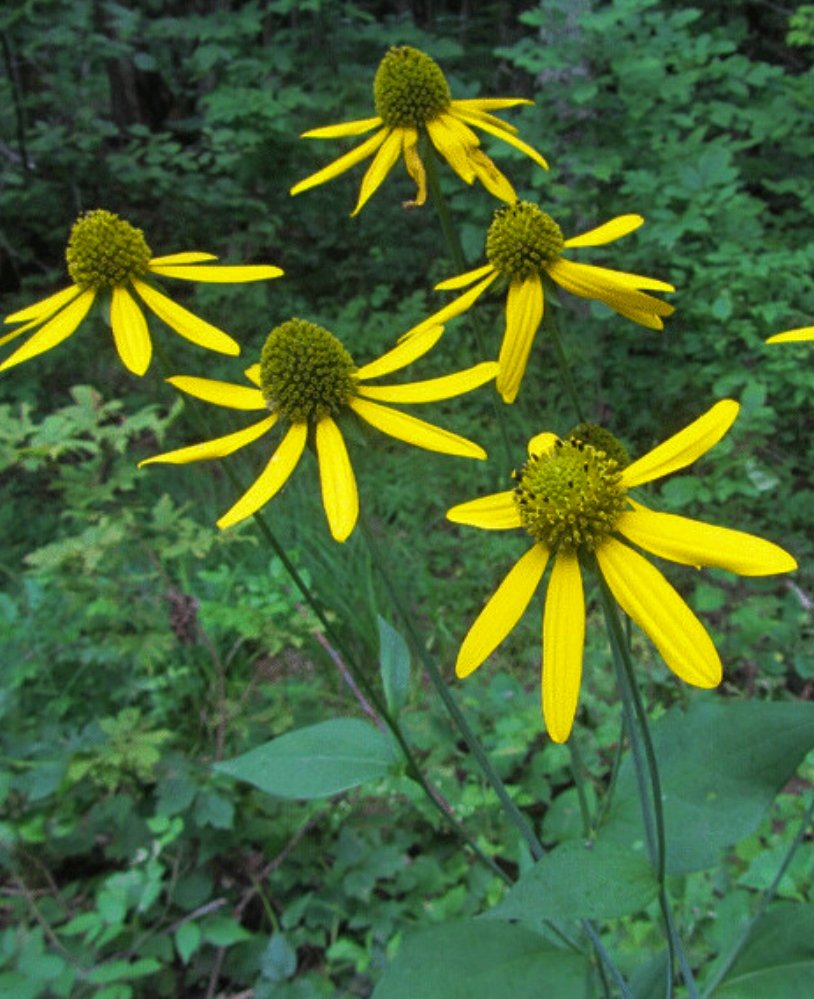
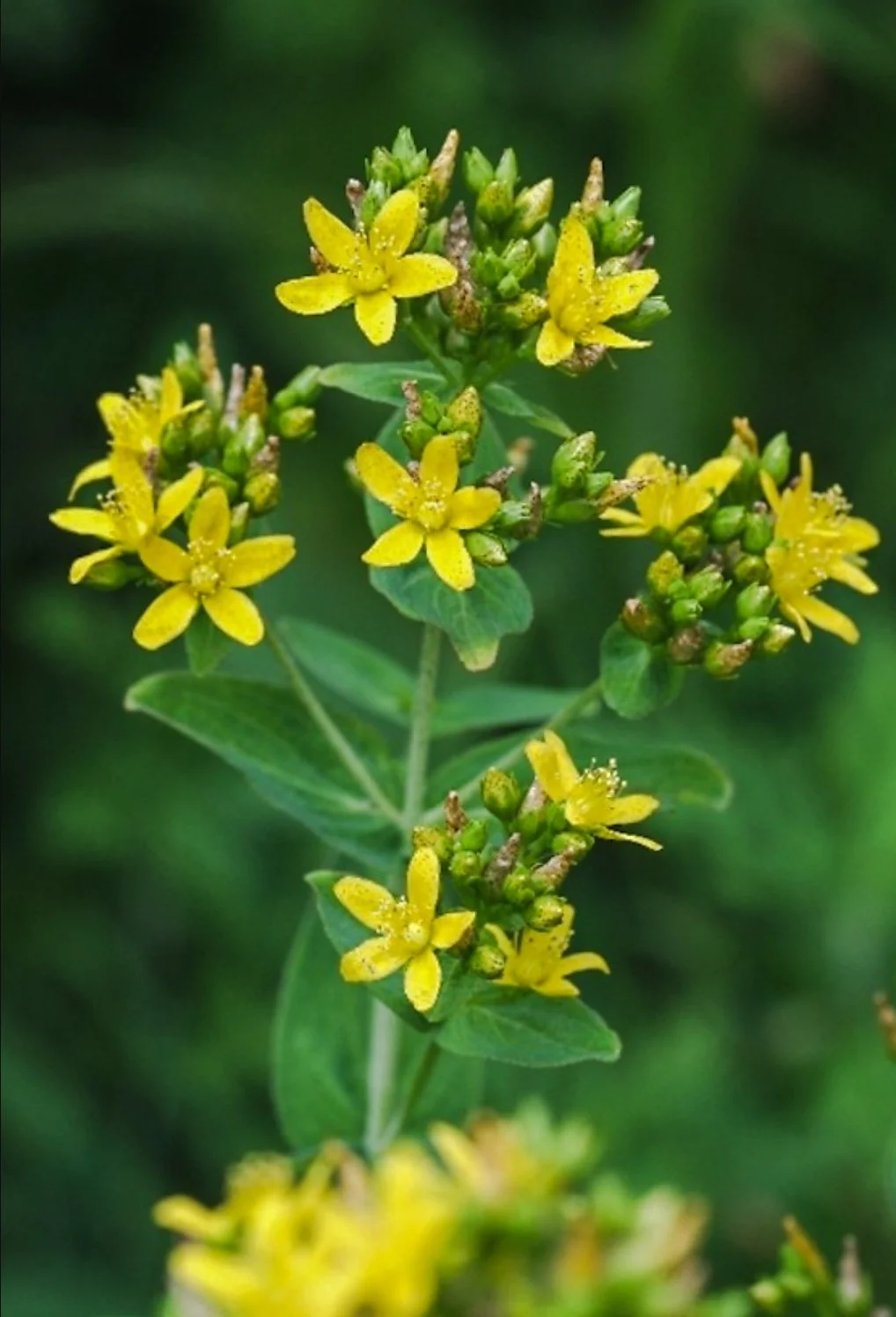
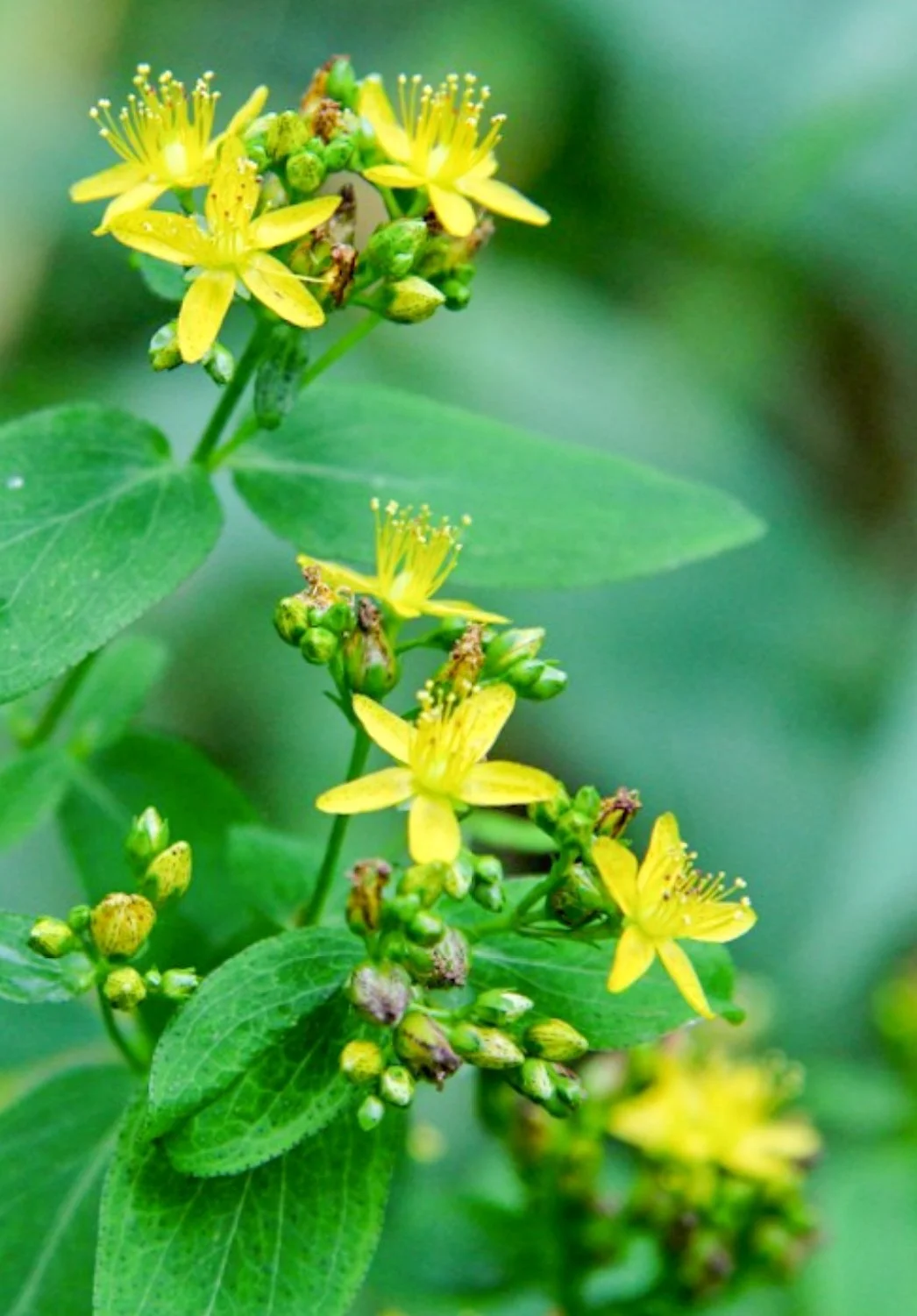
Desmodium canadense is the scientific name for the species more commonly known as Showy Ticktrefoil, Canadian Tick-trefoil or Canada Tickclover.
Showy Ticktrefoil is perennial flowering plant of the Legume family, Fabaceae that is native to much of Upper Eastern North America specifically persisting in woods, prairies, and recently disturbed habitats from North Dakota and Maine and from Texas to Virginia in the United States.
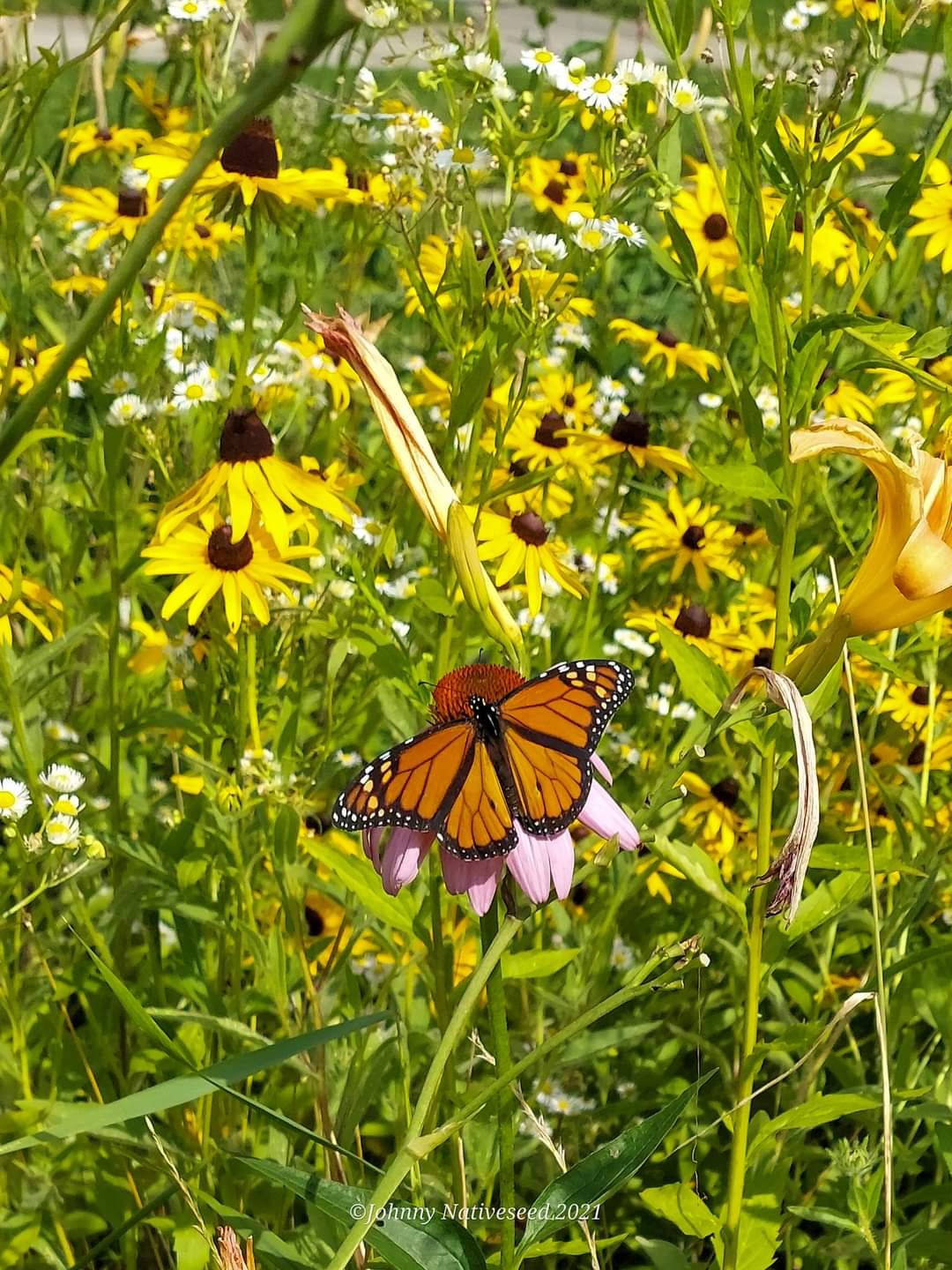
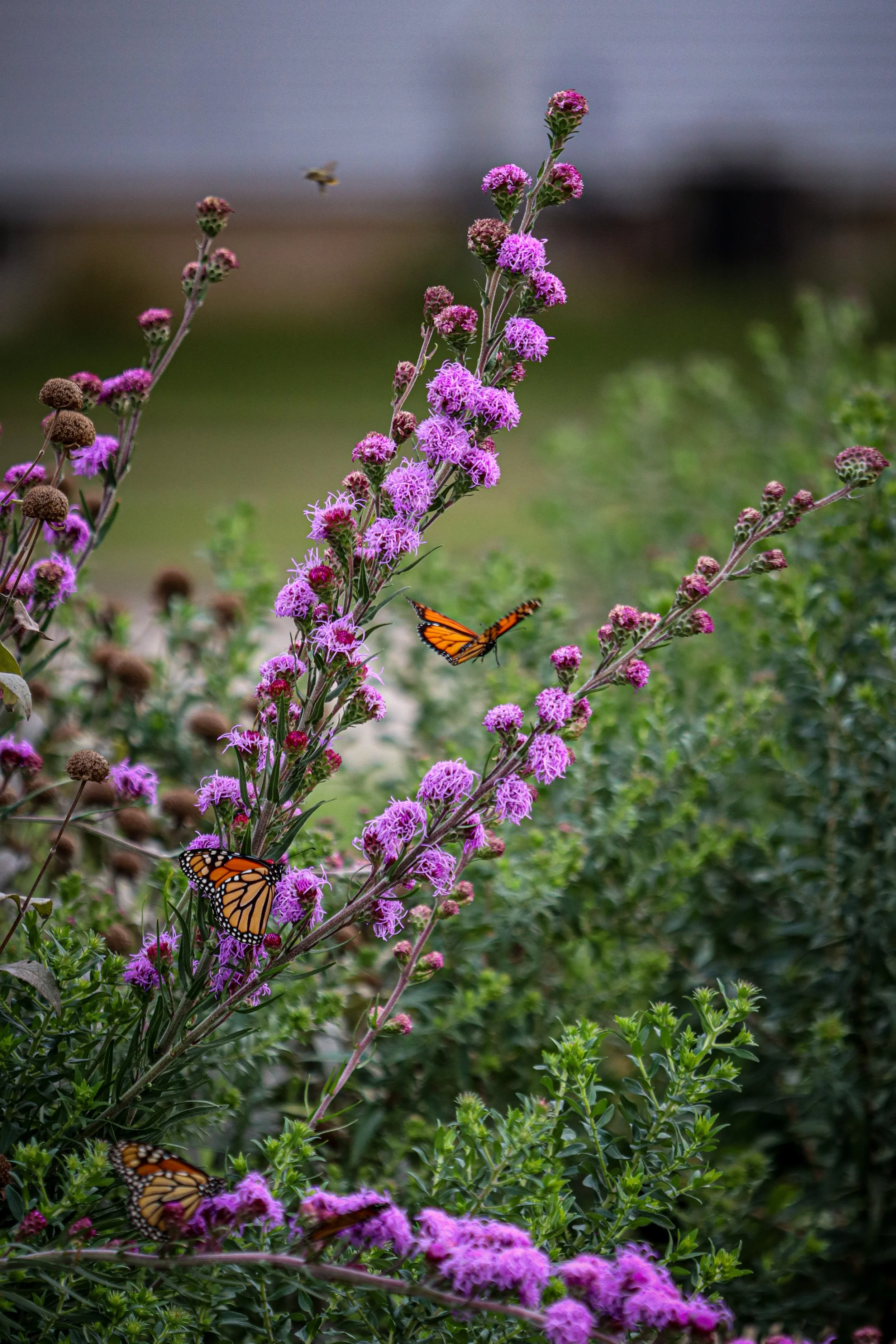
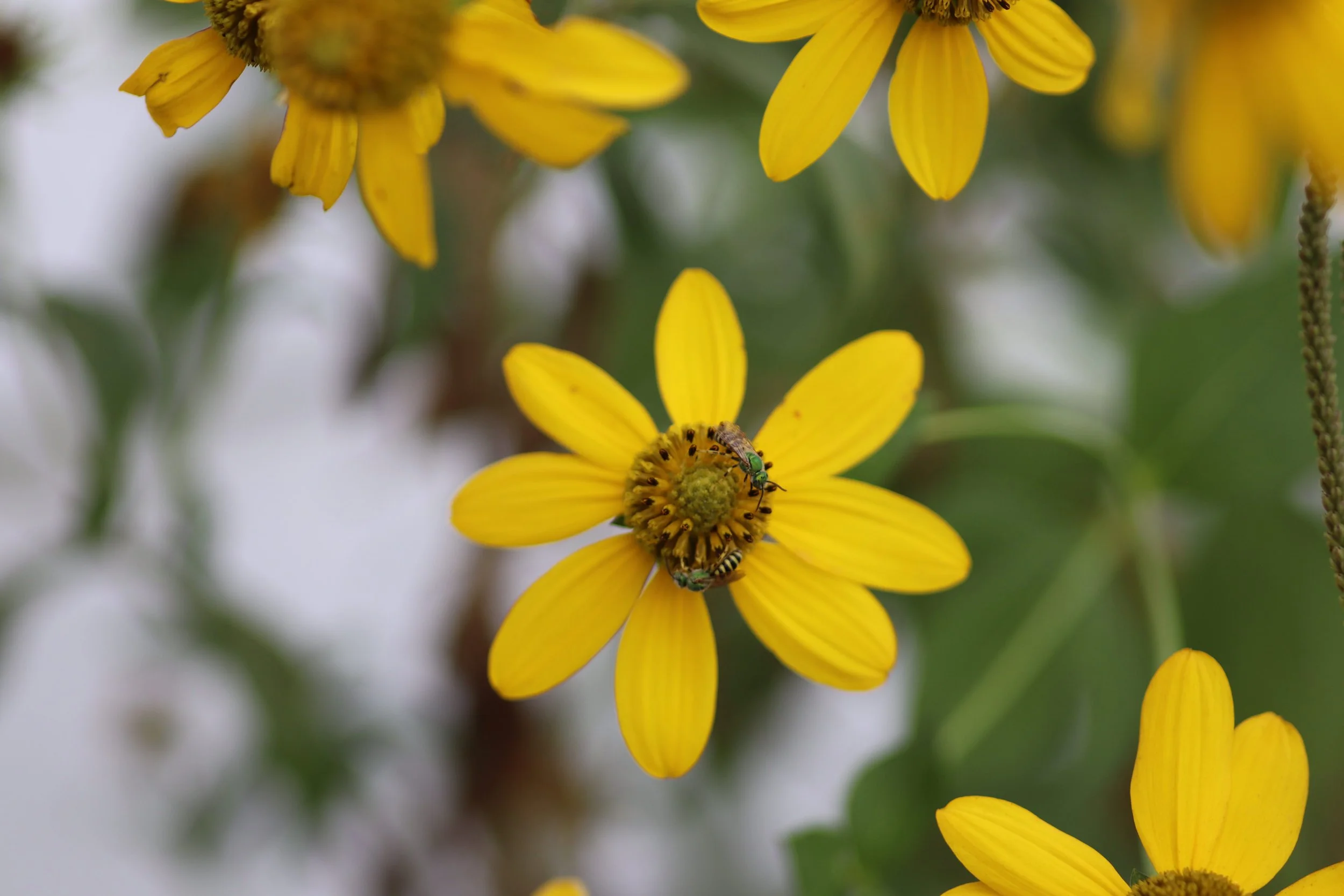
Showy Ticktrefoil attracts many bees, butterflies and hummingbirds to its copious flowers and is a larval host plant for butterflies such as the Northern and Southern Cloudywing Butterflies (Thorybes pylades and bathyllus), Eastern tailed-blue Butterfly (Cupido comyntas), Silver Spotted Skipper Butterfly (Epargyreus clarus), and the more rare Hoary Edge Skipper Butterfly (Cecropterus lyciades). Leafcutter Bees (Megachile spp) are regular visitors for pollen, nectar and the leaves are a favored nesting material as well. Other frequent visitors are Bumble Bees (Bombus spp), Small Sweat Bees (Lasioglossum spp), Small Resin Bees (Heriades spp), and Syrphid Flies (Toxomerus spp).
Flowers are pea-shaped, pink to purple in color, and bloom between July and September. Once pollinated flowers begin to fade, indicating to pollinators that nectar has be depleted.
While growing to its maximum potential in wetland edges Showy Ticktrefoil is highly adaptable and will acclimate to drier soils by limiting its height in response. This species is known to be attractive to the invasive Japanese Beetle (Popillia japonica) and can be planted strategically to assist in the efforts of easier manual control of the invasive species at waist height for the soapy water bucket method. Consistently controlling Japan Beetles in this way limits the damage their grubs can cause underground, and limits local adult populations each season, leaving more leaves available for Leafcutter Bees to line their nests with.
Showy Ticktrefoil clearly supports native ecosystems by improving soil health through nitrogen fixation, stabilizing soils with its deep root system, and enhancing plant community diversity in prairies, meadows, and open woodlands, while providing great benefit to many associated native species, and even to humans working to minimize invasive species populations.
Showy Ticktrefoil pairs well with Anise Hyssop (Agastache foeniculum), Wild Bergamot (Monarda fistulosa), Canada Milk Vetch (Astragalus canadensis) and Little Bluestem (Schizachyrium scoparium).
Plant Details:
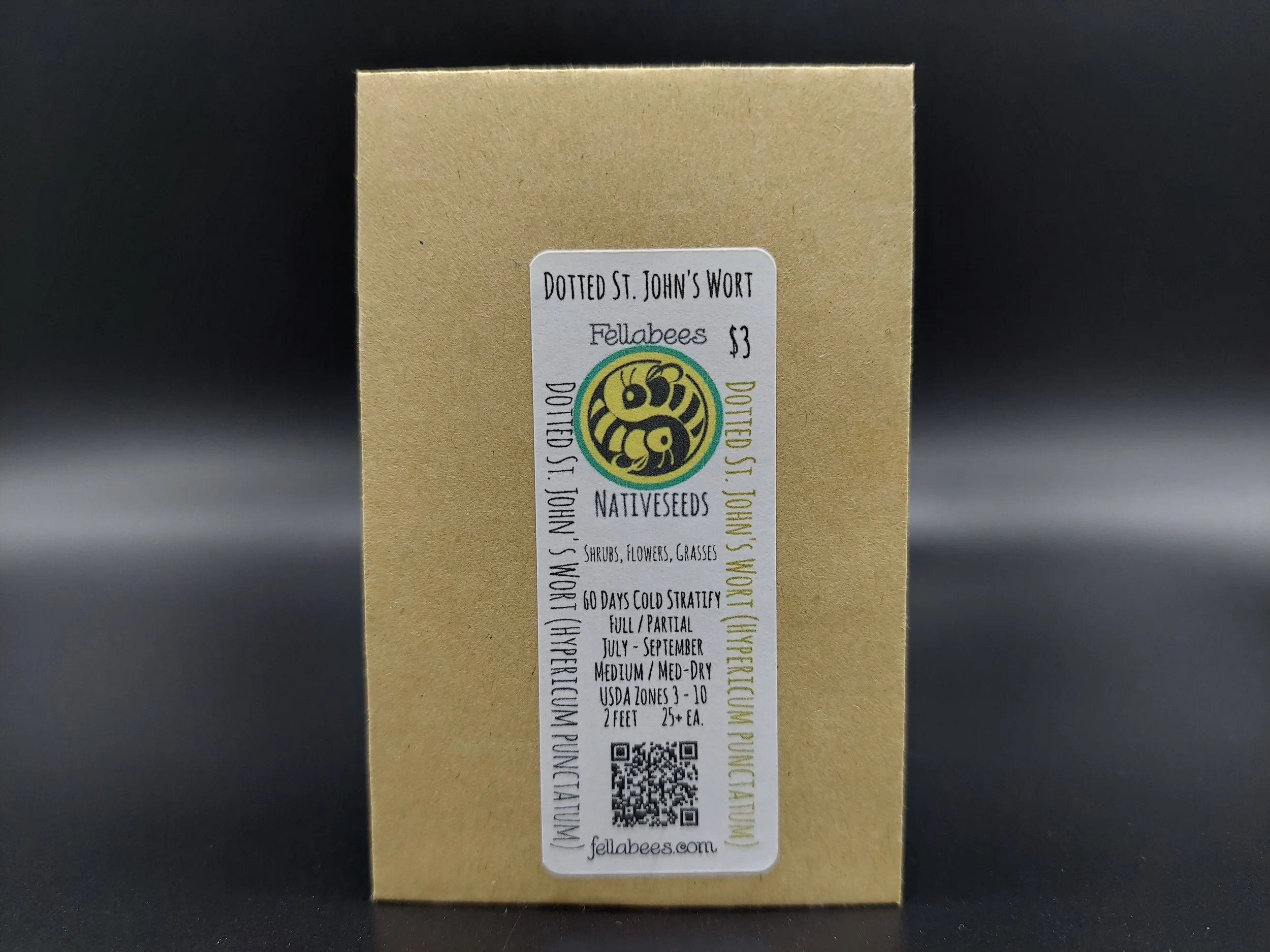
USDA Zones: 3 - 7
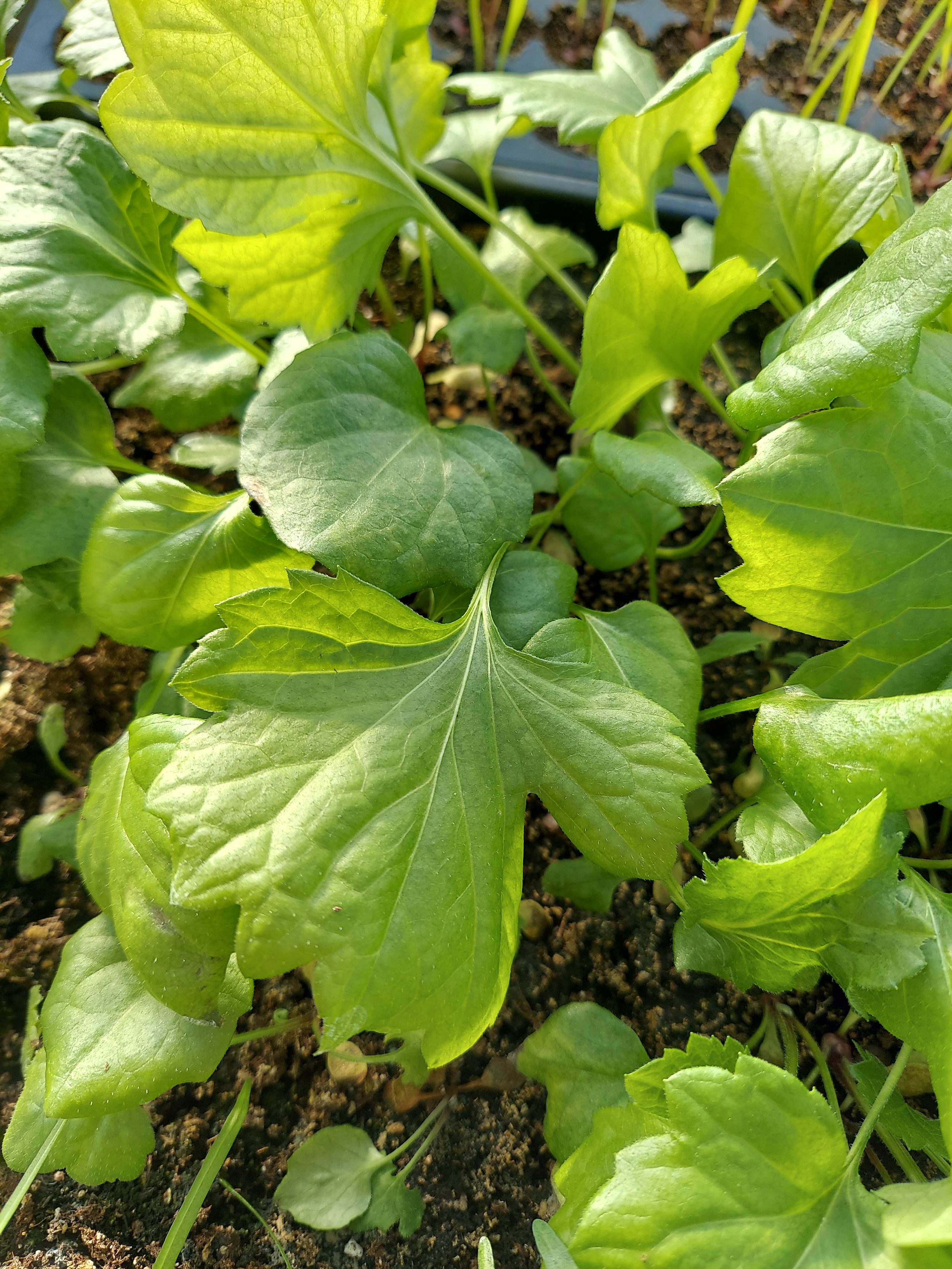
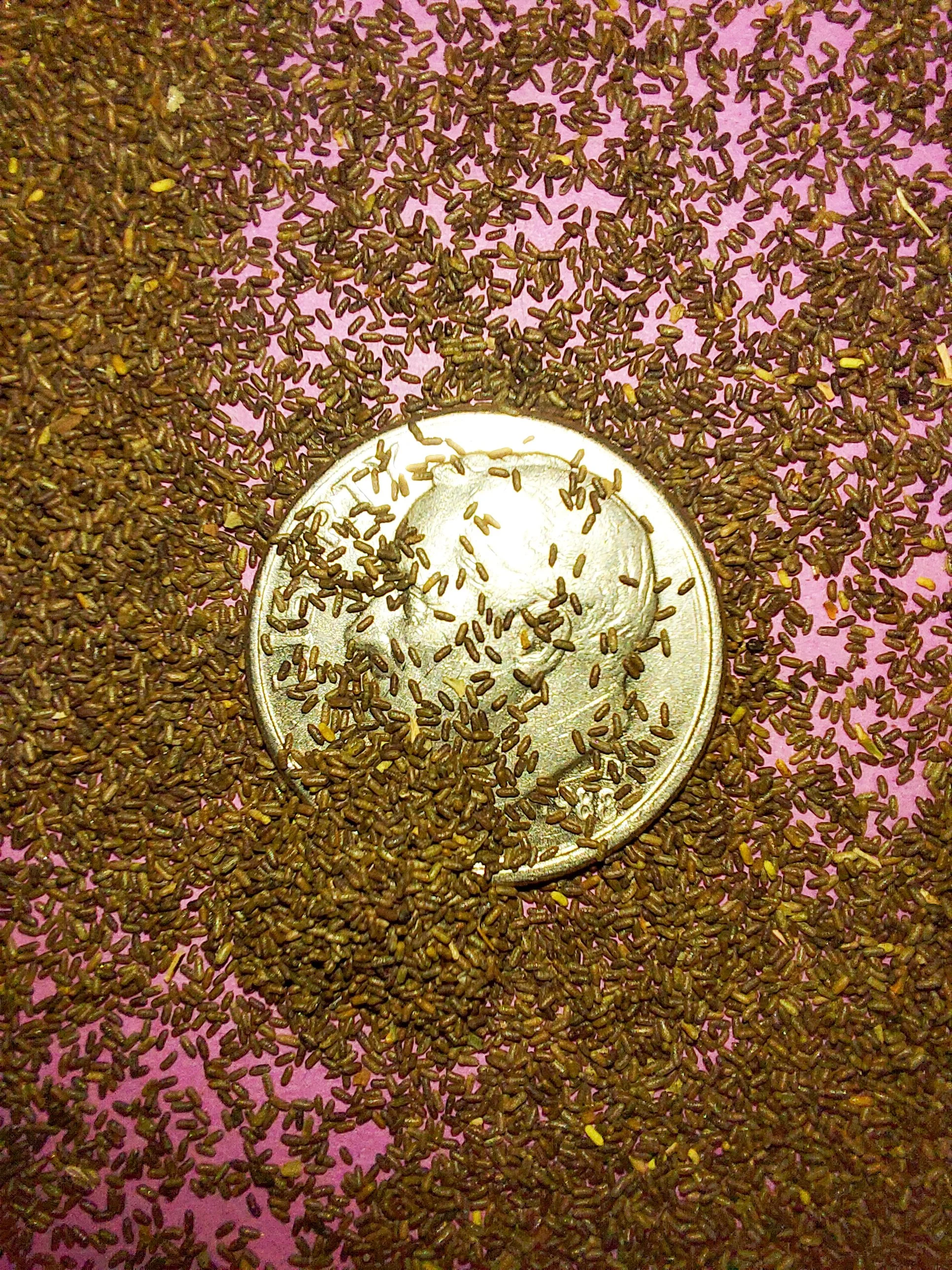
Germination Needs: No Treatment Needed (No stratification required for germination), species does benefit from inoculum already available in outdoor soils, and may benefit from light scarification to increase germination rates if sown indoors. If winter sowing or direct sowing in late fall, simply surface sow with good soil contact for best results.
Life Cycle: Perennial
Sun Exposure: Full to Partial
Soil Moisture: Medium-Wet, Medium, Medium-Dry
Plant Spacing: 1 foot
Height: 5 feet (in moist conditions)
Bloom time: July, August
Bloom Color: Pink/Purple
Advantages:
Pollinator Favorite: butterflies, moths, bees, wasps, beetles
Bird Favorite: seeds, insects, fruit, nectar, nesting, perches.
Deer Resistant: No
Native to: Wisconsin, Minnesota, Iowa, Illinois, Indiana, Michigan, Ohio, Pennsylvania, New York, Vermont, New Hampshire, Maine, Massachusetts, Rhode Island, Connecticut, Delaware, Maryland, New Jersey, West Virginia, Virginia, Kentucky, Arkansas, Missouri, Texas, Oklahoma, Kansas, Nebraska, South Dakota and North Dakota.
This species is considered present but rare in several counties of the states of Maryland, Virginia, Kentucky, Arkansas and Texas.
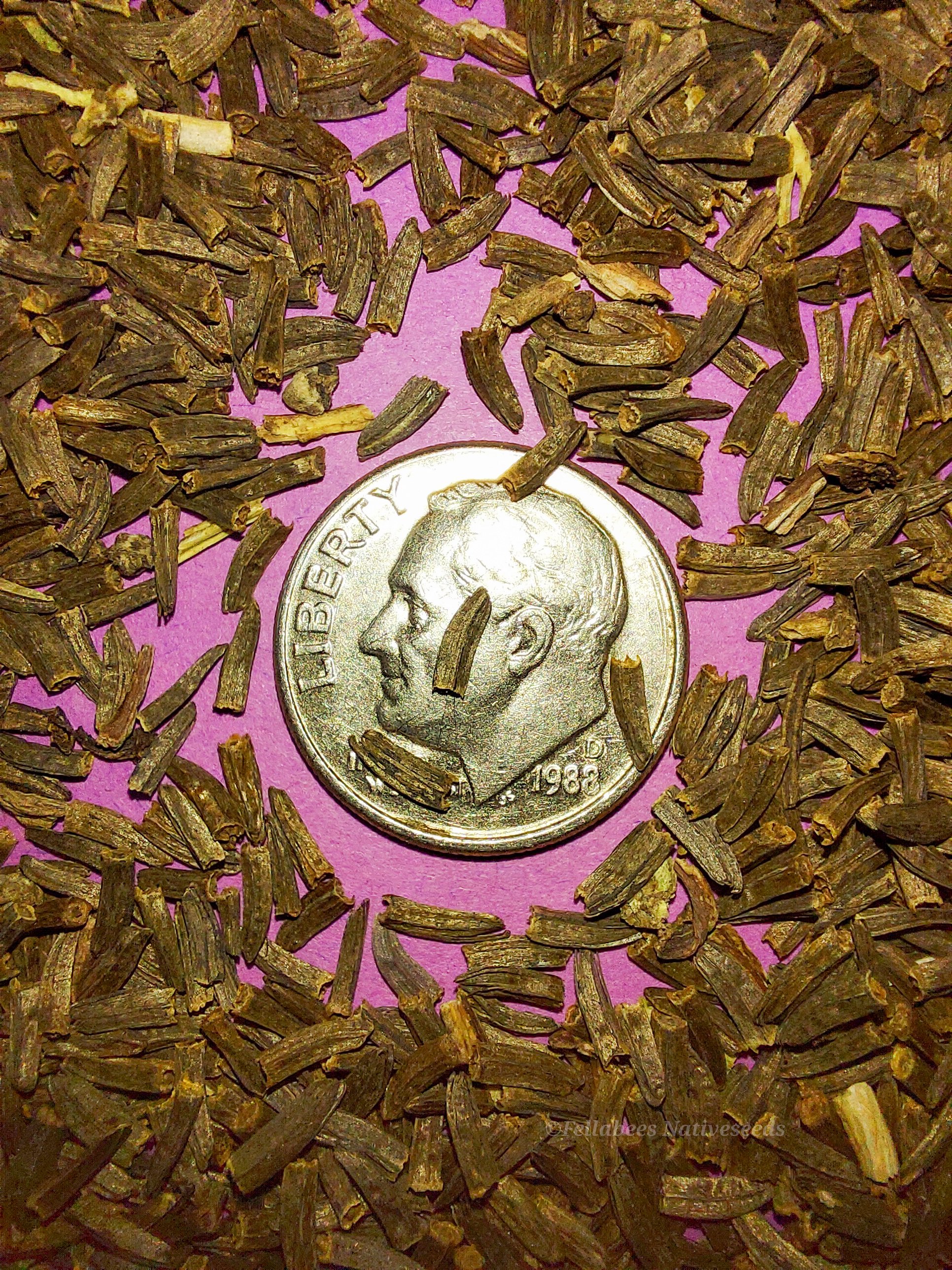
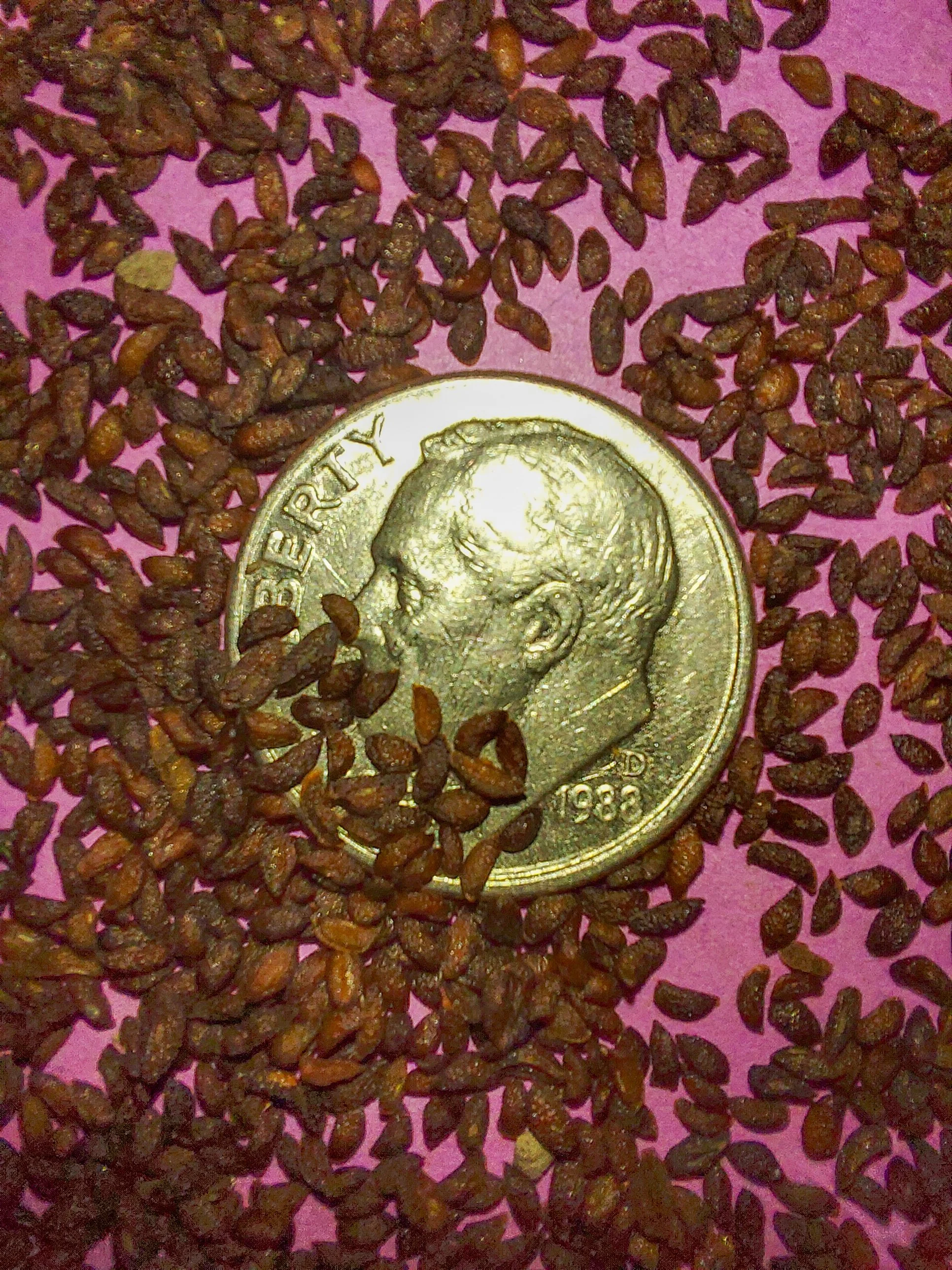
Seed Count: 25+
.
.
Packet quantities:
We pride ourselves on ethical, hands on, ecological management, using no mechanical or chemical methods whatsoever.
All of our native seed is hand reared, hand-picked, and hand packed from native prairies under our exclusive management, never breaking chain of custody from the field until it is sent to you. Each packet is hand prepared for shipment by us, directly.
Small seed species will contain greater than 20-25 seed
Large seed species will contain greater than 10-15 seed
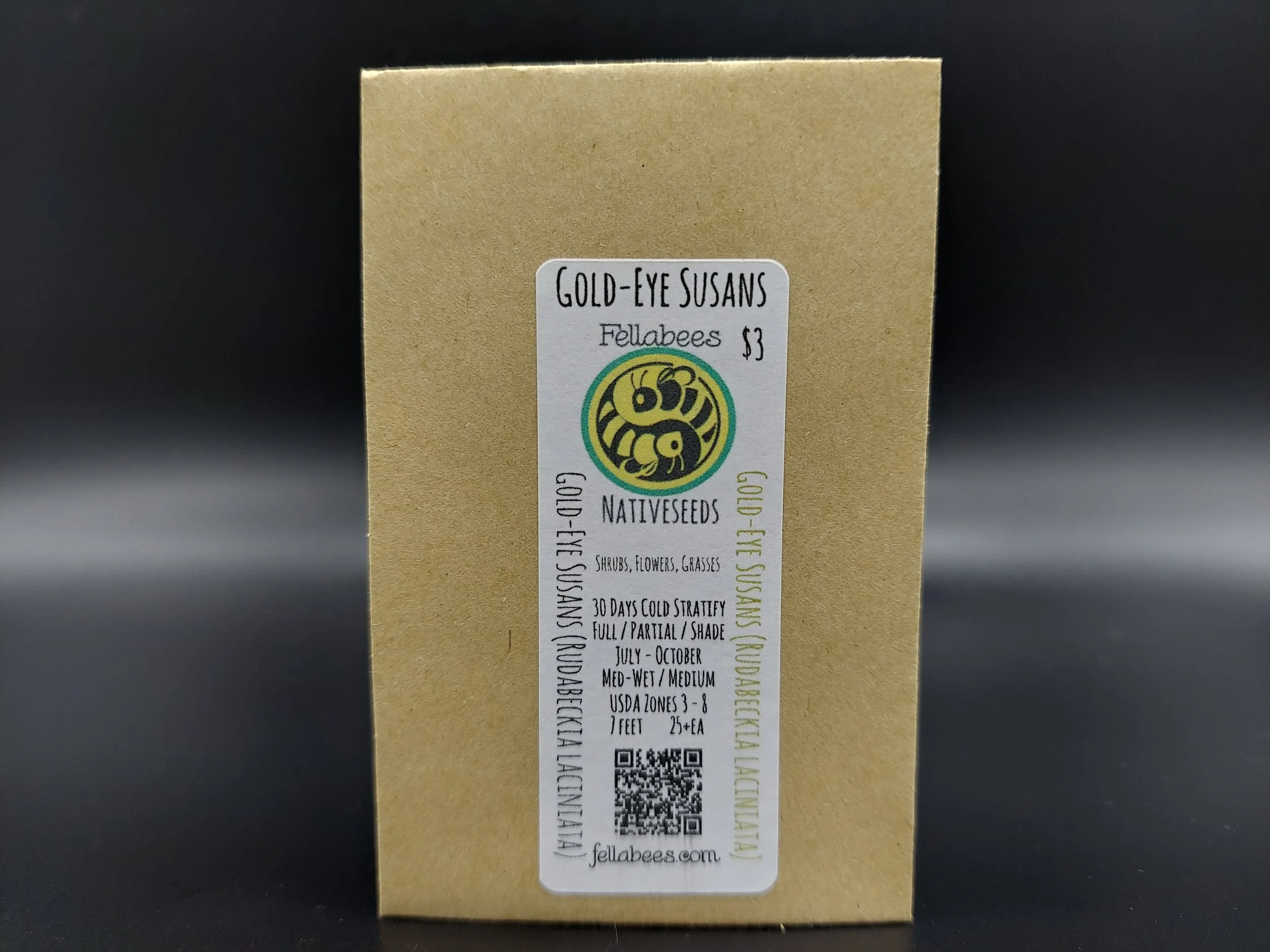
All packets are individually marked at the bottom of the front label with expected count, however most if not all packets will have many more than the minimum count by default.
It is our mission to spread the wealth of native plant and pollinator ecological sustainability and educate back yard gardeners as well as corporate and government entities in how to germinate, grow, and benefit from native synergies.
Thank you for your support, it is because of you, that we can grow together to do, what we do. 🐛🦋🐝🐞🌾🌱🌼🧡

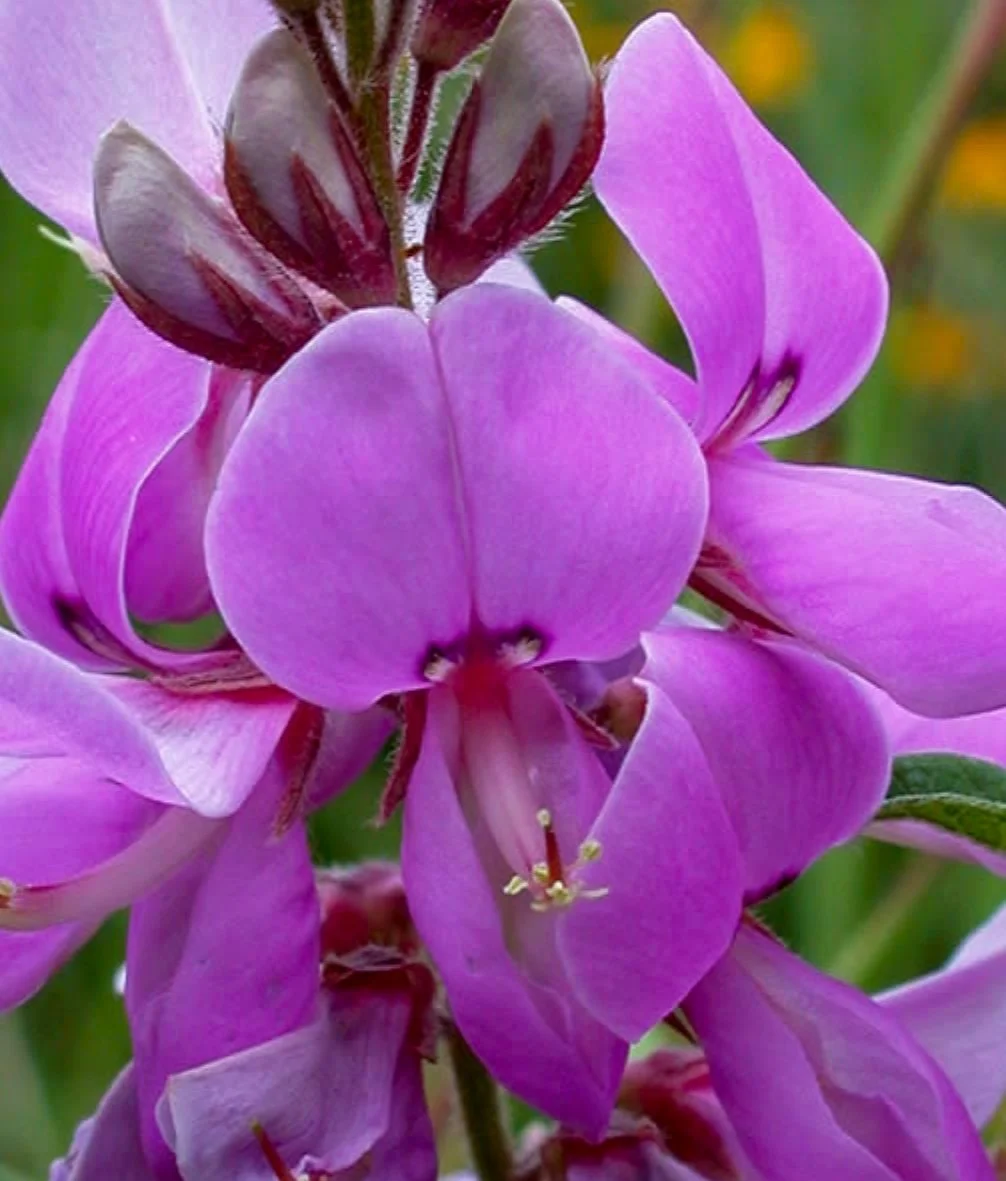 Image 1 of 5
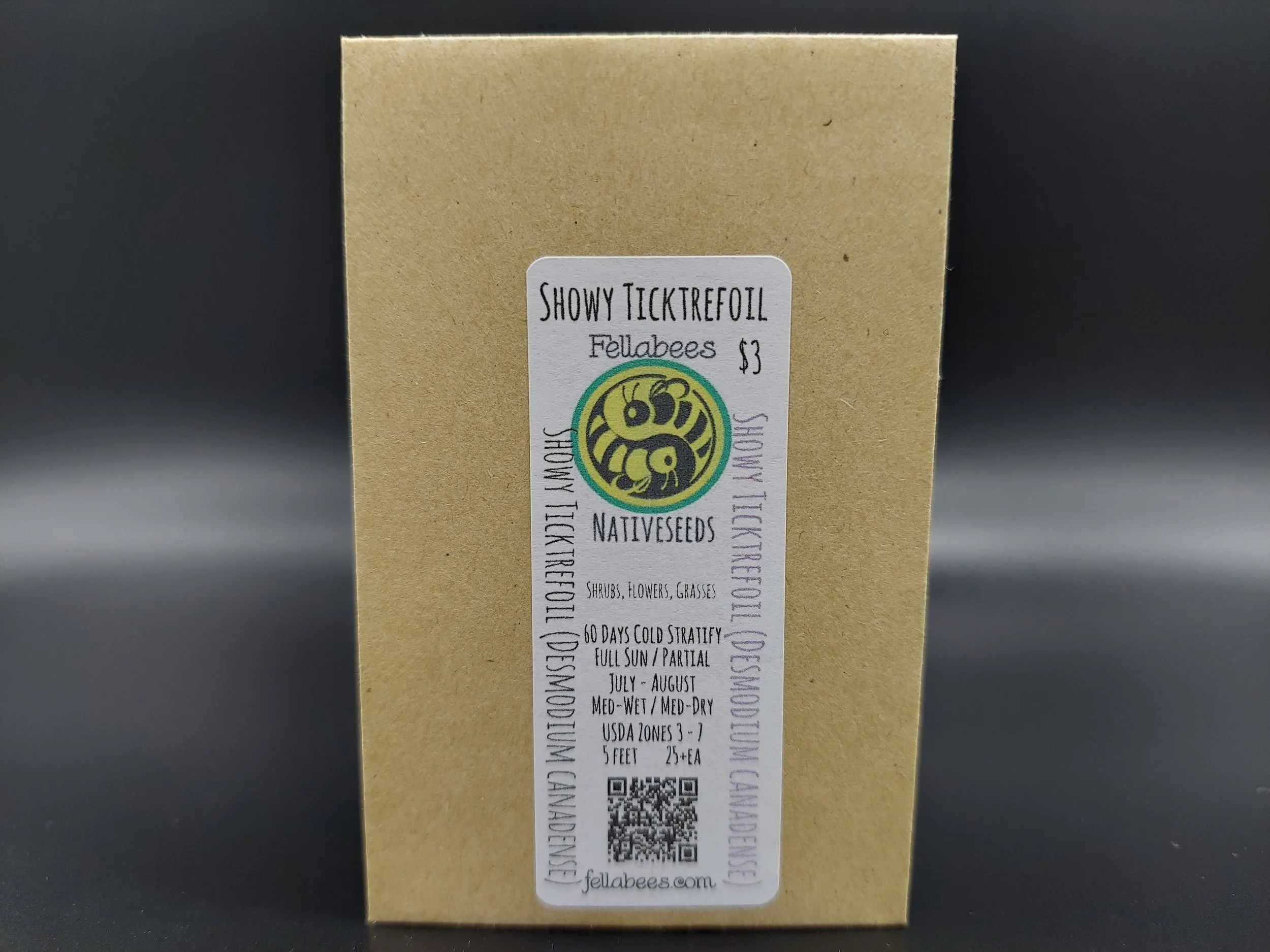 Image 2 of 5
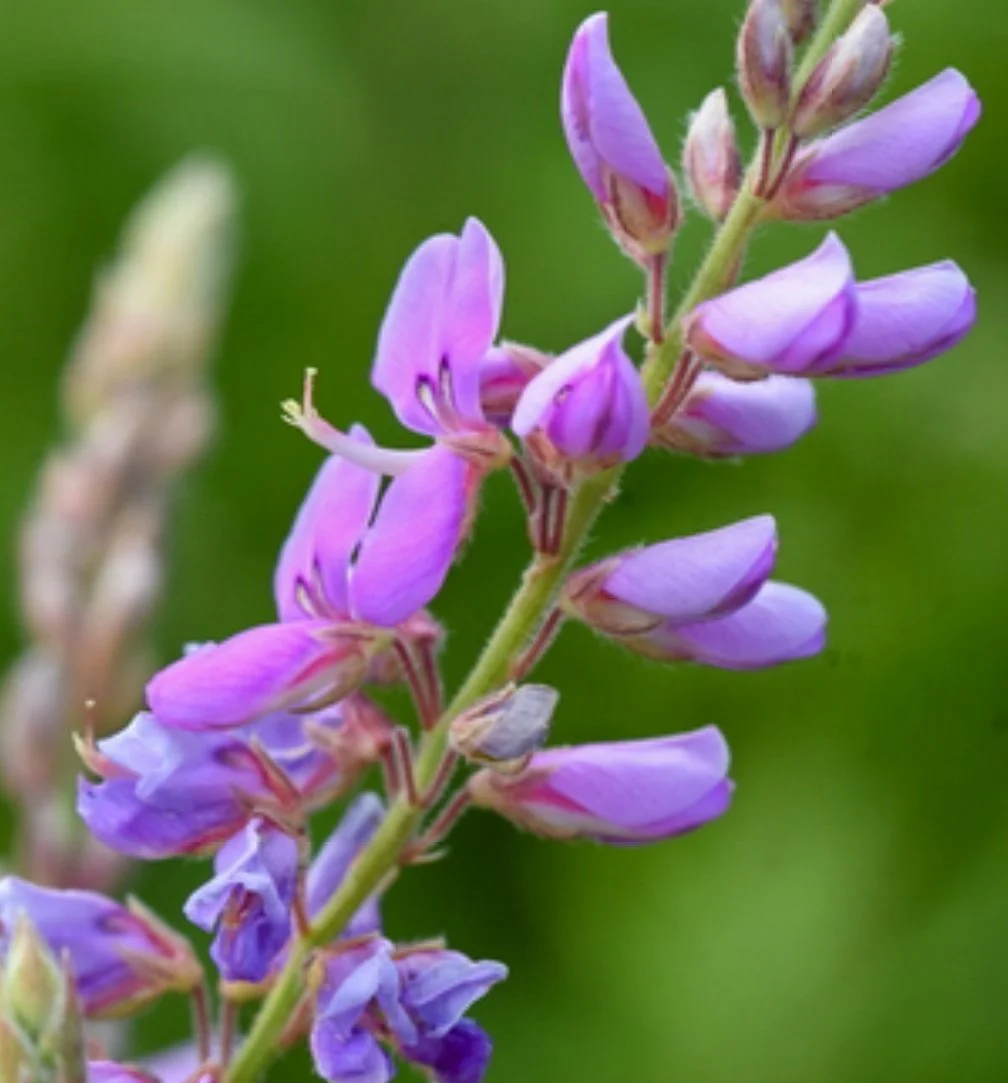 Image 3 of 5
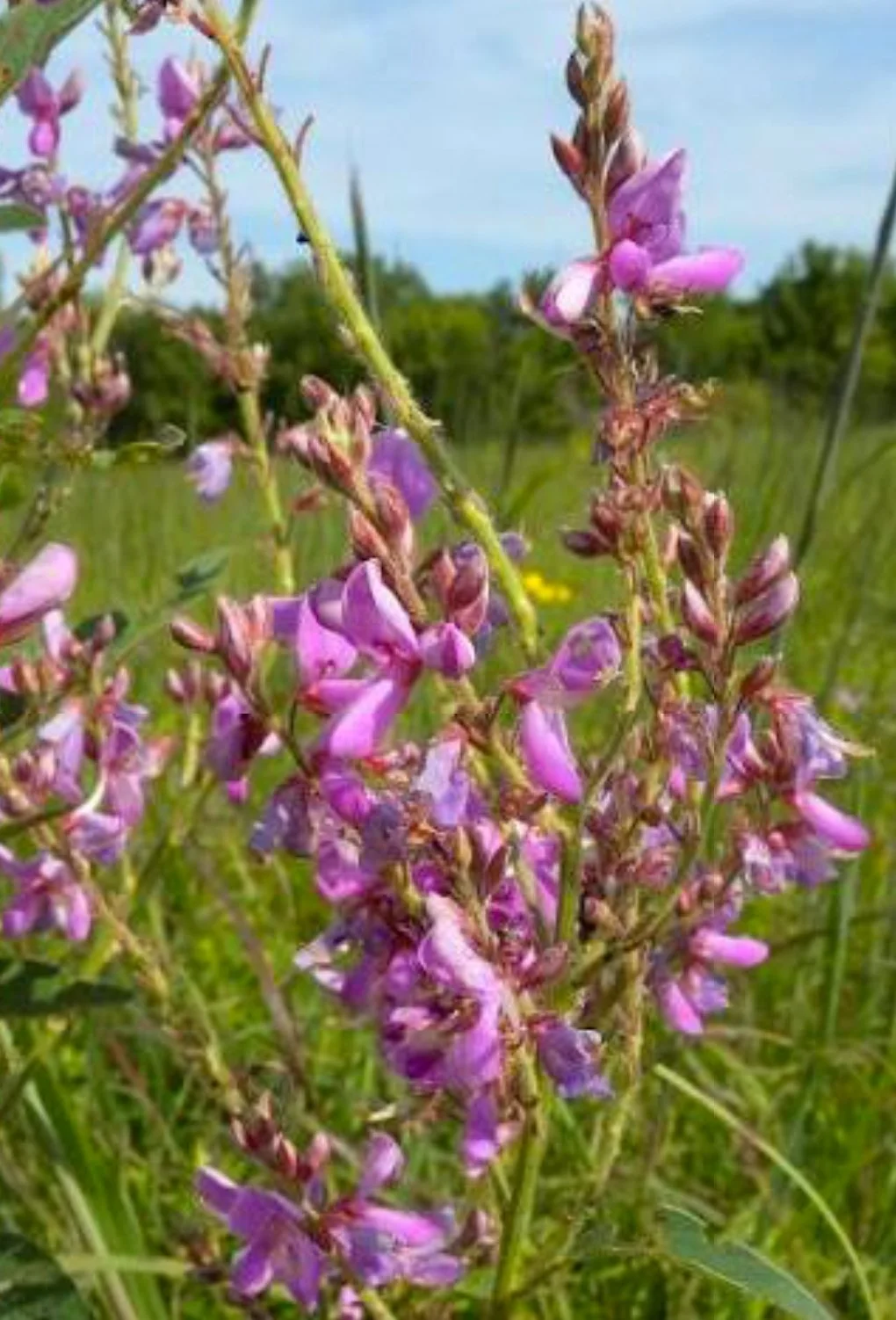 Image 4 of 5
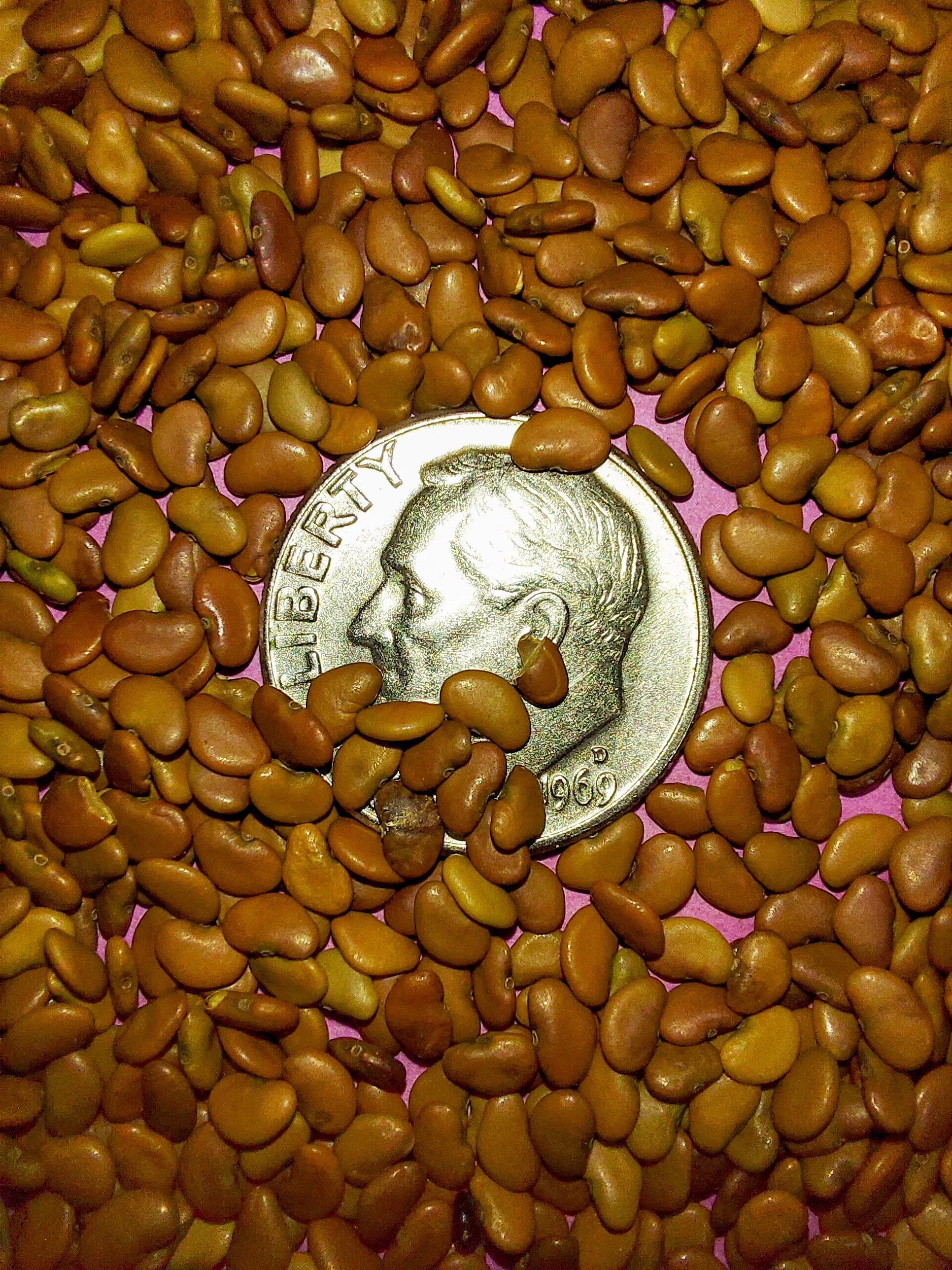 Image 5 of 5