Sale Price:
$2.50
Original Price:
$3.00
Mistflower (Conoclinium coelestinum)
Conoclinium coelestinum is the scientific name for the plant species more commonly known as Mistflower, Blue Mistflower, Wild Ageratum, or Blue Boneset.
Mistflower is a North American species of herbaceous perennial flowering plant in the large and diverse Asteraceae family. It was formerly classified in the genus Eupatorium, but after repeated phylogenetic analyses in the late 20th century, taxonomic research showed that the broad Eupatorium grouping should be split, and the species was subsequently reclassified into the genus Conoclinium.
The genus Conoclinium is derived from the Greek term meaning "cone-bed," a reference to aspects of its flower structure. The specific epithet coelestinum comes from Latin, meaning sky-blue or heavenly, describing the plant’s delicate blue blossoms.
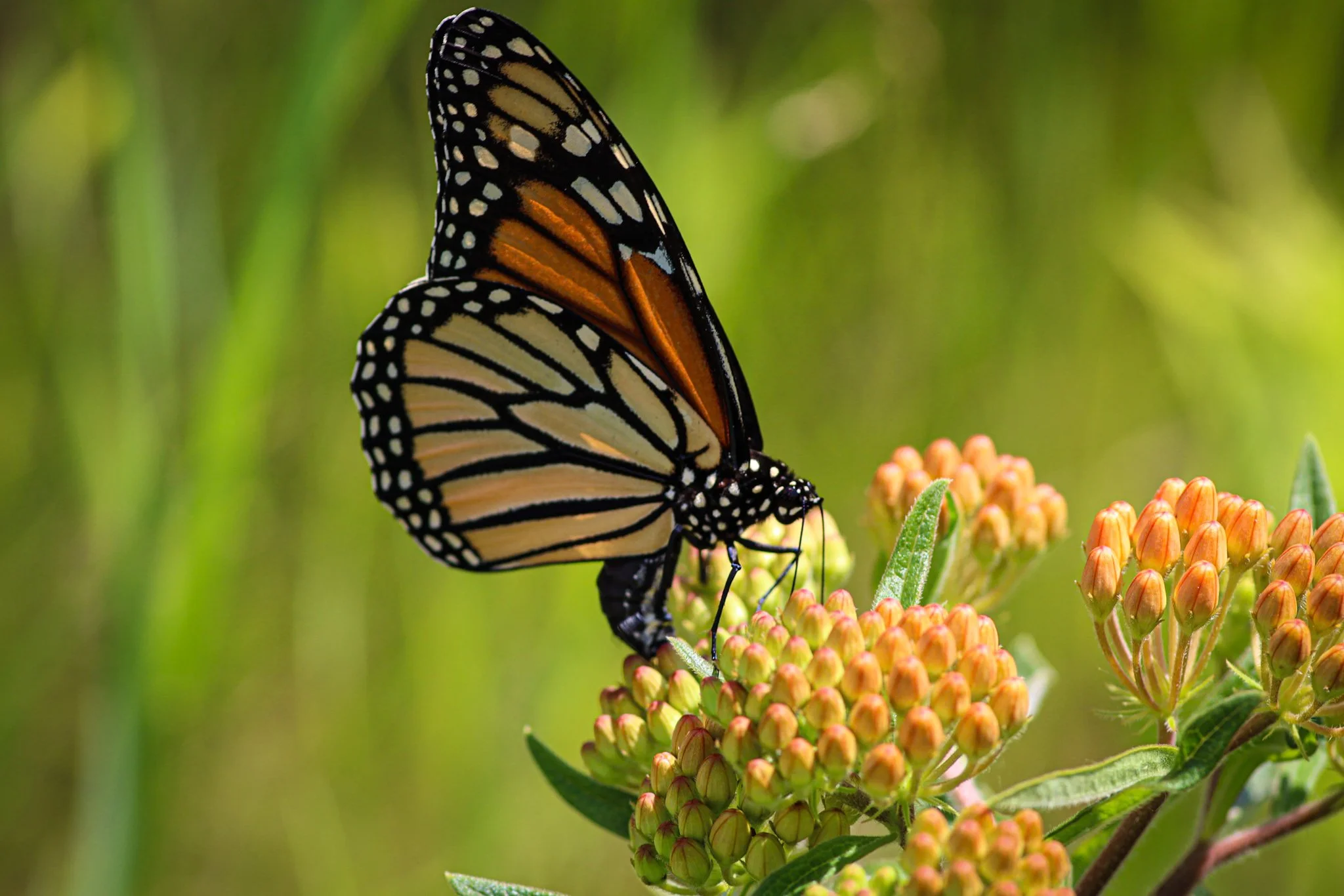
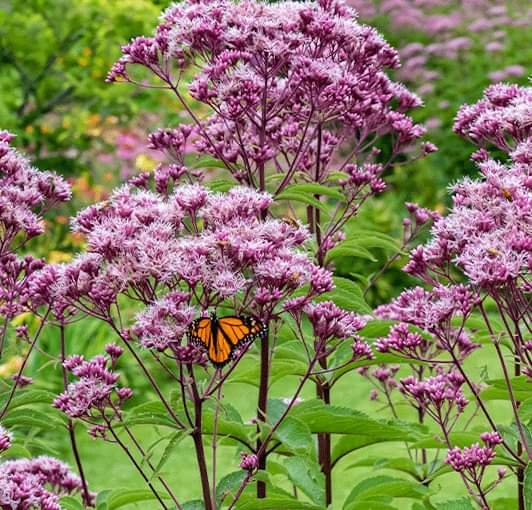
Mistflower is exceptionally attractive to many pollinator species such as Bumble Bees (Bombus spp), Yellow-Faced Bees (Hylaeus spp) Green Metallic Sweat Bees (Agapostemon spp) Small Carpenter Bees (Ceratina spp) Mining Bees (Andrena spp) and many Butterflies like Monarchs, Swallowtails, Admirals, Painted Lady's and hosts several Moth species!
Mistflower is an interchangeable larval host for species that also use Boneset such as the Three-lined Flower Moth (Schinia trifascia), Clymene Moth (Haploa clymene) and Boneset Borer Moth (Carmenta pyralidiformis)
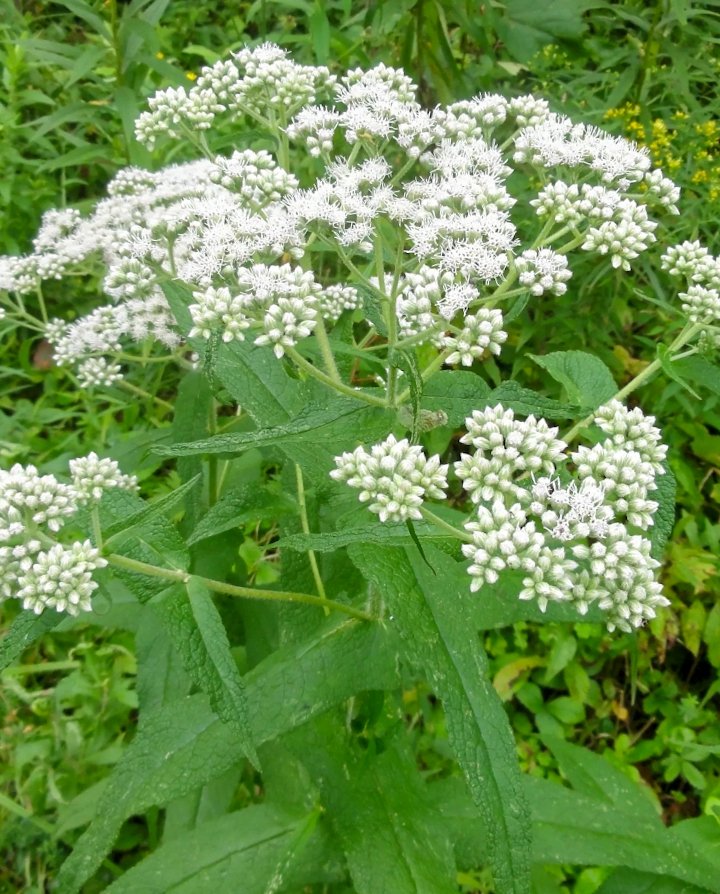
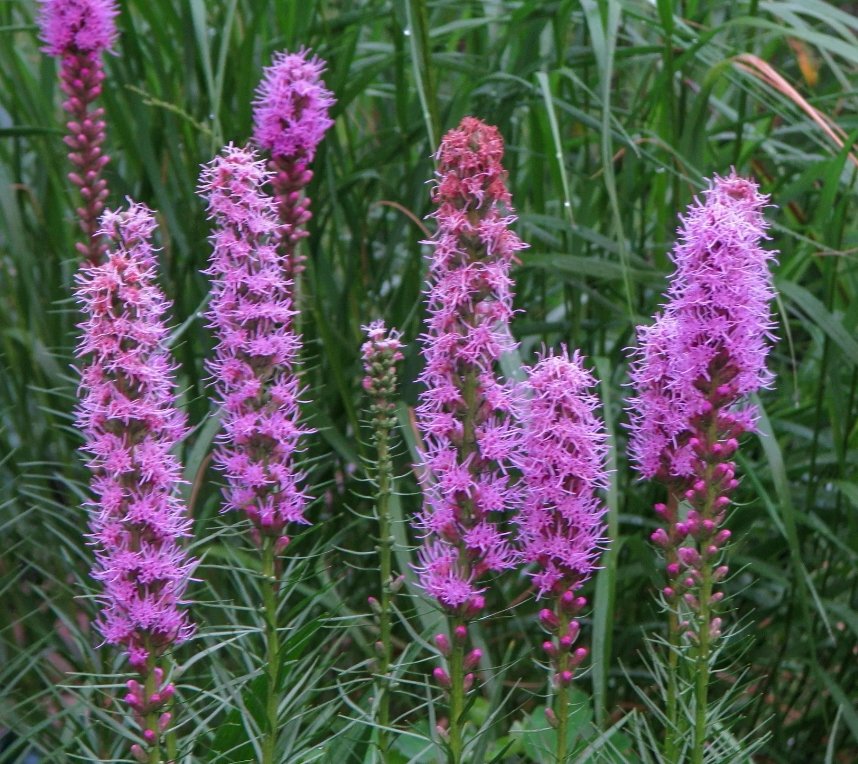
The larvae are often found feeding on Brickellia, Eupatorium and Liatris species such as: False Boneset (Brickellia eupatorioides), Boneset (Eupatorium perfoliatum), Meadow Blazing Star (Liatris ligulistylis), Prairie Blazing Star (Liatris pycnostachya), Dotted Blazing Star (Liatris punctata), Rough Blazing Star (Liatris aspera) and Marsh (Dense) Blazing Star (Liatris spicata).
Plant Details
USDA Zones: 5-9
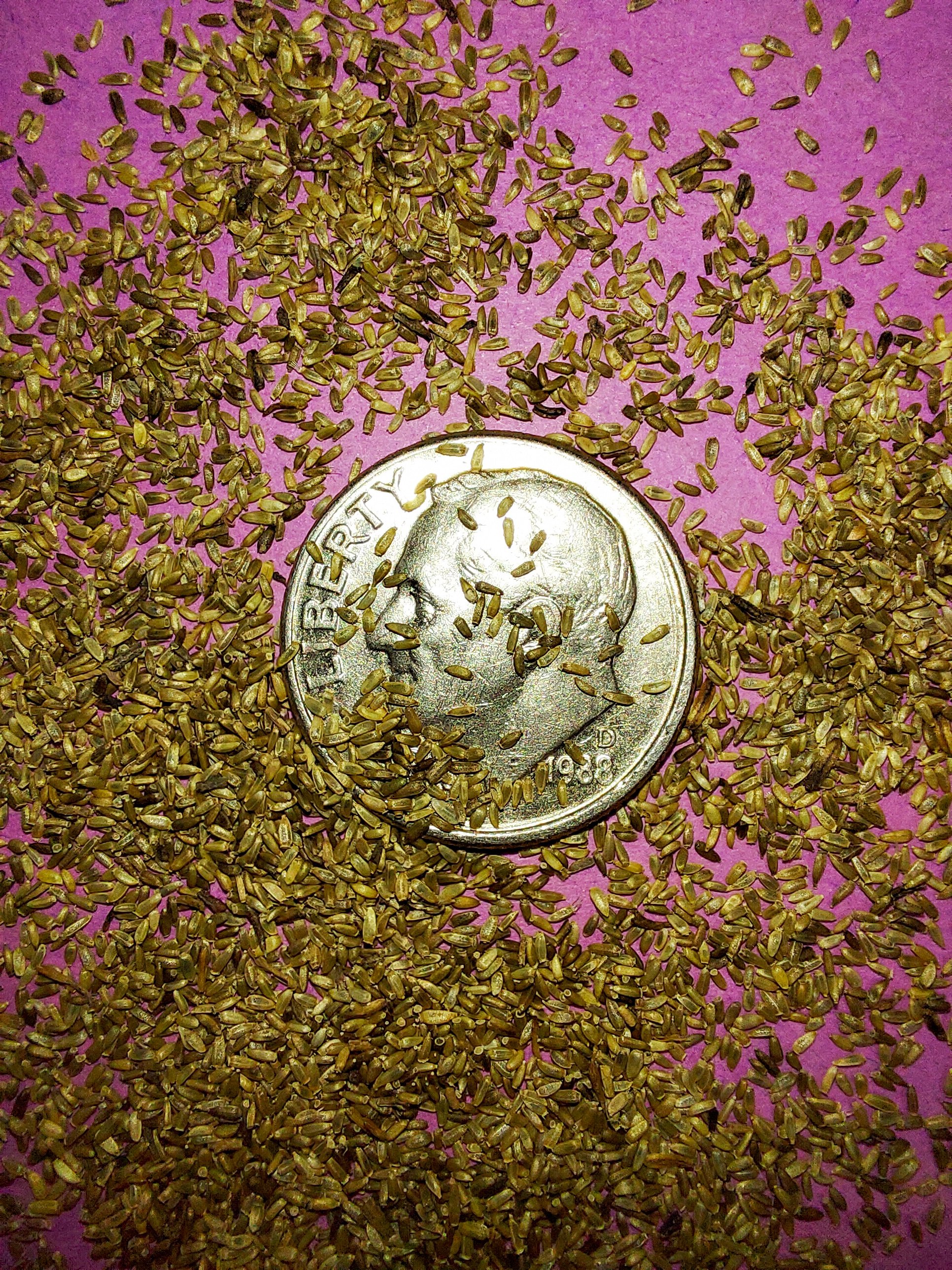
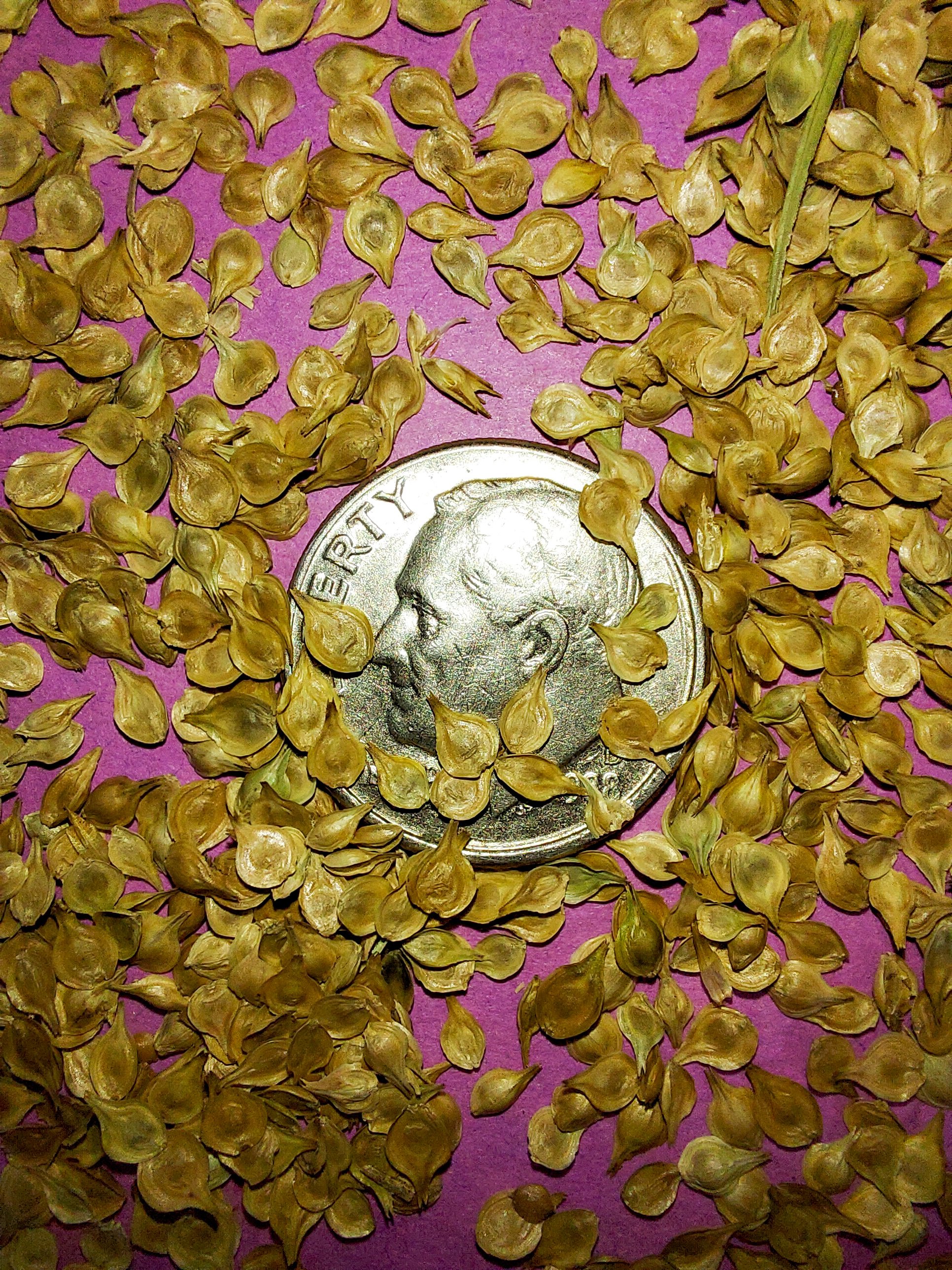
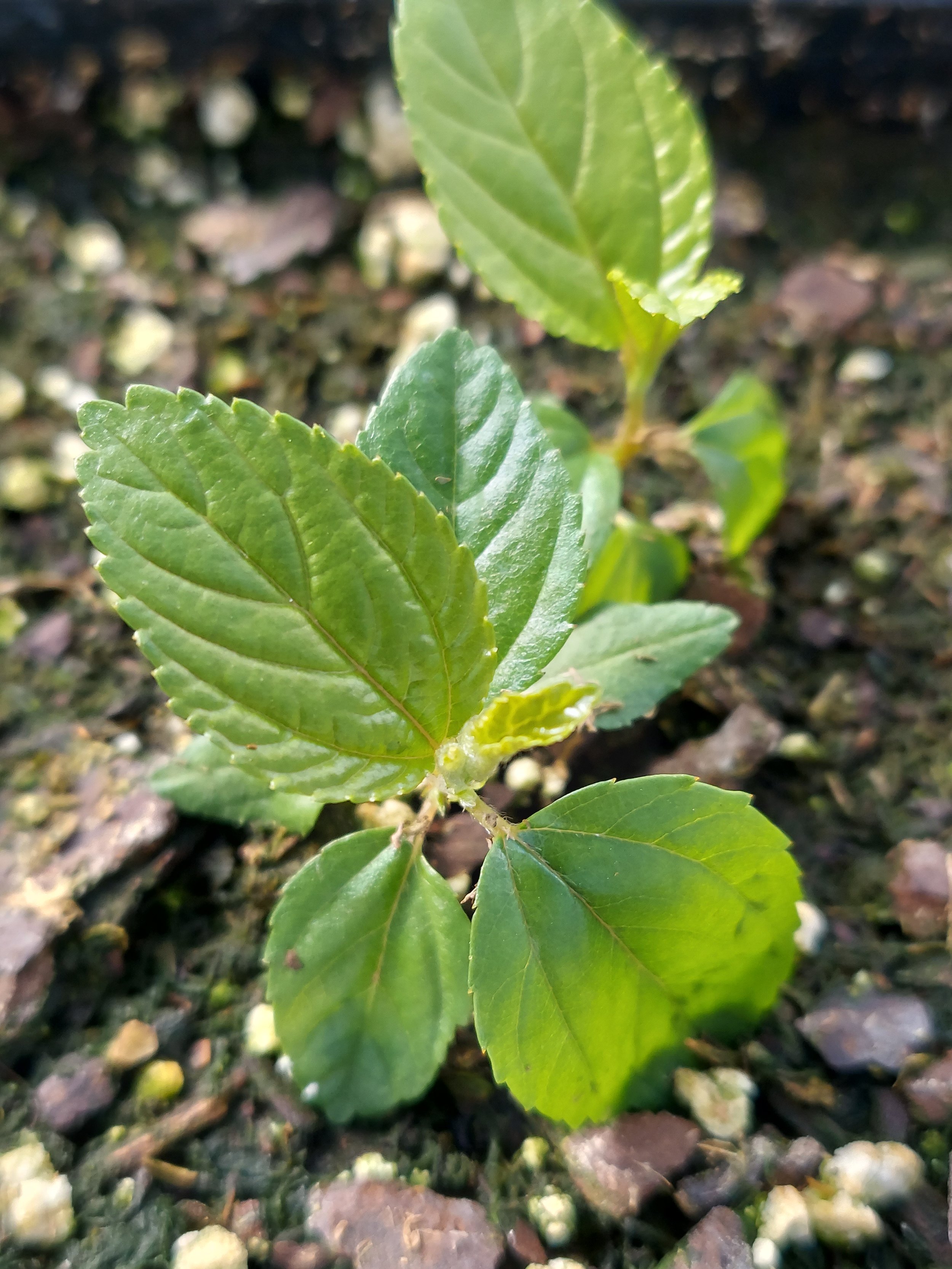
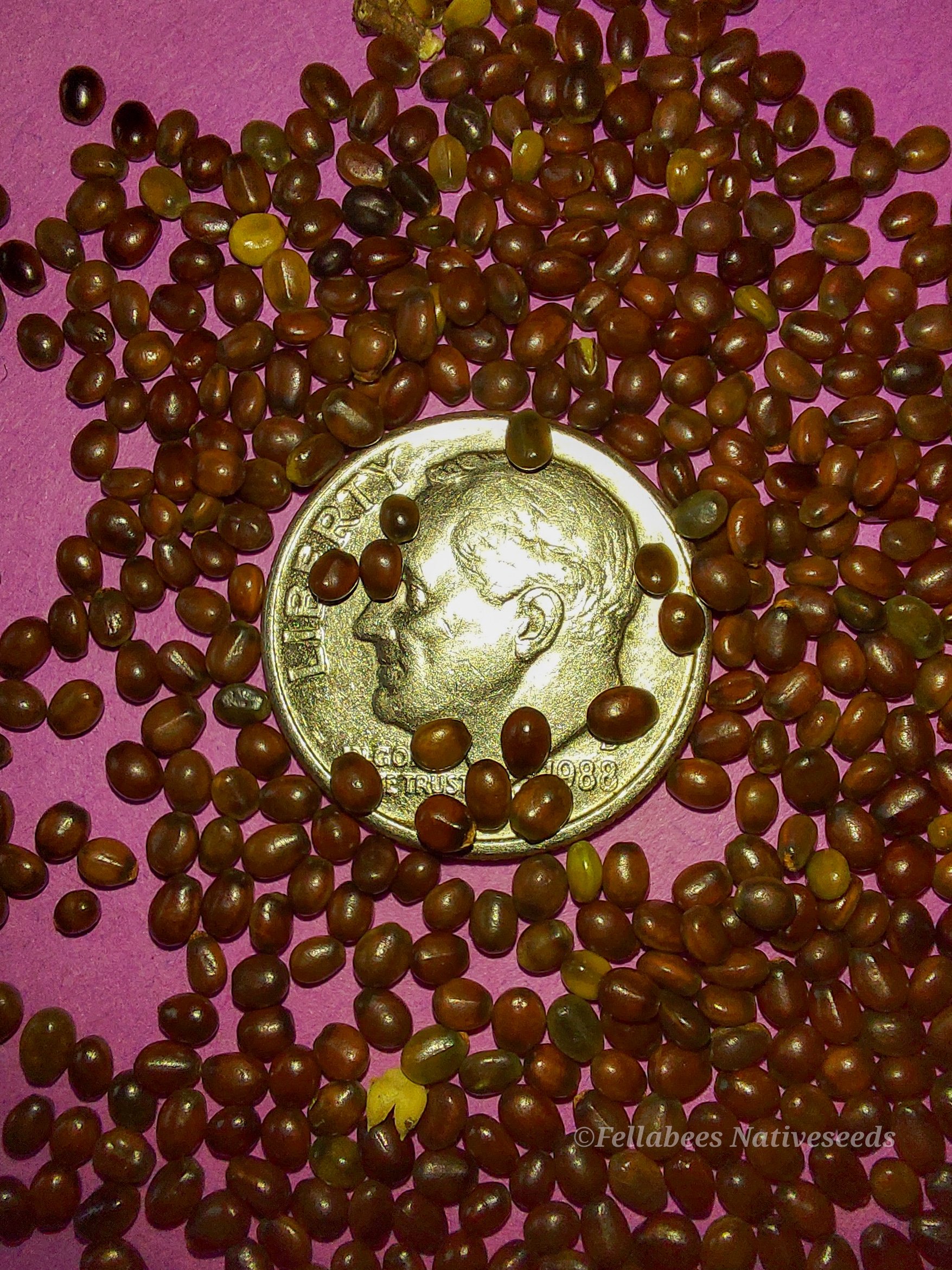
Germination Needs: 60 Days Cold Stratification, Seeds are very small and benefit light in order to germinate. Surface sow and bottom water.
Life Cycle: Perennial
Sun Exposure: Partial
Soil Moisture: Medium-Wet, Medium, Medium-Dry, Dry
Plant Spacing: 1 - 2 feet
Height: 2 feet
Bloom time: September, October
Bloom Color: Blue
Advantages:
Pollinator Favorite: butterflies, moths, bees, wasps, beetles
Bird Favorite: seeds, insects, fruit, nectar, nesting, perches.
Deer Resistant: Yes
Native to : Illinois, Iowa, Indiana, Michigan, Ohio, Pennsylvania, New York, New Jersey, Delaware, Maryland, West Virginia, Virginia, Kentucky, Tennessee, North Carolina, South Carolina, Georgia, Florida, Alabama, Mississippi, Louisiana, Arkansas, Missouri, Texas, Oklahoma, Kansas and Nebraska.
This plant is considered present but rare in several counties of the states of Pennsylvania, New Jersey, Nebraska, and Kansas.
.
.
Packet quantities:
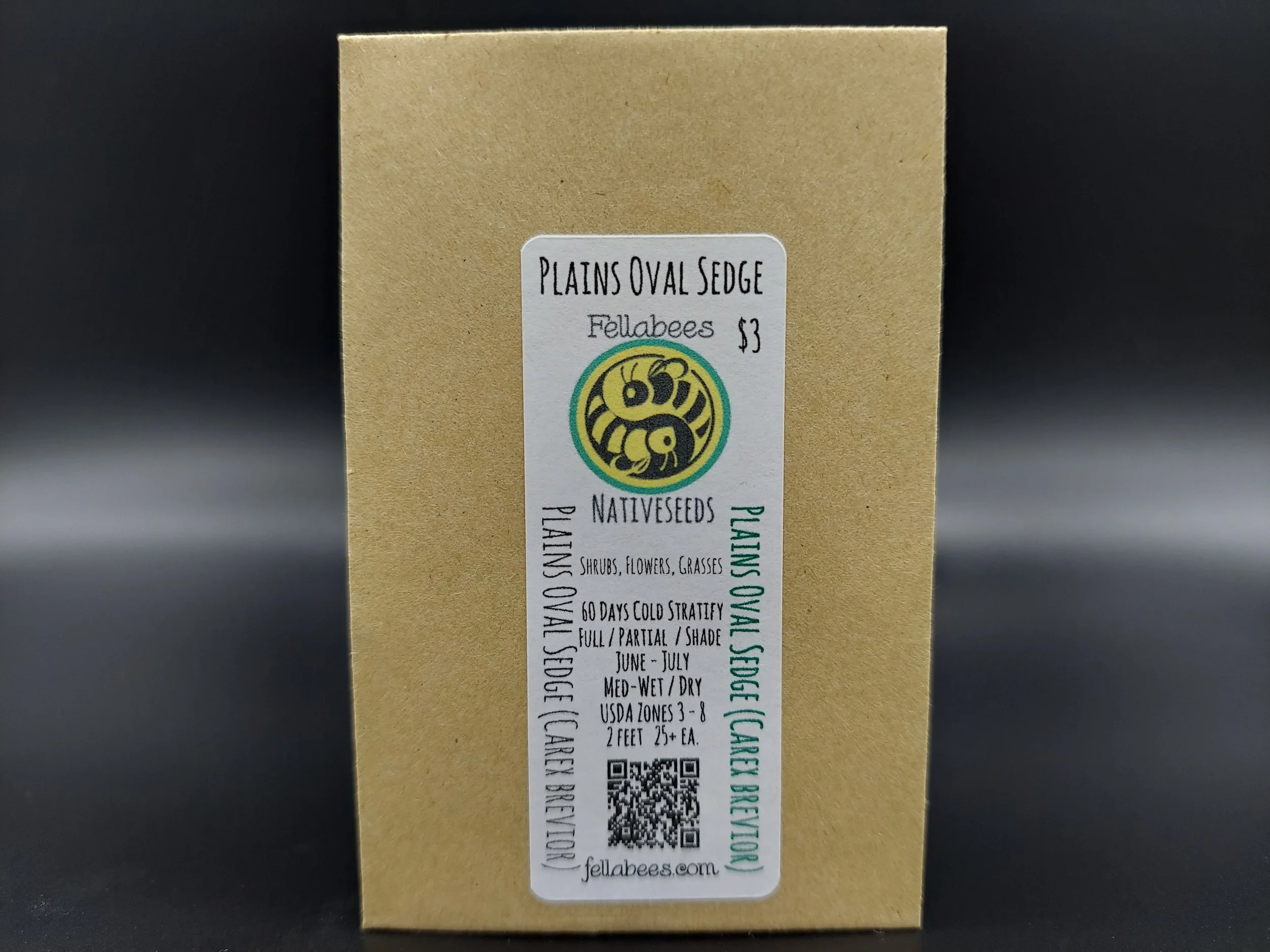
We pride ourselves on ethical, hands on, ecological management, using no mechanical or chemical methods whatsoever.
All of our native seed is hand reared, hand picked, and hand packed from native prairies under our exclusive management, never breaking chain of custody from the field until it is sent to you. Each packet is hand prepared for shipment by us, directly.
Small seed species will contain greater than 20-25 seed
Large seed species will contain greater than 10-15 seed
All packets are individually marked at the bottom of the front label with expected count, however most if not all packets will have many more than the minimum count by default.
It is our mission to spread the wealth of native plant and pollinator ecological sustainability, and educate back yard gardeners as well as corporate and government entities in how to germinate, grow, and benefit from native synergies.
Thank you for your support, it is because of you, that we can grow together to do, what we do. 🐛🦋🐝🐞🌾🌱🌼🧡
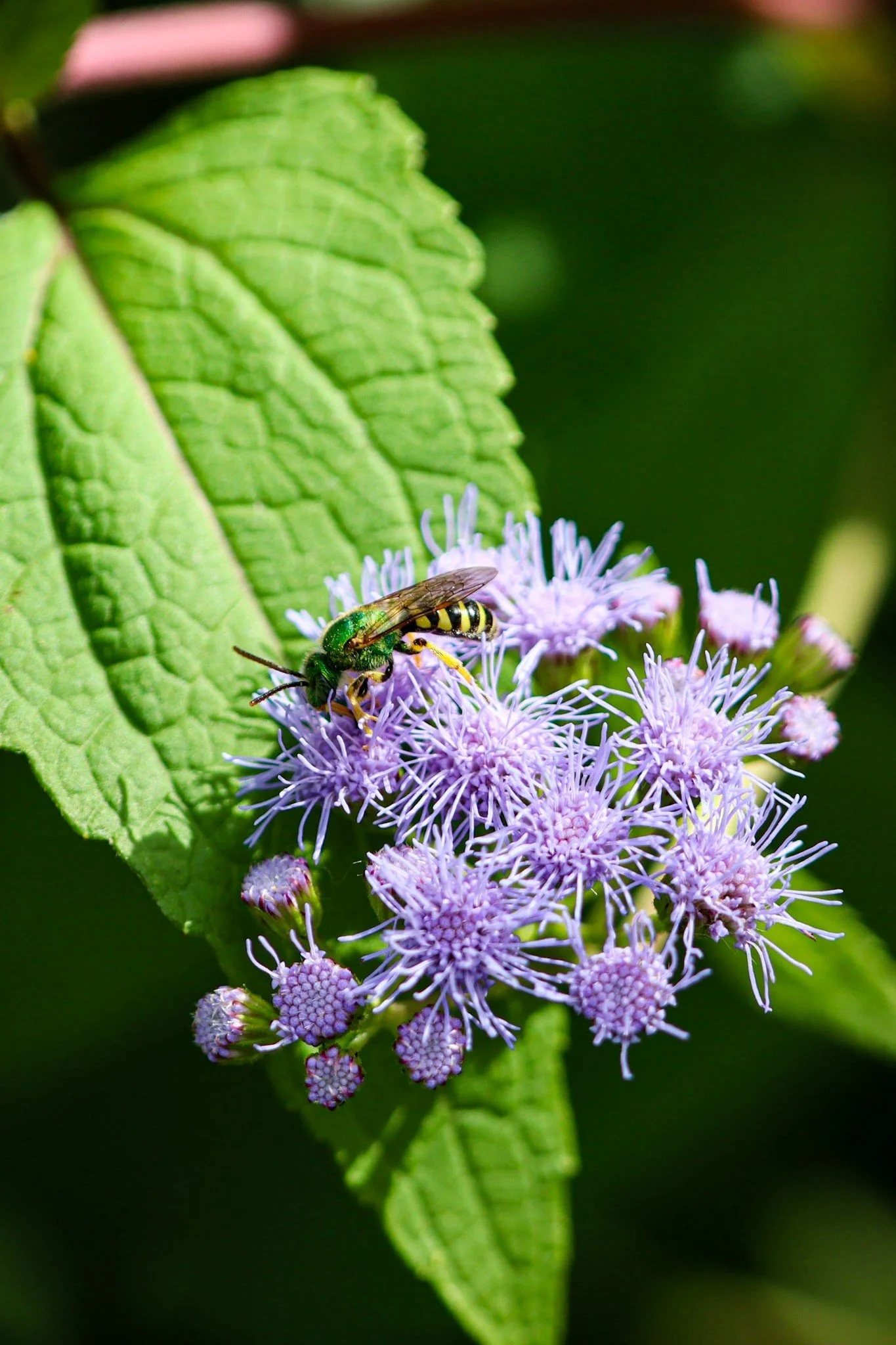 Image 1 of 12
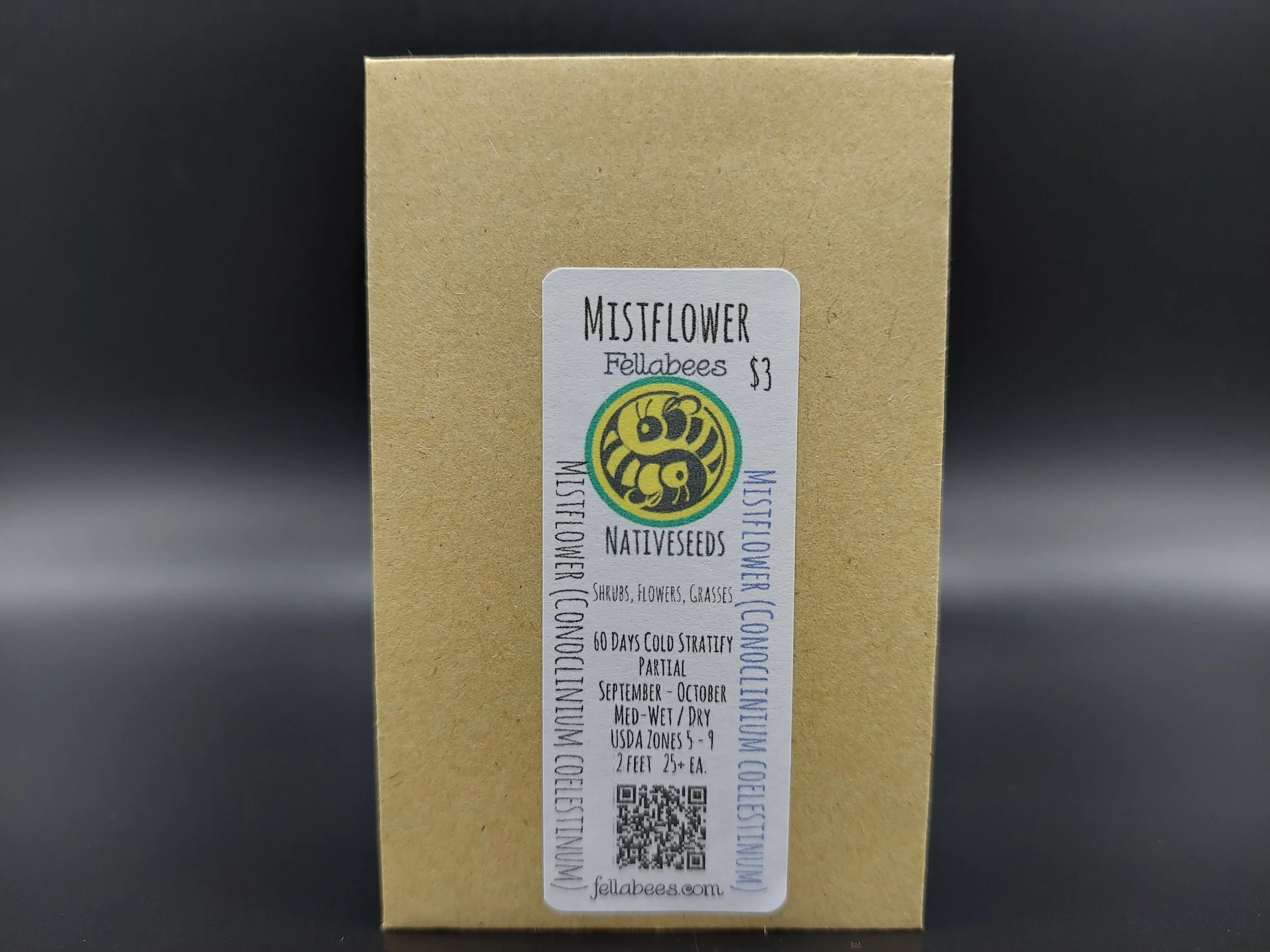 Image 2 of 12
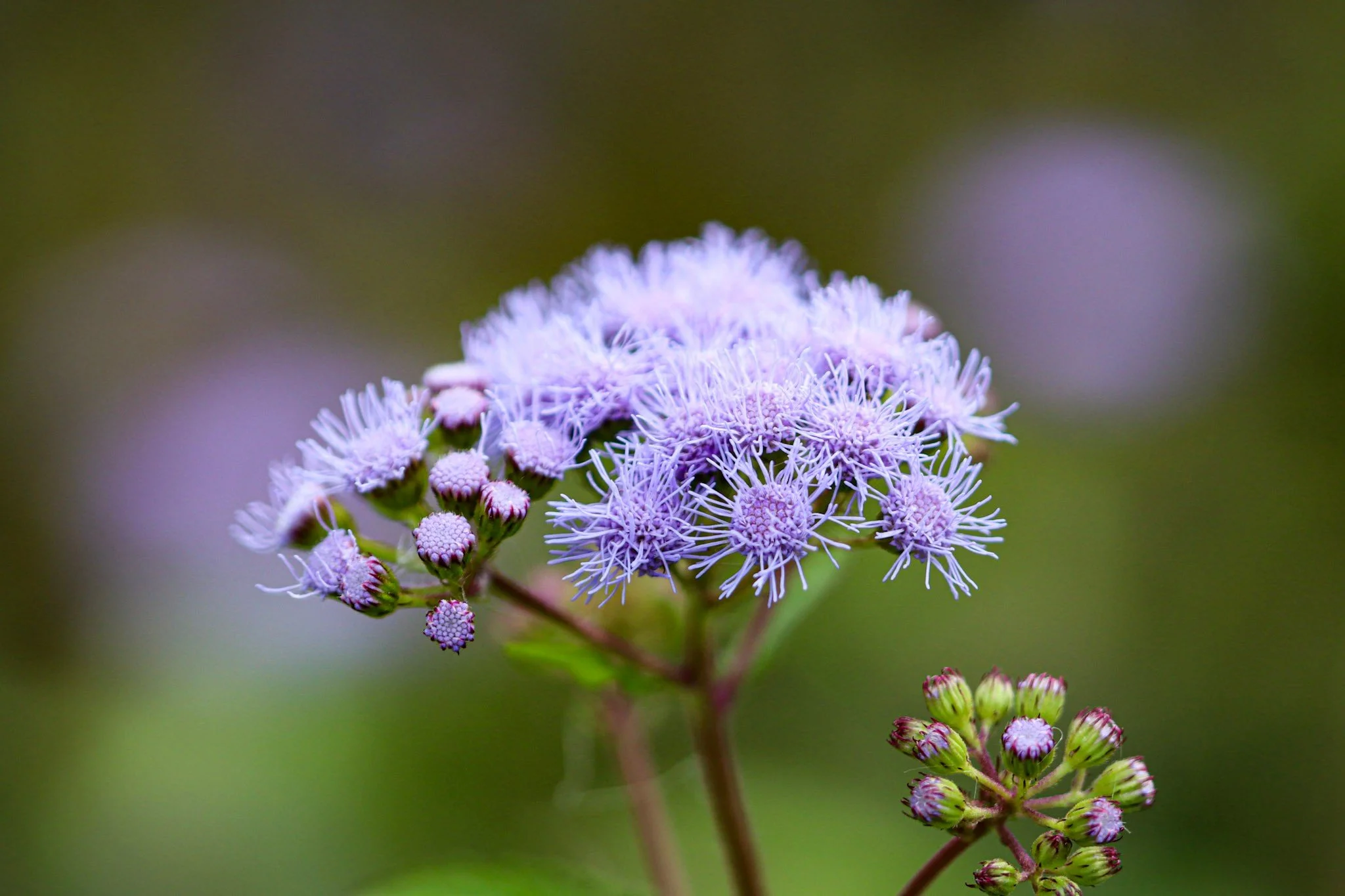 Image 3 of 12
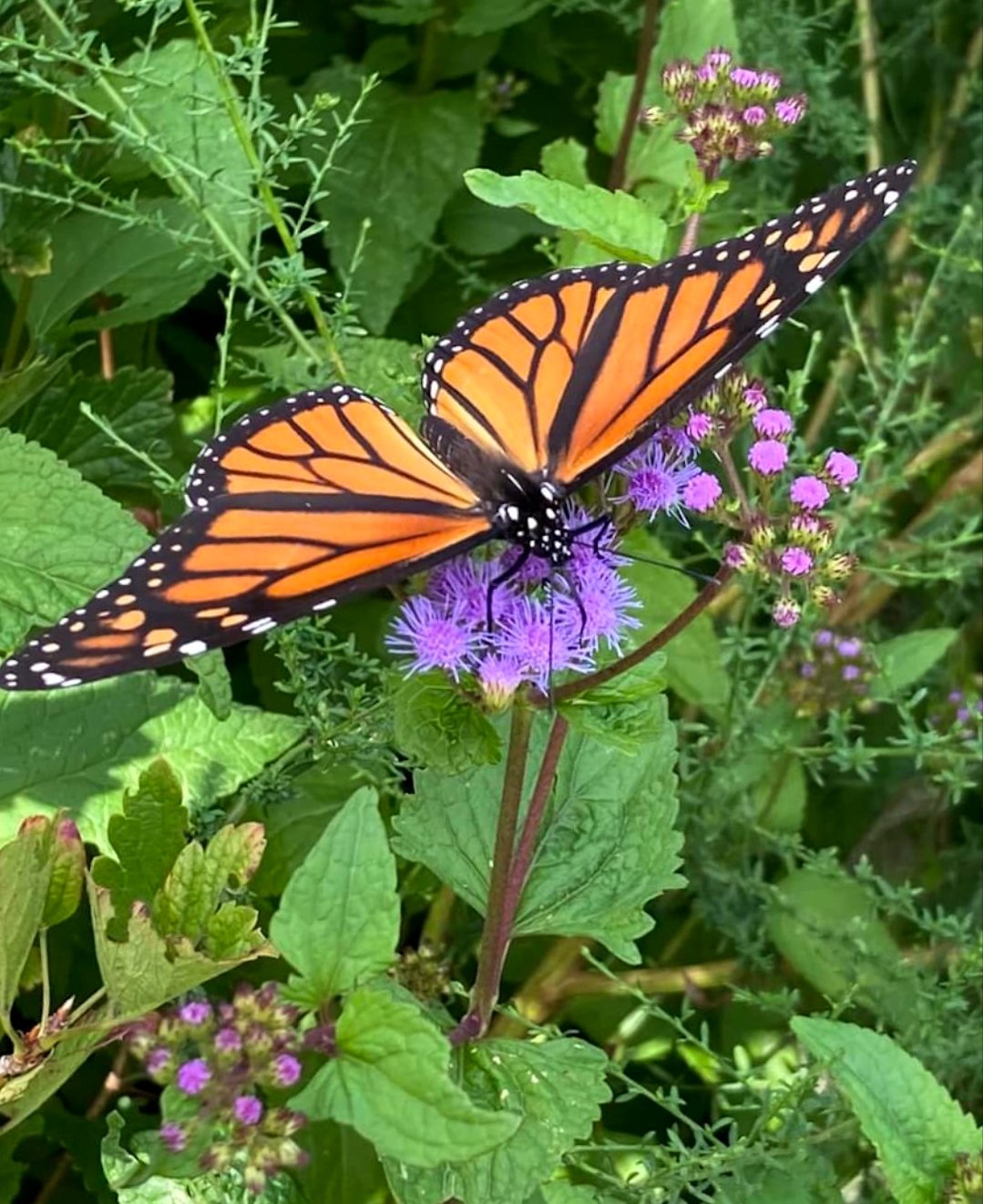 Image 4 of 12
 Image 5 of 12
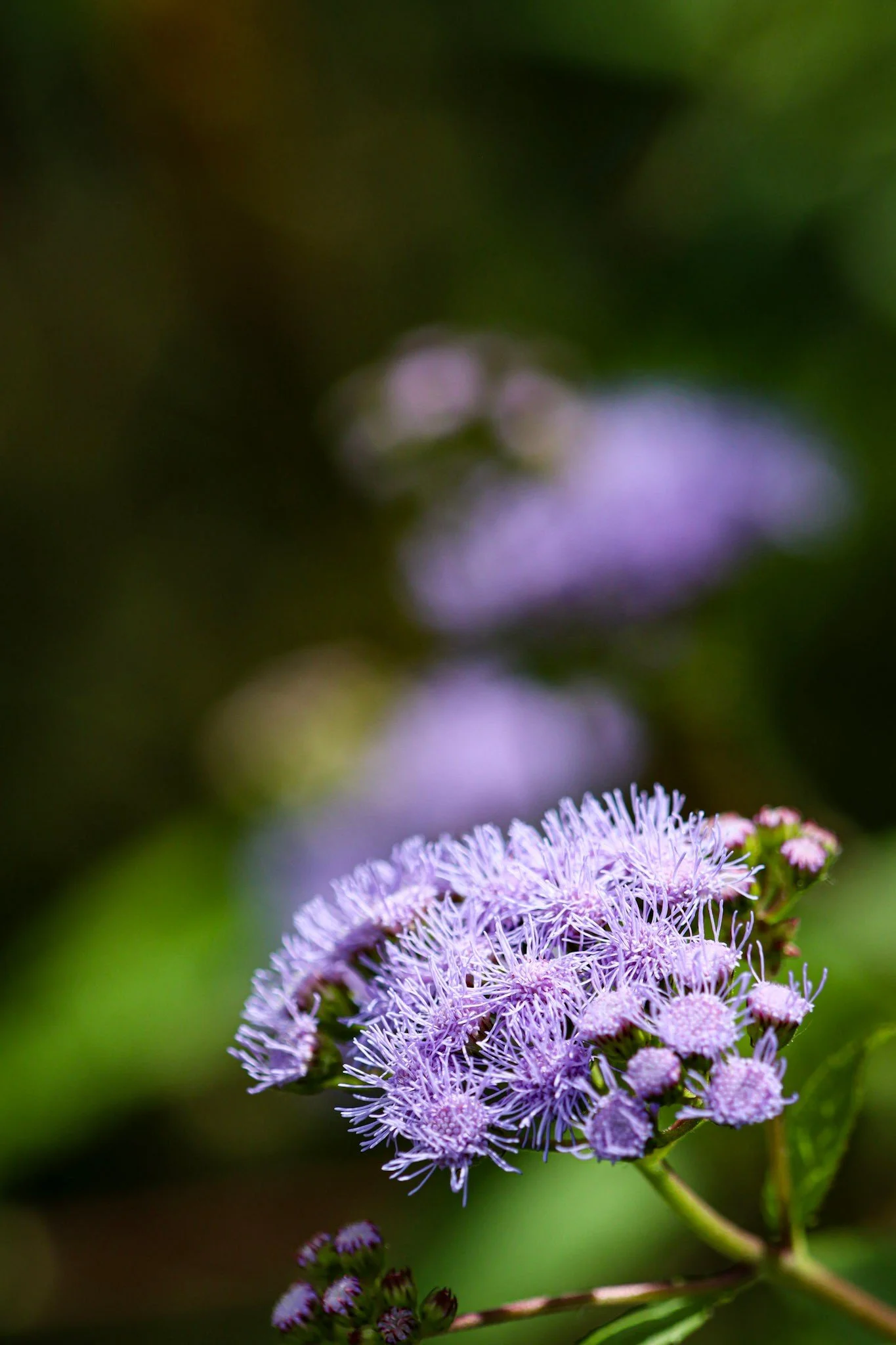 Image 6 of 12
 Image 7 of 12
 Image 8 of 12
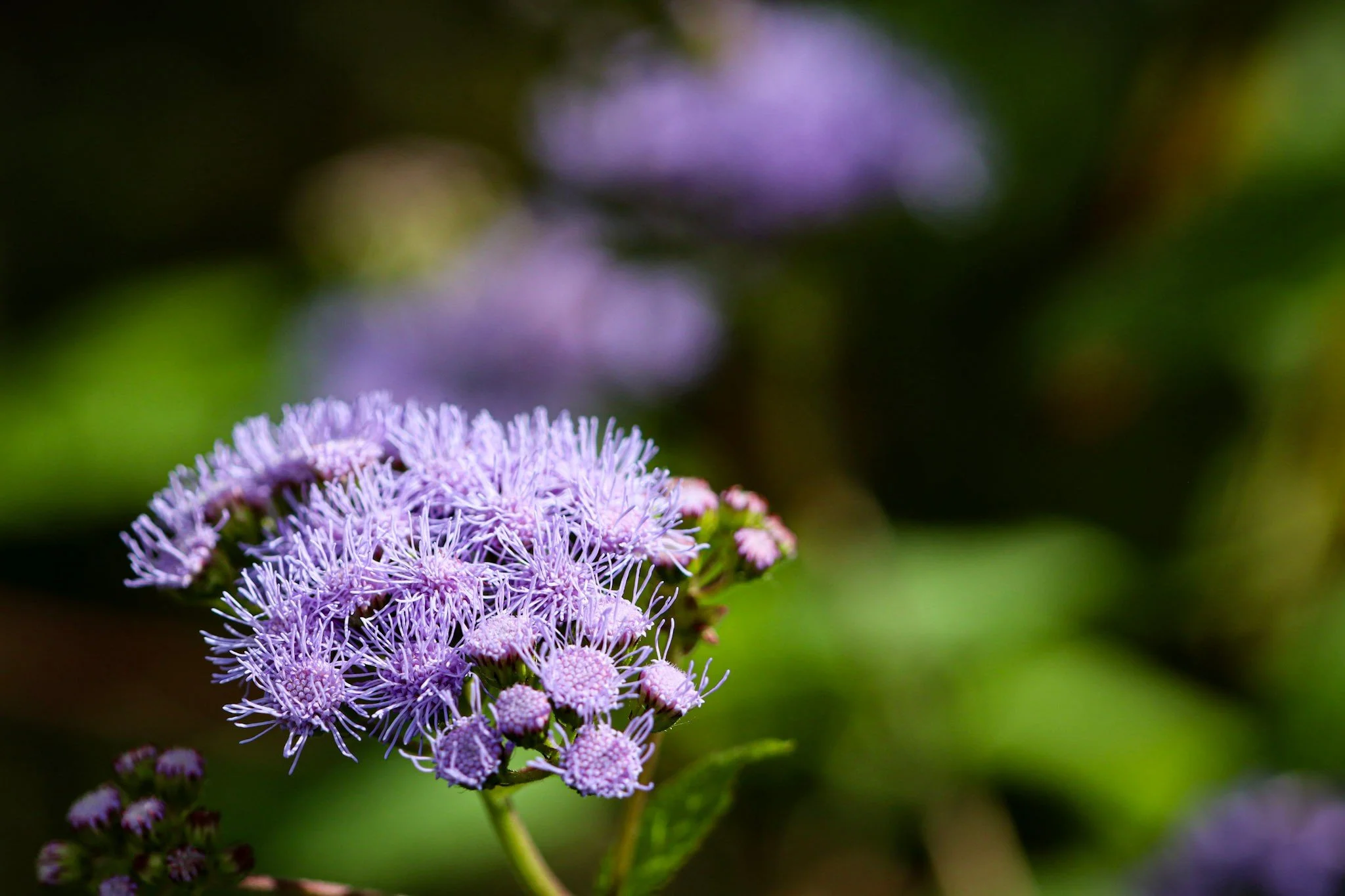 Image 9 of 12
 Image 10 of 12
 Image 11 of 12
 Image 12 of 12